
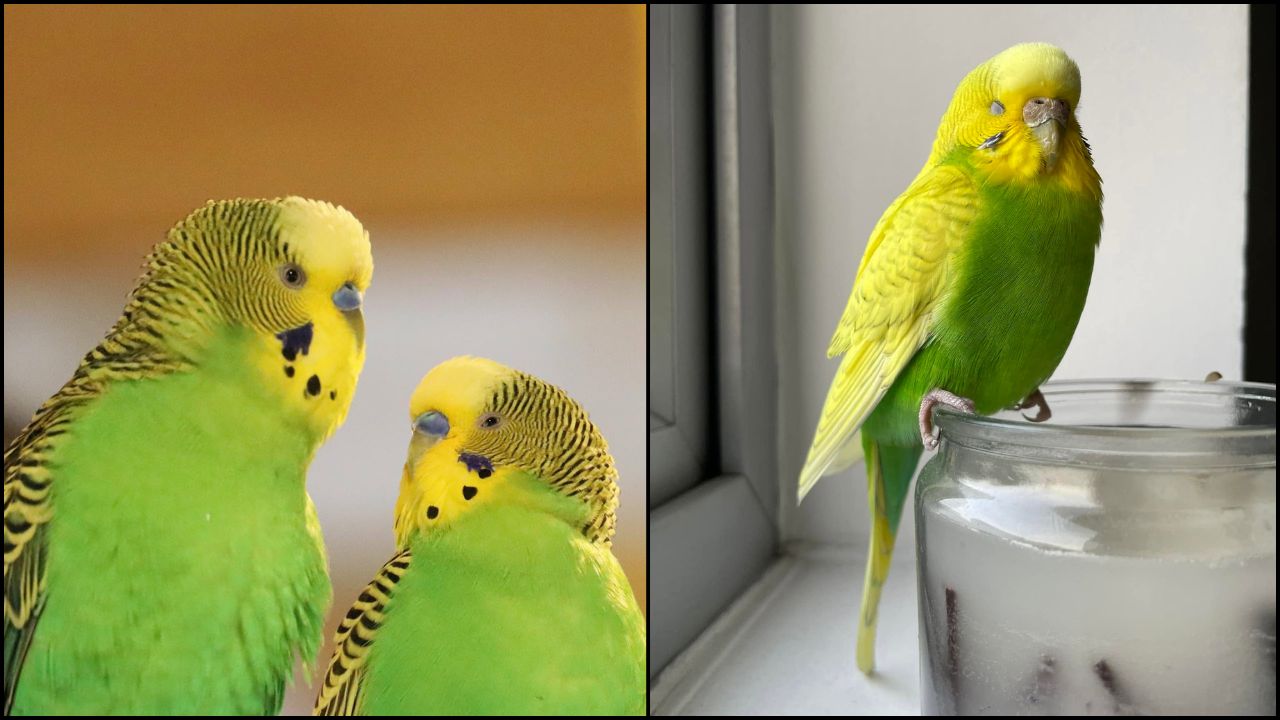

Neil has kept, bred, and sold cage and aviary birds at Paradise Pets Swindon since 1988 — over 35 years of watching UK bird identification play out at every level, from experienced UK ornithologists debating rarity records to UK families arriving at the shop counter genuinely uncertain about what specific species of pet bird they have brought home. UK bird twitching news this past weekend featured a mystery rare bird sighting that sparked substantial UK twitcher interest and produced hours of expert debate before identification was resolved. The story attracted media attention because bird identification uncertainty at the expert level is genuinely rare and newsworthy. But after 35 years at the counter, Neil has come to believe UK bird identification uncertainty happens far more often than most UK bird enthusiasts realise — and specifically that a substantial proportion of UK pet bird owners cannot confidently identify their own pet birds’ specific species, subspecies, colour mutations, gender, or age with accuracy that matches what they think they know. This is not criticism of UK pet bird owners. It is honest observation about how genuine UK bird identification actually works, why uncertainty is more common than expert culture typically acknowledges, and what welfare-led UK pet bird owners can genuinely take from the honest recognition that identifying birds correctly is harder than most UK owners have been led to believe.
A regular customer came into the shop one Monday afternoon, thinking through something interesting. She had been reading news coverage of the mystery UK bird twitch over the previous days and had been struck by the fact that experienced UK ornithologists had debated the identification for hours before consensus emerged. She kept a pet budgie called Alfie in her Swindon living room and had begun wondering something specific — how confident should she actually be that she knew what her budgie really was? She had bought Alfie three years ago from a chain retailer who had labelled him simply “budgerigar,” but she had recently seen photographs online of specific budgerigar colour mutations that looked different from Alfie and specific budgerigar variants that had welfare-relevant characteristics she had not been told about. She wanted honest professional opinion about whether she should be more confident or less confident about what her budgie actually was, and whether this uncertainty mattered welfare-wise. Her question was thoughtful and welfare-led — exactly the kind of question I have most valued answering at the counter over 35 years.
I sat with her for an hour and explained the honest answer, which surprised her considerably. The mystery UK bird twitch that had captured her attention was a genuine example of a broader phenomenon that runs through all UK bird identification — uncertainty is more common than expert culture typically acknowledges publicly. Experienced UK ornithologists debate rare bird identifications routinely. UK pet bird owners typically face the same underlying identification uncertainty about their own birds, but without the expert community to debate it publicly. UK budgies come in dozens of colour mutations and varieties with genuinely different characteristics. UK cockatiels have specific colour mutations with welfare-relevant considerations. UK canaries include specific breeds with distinct care requirements. The identification uncertainty is genuine and welfare-relevant. Her honest reconsideration of what she actually knew about Alfie was the welfare-led response the mystery twitch story had prompted. She left that afternoon with practical guidance about how to actually identify her specific budgie’s colour mutation, gender, approximate age, and welfare-relevant characteristics — information she had genuinely not been given at initial purchase and which she found substantially more useful than she had expected.
I am writing this article because the mystery UK bird twitch news provides genuine occasion for honest reflection on UK bird identification more broadly, and because the substantial UK pet bird community faces genuine identification uncertainty about their own pet birds that most UK owners have not been given the tools to address. The story is not primarily about the specific mystery bird itself — it is about what the story reveals about how UK bird identification actually works and what welfare-led UK pet bird owners can genuinely take from that honest reflection.
This article is the conversation I have at the counter with UK pet bird owners who bring in birds they cannot fully identify and want to understand what they actually have. By the end of it, you will understand what the mystery UK bird twitch story reveals about UK bird identification more broadly, why UK pet bird identification uncertainty is more common than most UK owners realise, what specific characteristics UK pet bird owners should actually know about their birds, how to approach honest identification of your specific UK pet bird, and why this exercise carries welfare-relevant significance beyond simple curiosity.
What The Mystery UK Bird Twitch Reveals About UK Bird Identification
For UK readers wanting to understand what the mystery twitch story reveals about UK bird identification more broadly, here is the honest picture based on 35 years of watching UK bird identification play out at every level.
What the mystery UK bird twitch story reveals about UK bird identification:
- UK expert-level bird identification often involves genuine uncertainty
- UK ornithologists debate rare bird identifications routinely before consensus emerges
- UK regional recording committees deliberate over records for months
- British Birds Rarities Committee assesses ambiguous records with multiple experts
- UK bird identification requires specific evidence and expert judgement even at highest level
- Photographs, recordings, and detailed field notes support identification
- Novel or ambiguous sightings can attract international expert attention
- Identification uncertainty is normal in UK bird expertise culture
- Public bird identification typically appears more confident than expert reality
- UK birding community values honest engagement with identification difficulty
- The story pattern — mystery bird, expert debate, eventual consensus — is routine in UK birding
- Media coverage of individual cases reveals broader identification reality
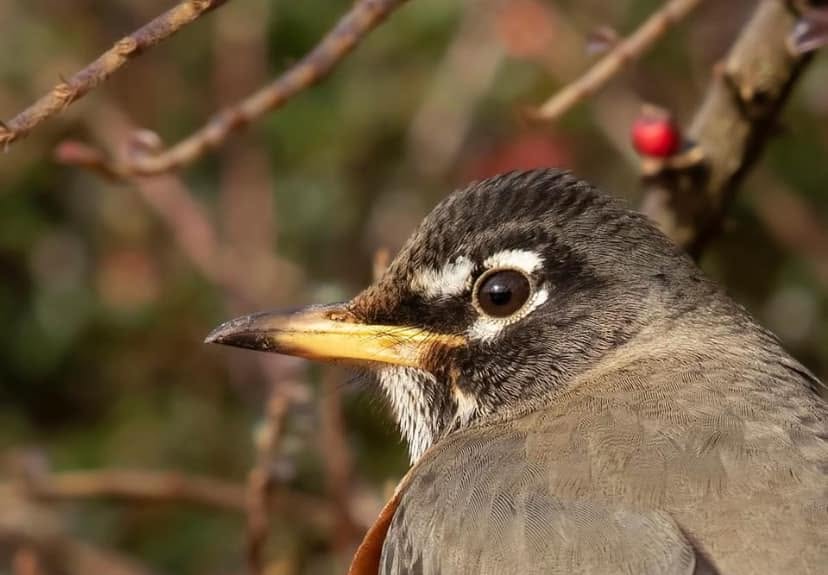
The mystery UK bird twitch story is not primarily notable because expert bird identification uncertainty is unusual. It is notable because most UK readers outside the specialist birding community have not been shown this broader identification reality clearly. UK bird identification at every level involves more genuine uncertainty than public expert culture typically presents. The mystery twitch story briefly reveals what UK birding culture normally handles internally.
After 35 years at the counter watching UK bird identification play out across contexts, I have come to believe UK public engagement with the honest reality of bird identification uncertainty is genuinely valuable. It supports welfare-led thinking, honest engagement with the birds themselves, and appreciation for the genuine expertise UK birding community members develop over decades. It also has direct implications for UK pet bird owners that most UK owners have not been given.
For broader context on UK bird welfare community and the wider UK bird expertise culture the mystery twitch story sits within, our article on new science confirms climate change is reshaping UK bird life covers the wider UK bird welfare picture that includes UK ornithologist community engagement with genuine bird welfare research.
Why UK Pet Bird Identification Uncertainty Is More Common Than Owners Realise
For UK pet bird owners wanting to understand the specific identification uncertainty that affects their own birds, here is the honest picture based on 35 years of counter observation.
Why UK pet bird identification uncertainty is common:
- UK pet retail typically provides minimal identification detail at point of purchase
- Basic species identification (“budgerigar”) does not capture specific characteristics
- Colour mutations and varieties are typically not explained to first-time UK buyers
- Gender identification is difficult in young birds and often uncertain at purchase
- Age estimation is often approximate from UK breeder or retailer
- Subspecies and geographical variety information rarely provided
- Welfare-relevant characteristics associated with specific varieties not communicated
- Chain retailer staff often not trained in detailed species identification
- UK owners assume they know more than they actually do about their specific birds
- Online information is inconsistent and can reinforce misidentification
- Gender and age uncertainty accumulates over years without proper assessment
- Colour mutation identification requires specific detailed observation
Common UK pet bird identification gaps I see at the counter:
- Owners not knowing their budgie’s specific colour mutation
- Owners unsure of their pet bird’s gender even after years of ownership
- Owners with approximate rather than genuine age information
- Owners not knowing their cockatiel’s specific colour variety
- Owners with canaries whose specific breed is unknown
- Owners not aware of welfare-relevant characteristics associated with specific varieties
- Owners with lutino budgies not knowing eye colour welfare implications
- Owners with English budgies (show budgies) not aware of specific characteristics
- Owners with cinnamon mutations not aware of feather characteristics
- Owners with parents unknown who cannot know inherited traits
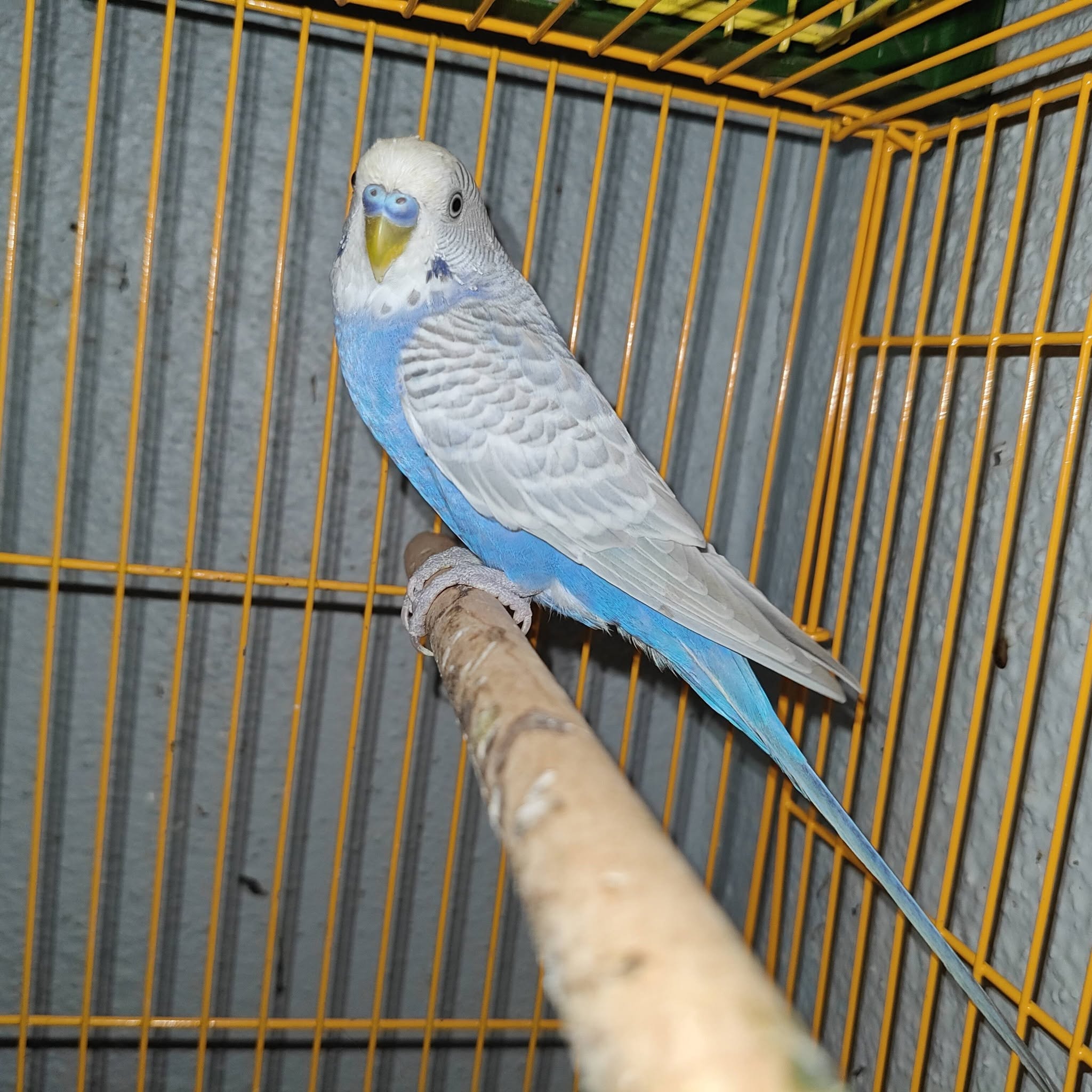
The identification gaps I see at the counter are genuinely common rather than exceptional. UK pet bird owners typically arrive at the shop knowing basic species information but not the specific identification detail that would inform welfare-led care of their particular bird. This is not the fault of UK pet bird owners — it reflects the information UK pet retail has historically provided at point of purchase, which is typically minimal.
For UK pet bird owners wanting to understand the identification detail relevant to welfare-led care of their specific bird, honest engagement with the identification process is genuinely valuable. The exercise takes some effort but produces welfare-relevant understanding that most UK pet bird owners have not previously accessed.
What UK Pet Bird Owners Should Actually Know About Their Birds
For UK pet bird owners wanting to understand what specific identification detail welfare-led care requires, here is the honest picture based on 35 years of counter experience.
- Confirm species and any subspecies specifically
Budgerigar type — Australian wild type or English show budgie. Cockatiel colour mutation. Specific canary breed. Finch species identification. - Identify colour mutation accurately
UK budgies come in dozens of colour mutations with different characteristics. UK cockatiels have specific mutations. Correct identification supports welfare-led care. - Determine gender with reasonable confidence
Adult UK budgies show cere colour differences — blue in males, brown or beige in females. Cockatiels show face colour and tail bar differences. Some species require DNA testing for confidence. - Establish approximate age category
Baby, juvenile, adult, senior categories with associated welfare-relevant considerations. - Understand welfare-relevant characteristics
Lutino budgies may have specific welfare considerations. English budgies have specific welfare needs. Cinnamon mutations have specific feather characteristics. - Know your bird’s parentage if available
Inherited traits, potential welfare-relevant genetic considerations, expected temperament. - Understand your bird’s specific behavioural characteristics
Individual variation within species. Personality traits. Preferences and welfare-relevant patterns. - Know your bird’s medical history if available
Previous conditions, treatments, ongoing welfare-relevant considerations. - Understand species-specific lifespan expectations
Welfare-led planning across the bird’s expected lifespan requires realistic understanding. - Recognise welfare-relevant characteristics you may have missed
Some welfare implications become clear only through honest identification engagement.
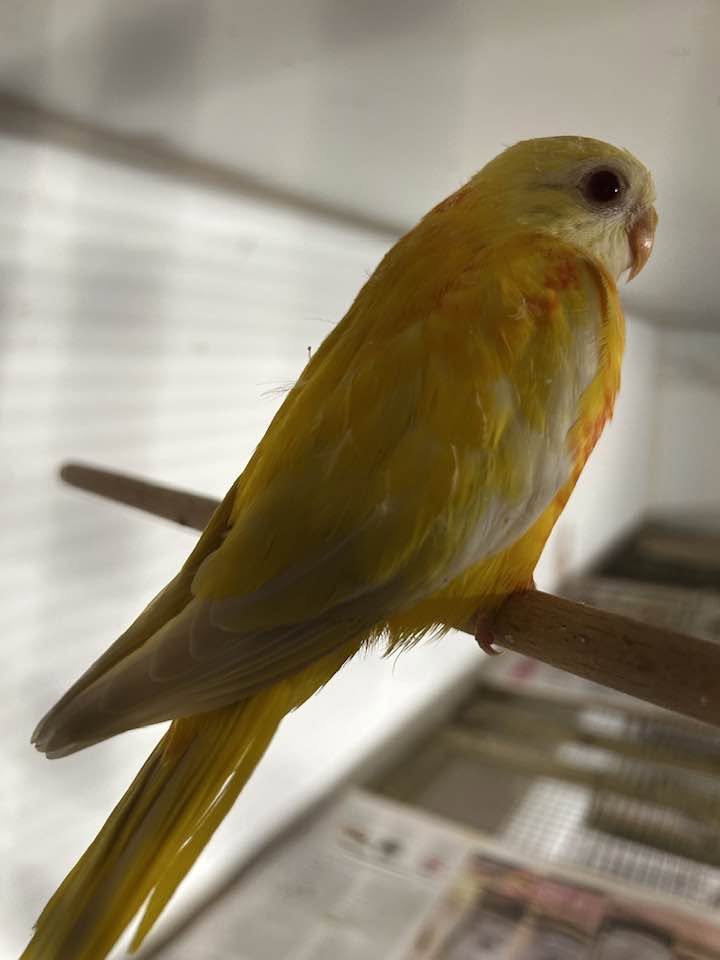
The identification checklist is genuinely valuable for UK pet bird owners regardless of how long they have owned their birds. UK owners who have had pet birds for years often discover through honest identification engagement that they had incorrect assumptions about their birds’ specific characteristics — assumptions that had shaped their welfare provision in ways that were not optimal.
The exercise is not designed to make UK pet bird owners feel inadequate about their existing knowledge. It is designed to support welfare-led engagement with their specific bird’s specific reality. UK pet bird owners who complete honest identification engagement typically report the exercise as genuinely valuable and welfare-informative.
For more on UK pet bird welfare-appropriate care that depends on accurate identification, our article on why most UK budgie cages fall short of RSPCA guidance covers welfare-standard setup that depends on knowing your specific budgie’s characteristics accurately.
Common UK Pet Bird Identification Situations At The Counter
For UK pet bird owners wanting to understand the typical identification situations UK pet bird owners bring to the counter, here is the honest picture from 35 years of observation.
Typical UK pet bird identification situations I encounter:
- Owner unsure whether their bird is male or female even after multiple years
- Owner uncertain about their budgie’s specific colour mutation
- Owner with cockatiel not sure if it is lutino, pied, or pearl mutation
- Owner unsure if bird is Australian type or English show budgie
- Owner with canary uncertain about specific breed
- Owner with finches uncertain about specific species
- Owner unsure of bird’s approximate age from purchase context
- Owner concerned about identification implications for pair breeding
- Owner discovering welfare-relevant characteristics after years of ownership
- Owner questioning identification after seeing images online
- Owner uncertain whether bird is hybrid between species
- Owner considering acquiring companion bird and needing gender identification
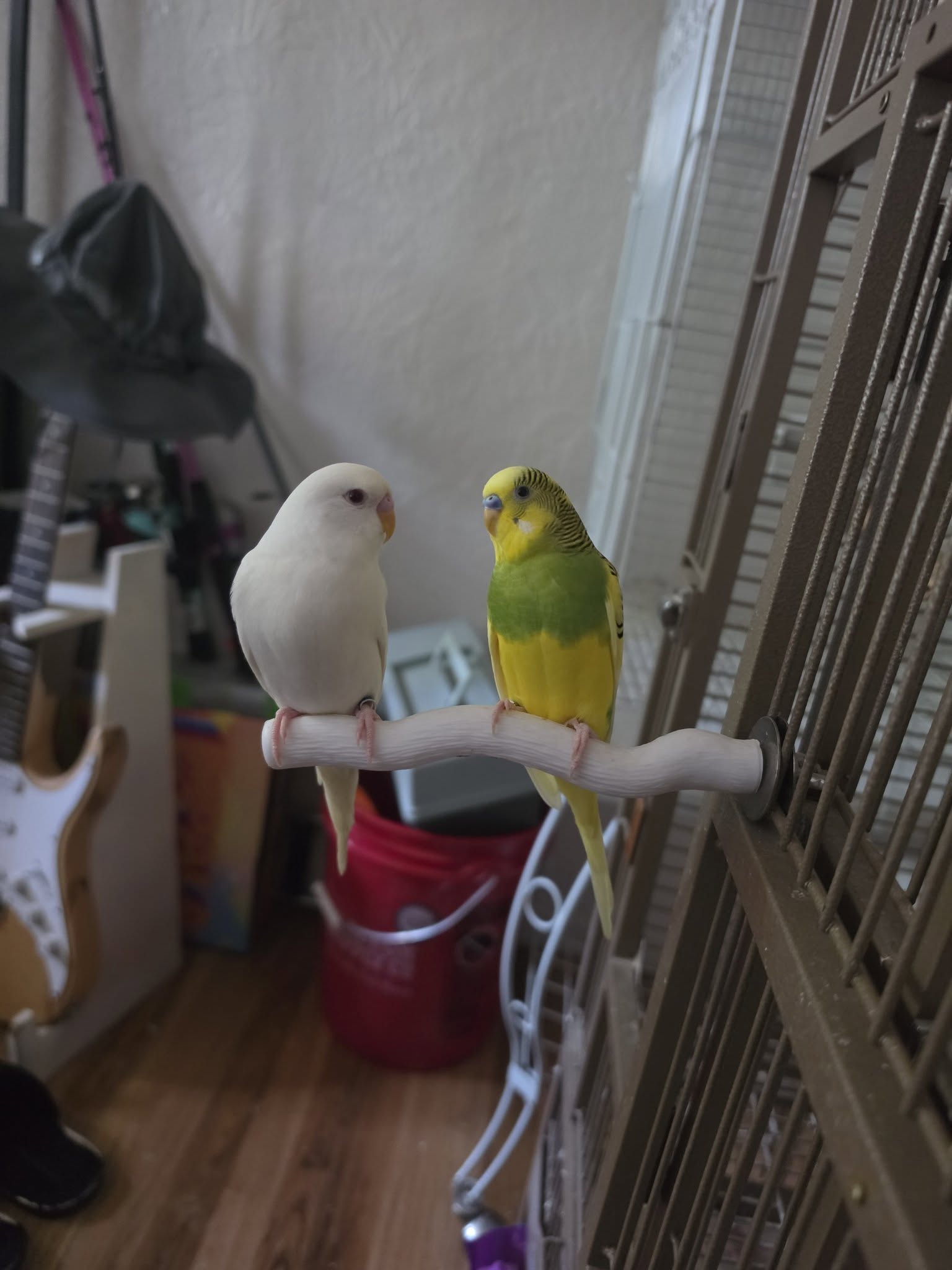
The identification situations I encounter at the counter are genuinely common rather than exceptional. UK pet bird owners across the full range of experience levels — from first-time buyers to owners with decades of experience — bring identification uncertainty to the counter regularly. This is entirely normal and reflects the reality of UK pet bird identification rather than any specific failure of individual UK owners.
The counter conversations typically produce identification clarity that owners find genuinely useful. UK pet bird identification is often achievable with some detailed observation, appropriate reference material, and welfare-led attention to specific characteristics. Not always definitive — some identifications require DNA testing or specialist assessment — but usually adequate for welfare-led care.
After 35 years at the counter, I have come to believe UK pet bird identification is one of the most genuinely valuable services independent UK pet shops can provide. Chain retailers typically do not have staff time or expertise to work through detailed identification. UK independent shops with welfare-led focus can provide the identification guidance that welfare-led UK owners genuinely benefit from.
How To Approach Honest UK Pet Bird Identification For Your Specific Bird
For UK pet bird owners wanting practical guidance on identifying their specific bird accurately, here is the honest protocol I use at the counter.
- Start with confirmed species and general variety
“Budgerigar” is species. Australian wild type or English show budgie is general variety. Both matter for welfare-led care. - Photograph your bird clearly from multiple angles
Good photographs support identification substantially. Head, body, wing, tail, feet all photographed clearly. - Observe specific colour characteristics carefully
Body colour, wing markings, head markings, tail characteristics, foot colour, eye colour, cere colour. - Compare with reference material for colour mutations
UK budgie colour mutations documented in specialist references. Compare systematically. - Determine gender through relevant markers
Cere colour in adult budgies. Face colour and tail patterns in cockatiels. DNA testing where markers uncertain. - Estimate age category through available markers
Feather characteristics, cere characteristics, general condition indicators. Purchase records where available. - Consult welfare-led UK independent shop for verification
Independent shops with welfare-led focus can support identification accuracy. - Consider DNA testing for gender confirmation
Affordable and accurate. Available through UK avian vets or dedicated testing services. - Research welfare-relevant characteristics of identified variety
Specific colour mutations may have specific welfare considerations. - Update your welfare-led care approach based on identification
Accurate identification supports accurate welfare provision.
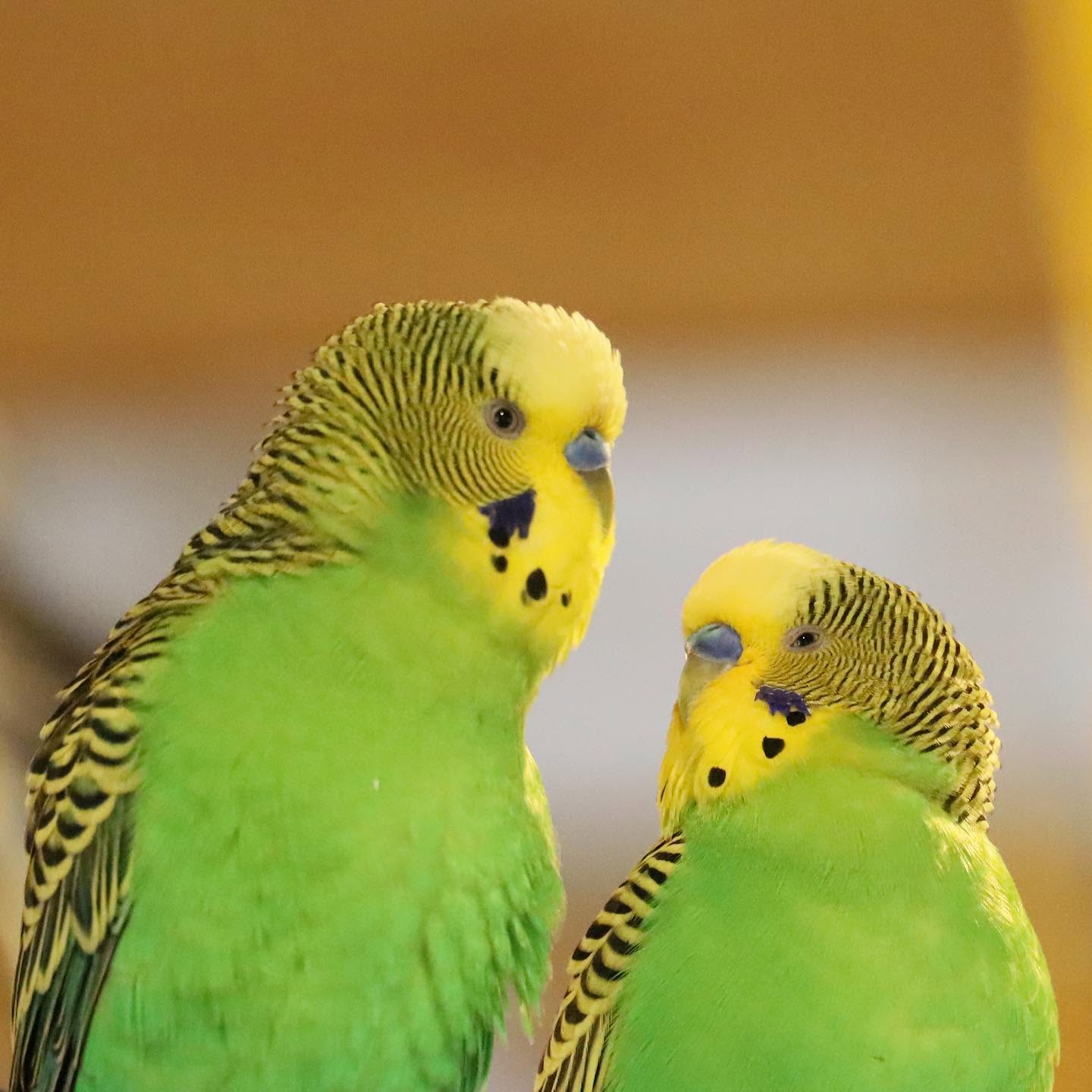
The identification protocol is genuinely accessible for UK pet bird owners without exceptional expertise or resources. Most UK pet bird identification can be resolved through systematic observation, appropriate reference material, and welfare-led attention. UK owners who complete the protocol typically develop substantially better understanding of their specific bird than they had before.
For UK pet bird owners in the Swindon area, bringing your pet bird to the shop for identification discussion is a genuinely useful welfare-led exercise. After 35 years at the counter, I can typically help identify UK pet bird colour mutations, gender, approximate age, and welfare-relevant characteristics through observation and specialist reference material. The consultation supports welfare-led care planning going forward.
Why Accurate UK Pet Bird Identification Matters For Welfare
For UK pet bird owners wanting to understand why accurate identification produces welfare benefit, here is the honest picture from 35 years of watching what changes when UK owners engage with honest identification.
Why accurate UK pet bird identification matters for welfare:
- Species-specific welfare requirements vary across UK pet bird species
- Colour mutation-specific welfare considerations exist for some varieties
- Gender-specific welfare needs vary including breeding considerations
- Age-specific welfare needs change across UK pet bird lifespan
- Welfare-appropriate diet varies by specific bird characteristics
- Enrichment needs vary by species and individual
- Social housing decisions depend on accurate gender identification
- Lifespan planning depends on accurate species and age understanding
- Preventative UK avian vet care depends on accurate identification
- Behavioural interpretation depends on species-typical baselines
- Companion bird selection depends on accurate identification of existing bird
- Welfare-appropriate interaction depends on species and individual characteristics
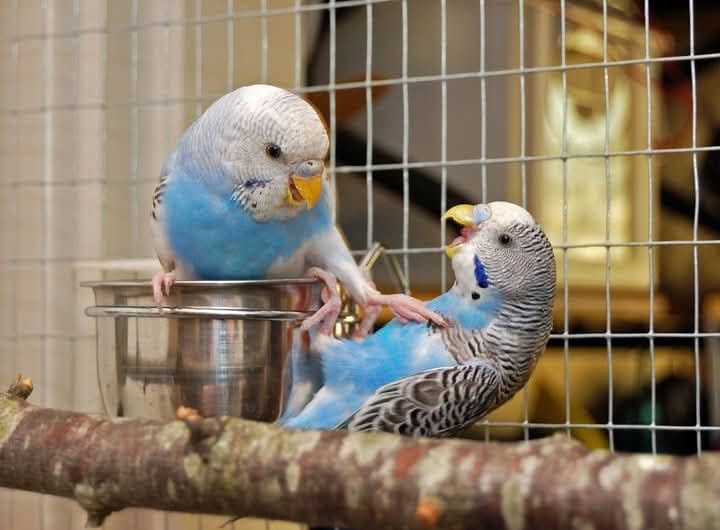
The welfare implications of accurate UK pet bird identification are genuinely substantial across multiple dimensions. UK owners who engage with honest identification typically transform their welfare-led care approach based on the accurate information the identification produces.
The transformation UK pet bird care undergoes when identification accuracy improves is often measurable. Owners who discover their budgie is female rather than male may reassess breeding considerations. Owners who discover specific colour mutation welfare implications may adjust care accordingly. Owners who discover their bird is older than they thought may adjust welfare planning for senior UK pet bird care. Owners who confirm species-specific characteristics may modify enrichment provision.
For UK pet bird owners currently in identification uncertainty about their birds, the practical implication is that honest engagement with the identification process is welfare-led investment that produces meaningful welfare returns. The exercise takes time but delivers value across the bird’s remaining lifespan.
Frequently Asked Questions
What actually happened with the mystery UK bird twitch this weekend?
UK bird twitching news featured a rare bird sighting that sparked substantial UK twitcher interest and produced hours of expert debate before identification was resolved. The story attracted media attention partly because expert bird identification uncertainty is not routinely visible to the general UK public. UK bird identification at expert level involves genuine uncertainty more often than public expert culture typically acknowledges. The mystery twitch story revealed briefly what UK birding culture normally handles through internal expert exchange. The broader story pattern — rare bird discovery, expert identification debate, eventual consensus — is genuinely routine in UK birding culture.
Why does bird identification uncertainty happen even among experts?
UK bird identification requires specific evidence, expert judgement, and often extensive comparison with reference material and historical records. Rare or unusual UK bird sightings can present combinations of characteristics that do not match any single common species pattern clearly. Novel sightings can require international expert consultation for resolution. UK regional recording committees and the British Birds Rarities Committee handle assessment of ambiguous records with multiple experts weighing evidence. The uncertainty is normal in UK bird expertise and reflects the genuine complexity of bird identification rather than any expertise limitation.
Does UK pet bird identification uncertainty really matter for welfare?
Yes — genuinely so. Accurate identification of your specific UK pet bird’s species, colour mutation, gender, age, and welfare-relevant characteristics supports welfare-led care in ways that generic species-level information does not. Different UK pet bird varieties have different welfare needs. Different genders have different welfare considerations. Different age categories require different welfare-appropriate care. Welfare-led UK pet bird care depends on accurate identification as a foundation. UK pet bird owners who engage with honest identification typically improve their welfare-led care approach substantially based on the accurate information the identification produces.
How do I identify my UK pet budgie’s specific colour mutation?
Systematic observation combined with reference material comparison. UK budgies come in dozens of documented colour mutations including wild type green, blue variants, spangle, opaline, lutino, albino, cinnamon, greywing, clearwing, dominant pied, recessive pied, dark factor variants, and violet factor variants among others. Specific characteristics differ across mutations including body colour, wing markings, head markings, and cere colour. Detailed budgie reference material with mutation photographs supports identification. UK independent pet shops with welfare-led focus can support identification consultation for specific birds.
How do I determine my UK pet bird’s gender accurately?
Adult UK budgies show cere colour differences — blue in males, brown or beige in females. Adult cockatiels show face colour differences and tail bar patterns. Adult canaries can be identified by song in males. Some species require DNA testing for confidence, particularly young birds where visual markers are less clear. UK avian vets and specialist DNA testing services provide affordable and accurate gender confirmation. DNA testing is genuinely accessible for UK pet bird owners wanting certainty about their bird’s gender.
Should I get my UK pet bird identification checked professionally?
For most UK pet bird owners, honest engagement with identification through observation, reference material, and welfare-led UK independent shop consultation is adequate. For welfare-relevant uncertainty — gender confirmation for breeding decisions, welfare implications of specific mutation, hybrid uncertainty — professional consultation is valuable. UK avian vets can support identification questions with veterinary implications. UK specialist bird societies can support identification for showing or breeding contexts. Welfare-led UK independent shops can support general identification and welfare-led care planning.
Where can I get UK pet bird identification advice in Swindon?
Come and see us at Paradise Pets, Manor Garden Centre, Cheney Manor, Swindon SN2 2QJ. We provide UK pet bird identification consultation including colour mutation identification, gender assessment, age estimation, and welfare-relevant characteristic identification. Free thoughtful advice based on 35 years of watching UK pet bird identification across species. Ring us on 01793 512400.
One Last Thing From Me
“Should I really be uncertain about what my UK pet budgie actually is?” is the question UK pet bird owners ask me most often when the identification conversation begins at the counter, and one I want to answer with complete honesty and without judgement. The honest answer, after 35 years at the counter watching UK pet bird identification play out across contexts, is — almost certainly yes, at least in some ways, and this is entirely normal rather than reflection of any UK owner failure. UK pet bird identification uncertainty is genuinely common across all levels of UK owner experience. First-time buyers face it. Owners with decades of experience face it. UK ornithologists face it in wild bird contexts including the mystery UK bird twitch story this past weekend. The uncertainty reflects the genuine complexity of UK bird identification rather than individual limitation. Your UK pet budgie almost certainly has specific identification detail — colour mutation, gender, age category, welfare-relevant characteristics — that you may not fully know with the accuracy you think you have. This is not criticism. It is honest recognition that UK pet retail typically provides minimal identification detail at point of purchase, that UK pet bird identification requires specific attention to develop, and that welfare-led UK pet bird care benefits from accurate identification you may not currently have. The welfare-led response is honest engagement with the identification process for your specific bird. Photograph systematically. Observe characteristics carefully. Consult reference material with welfare-led attention. Bring identification questions to welfare-led UK independent shops. Consider DNA gender testing if gender uncertainty affects welfare-led planning. Research welfare-relevant characteristics of your identified variety. Update your welfare-led care approach based on accurate identification. The exercise is achievable for any welfare-led UK pet bird owner. The welfare benefit is genuine and lasting. And the honest engagement typically produces UK pet bird owner satisfaction alongside welfare improvement for the specific bird in your care. The mystery UK bird twitch story this weekend is one visible example of the broader UK bird identification reality that runs through every level of UK bird expertise. For UK pet bird owners specifically, the story is invitation to honest engagement with your own bird’s identification — invitation most UK pet bird owners have not been previously offered by point-of-purchase experience or ongoing UK pet retail culture. After 35 years at the counter, I have come to believe UK pet bird owner engagement with honest identification is welfare-led exercise the substantial UK pet bird community should genuinely embrace. This article is my honest invitation to undertake that exercise for your specific UK pet bird.
The customer with Alfie the budgie that Monday afternoon? She went home and worked through the identification protocol systematically. She photographed Alfie from multiple angles. She compared characteristics with detailed budgie reference material. She observed cere colour carefully — clearly blue, confirming male. She identified Alfie’s colour mutation through systematic comparison — cinnamon opaline with specific characteristics she had not previously known about. She researched welfare-relevant characteristics of the cinnamon mutation including feather softness considerations. She adjusted her welfare-led care approach based on the accurate identification. Six weeks later she came back to tell me Alfie was thriving with the welfare-appropriate adjustments, she felt substantially better informed about her specific pet bird, and she had begun engaging with the wider UK pet bird welfare community with substantially better understanding.
That is what I want for every UK pet bird owner reading this article. Not the assumption that basic species identification is adequate. Not the passive acceptance of point-of-purchase information as complete. Not the identification uncertainty that persists across years of ownership. But the genuine welfare-led engagement with honest identification of your specific UK pet bird — undertaken at your pace, supported by welfare-led resources including UK independent pet shops with genuine expertise, and applied to welfare-led care improvement across your bird’s remaining lifespan.
The mystery UK bird twitch story is briefly visible example of broader UK bird identification reality. UK pet bird owners face the same underlying identification complexity about their own birds. Honest engagement is welfare-led response. And UK pet bird welfare community benefits when individual UK pet bird owners undertake the exercise thoughtfully.
If you have specific questions about identifying your UK pet birds, want honest assessment of your current identification understanding, or want to work through the identification protocol at the counter with your specific bird, please come in for a chat. After 35 years at the counter, helping UK pet bird owners engage with honest identification is one of the most genuinely valuable things any independent UK pet shop can do.
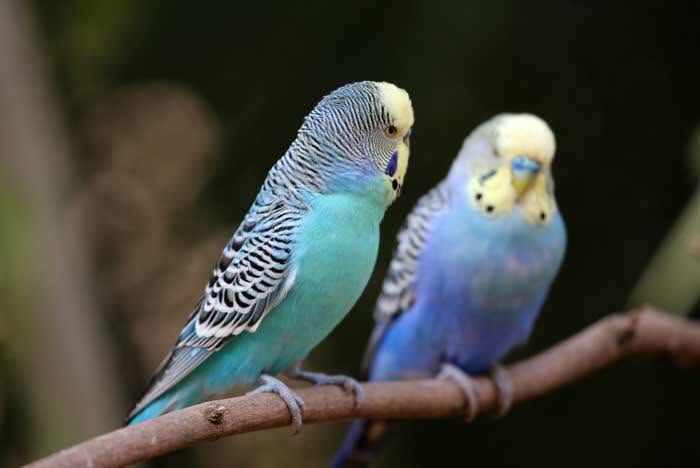
Not Sure What Your UK Pet Bird Really Is? Come And See Me With Photos
Bring photos of your UK pet bird or bring the bird itself for identification consultation. Neil can typically help identify colour mutation, gender, approximate age, and welfare-relevant characteristics through observation and specialist reference material. Free thoughtful advice based on 35 years of watching UK pet bird identification. That is how we have done things since 1988.
⭐ Customer Reviews
Amazing Bird Selection
Had a lovley visit today,staff were very friendly and very helpful,such a great petshop,their selection of birds is incredible,really impressed,thank so much to the staff at Paradise Pets

Friendly Helpful Staff
I have been coming to this place for years and they have a great stock of food for all types of pets. Have a great selection of small mammals and a lot of birds. Staff are friendly and helpful.

Great Quality Hutch
Bought a guinea pigs hutch and run combo, very happy with the service, the hutch was put in my car for me without even asking for help. The wood quality is very good, the instructions easy to follow and we are extremely happy with the fully built hutch. A good size for 2 guinea pigs

Response from Paradise Pets | Wiltshire
Thank you Melanie Latus Nice to provide services to you.
Best Bird Shop Around
It’s the best pet shop in and around Swindon. They always have an amazing selection of birds and all you need to keep them happy. I keep birds myself and the guys there are happy to answer questions and really know their stuff. I have seen budgies etc. in chain pet shops in the area looking really unhealthy and ill – I wouldn’t go anywhere else than Paradise Pets for animals.

Highly Recommended Bird Shop
I could not praise this shop enough. Really helped my Grandson buy his first bird and he’s loving it. Travelled from Somerset and was welcomed with open arms.

Great Shop with Competitive Prices
Great shop with amazing selection for small animals, hamsters, mice ect, highly recommend!
Also has a great selection for dogs & cats too & very competitive prices! 💖

