
Neil has kept, bred, and sold pet birds at Paradise Pets Swindon since 1988 — over 35 years of watching UK bird welfare evolve, both in homes and out in British wild spaces. The RSPB and British Trust for Ornithology (BTO) have just published their major “Climate Change and UK Birds” report — the most comprehensive UK assessment yet of how climate change is reshaping British bird populations, breeding timing, migration patterns, and species distributions. The research confirms that climate change is already producing substantial documented changes across UK bird species, with 14 seabird species at genuine risk, Puffins projected to decline 89 percent by 2050, timing of breeding shifting 1-3 days per decade, and species distributions moving 11+ km per decade northward. But the coverage has focused almost entirely on wild UK bird species, leaving the substantial UK pet bird community — over 3 million pet birds across British homes, including more than one million pet budgies — without clear guidance about what this genuinely means for the bird in their living room. This is Neil’s honest, welfare-led take on what the new RSPB and BTO research actually shows, why UK pet bird owners are part of the wider UK bird welfare picture the research addresses, what climate change specifically means for indoor pet bird welfare, and what welfare-led UK owners can genuinely do — both for their pet birds at home and for wild UK birds — as climate change continues to reshape British bird life.
A regular customer came into the shop one Monday morning, clearly thinking through something important. She had been reading news coverage of the newly released RSPB and BTO Climate Change and UK Birds report over the weekend, had felt genuinely concerned about what the research showed for British wild birds, but had also begun wondering whether any of this affected the pet budgies Coco and Sunny she had kept in her Swindon living room for the past four years. She had made the connection most UK pet bird owners have not been prompted to make — that pet birds and wild birds are not separate topics but parts of a broader UK bird welfare picture. She wanted honest guidance about whether the climate research had specific implications for her pet birds, and about what she could genuinely do — for both her budgies at home and for the wider UK bird community — in response to what the research revealed.
I sat with her for an hour and explained the honest, comprehensive picture. The RSPB and BTO research is genuinely important and its findings apply primarily to wild UK bird species — seabirds, upland breeders, waterbirds, and various woodland and heathland species. But there are several genuine implications for UK pet bird owners that the coverage has not adequately addressed. The changing UK climate affects indoor bird welfare through heatwave frequency and severity that we have already seen accelerating. The UK pet bird community shares a broader welfare concern with wild UK birds that connects the two populations meaningfully. And UK pet bird owners are typically also part of the wider engaged UK bird welfare community that supports wild bird conservation through informed action. The customer left that morning with practical guidance about heat-safe housing for Coco and Sunny during future UK heatwaves, thoughtful understanding of the broader research context, and specific practical steps she could take to support wild UK birds in her Swindon garden. Six weeks later, when she came back to the shop, she described the conversation as having given her “a completely different way of thinking about my relationship with UK birds — both mine at home and everyone’s out in the wild.”
I am writing this article because the RSPB and BTO research represents a genuinely important moment for UK bird welfare thinking, and the substantial UK pet bird community deserves clear guidance about what the research means for them specifically. The 3 million UK pet birds across British homes are not separate from the UK bird welfare picture — they are part of it. The research findings have specific implications for pet bird welfare planning. And the UK pet bird owner community has substantial collective influence that can contribute meaningfully to wild UK bird welfare responses.
This article is the conversation I have at the counter with UK pet bird owners who want to understand the broader UK bird welfare context they are part of. By the end of it, you will understand what the new RSPB and BTO research actually shows about UK bird populations, why UK pet bird owners are meaningfully part of the wider UK bird welfare picture the research addresses, what the changing UK climate specifically means for the welfare of your indoor pet bird, and what practical actions welfare-led UK owners can take — both for their pet birds at home and for wild UK birds in their community.
What The RSPB And BTO Research Actually Shows
For UK readers wanting to understand exactly what the new research documents, here is the honest picture based on the RSPB and BTO Climate Change and UK Birds report.
What the peer-reviewed UK research actually confirms:
- Climate change is already reshaping UK bird populations across multiple dimensions
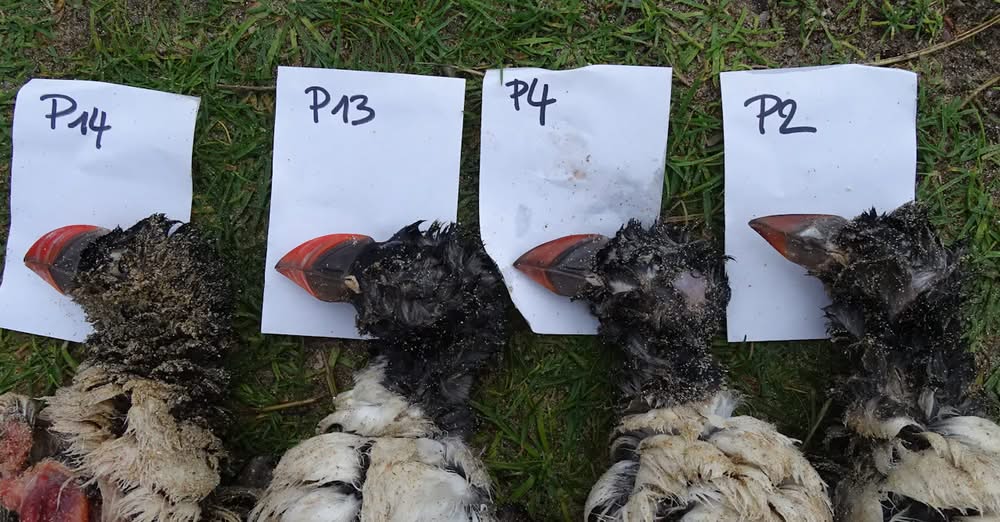
- UK breeding seabirds are among the most severely affected — 14 species at risk
- Puffin populations projected to decline 89 percent by 2050 across Britain and Ireland
- Arctic Terns negatively impacted by warming seas and reduced food supplies
- UK species distributions shifting 11+ km per decade northward
- Breeding timing advancing by 1-3 days per decade across UK species
- Approximately a quarter of UK breeding species negatively affected by climate change
- Approximately a quarter responding positively including some southerly-distributed species expanding range
- New species colonising UK from continental Europe — Cattle Egret, Great White Egret now breeding
- Winter body mass of Blue Tits, Coal Tits, Great Tits has declined significantly over past five decades
- Some seabird species could decline 70+ percent by 2050 in worst-case emission scenarios
- Upland breeding birds are also highly vulnerable to UK climate change
- Southerly waterbirds, coastal species, heathland species most likely to benefit
- Rising temperatures, changing rainfall, and extreme weather events are all documented drivers
The research is genuinely comprehensive, peer-reviewed, and represents the most complete UK assessment of climate change impacts on birds to date. It draws on decades of citizen science data including the BTO Breeding Bird Survey, ringing records, and Nest Record Scheme, combined with distribution atlases and body mass measurements from over 900,000 individual bird records for the tit study alone.
For UK bird owners generally, the research confirms what many welfare-conscious observers had already suspected — UK bird life is being genuinely reshaped by climate change, with substantial documented impacts already visible and larger projected impacts ahead. The research is not projecting future concern; it is documenting current reality.
For more on UK bird community context generally, our article on why a pet budgie is still the better choice alongside garden bird watching covers how UK households engage with both wild and pet bird relationships together.
Why UK Pet Bird Owners Are Part Of The Wider UK Bird Welfare Picture
For UK pet bird owners wanting to understand why this wild bird research matters to them, here is the honest picture based on 35 years of watching the connected UK bird welfare community.
Why UK pet bird owners are meaningfully part of the wider picture:
- 3 million pet birds in UK homes alongside wild UK bird populations
- Over 1 million pet budgies specifically plus cockatiels, canaries, parrots, finches
- Most UK pet bird owners also care about wild birds — gardens, parks, conservation
- Welfare-conscious UK pet bird buyers typically welfare-conscious about wild birds too
- 650,000+ UK RSPB Big Garden Birdwatch participants demonstrate community scale
- Pet bird owners often feed garden birds and support wild bird welfare
- UK bird welfare law protects both pet and wild species
- Cultural and community connections between UK pet and wild bird welfare
- Welfare-led practices for pet birds inform wider welfare thinking
- UK pet bird community has substantial collective influence on broader welfare standards
- Cross-species welfare-led thinking benefits both populations
- Climate change affects both pet and wild UK bird welfare through different mechanisms
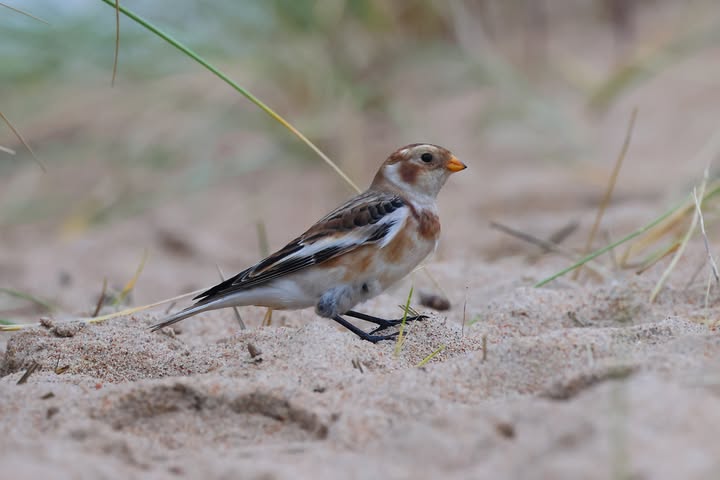
The UK bird community is genuinely one community rather than separate pet and wild bird populations existing in parallel. UK pet bird owners are part of the wider engaged UK bird welfare community that supports wild bird conservation, participates in citizen science, feeds garden birds, and cares about broader UK bird welfare outcomes. The RSPB and BTO research findings therefore matter to UK pet bird owners not just as broader environmental news, but as information about the UK bird welfare context they are meaningfully part of.
After 35 years at the counter, I can tell you that UK pet bird customers are overwhelmingly also UK wild bird enthusiasts. The customer who comes in for budgie supplies is very often the same person who feeds garden birds daily, who participates in the Big Garden Birdwatch, who supports RSPB reserves, and who genuinely cares about wild UK bird welfare. The connection between UK pet bird and wild bird welfare communities is not theoretical — it is the practical reality of how UK bird welfare-conscious households actually engage with birds.
For more on UK pet bird owner engagement with wild bird community, our article on RSPB’s new summer feeding guidance and UK pet bird owners covers another recent research-driven RSPB update that connects pet and wild bird welfare thinking.
What Climate Change Means Specifically For Your UK Indoor Pet Bird
For UK pet bird owners wanting to understand the specific implications of climate change for their indoor birds, here is the honest picture based on 35 years of watching UK weather patterns evolve.
How UK climate change affects indoor pet bird welfare:
- UK heatwaves are becoming more frequent and more severe
- Indoor temperatures during UK heatwaves can reach dangerous levels for pet birds
- Pet birds have limited heat tolerance — 32°C+ becomes genuinely dangerous
- UK homes historically not designed for extreme heat — inadequate cooling infrastructure
- Extended heat periods stress pet bird physiology substantially
- Weather unpredictability affects pet bird welfare planning
- UK winter warming may affect pet bird seasonal patterns and welfare needs
- Ventilation and cooling for indoor pet bird spaces becoming genuine welfare consideration
- Water provision requirements during heat events increase substantially
- Cage placement decisions increasingly matter as UK climate shifts
- UK pet bird owners increasingly need heat emergency planning
- Extreme weather events require pet bird welfare consideration
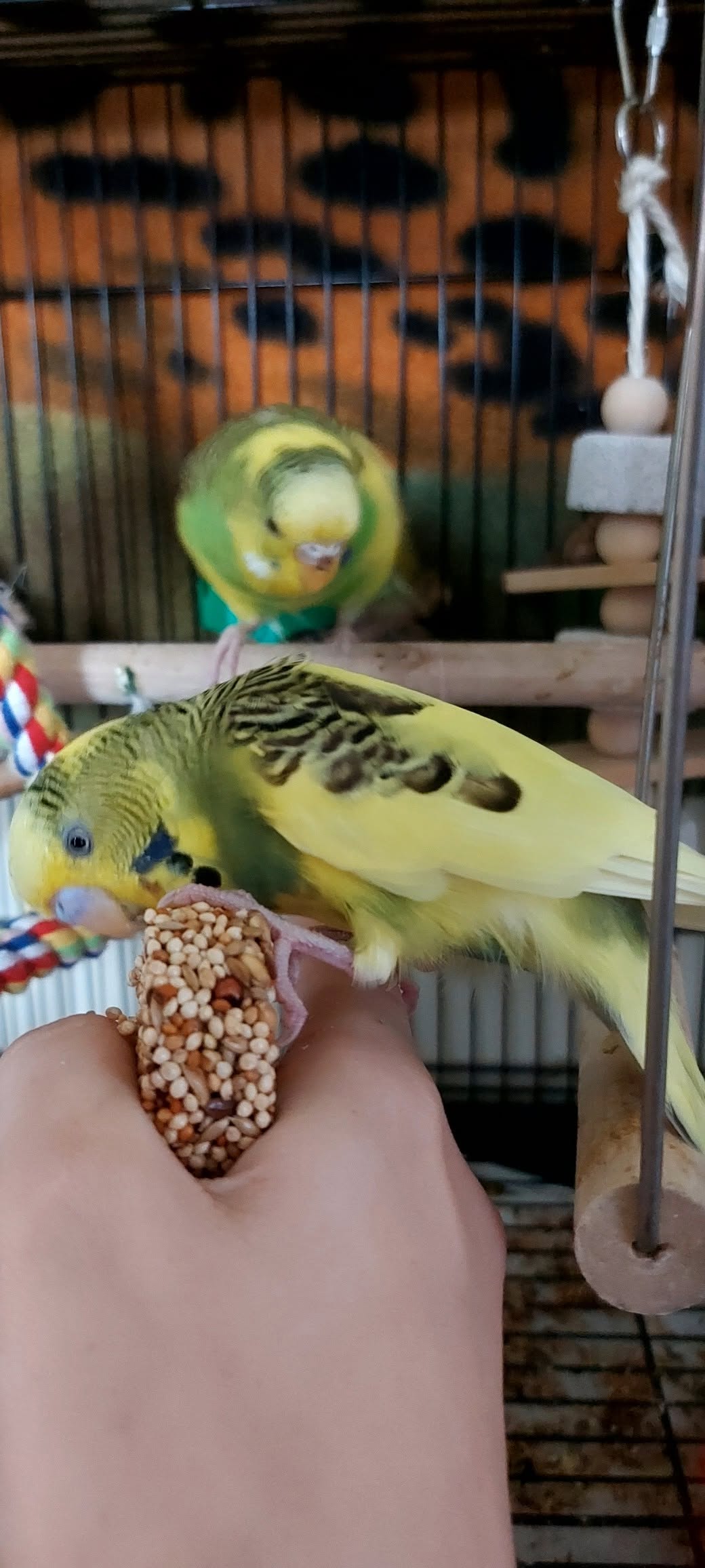
The connection between the broader climate research and UK pet bird welfare is genuine and specific. UK pet birds live in UK homes, and UK homes experience UK weather. As UK weather becomes hotter and more extreme, UK indoor pet bird welfare requires more thoughtful planning than it did in the historical UK climate. This is not theoretical concern about distant future risk — it is practical welfare consideration for current UK pet bird keeping.
After 35 years of watching UK weather patterns, I have come to believe UK pet bird owners increasingly need to think about their birds’ welfare during UK heat events with the same care that UK pet bird owners have historically applied to UK winter warmth. The dominant welfare challenge for UK pet birds has shifted from winter cold to summer heat, and welfare-led UK pet bird keeping needs to adapt accordingly.
For more on specific UK pet bird heat welfare, our earlier articles on UK heatwave welfare cover the practical protocols for protecting UK pet birds during extreme heat events.
Practical Welfare-Led Actions UK Pet Bird Owners Can Take
For UK pet bird owners wanting to respond to the changing UK climate context, here is the honest practical protocol for both indoor pet bird welfare and wider UK bird community engagement.
- Plan for UK heatwave welfare for your indoor pet birds
Identify coolest room in home. Prepare cage relocation plan for extreme heat events. Ensure ventilation and shade options. - Provide UK-appropriate cooling options
Frozen water bottles wrapped in cloth. Increased fresh water availability. Fine misting for species that tolerate it. - Monitor UK home temperatures during heat events
Thermometer at cage level. Know your bird’s heat tolerance thresholds. Act before crisis develops. - Consider cage placement for changing UK climate
Away from direct sunlight throughout day. Consider air flow. Position for both winter and summer welfare. - Support wild UK bird welfare through garden practices
Native UK plant choices. Water sources for wild birds. Bird-friendly UK garden design. - Follow current RSPB guidance on wild bird feeding
Seasonal pause during summer trichomonosis risk period. Mealworms/fat balls year-round OK. - Participate in UK citizen science
Big Garden Birdwatch, Breeding Bird Survey, Nest Record Scheme all contribute to the research. - Support UK bird welfare organisations
RSPB, BTO, Wildlife Trusts, local UK bird groups all benefit from community support. - Share welfare-led UK bird thinking
Community conversations, social media, local UK networks all spread welfare-led approaches. - Consider broader UK environmental engagement
UK climate change action supports both pet and wild bird welfare outcomes long-term.
The single most impactful immediate action is heatwave planning for indoor UK pet birds. UK households that have prepared for heat events before they occur consistently protect their pet birds through UK summer conditions that increasingly require welfare-led planning. This planning does not need to be extensive or expensive — it needs to be thoughtful and completed before the first extreme UK heat event of each summer.
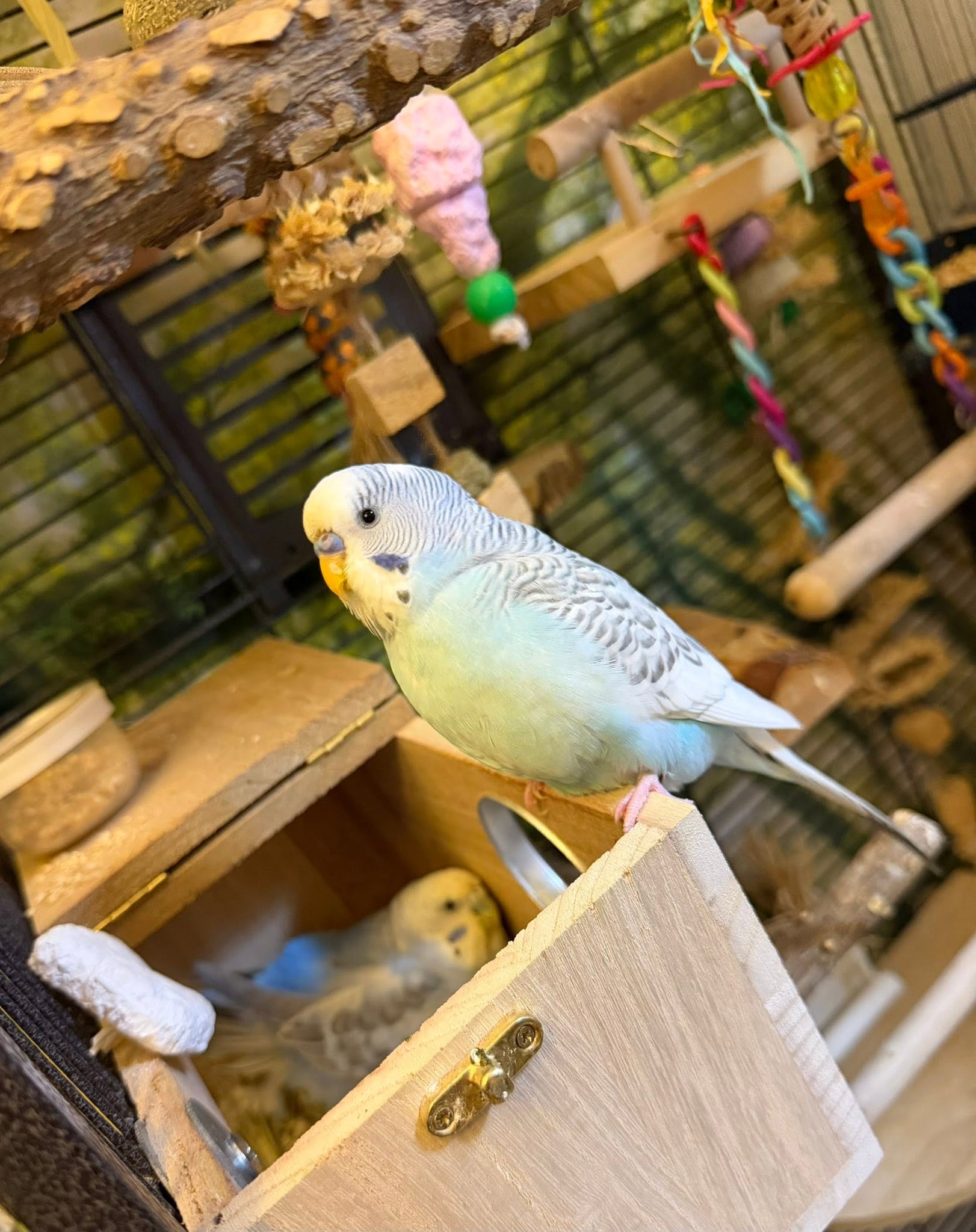 The single most impactful ongoing action is broader UK bird community engagement. UK pet bird owners who see themselves as part of the wider UK bird welfare community contribute meaningfully to wild bird welfare through everyday choices about garden practices, feeding, purchasing, and community engagement. This engagement does not require expertise or substantial time commitment — it requires the welfare-led framing that recognises pet and wild UK birds as connected concerns.