

Neil has kept, bred, and sold pet birds at Paradise Pets Swindon since 1988 — over 35 years of watching UK bird welfare evolve, both in homes and out in British gardens. The RSPB has genuinely changed its garden bird feeding guidance for 2026 — asking UK bird owners to pause filling feeders with seeds and peanuts from 1 May to 31 October, following peer-reviewed research showing the deadly parasite trichomonosis spreads most easily at UK bird feeders during summer and autumn. The advice has understandably caused confusion among UK pet bird owners, many of whom also feed garden birds and are unsure what this new guidance means for the pet bird in their living room. This is Neil’s honest, welfare-led take on what the RSPB has actually said, what it does not mean for UK pet bird owners, what UK pet bird owners can still safely do to support wild garden birds through the summer, and the specific hygiene lessons that genuinely apply to your pet bird’s cage feeding routine at home.
A regular customer came into the shop one Tuesday afternoon, visibly worried. She had been feeding garden birds outside her Swindon home for over twenty years, and she had also had her pet budgies Poppy and Rosie for the past six years. She had just read the RSPB’s new guidance about pausing garden bird feeder seed and peanut filling from 1 May until 31 October, and she was genuinely confused about several things — was there a risk to her pet budgies indoors? Should she stop feeding Poppy and Rosie their normal seed mix? Should she throw away all her garden bird food? Should she stop feeding garden birds entirely? What could she safely do?
I sat with her for half an hour and explained the honest, complete picture. The RSPB’s new guidance is genuinely important, is based on solid scientific evidence, and does represent a meaningful change in how UK bird owners should approach summer garden bird feeding. But — and this is the crucial point that has not been well communicated to UK pet bird owners specifically — the guidance is about wild garden bird feeding, not about pet birds kept indoors in cages. Her pet budgies were not at risk from the trichomonosis parasite that is driving the change. Her garden bird food was not dangerous to keep. She did not need to stop supporting garden birds entirely. And she could continue caring for her pet budgies exactly as she always had.
I am writing this article because the RSPB’s guidance change has created genuine confusion among UK pet bird owners, and the coverage has focused almost entirely on the wild bird welfare angle without addressing what this genuinely means for the substantial UK community of households who both keep pet birds and care about garden birds. The two roles are connected — many UK pet bird owners are also active garden bird feeders — but the practical implications are quite different, and UK pet bird owners deserve clear, welfare-led guidance about what the new advice means for their specific situation.
This article is the conversation I have at the counter with UK pet bird owners who are confused about the RSPB’s new guidance. By the end of it, you will understand exactly what the RSPB has said and why, what it means for wild bird welfare, what it does not mean for your pet bird at home, what you can still safely do to support UK garden birds through the summer, and the specific hygiene lessons from this research that do apply to your pet bird’s cage feeding routine.
What The RSPB Has Actually Said — The Facts Clearly
For UK readers wanting to understand exactly what the RSPB has changed, here is the honest picture based on the official April 2026 announcement.
What the RSPB’s new 2026 garden bird feeding guidance actually says:
- Pause filling garden bird feeders with seeds and peanuts from 1 May to 31 October
- Small amounts of mealworms, fat balls, or suet remain OK year-round
- Retire flat-surfaced feeders including bird tables — research shows higher disease transmission risk
- Clean and move remaining feeders weekly — hygiene is critical
- Only put out water if you can change it daily
- Consider bird-friendly planting — sunflowers, teasels, ivy as natural food sources
- Winter feeding remains beneficial — the pause is seasonal, not permanent
- The March-April “hungry gap” period is still a valuable feeding time
- Feeding to demand only — small amounts birds finish in a day or two
- Ponds preferred over bird baths for water sources — lower disease risk
The messaging is deliberately clear — the RSPB is not asking UK bird owners to stop supporting garden birds entirely. Beccy Speight, the RSPB’s Chief Executive, put it directly — “We’re not asking people to stop feeding, just to feed in a way that protects birds’ long-term health. By making small changes together, we can ensure garden feeding continues to be a positive force for nature.”
The change reflects genuine peer-reviewed research conducted with the British Trust for Ornithology (BTO) and the Institute of Zoology, which showed that trichomonosis outbreaks peak between July and October and spread most easily at shared feeding sites where infected finches regurgitate contaminated food that healthy birds then consume.
For more on the wider UK bird community context, our recent article on why a pet budgie is still the better choice alongside garden bird watching covers how UK households engage with both wild and pet bird relationships together, including the RSPB Big Garden Birdwatch 2026 findings.
Why The RSPB Has Made This Change — The Real Science
For UK bird owners wanting to understand the science behind the change, here is the honest picture based on the underlying research.
What the trichomonosis picture actually is:
- Trichomonosis is caused by the parasite Trichomonas gallinae
- Affects the back of the throat and gullet making swallowing difficult
- Spreads through saliva and droppings at shared feeding and watering points
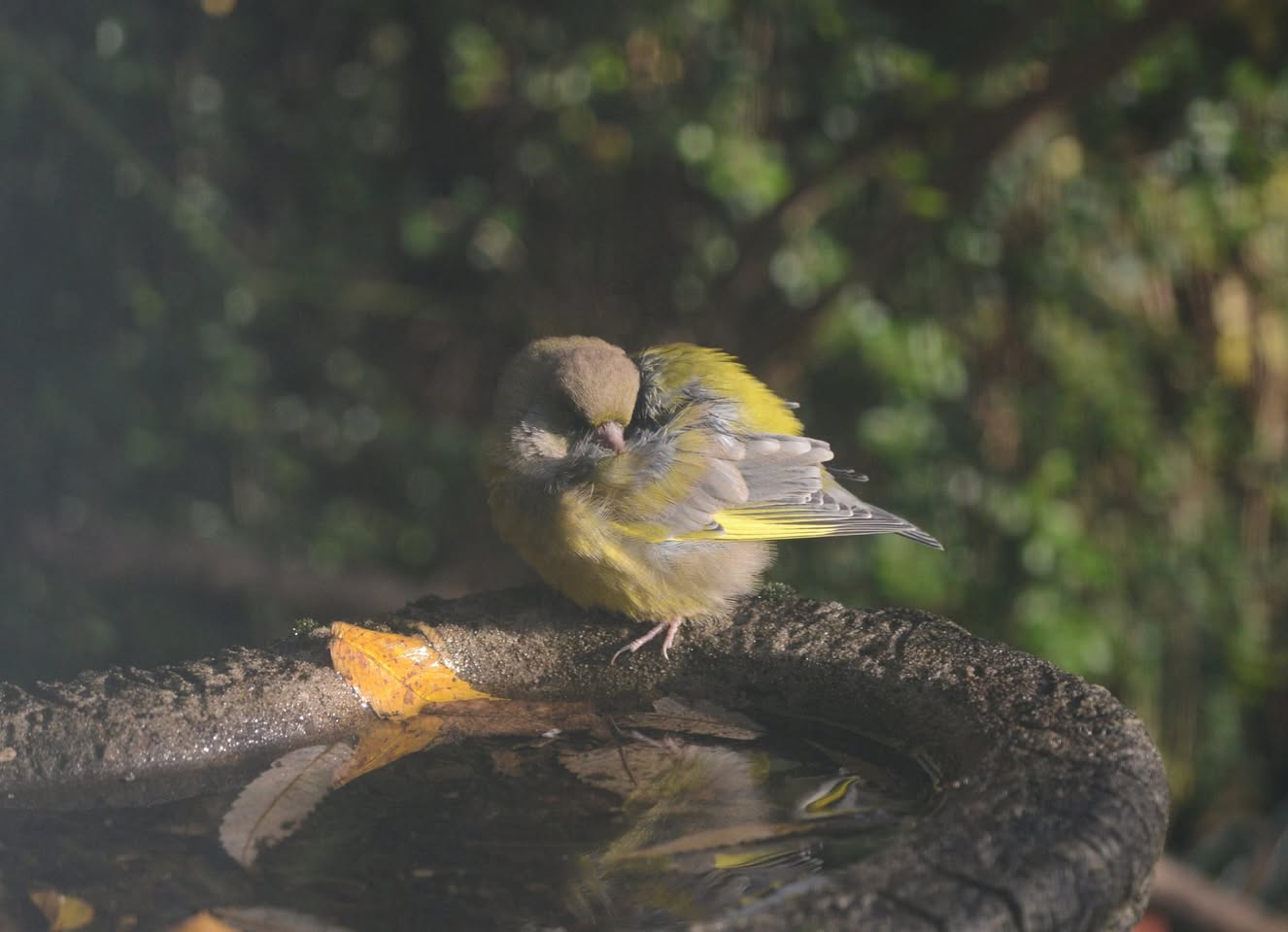
- Primarily affects UK finch species — Greenfinch, Chaffinch, and potentially Bullfinch
- Greenfinch now on UK Red List due to disease-related population decline
- Peaks between July and October in UK conditions
- Sick birds often perch on flat surfaces where they regurgitate contaminated food
- Healthy birds then consume the contaminated food — main transmission route
- Not carried in fresh, properly stored bird food — the risk is in how food is presented
- Not transmitted directly to humans or mammals — bird-to-bird transmission
The peer-reviewed research is genuine, involves respected UK bird organisations, and reflects a real crisis in UK finch populations that requires action. The RSPB’s change is not overcautious — it is responding to substantial evidence that current UK garden feeding practices are contributing to the decline of already-threatened UK bird species.
For UK pet bird owners, the honest reassurance is that trichomonosis is a wild-bird finch problem, not a pet bird problem. The parasite affects specific wild bird species at shared feeding sites. It is not carried in your pet bird’s cage seed. It cannot spread to your indoor budgie, cockatiel, or canary from your pet bird food supply. The disease is transmitted between wild birds at feeding stations, not between pet bird seed and pet birds at home.
What This Means For UK Pet Bird Owners Specifically
For UK pet bird owners wondering how the RSPB’s guidance change affects them, here is the honest practical picture.
What UK pet bird owners need to know:
- Your pet bird cage feeding routine continues normally — no changes needed
- Pet bird seed in your home is not affected by the trichomonosis concern
- Your indoor pet birds cannot catch trichomonosis from their normal cage seed
- Pet bird food storage practices continue as normal — proper airtight containers, fresh stock rotation
- Pet bird water sources continue as normal — daily cleaning already good practice
- The pet bird food supply chain is separate from wild garden bird feeding risk
- UK pet shops continue to stock pet bird seed as normal
- Cockatiels, canaries, and budgies are not at risk from the wild bird disease pattern
- Aviary birds with outdoor access require some consideration — see next section
- Your welfare-led pet bird care standards continue unchanged
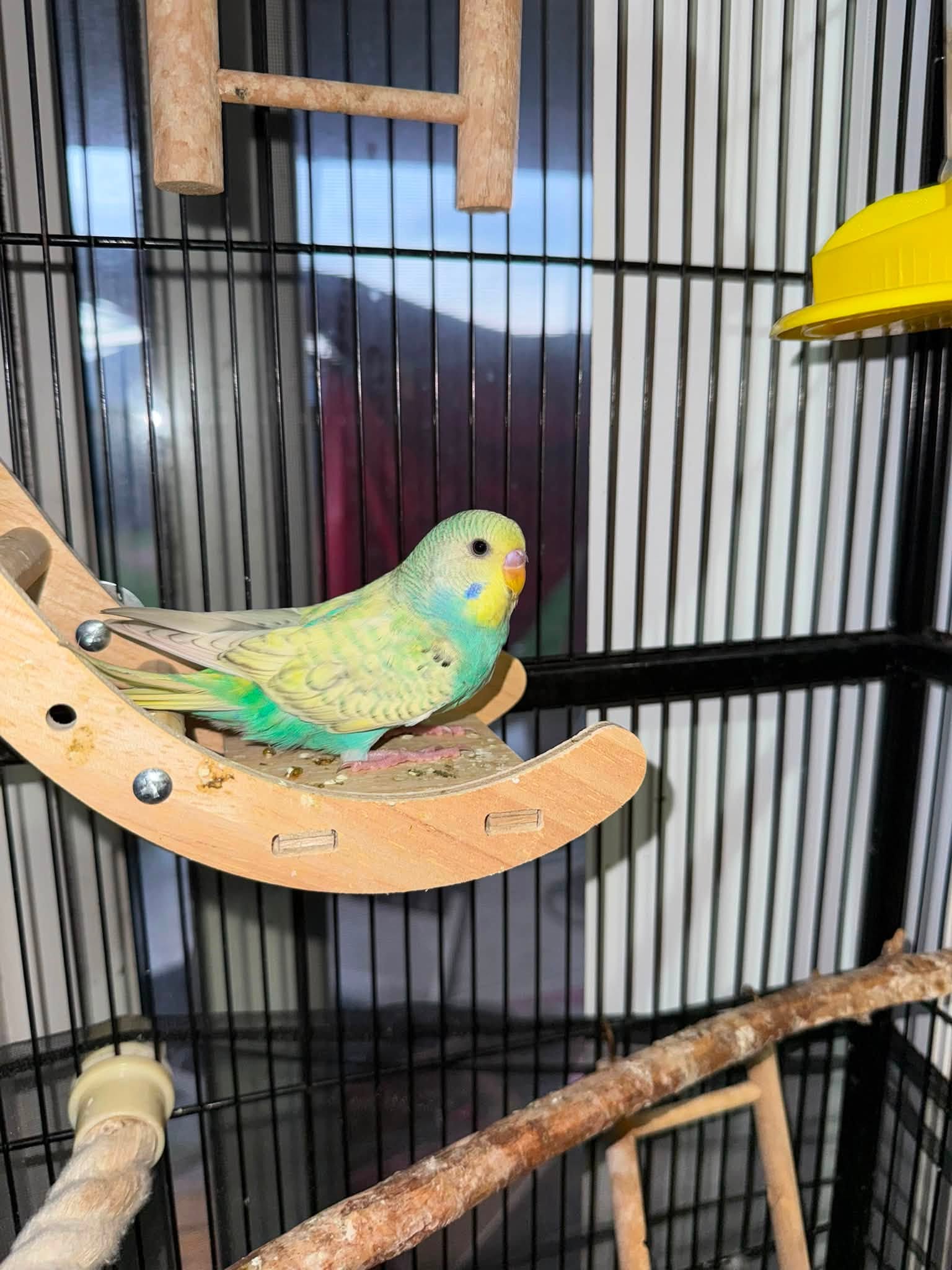
The honest reassurance is that if your pet birds are kept fully indoors in cages, the RSPB’s new guidance changes nothing about how you should feed them. Continue your normal seed mix, your normal water routine, your normal welfare-led feeding standards. The parasite driving the change is a wild bird finch problem that spreads at shared outdoor feeding stations. It is not a pet bird problem, and it does not affect indoor cage birds.
For UK pet bird owners with aviaries or outdoor enclosures where their pet birds have any potential contact with wild birds, some additional consideration applies — see the following section for the specific practical guidance.
Special Consideration For UK Aviaries And Outdoor Bird Housing
For UK pet bird keepers with outdoor aviaries or garden enclosures where captive birds may have any contact with wild bird environment, the RSPB’s guidance carries some additional practical implications.
What UK aviary and outdoor bird keepers should consider:
- Wild birds landing near your aviary represent a small but genuine disease transmission risk
- Wild bird droppings near aviary food and water can transmit various avian diseases
- Aviary food and water positioning matters — reduce wild bird access to captive bird food supplies
- Consider aviary roof solid rather than mesh-only to reduce dropping contamination
- Regular aviary cleaning becomes more important during summer and autumn
- Monitor for wild bird activity around aviaries — deterrents may help
- Avoid nearby garden bird feeders attracting wild birds close to aviary
- APHA bird keeper registration remains required for outdoor housing
- Trichomonosis risk to captive birds is low but not zero if wild bird contact occurs
- General biosecurity practices reduce all avian disease risks
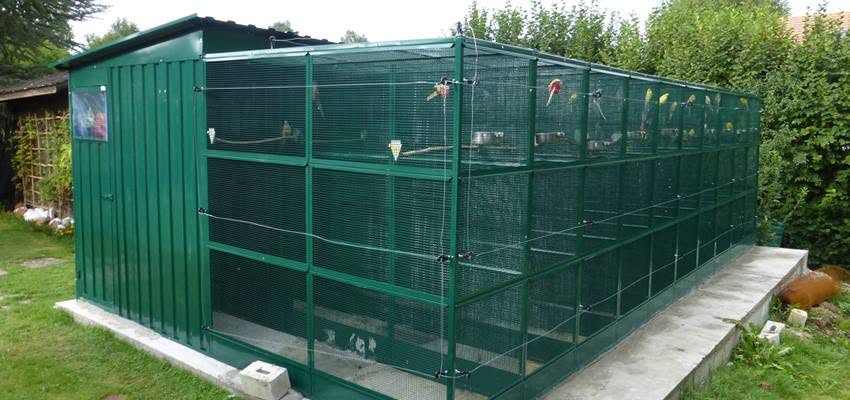
The honest assessment for UK aviary and outdoor bird keepers is that trichomonosis is primarily a wild bird finch disease, and the risk to captive birds is genuinely low. But the general principle of reducing wild bird contact with captive bird food and water applies during summer and autumn months just as it does year-round. Good aviary biosecurity practice protects captive birds from a range of avian diseases, not just trichomonosis.
For more on UK pet bird biosecurity generally, our article on UK bird flu zone has been lifted — what pet bird owners must still do covers the broader biosecurity framework that applies to all UK captive bird keeping.
What UK Pet Bird Owners Can Still Safely Do For Garden Birds
For UK pet bird owners who also care about garden birds and want to continue supporting them through summer, here are the practical actions that align with the RSPB’s new guidance.
- Continue offering small amounts of mealworms
Live or dried mealworms remain safe year-round according to RSPB guidance. - Fat balls and suet products are still fine
Higher-quality suet products preferred. Watch for melting in UK summer heat. - Retire flat-surfaced feeders and bird tables
Research confirms these have higher trichomonosis transmission risk. - Plant bird-friendly UK garden flowers
Sunflowers, teasels, ivy provide natural food sources safer than feeders. - Provide clean water in ponds preferred over bird baths
Change bird bath water daily if using — ponds are lower risk. - Feed to demand only
Small amounts finished within a day or two rather than accumulating. - Move feeder positions weekly
Prevents contaminated debris buildup on ground below. - Clean remaining feeders weekly
Hot soapy water plus rinse for any feeder still in use. - Monitor for sick birds and report
Garden Wildlife Health project accepts UK bird disease reports. - Support broader garden wildlife habitat
Native plantings, insect-friendly gardens benefit birds naturally.
The honest summary is that UK pet bird owners can absolutely continue supporting garden birds through the summer and autumn — the RSPB has not asked people to stop entirely. The change is about which foods to offer during the seasonal disease risk peak, and about improving hygiene practices at remaining feeding points.
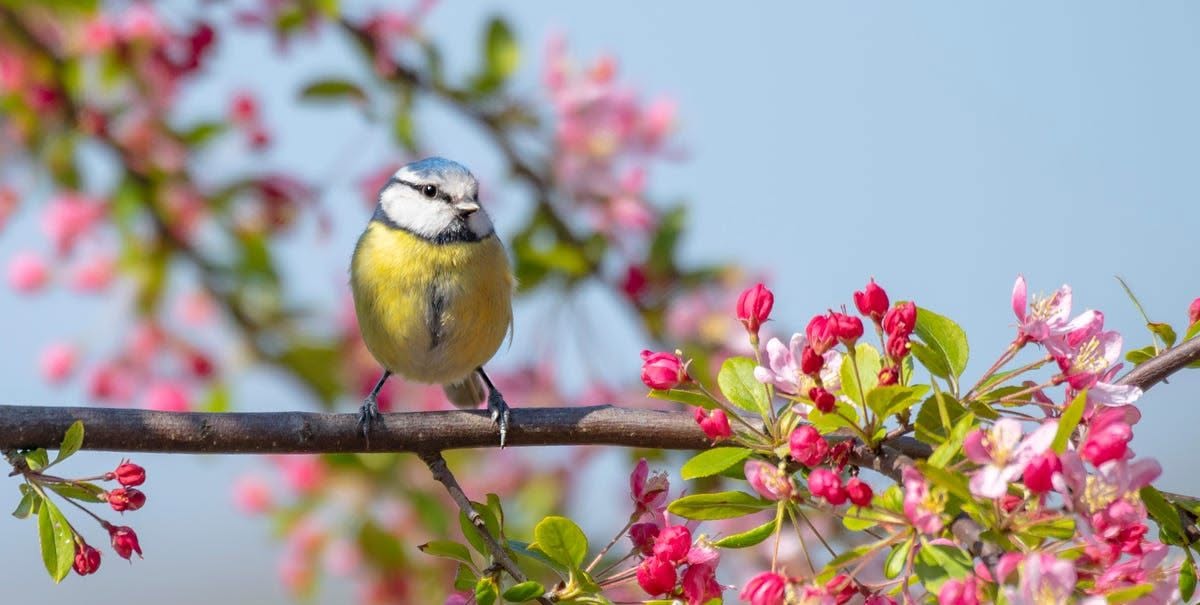 For UK pet bird owners who want to make the most positive contribution to garden bird welfare during the pause period, the bird-friendly planting alternative is genuinely valuable. Native UK plants that produce seeds naturally provide safer food sources than shared feeders, and encourage insect populations that support broader bird welfare too. This is the kind of thoughtful, welfare-led approach that UK pet bird owners tend to appreciate — supporting bird welfare through the underlying environment rather than through practices that may inadvertently harm the birds they care about.
The Hygiene Lessons That Apply To Your Pet Bird Cage
For UK pet bird owners wondering whether the RSPB’s research has any practical implications for pet bird cage feeding, here is the honest picture. The research has genuine hygiene lessons that transfer to pet bird care.
Hygiene lessons UK pet bird owners can take from the RSPB research:
- Flat-surfaced feeding areas can accumulate contaminated food — same principle applies to pet bird cages
- Regular cleaning of feeding surfaces matters — weekly minimum for pet bird cages
- Fresh food offered in small quantities is safer than large amounts left standing
- Water hygiene is often under-appreciated — daily fresh water for pet birds
- Food storage conditions affect food quality — airtight containers for pet bird seed
- Cross-contamination between bird food sources can occur — separate storage important
- Old, damp, accumulated food is where parasites thrive — applies to any bird species
- Feeder rotation and cleaning schedules — pet bird cage cleaning schedules matter too
- Warning signs of illness matter — lethargy, fluffed feathers, difficulty swallowing
- Prompt action when illness is suspected — avian vet consultation without delay
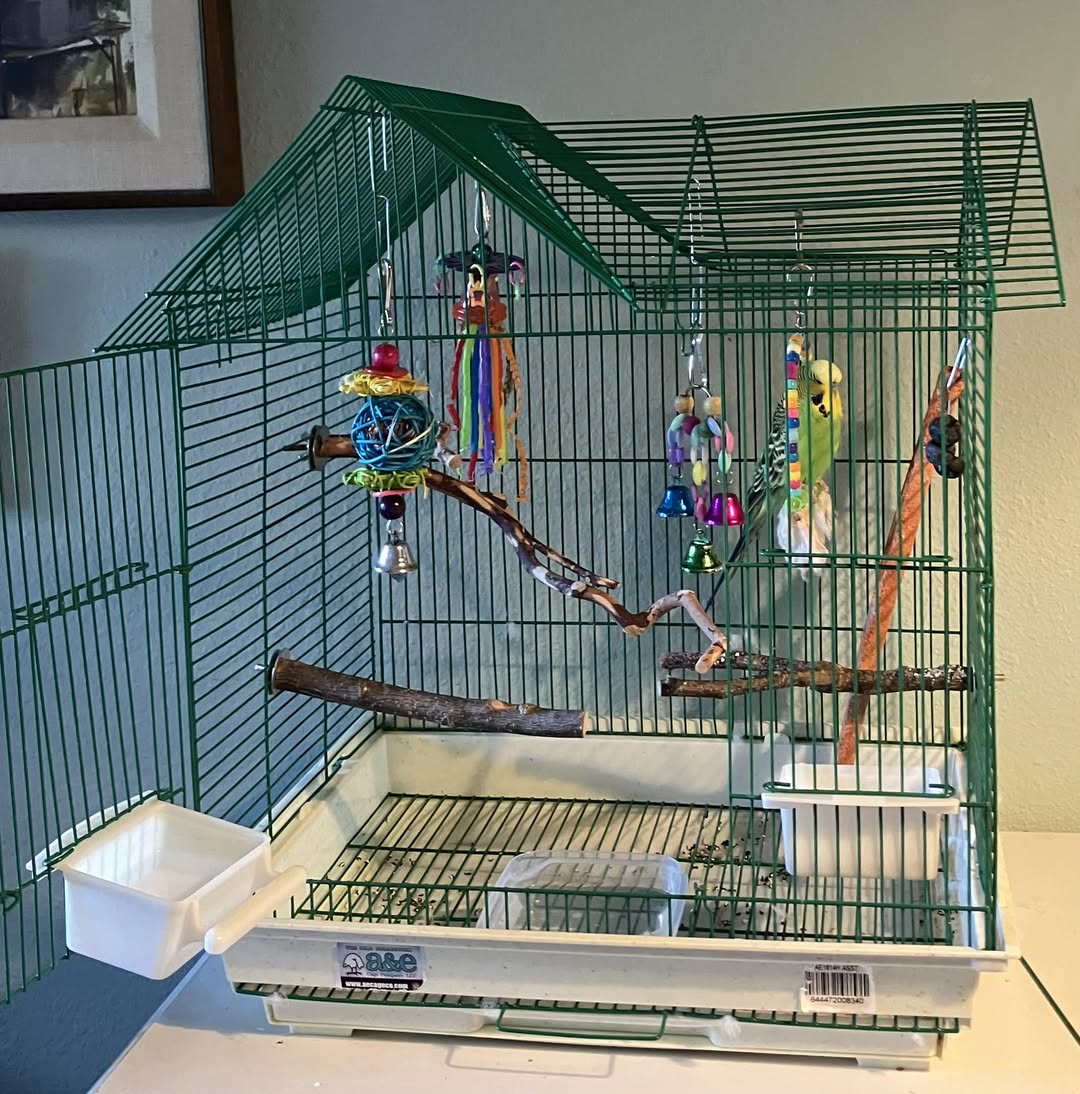
The general principle from the RSPB research — that shared feeding surfaces plus poor hygiene plus accumulated old food creates disease transmission risk — applies to all bird feeding contexts, not just wild garden birds. UK pet bird owners who apply strong hygiene practices to their pet bird cages are already protecting their birds from the pet bird equivalents of these transmission risks.
For UK pet bird owners wanting a practical takeaway, the RSPB research reinforces the value of the hygiene practices welfare-led pet bird keeping has always emphasised — clean cages, fresh food and water, small quantities served fresh rather than large amounts standing, prompt attention to any signs of illness. Your pet bird welfare standards were already appropriate. The RSPB research just confirms that these principles are genuinely important across all bird feeding contexts.
For more on UK pet bird welfare-led feeding practices, our article on the invasive pest already inside most UK bird cages covers another welfare issue related to UK pet bird food quality and storage that most owners do not know about.
What 35 Years Has Taught Me About UK Bird Community Welfare
For balance, here is my honest reflection on UK bird welfare progress across three and a half decades of caring about both pet and wild birds.
- Public awareness of UK bird welfare has grown substantially
Modern UK bird owners are far more welfare-conscious than earlier generations. - Scientific understanding of UK bird disease patterns has improved
Research like the RSPB trichomonosis study reflects better data than previous decades. - UK bird owners now respond well to evidence-based guidance
Community accepts changes to practice when the reasoning is clear. - Pet and wild bird welfare are genuinely connected
UK bird welfare progress across both areas benefits the whole community. - UK garden bird populations face real ongoing pressures
Habitat loss, climate change, disease all contribute to species declines. - UK pet bird welfare standards have improved markedly
Cage sizes, dietary understanding, hygiene practices all better than 1988 baseline. - Cross-community learning matters
Research about wild bird disease has genuine lessons for pet bird care. - Welfare-led UK pet bird owners lead by example
Community influences broader UK bird welfare through purchasing and practice choices. - Independent UK pet shops play important welfare role
Specialist knowledge supports UK bird owners across pet and wild contexts. - UK bird community collective influence is substantial
650,000+ RSPB Birdwatch participants demonstrate scale of engagement.
After 35 years of watching UK bird welfare progress happen, I have come to believe the UK bird community — including pet bird owners — genuinely engages with evidence-based welfare guidance when it is clearly communicated. The RSPB’s new feeding guidance is exactly the kind of change UK bird owners can absorb and act on effectively. The confusion about its implications for pet bird owners is a communication gap rather than a resistance issue. Once UK pet bird owners understand what the change means and does not mean for them specifically, they engage with it constructively.
Frequently Asked Questions
What has the RSPB actually asked UK bird owners to do?
The RSPB has asked UK bird owners to pause filling garden bird feeders with seeds and peanuts from 1 May to 31 October each year. Small amounts of mealworms, fat balls, or suet remain OK year-round. Flat-surfaced feeders including bird tables should be retired due to higher disease transmission risk. The advice is a seasonal pause, not a permanent stop — winter feeding remains genuinely beneficial. The change responds to peer-reviewed research showing the trichomonosis parasite spreads most easily at UK feeding stations during summer and autumn, causing serious population declines in UK finch species particularly Greenfinches which are now on the UK Red List.
Do I need to stop feeding my pet budgie, cockatiel, or canary?
No — absolutely not. The RSPB’s guidance is specifically about wild garden bird feeding, not about pet birds kept indoors in cages. Your pet bird cage feeding routine should continue exactly as normal. The trichomonosis parasite driving the RSPB change is a wild bird finch disease that spreads at shared outdoor feeding stations. It does not affect indoor pet budgies, cockatiels, canaries, or other cage birds. Your pet bird food is not contaminated. Your pet bird cannot catch trichomonosis from their normal seed. Continue welfare-led pet bird care unchanged.
Is my pet bird food dangerous to keep in my home?
No. Pet bird food from UK welfare-led shops is not affected by the RSPB guidance change. Trichomonosis is not carried in fresh, properly stored bird food — the parasite is transmitted between wild birds through saliva and droppings at shared feeding stations, not through the food supply chain. Your pet bird seed, mealworms, or other pet bird food products remain completely safe for your indoor pet birds. Store pet bird food in airtight containers as usual, use fresh stock rotation, and continue normal pet bird feeding practice.
Can I still feed garden birds during summer at all?
Yes — the RSPB has not asked UK bird owners to stop feeding garden birds entirely. Small amounts of mealworms, fat balls, or suet remain OK year-round according to the new guidance. What has changed is seeds and peanuts specifically — these should be paused from 1 May to 31 October. Additional practices include retiring flat-surfaced feeders and bird tables, cleaning remaining feeders weekly, moving feeder positions regularly, and only providing water you can change daily. Winter feeding from November through April remains fully encouraged.
What is trichomonosis and why is it causing UK bird declines?
Trichomonosis is caused by the parasite Trichomonas gallinae, which affects the back of the throat and gullet of infected birds, making swallowing difficult. It spreads primarily between UK finch species — Greenfinch, Chaffinch, and potentially Bullfinch — through contaminated food at shared feeding stations. Sick birds regurgitate contaminated food onto surfaces where healthy birds then consume it. The disease has caused Greenfinch numbers to decline 67% since Big Garden Birdwatch began in 1979, putting the species on the UK Red List. The RSPB’s new guidance responds to peer-reviewed research showing summer and autumn are peak transmission months.
What can UK pet bird owners do to help garden birds through the summer?
UK pet bird owners can support garden birds during the summer pause period through several practical actions — continue offering small amounts of mealworms, fat balls, or suet (all still OK year-round); retire flat-surfaced feeders and bird tables; plant bird-friendly UK garden species like sunflowers, teasels, and ivy for natural food sources; provide clean water changed daily (or preferably a pond); feed to demand only in small quantities; move feeder positions weekly to prevent contaminated debris buildup; clean remaining feeders weekly; and support broader garden wildlife habitat through native plantings that encourage insect populations.
Where can I get UK pet bird advice in Swindon?
Come and see us at Paradise Pets, Manor Garden Centre, Cheney Manor, Swindon SN2 2QJ. We give honest advice on UK pet bird welfare including how the RSPB’s new garden bird guidance affects pet bird owners specifically, and how to support both pet and wild bird welfare through the summer and autumn ahead. Free thoughtful advice based on 35 years of caring about UK birds in both homes and wild spaces. Ring us on 01793 512400.
One Last Thing From Me
“Should I stop feeding my pet budgie?” is the question UK pet bird owners are asking me most often since the RSPB’s guidance change was announced, and one I want to answer with complete clarity. The honest answer, after 35 years of caring about UK birds in both pet and wild contexts, is — absolutely not. The RSPB’s new guidance is specifically about wild garden bird feeding during the summer and autumn disease risk peak. It does not affect pet birds kept indoors in cages. Your pet budgie, cockatiel, canary, or other pet bird should be fed exactly as normal with normal quality UK pet bird food from welfare-led sources. The trichomonosis parasite driving the guidance change is a wild bird finch problem that spreads at outdoor shared feeding stations. It does not affect your indoor pet birds. It does not contaminate your pet bird seed. It does not require any changes to your welfare-led pet bird care routine. What UK pet bird owners can helpfully do is follow the RSPB’s new seasonal guidance for their own garden bird feeding activities — pausing seeds and peanuts from 1 May to 31 October, continuing small amounts of mealworms/fat balls/suet, retiring flat feeders, and considering bird-friendly UK planting alternatives. After 35 years at the counter, I have come to believe UK pet bird owners are naturally welfare-led thinkers who will genuinely appreciate this welfare-led guidance change once they understand it applies to their garden bird feeding rather than to their pet birds at home.
The customer with Poppy and Rosie that Tuesday afternoon? She went home reassured, continued feeding her pet budgies exactly as before, retired her old bird table for garden birds, switched her garden bird offerings to small amounts of mealworms and fat balls for the summer, and started planning sunflower and teasel plantings in her back garden for next year. Six months later, when the seasonal pause ended and she returned to normal winter seed and peanut feeding, she told me that the summer change had actually deepened her engagement with UK bird welfare — she had spent more time thinking about garden habitat, more time observing which UK wild birds visited her space, and felt more connected to the wider UK bird community. Poppy and Rosie had thrived through the summer with no changes to their care. The whole UK bird community outcome for her household had been positive.
That is what I want for every UK pet bird owner reading this article. Not confusion about whether the RSPB’s guidance affects your pet bird care — it does not. Not anxiety about whether your pet bird food is dangerous — it is not. Not disengagement from garden bird welfare — the pause is seasonal and the community role remains important. But genuine understanding of what the RSPB has said, what it means for wild bird welfare, what it does not mean for your pet birds, and what you can still meaningfully do to support UK bird welfare across both pet and wild contexts through the summer ahead.
If you have specific questions about how the RSPB guidance affects your particular UK pet bird situation, or want to talk through the best summer garden bird support approach for your household, please come in for a chat. After 35 years at the counter, helping UK pet bird owners navigate UK bird welfare guidance changes is one of the most genuinely valuable things any independent UK pet shop can do.
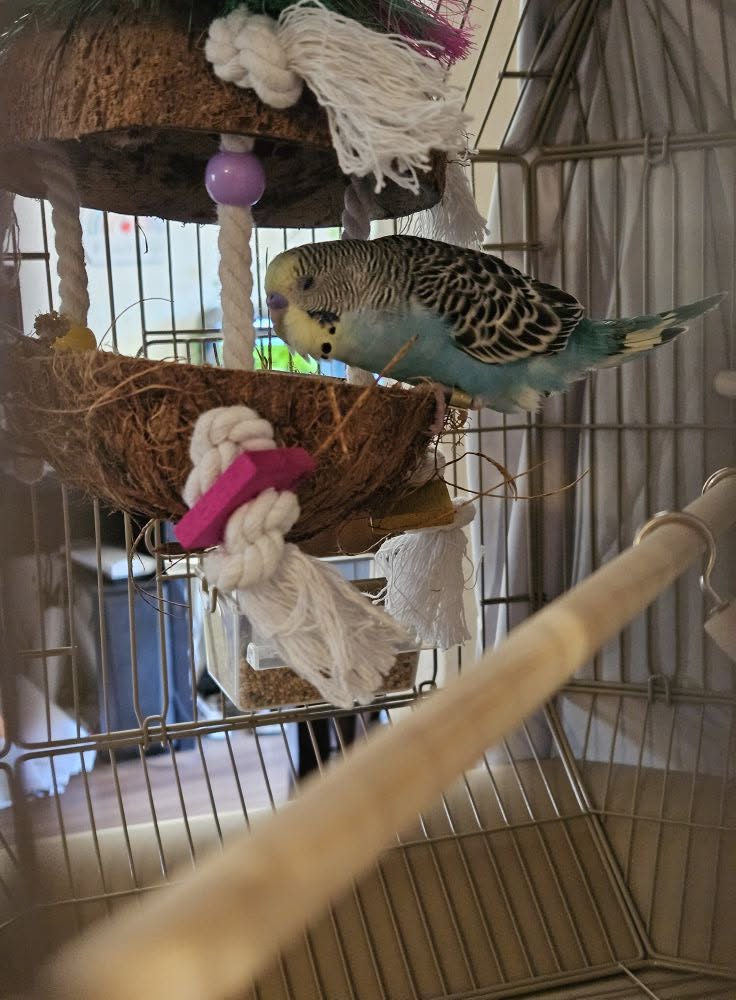
Questions About The RSPB Guidance Or Your UK Pet Bird? Come And See Me
We stock welfare-led pet bird supplies for all UK cage birds, along with mealworms, fat balls, and suet products that align with the RSPB’s new summer garden bird guidance. Free thoughtful advice on both pet bird care and summer garden bird support, based on 35 years of caring about UK birds in both homes and wild spaces. That is how we have done things since 1988.