
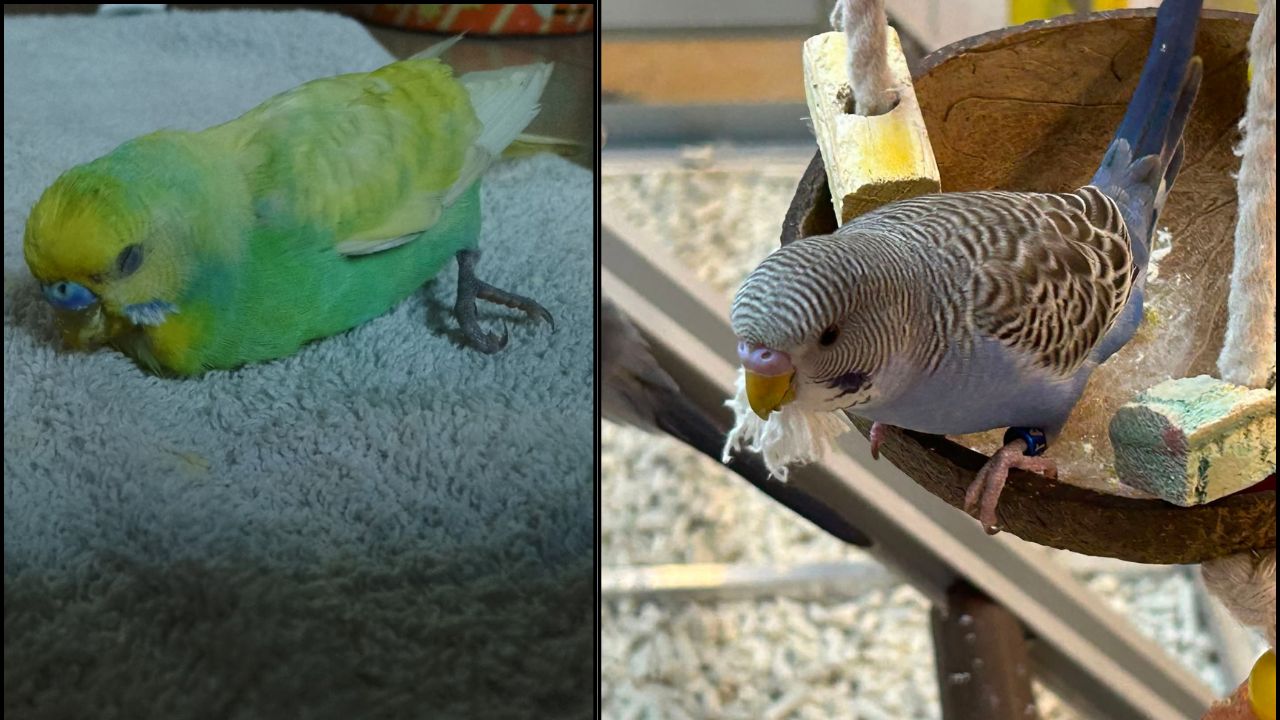

Neil has kept, bred, and sold budgies, cockatiels, and canaries at Paradise Pets Swindon since 1988. When the Avian Influenza Prevention Zone lifted on 4 June 2026, most of the conversations he had at the counter went the same way. This article is his honest response to the question he is being asked most this week.
The most common thing I heard at the counter in the days after the AIPZ lifted on 4 June was some version of this.
“So we’re fine now, aren’t we? Our birds are indoors — we never had to worry anyway.”
And the honest answer is: mostly yes. But not entirely. And the gap between mostly fine and entirely fine is worth understanding, because the people who fall into that gap are almost always people who assumed they were in the entirely fine category without checking.
This article is specifically for owners of indoor cage birds — budgies, cockatiels, canaries, finches, small parrots in cages — who have no outdoor aviary and whose birds never go outside. If that is you, here is the honest picture of what the bird flu situation means for you this week, now that the national zone has lifted.
What the Zone Lift Actually Means for Your Indoor Bird
The Avian Influenza Prevention Zone — the national declaration that covered England, Wales, and Scotland — was revoked at noon on 4 June 2026. It had been in force since the start of the 2025 to 2026 outbreak season and required all bird keepers to follow strict biosecurity measures and, for those with birds that could go outside, to keep them housed.
For owners of indoor cage birds, the zone did not change daily life in any dramatic practical way during the period it was in force. The mandatory housing requirement was not relevant — your budgie was already indoors. The enhanced biosecurity measures were largely background requirements that sensible owners were already meeting through normal hygiene.
The lifting of the zone also does not change daily life in any dramatic way. That symmetry is the honest answer. Your indoor bird was at low indirect risk during the zone period. It remains at low indirect risk now. Nothing about the zone’s existence or its revocation changes the fundamental picture for an indoor cage bird that never comes into contact with wild birds.
What has not changed is the virus itself. HPAI H5N1 remains present in wild bird populations across the UK. The APHA’s assessment of the risk to captive birds following the zone lift is low — but it is not zero, and it is not gone. The outbreak season ending does not mean a clean slate. It means the specific monitored situations that triggered the declaration have been resolved.
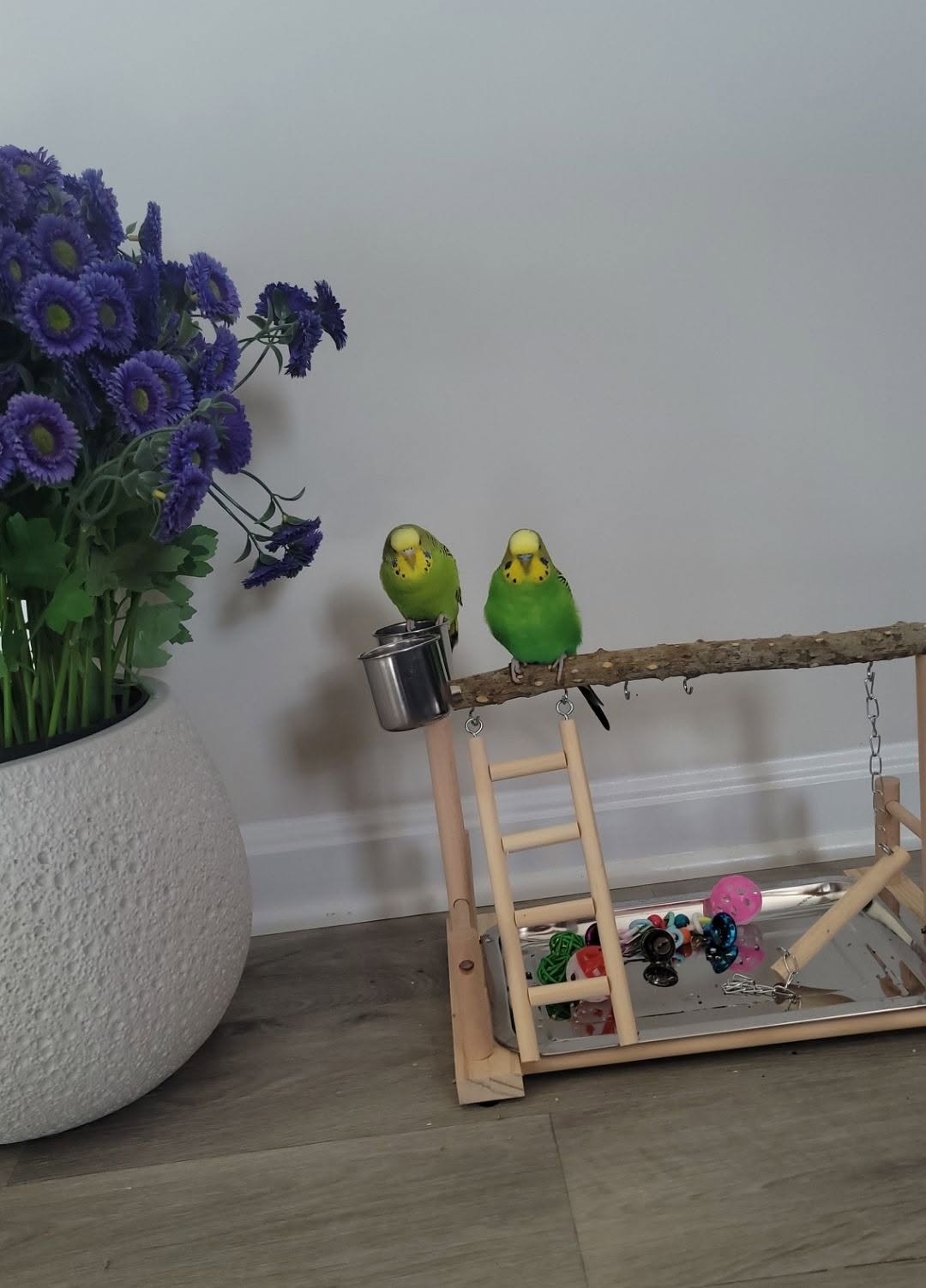
The Indirect Risk That Indoor Bird Owners Miss
This is the section that matters most for the audience of this article, and I want to be specific about it.
Your indoor bird cannot catch bird flu directly from wild birds flying past the window. The virus does not spread through the air at normal outdoor distances. The glass in your windows does not let it through. An indoor bird with no contact whatsoever with wild birds, their droppings, or their contaminated environment is at genuinely negligible risk from HPAI in normal circumstances.
The routes that create indirect risk are more specific, and understanding them is what allows you to manage them simply.
Your Hands After Garden Bird Contact
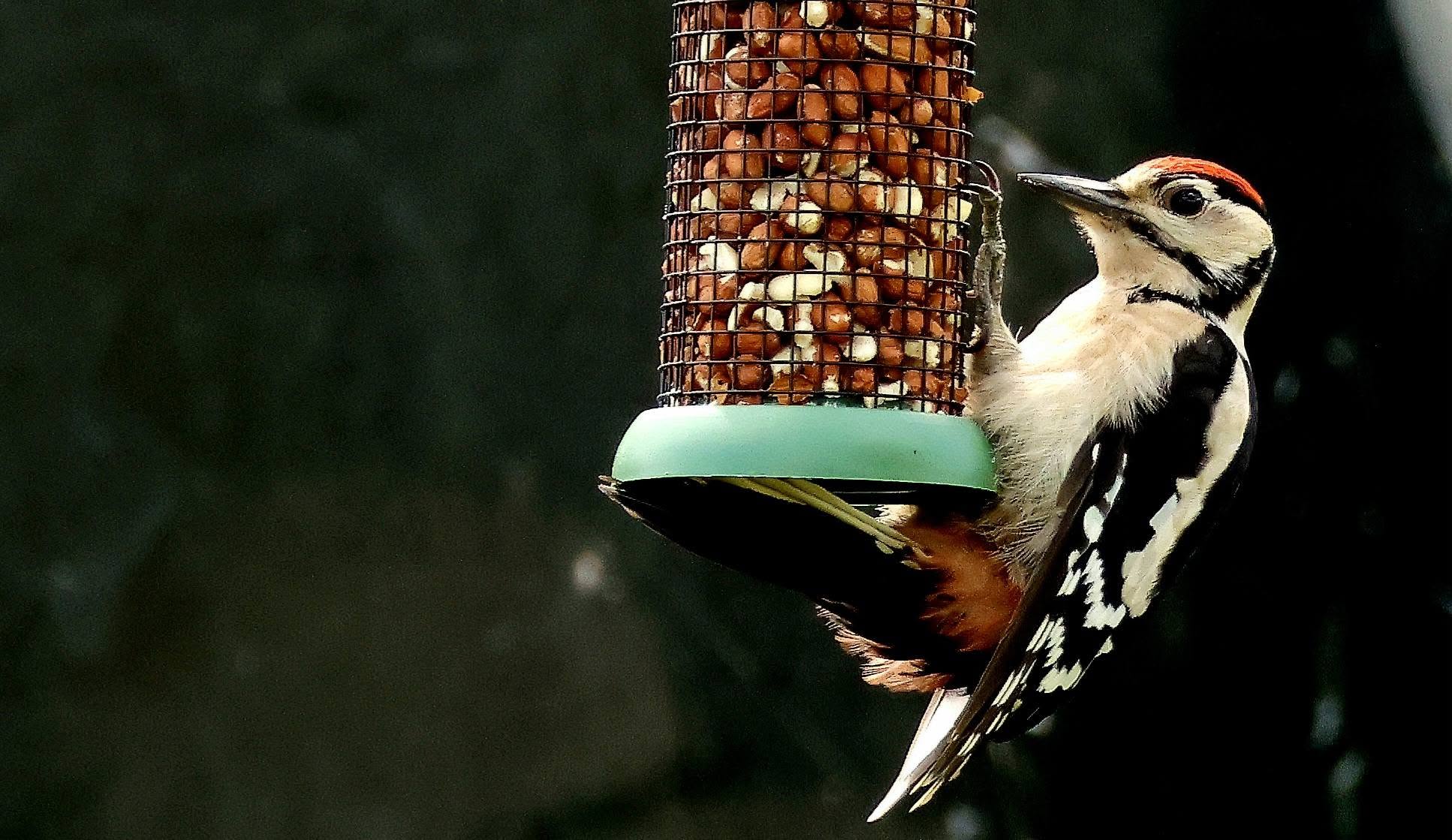
If you feed garden birds — fill a feeder, top up a bird bath, clean a bird table — and then handle your pet bird, their food, or the items in their cage without washing your hands in between, you have created a potential indirect transfer route. Trichomonas gallinae — the disease currently devastating UK greenfinch populations — is the more significant risk from this route in summer 2026, but HPAI transmission via contaminated hands is a theoretical pathway that is worth closing with a simple habit.
Wash your hands after any garden bird feeder contact before touching your pet birds or anything in their cage. This takes ten seconds. It closes the most realistic indirect route entirely.
Dead or Sick Wild Birds Found Near the Home
If you find a dead wild bird in your garden, on your windowsill, or anywhere near where you live — do not handle it with bare hands. Do not bring it inside to show someone. Do not allow it to come into contact with anything that will subsequently be near your pet birds.
This is not an alarmist instruction. Dead wild birds are the primary means through which HPAI H5N1 is detected in UK surveillance — it is in wild bird populations, and birds die from it. A single dead bird in your garden may have nothing to do with bird flu. But the appropriate precaution is the same regardless of cause: do not touch it bare-handed, report it to the Defra helpline on 03459 33 55 77, and wash thoroughly before any contact with your pet birds.
A Window Left Open Where Wild Birds Could Enter
This is the one that generates the most “I never thought of that” responses at the counter. A window left open — particularly a ground floor or first floor window in a room where the cage is — is a potential entry route for a wild bird. Most of the time this is not a problem. A wild bird that briefly flies in and out of an open window has minimal time to contaminate a cage or feeding area.
The specific situation that warrants more thought is if a wild bird gets into the room and cannot immediately get out — if it panics, lands on surfaces near the cage, on food, or directly on the cage itself. That kind of contact is different from a brief fly-through.
The straightforward management is to not leave windows wide open unattended in rooms where the cage is kept, particularly during the summer months when wild bird activity near houses is at its highest. A partially open window with a net or screen maintains ventilation without creating an open entry point.
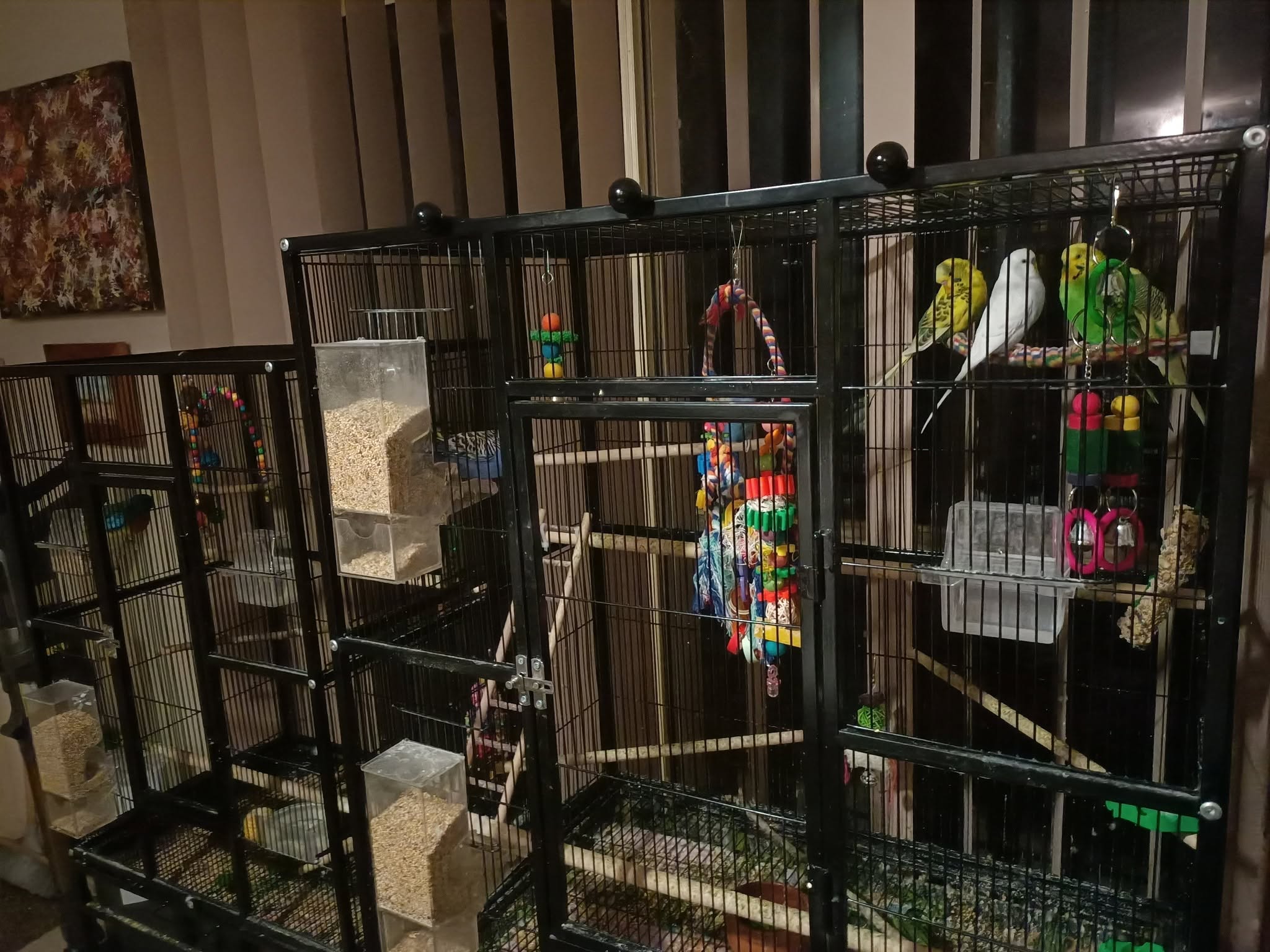
What Your Indoor Bird Cannot Catch — Being Reassuring Where Reassurance Is Warranted
I have described the indirect risks above because they are real and worth knowing. I want to be equally clear about what your indoor bird cannot catch, because unnecessary anxiety about bird flu in indoor cage birds is not useful to anyone.
A budgie in a cage in your living room cannot be infected by HPAI through airflow from outside. The virus does not travel through normal ventilation in a house. Wild birds singing outside your window, flying past your house, or even landing on the windowsill outside represent no meaningful transmission risk to a bird that is on the other side of the glass.
Your bird cannot catch bird flu from the news. It cannot catch it from you being near wild birds during a walk, coming home, and then interacting with the cage while still in your coat. The indirect routes that exist are specific — they involve physical contact with contaminated material from wild birds and then direct contact with your pet bird or their environment without cleaning in between. They are not something you need to be anxious about in normal daily life. They are something you can easily manage with simple, sensible hygiene.
A budgie or cockatiel that is kept in an appropriately maintained cage, in a room where wild birds are not entering, whose owner washes their hands after garden feeder contact, is not at meaningful risk from the current bird flu situation. That is the honest reassurance, and it is based on the actual biology of how this virus spreads.
Signs of Illness in Your Indoor Bird — What to Watch For
The reason vigilance still matters — even for indoor birds, even after the zone lift — is that birds hide illness. Whatever is causing the illness, a budgie or cockatiel will mask the signs until it cannot. By the time the signs are obvious, the situation is usually more developed than it would appear.
This is not specific to bird flu. It is how birds respond to any illness. But it means that knowing what normal looks like for your specific bird — and noticing when something has shifted — is genuinely the most powerful health tool available to an owner.
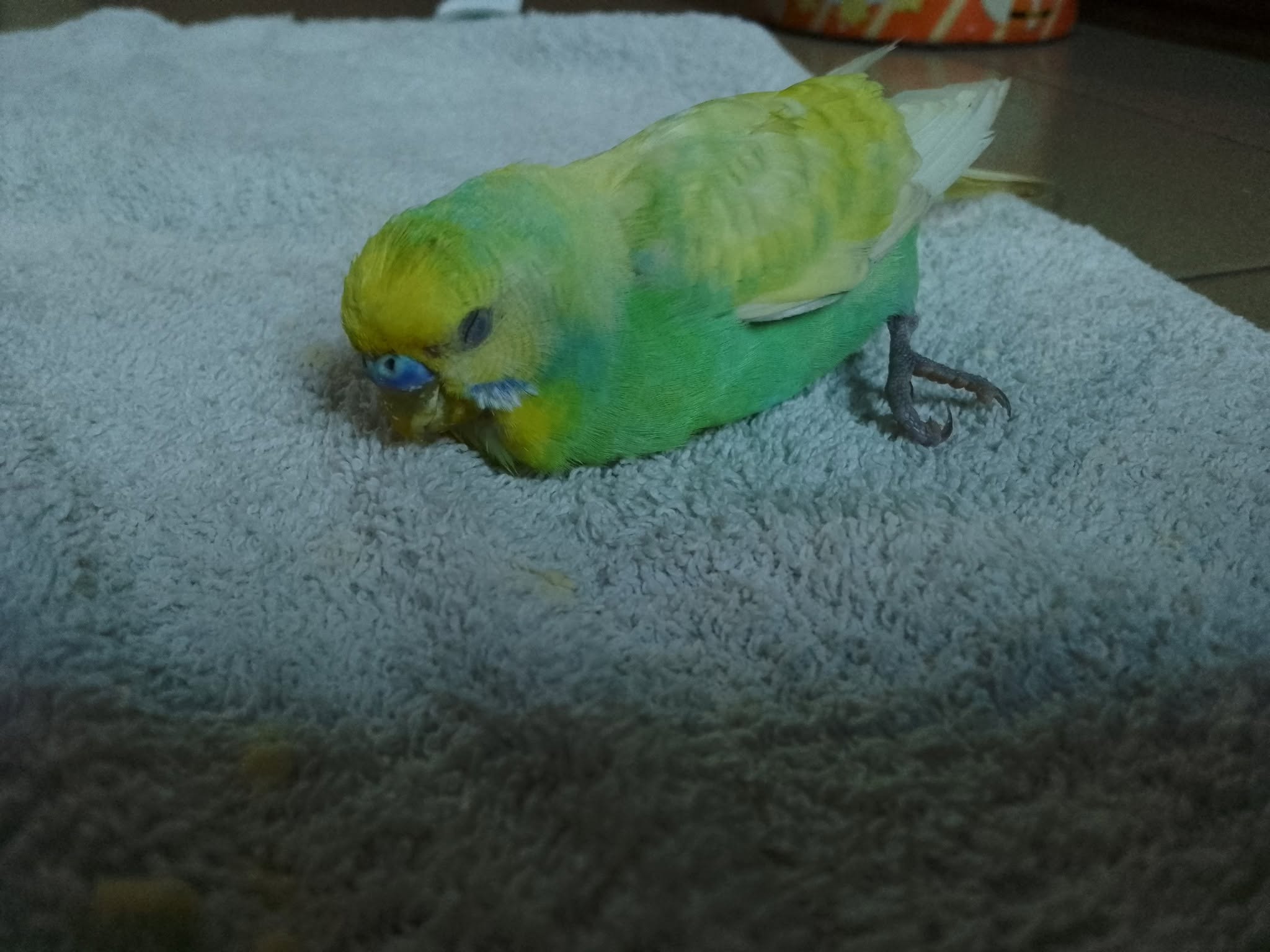
The early signs worth paying attention to are subtle and individual. A bird that is slightly quieter than its usual morning vocalisation. A bird sitting a little lower on the perch than its normal position. Feathers that are very slightly puffed rather than smooth. None of these is dramatic. All of them can indicate that something is developing before it becomes visible in obvious ways.
If your bird shows any change in condition alongside a possible exposure — a wild bird entered the room, you handled a feeder and forgot to wash your hands, a dead bird was found nearby — that combination warrants a same-day call to an avian vet. Not to panic, but to describe the situation and get professional guidance on whether an examination is indicated.
If you suspect bird flu specifically — which would typically follow a known exposure rather than appearing without any contact history — the number to call in England is APHA on 03000 200 301. Bird flu is a notifiable disease. Reporting a suspicion is not an overreaction. It is how the surveillance system works.
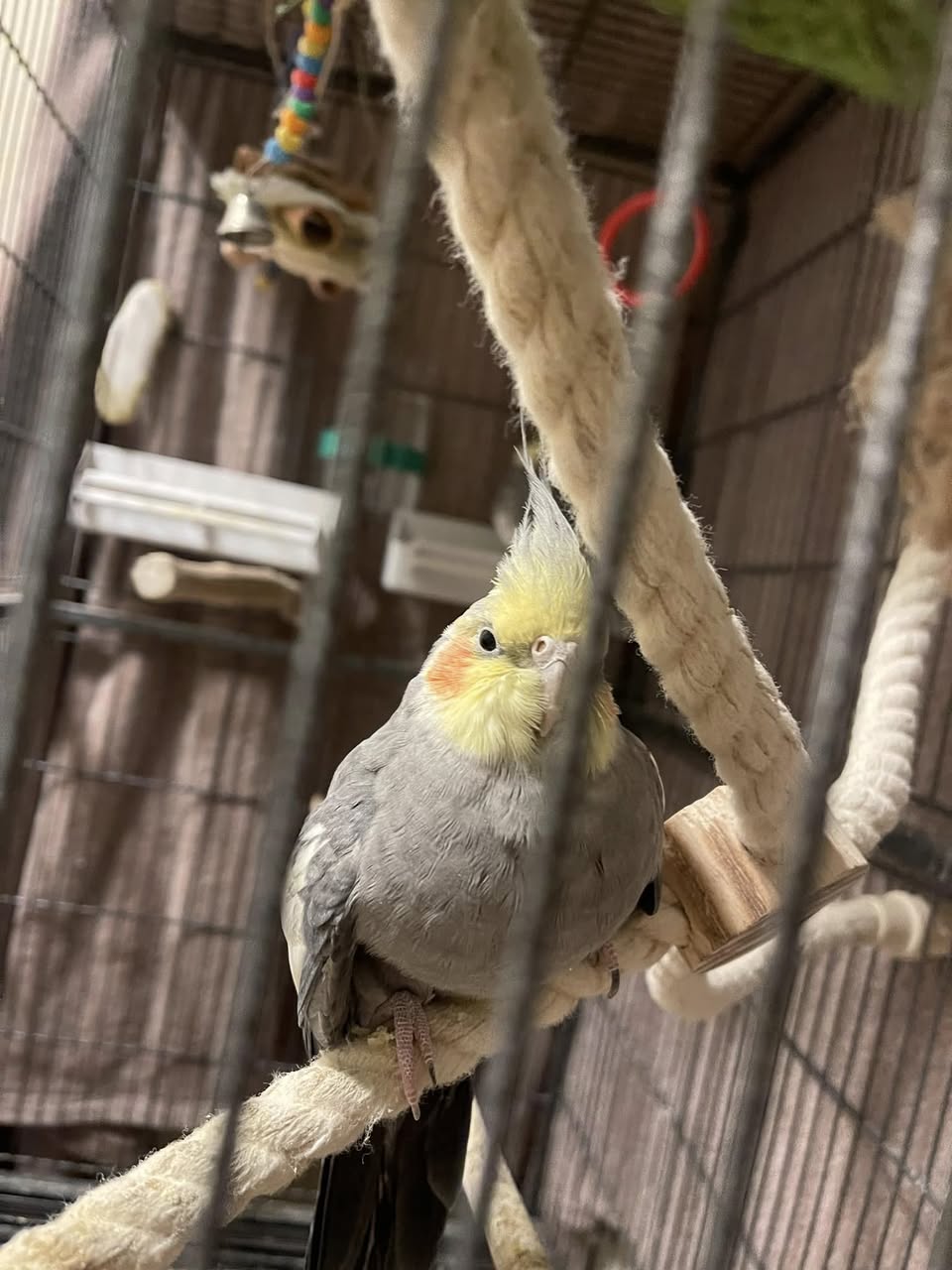
The RSPB Summer Guidance — Relevant for Anyone Who Also Feeds Garden Birds
If you keep indoor pet birds and you also feed garden birds — which describes a significant proportion of the people I speak to — there are two overlapping situations worth being aware of.
The RSPB currently recommends pausing the feeding of seeds and peanuts to garden birds between 1 May and 31 October, based on evidence that summer conditions accelerate the spread of trichomonosis through feeder environments. This is a separate issue from bird flu — it concerns a different disease — but the practical connection is the hand hygiene point I made earlier.
If you are still feeding garden birds through the summer despite the RSPB guidance — which is a personal decision that involves weighing various factors — the minimum precaution is consistent hand washing between feeder contact and any interaction with your pet birds. If you have decided to follow the RSPB’s guidance and have paused garden bird feeding for the summer period, that decision also removes the most direct hand-contamination route between garden birds and your indoor pets.
Both are sensible positions. Neither requires doing anything dramatic. Both are worth knowing about.
What This Week Actually Requires of You — A Clear Summary
I want to end practically, because the purpose of this article is not to create anxiety but to give indoor bird owners a clear picture of where they stand and what — if anything — they need to do differently.
Check the APHA interactive map for your postcode. The national AIPZ has lifted, but local disease control zones around specific premises can still be in force independently. Enter your postcode at the gov.uk bird flu page to confirm no local zone applies. This takes two minutes.
Establish a hand-washing habit between garden feeder contact and pet bird contact. If you feed garden birds, wash hands before touching your pet birds or their cage. This is the simplest closure of the most realistic indirect risk route.
Keep windows in the cage room partially rather than fully open. Ventilation is important, especially in summer heat. But an unscreened, fully open window in a room with a cage is a potential wild bird entry point. Partial opening or a net screen maintains airflow without that risk.
Know what your bird’s normal looks like. Observe it specifically for a few minutes each day. Not anxiously — just attentively. The owners who catch things early are the ones who knew what to compare against.
Store the avian vet number before you need it. If something changes and you need professional guidance quickly, having the number already stored matters. The RCVS accreditation search at rcvs.org.uk lets you filter for avian-experienced practices. In Swindon, ask us and we will point you directly.
That is the complete list. None of it is onerous. All of it is sensible regardless of whether bird flu is in the news or not.
Frequently Asked Questions
My budgie is indoors — did any of the bird flu restrictions ever apply to me?
The mandatory housing measures did not apply, because your bird was already indoors and has no outdoor access. The mandatory biosecurity measures technically applied to all bird keepers including indoor pet owners, but in practice the relevant precautions — not allowing wild bird contact with your bird’s food or water, remaining vigilant for signs of disease — are things a sensible owner was already doing. The zone lift does not change either position.
Could my indoor budgie catch bird flu from me if I was near wild birds?
Not through simply being near wild birds outdoors. The risk pathway would require you to have physically handled contaminated material — a dead wild bird, a heavily contaminated feeder, droppings — and then to have transferred that material directly to your pet bird or its food or environment without washing your hands in between. Normal outdoor activity does not create this route. Physical contact with contaminated items, followed directly by pet bird contact, could. The hand washing habit closes it.
The zone has lifted — should I relax my precautions?
The sensible precautions for indoor bird owners were never particularly onerous — they were hand hygiene and basic vigilance. Those precautions were sensible before the outbreak season, sensible during it, and sensible now that the zone has lifted. The zone lift is relevant news. It does not mean bird flu has left the country. Maintaining simple, consistent habits costs very little and protects against the residual risk that remains.
What should I do if I find a dead wild bird in my garden?
Do not touch it with bare hands. Do not bring it inside. If you need to move it, use disposable gloves or a thick plastic bag. Report it to the Defra helpline on 03459 33 55 77. Wash your hands thoroughly before touching your pet birds or their cage. A single dead wild bird does not indicate a bird flu outbreak in your garden — wild birds die from many causes — but the appropriate response is the same regardless of cause.
Where can I get advice about my specific indoor bird situation?
Come and talk to us at Paradise Pets. We are at Manor Garden Centre, Cheney Manor, Swindon SN2 2QJ, every day. We have been keeping cage birds through UK bird flu seasons for over thirty-five years and we are always happy to discuss what the current situation means for a specific bird in a specific home. No appointment, no obligation, no pressure. Call 01793 512400 if you want to talk it through before you come in.
One Last Thing
Most of what I have written here is reassurance. Because for owners of indoor cage birds, reassurance is mostly what the current situation warrants. Your bird is not at significant risk from the HPAI situation as it stands. The zone has lifted, the specific outbreak situations that triggered it have been resolved, and an indoor budgie or cockatiel with sensible management around it is in a safe position.
What I have also tried to give you is the specific, small set of things that close the gap between mostly fine and entirely fine. The hand washing. The window management. The avian vet number. The two minutes on the APHA map. These are not burdensome. They are simply worth doing.
Come and see us if you want to talk about anything this article has raised. That conversation is always free, and after thirty-five years it is one I genuinely enjoy having.
We are at Manor Garden Centre, Cheney Manor, Swindon SN2 2QJ. Get in touch here or call 01793 512400.
Visit Us at Paradise Pets Swindon
We stock budgies, cockatiels, canaries, and aviary birds year-round. If you have questions about the current bird flu situation and what it means for your specific indoor birds, come in and talk to us.