

Neil has kept, bred, and sold budgies at Paradise Pets Swindon since 1988 — over 35 years of watching the Budgerigar Society’s show world run parallel to the world of ordinary pet budgie keeping, mostly without the two worlds ever meeting. The 2026 show season is underway. Most UK pet budgie owners have no idea it exists. This article is his account of why that gap matters, and what the show world has learned about keeping these birds well that every pet owner should know.
Last Saturday a customer came in and asked me, entirely in passing, whether I had seen the results from a recent Budgerigar Society patronage show.
I had. We talked about it for a few minutes — the quality of the birds in certain classes, the judging standards, a few specific points about what had placed well and why. It was a conversation I could have in detail, because I have been following the show budgerigar world, in various degrees of proximity, for most of my working life.
When the customer left, the next person at the counter — a woman who had come in to buy food for her two pet budgies — looked slightly puzzled.
“There are shows for budgies?” she said.
Yes. There are shows for budgies. There has been a formal show budgerigar world in Britain since the Budgerigar Society was founded in 1925 — over a century of systematic selective breeding, show classification, judging standards, and the dedicated pursuit of what the ideal budgerigar looks like. The Budgerigar Society holds its Club Show in Blackpool annually, it is established in Northampton and is widely regarded as the most well-organised society of its kind in the cage bird world. There are affiliated societies across the UK. There are local shows, area shows, open shows, the annual Club Show that draws exhibitors from across Britain and beyond.
Most people who own pet budgies have never heard of any of this. The show world and the pet world run as parallel tracks that almost never cross — and that gap, I have come to think, is one of the reasons pet budgies are so consistently kept less well than they could be.
What the Budgerigar Society Actually Is — The World Most Pet Owners Know Nothing About
The Budgerigar Society was established in 1925 and has a management team called the General Council. It is the parent organisation for affiliated budgerigar societies across the UK and holds its annual Club Show in Blackpool every year.
The show budgerigar world it oversees is specialised, serious, and largely invisible to the people who make up the majority of budgie owners in Britain. In this world, budgies are bred to a specific written standard — a detailed physical description of the ideal budgerigar, covering size, shape, head type, feather quality, mask and spots, wing markings, and colour, across dozens of specific colour varieties and mutations. Birds are assessed against this standard by trained judges. The best birds in each class — young birds, adult cocks, adult hens, specific colour classes — are awarded, and the top birds compete for Best in Show.
The classification system covers a wide range of colour varieties, with annual updates to the classification to reflect new mutations and standardisation decisions.
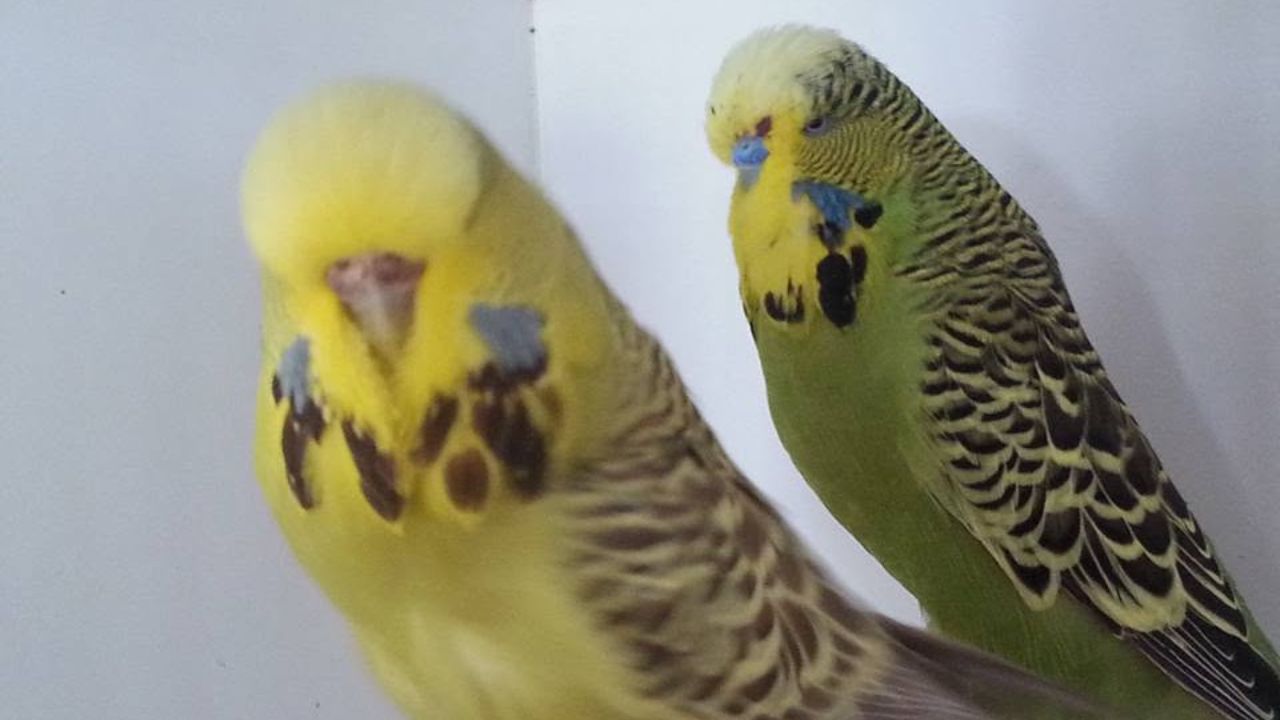
The birds exhibited at show level bear a family resemblance to the pet budgie in a cage at home, but they are visibly different. The show budgerigar — sometimes called the English budgerigar, or the exhibition budgerigar — is larger than the standard pet type, with a more heavily feathered head, a broader mask, and a more substantial overall build. These differences are the result of generations of selective breeding toward the written standard.
What Show Breeders Know That Most Pet Owners Do Not
This is the section I want every pet budgie owner to read carefully, because it is the practical heart of what the show world has to offer.
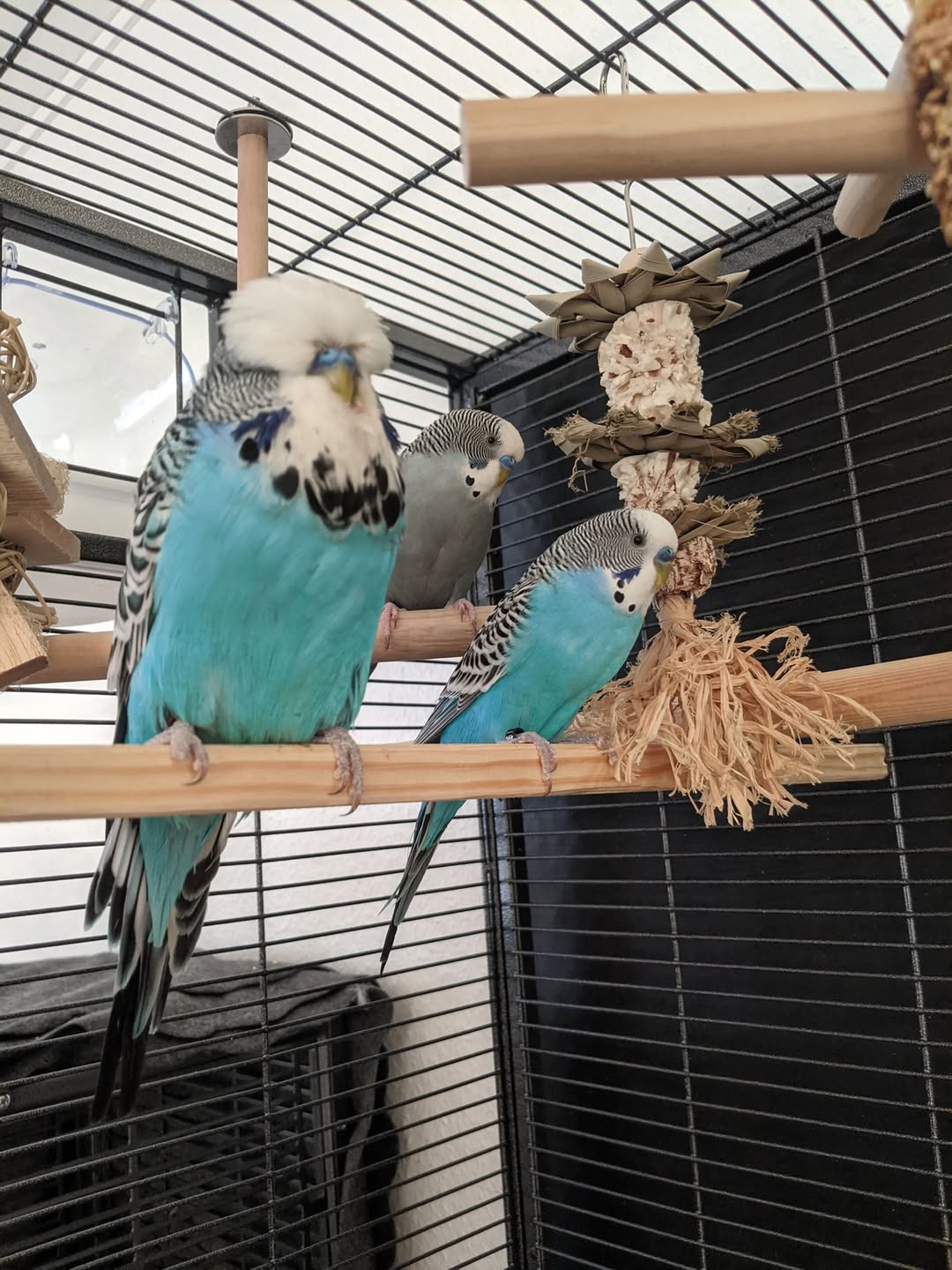
A serious show budgerigar breeder maintains their birds at a level of condition that is noticeably higher than the average pet budgie. Not because of magic or extraordinary effort, but because the birds are judged under conditions where small differences in condition are visible and consequential. A bird with dull feathers, a slightly rough quality to its plumage, or any detectable health deficit will not place in the top of its class. The show world’s competitive pressure has, over decades, produced a very high baseline of husbandry knowledge.
Diet — What Show Breeders Actually Feed
The diet of a show budgerigar is rarely seed alone. Serious breeders offer a varied seed mix as the base, but supplement it with a range of additional foods that are part of the active management of the bird’s condition.
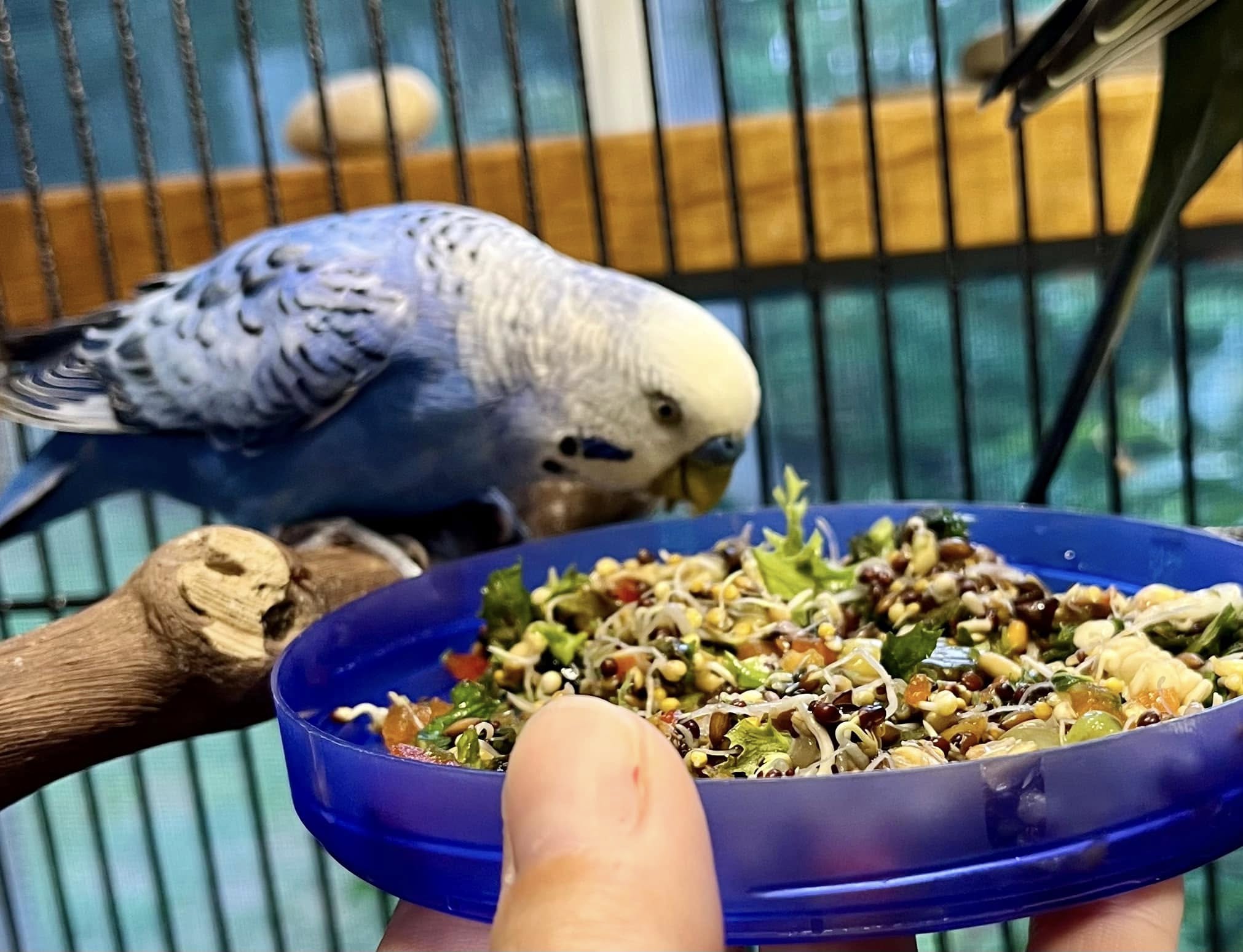
Sprouted seeds — seeds soaked and allowed to begin germinating, which dramatically increases their nutritional value — are a standard part of show breeder diets, particularly during the breeding season and during moult. Sprouted seed provides live enzymes, increased vitamins, and a form of nutrition that dry seed cannot replicate.
Egg food — a supplement made from egg, biscuit, and often additional vitamins — is widely used by show breeders to support feather condition and overall health. Fresh green food is provided regularly. Mineralised grit, cuttlebone, and iodine supplements address specific micronutrient needs that seed alone cannot meet.
The contrast with what most pet budgies eat — a dry seed mix, topped up when it runs low, perhaps with occasional millet spray — is significant. The show breeder’s birds are eating a diet that addresses vitamin A, iodine, and the range of micronutrients that a seed-only diet consistently falls short of. The same dietary principles that produce show-winning feather condition and vitality are the principles that support a longer, healthier life in a pet bird.
Moult Management — The Cycle Most Pet Owners Ignore
Show breeders pay close attention to the moult cycle — the annual period when a budgie replaces its feathers. This is because show timing is partly determined by moult: a bird entered in a show that is mid-moult will not present its feathers well, and condition management around the moult period is a significant part of show preparation.
What this means in practice is that show breeders notice the moult. They know when each bird last moulted. They adjust diet and supplement provision in response to the physiological demands of feather replacement. They monitor condition closely during and after moult.
Most pet budgie owners do not notice the moult in this way. They may register that the bird is slightly different-looking for a few weeks, or that more feathers are appearing on the cage floor than usual, but they do not adjust their management in response. The result is that pet birds receive no additional support during the most physiologically demanding period of their year.
A bird going through moult benefits from higher protein — egg food or sprouted seed increases protein availability at exactly the time the body most needs it. This is something show breeders know from decades of managing condition. It is something most pet owners have never been told.
Record Keeping — Understanding Individual Birds
Show breeders keep detailed records. Individual birds are identified by ring — rings are ordered annually and are used to identify birds by year of hatching and breeder registration. Health events, breeding pairings, moult timing, show results, and dietary adjustments are all recorded. The breeder knows, for each bird, when it was hatched, who its parents were, how its health history has progressed, and what its individual characteristics are.
This level of record keeping allows early detection of problems — a bird that has moulted later than usual, a bird that has lost weight between shows, a bird whose feather quality has changed between seasons. The comparison over time, in specific detail, is what makes patterns visible.
Most pet budgie owners have no records of any kind for their birds. The date of purchase may be remembered. The bird’s age may be estimated. But systematic tracking of weight, condition, and health events — the kind of tracking that catches problems early in show birds — does not happen in most pet households.
The Written Standard — What It Tells You About What a Healthy Budgie Should Look Like
The Budgerigar Society maintains a written standard for the ideal budgerigar. It is a detailed document covering every aspect of the bird’s physical presentation. For show purposes, it is a competitive reference. For pet owners, it is something more useful: a precise description of what a healthy, well-fed, well-managed budgie in peak condition looks like.
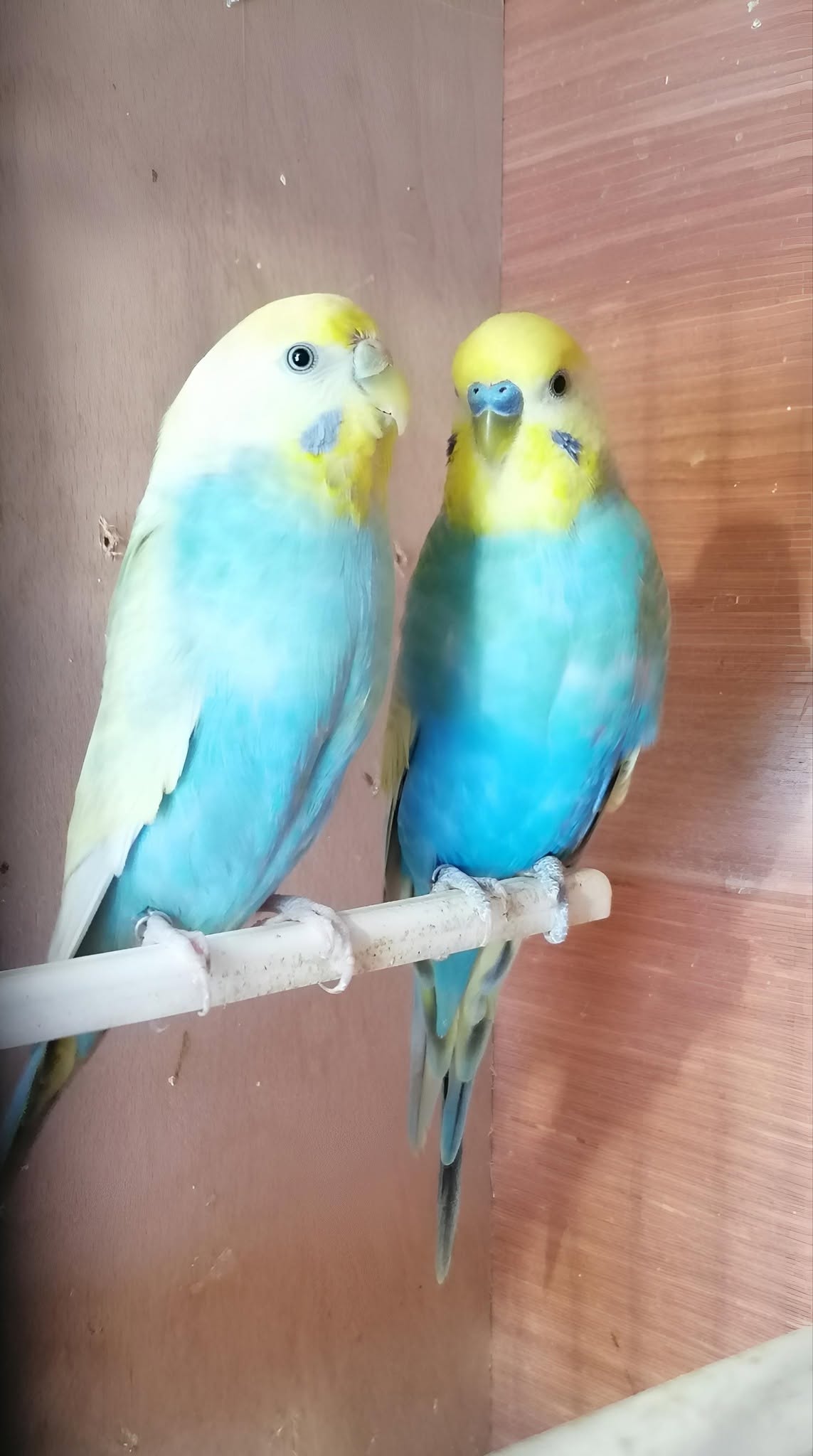
The standard describes a bird with tight, smooth, bright plumage with a high sheen. Spots that are round and well-defined. Mask feathering that is full and clean. Eyes that are bright and clear. Beak condition that is well-formed and smooth. Body shape that is full and well-rounded.
Reading this as a pet owner is useful not because your budgie should look like an exhibition bird — the show type and the pet type have been bred for different characteristics and cannot reasonably be compared directly — but because the principles behind the standard describe what excellent condition looks like in a budgie generally. Bright, tight plumage. Clear eyes. Smooth beak. Full body condition. These are not show-specific qualities. They are health indicators.
A pet budgie that consistently has dull, slightly loose feathering, or a beak that is rougher than it should be, or a body that feels less full than it did six months ago — these departures from good condition are exactly what show breeders are trained to detect and address. Pet owners, without a standard to compare against and without the training that show judging provides, often miss them.
What the Show World Does About Vet Care — And Why It Matters
Show breeders lose birds. It is a fact of working with animals at scale, and the serious breeder’s response to it has produced a level of health knowledge and veterinary engagement that the average pet owner does not have.
When a show breeder’s bird dies or declines, the breeder often seeks to understand why — not from sentiment alone but from a practical need to know whether the cause is something that could affect other birds in the stud. Post-mortem examination is not unusual in serious show operations. Regular contact with an avian-experienced vet is standard.
This engagement with avian medicine means that show breeders typically know the diseases that affect budgies — Macrorhabdus, psittacosis, respiratory infections, liver disease — with the specificity of people who have had to identify and respond to them. They know what early signs look like because catching things early is what prevents them from running through a whole breeding room.
The pet owner, by contrast, may have never taken their budgie to a vet. May not know what Macrorhabdus is. May not know what the keel check is or why checking it weekly catches problems earlier than any other method.
The show breeder’s health knowledge is not arcane or inaccessible. It is the practical knowledge of people who have been paying close attention to these birds for a long time and who have had real consequences to deal with when things go wrong. That knowledge is transferable to the pet setting, and more of it should be.
The Show Budgie vs the Pet Budgie — What Is Actually Different
I want to address this directly, because the comparison between show and pet birds comes with some caveats that are worth naming honestly.
The English show budgerigar is a larger, heavier bird than the standard pet budgie. The head feathering that is prized in the show world — the full, rounded head with abundant face feathering — is a result of selective breeding for exhibition traits. Some of these traits have welfare implications: heavily feathered birds can have breathing difficulties at the more extreme end, and the very large head type that wins at the highest level of competition is not necessarily associated with optimal health.
I am not describing the show world uncritically. The selective breeding pressures of competitive exhibition in any species produce some trade-offs between show characteristics and optimal welfare, and the show budgerigar is not entirely exempt from this.
What I am drawing from the show world is not the breeding philosophy that produces exhibition birds. It is the husbandry knowledge, the dietary management, the health monitoring, the veterinary engagement, and the detailed individual attention that show breeders apply to their birds — and that produces, regardless of the show type versus pet type distinction, birds in significantly better condition than the average pet budgie.
Those husbandry principles apply to the pet budgie regardless of its type.
The Show Season Calendar — What Is Happening Right Now
The 2026 Budgerigar Society Club Show Gala Dinner in Blackpool marks the high point of the annual show calendar. The club show season in Britain runs broadly from autumn through spring — the period when birds are out of moult and in their best show condition. Local patronage shows happen throughout the year, with area open shows and the major national events punctuating the calendar.
The Budgerigar Society’s Annual General Meeting was held in May 2026 at Bugbrooke, Northampton. The show calendar, patronage show schedule, and affiliated club events are published on the Budgerigar Society’s website and updated throughout the year.
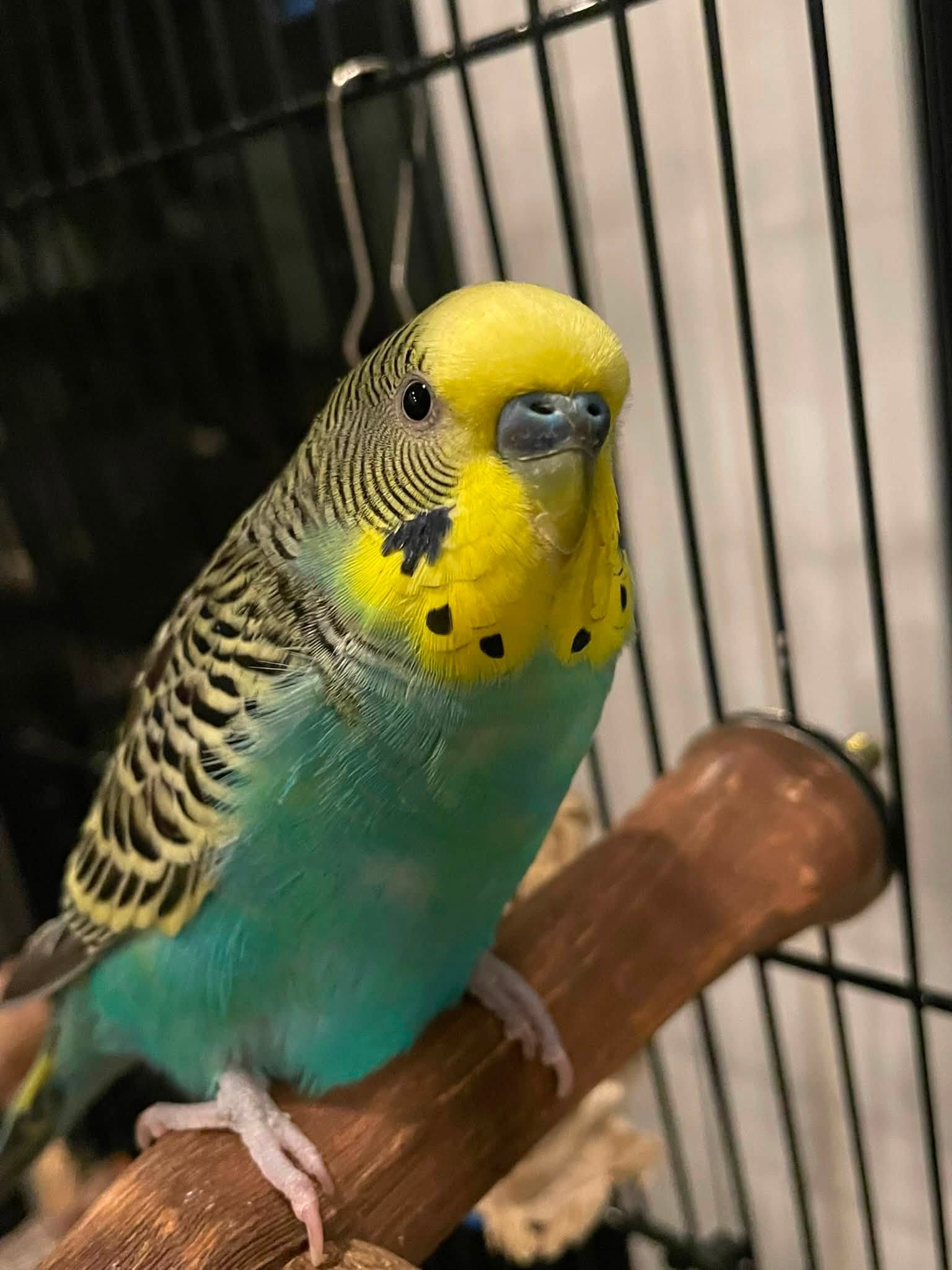
For someone who has never attended a budgerigar show, the experience is worth seeking out. The birds on display at a quality patronage or open show are in a condition that most pet owners have never seen — tight, bright, full of life, in the peak of what well-managed budgies can be. The contrast with the average pet budgie in a small cage is instructive, and not in a way that is meant to make anyone feel guilty about their bird. It is instructive in the sense of showing what is achievable with the right care and knowledge.
The Five Things Show Breeders Do That Every Pet Owner Should Try
I want to end with something practical — the specific habits from the show world that are directly applicable to the pet setting and that would make a real difference to most pet budgies’ condition and lifespan.
One — Offer Sprouted Seed Weekly
Soak a small amount of budgie seed for twelve to twenty-four hours, drain it, and offer it to your bird the following morning. The sprouting process dramatically increases nutritional value and provides live enzymes and vitamins that dry seed cannot. Your bird may take a day or two to accept it if seed is all it has known — persevere. Once it is accepted, sprouted seed is one of the most impactful dietary improvements available.
Two — Check the Keel Every Week
Hold your bird and run your finger along the breastbone. Know what it feels like now, at healthy baseline. Check it every week. When it feels sharper — when the ridge is more prominent, the flanking muscle less full — you have detected weight loss before it becomes visible. This is the earliest possible health indicator available to a pet owner and it requires nothing except the habit.
Three — Manage the Moult Actively
When your bird begins to moult — when you see pin feathers appearing and old feathers dropping in increased numbers — offer slightly more protein in the form of egg food or sprouted seed. The body’s demand for protein and micronutrients increases significantly during feather replacement. This is the show breeder’s instinct applied directly to the pet setting.
Four — Vary the Diet Year-Round
Offer fresh greens, grated carrot, or a small piece of pepper several times a week as a matter of routine, not as a treat for special occasions. The vitamin A and other micronutrients from fresh food address the most significant dietary gap in a seed-fed budgie. If your bird does not currently accept fresh food, introduce it gradually alongside familiar food rather than offering it in isolation.
Five — Find an Avian Vet Before You Need One
The show breeder knows their avian vet. They have a relationship with someone who has genuine experience with budgerigars and other cage birds. They do not search for a vet when the bird is already sick.
Do this now, before your bird has any health problem. Ask at local veterinary practices whether they have a vet with avian experience. Register your bird. Then when something changes — and these birds’ health can change quickly — you have a professional relationship to call on rather than a search to begin.
Quick Reference — What Show Breeders Do vs What Most Pet Owners Do
| Area | Show Breeder Standard | Typical Pet Keeping | What to Change |
|---|---|---|---|
| Diet | Varied seed mix, sprouted seed, egg food, fresh green food, minerals, iodine supplement | Single seed mix, occasional millet spray | Add sprouted seed weekly. Fresh vegetable 3–4 times a week. Cuttlebone always available. |
| Moult management | Increased protein during moult, timing tracked and recorded, condition monitored closely | Moult usually unnoticed. No dietary change. | Notice the moult. Offer egg food or sprouted seed during the moult period. |
| Health monitoring | Weekly weight and condition checks, records kept, early signs taken seriously | Assessed visually when the owner thinks of it. No records. Vets called late. | Weekly keel check. Know the baseline. Act within the week when something changes. |
| Veterinary engagement | Established relationship with avian-experienced vet. Post-mortems not unusual. | Many pet budgies never see a vet in their lives. | Find an avian vet now. Register. Consider an annual check-up. |
| Record keeping | Individual ring identification, hatching records, health history tracked | Purchase date sometimes remembered. Nothing else systematic. | Note the purchase date, any health events, weight changes. Even simple notes are better than none. |
| Environment | Space appropriate to the breed. Regular cleaning. Enrichment appropriate to condition management. | Often a too-small cage. Irregular cleaning. Limited enrichment. | Larger cage or daily flight time. Full food bowl clean every 2–3 days. Water changed daily. |
Frequently Asked Questions
What is the Budgerigar Society?
The Budgerigar Society was established in 1925 and is the parent organisation for affiliated budgerigar societies across the UK. It holds its annual Club Show in Blackpool and is widely regarded as one of the most well-organised cage bird societies in the world. It maintains the written standard for the exhibition budgerigar, oversees the patronage show system, and supports breeders, exhibitors, and judges across Britain. Its website at budgerigarsociety.com carries show information, breeder guidance, and health resources.
What is a show budgerigar and how is it different from a pet budgie?
A show budgerigar — sometimes called an English budgerigar or exhibition budgerigar — is a bird selectively bred over generations toward the Budgerigar Society’s written standard. It is typically larger than the standard pet budgie, with more heavily feathered head and face, a broader mask, and a more substantial overall build. The differences are visible to the eye. Show birds are assessed against the written standard by trained judges at patronage shows and the annual Club Show. Standard pet budgies and show budgies are the same species — Melopsittacus undulatus — but have been developed in different directions by selective breeding.
Can I attend a budgerigar show?
Most Budgerigar Society patronage and open shows are open to visitors. The annual Club Show in Blackpool is the major national event. Local affiliated societies hold shows throughout the year and these are often the easiest to attend. The Budgerigar Society’s website lists affiliated societies and their events. Attending even a local show is genuinely educational — the birds on display at show level are in a condition that illustrates what excellent budgie husbandry produces, which is useful to anyone who keeps pet budgies.
Are show budgies healthy birds?
Show breeders typically maintain a very high standard of daily husbandry, diet, and health monitoring. The birds in a well-managed show stud are usually in significantly better condition than the average pet budgie. There are legitimate welfare questions about some of the extreme physical traits selected for at the very highest levels of exhibition — particularly very heavy head feathering — but these apply to the most exaggerated show types and do not characterise the show world overall. The husbandry practices of show breeders are genuinely worth learning from, regardless of one’s view on the ethics of exhibition breeding specifically.
Where can I buy a well-bred budgie in Swindon?
We always stock budgies at Paradise Pets — Manor Garden Centre, Cheney Manor, Swindon SN2 2QJ. I am happy to talk through the differences between bird types, what to look for in a healthy bird, and how to set up the right care from day one. Call 01793 512400 before visiting to find out what we currently have in stock.
Want to Give Your Budgie Show-Breeder-Level Care? Come and Learn What That Looks Like
The knowledge that produces show-quality condition in budgies is not secret or specialist. Most of it is straightforward dietary and husbandry practice that any pet owner can apply. Come in and I will tell you specifically what changes make the most difference — based on 35 years of watching the gap between how most pet budgies are kept and how the best show breeders keep theirs.