


Neil has kept, bred, and sold pet birds at Paradise Pets Swindon since 1988 — over 35 years of watching UK bird welfare evolve, both in homes and out in wild spaces across Britain and Ireland. BirdWatch Ireland has just published a major restoration plan identifying more than 71,000 hectares of protected wetland habitat with restoration potential to help 52 key bird species, part of Ireland’s national response to the EU Nature Restoration Regulation with a September 2026 deadline. Dr Andrew Kelly, CEO of BirdWatch Ireland, has been direct about the crisis behind the plan — 63 percent of Ireland’s bird species are currently in serious trouble, and the restoration plan represents genuine hope for reversing decades of decline. But whilst wild UK and Irish bird habitats face genuine restoration challenges, UK pet bird owners have a genuinely different welfare responsibility — the “habitat” they provide for their pet budgies, cockatiels, canaries, or other UK pet birds is quite literally their living room. And after 35 years at the counter watching UK pet bird owners set up living rooms as habitats for their birds, Neil has come to believe the living room can genuinely be the best possible habitat for a UK pet budgie — but only if UK owners get the specific welfare-led setup right. This is his honest, welfare-led take on what BirdWatch Ireland’s habitat restoration plan tells us about the wider UK and Irish bird welfare picture, why UK pet bird welfare responsibility parallels wild bird habitat responsibility in meaningful ways, and exactly what UK owners can do to make their living room the welfare-standard habitat their pet birds genuinely need.
A regular customer came into the shop one Friday afternoon, thinking through something interesting. She had been reading about BirdWatch Ireland’s newly published habitat restoration plan over the weekend, had been struck by the connection between wild bird habitat restoration and welfare-led pet bird keeping, and had come to the counter to talk to someone who could help her think through the parallels. Her pet budgies Poppy and Sunny lived in what she genuinely tried to make a welfare-appropriate setup in her Swindon living room. But she wanted to talk about whether the way she thought about their “habitat” was welfare-led enough — and what welfare-led responsibility for the wild UK bird welfare picture might mean for her as a UK pet bird owner who also cared about broader bird conservation. Her question was thoughtful and welfare-led — exactly the kind of question I have most enjoyed answering at the counter over 35 years.
I sat with her for an hour and explained the honest connection I have come to believe genuinely exists between wild bird habitat restoration and UK pet bird welfare-led keeping. Wild UK and Irish birds need habitat that provides food, water, shelter, safety, appropriate social structure, and freedom from human-inflicted welfare pressures. UK pet birds need habitat that provides exactly the same things — food, water, shelter, safety, appropriate social structure, and freedom from welfare pressures the human relationship might otherwise create. The specific implementation is completely different — wild bird habitat restoration involves wetlands, farmland, coastal areas, upland breeding grounds. UK pet bird habitat involves cages, food dishes, perches, enrichment, careful placement, and welfare-appropriate interaction. But the welfare-led thinking that produces good outcomes is genuinely parallel. Both require honest recognition of what the birds actually need, thoughtful provision to meet those needs, and willingness to make welfare the priority over convenience. She left that afternoon with a different way of thinking about the setup she was providing for Poppy and Sunny, made several welfare-led improvements over the following weeks, and returned six weeks later to describe how the parallel thinking had transformed her approach to her pet birds’ living room habitat.
I am writing this article because BirdWatch Ireland’s newly published restoration plan is genuinely important for wider UK and Irish bird welfare thinking, and because the substantial UK pet bird community — over 3 million pet birds across British homes — deserves the honest connection between wild bird welfare responsibility and pet bird welfare responsibility. UK pet bird owners are typically the people who most care about broader UK and Irish bird welfare too. The habitat parallel is genuine, welfare-led, and produces better outcomes for individual UK pet birds when UK owners recognise it.
This article is the conversation I have at the counter with UK pet bird owners who want to understand the connection between wild bird welfare and pet bird welfare, and who want practical welfare-led guidance for the living room habitat they provide for their own birds. By the end of it, you will understand what BirdWatch Ireland has published about Irish habitat restoration, why the welfare-led thinking behind wild bird habitat matters for UK pet bird owner thinking too, exactly what welfare-appropriate living room habitat looks like for a UK pet budgie or similar pet bird, and what UK pet bird owners can genuinely do — both for their own birds and for the wider UK and Irish bird welfare picture.
What BirdWatch Ireland’s Newly Published Plan Actually Shows
For UK readers wanting to understand exactly what BirdWatch Ireland has just published, here is the honest picture based on the newly released restoration plan and supporting documentation.
What the BirdWatch Ireland restoration plan actually contains:
- More than 71,000 hectares of protected wetland habitat identified with restoration potential
- 52 key bird species targeted for restoration benefit
- Four broad wetland habitat groupings — moorland, lakes and turloughs, estuaries and intertidal, wet grassland and fens
- 38 additional areas identified for 10 threatened seabird species
- Farmland habitat also identified for restoration across widespread and scarce species
- Scientific approach with peer-reviewed methodology
- Ireland’s contribution to EU Nature Restoration Regulation with September 2026 deadline
- Priority species include curlew, lapwing, swift among 52 target species
- Plan aims to reverse declines by 2030 and beyond
- Report authored by respected BirdWatch Ireland researchers — Gittings, Kennedy, Adcock, Burke, Duggan, O’Flaherty, Caffrey, Donaghy
- 63 percent of Ireland’s bird species in serious trouble per BirdWatch Ireland CEO
- Irish farmland birds most threatened in all of Europe — dramatic scale of crisis
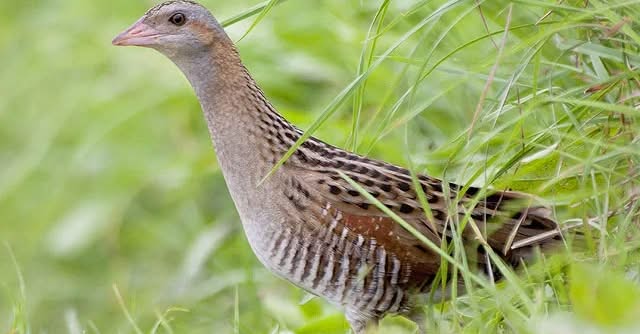
Dr Andrew Kelly, CEO of BirdWatch Ireland, has been direct about the scale of the crisis behind the plan — “For far too long, BirdWatch Ireland has been calling out the dire situation of most of Ireland’s birds. 63% of Ireland’s bird species are in serious trouble. Birds are indicators of the health of our environment, and it’s obvious that it is in very bad shape.”
The plan represents genuine hope alongside honest acknowledgement of the welfare crisis. Restoration of the identified 71,000+ hectares would represent substantial contribution to reversing decades of Irish bird population decline. The scientific approach behind the plan gives government a practical way forward for restoration that would benefit multiple bird species simultaneously across ecologically connected habitats.
For UK readers, the BirdWatch Ireland plan matters because Ireland and the UK share substantial bird populations, migration patterns, and welfare challenges. The Irish restoration plan is part of the broader UK and Irish bird welfare picture that concerns the substantial UK bird enthusiast community — including UK pet bird owners.
For more on the broader UK bird welfare context, our recent article on new science confirms climate change is reshaping UK bird life covers the parallel UK climate research that connects to the wider Ireland-UK bird welfare picture.
Why UK Pet Bird Welfare Parallels Wild Bird Habitat Thinking
For UK pet bird owners wanting to understand the parallel between wild bird habitat restoration and pet bird welfare-led keeping, here is the honest picture of why the connection is meaningful rather than metaphorical.
Why the habitat parallel is genuine welfare-led thinking:
- Both require honest recognition of what birds actually need to thrive
- Both require thoughtful provision beyond minimum survival levels
- Both require willingness to prioritise welfare over convenience
- Both benefit from scientific understanding of species-specific requirements
- Both involve creating environments where birds can express natural behaviours
- Both require ongoing commitment rather than one-time provision
- Both benefit from community welfare-led thinking rather than isolated action
- Both connect to broader UK and Irish bird welfare community outcomes
- Both require respect for birds as complex beings rather than simple decorative animals
- Both produce measurably better outcomes when approached with welfare-led seriousness
Why UK pet bird “living room habitat” thinking matters:
- Your living room is the entire welfare-relevant environment your pet bird experiences
- Every welfare-led decision compounds over the bird’s lifetime
- Habitat quality determines behavioural expression possibilities
- Environmental stability supports psychological wellbeing
- Species-specific requirements matter as much as generic pet care
- Both physical and social welfare dimensions require thoughtful attention
- UK owner welfare-led thinking directly shapes bird’s daily experience
- Living room habitat can be genuinely welfare-appropriate with proper setup
- Living room habitat can also be genuinely welfare-limiting when setup inadequate
- The difference matters substantially for individual UK bird welfare outcomes
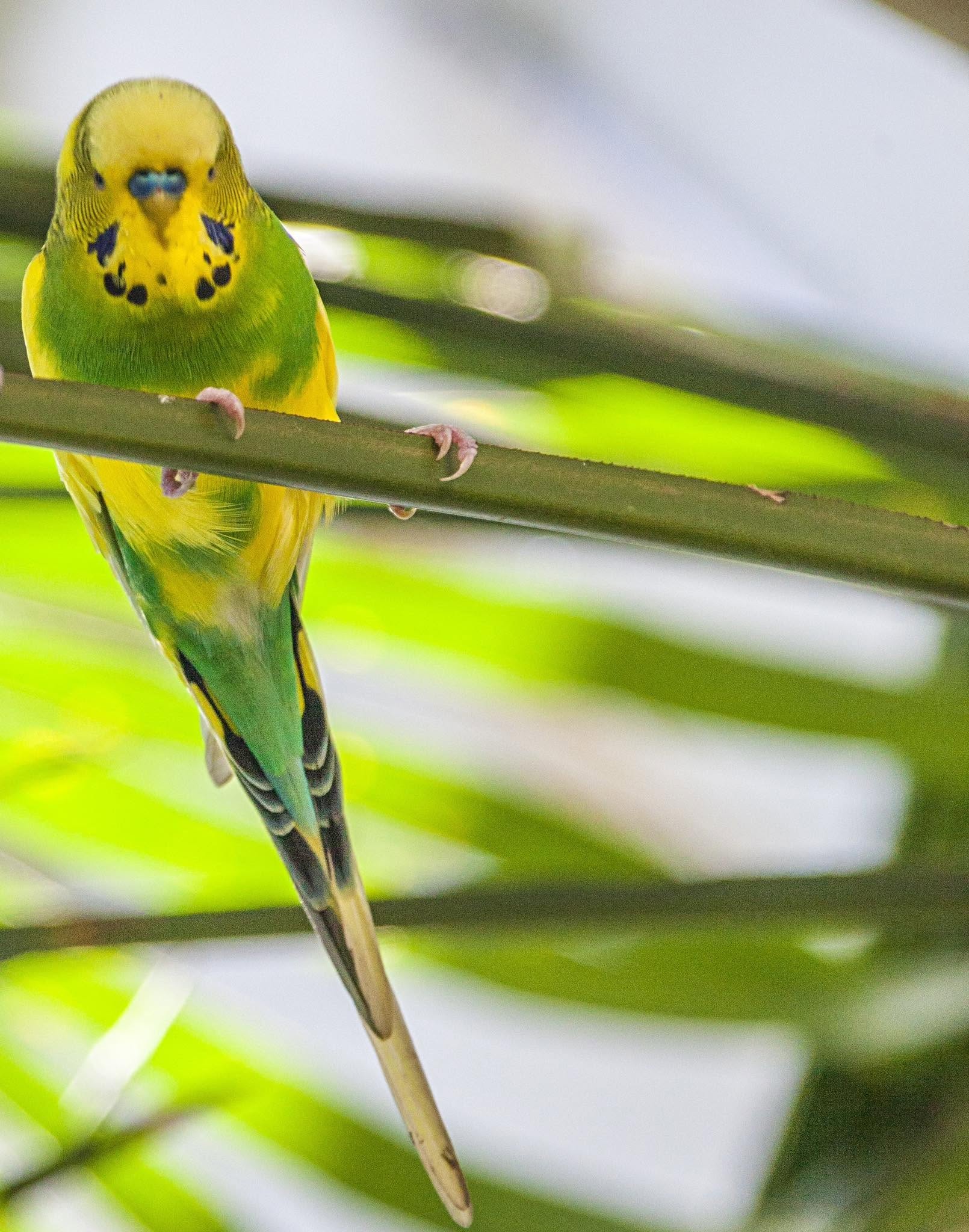
The parallel between wild bird habitat restoration and UK pet bird welfare-led thinking is not stretched metaphor. It is genuine recognition that both concerns are about welfare-led environmental provision for birds, with the specific implementation differing but the underlying welfare-led thinking being the same. UK pet bird owners who embrace this parallel typically transform their approach to pet bird care in ways that produce measurably better welfare outcomes.
After 35 years at the counter, I have come to believe UK pet bird owners who think about their living rooms as habitats — with the seriousness that word implies — consistently produce better pet bird welfare outcomes than UK owners who think about their setups as merely cages with accessories. The framing genuinely matters for daily welfare-led decision-making.
For more on the physical welfare-led setup specifically, our article on why most UK budgie cages fall short of RSPCA guidance covers the specific cage welfare setup that anchors welfare-appropriate living room habitat.
What Makes A UK Living Room Genuinely Welfare-Appropriate Bird Habitat
For UK pet bird owners wanting to understand what welfare-appropriate living room habitat actually requires, here is the honest picture based on 35 years of watching what works.
What welfare-appropriate UK living room bird habitat genuinely requires:
- Welfare-standard cage meeting RSPCA guidance dimensions as habitat anchor
- Cage placement providing security — solid wall behind, covered top, quiet location
- Temperature stability appropriate to species — 18-24°C ideal for most UK pet birds
- Away from hazards — kitchen fumes, radiators, draughts, non-stick cookware areas
- Consistent daily routine for feeding, cleaning, interaction
- Multiple perches at varied heights and materials — natural wood preferred
- Enrichment rotation — foraging opportunities, chewing toys, exploration objects
- Fresh food and water accessible without disruption
- Same-species companionship as core social welfare need
- Safe out-of-cage flight space — mirrors covered, windows closed, hazards removed
- 6+ hours daily out-of-cage flight time per RSPCA guidance
- Welfare-appropriate interaction matched to bird’s individual welfare state
- UK avian vet relationship established for preventative and responsive care
- Emergency preparedness — heat events, illness, disruption planning
- Long-term commitment planning for the bird’s full lifespan
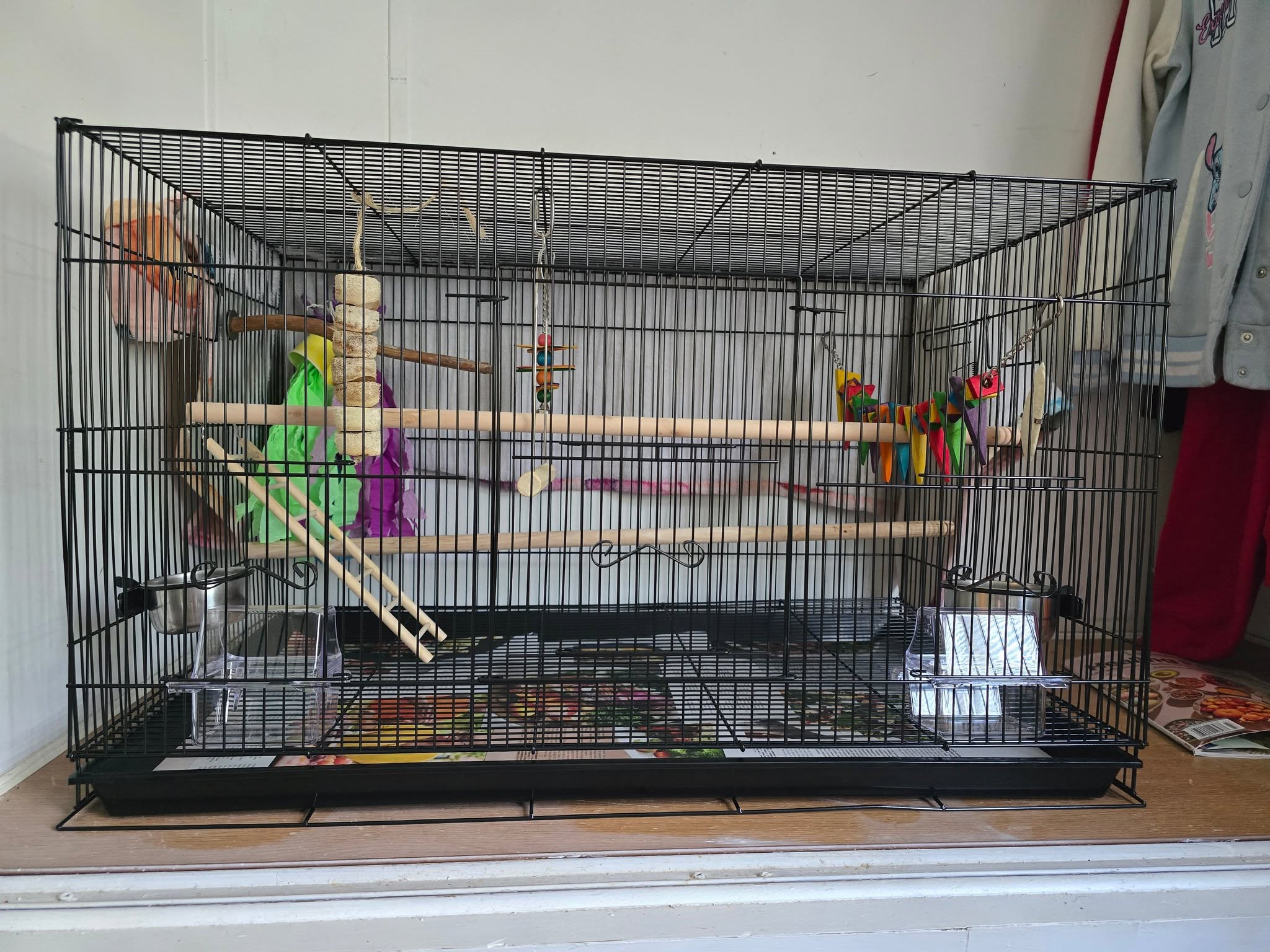
The welfare-appropriate UK living room bird habitat is genuinely achievable for most UK households willing to invest in welfare-led setup. This does not require exceptional resources — it requires welfare-led thinking applied to the setup decisions UK owners make about their pet bird’s daily environment.
The habitat framing shifts UK owner thinking from “cage plus accessories” to “welfare-appropriate environment for a complex being.” This shift is where the parallel with wild bird habitat restoration produces genuine change. UK owners who think about habitat rather than about pet supplies typically make different, better decisions about their pet bird’s welfare.
The Specific Living Room Habitat Elements Most UK Owners Get Wrong
For UK pet bird owners wanting honest assessment of which specific living room habitat elements are most commonly welfare-inadequate, here is the honest picture from 35 years at the counter.
Common UK living room habitat welfare gaps I see at the counter:
- Cage sizes falling short of RSPCA guidance — typically substantially undersized
- Solo keeping despite social welfare needs — 40-60% of UK budgies estimated solo
- Insufficient out-of-cage flight time — well below RSPCA 6+ hours recommendation
- Cage placement near hazards — kitchens, radiators, draughts
- Seed-only diets rather than varied welfare-led nutrition
- Inadequate enrichment provision — few toys, minimal foraging opportunities
- Non-natural perches — plastic or dowel rather than natural wood variety
- Mirror-based “companion” replacement for actual same-species contact
- Temperature exposure during UK heatwaves — inadequate cooling planning
- Limited UK avian vet relationship — reactive rather than preventative care
- Environmental instability — frequent cage moves, disruption
- Welfare-inappropriate interaction patterns — over-handling or under-engagement
For welfare-led improvement, UK owners can typically address the most impactful gaps immediately:
- Add same-species companion if currently solo keeping
- Increase out-of-cage flight time toward RSPCA 6+ hours daily
- Vary diet substantially beyond seed alone
- Add natural wood perches at varied heights
- Increase enrichment provision and rotation
- Reposition cage against solid wall away from hazards
- Establish UK avian vet relationship if not existing
- Plan for UK summer heatwave welfare specifically
- Consider welfare-standard cage upgrade if current setup falls short
- Review interaction patterns for welfare-appropriateness
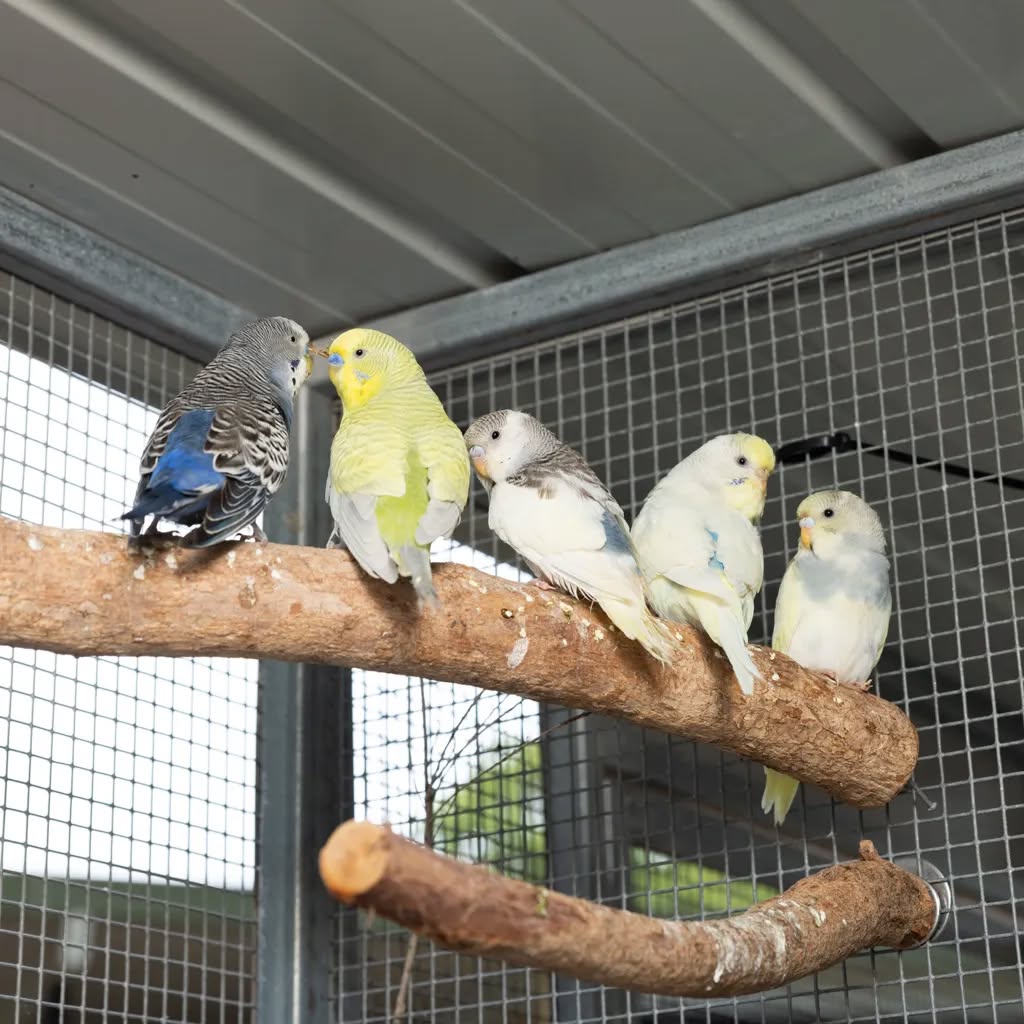
The honest observation is that most UK pet bird owners have opportunities to improve their pet bird’s living room habitat welfare across multiple dimensions simultaneously. UK owners who address several welfare gaps together typically see substantial cumulative improvement in their pet bird’s visible thriving.
For more on the specific welfare gap of solo keeping, our article on why solo keeping is the most common UK budgie welfare mistake covers this specific dimension of the living room habitat welfare picture.
The UK Pet Bird Owner’s Role In Wider Bird Welfare Community
For UK pet bird owners wanting to understand their meaningful role in the wider UK and Irish bird welfare picture, here is the honest picture from 35 years of watching UK bird welfare community engagement.
- Provide welfare-appropriate living room habitat for individual pet birds
Foundational contribution to UK bird welfare community outcomes. - Support UK and Irish bird welfare organisations
RSPB, BTO, BirdWatch Ireland, Wildlife Trusts, local UK bird groups. - Participate in UK citizen science
Big Garden Birdwatch, Breeding Bird Survey, Nest Record Scheme. - Consider bird-friendly UK garden practices
Native plants, water sources, insect-friendly gardens support wild bird welfare. - Follow current welfare-led wild bird feeding guidance
Seasonal RSPB pause, appropriate winter feeding, hygienic practices. - Support welfare-led UK independent pet shops
Community-level welfare-led practice reinforcement. - Educate other UK owners about welfare-led practices
Family conversations, community engagement, social media sharing. - Engage with UK bird welfare policy consultations
Individual voices contribute to collective community welfare outcomes. - Support cross-border bird welfare initiatives
UK and Ireland share substantial bird welfare community concerns. - Model welfare-led UK pet bird keeping for others
Your example influences other UK households considering pet birds.
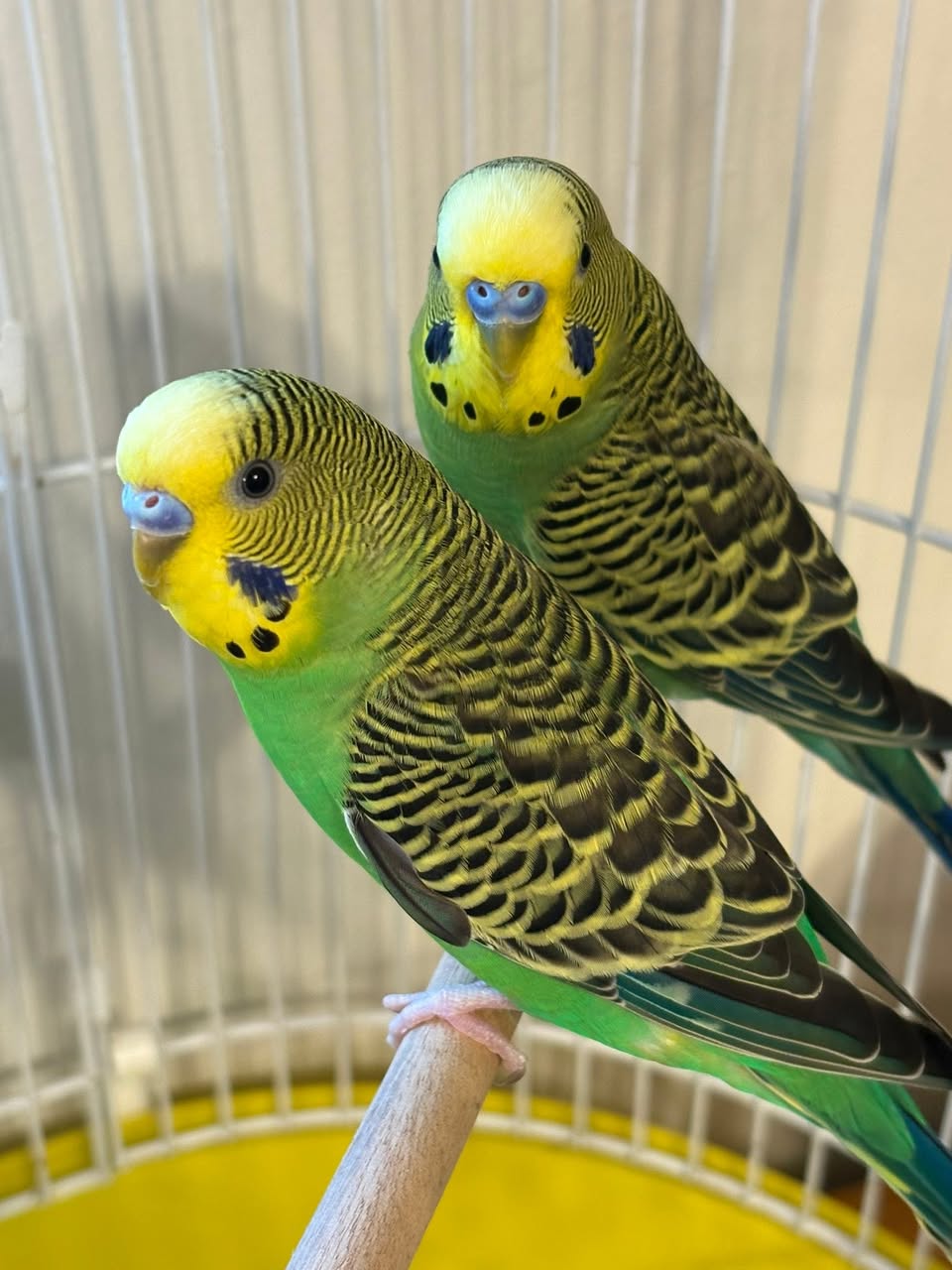
The single most valuable contribution UK pet bird owners can make to wider bird welfare is providing genuinely welfare-appropriate living room habitat for their own pet birds. This foundational contribution matters because it demonstrates welfare-led practice at scale across the UK pet bird community, and because it produces genuinely thriving individual UK pet birds whose welfare visibly matters to their owners.
The additional community contributions matter cumulatively. UK pet bird owners who engage with wider UK and Irish bird welfare community — through organisation support, citizen science, garden practices, education — contribute meaningfully to broader welfare outcomes across the connected UK and Irish bird welfare picture.
After 35 years at the counter, I have come to believe UK pet bird owner engagement with wider bird welfare community is one of the most valuable ways the substantial UK pet bird community contributes to broader UK and Irish bird welfare outcomes. Individual welfare-led thinking at pet bird level and at community engagement level produces cumulative UK and Irish bird welfare community impact.
Common UK Owner Questions About Living Room Habitat Thinking
For UK pet bird owners considering the habitat framing shift, here are the honest responses to common questions I hear at the counter.
- “Isn’t a living room just a room, not a habitat?”
For your pet bird, it is genuinely their entire welfare-relevant environment. Habitat framing acknowledges this reality. - “Do I really need to think this seriously about pet bird setup?”
Yes — the welfare implications are genuine. Pet bird lifespan and daily quality of life depend on habitat quality. - “Isn’t this overthinking simple pet keeping?”
Not really. Welfare-led thinking produces better outcomes for both birds and owners. Simple thinking produces simpler outcomes. - “My budgie seems fine — why do I need to change anything?”
Consider whether “fine” reflects genuine welfare-appropriate thriving or welfare-limited adaptation. Habitat improvements often reveal welfare potential. - “How much of the recommendations do I need to do?”
Every welfare-led improvement compounds. Start with most impactful gaps for your specific situation. - “Can I really make my UK living room welfare-appropriate?”
Yes — most UK households can genuinely achieve welfare-appropriate living room habitat with thoughtful setup. - “What about wild bird welfare — how does that connect?”
Welfare-led thinking applies across both. UK pet bird owner engagement with wider bird welfare community matters cumulatively. - “Am I being asked to become a bird welfare expert?”
No — welfare-led thinking is accessible. Community resources and UK independent shops provide guidance without requiring expertise. - “What if my budget is limited for improvements?”
Many welfare-led improvements are free or low-cost. Cage placement, out-of-cage time, interaction patterns require no financial investment. - “Where do I start with the habitat thinking shift?”
Come in for a chat. Individual welfare-led guidance based on your specific setup produces the most useful starting point.
The honest summary is that welfare-led habitat thinking for UK pet bird owners is genuinely accessible, produces measurably better outcomes for individual birds, and connects meaningfully to wider UK and Irish bird welfare community engagement. Most UK pet bird owners can genuinely implement the habitat thinking shift with substantial welfare benefit to their specific pet birds.
Frequently Asked Questions
What has BirdWatch Ireland actually published and why does it matter?
BirdWatch Ireland has just published a major restoration plan identifying more than 71,000 hectares of protected wetland habitat around Ireland with restoration potential to help 52 key bird species. The plan represents Ireland’s contribution to the EU Nature Restoration Regulation with a September 2026 deadline. Dr Andrew Kelly, CEO of BirdWatch Ireland, has stated that 63 percent of Ireland’s bird species are currently in serious trouble. The plan addresses genuine welfare crisis affecting Irish bird populations and provides a scientifically grounded pathway for restoration that would benefit multiple species. For UK readers, the plan matters because Ireland and the UK share bird populations, migration patterns, and welfare challenges, meaning Irish bird welfare responses connect to wider UK and Irish bird welfare community concerns.
Why is the “living room as habitat” framing genuinely important for UK pet bird welfare?
Your living room is quite literally the entire welfare-relevant environment your pet bird experiences for their entire lifespan. Habitat framing acknowledges this reality and shifts owner thinking from “cage plus accessories” to “welfare-appropriate environment for a complex being.” This framing shift genuinely produces better welfare-led decision-making about cage size, placement, enrichment provision, interaction patterns, and long-term care. UK pet bird owners who embrace habitat thinking typically make different, better decisions than owners who think about pet supplies. The parallel with wild bird habitat restoration thinking is not metaphorical — it is genuine welfare-led thinking applied to individual UK pet bird care.
What makes a UK living room genuinely welfare-appropriate bird habitat?
Multiple elements combined: welfare-standard cage meeting RSPCA guidance dimensions, appropriate placement providing security away from hazards, temperature stability, consistent daily routine, varied perches and enrichment, welfare-appropriate diet beyond seed, same-species companionship, minimum 6 hours daily out-of-cage flight time, safe out-of-cage flight space, UK avian vet relationship, and welfare-appropriate interaction matched to the bird’s individual welfare state. The elements combine to produce welfare-appropriate habitat rather than any single element being sufficient. Most UK households can genuinely achieve welfare-appropriate living room habitat with thoughtful setup investment.
How do wild bird habitat restoration and UK pet bird welfare actually connect?
Both concerns are about welfare-led environmental provision for birds, with specific implementation differing but underlying welfare-led thinking being the same. Both require honest recognition of what birds actually need, thoughtful provision beyond minimum survival levels, willingness to prioritise welfare over convenience, scientific understanding of species-specific requirements, and ongoing commitment. UK pet bird owners are meaningfully part of the wider UK and Irish bird welfare community that BirdWatch Ireland’s plan addresses. The habitat parallel produces genuinely welfare-led thinking across both wild and pet bird contexts.
What can UK pet bird owners actually do about wider UK and Irish bird welfare?
Multiple practical actions: support UK and Irish bird welfare organisations (RSPB, BTO, BirdWatch Ireland, Wildlife Trusts) financially or through membership; participate in UK citizen science (Big Garden Birdwatch, Breeding Bird Survey); consider bird-friendly UK garden practices (native plants, water sources); follow current welfare-led wild bird feeding guidance; support welfare-led UK independent pet shops; educate other UK owners about welfare-led practices; engage with UK bird welfare policy consultations; and model welfare-led UK pet bird keeping for others. Individual actions compound into meaningful community welfare impact across the connected UK and Irish bird welfare picture.
Do UK pet bird owners really have responsibility for wild bird welfare?
Not direct responsibility in the way wild bird welfare organisations have, but genuine meaningful community responsibility. UK pet bird owners are typically the people who most care about broader bird welfare too, and the substantial UK pet bird community — hundreds of thousands of households — has genuine collective influence on UK bird welfare outcomes through consumer choices, community engagement, organisation support, and welfare-led practice modelling. The parallel between welfare-led pet bird keeping and welfare-led wider engagement is genuine and produces cumulative UK and Irish bird welfare community impact.
Where can I get UK pet bird welfare-led habitat advice in Swindon?
Come and see us at Paradise Pets, Manor Garden Centre, Cheney Manor, Swindon SN2 2QJ. We provide welfare-led UK pet bird habitat guidance including honest assessment of your current living room setup, specific welfare-led improvements, and broader UK and Irish bird welfare community engagement discussion. Free thoughtful advice based on 35 years of watching UK pet bird welfare-led keeping. Ring us on 01793 512400.
One Last Thing From Me
“Can my living room really be the best habitat for my pet budgie?” is the question UK pet bird owners ask me most often once the habitat framing conversation begins at the counter, and one I want to answer with complete honesty. The honest answer, after 35 years of watching UK pet bird owners approach their living rooms as habitats with varying levels of welfare-led seriousness, is — yes, genuinely — if you get the specific welfare-led setup right. Your UK living room can be the best possible habitat for a UK pet budgie, cockatiel, canary, or other pet bird, but only if you approach it with the welfare-led seriousness the framing implies. BirdWatch Ireland’s newly published restoration plan for 71,000+ hectares of Irish wetland habitat represents genuine welfare-led thinking about wild bird welfare. The parallel welfare-led thinking about your pet bird’s living room habitat produces genuinely welfare-appropriate outcomes for the individual UK pet birds in your care. The framing shift from “cage plus accessories” to “welfare-appropriate environment for a complex being” is where the transformation happens. UK owners who make this framing shift typically transform their approach to pet bird welfare in ways that produce measurably better outcomes for their specific pet birds. The transformation does not require exceptional resources — it requires welfare-led thinking applied to setup decisions, gradual welfare-led improvements over time, and genuine engagement with the reality that your living room is quite literally your pet bird’s entire welfare-relevant environment. After 35 years at the counter, I have come to believe UK pet bird owner adoption of habitat thinking is one of the most impactful welfare interventions the UK pet bird community could embrace. Combined with wider UK and Irish bird welfare community engagement, this thinking produces cumulative welfare outcomes across both individual UK pet birds and broader UK and Irish bird welfare pictures. Your living room habitat matters. BirdWatch Ireland’s restoration plan matters. Both represent welfare-led thinking about bird welfare that produces genuinely better outcomes when embraced seriously by UK owners.
The customer with Poppy and Sunny that Friday afternoon? She went home and gradually implemented the habitat thinking shift across her living room setup for her budgies. She upgraded her cage to welfare-standard dimensions. She added natural wood perches at varied heights. She increased enrichment provision and rotation. She established a UK avian vet relationship. She began 6+ hours daily out-of-cage flight time in her prepared bird-safe flight space. She joined BirdWatch Ireland as a member alongside her existing RSPB membership to support wider UK and Irish bird welfare community. Six weeks later, when she came back to the shop for supplies, she described the transformation in Poppy and Sunny as “the birds have come alive in ways I did not know were possible.” The living room habitat transformation had produced the welfare improvement the framing shift enabled.
That is what I want for every UK pet bird owner reading this article. Not the isolated cage-plus-accessories thinking that limits pet bird welfare potential. Not the disconnected relationship between pet bird welfare and wider UK and Irish bird welfare community. But the genuine welfare-led thinking that recognises your living room as your pet bird’s habitat, embraces the responsibility this implies, and connects individual pet bird welfare to wider UK and Irish bird welfare community engagement.
BirdWatch Ireland has just identified 71,000+ hectares of Irish wetland habitat for restoration. Your UK living room is your pet bird’s habitat right now. Both matter. Both benefit from welfare-led thinking. And both connect to the wider UK and Irish bird welfare picture that the substantial UK bird welfare community — including UK pet bird owners — is meaningfully part of.
If you have specific questions about welfare-appropriate living room habitat for your UK pet birds, want honest advice about supporting wider UK and Irish bird welfare community, or want to talk through the broader habitat thinking framework this article introduces, please come in for a chat. After 35 years at the counter, helping UK pet bird owners embrace welfare-led habitat thinking is one of the most genuinely valuable things any independent UK pet shop can do.
Ready To Make Your Living Room The Best Habitat For Your UK Pet Bird? Come And See Me
We provide welfare-led UK pet bird habitat guidance including honest assessment of your current living room setup, specific welfare-led improvements, and broader UK and Irish bird welfare community engagement discussion. Free thoughtful advice based on 35 years of watching UK pet bird welfare-led keeping. That is how we have done things since 1988.
⭐ Customer Reviews
Amazing Bird Selection
Had a lovley visit today,staff were very friendly and very helpful,such a great petshop,their selection of birds is incredible,really impressed,thank so much to the staff at Paradise Pets

Friendly Helpful Staff
I have been coming to this place for years and they have a great stock of food for all types of pets. Have a great selection of small mammals and a lot of birds. Staff are friendly and helpful.

Great Quality Hutch
Bought a guinea pigs hutch and run combo, very happy with the service, the hutch was put in my car for me without even asking for help. The wood quality is very good, the instructions easy to follow and we are extremely happy with the fully built hutch. A good size for 2 guinea pigs

Response from Paradise Pets | Wiltshire
Thank you Melanie Latus Nice to provide services to you.
Best Bird Shop Around
It’s the best pet shop in and around Swindon. They always have an amazing selection of birds and all you need to keep them happy. I keep birds myself and the guys there are happy to answer questions and really know their stuff. I have seen budgies etc. in chain pet shops in the area looking really unhealthy and ill – I wouldn’t go anywhere else than Paradise Pets for animals.

Highly Recommended Bird Shop
I could not praise this shop enough. Really helped my Grandson buy his first bird and he’s loving it. Travelled from Somerset and was welcomed with open arms.

Great Shop with Competitive Prices
Great shop with amazing selection for small animals, hamsters, mice ect, highly recommend!
Also has a great selection for dogs & cats too & very competitive prices! 💖

