

Neil has kept, bred, and sold rabbits at Paradise Pets Swindon since 1988 — over 35 years of first-hand experience with these animals. In that time, he has answered the “how long do rabbits live?” question hundreds of times, almost always before a family takes one home. This article is his honest, practical answer.
A family came into the shop on Saturday afternoon — mum, dad, two kids, all wanting to look at the rabbits. The youngest, about seven years old, fell in love with a little Netherland Dwarf in the front pen. While she was holding it, her dad turned to me and asked the question I get asked every weekend at the counter. “Neil — how long do these actually live? Because we want to be sure before we make a commitment.”
It is one of the most important questions any UK family can ask before bringing a rabbit home. And it is one of the questions I most appreciate being asked — because the honest answer surprises a lot of people, and getting it right at the start makes all the difference to whether the rabbit thrives in the long run.
The short answer is: well-kept pet rabbits in the UK typically live 8 to 12 years, with some living longer. That is significantly longer than most families realise when they first walk into the shop. Many UK parents are still working off old information that put rabbit lifespans at 4 or 5 years — that was true 30 years ago, when rabbits were often kept outdoors in small hutches with poor diets. Modern pet rabbits, kept properly indoors or in good outdoor setups, live much longer.
But the proper answer needs more nuance than that. Because not every rabbit lives 10 years. Some live half that. The difference between a rabbit that makes it to twelve and one that does not see five usually comes down to specific factors — and those are the ones I want to walk you through.
This article is the conversation I have at the counter every weekend, written down properly. By the end of it, you will know what rabbits actually live to, what affects their lifespan, and what you can do to give yours the best chance of a long healthy life.
The Real Answer — How Long UK Pet Rabbits Actually Live
Let me give you the proper answer first, then explain what affects it.
A well-cared-for pet rabbit in a UK home should reasonably be expected to live 8 to 12 years. The average tends to settle around 9 to 10 years. Some individuals live longer — I have known rabbits make it to 13 or 14 years in exceptional cases. Others, sadly, live shorter lives for reasons that often come back to husbandry, diet, or early health problems.
This is significantly longer than most UK families assume. The “rabbits live 4-5 years” figure that still gets quoted in some places is genuinely outdated. It applied to rabbits kept in conditions we would now consider inadequate — small outdoor hutches, seed-and-pellet only diets, minimal veterinary care, and limited understanding of rabbit health. Modern pet rabbits, kept properly, simply do not live those short lives any more.
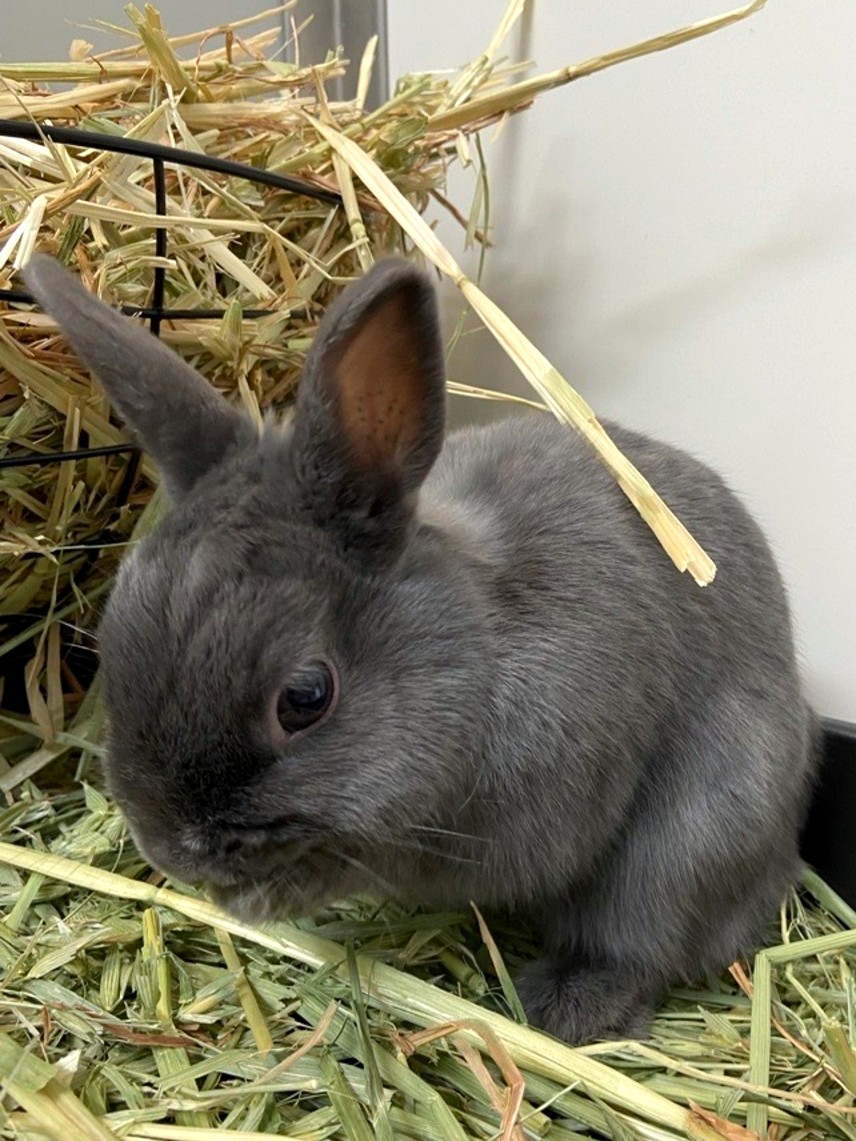
That is the good news. The realistic news is that getting to 10+ years takes commitment. It is not automatic.
Lifespan By Breed — Some Live Longer Than Others
This is one of the most useful pieces of information I can give a family before they choose a rabbit. Because lifespan does vary by breed, and knowing what to expect helps you make an informed decision.
In general, smaller breeds live longer than larger breeds. This is a pattern across most domestic animals, and rabbits are no exception. The giant breeds — Continental Giants, French Lops, large Flemish Giants — tend to have shorter lifespans, often 5 to 8 years. The smaller breeds — Netherland Dwarfs, Mini Lops, Polish — can live well into double digits.

Here is what I have seen with the breeds we typically stock at the shop.
| Breed | Typical Lifespan | Notes |
|---|---|---|
| Netherland Dwarf | 10-12 years | One of the longest-lived UK pet rabbit breeds. Small, hardy, well-suited to indoor life. |
| Mini Lop | 9-12 years | Popular family pet. Generally healthy if well-fed and active. |
| Dwarf Lop | 8-11 years | Slightly larger than Mini Lops, similar lifespan range. |
| Mini Rex | 9-12 years | Distinctive velvet coat. Good lifespan with proper care. |
| Dutch | 8-12 years | Classic family rabbit. Hardy and long-lived if cared for properly. |
| Polish | 10-12 years | Small breed, often very long-lived. |
| French Lop | 5-8 years | Larger breed — shorter lifespan than smaller cousins. |
| Continental Giant | 4-7 years | Giant breed. Sadly shorter lives, but a wonderful experience while they last. |
The breeds we stock at Paradise Pets — Netherland Dwarfs, Mini Lops, Dwarf Lops, Mini Rex, and Dutch — are deliberately chosen as good family pets, and they sit firmly in the longer-lived end of the spectrum. A young rabbit from any of these breeds should reasonably be expected to live into double digits if cared for properly.
What Actually Affects How Long A Rabbit Lives
After 35 years, I can usually predict with reasonable accuracy how long a rabbit will live based on how its owners are setting it up. Here are the six things that make the biggest difference, in roughly the order of impact.
1. Diet — The Single Biggest Factor
This is by far the most important thing on the list, and the one most UK owners get wrong. A rabbit’s diet has a more direct effect on its lifespan than almost anything else, and the difference between a good diet and a poor one can easily be three to five years of life.
The honest truth is that the rabbit food sold in most pet shops — the colourful muesli-style mixes with seeds, dried fruit, and bright pellets — is bad for rabbits. Birds eat seeds. Rabbits do not. A rabbit on a muesli diet will selectively eat the bits it likes (usually the sugary pieces), leave the parts it should be eating, and gradually develop health problems that shorten its life.

- Hay — 80% of the diet. Unlimited fresh, good quality hay should be available 24 hours a day. Meadow hay or Timothy hay are ideal.
- Fresh vegetables — daily. A good handful of leafy greens (kale, romaine lettuce, herbs, watercress). Variety matters.
- High-fibre pellets — a small amount. About one tablespoon per kg of body weight per day. Choose plain pellets, not muesli.
- Fresh water — always available. Bowl or bottle, kept clean.
- Treats — rare and small. A small piece of carrot or apple occasionally is fine. Daily treats lead to obesity and dental problems.
- Avoid — muesli mixes, dried fruit, seeds, sugary treats, iceberg lettuce, anything from the cabbage family in large amounts.
A rabbit on this diet has dramatically better odds of reaching old age. A rabbit on muesli and treats is fighting an uphill battle from the start. The two things I see most often shortening rabbit lives — dental disease and gut stasis — are both directly linked to inadequate diet.
2. Housing — Indoor Rabbits Generally Live Longer
This is one that surprises some owners, but it is consistently true. Rabbits kept indoors as house pets, or in large secure outdoor setups with proper protection, generally live significantly longer than rabbits kept in small traditional hutches at the bottom of the garden.
The reasons are practical:
- Temperature stability — UK weather extremes affect outdoor rabbits significantly. Cold, damp winters and hot summers are both stressful.
- Predator pressure — even a fox attack that does not kill a rabbit can cause fatal shock
- Owner observation — rabbits indoors get noticed when they are off-colour. Outdoor rabbits often have problems for days before anyone notices.
- Exercise — house rabbits typically get more out-of-cage time than hutch rabbits
- Veterinary care — owners are more willing to seek vet help promptly for an indoor pet they see every day
This does not mean outdoor rabbits cannot live long lives. They can — but it takes a proper setup. A big secure run, a well-insulated weather-proof hutch, daily exercise time, and an owner who actively monitors them. The standard “small hutch at the bottom of the garden” setup is a major cause of shortened rabbit lives in the UK, and it is something I genuinely wish more families would reconsider.

3. Neutering — Adds Years To The Lifespan
This is one of the most impactful single decisions a rabbit owner can make, and it is one most UK families do not realise the importance of.
Unneutered female rabbits have an extremely high risk of uterine cancer. By the age of 5, around 60% of unspayed does will have developed it. By age 8, the figure is closer to 80%. It is one of the most common causes of premature death I see in pet rabbits in the UK, and it is almost entirely preventable.
Neutered male rabbits also benefit — less hormonal aggression, no testicular cancer risk, easier to bond with other rabbits, and generally calmer, friendlier pets.
The honest truth is that a neutered female rabbit will almost certainly live longer than an unneutered one — and the difference can be 3 to 5 years. This is not a minor consideration. If you are getting a rabbit, plan and budget for neutering at 4 to 6 months old, with a vet who has good rabbit experience.

4. Companionship — Rabbits Are Social Animals
Rabbits in the wild live in large social groups called warrens. They are constantly surrounded by other rabbits, grooming, eating, and interacting. A single rabbit kept alone in a UK home is missing the most fundamental social experience its species evolved for.
The welfare effects of lone rabbits are well documented, and they affect lifespan in two ways. First, the chronic stress of isolation has measurable physical effects — raised stress hormones, reduced immune function, increased susceptibility to disease. Second, lonely rabbits tend to be less active, less engaged, and slower to show the early signs of illness that an alert owner would catch in a properly stimulated rabbit.
A pair of rabbits, properly bonded, will groom each other, sleep curled up together, and generally live richer and longer lives than singles.
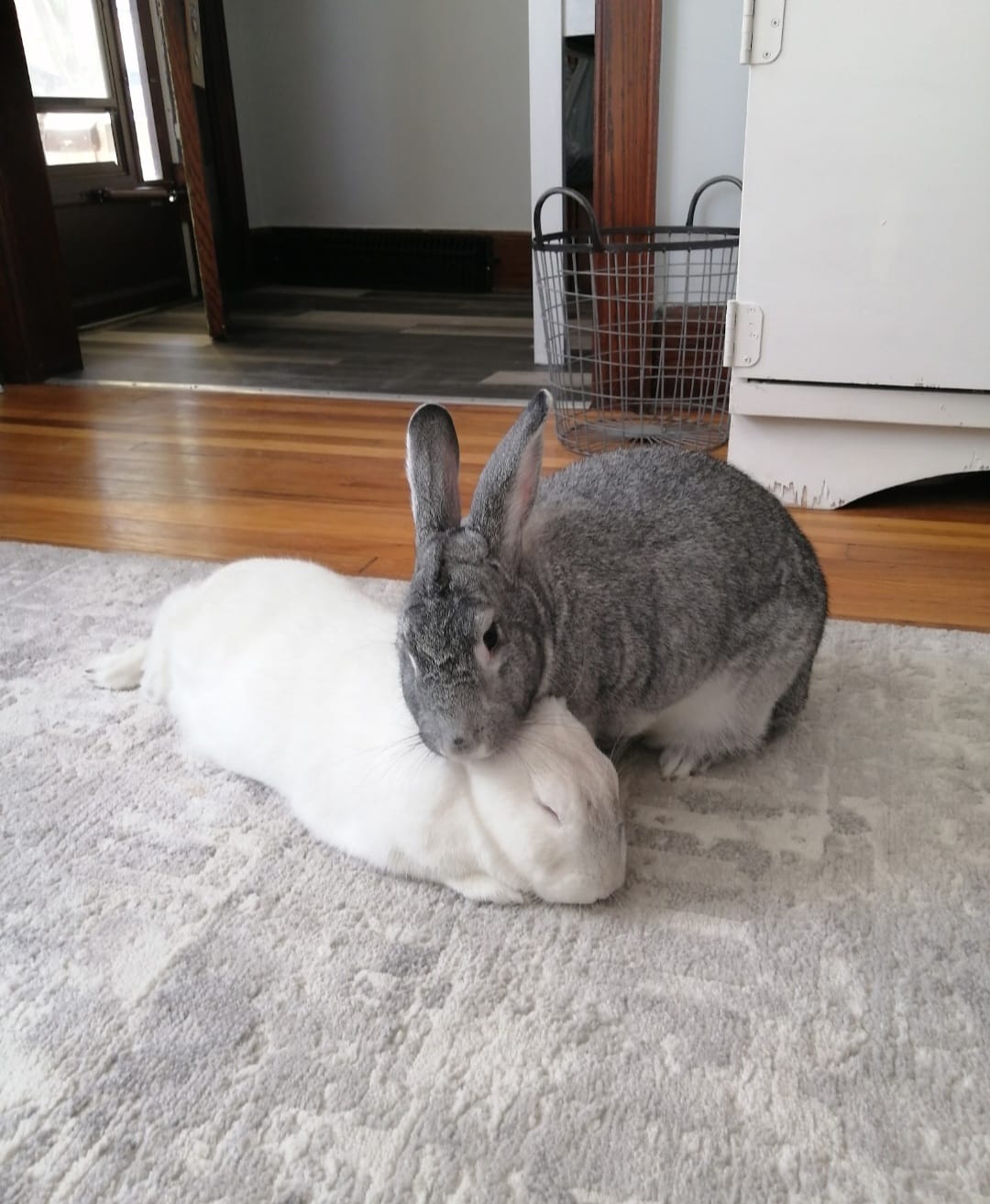
- Yes — in almost every case. Rabbits are social animals and need a companion of their own species.
- Best pairings: A neutered male and a neutered female. Same-sex pairs work but need careful bonding.
- Bond them young if possible — sibling pairs or rabbits introduced before sexual maturity tend to bond most reliably.
- Bonding adult rabbits takes time — sometimes weeks. We can advise on the process at the shop.
- The cost difference is small — same housing, slightly more food, same vet care arrangements. The welfare difference is enormous.
For more on whether rabbits are actually the right pet for your family, our honest guide on rabbits as pets covers what UK families need to know before committing.
5. Veterinary Care — Find A Rabbit-Savvy Vet
This is one of the most important practical decisions a rabbit owner can make, and it is one most families do not think about until they need it.
Not every vet is good with rabbits. Many small animal vets see mostly dogs and cats, and rabbit-specific knowledge is genuinely specialised. A vet who is comfortable diagnosing and treating rabbit-specific conditions — gut stasis, dental disease, encephalitozoon, fly strike, uterine issues — will catch problems earlier and treat them more successfully than a general vet who sees rabbits occasionally.
The single most important thing you can do for your rabbit’s long-term health is find a rabbit-savvy vet before you have an emergency. Register, take the rabbit for a check-up, and establish that relationship while everything is fine. Then if a problem arises, you have somewhere to go quickly.
Also, please get the routine vaccinations. UK rabbits need:
- Myxomatosis vaccination — annually
- RHD-1 and RHD-2 vaccinations — both versions of Rabbit Haemorrhagic Disease, annually
- Most UK vets now combine these into one annual jab
- Indoor rabbits still need them — both diseases can be brought in on shoes, on hay, by insects through windows
Unvaccinated rabbits dying of myxomatosis or RHD is one of the most preventable tragedies I see in this trade. Vaccination is genuinely the difference between a long life and a short one.
6. Exercise And Mental Stimulation
Rabbits that spend their lives confined to small hutches with nothing to do live shorter lives than rabbits that have space, enrichment, and daily exercise. The reasons are partly physical — obesity, muscle weakness, gut motility issues — and partly behavioural — chronic stress and boredom take a measurable toll.
A rabbit needs:
- At least 3 hours of out-of-hutch exercise daily — ideally more
- A large enough living area — minimum 12 square feet for a pair, ideally much more
- Things to chew — willow balls, untreated wood, cardboard tubes, apple twigs
- Tunnels and hides — rabbits feel safer with places to retreat to
- Foraging opportunities — scatter food, hide treats, encourage natural behaviour
- Social interaction — with their bonded partner and with humans
This is one of the cheapest and most effective things you can do to extend your rabbit’s life. A few cardboard boxes, a willow ball, a tunnel, and a proper exercise area cost very little but make a measurable difference.
Common Causes Of Premature Rabbit Death In The UK
Let me be honest about this, because it is one of the most useful sections in this article. If you know what kills UK pet rabbits prematurely, you can take steps to prevent the same thing happening to yours.
After 35 years, here are the most common causes of shortened rabbit lives I see in my shop.
1. Dental disease
By far the most common preventable cause of declining health in pet rabbits. Rabbit teeth grow continuously throughout life — about 2mm a week — and they need to be worn down by chewing hay and fibrous food. Rabbits on muesli or pellet-heavy diets without enough hay develop overgrown teeth, painful tooth spurs, abscesses, and eventually severe illness that shortens their lives.
Prevention is simple — proper diet with unlimited hay from day one.
2. Gut stasis
A rabbit’s digestive system needs to keep moving constantly. When it stops — usually due to stress, dental pain, poor diet, or another underlying problem — the rabbit can die within 24 to 48 hours without urgent vet treatment. Gut stasis is the single most common emergency I see in pet rabbits.
For more on the urgent signs that a rabbit has gone into gut stasis, our guide on rabbits that have stopped eating covers the warning signs every UK owner should know.
3. Uterine cancer in unspayed females
As discussed above — extremely common, almost entirely preventable through neutering.
4. Fly strike
A particularly horrible UK summer problem. Flies lay eggs on a rabbit’s hindquarters (usually attracted by faecal matter or urine on the fur), and the maggots that hatch eat into the rabbit’s flesh. It can kill within hours and is excruciatingly painful. Prevention means keeping rabbits clean, particularly older or overweight rabbits that cannot groom themselves properly, and using fly strike preventatives during summer.
5. Myxomatosis and RHD
Vaccine-preventable diseases that still kill UK pet rabbits every year — usually unvaccinated ones. Annual vaccination is non-negotiable.
6. Heat stroke
Rabbits handle cold better than heat. UK summers, particularly the increasingly common 30°C+ days, can kill rabbits quickly if they cannot escape the heat. Indoor rabbits in conservatories or rooms without ventilation, and outdoor rabbits in unshaded hutches, are most at risk.
How To Tell If Your Rabbit Is Ageing Well
Rabbits typically start being considered “senior” at around 6 years old, though many remain healthy and active well past that. Signs of good ageing include maintained weight, normal eating, regular grooming, and continued interest in the environment.
Signs that an ageing rabbit needs more attention:
- Gradual weight loss
- Reduced grooming — coat looking unkempt
- Stiffness or reluctance to move
- Reduced interest in food
- Changes in droppings — smaller, fewer, or misshapen
- Eye discharge or runny nose
- Increased drinking
Older rabbits benefit from softer bedding, lower platforms in the cage, more frequent grooming help, and regular senior vet check-ups. Many UK pet rabbits live very well into their later years with a bit of extra care.
What I Tell Families Before They Buy A Rabbit
When a family comes into the shop interested in a rabbit, before I show them around the pens, I have a conversation about the commitment they are taking on. It takes five minutes and it saves a lot of disappointment later.
- Do you understand this is a 10-year commitment?
Many UK families assume rabbits are short-term pets. They are not. The youngest child today will be a teenager when the rabbit is still alive. - Are you prepared to keep two rabbits?
Single rabbits suffer. Most families who understand this go home with a bonded pair. - Will the rabbit live indoors, outdoors, or both?
This affects setup, cost, and the rabbit’s likely lifespan. - Have you found a rabbit-savvy vet?
Critical. Not every vet is suitable. Find one before you need one. - Are you prepared to neuter?
The single biggest decision affecting lifespan, particularly for females. - Do you know what they actually eat?
Hay first, vegetables second, pellets sparingly, treats rare. Not muesli. - Is the whole family on board?
A rabbit cannot be the responsibility of one child. The adults need to be committed.
Five minutes of these questions usually tells me whether the family is genuinely ready, or whether they need more time and information before they decide.
How To Give Your Rabbit The Longest Possible Life
Right — if you take nothing else from this article, take these. After 35 years, this is what I would tell every new UK rabbit owner to maximise their pet’s chances of a long, healthy life.
- Unlimited hay, every day of its life — the single most important thing
- Daily fresh vegetables — variety matters
- Small amount of plain pellets only — never muesli
- Get them neutered — by 4 to 6 months, especially females
- Annual vaccinations — myxomatosis and RHD, both versions
- Find a rabbit-savvy vet — before you have an emergency
- Keep them in pairs — companionship matters enormously
- Plenty of space and exercise — minimum 3 hours daily out of hutch
- Indoor or proper outdoor setup — small hutches at the end of the garden are not adequate
- Watch for problems daily — eating, drinking, droppings, mood
- Act fast when something is wrong — rabbits hide illness, then decline quickly

Frequently Asked Questions
How long do indoor rabbits live in the UK?
Indoor pet rabbits in the UK typically live 8 to 12 years with proper care. Many indoor rabbits exceed outdoor lifespans because of better temperature stability, more owner observation, and reduced predator stress.
What is the longest a rabbit can live?
Exceptional rabbits with outstanding care can live 13 or 14 years, occasionally longer. The Guinness World Record holder lived past 18. Most well-cared-for UK pet rabbits realistically reach 10 to 12 years.
Do rabbits live longer than guinea pigs?
Yes, significantly. Guinea pigs typically live 5 to 7 years. Rabbits, with comparable care, live 8 to 12 years on average. This is one factor families should consider when choosing between them.
Why do giant rabbit breeds have shorter lives?
Larger rabbit breeds — Continental Giants, French Lops, large Flemish Giants — typically live 4 to 8 years compared to 10+ for small breeds. The reasons are partly genetic and partly physical — larger bodies put more strain on heart and joints.
How can I tell if my rabbit is old?
Rabbits are usually considered senior from about 6 years old. Signs include reduced activity, more sleeping, stiffness, grey hairs around the face, and slower movement. Many remain healthy well past 6 with attentive care.
Does neutering really extend a rabbit’s life?
Yes, significantly — especially for females. Unspayed female rabbits have a 60-80% chance of developing uterine cancer by age 8. Neutering largely eliminates this risk and typically adds 3 to 5 years of life expectancy.
Where can I get honest rabbit advice in Swindon?
Come and see us at Paradise Pets, Manor Garden Centre, Cheney Manor, Swindon SN2 2QJ. Or give us a ring on 01793 512400. The advice is free and we have been doing this for 35 years.
One Last Thing From Me
“How long do rabbits live?” is the question. The honest answer is: longer than most UK families think, but only if they treat them properly.
The family I mentioned at the start of this article — the one with the seven-year-old in love with the Netherland Dwarf — went home with two bonded sisters that day. We talked through it properly. They committed to indoor housing, neutering at six months, the right diet from day one, and finding a rabbit-savvy vet. That was eight years ago. Both rabbits are still alive, still happy, and the little girl is now a teenager who has known those rabbits most of her life.
That is the outcome you want. Not a five-year regret, but a ten-year companion. The difference between the two is choices made on day one, and consistent care after that. Neither is dramatic. Neither is expensive. They are just the things that, over a decade, decide how long a rabbit lives.
If you are thinking about getting rabbits, or you already have them and want to give them the best chance of a long life, come and see us. We have been doing this for 35 years and we would much rather help you set things up properly from the start than see you back here in three years wondering what went wrong.
Thinking About Rabbits? Come And See Me First
Bring your questions, your family’s situation, and your honest expectations. I will help you understand whether rabbits are right for your home, and how to give them the best chance of a long life. Free advice, no obligation. That is how we have done things for 35 years.
⭐ Customer Reviews
Amazing Bird Selection
Had a lovley visit today,staff were very friendly and very helpful,such a great petshop,their selection of birds is incredible,really impressed,thank so much to the staff at Paradise Pets

Friendly Helpful Staff
I have been coming to this place for years and they have a great stock of food for all types of pets. Have a great selection of small mammals and a lot of birds. Staff are friendly and helpful.

Great Quality Hutch
Bought a guinea pigs hutch and run combo, very happy with the service, the hutch was put in my car for me without even asking for help. The wood quality is very good, the instructions easy to follow and we are extremely happy with the fully built hutch. A good size for 2 guinea pigs

Response from Paradise Pets | Wiltshire
Thank you Melanie Latus Nice to provide services to you.
Best Bird Shop Around
It’s the best pet shop in and around Swindon. They always have an amazing selection of birds and all you need to keep them happy. I keep birds myself and the guys there are happy to answer questions and really know their stuff. I have seen budgies etc. in chain pet shops in the area looking really unhealthy and ill – I wouldn’t go anywhere else than Paradise Pets for animals.

Highly Recommended Bird Shop
I could not praise this shop enough. Really helped my Grandson buy his first bird and he’s loving it. Travelled from Somerset and was welcomed with open arms.

Great Shop with Competitive Prices
Great shop with amazing selection for small animals, hamsters, mice ect, highly recommend!
Also has a great selection for dogs & cats too & very competitive prices! 💖

