
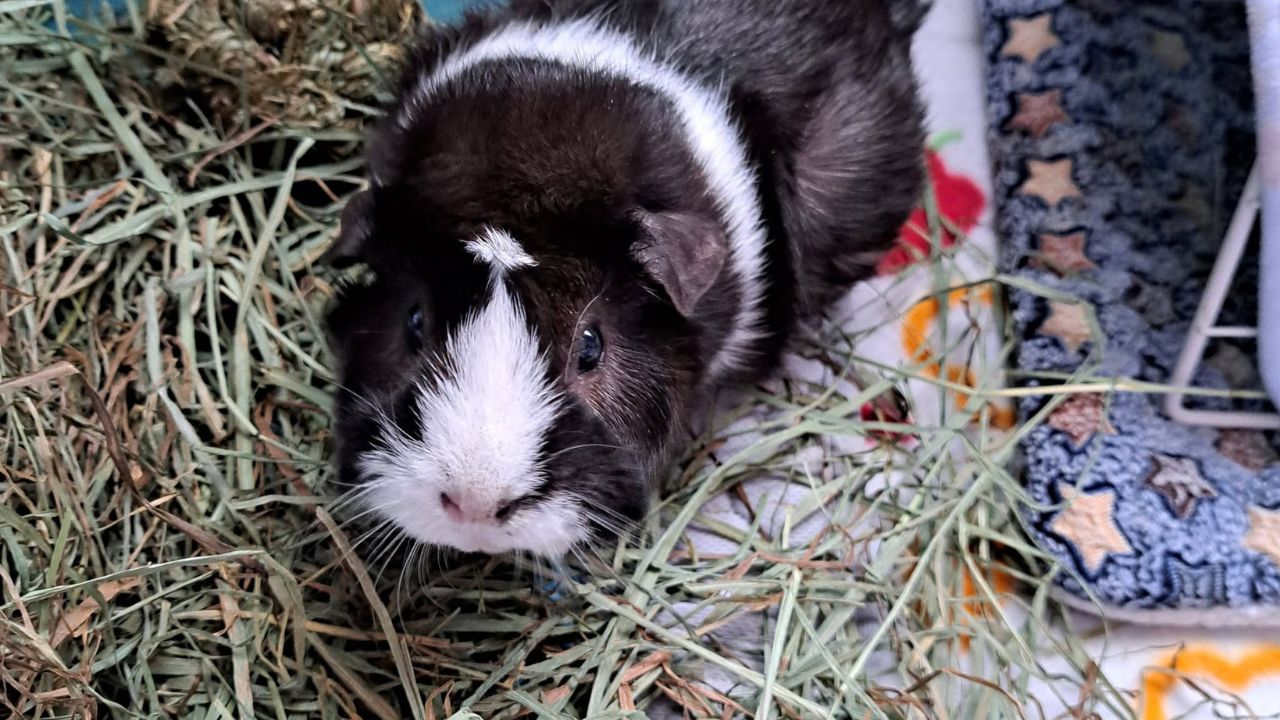

Neil has kept, bred, and sold guinea pigs at Paradise Pets Swindon since 1988 — over 35 years of first-hand experience with these animals. Guinea pigs are among the most vocal small animals he stocks, and the most consistently misunderstood. This guide covers the seven sounds you are most likely to hear — and what each one is genuinely telling you.
New guinea pig owners are often surprised by how much noise these animals make.
They came in expecting something quiet and passive — a small, gentle animal that sits in its hutch and occasionally eats a piece of carrot. What they got is something considerably more communicative. Guinea pigs have opinions. They express those opinions frequently, in a vocabulary that is more extensive than most small animal owners ever realise.
The wheek when the fridge opens. The rumble when another guinea pig comes too close. The chutter when something in the environment is not quite right. The purr when everything is exactly right. Every sound means something specific. And owners who learn to read them — who understand what their guinea pig is actually communicating at any given moment — have a fundamentally different relationship with the animal than those who hear noise and do not know what it means.
Thirty-five years of keeping and selling guinea pigs has taught me this vocabulary thoroughly. Here are the seven sounds you will hear most often, and what each one is actually saying.
Sound 1: The Wheek — “Something Good Is Coming”
This is the sound most people know before they have even owned a guinea pig. A high-pitched, sustained sound — sometimes described as a whistle, sometimes as a squeal — that rises in pitch and intensity. Wheeeek. Or several of them in rapid succession.
The wheek is almost always an anticipatory sound. It is the sound of a guinea pig that knows something it wants is approaching. Food, most commonly — and most guinea pig owners discover, at some point, that their animal has learned to associate the sound of the fridge door, the rustling of a vegetable bag, or the sound of their owner’s footsteps from a specific direction with the imminent arrival of food.
This is not a coincidence. Guinea pigs are highly attuned to their environment and form strong associations quickly. An animal that has been fed at the same time every day for several months is an animal that knows when feeding time is approaching. The wheek is the announcement of that anticipation.
The wheek is also used for attention-seeking outside of feeding contexts. A guinea pig that hears its owner moving around and wants to be noticed will wheek. A guinea pig that wants to be let out of the hutch may wheek at the hutch door. The common thread is always the same: the animal wants something and believes that vocalising might produce it.
This is a positive sound. A guinea pig that wheeks regularly is a guinea pig that has formed strong positive associations with its environment and the people in it. It is communicating expectation, not distress.
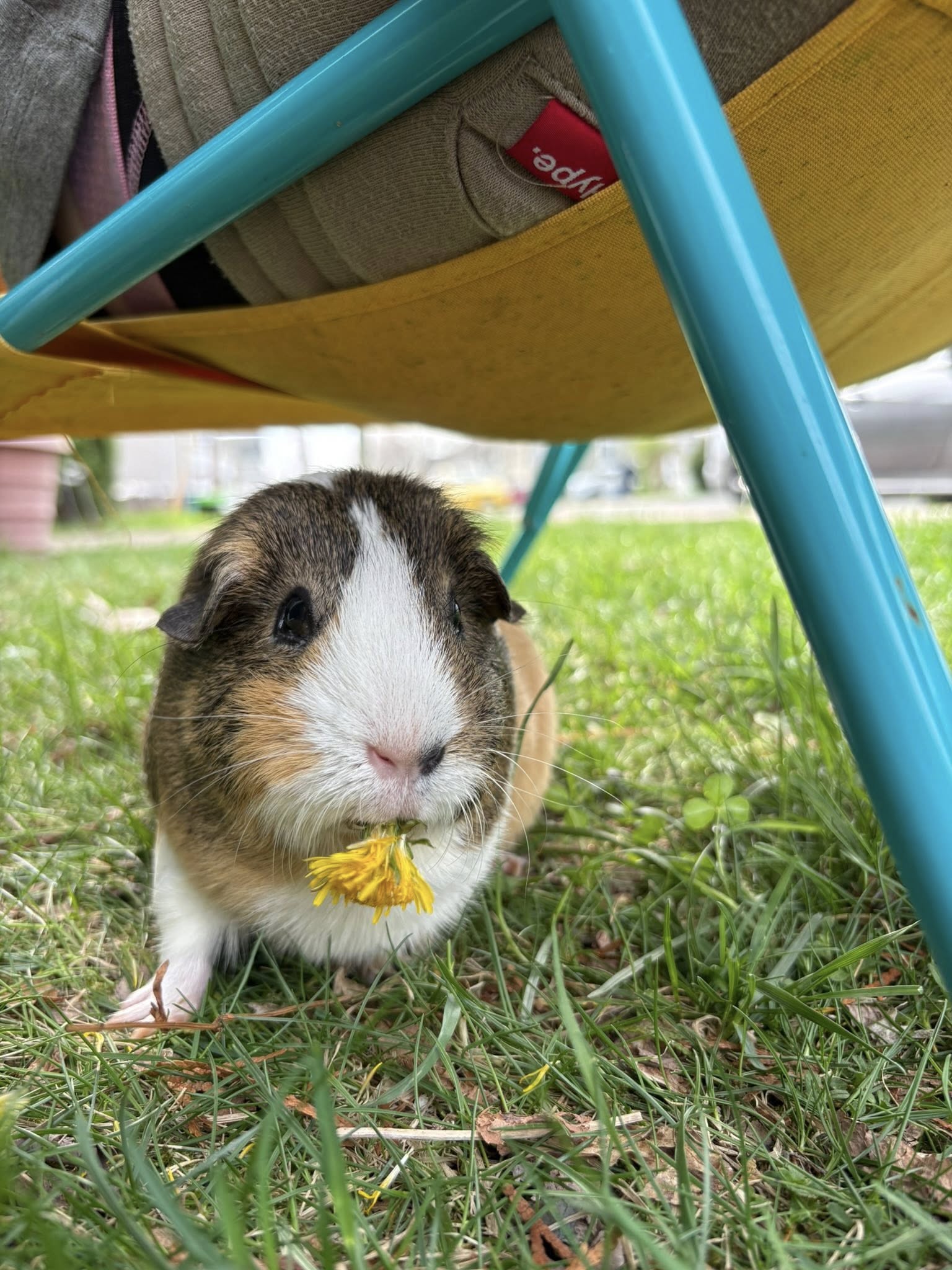
Sound 2: The Purr — “This Is Exactly Right”
The guinea pig purr is genuinely one of the most satisfying sounds in small animal keeping. It is a low, continuous vibration — felt as much as heard when you are holding the animal — with a quality that is unmistakably content.
Guinea pigs purr when they are being stroked in a way they enjoy. When they are settled in the company of a companion they are comfortable with. When they are in a familiar, safe environment where everything is exactly as they expect it to be. The purr is the sound of a satisfied animal.
There is an important distinction, however, between the contentment purr and what I call the annoyance purr — and new owners often confuse them.
The contentment purr is low-pitched and even. The animal is still or settled, its posture is relaxed, and the purring is consistent without breaks. This is the sound of genuine comfort.
The annoyance purr — sometimes called a durr or a grumbling sound — is slightly different in quality. It tends to be slightly higher in pitch, with a rougher quality, and often accompanies a stiffening of the body rather than relaxation. A guinea pig that is being handled in a way it does not want to be, or that has another guinea pig in its personal space uninvited, may produce this sound. It is still a purr, but it is an I-am-not-entirely-pleased purr rather than a this-is-lovely purr.
Learning to distinguish these two takes a few weeks of observation but becomes intuitive once established. The body posture is the clearest additional indicator — a relaxed body with the contentment purr, a slightly tense or stiffened body with the annoyance version.
Sound 3: The Rumble — “I Am In Charge Here”
The rumble is a deeper, vibrating sound — lower than the purr, with a slightly buzzing quality — that is produced alongside a specific movement called rumblestrutting. The guinea pig rocks its body from side to side as it moves, rumbling continuously. The whole display has an unmistakable quality of assertion.
This is a dominance vocalisation. The guinea pig producing it is communicating its social status — usually to another guinea pig, occasionally in response to a new animal or a significant environmental change. Rumblestrutting is most commonly seen when hierarchy is being established or reasserted — when two guinea pigs are working out who defers to whom, or when something has disrupted the established order.
In a bonded pair or group, you will see rumblestrutting most often after a cage clean. The familiar scent markings have been removed with the cleaning. The animals re-establish their positions through rumblestrutting and some tooth-chattering until the hierarchy is settled again. This is normal and does not require intervention as long as it resolves quickly and does not escalate to actual biting.
A guinea pig rumblestrutting at a human occasionally happens, particularly when the animal is in a hormonal phase. It is mildly comical — the guinea pig is doing its best assertion display at something ten times its size. It is not aggressive in a concerning sense. It is the animal doing what its instincts tell it to do in a situation of social ambiguity.
The rumble in a boar — a male guinea pig — during a hormonal phase, in the presence of a sow, is courtship behaviour. It means exactly the same thing: I am making myself known.
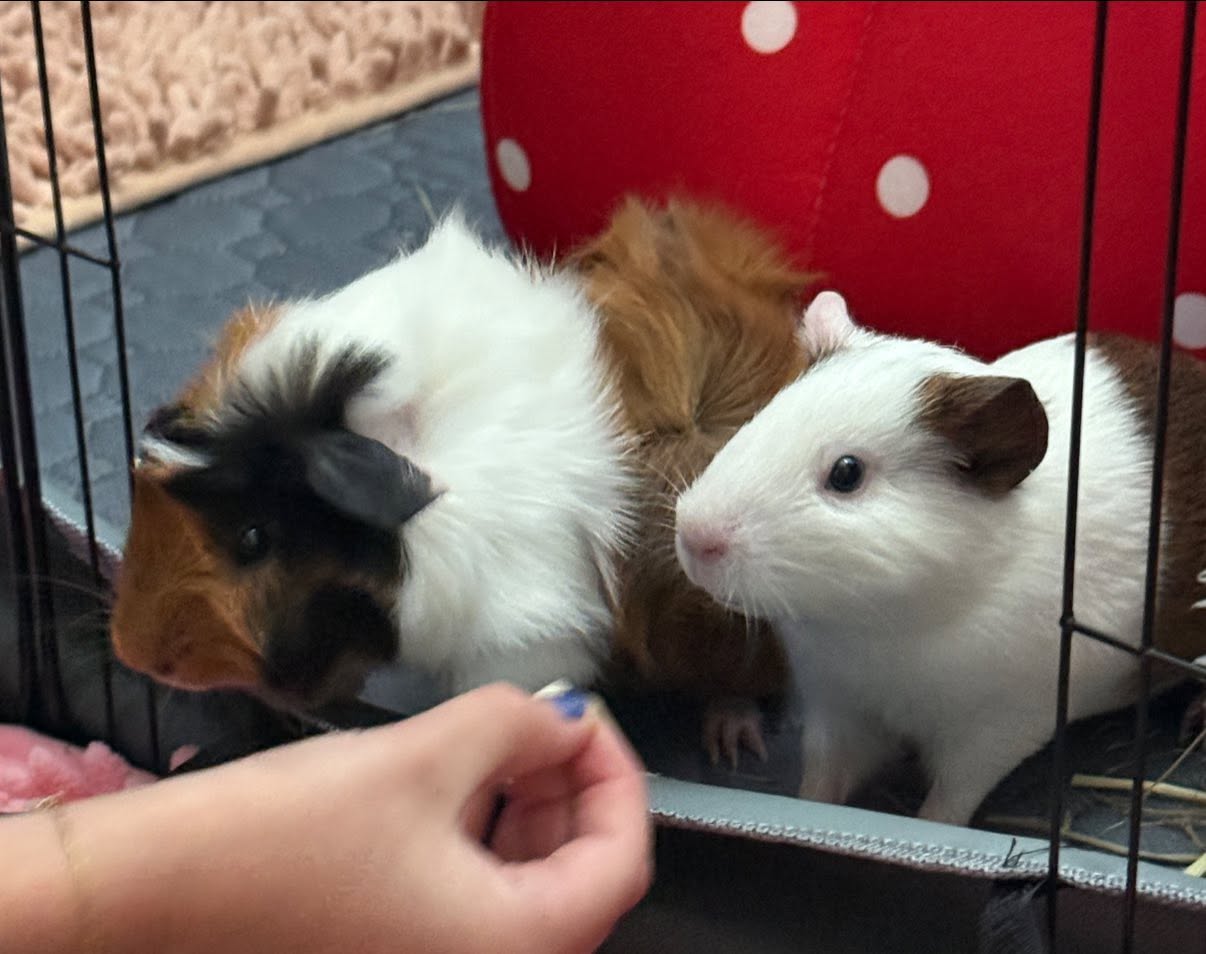
Sound 4: The Chutter — “I Am Not Sure About This”
The chutter is one that many owners know without having a name for. A rapid, staccato chattering sound — teeth clicking together in quick succession — that is distinct from anything else the guinea pig produces.
The chutter is a warning sound. It sits between mild annoyance and genuine alarm. A guinea pig that is uncertain about something in its environment, or mildly uncomfortable about what is happening to it, will chutter. It is a signal that the current situation is not entirely satisfactory and that the animal would prefer things to change.
Common chutter triggers: a new guinea pig being introduced into the space, being handled in a way the animal does not appreciate, another animal coming too close, a new object placed in or near the hutch. The chutter says: I have noticed this and I am not sure about it.
It is also the sound that precedes escalation. A guinea pig that is chuttering at another guinea pig is warning it to back off before taking further action. If the warning goes unheeded, the next step is often a lunge or a teeth-baring display. Understanding the chutter as a warning gives you the opportunity to de-escalate before it reaches that point.
For owners, the chutter during handling is feedback. The animal is telling you that something about the current interaction is not comfortable. Adjust — check the grip, change the position, give the animal a moment to settle. A guinea pig whose chuttering during handling is consistently responded to will build more confidence in being handled over time than one whose signals are ignored.
Sound 5: The Teeth Chatter — “Back Off. Now.”
This is the escalation beyond the chutter. Louder, more sustained, unmistakably threatening in quality. The guinea pig bares its teeth alongside the sound — you will see the incisors if you look — and the body posture becomes tense and forward-leaning.
Between guinea pigs, this is the last warning before a fight. It is the animal saying, in the most emphatic available terms, that the other animal needs to move away immediately. If the other guinea pig does not respond, biting follows.
This level of aggression between cohabiting guinea pigs, happening regularly, is a sign of a pairing problem. Occasional teeth-chattering during the re-establishment of hierarchy after a cage clean or a hormonal phase is within the range of normal. Persistent, regular teeth-chattering from one guinea pig toward another is a sign that the relationship between them is under significant strain — whether from incompatibility, from a cage that is too small, from insufficient resources, or from a temporary hormonal state that has become sustained.
A guinea pig that teeth-chatters at you during handling has reached the end of its tolerance for the current interaction. Stop immediately. Give the animal space. This is not a moment to push through — doing so produces a bite and damages the handling relationship significantly. Read the earlier signals — the chutter, the body stiffening — and respond to those before the teeth chattering begins.
Sound 6: The Shriek — “I Am In Pain or Terrified”
If you hear this sound, you will know immediately that something is wrong.
The shriek is a loud, sudden, high-pitched cry — entirely different in quality from the wheek, which has a rising anticipatory quality. The shriek is sharp, alarmed, and distressing to hear. It is the sound of a guinea pig that is in pain, in genuine terror, or that has been startled by something that has triggered a fear response at its most acute.
In the context of handling, a shriek means the animal has been hurt — squeezed too hard, a foot has been caught, something painful has happened. Stop immediately, check the animal, and identify the cause.
Between guinea pigs, a shriek usually means a bite has occurred or a physical altercation has escalated beyond posturing. If you hear this from a cage with two guinea pigs, check them immediately. A bite injury to another guinea pig needs to be assessed — superficial bites that break the skin need cleaning, and a bite that has penetrated deeply needs veterinary attention to prevent infection.
A shriek in response to an environmental event — a sudden loud noise, a predator seen through a window, a sudden movement nearby — is a fear response. The animal is alarmed. Provide reassurance through a calm, quiet presence and give it time to settle.
The shriek during routine handling that is not associated with an obvious injury warrants investigation. A guinea pig that shrieks when touched in a specific area may be in pain there. I cover this in our guide on urgent signs in guinea pigs — pain during handling is one of the warning signs worth acting on promptly.
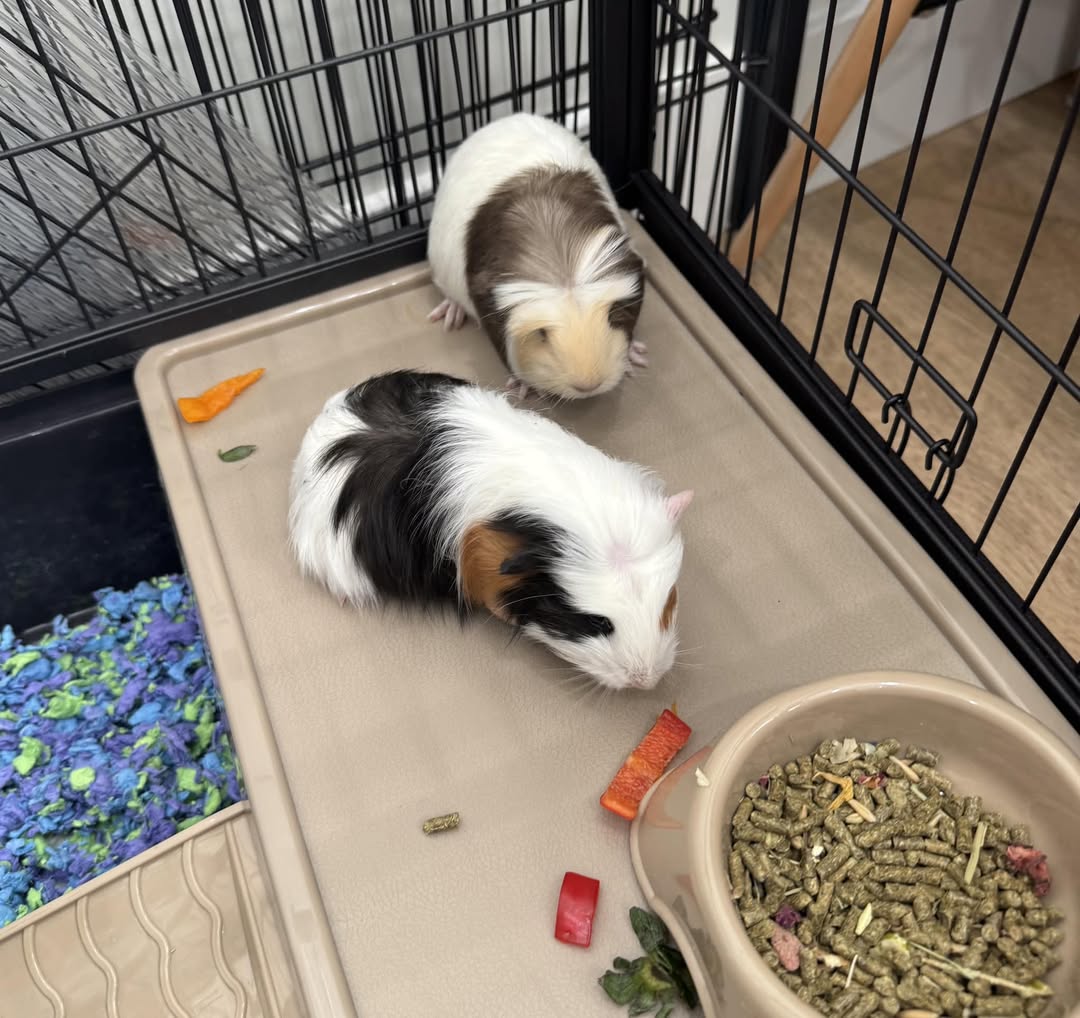
Sound 7: The Whine and the Sick Sound — The One to Act On
This is the sound that does not appear in most guinea pig guides, and it is one of the most important things I tell new owners to listen for.
Guinea pigs that are unwell sometimes produce a low, slightly nasal, quietly suffering sound — a soft whimpering or moaning quality that is nothing like the normal vocal repertoire. It has a different quality from any of the sounds above. It does not have the energy of a wheek. It does not have the vibrating resonance of a purr or rumble. It is quiet, subdued, and has a quality that experienced guinea pig owners describe as immediately recognisable as wrong.
Combined with a guinea pig that is sitting quietly in an unusual position, not reacting normally to the approach of food or its owner, or sitting hunched and still — this sound is a signal that the animal is not well.
You cannot diagnose illness from a sound. But you can recognise that the sound is abnormal and that the combination of abnormal sound with abnormal behaviour warrants a vet visit. Guinea pigs, as prey animals, mask illness until they cannot. By the time they are vocalising in this subdued, suffering way, the illness has typically been present for some time.
Act promptly. Do not wait to see if the sound goes away. A guinea pig that is making this sound alongside being quiet, hunched, and unresponsive is a guinea pig that needs to be seen today.
The broad lesson here applies to all the sounds above: changes in the normal vocal repertoire are information. A guinea pig that normally wheeks enthusiastically at feeding time and has gone quiet for two days is communicating something through its silence as clearly as through sound. Know your animal’s normal vocal pattern. Changes from that pattern — sudden increases or sudden absence — are worth noticing.
Reading the Sounds Together — The Full Picture
The seven sounds above do not occur in isolation. They occur in combination with body language, and reading both together gives a much clearer picture of what the animal is communicating than either one alone.
A guinea pig that is purring while stretched out flat on its side with eyes half-closed is communicating extreme contentment. A guinea pig that is purring while tense and upright, watching another guinea pig closely, is in a different state entirely.
The ears matter. Flattened ears alongside any sound add a degree of stress or alarm to the interpretation. Relaxed, slightly raised ears suggest comfort.
The posture matters. Stretched out, side-resting = deeply comfortable. Hunched, compact, head lowered = unwell or stressed. Upright, nose raised, alert = interested or alarmed depending on context.
What the guinea pig does after the sound matters. A wheek that leads to approaching the food bowl confirms anticipation. A wheek that is followed by the guinea pig pressing into a corner and crouching is likely alarm, not anticipation.
Reading your specific animal takes a few weeks of conscious attention and then becomes automatic. You will stop thinking about it and start simply knowing — the way you know the moods of any individual you have spent significant time with.
That knowledge is what lets you catch health problems early, manage inter-animal dynamics before they escalate, and build a relationship with an animal that most people significantly underestimate.
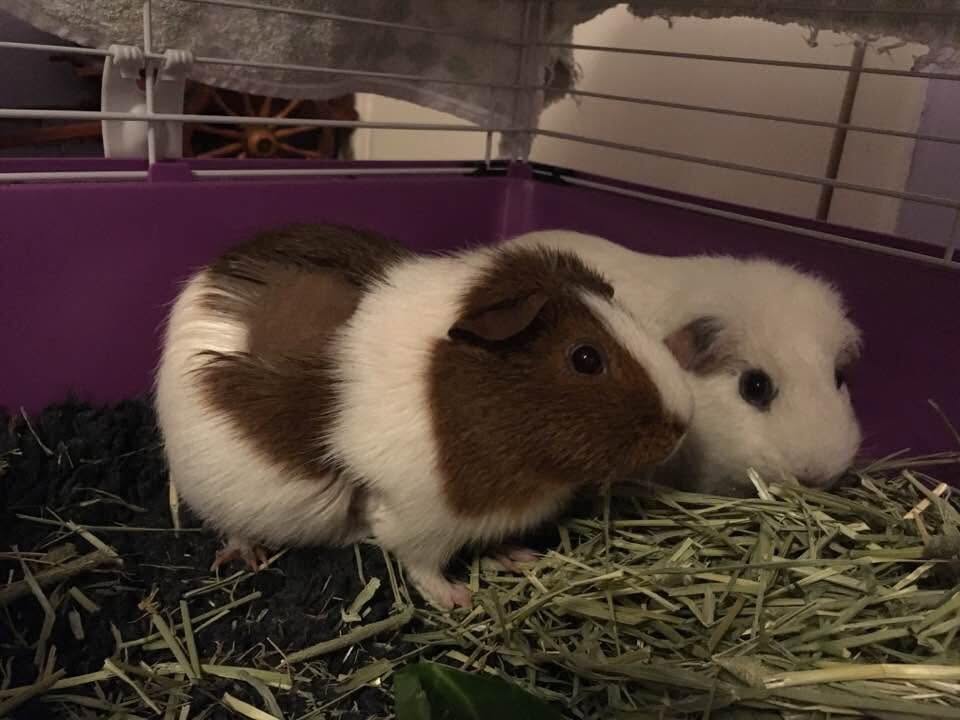
- “The wheek means it’s scared” — The wheek is almost always anticipatory and positive — the sound of an animal that expects something good. Fear in guinea pigs sounds very different: the shriek, or a sudden silence combined with freezing, or a sharp alarm call. The wheek is not a distress sound.
- “It’s purring so it must be happy” — Usually yes. But the contentment purr and the annoyance purr are different sounds, and context determines which one you are hearing. A purring guinea pig that is also stiff and moving away from you is not expressing happiness. Read the body alongside the sound.
- “The tooth-chattering means it’s cold” — Teeth-chattering in guinea pigs is a threat display, not a temperature response. A cold guinea pig seeks warmth and huddles — it does not teeth-chatter. If your guinea pig is teeth-chattering, it is responding to a social or environmental stressor, not a temperature issue.
- “It’s gone quiet so it must be settled” — Silence in a normally vocal guinea pig is worth noticing. A guinea pig that has suddenly stopped its usual wheeks at feeding time, that is no longer making any of its normal sounds, may be unwell. Absence of vocalisation combined with reduced activity or appetite is a health flag, not a sign of calm.
- “The rumblestrutting means they’re fighting — I should separate them” — Rumblestrutting is dominance communication, not fighting. Two guinea pigs rumblestrutting at each other after a cage clean are re-establishing their hierarchy through the appropriate social behaviour. Unless it escalates to sustained teeth-chattering or a physical altercation, it does not require intervention.
The Seven Sounds — Quick Reference
| Sound | Quality | What It Means | What To Do |
|---|---|---|---|
| Wheek | High-pitched, rising, sustained | Anticipation — food, attention, something good coming | Enjoy it. This is a happy, engaged animal. |
| Purr (contentment) | Low, even, vibrating | Comfort and satisfaction — this is exactly right | Nothing. Keep doing what you are doing. |
| Purr (annoyance) | Slightly higher, rougher | Mild displeasure — this is not quite right | Check handling position, give the animal space. |
| Rumble | Deep, buzzing, with rocking movement | Dominance assertion or courtship | Normal hierarchy behaviour — monitor but do not intervene unless escalating. |
| Chutter | Rapid staccato teeth clicking | Warning — I am not sure about this / back off | Identify cause, reduce pressure, adjust handling. |
| Teeth chatter | Louder, teeth bared | Serious warning — back off now or I will bite | Stop immediately. Create space. Do not push through this. |
| Shriek | Loud, sudden, sharp cry | Pain or genuine terror | Stop immediately. Check for injury. Vet if pain is suspected. |
What I Tell New Guinea Pig Owners About Sound
The first thing I say to every new guinea pig owner is: these animals will talk to you. Not in the metaphorical sense — in the genuinely practical sense that they produce a range of distinct sounds that have specific meanings, and learning those meanings makes everything about keeping them better.
It makes handling better because you can tell when the animal is content and when it is uncomfortable. It makes multi-animal management better because you can read the social dynamic through the sounds before it reaches the point of physical conflict. And it makes health monitoring better — because changes in vocalisation are often the earliest visible sign that something has changed for the animal.
The second thing I say is: know your specific animal’s normal. Every guinea pig has individual vocal habits. Some wheek enthusiastically at every mealtime. Some are quieter. Some rumblestrut more than others. The useful baseline is not the general species description — it is what your particular animal does normally, so that deviations from that baseline are immediately visible.
Come in and talk to us if you have questions about what you are hearing. We are at Manor Garden Centre, Cheney Manor Industrial Estate, Swindon, SN2 2QJ — open every day. Or call us on 01793 512400. A description of a sound you cannot identify is enough for us to usually tell you what you are dealing with.
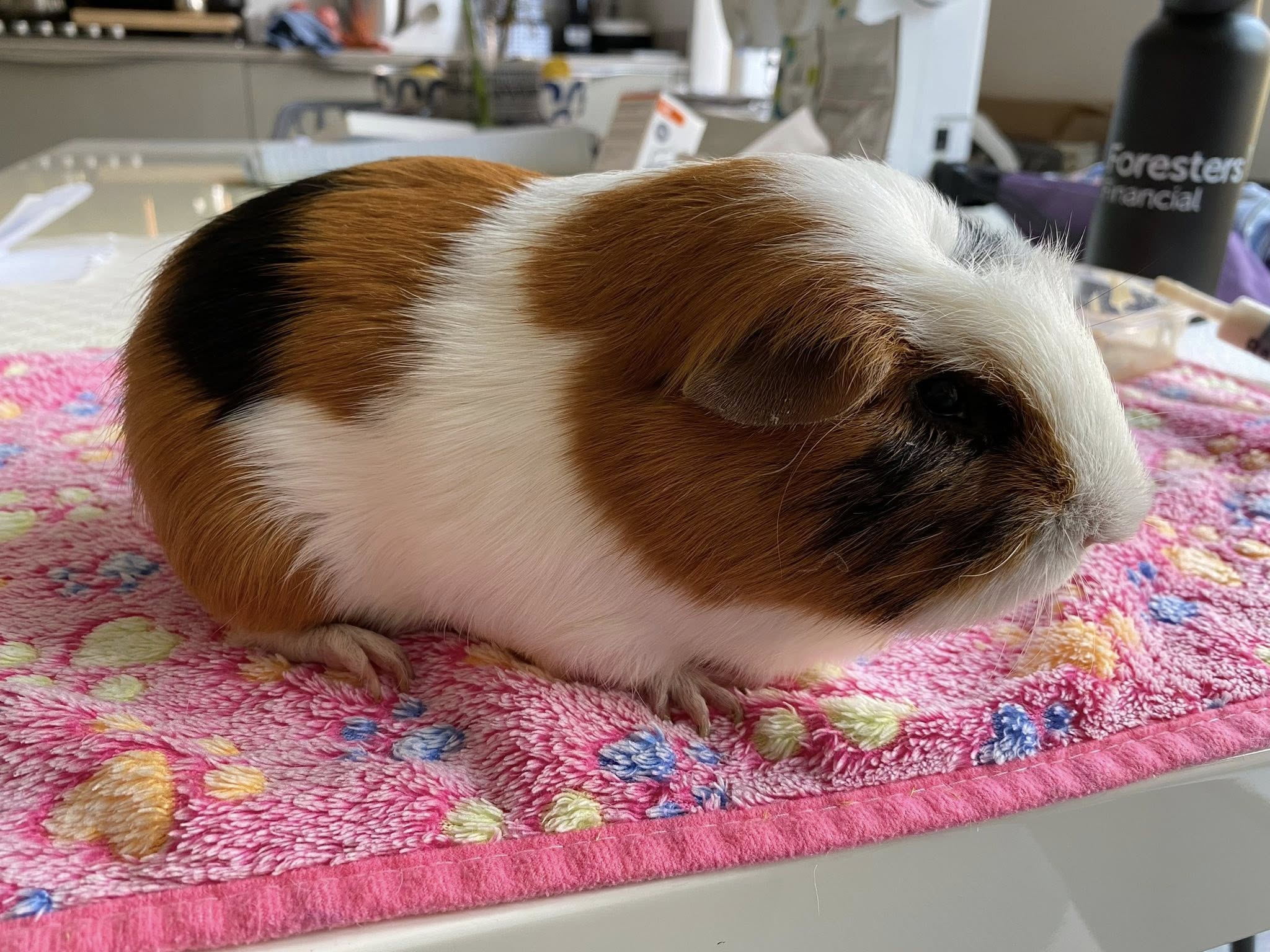
Visit Us at Paradise Pets Swindon
We stock guinea pigs year-round — all sourced from UK breeders, all checked before going to a new home. We sell in same-sex pairs only. If you have a question about what your guinea pig is telling you — whether you are about to buy one or already have them at home — come in and ask us. The sounds are usually easy to identify once you have heard them described clearly.
We also stock a full range of gerbils and hamsters, rabbits, and an extensive range of cage and aviary birds.