
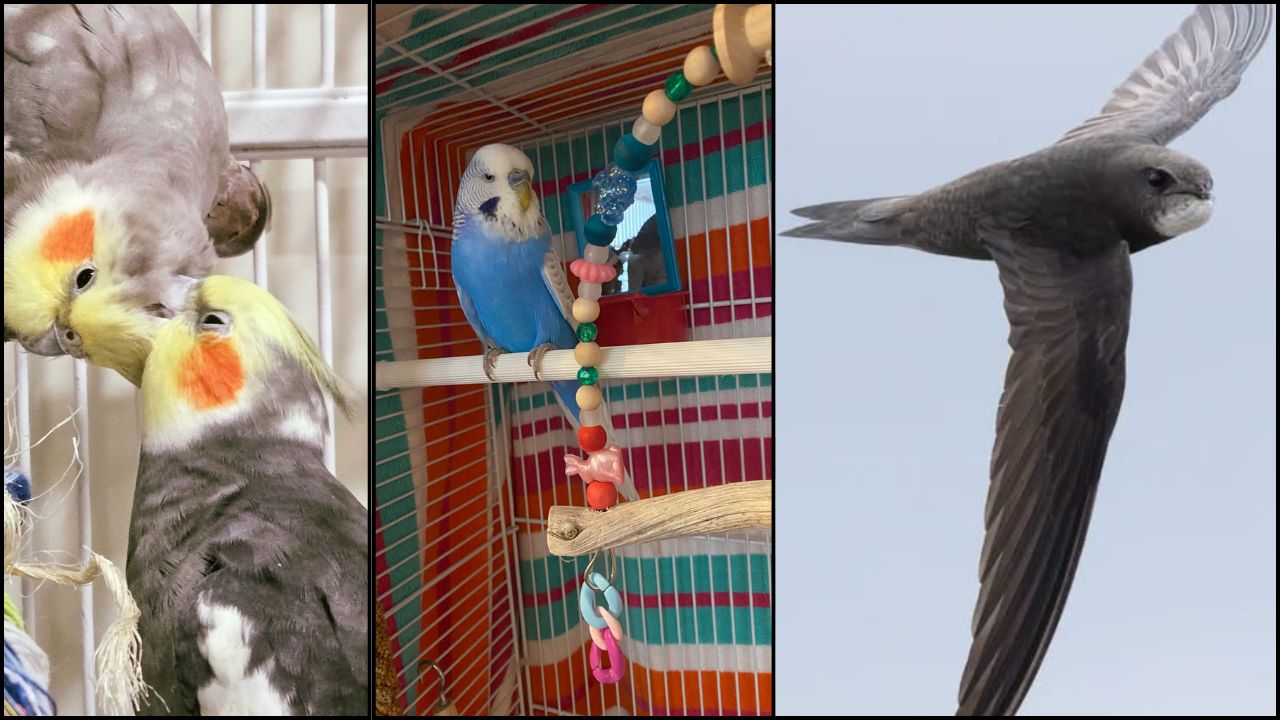

Neil has kept, bred, and sold cage and aviary birds at Paradise Pets Swindon since 1988 — over 35 years of watching UK bird welfare across both wild and pet contexts. The RSPB has just published newly peer-reviewed research revealing that UK Common Swifts show extraordinary site fidelity — nine out of ten swifts (94 percent) return to the exact same nesting site every single year, even when their partners change. The 15-year study, published in June 2026 and led by RSPB Principal Conservation Scientist Malcolm Burgess, tracked 190 adult swifts across 243 nesting events at a Dartmoor village, using uniquely numbered leg rings to identify individual birds and their breeding behaviour year after year. The findings are genuinely striking — swifts are more loyal to their nest sites than to their mating partners, with only 59 percent partner fidelity compared to 94 percent site fidelity. But whilst media coverage has focused on the wild UK Swift welfare implications for planning policy and building design, most UK pet bird owners have not been given the honest connection between what the research reveals about UK bird nature and what it means for the welfare-led care of the pet birds in their own homes. This is Neil’s honest, welfare-led take on what the Swift research actually shows, what it tells us about the deep evolutionary importance of environmental stability and site attachment in UK birds generally, and exactly what UK pet bird owners can take from this science for the welfare-led environmental stability their own budgies, cockatiels, canaries, and other pet birds genuinely need from the humans who care for them.
A regular customer came into the shop one Thursday afternoon, thinking through something interesting. She had been reading news coverage of the newly published RSPB Swift research over the previous week and had been struck by the extraordinary site fidelity the science revealed. She kept a pair of pet cockatiels in her Swindon living room and had begun wondering whether the site attachment the research described in wild UK swifts might have implications for how she thought about her own pet birds’ relationship with their environment. Her cockatiels had lived in the same cage in the same room for six years. She had been considering rearranging her living room to accommodate a new sofa. She wanted honest professional opinion about whether the RSPB Swift research had any welfare implications for how she should approach the environmental changes she had been planning. Her question was thoughtful and welfare-led — exactly the kind of question I have most enjoyed answering at the counter over 35 years.
I sat with her for an hour and explained the honest connection I have come to believe genuinely exists between what the Swift research reveals about UK bird nature and what welfare-led UK pet bird owners should understand about environmental stability for their own birds. Wild UK swifts show extreme site fidelity because their evolutionary biology has produced deep attachment to specific nesting locations — attachment strong enough to survive changed mating partners, harsh weather, long African migrations, and returning across thousands of miles to specific building cavities they have used before. This is not sentimental interpretation of animal behaviour. It is peer-reviewed scientific documentation of a genuine biological reality about UK bird nature — that birds evolved to form strong attachments to specific environments, and disruption of those environments produces measurable welfare consequences. The direct application to UK pet birds is that the birds we keep in cages in UK living rooms are not exceptions to this evolutionary reality. They form attachments to their specific environments. They benefit from environmental stability. They experience welfare consequences when their environments are disrupted arbitrarily or frequently. The research about wild UK swifts is telling us something important about the pet birds in our own homes. She left that afternoon with practical guidance about how to approach the planned living room rearrangement in ways that minimised welfare-relevant disruption for her cockatiels, thoughtful understanding of the broader implications, and specific commitment to maintaining environmental stability as a core welfare-led principle rather than treating it as optional.
I am writing this article because the newly published RSPB Swift research is genuinely important for UK bird welfare thinking generally, and because the connection between what the research reveals about wild UK bird nature and what welfare-led UK pet bird owners should understand about their own birds’ welfare needs is meaningful but not obvious. UK pet bird owners deserve the honest translation of the science into practical welfare-led guidance for the specific pet birds in their care.
This article is the conversation I have at the counter with UK pet bird owners who want to understand what the RSPB Swift research means for their own pet birds at home. By the end of it, you will understand what the peer-reviewed Swift research actually shows about UK bird nature, why environmental stability matters as a genuine welfare need for UK pet birds specifically, what specific implications the research produces for practical UK pet bird care, exactly what welfare-led environmental stability looks like for UK pet birds in typical UK household situations, and how to recognise the specific behavioural signs that your UK pet bird may be experiencing environmental disruption you have not previously connected to their welfare.
What The Newly Published RSPB Swift Research Actually Shows
For UK readers wanting to understand exactly what the newly published research documents, here is the honest picture based on the peer-reviewed study led by Malcolm Burgess of the RSPB.
What the verified UK Swift research actually shows:
- 94 percent of tracked swifts returned to the same nesting site as previous years — extraordinary site fidelity
- Only 59 percent partner fidelity across observed breeding pairs
- Just 5.5 percent “divorce” rate when both partners returned to the site
- 15-year study period from 2010 to 2024 across peer-reviewed research
- 190 adult swifts tracked using uniquely numbered leg rings
- 243 total nesting events analysed across the study period
- Dartmoor village research location — Drewsteignton, Devon
- Published in June 2026 by RSPB in collaboration with academic partners
- Peer-reviewed publication in scientific ornithology journal
- UK Swift population declined 70 percent since mid-1990s — welfare crisis context
- Habitat and building modernisation identified as primary threats
- Swift bricks in new buildings recommended as welfare-led response
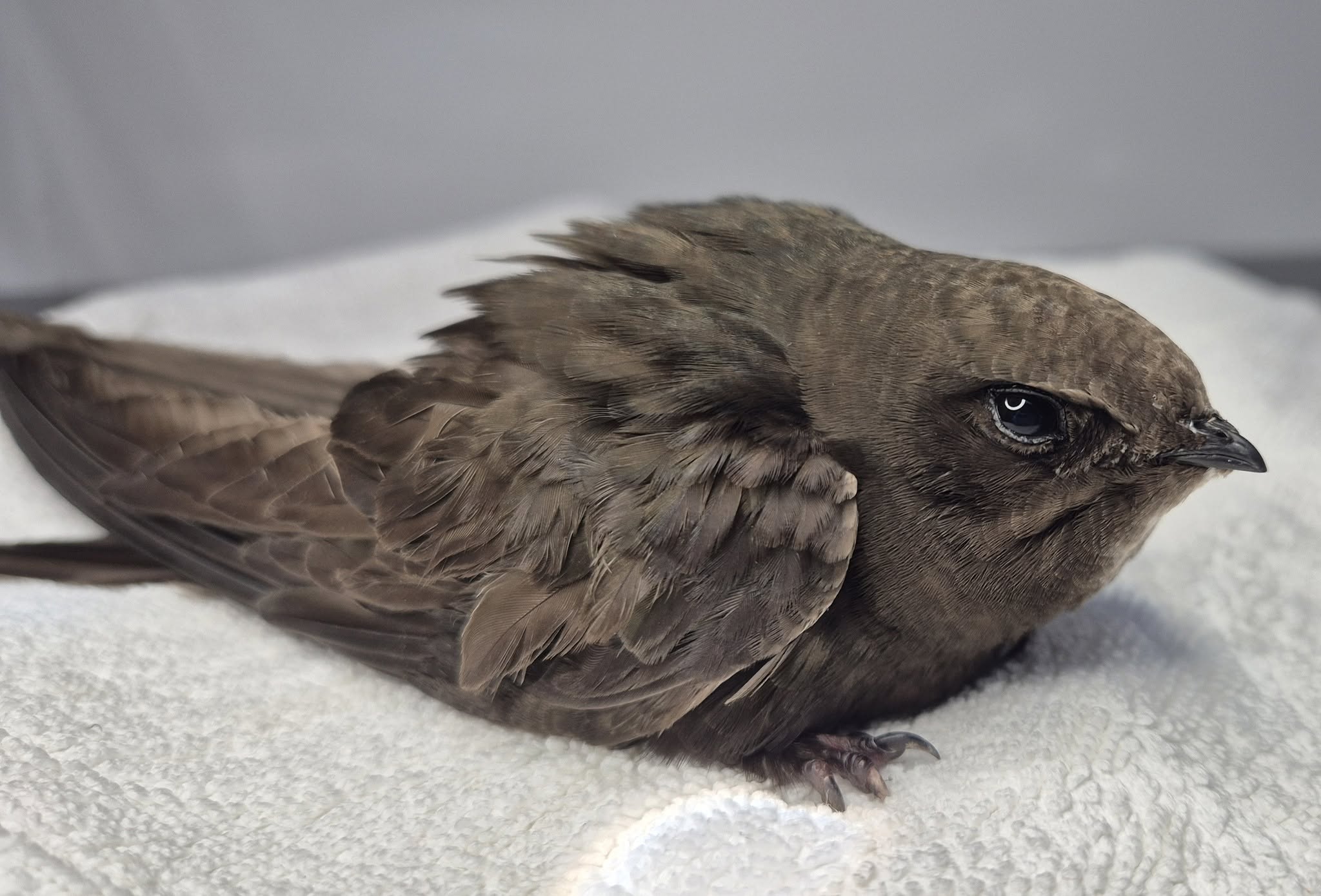
The research is genuinely remarkable both for what it documents and for what it reveals about UK bird nature more broadly. Site fidelity of 94 percent is extraordinary by any measure. UK Swifts fly thousands of miles from sub-Saharan Africa each spring, navigate across continents, and consistently return to the exact same specific building cavity they have used in previous years. Malcolm Burgess of the RSPB has been direct about the significance — researchers had long suspected UK Swifts were loyal to their sites, but the empirical data documenting 94 percent site fidelity across 15 years of tracking is genuinely striking.
The finding that partner fidelity (59 percent) is substantially lower than site fidelity (94 percent) is particularly revealing. It tells us that for UK Swifts, the specific location matters more than the specific mate — that environmental attachment runs deeper than social attachment in this species. This is not sentimental interpretation. It is peer-reviewed scientific documentation of how strongly UK birds are wired for environmental attachment.
For more on the broader UK bird welfare context these findings sit within, our article on new science confirms climate change is reshaping UK bird life covers the wider UK bird welfare picture that includes UK Swift population pressures alongside other species-level welfare concerns.
What UK Swift Site Fidelity Tells Us About UK Bird Nature Generally
For UK pet bird owners wanting to understand what the Swift research reveals about UK bird nature that applies beyond swifts specifically, here is the honest picture based on 35 years of watching UK bird behaviour across wild and pet contexts.
What the Swift research reveals about UK bird nature:
- UK birds form strong environmental attachments that persist across time
- Specific locations carry welfare significance that is not arbitrary
- Environmental memory is genuinely substantial in UK bird species
- Site attachment can be stronger than social attachment in some species
- Disruption of established environments produces measurable welfare consequences
- UK birds invest energy specifically in returning to known environments
- Environmental predictability is welfare-relevant for UK birds
- Novel environments require energy expenditure to adapt
- Successful breeding often depends on environmental familiarity
- Environmental disruption forces welfare-relevant adaptation
- UK birds are not passive occupants of interchangeable environments
- Environmental attachment is genuine biological reality across species

The Swift research is genuinely revealing about UK bird nature broadly, not just swifts specifically. Whilst the extreme 94 percent site fidelity is characteristic of swifts specifically, the underlying evolutionary reality — that UK birds form strong environmental attachments and experience welfare consequences from disruption — applies substantially across UK bird species. Different UK species show different levels of specific site fidelity, but environmental attachment as a genuine welfare-relevant biological reality applies across UK birds generally.
For UK pet bird owners, the practical implication is that the birds we keep in cages are members of the same broader avian family with the same underlying evolutionary reality. UK pet birds are not exceptions to the pattern the Swift research documents. They form attachments to their specific environments. They benefit from environmental stability. They experience welfare consequences when their environments are disrupted arbitrarily or frequently.
This is not projection of wild bird behaviour onto pet birds. It is recognition of shared evolutionary biology that produces environmental attachment as a genuine welfare-relevant reality across UK bird species — including the pet species UK households keep in their homes.
For more on UK pet bird cognitive complexity that relates to environmental attachment welfare significance, our article on new science confirms UK pet birds have complex inner lives covers the broader UK pet bird cognitive framework that supports understanding environmental stability as a welfare need.
Why Environmental Stability Is A Genuine Welfare Need For UK Pet Birds
For UK pet bird owners wanting to understand the specific welfare implications for their own birds at home, here is the honest picture based on 35 years of watching UK pet birds respond to environmental change.
Why environmental stability matters as a welfare need for UK pet birds:
- UK pet birds form attachments to their specific cage locations
- UK pet birds form attachments to their specific rooms
- UK pet birds form attachments to their specific views and surroundings
- UK pet birds form attachments to their household routines
- UK pet birds form attachments to their specific human household members
- Environmental disruption produces measurable behavioural stress responses
- Novel environments require energy expenditure to adapt to
- Frequent environmental changes prevent welfare-appropriate settling
- Environmental unpredictability produces sustained welfare-relevant anxiety
- UK pet birds cannot themselves control environmental changes
- Welfare-led UK owners can genuinely provide environmental stability
- Environmental stability supports overall UK pet bird welfare thriving
Common UK owner mistakes about pet bird environmental stability:
- Frequent cage relocations without welfare consideration
- Rearranging cage interior contents impulsively without welfare-led planning
- Moving cage to different rooms based on household convenience
- Frequent household routine changes affecting UK pet bird
- Home renovations without UK pet bird welfare consideration
- Assumption that UK pet birds “adapt” to any environment quickly
- Not recognising subtle behavioural signs of environmental disruption stress
- Confusing environmental adaptation with genuine welfare-appropriate settling
- Under-appreciation of UK pet bird environmental memory persistence
- Not planning environmental changes with welfare-led thinking
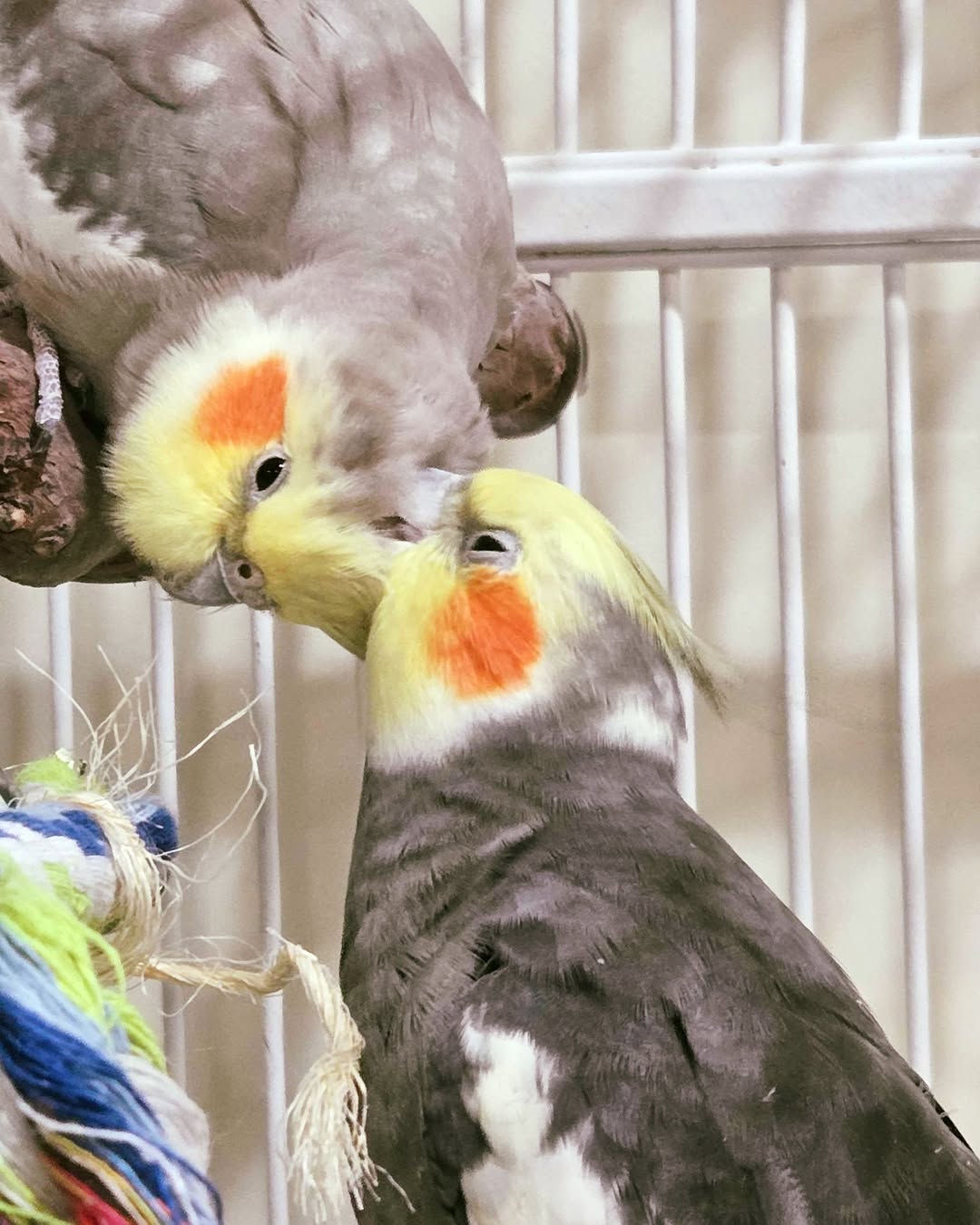
The pattern I have watched at the counter for 35 years is that UK pet bird owners consistently underestimate the welfare significance of environmental stability for their pet birds. Environmental changes that seem trivial from human perspective — moving a cage to a different position, rearranging room contents, changing daily routines — carry welfare-relevant significance for UK pet birds that most UK owners do not connect to their birds’ subsequent behavioural changes.
The RSPB Swift research provides scientifically documented evidence that environmental attachment in UK birds is not sentimental interpretation but genuine biological reality. Applying this understanding to UK pet birds means recognising environmental stability as a core welfare need alongside food, water, cage size, enrichment, and social provision — not as optional aesthetic preference.
What Welfare-Led Environmental Stability Actually Looks Like For UK Pet Birds
For UK pet bird owners wanting practical guidance on providing welfare-appropriate environmental stability, here is the honest picture based on 35 years of watching what works.
- Choose UK pet bird cage location thoughtfully and maintain it
Cage placement should be welfare-considered at initial setup and maintained rather than changed for household convenience. - Maintain consistent daily routines for feeding, cleaning, interaction
Same time daily interactions support environmental predictability UK pet birds genuinely benefit from. - Keep cage interior arrangement stable
Perches in same positions, food and water dishes in same locations, enrichment stable in position. - Rotate enrichment gradually rather than dramatically
Introduce new toys individually alongside familiar ones rather than replacing entire enrichment simultaneously. - Plan household changes with UK pet bird welfare consideration
Furniture rearrangement, renovation, decoration changes considered from pet bird environmental welfare perspective. - Prepare UK pet birds for necessary environmental changes gradually
When changes are unavoidable, implement gradually rather than suddenly to allow adaptation. - Maintain view from cage location consistently
UK pet birds attend to their visible environment beyond the cage — window views, room contents, human activity patterns. - Preserve household sound environment
UK pet birds adapt to specific sound patterns — music, television, voices, household activity rhythms. - Consider environmental welfare during household disruptions
Renovation, guests, holidays require welfare-led planning for UK pet bird environmental continuity. - Reintroduce environmental changes gradually after unavoidable disruption
Recovery periods should support welfare-appropriate re-settling rather than immediate return to full engagement expectations.
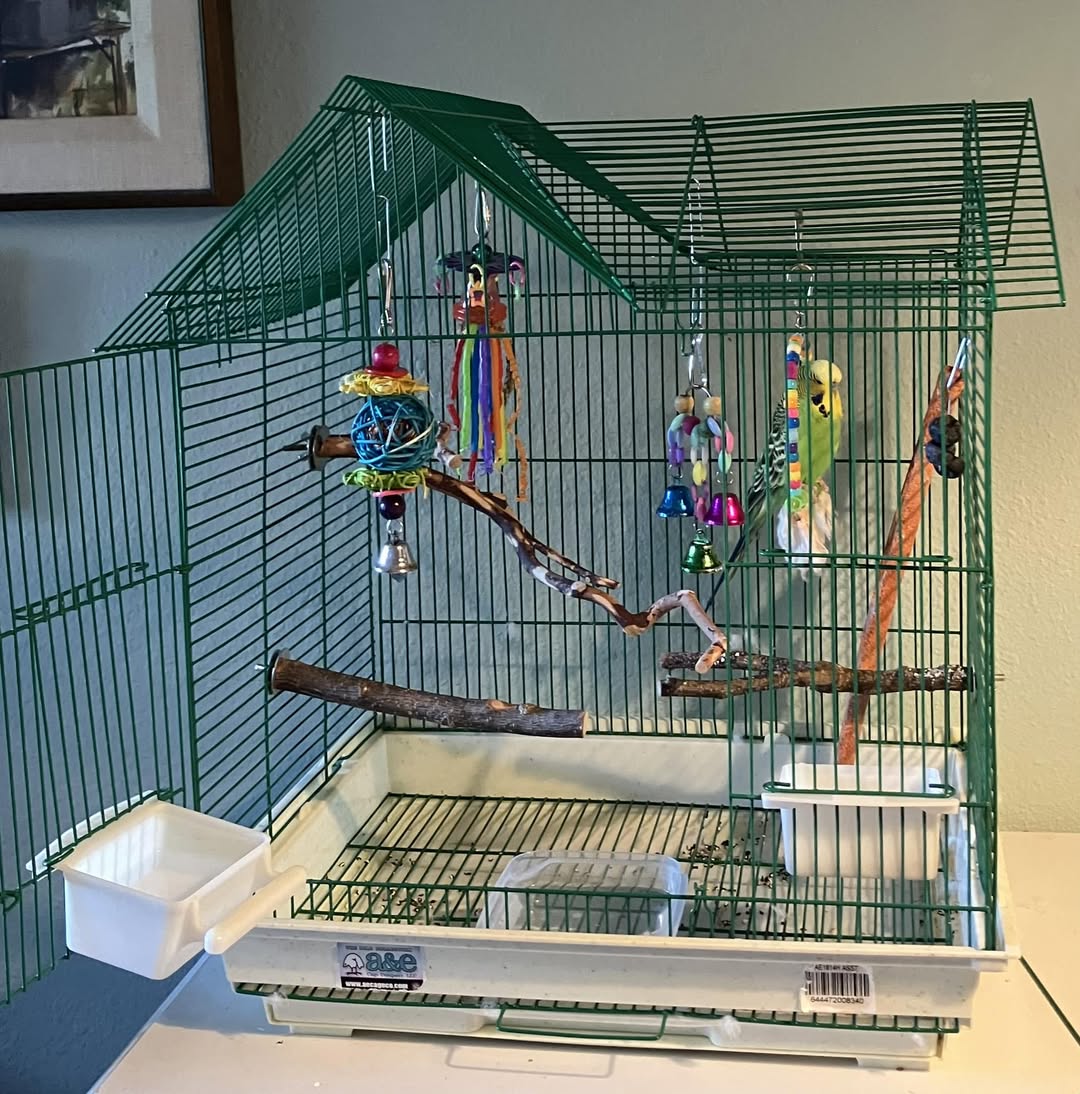
The welfare-led environmental stability protocol is genuinely achievable for UK pet bird owners in typical UK households. None of the steps require exceptional resources or restrict UK owners from making household decisions — they require welfare-led thinking applied to decisions that affect the UK pet bird’s environment.
The single most impactful environmental stability step is thoughtful initial cage location decision maintained over time rather than changed for household convenience. UK pet birds benefit substantially from stable cage placement that supports environmental attachment development over months and years. Frequent cage relocations disrupt the environmental attachment that supports welfare-appropriate settling.
The second most impactful step is consistent daily routines that provide environmental predictability. UK pet birds develop expectations about when feeding happens, when interaction happens, when household activity increases and decreases. Consistent routines support these welfare-relevant expectations.
For UK pet bird owners planning household changes, the practical implication is welfare-led planning that considers UK pet bird environmental welfare alongside household considerations. This does not mean prioritising UK pet birds over all household decisions — it means including UK pet bird welfare thinking in decisions that affect their environment.
How To Recognise Environmental Disruption Stress In UK Pet Birds
For UK pet bird owners wanting to recognise the specific behavioural signs of environmental disruption stress in their pet birds, here is the honest picture based on 35 years of observation.
- Reduced vocalisation following environmental changes — quieter than normal, less singing, less contact calling
- Increased alarm calling or distress vocalisation in response to changed environment
- Reduced feeding activity or appetite following environmental change
- Reduced play and interaction with familiar toys or enrichment
- Increased time spent motionless on perches — quiet withdrawal from environment
- Increased hiding behaviour when possible — cage corners, behind cage furnishings
- Reduced interaction with familiar human household members
- Sleep disruption or changes in sleep patterns
- Feather-related stress responses developing over time — over-preening, mild plucking
- Increased aggression or reactivity to household members where previously calm
- Reduced normal behaviours across multiple dimensions simultaneously
- Loss of established preferences for specific food, toy, or interaction patterns
The environmental disruption stress signs often develop gradually rather than appearing suddenly following environmental changes. UK pet bird owners who are attentive to their birds typically notice the changes across days and weeks following disruption. UK pet bird owners who are less engaged with observing subtle behavioural patterns may only notice when the stress signs have become quite pronounced or produced secondary welfare consequences.
 The important observation from 35 years at the counter is that these environmental stress signs are frequently misattributed to other causes when the environmental disruption connection is not made. UK pet bird owners may attribute reduced activity to age, appetite reduction to seasonal factors, feather issues to diet, or aggression to individual temperament — when the actual underlying cause was environmental disruption the UK owner had not connected to the behavioural changes.
Making the connection between environmental changes and subsequent behavioural signs is genuinely important welfare-led practice. UK pet bird owners who recognise environmental disruption as a genuine welfare-relevant factor can address the disruption directly rather than treating the secondary behavioural symptoms without addressing the underlying environmental cause.
What The Swift Research Tells Us About What UK Pet Birds Really Need
For UK pet bird owners wanting the direct practical answer the article title promises, here is the honest picture based on 35 years of translating UK bird welfare research into practical UK pet bird care guidance.
What UK pet birds really need from their owners — informed by the Swift research:
- Environmental stability as core welfare need — recognised alongside food, water, cage, enrichment, social provision
- Thoughtful initial environmental setup — cage placement decided welfare-led rather than changed impulsively
- Consistent daily routines — predictable feeding, cleaning, interaction timing
- Stable cage interior arrangement — perches, dishes, enrichment in consistent positions
- Preserved household context — sound patterns, visual context, human activity rhythms
- Gradual enrichment rotation — new elements introduced alongside familiar ones
- Welfare-led planning for necessary changes — renovations, moves, disruptions considered with pet bird welfare in mind
- Recognition of environmental attachment as genuine welfare need
- Attentive observation for environmental stress signs
- Willingness to adjust household decisions based on UK pet bird welfare implications
- Consistent household member availability — UK pet birds attach to specific humans
- Long-term commitment to environmental stability across the bird’s lifespan
The practical translation of the Swift research into UK pet bird welfare guidance is straightforward once the underlying evolutionary reality is understood. UK birds evolved with environmental attachment as a core biological reality. UK pet birds share this evolutionary heritage. Welfare-led UK pet bird care therefore recognises environmental stability as a genuine welfare need rather than optional aesthetic preference.
The transformation this recognition produces in UK pet bird welfare-led thinking is substantial. UK pet bird owners who recognise environmental stability as welfare need typically transform their approach to household decisions that affect their pet birds. Cage location becomes a welfare-led decision maintained over time. Household changes get planned with pet bird welfare consideration. Environmental disruption gets connected to subsequent behavioural signs rather than treated as unconnected phenomena. And the overall welfare experience of the UK pet bird improves substantially through the accumulated welfare-led attention.
After 35 years at the counter, I have come to believe UK pet bird owner recognition of environmental stability as welfare need is one of the most impactful practical welfare interventions the UK pet bird community could embrace at scale. The recognition is genuinely accessible for any UK pet bird owner willing to engage with what the science is showing about UK bird nature. And the welfare benefit for individual UK pet birds is meaningful across their entire lifespan.
Frequently Asked Questions
What did the RSPB Swift research actually find?
The peer-reviewed research published in June 2026 documented extraordinary site fidelity in UK Common Swifts — 94 percent of tracked birds returned to the exact same nesting site as previous years across the 15-year study period. Partner fidelity was substantially lower at 59 percent, revealing that swifts are more attached to specific locations than to specific mates. The research was led by Malcolm Burgess, Principal Conservation Scientist for the RSPB, and involved tracking 190 adult swifts across 243 breeding events at a Dartmoor village site using uniquely numbered leg rings. The findings represent significant peer-reviewed documentation of UK Swift environmental attachment behaviour.
Why does UK Swift site fidelity matter for UK pet bird owners?
Because it provides peer-reviewed scientific documentation that UK birds evolved with strong environmental attachment as a genuine biological reality. UK pet birds are members of the same broader avian family and share this evolutionary heritage. UK pet birds form attachments to their specific cage locations, rooms, views, and routines. Environmental stability is not sentimental interpretation of pet bird behaviour — it is recognition of shared evolutionary biology that produces environmental attachment as welfare-relevant reality across UK bird species including pet species. UK pet bird owners can genuinely apply the underlying welfare-led thinking the Swift research supports.
Is environmental stability really a welfare need for my UK pet budgie?
Yes — environmental stability is a genuine welfare need alongside food, water, cage provision, enrichment, and social contact. UK pet budgies form attachments to their specific cage locations, rooms, and routines. Environmental disruption produces measurable behavioural stress responses including reduced vocalisation, changed feeding patterns, reduced play, increased hiding behaviour, and potentially feather-related stress responses over time. UK pet budgies do not adapt to arbitrary environmental changes without welfare consequences. Welfare-led UK budgie keeping recognises environmental stability as core welfare provision that supports the bird’s overall thriving.
What if I need to move my UK pet bird’s cage or move house?
Necessary changes should be implemented with welfare-led planning rather than avoided entirely. For cage relocation within the same room, gradual repositioning across days rather than sudden relocation supports adaptation. For room changes, choosing the new location thoughtfully and maintaining it long-term matters more than the specific change. For house moves, the disruption is unavoidable but can be minimised through preserving familiar cage setup, familiar enrichment, familiar routine, and familiar household members. UK pet birds do adapt to necessary changes when implemented welfare-led, but frequent unnecessary changes accumulate welfare consequences worth avoiding.
What if I have already been changing my UK pet bird’s environment frequently?
No welfare-led judgement — most UK pet bird owners have made environmental changes without connecting them to their pet bird’s welfare experience. The welfare-led response is recognising the connection going forward and providing environmental stability from this point onward. UK pet birds recover from past environmental disruption when given sustained environmental stability. The transformation UK owners often observe when they implement environmental stability protocol is measurable within weeks and substantial within months. Starting welfare-led practice now produces meaningful welfare improvement regardless of past patterns.
Are wild UK swifts really more attached to their nest sites than to their mates?
Yes according to the peer-reviewed research — 94 percent site fidelity compared to 59 percent partner fidelity. The 5.5 percent “divorce” rate when both partners returned means that when swifts have a choice between old partner and old site, they consistently prioritise the site. This is genuinely striking scientific finding that reveals how strongly UK Swifts are wired for environmental attachment. Malcolm Burgess of the RSPB has been direct that whilst researchers had long suspected UK Swifts were site-loyal, the empirical data documenting 94 percent site fidelity across 15 years is genuinely staggering. It reveals environmental attachment runs deeper than social attachment in this remarkable UK species.
Where can I get UK pet bird welfare-led environmental advice in Swindon?
Come and see us at Paradise Pets, Manor Garden Centre, Cheney Manor, Swindon SN2 2QJ. We provide welfare-led UK pet bird advice including environmental stability guidance, cage setup and placement thinking, welfare-led household change planning, and the practical application of emerging UK bird welfare research to your specific UK pet bird’s care. Free thoughtful advice based on 35 years of watching UK pet bird welfare across environmental contexts. Ring us on 01793 512400.
One Last Thing From Me
“What does the Swift research actually mean for my pet cockatiel?” is the question I have been asked most often since the RSPB Swift research was published, and one I want to answer with complete clarity. The honest answer, after 35 years at the counter watching UK pet birds respond to environmental contexts with varying levels of welfare-led attention from their owners, is — the research is telling us something important about your pet cockatiel, your pet budgie, your pet canary, your pet parrot, and every other UK pet bird species kept in UK homes. UK birds evolved with strong environmental attachment as a core biological reality. Wild UK swifts demonstrate this reality dramatically through 94 percent site fidelity — flying thousands of miles from Africa to return to specific building cavities they have used before. But swifts are not exceptional in having environmental attachment. They are extreme in the specific degree to which they show it. The underlying evolutionary reality — that UK birds form strong attachments to specific environments — applies substantially across UK bird species including the pet species we keep in cages in UK living rooms. Your pet cockatiel forms attachments to their specific cage location, their specific view from that cage, their specific room, their specific household routines, their specific human household members, their specific sound environment. Environmental stability is a genuine welfare need for your pet bird — not aesthetic preference, not optional consideration, but core welfare provision alongside food, water, cage size, enrichment, and social contact. UK pet bird owners who recognise this reality consistently produce measurably better welfare outcomes for their pet birds. UK pet bird owners who treat pet bird environments as arbitrarily changeable often produce welfare compromises they do not connect to the environmental disruption they have caused. The transformation UK pet bird care undergoes when environmental stability is recognised as welfare need is substantial. Cage placement becomes welfare-led decision maintained over time. Household changes get planned with pet bird welfare consideration. Environmental disruption gets recognised as welfare-relevant rather than trivial. And the overall welfare experience of the UK pet bird improves meaningfully through the accumulated welfare-led attention. After 35 years at the counter, I have come to believe UK pet bird owner recognition of environmental stability as welfare need — supported by peer-reviewed research documenting extreme environmental attachment in wild UK swifts — is one of the most impactful practical welfare interventions the UK pet bird community could embrace at scale. This article is my honest attempt to translate the Swift research into the practical welfare-led guidance every UK pet bird owner deserves to have.
The customer with the cockatiels and the living room rearrangement plan that Thursday afternoon? She went home and implemented welfare-led planning for the sofa change. She chose the new sofa location that preserved her cockatiels’ cage location and view from it. She maintained the existing cage placement, cage interior arrangement, and daily routines throughout the household change. She observed her cockatiels attentively during the disruption period and reintroduced normal engagement gradually as they settled. She continued welfare-led environmental stability practice going forward across other household decisions. Six weeks later she came back to tell me both cockatiels had shown no environmental disruption stress signs, had settled quickly after the sofa change, and had continued their normal thriving throughout what could have been a welfare-relevant disruption. The welfare-led planning had produced welfare-appropriate outcome the reactive approach might not have achieved.
That is what I want for every UK pet bird owner reading this article. Not the arbitrary environmental changes that treat UK pet birds as adaptable to any household decision. Not the reactive concern after behavioural stress signs appear following environmental disruption. But the genuine welfare-led recognition that environmental stability matters as a core welfare need, and the practical implementation of welfare-led environmental thinking across household decisions that affect UK pet birds.
The RSPB Swift research documents extraordinary environmental attachment in wild UK birds. The underlying evolutionary reality applies to UK pet birds too. Welfare-led UK pet bird owner response is achievable at scale. And the welfare benefit for individual UK pet birds is meaningful across their entire lifespan.
If you have specific questions about welfare-led environmental stability for your UK pet birds, want honest assessment of your current setup and routine against welfare-appropriate standards, or want to talk through the practical implications of the Swift research for your specific situation, please come in for a chat. After 35 years at the counter, helping UK pet bird owners recognise environmental stability as welfare need is one of the most genuinely valuable things any independent UK pet shop can do.
Want To Think About Environmental Stability For Your UK Pet Bird? Come And Talk It Through
Bring your questions about cage placement, household changes, routine planning, or anything about your UK pet bird’s environmental welfare. Neil will give you honest, practical advice based on what the emerging research tells us and what 35 years at this counter has shown him. Free thoughtful advice, no obligation. That is how we have done things since 1988.