

Neil has kept, bred, and sold cage and aviary birds at Paradise Pets Swindon since 1988 — over 35 years of watching UK pet birds respond to the specific temperature conditions in UK homes across every season, and observing which specific temperature ranges support welfare-appropriate thriving versus which specific temperature conditions produce genuine welfare emergency. The UK is currently experiencing its third heatwave of 2026, with Met Office temperatures reaching 34-36°C across southern England and amber heat health alerts issued by the UK Health Security Agency from 9 July through 12 July 2026. UK indoor temperatures in homes without air conditioning are consequently reaching dangerous levels for pet birds — genuinely dangerous, not theoretically concerning. After 35 years at the counter watching UK pet bird owners bring in genuinely heat-stressed birds during UK heatwave conditions and increasingly across the warming UK climate patterns of recent years, Neil has come to believe UK pet bird owner awareness of the specific temperature ranges that support versus threaten UK pet bird welfare is one of the most immediately practical welfare interventions the UK pet bird community can implement today. Temperature in your UK living room right now, during this active UK heatwave, could genuinely be producing welfare emergency for the pet bird in your care. This is Neil’s honest, welfare-led emergency guide to UK pet bird temperature welfare — what specific temperatures are safe versus dangerous, what specific warning signs indicate heat stress, exactly what emergency action to take today if your UK pet bird shows heat stress signs, and the specific practical monitoring protocol every UK pet bird household should implement during the current UK heatwave conditions.
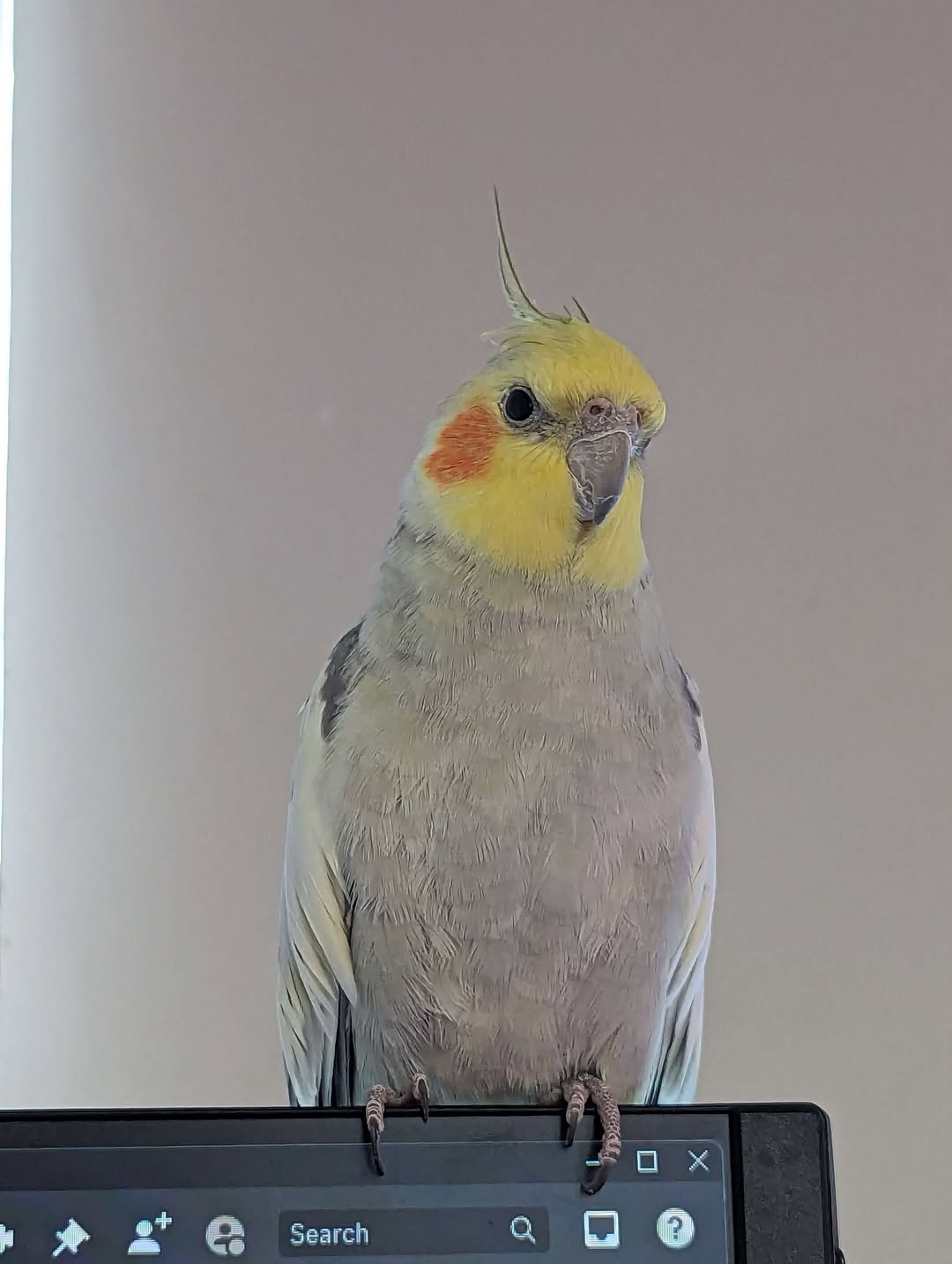
A worried customer came into the shop one Wednesday afternoon during the current UK July 2026 heatwave, carrying her pet cockatiel Poppy in a travel carrier and visibly distressed. Poppy had been sitting quietly at the bottom of her cage for the past hour, wings held slightly away from her body, breathing rapidly with her beak open. The customer had recognised something was wrong but had not immediately connected the behavioural signs to the temperature in her Swindon living room. Her indoor thermometer was reading 32°C — the UK heatwave conditions had produced dangerous indoor temperatures she had not previously monitored because she had never needed to during typical UK weather. She wanted urgent professional advice about what to do for Poppy immediately, whether the situation was welfare emergency, and how to protect Poppy across the remaining days of the current UK heatwave. Her recognition and response were welfare-led and timely.
I helped her immediately with the specific practical steps that address UK pet bird heat stress, and Poppy recovered fully within two hours of implementing the emergency protocol. The customer went home that evening with a comprehensive temperature monitoring setup, practical protocols for the remaining heatwave days, and honest understanding of UK pet bird temperature welfare that she had not previously been given at any point across her three years of Poppy’s ownership. Her question was one I have been asked increasingly often across recent UK summers as UK heatwaves have become more frequent and more severe — and one that has genuine welfare-critical implications every UK pet bird owner should understand at this specific moment in the current UK July 2026 heatwave conditions.
I am writing this article because UK pet bird temperature welfare is genuinely welfare-critical during the current UK heatwave conditions, most UK pet bird owners have not been given comprehensive practical guidance about UK pet bird temperature ranges, and the specific action protocol required during UK heatwave conditions is genuinely accessible for any UK pet bird household willing to implement it today. This is not theoretical UK pet bird welfare concern about distant risk. It is present UK pet bird welfare emergency for a substantial proportion of UK pet birds currently in UK homes experiencing UK July 2026 heatwave conditions.
This article is the conversation I have at the counter with UK pet bird owners during UK heatwave conditions. By the end of it, you will understand the specific safe versus dangerous temperature ranges for UK pet birds, the specific behavioural warning signs of heat stress every UK owner must recognise, exactly what emergency response looks like when heat stress is observed, the specific practical monitoring and cooling protocol every UK household should implement today during the current UK heatwave, and the broader UK pet bird temperature welfare considerations that support welfare-led care across all UK seasons and increasing UK climate conditions.
UK Pet Bird Safe Versus Dangerous Temperature Ranges — Precisely Stated
For UK pet bird owners wanting to understand exactly what temperature ranges support UK pet bird welfare versus which produce welfare emergency, here is the honest picture based on veterinary consensus and 35 years of counter observation.
Specific UK pet bird temperature ranges every UK owner must know:
- 18-24°C (64-75°F) — Ideal welfare-appropriate range for most UK pet bird species
- 24-27°C (75-80°F) — Safe upper range, no welfare concern for healthy adult UK pet birds
- 27-29°C (80-85°F) — Warm range requiring welfare-led monitoring, cooling measures recommended
- 29-32°C (85-90°F) — Welfare-relevant heat stress zone, requires immediate cooling intervention
- 32-35°C (90-95°F) — Welfare-critical heat stress zone, emergency response required
- Above 35°C (95°F) — Potentially fatal within hours without emergency intervention
- 15-18°C (59-64°F) — Cool range, healthy adult UK pet birds typically manageable, welfare-appropriate
- Below 15°C (59°F) — Cold-stress zone, welfare-relevant intervention required
- Below 10°C (50°F) — Welfare-critical cold, emergency warming required
- Sudden temperature changes above 5°C (9°F) within hours — Welfare-stress regardless of absolute temperature
- Overnight temperature difference above 8°C (14°F) — Welfare-stress producing
- Combined heat and humidity above 27°C with 70% humidity — Amplified welfare stress
The specific temperature ranges reflect veterinary consensus across UK pet bird species — budgies, cockatiels, canaries, finches, and larger UK pet parrots — with some species-specific variation but broadly consistent range applicability. UK pet bird owners who monitor indoor temperatures against these specific ranges gain immediate welfare-critical information about their pet birds’ current environment.
For UK pet bird owners currently experiencing the July 2026 UK heatwave conditions with Met Office temperatures reaching 34-36°C across southern England, indoor temperatures in UK homes without air conditioning are currently reaching the welfare-critical heat stress zone (32-35°C) and in some cases the potentially fatal zone (above 35°C) inside UK homes. This is present welfare emergency for UK pet birds in a substantial proportion of UK households across current heatwave conditions.
For broader UK pet bird welfare context that includes temperature welfare as one important dimension, our article on new science confirms UK pet birds have complex inner lives covers the broader UK pet bird welfare framework that temperature welfare integrates within.
The Specific Warning Signs Of UK Pet Bird Heat Stress You Must Recognise Today
For UK pet bird owners wanting to recognise the specific behavioural signs of heat stress in UK pet birds during current UK heatwave conditions, here is the honest picture based on 35 years of counter observation and veterinary consensus.
- Rapid open-beak breathing (panting) — most specific and immediate UK pet bird heat stress sign
- Wings held slightly away from body — attempting to release heat through exposed skin under wings
- Wings held completely outstretched from body — more severe heat stress indicator
- Reduced activity and sitting motionless — energy conservation response to overheating
- Sitting at bottom of cage rather than perching normally
- Increased water consumption — attempting to compensate for heat
- Loss of appetite and reduced feeding
- Vocalisation changes — quieter, distressed calls, or complete silence
- Feathers held tight against body — different from fluffed appearance of cold or illness
- Feet warm to touch beyond normal body temperature
- Wobbling, unsteady perching, loss of coordination — welfare-critical severe heat stress
- Seizures or convulsions — extreme welfare emergency requiring immediate response
The heat stress warning signs are genuinely recognisable when UK pet bird owners know what to look for. The progression from initial mild signs (fluffed feathers, wings slightly away from body) through moderate signs (open-beak breathing, reduced activity) to severe signs (wobbling, seizures) can occur across hours during UK heatwave conditions if temperatures continue to rise without intervention.
 The critical UK pet bird owner responsibility during current UK heatwave conditions is monitoring both indoor temperature AND UK pet bird behaviour multiple times daily. UK pet birds showing any of the moderate or severe warning signs above during current UK heatwave conditions require immediate emergency response — not observation across hours to see if signs resolve independently. UK pet bird heat stress progresses rapidly and welfare-appropriate response is immediate rather than delayed.
After 35 years at the counter, I have come to believe UK pet bird owner knowledge of these specific warning signs is genuinely one of the most immediately practical welfare interventions the UK pet bird community can implement today during the current UK heatwave conditions. Every UK pet bird owner should know these signs. Every UK pet bird household should be actively checking for these signs today during current UK heatwave conditions.
UK Pet Bird Heat Stress Emergency Response — What To Do Right Now
For UK pet bird owners who observe heat stress warning signs in their UK pet bird today during current UK heatwave conditions, here is the honest emergency response protocol based on veterinary guidance and 35 years of UK pet bird welfare experience.
- Move UK pet bird to coolest room in your home immediately
Ground floor rooms with north-facing windows typically coolest. Bathroom or utility room if all rooms warm. - Turn on fans to move air around UK pet bird’s environment
Air movement supports heat dissipation without directly blowing on the bird (which can cause additional welfare stress). - Mist UK pet bird with cool water using spray bottle
Gentle misting cools through evaporation. Cool water not cold. UK pet birds typically welcome this welfare-appropriate cooling. - Provide access to shallow bath of cool water
Some UK pet birds will bathe voluntarily during heat stress providing welfare-relevant cooling. - Ensure fresh cool water for drinking
Replace drinking water with cool water. UK pet birds drink more during heat stress. - Wrap frozen bottles or ice packs in towels near cage (not touching)
Reduces ambient temperature in bird’s immediate environment without direct chilling. - Contact UK avian vet immediately if signs severe
Wobbling, seizures, complete unresponsiveness require emergency UK avian vet contact same-day. - Do not delay response to observe if bird improves
UK pet bird heat stress progresses rapidly. Immediate intervention essential. - Monitor UK pet bird continuously until symptoms resolve
Recovery from heat stress requires ongoing observation and continued cooling support. - Implement prevention protocol for remainder of UK heatwave
Continued welfare-led temperature management for coming days.
The emergency response protocol is genuinely achievable for UK pet bird owners in typical UK households. None of the steps require exceptional resources or expertise — they require immediate welfare-led action when heat stress signs are observed. The response window between heat stress observation and welfare-critical decline can be short during UK heatwave conditions, making immediate implementation essential.
 The single most impactful emergency response step is immediately relocating the UK pet bird to the coolest available room in your home. This single intervention typically produces measurable welfare improvement within 15-30 minutes when combined with air movement and gentle water cooling. UK pet bird owners implementing only this single protocol element during current UK heatwave conditions substantially reduce welfare-critical outcomes for their pet birds.
For UK pet bird owners without previously-established UK avian vet relationships, the current UK heatwave is genuinely urgent occasion to identify local UK avian vet emergency contact today. Emergency UK avian vet access during current UK heatwave conditions is substantially easier when the relationship or at least contact information is established before the emergency situation develops.
The Practical UK Living Room Temperature Monitoring Protocol Every UK Owner Should Implement Today
For UK pet bird owners wanting to implement the specific practical temperature monitoring protocol during current UK heatwave conditions and going forward, here is the honest picture based on 35 years of UK pet bird welfare experience.
- Purchase indoor digital thermometer positioned near UK pet bird cage
Basic digital thermometer readings temperature accurately. £5-15 typical cost. Essential UK pet bird welfare equipment. - Check indoor temperature at UK pet bird cage location minimum 3 times daily
Morning, midday, evening minimum during UK heatwave conditions. More frequently if warm. - Position UK pet bird cage in coolest available room location
North-facing rooms, ground floor, away from direct sunlight and heat sources. - Never position cage in direct sunlight through windows
Sun exposure through glass amplifies temperature substantially even at moderate outdoor temperatures. - Close curtains and blinds during hottest daytime hours
Reduces indoor temperature substantially during UK heatwave conditions. - Open windows during cooler morning and evening hours
Ventilation supports temperature management during UK heatwave conditions when outdoor temperatures allow. - Use fans strategically to circulate air without directly blowing on bird
Air circulation supports welfare-appropriate temperature management. - Monitor UK pet bird behaviour alongside temperature readings
Behaviour observation complements temperature monitoring for welfare-led assessment. - Provide continuous access to fresh cool water
Water availability supports UK pet bird thermoregulation. - Consider portable air conditioning unit for UK pet bird room during severe UK heatwave
Investment in welfare-critical equipment during increasingly warming UK summers.
The monitoring protocol is genuinely accessible for UK pet bird owners with minimal financial investment. Basic digital thermometer costs less than £15 and provides essential welfare-critical information about UK pet bird environmental conditions. UK pet bird households without existing temperature monitoring should acquire this equipment immediately during current UK heatwave conditions.
 The single most impactful monitoring step is positioning a digital thermometer at UK pet bird cage location and checking readings against the specific temperature ranges described earlier in this article. This single practical step transforms UK pet bird temperature welfare from guesswork to informed welfare-led management. UK pet bird owners typically discover their previous temperature assumptions were substantially different from actual measured conditions once monitoring begins.
For UK pet bird owners in the Swindon area during current UK heatwave conditions, welfare-led temperature management consultation is available at Paradise Pets. After 35 years at the counter, I can typically help UK pet bird owners assess their specific situation and implement practical welfare-led temperature management appropriate to their UK household conditions.
Kitchen Fumes And Other Silent UK Pet Bird Killers That Combine With Heat Danger
For UK pet bird owners wanting to understand the additional welfare-critical dangers that combine with temperature stress during UK heatwave conditions, here is the honest picture based on 35 years of UK pet bird welfare experience.
Additional UK pet bird welfare dangers to prevent alongside temperature management:
- Teflon/PTFE non-stick cookware fumes — potentially fatal to UK pet birds within minutes at high heat
- Overheated non-stick cookware — releases PTFE fumes lethal to UK pet birds
- Self-cleaning oven cycles — release fumes hazardous to UK pet birds
- Aerosol sprays including air fresheners and hair products
- Scented candles and wax melts — combustion products can affect UK pet birds
- Cigarette and vaping smoke — welfare-critical UK pet bird respiratory hazard
- Household cleaning product fumes
- Paint fumes from decorating
- Cooking fumes generally including from burnt food
- Perfumes and heavily scented personal care products near cage
- Certain houseplants toxic to UK pet birds
- Poor ventilation combined with UK heatwave stagnant air
The combined effect of UK heatwave temperature stress and additional welfare-critical dangers is particularly welfare-relevant during current UK heatwave conditions. UK pet birds already experiencing thermal stress have reduced capacity to tolerate additional welfare challenges like airborne toxins or poor ventilation.
The single most important non-temperature welfare warning during UK heatwave conditions is Teflon/PTFE cookware use. Non-stick cookware overheated on stove tops releases fumes that can kill UK pet birds within minutes even at cage distances of many metres. This welfare-critical danger applies year-round but combines particularly badly with UK heatwave temperature stress.
UK pet bird owners should genuinely avoid using non-stick cookware in homes with UK pet birds, or use it with extreme caution and always with strong ventilation. This is not exaggerated welfare concern — it is well-established veterinary consensus about a genuinely fatal UK pet bird hazard.
For broader UK pet bird welfare context that includes these additional dangers, our article on why most UK budgie cages fall short of RSPCA guidance covers welfare-standard setup that supports overall UK pet bird welfare including protection from environmental hazards.
UK Winter Temperature Dangers — Different Season, Same Welfare Critical Considerations
For UK pet bird owners wanting balanced coverage of temperature welfare across UK seasons rather than heatwave-only focus, here is the honest picture based on 35 years of UK pet bird welfare experience across UK seasonal conditions.
UK winter temperature welfare considerations for UK pet birds:
- Cold stress zone begins below 15°C (59°F) for most UK pet bird species
- Welfare-critical cold below 10°C (50°F) requires emergency warming
- Draughts more welfare-critical than absolute temperature often
- Overnight temperature drops in UK homes when heating off
- Positioning near windows in winter exposes to cold draughts
- Positioning near heat sources in winter creates temperature fluctuation stress
- Cage covers help maintain warmth overnight in cold UK conditions
- Ceramic heat emitters welfare-appropriate for extreme cold when needed
- Never place UK pet bird cages in unheated rooms in UK winter
- Sudden temperature changes between rooms welfare-stress producing
- UK pet birds cannot regulate temperature effectively at extremes either direction
- Welfare-led UK winter temperature management critical alongside welfare-led UK summer temperature management
The pattern I have watched at the counter for 35 years is that UK pet bird owners often focus on either UK summer or UK winter temperature welfare but not both. Welfare-led UK pet bird care requires attention to both seasonal extremes. The current UK heatwave conditions are the immediate priority. UK winter cold stress will be the priority in November-March. Both require welfare-led attention.
For UK pet bird owners currently focused on UK heatwave temperature welfare, planning ahead for UK winter cold stress prevention is welfare-led forward thinking. Temperature monitoring, cage positioning, and welfare-appropriate response protocols apply across UK seasonal conditions rather than only during current UK heatwave.
Frequently Asked Questions
What indoor temperature is genuinely dangerous for my UK pet bird right now?
Indoor temperatures above 29°C (85°F) begin producing welfare-relevant heat stress in UK pet birds and require immediate cooling intervention. Temperatures above 32°C (90°F) produce serious welfare-critical heat stress requiring emergency response. Temperatures above 35°C (95°F) can produce fatal outcomes within hours without emergency intervention. During current UK July 2026 heatwave conditions with Met Office temperatures reaching 34-36°C across southern England, indoor temperatures in UK homes without air conditioning are currently reaching welfare-critical zones for UK pet birds in substantial proportion of UK households. Check your indoor thermometer against these specific ranges immediately.
How do I tell if my UK pet bird is experiencing heat stress?
Watch for specific behavioural signs — rapid open-beak breathing (panting), wings held away from body attempting to release heat, sitting motionless at bottom of cage, wobbling or loss of coordination, seizures in severe cases. Any of these signs during current UK heatwave conditions require immediate emergency response. The progression from mild to severe heat stress can occur across hours during UK heatwave conditions. Delay to observe whether signs resolve independently is not welfare-appropriate response. Immediate welfare-led intervention when signs are observed is genuinely welfare-critical.
What should I do right now if my UK pet bird shows heat stress signs?
Immediately relocate UK pet bird to coolest room in your home. Turn on fans to circulate air without directly blowing on bird. Mist bird gently with cool water using spray bottle. Provide fresh cool water for drinking. Wrap frozen bottles or ice packs in towels near cage without direct contact. Contact UK avian vet same-day if signs severe. Monitor UK pet bird continuously until symptoms resolve. Implement continued welfare-led temperature management for remainder of current UK heatwave conditions. Do not delay response to observe if signs improve independently.
Should I use a fan to cool my UK pet bird during current UK heatwave?
Yes — fans are welfare-appropriate for UK pet bird temperature management when used correctly. Position fans to circulate air around UK pet bird environment without directly blowing on the bird itself. Direct air blown at UK pet birds can cause additional welfare stress. Air circulation around the environment supports heat dissipation without direct discomfort. Standard household fans are welfare-appropriate. Ceiling fans, oscillating fans, and portable fans all support welfare-led temperature management when positioned thoughtfully.
Is it safe to use air conditioning near my UK pet bird?
Yes when implemented welfare-appropriately. Air conditioning is genuinely welfare-appropriate for UK pet bird temperature management during current UK heatwave conditions. Avoid positioning UK pet bird cage directly in air conditioning airflow which produces localised temperature changes. Position air conditioning to cool ambient room temperature to welfare-appropriate range (ideally 22-25°C during UK heatwave). Avoid extreme temperature contrasts between rooms which can produce welfare-stress when UK pet birds move between areas.
Can I use cool baths to help my UK pet bird during UK heatwave?
Yes — UK pet birds often welcome shallow cool water baths during heat stress conditions. Provide shallow dish (2-3cm deep) of cool water in cage. UK pet birds bathe voluntarily when they want the welfare-appropriate cooling. Do not force UK pet birds into water. Mist with spray bottle if bird does not bathe voluntarily. Cool water not cold. Room temperature water genuinely welfare-appropriate rather than refrigerator-cold water which can shock UK pet bird system.
Where can I get UK pet bird temperature welfare advice in Swindon?
Come and see us at Paradise Pets, Manor Garden Centre, Cheney Manor, Swindon SN2 2QJ. We provide welfare-led UK pet bird advice including temperature management during current UK heatwave conditions, heat stress recognition and emergency response guidance, welfare-standard monitoring equipment recommendation, and UK avian vet referral for welfare-critical situations. Free thoughtful advice based on 35 years of watching UK pet bird welfare across UK seasonal temperature conditions. Ring us on 01793 512400.
One Last Thing From Me
“Is my UK living room temperature really dangerous for my pet bird right now?” is the question UK pet bird owners are asking me most often during current UK July 2026 heatwave conditions, and one I want to answer with complete honesty and welfare-critical clarity. The honest answer, after 35 years at the counter and increasingly across recent UK summers watching UK pet birds respond to UK heatwave conditions, is — almost certainly yes if you have not been monitoring UK indoor temperature against welfare-appropriate ranges during current UK heatwave conditions, and this welfare-critical concern requires immediate practical action today rather than delayed consideration. UK indoor temperatures in UK homes without air conditioning during current UK July 2026 heatwave conditions with Met Office temperatures reaching 34-36°C are currently reaching welfare-critical zones for UK pet birds in substantial proportion of UK households. UK pet birds cannot regulate their body temperature effectively at high ambient temperatures. UK pet birds show specific behavioural warning signs of heat stress that welfare-led UK owners must recognise and respond to immediately. UK pet birds require specific emergency response protocols when heat stress is observed. And UK pet birds benefit substantially from specific practical temperature monitoring and management protocols that welfare-led UK owners can implement immediately today. The specific practical action steps every UK pet bird owner should implement today during current UK heatwave conditions — position digital thermometer at UK pet bird cage location and check readings against welfare-appropriate ranges (18-27°C safe, 29°C+ heat stress zone, 32°C+ welfare-critical), monitor UK pet bird behaviour for specific heat stress warning signs (open-beak panting, wings away from body, motionless sitting, loss of coordination), implement cooling measures if temperature or behaviour indicates welfare concern (relocate to cooler room, fans for air circulation, gentle water misting, fresh cool water access, frozen bottles wrapped in towels near cage), contact UK avian vet same-day if severe signs observed, avoid Teflon/PTFE non-stick cookware use, close curtains during hottest hours, ventilate during cooler morning and evening hours, provide continuous access to fresh cool water. The protocol is genuinely accessible for any UK pet bird household during current UK heatwave conditions. The welfare-critical stakes are genuinely substantial. And UK pet bird owner action today produces the welfare-appropriate outcomes that delayed response cannot achieve. The current UK heatwave is not the last UK heatwave — UK climate patterns indicate increasing UK heatwave frequency and severity going forward. UK pet bird temperature welfare knowledge must become standard welfare-led knowledge for every UK pet bird owner. After 35 years at the counter and increasingly across recent UK summers, I have come to believe UK pet bird owner comprehensive engagement with UK pet bird temperature welfare is one of the most immediately practical welfare interventions the UK pet bird community can implement today. The temperature in your UK living room right now during this active UK heatwave could genuinely be producing welfare emergency for the pet bird in your care. Please check today. Please implement welfare-led response today. Please take this welfare-critical concern seriously today. Your UK pet bird’s welfare across the coming days of current UK heatwave conditions depends on your welfare-led action starting immediately.
The customer with Poppy the cockatiel that Wednesday afternoon during current UK heatwave conditions? She went home and implemented the complete temperature welfare protocol immediately. She purchased digital thermometer and positioned near Poppy’s cage. She relocated cage to coolest ground floor room. She closed curtains during hottest hours. She implemented fan-supported air circulation. She provided cool water bathing dish and misting. She monitored Poppy’s behaviour continuously across remaining UK heatwave days. She avoided cooking with non-stick cookware. She established UK avian vet emergency contact. Two weeks later she came back to tell me Poppy had thrived across remaining UK heatwave days, she felt genuinely equipped to manage UK pet bird temperature welfare across UK seasons going forward, and the welfare-critical scare had produced genuine welfare-led transformation in her ongoing UK pet bird care approach.
That is what I want for every UK pet bird owner reading this article today during current UK July 2026 heatwave conditions. Not the passive concern about UK heatwave impacts on UK pet birds without practical response. Not the anxiety about UK pet bird welfare without welfare-led action protocol. Not the delayed response after welfare-critical signs have escalated to welfare emergency. But the immediate welfare-led implementation of the specific practical temperature welfare protocol every UK pet bird owner can genuinely execute in typical UK households starting today, during current UK heatwave conditions.
The temperature in your UK living room right now during this active UK July 2026 heatwave could genuinely be producing welfare emergency for the pet bird in your care. This is welfare-critical reality for UK pet bird welfare today. UK pet bird owner action today produces welfare-appropriate outcomes across current UK heatwave conditions and going forward across increasingly warming UK summers.
If you have specific questions about implementing UK pet bird temperature welfare protocol for your specific situation, want honest assessment of your current UK pet bird environment during current UK heatwave conditions, or want to discuss welfare-led temperature management for going forward across UK seasonal conditions, please come in for a chat. After 35 years at the counter, helping UK pet bird owners implement welfare-critical temperature welfare protocol is one of the most immediately valuable things any independent UK pet shop can do today.
Worried About UK Pet Bird Temperature During Current UK Heatwave? Come And See Me Today
We provide welfare-led UK pet bird advice including temperature management during current UK heatwave conditions, heat stress recognition and emergency response guidance, welfare-standard monitoring equipment recommendation, and UK avian vet referral for welfare-critical situations. Free thoughtful advice based on 35 years of UK pet bird welfare experience. That is how we have done things since 1988.