

Neil has kept, bred, and sold cage and aviary birds at Paradise Pets Swindon since 1988 — over 35 years of watching UK pet bird community engagement with UK bird welfare research, guidance, and policy developments. The RSPB released substantially updated summer feeding rules for UK garden bird feeders in April 2026 — the first significant change in UK garden bird feeding guidance for over a decade. Media coverage across UK garden bird enthusiast publications has been substantial. RSPB communication to UK garden feeder community has been comprehensive. But after 35 years at the counter watching UK pet bird owners arrive at the shop increasingly across recent weeks unaware of the RSPB feeding rule changes and their specific welfare implications for UK indoor pet birds, Neil has come to believe there is a genuine communication gap between the UK garden bird welfare community and the substantial UK pet bird owner community — a gap that has left most UK pet bird owners without information about welfare-relevant developments they genuinely should know about. Most UK pet bird owners have not heard about the RSPB rule changes yet. Most UK pet bird owners do not understand the specific implications for their indoor pet birds. And most UK pet bird owners have not been given the practical guidance about what they should specifically do differently going forward. This is Neil’s honest, welfare-led guide to what UK pet bird owners specifically need to know about the RSPB rule changes — why the UK pet bird owner community was largely left out of RSPB messaging, what specific implications the rule changes have for UK indoor pet birds even when UK owners do not feed garden birds directly, the specific cross-contamination routes UK pet bird owners should understand, and exactly what welfare-led response every UK pet bird household should implement today regardless of whether they participate in UK garden bird feeding directly.
A regular customer came into the shop one Thursday afternoon, thinking through something interesting. She had been reading about UK Greenfinch decline in a general UK newspaper article over the previous weekend and had wondered whether there was any welfare-relevant information she should know about as a UK pet bird owner. She kept two pet budgies called Sunny and Sky in her Swindon living room and had never fed UK garden birds herself. She had not seen any RSPB communication about updated feeding rules. She had not been contacted by any UK pet bird welfare organisation about implications for indoor pet birds. She had not seen any coverage in UK pet-focused publications. But her general newspaper reading had raised her welfare-led awareness enough to ask whether there was something specifically important she should know about as a UK pet bird owner. Her question was genuinely thoughtful — and one I have been asked increasingly often across recent weeks by UK pet bird owners who had heard general awareness fragments but not been given the specific UK pet bird owner community information the RSPB rule changes actually produce.
I sat with her for an hour and explained the honest answer, which surprised her substantially. The RSPB released substantially updated summer feeding rules for UK garden bird feeders in April 2026 — comprehensive guidance addressing the documented UK Greenfinch trichomonosis crisis with specific practical protocols for the substantial UK garden feeder community. But UK pet bird owners like her had not been meaningfully included in the RSPB communication strategy. The messaging was directed at UK garden bird feeder community, not UK pet bird owner community. UK pet-focused publications had not covered the developments comprehensively. UK independent pet shops had raised awareness within their customer communities but UK chain retailers had not typically included this information at point of purchase or ongoing communication. UK avian vets had raised awareness with individual clients but no coordinated UK pet bird community communication had occurred. The result was that UK pet bird owners across UK households were largely unaware of welfare-relevant developments they genuinely should know about — including specific implications for UK indoor pet birds that continue applying even when UK owners do not feed garden birds directly. Her welfare-led question was the appropriate response to the general awareness fragment she had encountered. She left that afternoon with comprehensive practical guidance about the specific implications for Sunny and Sky, the specific cross-contamination routes UK pet bird owners should understand, and the specific welfare-led response she should implement for her indoor UK pet bird welfare going forward.
I am writing this article because there is a genuine communication gap between the UK garden bird welfare community and the substantial UK pet bird owner community, this gap has produced widespread UK pet bird owner unawareness about welfare-relevant developments, and the specific implications for UK indoor pet birds are genuinely important regardless of whether UK owners feed garden birds directly. UK pet bird owners deserve comprehensive information about what the RSPB rule changes mean specifically for their pet birds.
This article is the conversation I have at the counter with UK pet bird owners who have encountered general awareness fragments about the RSPB rule changes but not been given the specific UK pet bird owner community information the developments actually produce. By the end of it, you will understand why UK pet bird owners have largely been left out of RSPB messaging about the rule changes, what specific implications the rule changes have for UK indoor pet birds even when UK owners do not feed garden birds directly, what specific cross-contamination routes UK pet bird owners should understand, and exactly what welfare-led response every UK pet bird household should implement today regardless of whether they participate in UK garden bird feeding.
Why UK Pet Bird Owners Have Not Heard About The RSPB Rule Changes
For UK pet bird owners wanting to understand why they have largely been left out of RSPB messaging about the rule changes, here is the honest picture based on 35 years of watching UK bird welfare community coordination.
Why UK pet bird owner community awareness gap exists:
- RSPB messaging directed at UK garden bird feeder community not UK pet bird owner community
- UK pet-focused publications have not covered developments comprehensively
- UK chain retailers typically do not communicate welfare developments to customers
- UK avian vets raise awareness individually rather than through coordinated community messaging
- UK pet bird welfare organisations have not coordinated community-level communication
- Media coverage assumes UK pet bird owners are already aware of UK bird welfare context
- UK pet bird owner community lacks central communication infrastructure equivalent to UK garden bird enthusiast community
- Point-of-purchase communication with UK pet bird buyers historically minimal
- UK pet bird ongoing communication through independent shops varies substantially
- UK pet bird owner community itself has not organised welfare-led information sharing comparable to UK garden bird enthusiast networks
- General UK news coverage sometimes reaches UK pet bird owners as awareness fragments
- UK independent pet shops with welfare-led focus provide substantial but geographically-limited information
The communication gap is genuinely substantial and reflects broader UK bird welfare community coordination challenges rather than any single organisation failure. UK garden bird welfare community has substantial infrastructure — RSPB membership, magazine subscriptions, garden bird identification apps, birding society networks, county recording organisations, television nature programme coverage. UK pet bird owner community has substantially less infrastructure — no dominant membership organisation, limited magazine coverage, minimal broadcasting attention, welfare-focused independent shops geographically dispersed, chain retailer communication limited to purchase-focused messaging.
The result is that welfare-relevant developments in UK garden bird welfare context frequently do not reach UK pet bird owner community in comprehensive form even when the developments have direct UK pet bird welfare implications. UK pet bird owners often become aware of developments through general UK news coverage rather than targeted UK pet bird community communication, and often without the specific practical implications that welfare-led response requires.
After 35 years at the counter, I have come to believe UK pet bird owner community deserves substantially better welfare-led communication infrastructure than currently exists. This article is my honest contribution to closing the specific communication gap the RSPB rule changes have revealed.
For broader UK bird welfare context that this article addresses through UK pet bird owner community perspective, our article on the RSPB summer feeder guidance for UK bird owners covers the general awareness framework and our article on the RSPB new summer feeding rules for UK garden bird lovers covers the detailed implementation guidance for UK garden feeder community.
The Specific Implications For UK Indoor Pet Birds Even Without Garden Feeding
For UK pet bird owners wanting to understand why the RSPB rule changes have direct implications for UK indoor pet birds even when UK owners do not feed garden birds directly, here is the honest picture based on veterinary consensus and 35 years of counter observation.
Why UK indoor pet birds are affected by RSPB rule changes even without direct garden feeding:
- Trichomonosis affects UK indoor pet bird species — budgies, cockatiels, canaries, finches all susceptible
- Cross-contamination routes exist between UK garden bird activity and UK indoor pet bird environments
- Wild UK bird activity outside UK homes creates contamination potential
- UK owner contact with contaminated surfaces can transfer parasites to UK indoor pet birds
- Open windows during warm months allow direct wild bird contamination of UK indoor pet bird environments
- Neighbours’ UK garden bird feeding creates contamination potential for UK indoor pet birds
- Wild UK bird droppings on UK household surfaces provide contamination routes
- UK owner welfare-led hygiene practice affects UK indoor pet bird welfare
- UK pet bird species share underlying welfare biology with UK wild bird species
- UK indoor pet bird welfare monitoring provides early warning of specific welfare concerns
- Trichomonosis prevention protocol applies to UK indoor pet bird environments
- Welfare-led UK indoor pet bird care includes contamination route awareness
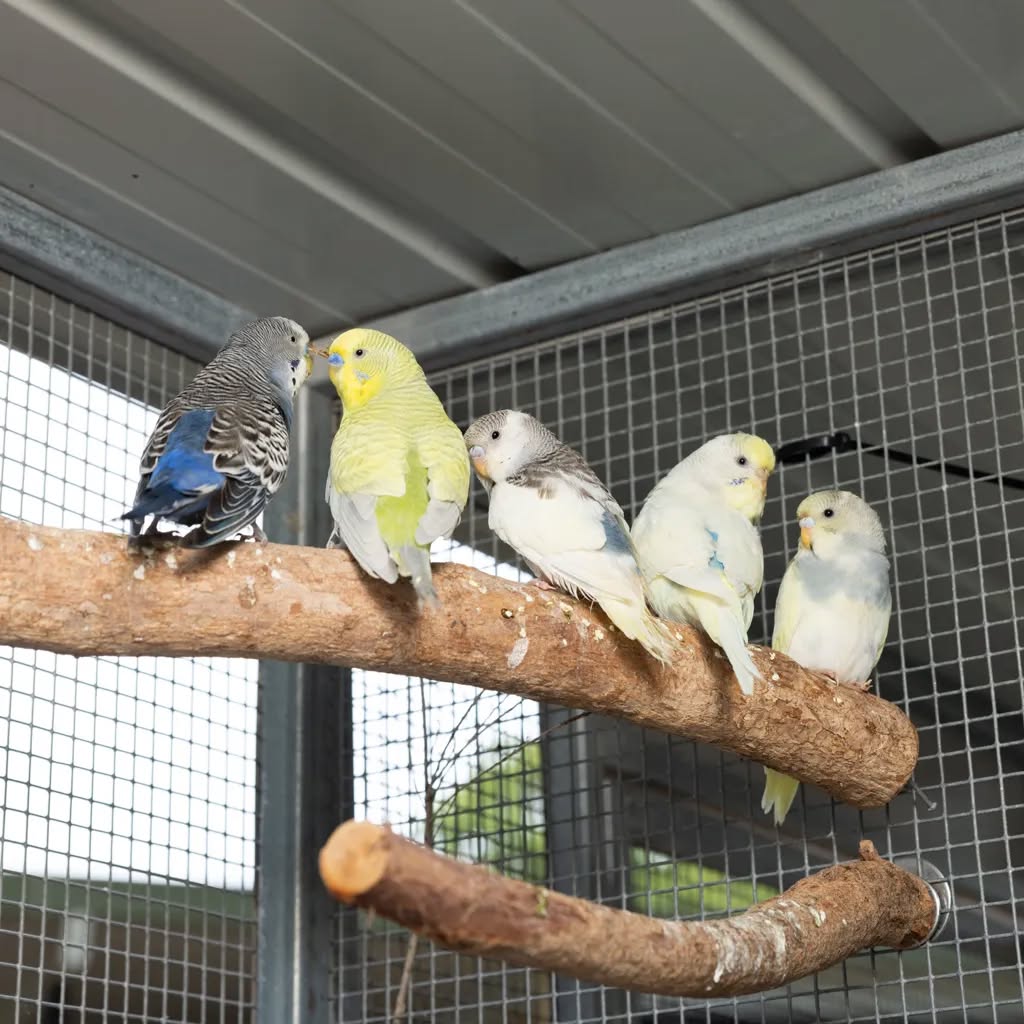
The specific implications for UK indoor pet birds are genuinely substantial. UK pet bird owners who do not feed garden birds directly may assume they are not affected by RSPB rule changes about UK garden bird feeding. This assumption is inaccurate. UK indoor pet birds face welfare-relevant contamination routes from UK garden bird activity regardless of whether UK owners feed garden birds directly.
The cross-contamination routes UK pet bird owners should understand include wild UK bird contact with UK household surfaces (window sills, garden furniture, patios accessible during warm months when windows may be open), UK owner hand contact with UK garden surfaces then UK pet bird cage or bird contact without hand washing, neighbours’ UK garden bird feeding activity creating wild UK bird gathering near UK homes, and general UK wild bird environmental contamination affecting UK indoor environments.
The welfare-led response for UK indoor pet bird owners is genuinely accessible and does not require UK owners to change UK garden bird feeding decisions. It requires implementing specific UK indoor pet bird welfare-led hygiene protocol that addresses contamination routes UK owners can genuinely control.
For UK pet bird owners wanting specific practical guidance on UK indoor pet bird trichomonosis prevention protocol, our article on what every UK pet bird owner must check today — trichomonosis protocol covers the specific UK indoor pet bird welfare-led prevention protocol that welfare-led response requires.
The Specific Cross-Contamination Routes UK Pet Bird Owners Should Understand
For UK pet bird owners wanting to understand the specific cross-contamination routes that affect UK indoor pet birds, here is the honest picture based on 35 years of UK pet bird welfare experience.
Common cross-contamination routes affecting UK indoor pet birds:
- Wild UK bird droppings on UK window sills where UK indoor pet birds may have visual or physical proximity
- Wild UK bird droppings on UK patio furniture brought inside without cleaning
- UK owner shoes tracked in from UK garden with contaminated surfaces
- UK owner hands contaminated from UK garden work without hand washing before UK pet bird contact
- UK household surfaces contaminated from wild UK bird activity
- Open windows during warm months allowing wild UK bird direct access to UK pet bird environments
- Neighbours’ UK garden bird feeders creating wild UK bird gathering near UK homes
- UK household pets (cats, dogs) tracking contamination from UK garden bird activity
- UK pet bird water dishes near UK windows potentially contaminated through wild UK bird activity
- UK pet bird food dishes contaminated through similar routes
- UK pet bird cage surfaces contaminated through UK owner handling patterns
- UK indoor bird bath water sourced from UK garden or contaminated UK water sources
The cross-contamination routes are genuine and welfare-relevant even in UK households that do not feed garden birds directly. The routes are typically not obvious to UK pet bird owners who have not previously thought about UK indoor pet bird contamination pathways from UK garden environment.
Understanding the routes enables welfare-led response. UK pet bird owners who understand cross-contamination routes can implement specific practical protocols that substantially reduce UK indoor pet bird contamination risk. Hand washing between UK garden activity and UK pet bird contact. Window management during warm months. Surface cleaning protocol for areas UK pet birds have access to. UK pet bird food and water storage away from potential contamination surfaces. UK household pet management to reduce contamination transfer.
The single most impactful cross-contamination protocol step is systematic hand washing between UK garden activity or wild UK bird contact and UK pet bird contact. This single practical step addresses the primary contamination route UK owners can genuinely control. UK pet bird owners implementing only this single protocol element substantially reduce UK indoor pet bird contamination risk from UK garden bird activity.
UK Pet Bird Households That Also Feed UK Garden Birds — Dual Welfare Considerations
For UK pet bird owners who also participate in UK garden bird feeding, here is the honest picture of dual welfare considerations that affect this specific UK community.
Dual welfare considerations for UK pet bird owners who also feed UK garden birds:
- Enhanced cross-contamination potential through direct UK garden bird contact
- Specific UK garden feeder positioning affects UK pet bird contamination risk
- Weekly UK garden feeder cleaning protocol combines with UK pet bird cage cleaning
- Hand washing protocol becomes critical between UK garden and UK pet bird activities
- UK pet bird welfare-led setup benefits from awareness of UK garden bird activity
- UK garden feeder positioning away from UK pet bird cage viewing windows
- UK owner clothing worn during UK garden bird feeding not worn during UK pet bird handling
- UK household surface cleaning protocol addresses combined contamination routes
- UK pet bird monitoring becomes welfare-critical during UK garden bird feeding participation
- UK avian vet relationship becomes welfare-critical for combined activity households
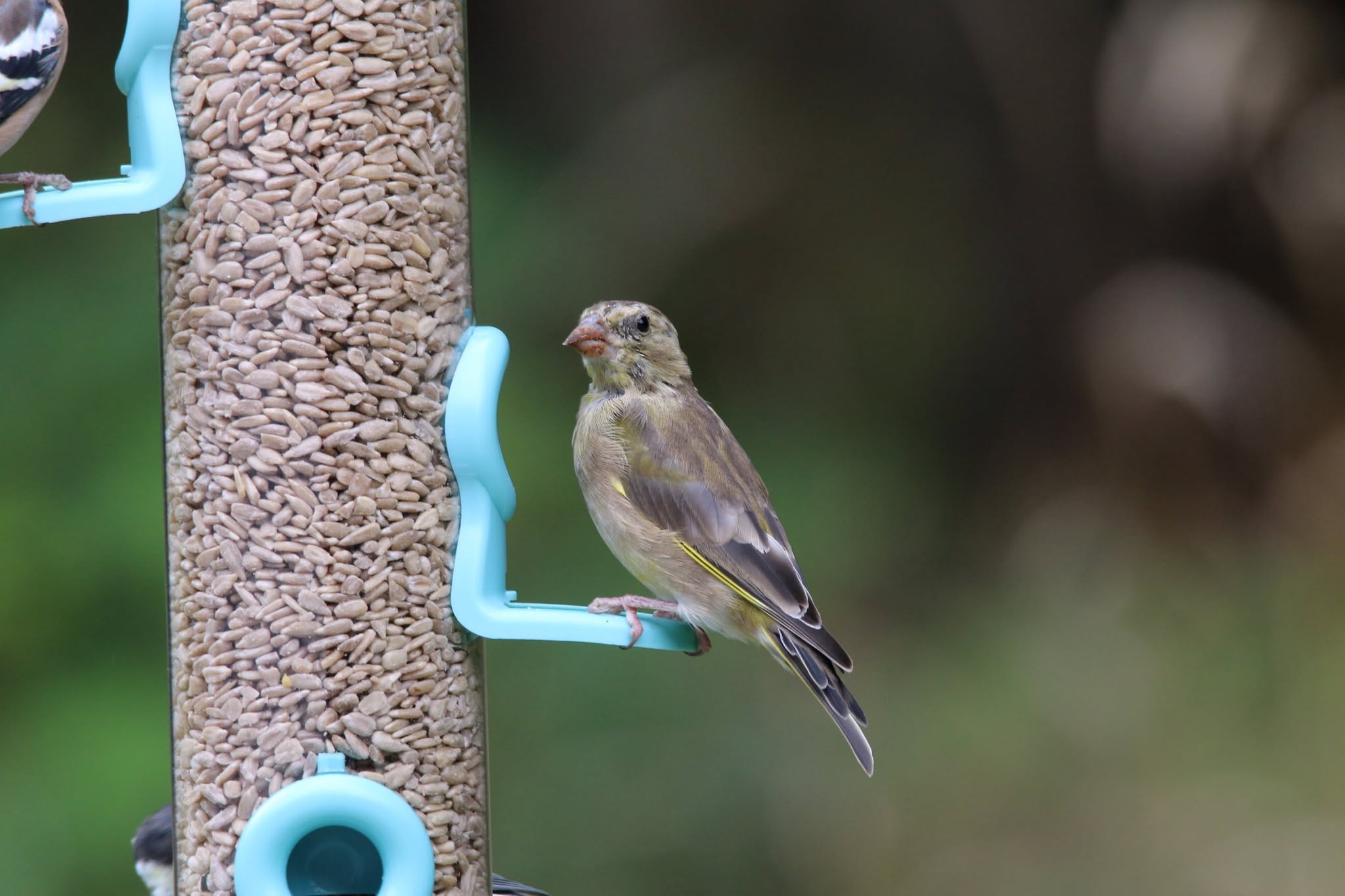
The dual welfare considerations apply to UK pet bird households that also participate in UK garden bird feeding. This is a genuinely common UK household situation — UK pet bird owners who care about UK bird welfare broadly frequently participate in UK garden bird feeding as well as UK pet bird keeping. The specific dual considerations require welfare-led attention beyond either UK garden feeder welfare-led response or UK pet bird welfare-led response alone.
The welfare-led response for UK combined activity households is genuinely accessible. UK pet bird owners can continue participating in UK garden bird feeding whilst implementing specific protocols that protect UK indoor pet birds from enhanced cross-contamination potential. UK garden feeder positioning consideration, systematic hand washing protocol, clothing awareness, UK pet bird cage placement away from UK garden feeder viewing angles, and combined household cleaning protocol all support welfare-led dual activity.
For UK pet bird owners in combined activity households wanting specific practical guidance, welfare-led UK independent pet shop consultation supports the specific dual protocol implementation. After 35 years at the counter, I have watched many UK pet bird households successfully participate in UK garden bird feeding whilst maintaining welfare-appropriate UK indoor pet bird care through combined welfare-led protocols.
What UK Pet Bird Owners Should Actually Do Today
For UK pet bird owners wanting the specific practical action steps for welfare-led response to the RSPB rule changes, here is the honest picture based on 35 years of UK pet bird welfare experience.
- Implement UK indoor pet bird welfare-standard hygiene protocol
Weekly cage cleaning with dilute bleach solution or Ark-Klens. Daily water dish and food dish cleaning with hot soapy water. Complete drying before UK pet bird returns to cleaned equipment. - Establish hand washing protocol between UK garden activity and UK pet bird contact
Thorough hand washing after any UK garden work, wild UK bird activity contact, or UK household surface contact potentially contaminated from UK garden bird activity. - Manage UK window opening during warm months
UK pet bird cage locations away from open windows during warm months when wild UK bird activity is elevated. Close windows in UK pet bird rooms during hours of high wild UK bird activity. - Implement UK pet bird welfare-led daily observation protocol
Daily observation of UK indoor pet birds for specific behavioural warning signs of trichomonosis or other welfare concerns. - Establish UK avian vet emergency contact relationship
Local UK avian vet identified and contact information prepared before any welfare emergency develops. - Manage UK household pet access thoughtfully
UK household cats and dogs may track contamination from UK garden bird activity. Manage room access and contact patterns appropriately. - Consider UK garden feeder positioning if you feed UK garden birds
UK garden feeder positioning away from UK pet bird cage viewing angles supports welfare-led response. - Maintain UK pet bird cage welfare-standard positioning
Elevated cage positioning, wall-backed cage placement, appropriate room selection support welfare-led environmental setup that reduces contamination potential. - Engage with welfare-led UK independent pet shop consultation
Welfare-led UK independent pet shops provide specific guidance for UK pet bird welfare across UK household situations. - Support UK pet bird community awareness
Share welfare-led information with other UK pet bird owners in UK community networks to support community-level welfare improvement.
The welfare-led response protocol is genuinely achievable for UK pet bird households across UK income levels and UK regional situations. None of the steps require exceptional resources or restrict UK owners from normal UK household life — they require welfare-led thinking applied to UK indoor pet bird welfare in the context of broader UK bird welfare developments.
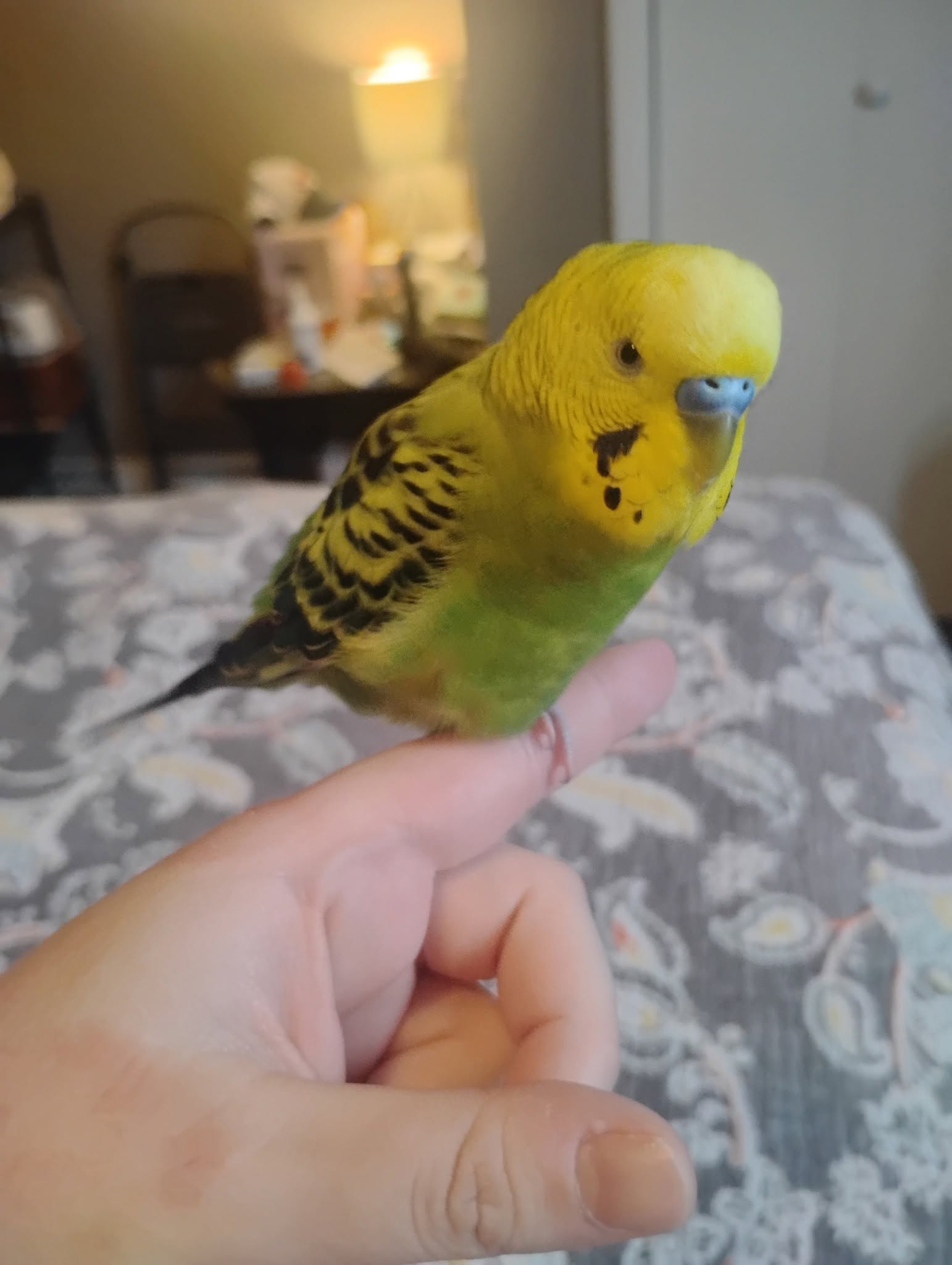 The single most impactful welfare-led response step is implementing UK indoor pet bird welfare-standard hygiene protocol including weekly cage cleaning with appropriate disinfection. This single practical step addresses the primary UK indoor pet bird welfare concern the RSPB rule changes indirectly raise. UK pet bird owners implementing only this single protocol element substantially improve UK indoor pet bird welfare regardless of UK garden bird activity in their specific household.
The second most impactful step is systematic hand washing between UK garden activity and UK pet bird contact. This addresses the primary cross-contamination route UK owners can genuinely control across UK household situations.
The Specific Warning Signs UK Pet Bird Owners Should Check Today
For UK pet bird owners wanting to check their UK indoor pet birds for welfare-relevant warning signs, here is the honest picture based on 35 years of counter observation.
- Fluffed-up appearance during normal daytime hours
- Difficulty swallowing or hesitation at food dishes
- Wet or matted feathers around beak or head
- Visible material or plaques inside beak or throat
- Weight loss and reduced body condition
- Lethargy and reduced activity
- Puffy or swollen neck appearance
- Vomiting or regurgitation without breeding context
- Increased water consumption alongside other symptoms
- Bad breath or noticeable odour from beak area
- Changes in normal vocalisation patterns
- Reduced normal behaviours across multiple dimensions
The warning signs are welfare-relevant for UK indoor pet birds regardless of whether UK owners feed garden birds directly. UK pet birds experiencing trichomonosis or other welfare concerns show specific behavioural and physical signs that welfare-led UK owners can recognise through daily observation.
 The important observation from 35 years at the counter is that UK pet bird owner attention to specific warning signs enables early intervention that substantially improves welfare outcomes. UK pet birds showing early warning signs recover fully with prompt UK avian vet intervention. UK pet birds showing delayed warning signs face more difficult welfare outcomes.
The daily observation protocol takes only a few minutes but provides welfare-critical early warning UK pet bird owners genuinely need. UK pet bird owners implementing daily welfare-led observation across the coming weeks and months provide the welfare-appropriate monitoring UK indoor pet birds benefit from substantially.
Frequently Asked Questions
Why did I not hear about the RSPB rule changes from any UK pet bird source?
The communication gap between UK garden bird welfare community and UK pet bird owner community is genuine and reflects broader UK bird welfare community coordination challenges. RSPB messaging was directed at UK garden bird feeder community rather than UK pet bird owner community. UK pet-focused publications have not covered developments comprehensively. UK chain retailers typically do not communicate welfare developments to customers. UK avian vets raise awareness individually rather than through coordinated messaging. The result is UK pet bird owner community-level unawareness of welfare-relevant developments UK indoor pet bird owners genuinely should know about.
Do the RSPB rule changes affect me if I do not feed UK garden birds?
Yes — genuinely so through documented cross-contamination routes. UK indoor pet birds face welfare-relevant contamination routes from UK garden bird activity regardless of whether UK owners feed garden birds directly. Wild UK bird droppings on UK household surfaces, UK owner contact with UK garden environments, open windows during warm months, UK household pets tracking contamination, and neighbours’ UK garden bird feeding all create welfare-relevant cross-contamination potential. UK pet bird owners without direct UK garden bird feeding activity still benefit from welfare-led response to the underlying UK bird welfare developments.
What is the single most important thing UK pet bird owners should do today?
Implement UK indoor pet bird welfare-standard weekly cage cleaning with dilute bleach solution or Ark-Klens disinfectant. This single practical step addresses the primary UK indoor pet bird welfare concern the RSPB rule changes indirectly raise. Combined with daily water dish and food dish cleaning with hot soapy water, and systematic hand washing between UK garden activity and UK pet bird contact, welfare-led response is genuinely achievable. UK pet bird owners implementing this single most important step substantially improve UK indoor pet bird welfare regardless of UK household garden bird activity.
Should I stop opening my windows during summer if I have a UK pet bird?
Not entirely — UK pet bird owners can continue normal window management with welfare-led thinking applied. Position UK pet bird cage locations away from open windows during warm months when wild UK bird activity is elevated. Consider window opening timing to reduce wild UK bird contact potential with UK pet bird environments. Screen open windows where possible. UK pet bird welfare benefits from thoughtful window management rather than restricted household ventilation.
What if I do feed UK garden birds and also keep UK pet birds?
This UK household situation is genuinely common and welfare-managed successfully by many UK pet bird owners. Dual welfare considerations require welfare-led attention beyond either UK garden feeder welfare-led response or UK pet bird welfare-led response alone. Specific protocols include UK garden feeder positioning away from UK pet bird cage viewing angles, systematic hand washing between UK garden and UK pet bird activities, UK owner clothing awareness, combined household cleaning protocol, and enhanced UK pet bird welfare monitoring. UK pet bird households can genuinely continue UK garden bird feeding with welfare-led dual protocol implementation.
How do I know if my UK pet bird has actually been affected?
Daily welfare-led observation for specific behavioural warning signs — fluffed-up appearance during normal hours, difficulty swallowing, wet or matted feathers around beak, weight loss, lethargy, changes in vocalisation, reduced normal behaviours. UK pet birds showing multiple warning signs simultaneously require immediate UK avian vet contact for welfare-appropriate assessment and treatment. Early intervention substantially improves welfare outcomes. UK pet bird owner daily observation across the coming weeks and months provides welfare-critical monitoring UK indoor pet birds benefit from substantially.
Where can I get UK pet bird owner community welfare advice in Swindon?
Come and see us at Paradise Pets, Manor Garden Centre, Cheney Manor, Swindon SN2 2QJ. We provide welfare-led UK pet bird advice including the specific implications of RSPB rule changes for UK indoor pet birds, welfare-led response protocol implementation, UK avian vet referral for welfare-critical situations, and comprehensive UK pet bird owner community welfare education that UK pet bird community has not typically received elsewhere. Free thoughtful advice based on 35 years of UK pet bird welfare experience. Ring us on 01793 512400.
One Last Thing From Me
“How was I supposed to know about this?” is the question UK pet bird owners ask me most often once they understand the RSPB rule changes have genuine implications for UK indoor pet birds, and one I want to answer with complete honesty and without judgement. The honest answer, after 35 years at the counter watching UK pet bird owner community engagement with UK bird welfare developments, is — you were not supposed to know because the UK pet bird owner community has been largely left out of the communication strategy, and this is a genuine UK bird welfare community coordination gap that welfare-led response needs to address going forward. UK garden bird welfare community has substantial infrastructure that supports comprehensive welfare-led communication about welfare-relevant developments. UK pet bird owner community has substantially less infrastructure and consequently often does not receive comparable welfare-led communication. The RSPB rule changes are a visible example of this broader coordination gap — welfare-relevant developments affecting the substantial UK pet bird owner community are frequently communicated primarily to UK garden bird enthusiast community without corresponding UK pet bird owner community messaging. This is not criticism of any single UK organisation. It is honest recognition that UK bird welfare community coordination between wild and pet UK bird contexts needs to develop further. UK pet bird owners deserve comprehensive information about welfare-relevant developments affecting UK indoor pet birds. UK pet bird welfare community deserves coordinated communication infrastructure comparable to UK garden bird enthusiast community. And UK pet bird owners can genuinely implement welfare-led response to the RSPB rule changes today regardless of whether they have been previously included in coordinated UK bird welfare community messaging. The specific welfare-led response protocol every UK pet bird household should implement today — UK indoor pet bird welfare-standard weekly cage cleaning with appropriate disinfection, daily water and food dish cleaning, systematic hand washing between UK garden activity and UK pet bird contact, welfare-led window management during warm months, daily welfare-led observation of UK indoor pet birds for specific warning signs, UK avian vet emergency contact relationship established, UK household pet access management for contamination reduction, welfare-led UK independent pet shop consultation for specific guidance, and UK pet bird community awareness sharing with other UK pet bird owners. The protocol is genuinely accessible for any UK pet bird household during current UK conditions and going forward. The welfare-critical implications for UK indoor pet birds are genuine even in UK households without direct UK garden bird feeding participation. And UK pet bird owner community-level awareness of the RSPB rule changes and their specific implications for UK indoor pet birds is one of the most important practical welfare interventions the UK pet bird community can implement collectively at this specific moment. After 35 years at the counter watching UK pet bird owner community engagement with UK bird welfare developments, I have come to believe UK pet bird owners deserve comprehensive information about welfare-relevant developments and can genuinely take welfare-led action when the specific practical guidance is provided. This article is my honest contribution to closing the specific communication gap the RSPB rule changes have revealed within the UK pet bird owner community.
The customer with Sunny and Sky the budgies that Thursday afternoon? She went home and implemented the welfare-led response protocol systematically. She established weekly cage cleaning with appropriate disinfectant. She began daily water and food dish cleaning with hot soapy water. She implemented systematic hand washing between garden activity and pet bird contact. She managed window opening thoughtfully during the current warm UK summer conditions. She began daily welfare-led observation of Sunny and Sky for specific warning signs. She established UK avian vet emergency contact relationship. She shared welfare-led information with other UK pet bird owners in her community networks. Six weeks later she came back to tell me Sunny and Sky continued thriving with substantially improved welfare-led hygiene protocol, she felt genuinely equipped to protect them going forward, and she had helped raise UK pet bird owner community awareness within her network through welfare-led information sharing.
That is what I want for every UK pet bird owner reading this article. Not the assumption that welfare-relevant developments in UK garden bird welfare context do not affect UK indoor pet birds. Not the passive unawareness of communication gaps that leave UK pet bird owner community without welfare-critical information. Not the delayed response after UK pet birds have already been affected by preventable welfare concerns. But the genuine welfare-led engagement with the specific implications of RSPB rule changes for UK indoor pet birds and the practical response every UK pet bird household can implement today.
The RSPB rule changes matter. The communication gap is genuine. The UK pet bird owner community deserves comprehensive information. And UK pet bird owners can genuinely take welfare-led action starting today with the specific practical guidance every UK pet bird household needs.
If you have specific questions about implementing welfare-led response protocol for your UK pet birds, want honest assessment of your current UK household situation, or want to discuss the specific implications for your dual UK pet bird and UK garden bird activity if applicable, please come in for a chat. After 35 years at the counter, helping UK pet bird owners access comprehensive welfare-led information they may not have received elsewhere is one of the most genuinely valuable things any independent UK pet shop can do.
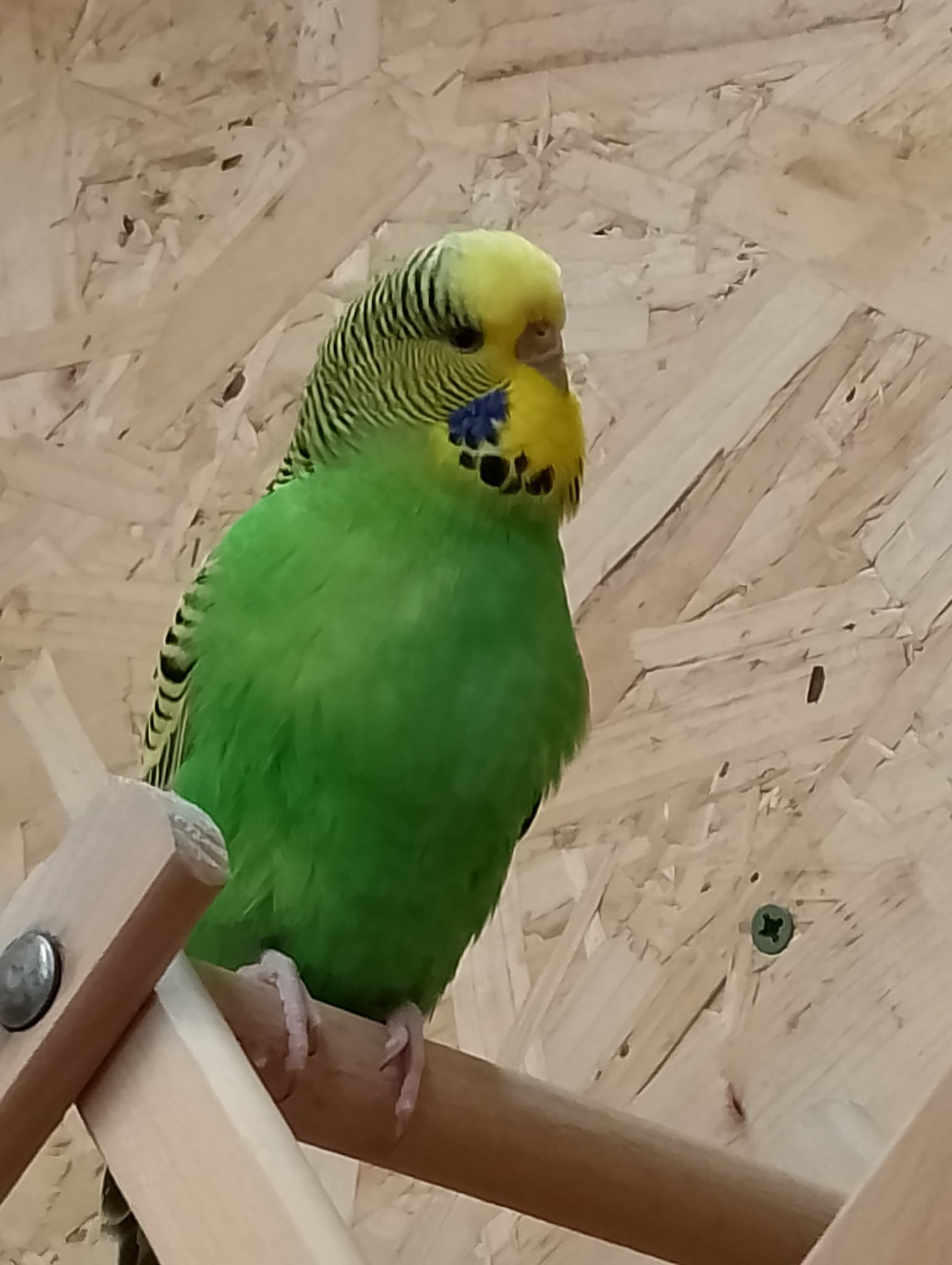
UK Pet Bird Owner? Did You Know About RSPB Rule Changes? Come And See Me Today
We provide welfare-led UK pet bird advice including the specific implications of RSPB rule changes for UK indoor pet birds, welfare-led response protocol implementation, UK avian vet referral for welfare-critical situations, and comprehensive UK pet bird owner community welfare education. Free thoughtful advice based on 35 years of UK pet bird welfare experience. That is how we have done things since 1988.