Greenfinch Disease and Budgie Hygiene: What Owners Should Check

From the counter at Paradise Pets
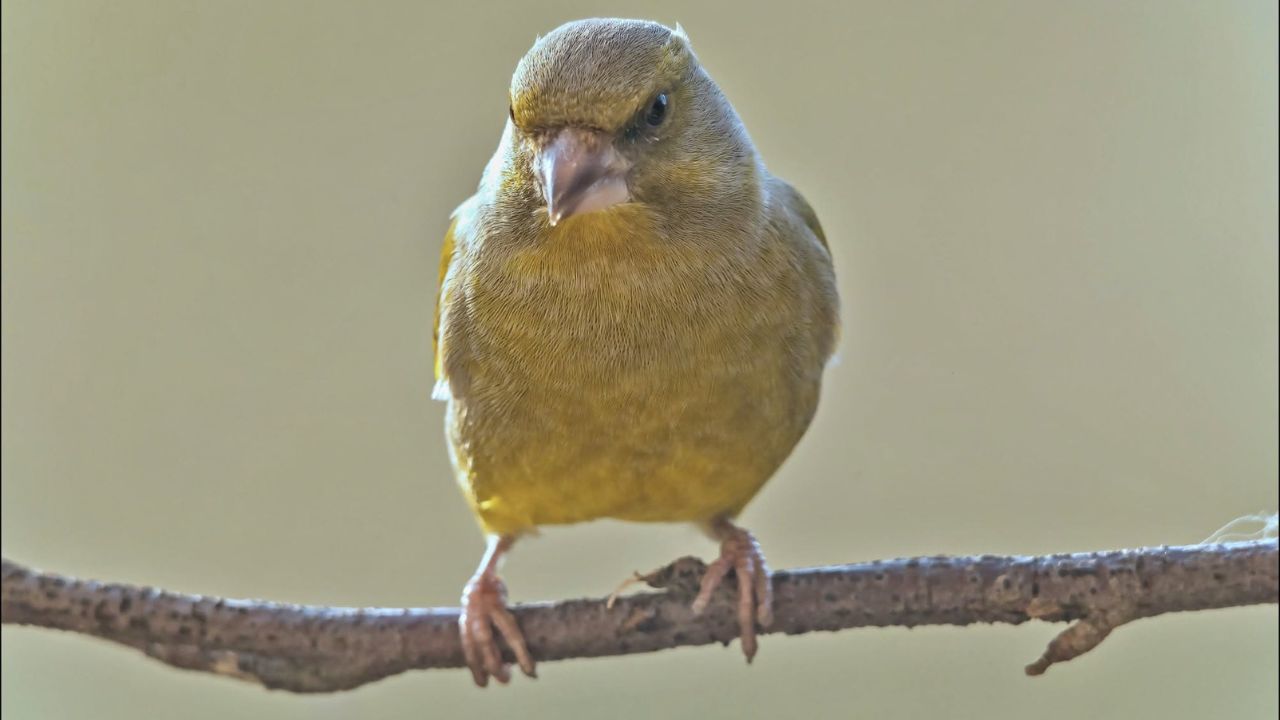
Neil has kept, bred, and sold birds at Paradise Pets Swindon since 1988 — over 35 years of first-hand experience with cage and aviary birds. The disease that has wiped out more than two million Greenfinches spread through one mechanism above all others. That mechanism exists in almost every multi-bird household in the UK — and most owners have never been told to think about it.

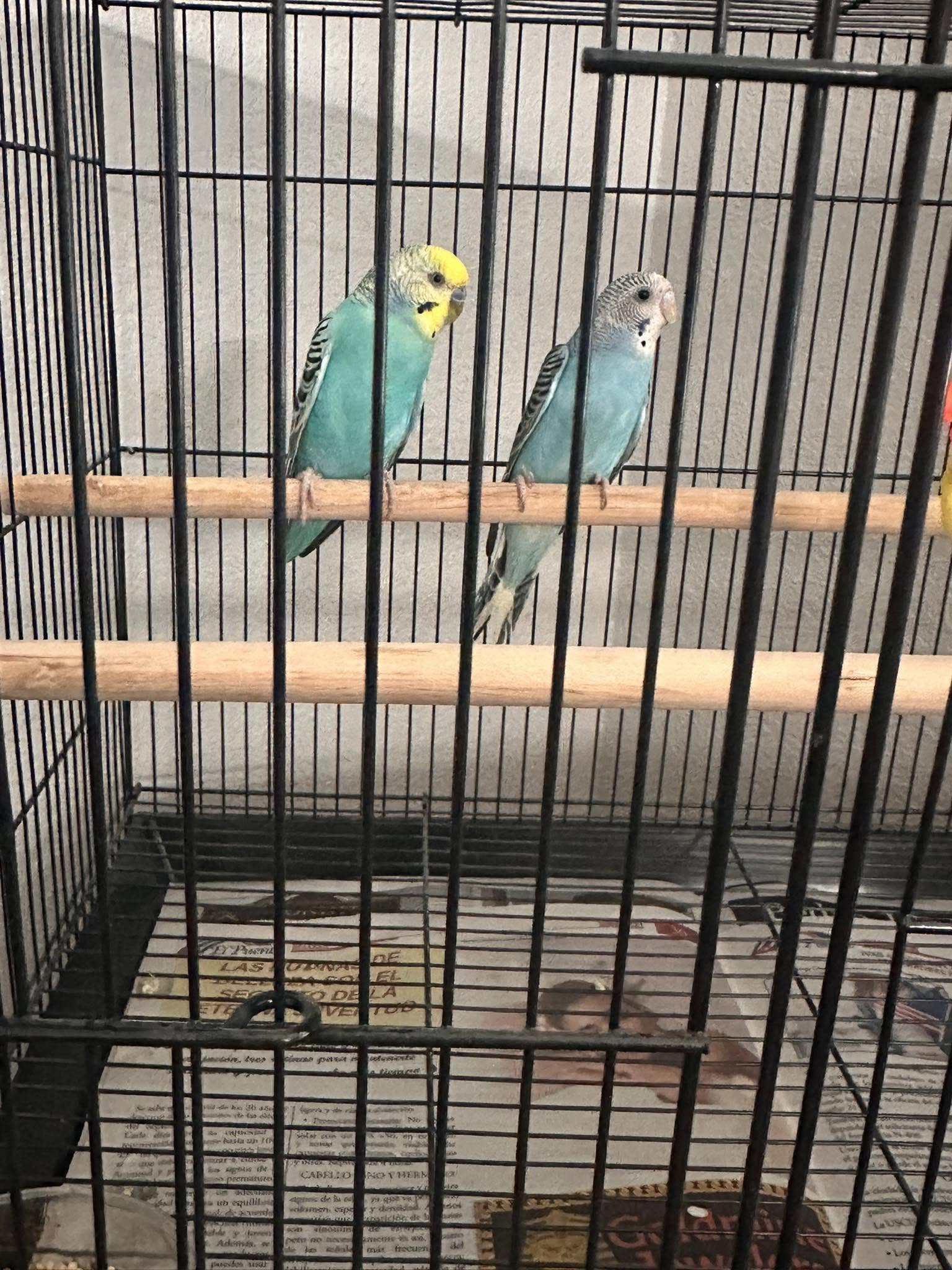
A man came in recently who had been following the Greenfinch collapse story closely. He understood the disease — trichomonosis, spread through contaminated food and water at shared feeding stations. He understood why garden feeders were the problem. What he had not made the connection to was the pair of budgies in his living room, sharing the same seed dish and the same water bottle, every single day.

I asked him when he had last cleaned their water bottle properly — not rinsed, but properly cleaned. He thought about it. He could not give me a precise answer.

That is the conversation this article is for. Not the disease itself — I have covered that properly elsewhere on this site. This is about one specific thing: the parallel between what allowed trichomonosis to devastate the Greenfinch population, and what exists, right now, in the cage of almost every multi-bird household in the country.

“The disease did not spread because garden birds were unlucky. It spread because shared food and water points, poorly cleaned, gave it exactly the conditions it needed to move from bird to bird. That mechanism does not stop being relevant the moment you move indoors.”

How The Disease Actually Spread — The Specific Mechanism

Trichomonosis is caused by a protozoan parasite, Trichomonas gallinae, that affects the upper digestive tract. Infected birds drool saliva, regurgitate food they cannot swallow, and show difficulty swallowing — and it is precisely this regurgitation onto shared food surfaces that drives transmission to other birds using the same source.

The parasite spreads via regurgitated food and fresh saliva, both directly through birds feeding each other, and indirectly by consuming contaminated food or water. Because trichomonosis has the potential to cause mass mortality events, prevention is important — regular cleaning and disinfection of bird feeders and baths with 10% bleach will kill the parasite and help control other pathogens. T. gallinae cannot survive for long periods outside the host in dry environments.

That last detail is the one I want you to hold onto: the parasite cannot survive long outside a host in dry conditions. Which means it relies entirely on wet surfaces — contaminated water, moist regurgitated food — to move between birds. Remove those surfaces, or clean them properly and consistently, and the transmission route closes.

This is precisely what the RSPB’s updated guidance does for garden feeders. And it is precisely what proper cage hygiene does for pet birds — whether or not trichomonosis specifically is in your household right now.

What Your Budgie’s Cage Has In Common With A Garden Feeder

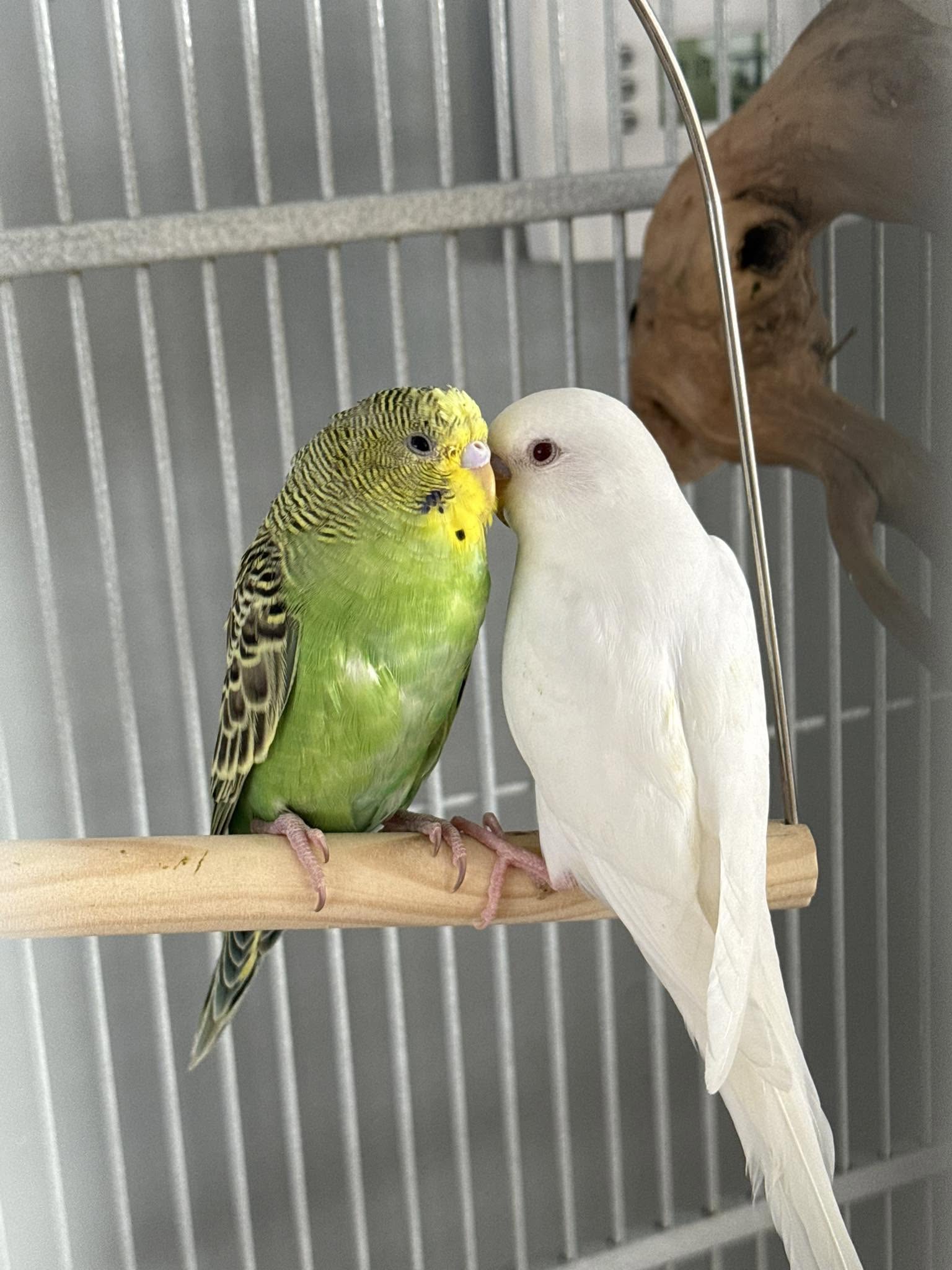
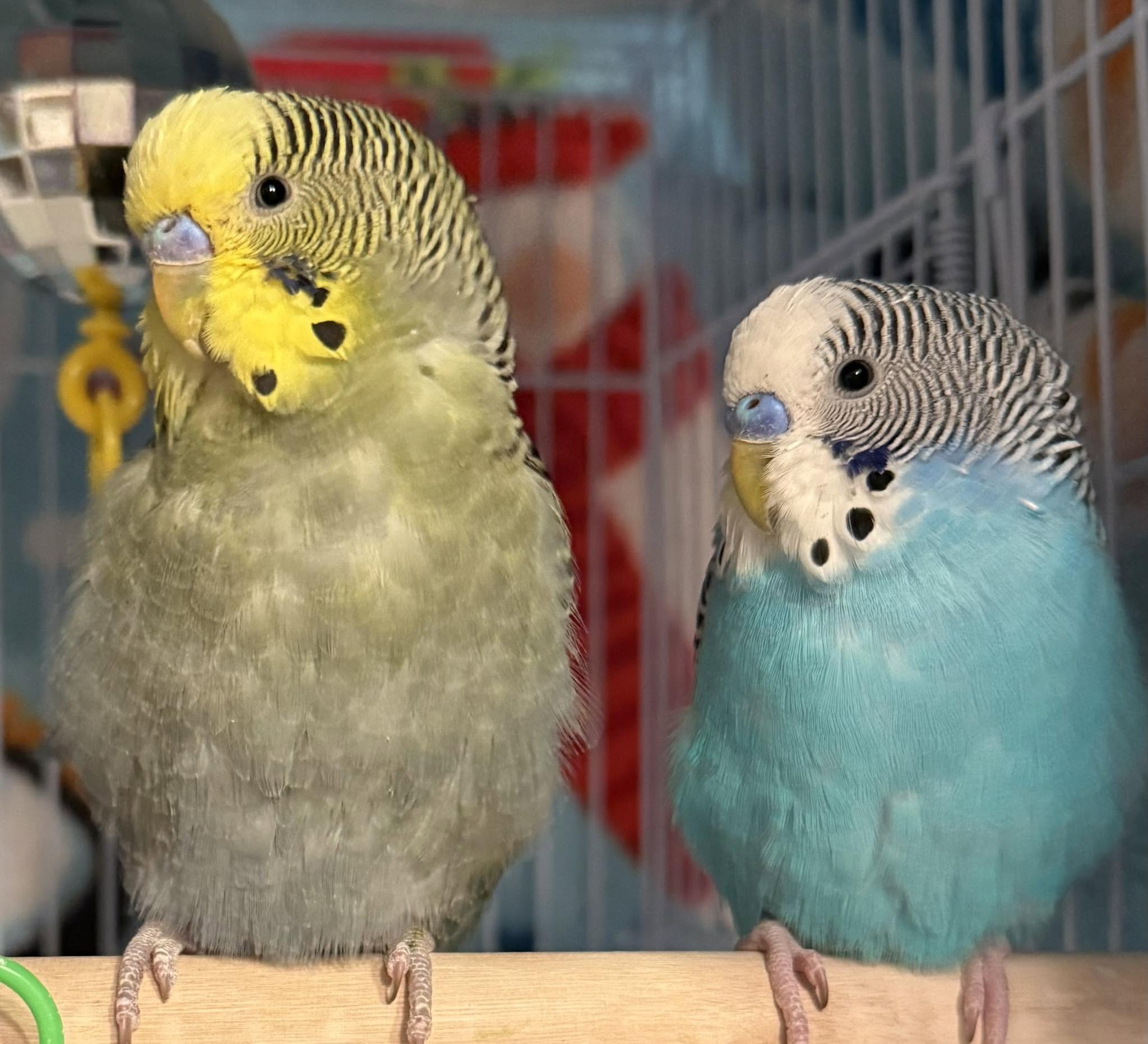
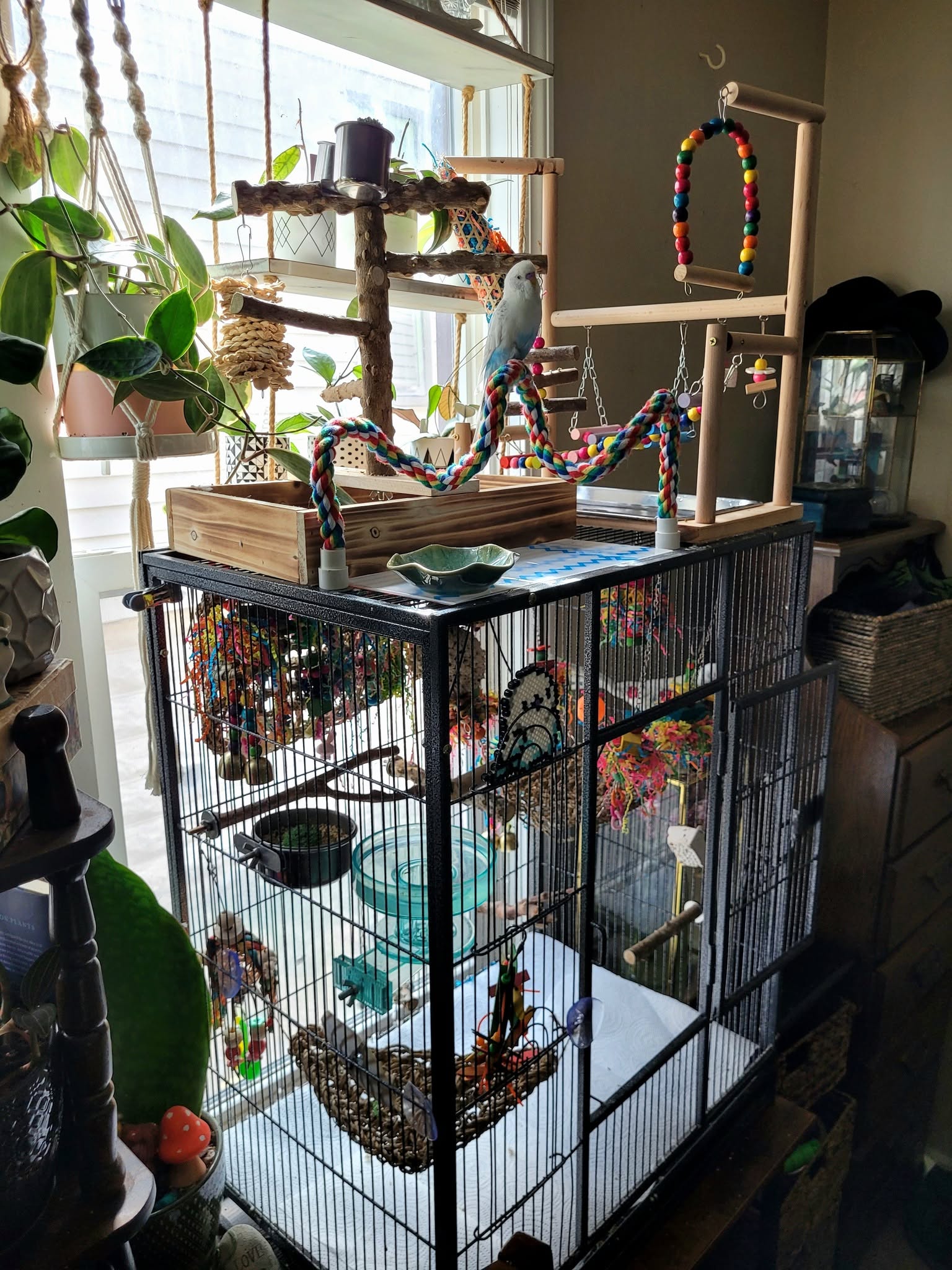
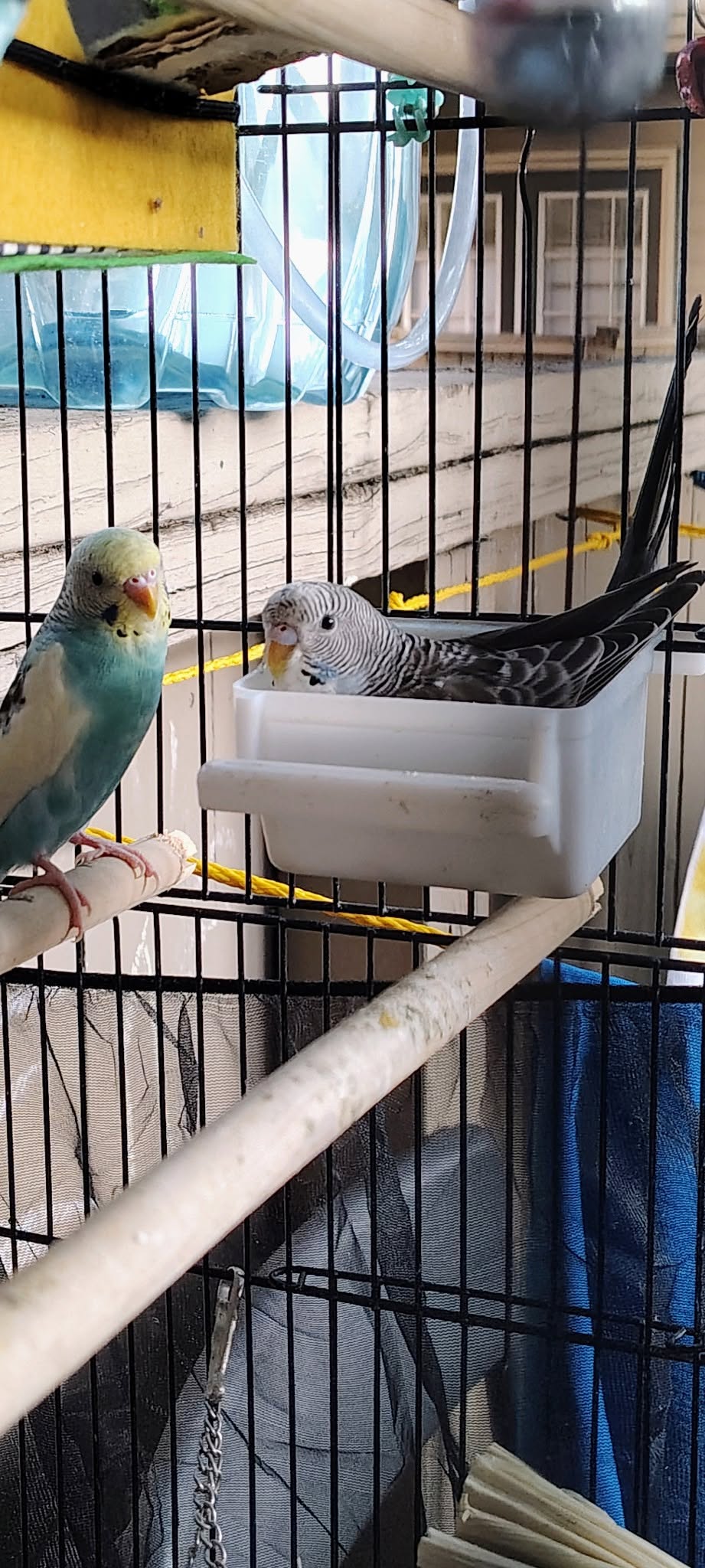
Think about what a shared cage actually contains in terms of transmission surfaces: a communal seed dish that multiple birds eat from throughout the day, a shared water source that multiple birds drink from and sometimes splash into, shared perches that birds sit on and occasionally regurgitate small amounts of food onto, and the cage floor where discarded food, droppings, and moisture accumulate between cleans.

Now think about what the RSPB identified as the core problem with garden feeders: shared food surfaces where one bird’s regurgitated, contaminated material remains available for the next bird to consume; shared water that quickly becomes contaminated; and infrequent enough cleaning that the contamination builds between sessions.

The surfaces are different in scale. The mechanism is identical. A garden feeder with thirty birds cycling through it in a day is a higher-risk environment than a cage with two budgies — but the transmission route that wiped out more than two million Greenfinches works the same way at any scale, provided three conditions are met: an infected bird, a shared contact surface, and inadequate cleaning frequency.

budgie shared cage food water dish hygiene UK

The Specific Hygiene Failures That Create The Risk

I am not suggesting every multi-bird household is at imminent risk of a trichomonosis outbreak. I am suggesting that the hygiene habits most owners have around their bird’s cage — habits built up over years without ever being challenged — contain exactly the vulnerabilities that allowed this disease to spread so effectively through garden bird populations. And that recognising those vulnerabilities, and correcting them, is worthwhile regardless of whether trichomonosis specifically is the threat you are thinking about.

The most common failures I see are these. Water bottles or dishes left for several days between changes, often because the water still looks clean. Seed dishes refilled on top of whatever is already there rather than cleaned between refills, allowing old, moist food debris to accumulate at the bottom. Perches cleaned occasionally rather than on any regular schedule. Cage floors cleaned when visibly dirty rather than to a consistent, preventive routine.

None of these feel like negligence. They feel like normal, reasonable maintenance. And for a healthy single bird with no infectious disease present, they probably are fine. The problem is that “fine until there is a problem” is not the same as “genuinely protected against the kind of transmission mechanism that spread trichomonosis through an entire wild bird population.”

neglected budgie cage hygiene dirty water dish UK

What The RSPB’s Updated Guidance Actually Says — And What It Means Indoors

The RSPB’s 2026 guidance, developed with the British Trust for Ornithology and the Institute of Zoology specifically in response to the Greenfinch crisis, changed three things that are directly translatable to indoor cage hygiene.

Daily
Change all water — every single day, using fresh tap water. Not top up. Replace entirely, and clean the container.
Weekly
Clean and move feeders — the indoor equivalent is a thorough clean of food dishes, water containers, and perches on a fixed weekly schedule
Remove
Retire flat surfaces where contaminated food collects — the indoor equivalent is removing any open flat dish that retains moisture and food debris
Separate
Space feeding points apart — in a large aviary with multiple birds, separate food and water stations reduce concentrated transmission risk

These are not exotic or difficult standards. They are the minimum that the evidence now says is needed to meaningfully reduce the transmission risk that this specific disease exploits. Applying them to an indoor cage — daily water change, weekly proper clean of all contact surfaces, no build-up of moist food debris — costs almost nothing and removes the conditions the disease needs to spread.

clean budgie cage proper food water setup UK

Is Your Budgie Actually At Risk From Trichomonosis Specifically?

I want to be precise about this rather than alarming. Trichomonas gallinae is a parasite of birds and there is no known health threat to people or to mammals. The parasite has the potential to affect captive poultry and pet birds. The genuine risk pathway to an indoor budgie requires actual contact with an infected bird or a contaminated surface from the outside world — through shared outdoor space, a wild bird brought indoors, or equipment contaminated through garden bird contact.

A budgie kept entirely indoors, in a properly maintained cage, with no contact with garden bird feeding areas or wild birds, has a genuinely low direct risk from trichomonosis specifically. That is not spin — it is accurate.

What is also accurate is that the hygiene conditions that would allow trichomonosis to spread through a multi-bird indoor setup are present in a great many households, whether or not trichomonosis itself is currently anywhere nearby. And the habits that protect against that specific disease are the same habits that protect against the range of other conditions that shared food and water surfaces can transmit between birds — bacterial infections, yeast infections, and others that are genuinely more common in indoor pet birds than trichomonosis is.

cleaning budgie cage food water dish properly UK

The Practical Standard Worth Applying Right Now

Change the water in your bird’s cage or aviary every single day. Not the same water topped up. The whole thing emptied, the container rinsed and ideally wiped with a clean cloth, and refilled with fresh tap water. This single habit eliminates the standing water that is the most consistently identified transmission route for every waterborne avian disease, including trichomonosis.

Clean food dishes properly at least once a week. Not a wipe around the outside. Remove any old food debris from the base, wash the dish, dry it, and refill. Old moist food debris at the bottom of a dish is exactly the environment that a range of avian pathogens, including Trichomonas gallinae, can survive in and be transmitted through.

Clean perches on a regular schedule, not just when they are visibly dirty. Birds regurgitate small amounts of food onto perches regularly, and that material is a transmission surface in exactly the same way the surface of a garden feeder is.

And if you keep multiple birds in an aviary rather than a single cage, consider multiple food and water points separated from each other rather than one concentrated station where all birds gather — the same principle the RSPB applied to garden feeders, scaled to your indoor setup.

daily fresh water change budgie cage routine UK

Frequently Asked Questions

Does trichomonosis actually spread between indoor pet birds in the UK?

The parasite has the potential to affect captive poultry and pet birds, and it has been documented in cage birds. The genuine risk to a fully indoor bird with no contact with wild birds or garden feeding areas is low. The point of this article is that the hygiene conditions that would enable transmission — shared moist surfaces, infrequent water changes, build-up of food debris — are present in many indoor setups and worth addressing regardless of the specific disease threat.

How is the water bottle or dish in my cage different from a garden bird bath in terms of risk?

Different in scale and in how many birds cycle through it, but the mechanism is the same: standing water that is not changed frequently enough becomes a shared transmission surface. T. gallinae cannot survive for long periods outside the host in dry environments — which means consistently fresh water genuinely removes the primary transmission route.

Is a weekly cage clean really enough, or should it be more frequent?

For most indoor setups, daily water change plus weekly thorough clean of food dishes, perches, and cage surfaces is the minimum standard the evidence supports. For aviaries with more birds, or any setup where a bird is known to be unwell, more frequent cleaning is appropriate.

What cleaning products are safe to use on bird cage equipment?

Diluted white vinegar or specialist avian-safe disinfectants are generally recommended. Standard household cleaning products — bleach in particular — are effective at killing pathogens including Trichomonas gallinae on surfaces but should be thoroughly rinsed before any bird contact, as the residues are themselves harmful to birds.

If my bird seems fine, does the hygiene standard still matter?

Yes — the hygiene standard is most valuable before a problem appears, not after. A bird that seems entirely well can carry some pathogens without showing symptoms, and the cage conditions that would allow transmission to a second bird are the same whether the first bird looks visibly unwell or not.

Where can I read more about the Greenfinch decline and trichomonosis in garden birds specifically?

We have covered this in more depth in a separate article on this site — including the full history of the disease, what it looks like in affected birds, and what the RSPB’s updated feeding guidance means in practice.

One Last Thing From Me

The man who came in understanding the Greenfinch story but had not connected it to his own budgies left that day with a different picture. Not alarmed — his birds were not at acute risk. But more aware of a specific parallel he had never been asked to draw before, and with a clearer sense of what his cage hygiene routine needed to look like to genuinely close the vulnerability that the Greenfinch story illustrates so clearly.

That is the value of the parallel, in the end. Not to suggest your budgie is about to catch the disease that devastated the Greenfinch population. But to use the most visible, well-documented example of how transmission through shared food and water surfaces actually works, and apply it directly to the setup sitting in your living room — because the mechanism does not care whether it is outdoors or indoors, or whether the birds involved are wild or kept.

Clean the water. Clean the dish. Keep the surfaces dry between uses. That is what the evidence says works.

If you want to talk through your own cage setup or anything about your bird’s care, come and find us at Manor Garden Centre, Cheney Manor, Swindon SN2 2QJ. Get in touch here or call 01793 512400.

Questions About Your Bird’s Setup? Come And Talk To Us

We stock cage cleaning supplies, avian-safe disinfectants, and everything you need to maintain your bird’s environment properly. Come in and talk to us if you have any questions.

AddressManor Garden Centre, Cheney Manor Industrial Estate, Swindon, SN2 2QJ

Written by Neil — Neil has owned and run Paradise Pets Swindon since 1988. He has kept, bred, and sold cage and aviary birds for over 35 years. For advice on any bird, visit us at Manor Garden Centre, Cheney Manor, Swindon — or call 01793 512400.

⭐ Customer Reviews

Amazing Bird Selection

May 25, 2026

Had a lovley visit today,staff were very friendly and very helpful,such a great petshop,their selection of birds is incredible,really impressed,thank so much to the staff at Paradise Pets

Avatar for Craig Shears
Craig Shears

Friendly Helpful Staff

May 25, 2026

I have been coming to this place for years and they have a great stock of food for all types of pets. Have a great selection of small mammals and a lot of birds. Staff are friendly and helpful.

Avatar for Simon Miles
Simon Miles

Great Quality Hutch

May 1, 2026

Bought a guinea pigs hutch and run combo, very happy with the service, the hutch was put in my car for me without even asking for help. The wood quality is very good, the instructions easy to follow and we are extremely happy with the fully built hutch. A good size for 2 guinea pigs

Avatar for Melanie Latus
Melanie Latus

Response from Paradise Pets | Wiltshire

Thank you Melanie Latus Nice to provide services to you.

Best Bird Shop Around

April 29, 2026

It’s the best pet shop in and around Swindon. They always have an amazing selection of birds and all you need to keep them happy. I keep birds myself and the guys there are happy to answer questions and really know their stuff. I have seen budgies etc. in chain pet shops in the area looking really unhealthy and ill – I wouldn’t go anywhere else than Paradise Pets for animals.

Avatar for Joe Salter
Joe Salter

Highly Recommended Bird Shop

April 28, 2026

I could not praise this shop enough. Really helped my Grandson buy his first bird and he’s loving it. Travelled from Somerset and was welcomed with open arms.

Avatar for Debra Hart
Debra Hart

Great Shop with Competitive Prices

April 28, 2026

Great shop with amazing selection for small animals, hamsters, mice ect, highly recommend!

Also has a great selection for dogs & cats too & very competitive prices! 💖

Avatar for Lauren
Lauren

Written by Neil - Owner, Paradise Pets Swindon

Neil has owned and run Paradise Pets Swindon since 1988 — over 35 years of first-hand experience keeping, breeding and selling budgies, cockatiels, canaries, hamsters, gerbils, rabbits and guinea pigs. He has helped thousands of UK pet owners over the decades, and everything he writes comes from real experience at the counter — not textbooks. For advice on any pet, visit Paradise Pets at Manor Garden Centre, Cheney Manor, Swindon SN2 2QJ or call 01793 512400. Neil is not a veterinary surgeon. For urgent illness, injury or emergency symptoms, pet owners should contact a qualified vet. Meet Neil, owner of Paradise Pets Swindon since 1988. Neil writes practical, first-hand pet care advice based on more than 35 years of helping UK owners with birds, rabbits, guinea pigs, hamsters, gerbils and other small pets.

View more updates from Neil - Owner, Paradise Pets Swindon

Leave a Comment