

Neil has sold bird feeders, seed, and everything garden-bird related at Paradise Pets Swindon since 1988 — over 35 years of watching how garden bird feeding has changed. The RSPB’s latest guidance, published alongside the 2026 Big Garden Birdwatch results, is a genuine shift in long-standing advice. This is his honest, practical breakdown of what it actually means and what every UK bird-feeding household should do now.
A regular customer came in last week holding her usual shopping list — peanuts, sunflower hearts, the same mix she has bought from us for years — and asked me straight out whether she should even be feeding the birds in her garden anymore. She had seen something online about a disease linked to feeders and did not know what to believe.
I told her the honest answer: yes, keep feeding, but the advice on how has genuinely changed this year, and it is worth taking seriously. This is not scare reporting or an exaggerated headline. The RSPB has reviewed the science properly, working with other bodies including the BTO and the Institute of Zoology, and has changed its long-standing guidance as a direct result of what that review found.
I want to walk through exactly what has changed, why, and what it actually means for anyone in the UK who puts food out for garden birds — because the advice that most of us grew up following has, in a meaningful way, moved on.
What The 2026 Big Garden Birdwatch Actually Found
The Big Garden Birdwatch is the RSPB’s annual citizen science survey, and it is genuinely the world’s largest event of its kind. More than 650,000 people took part in the 2026 count, together counting over nine million birds across more than eighty species.
House Sparrows held the top spot again as the most commonly recorded garden bird, with Blue Tits in second place and Starlings climbing to third. On the surface, that sounds like a fairly stable picture. But further down the rankings, the data told a much more concerning story.
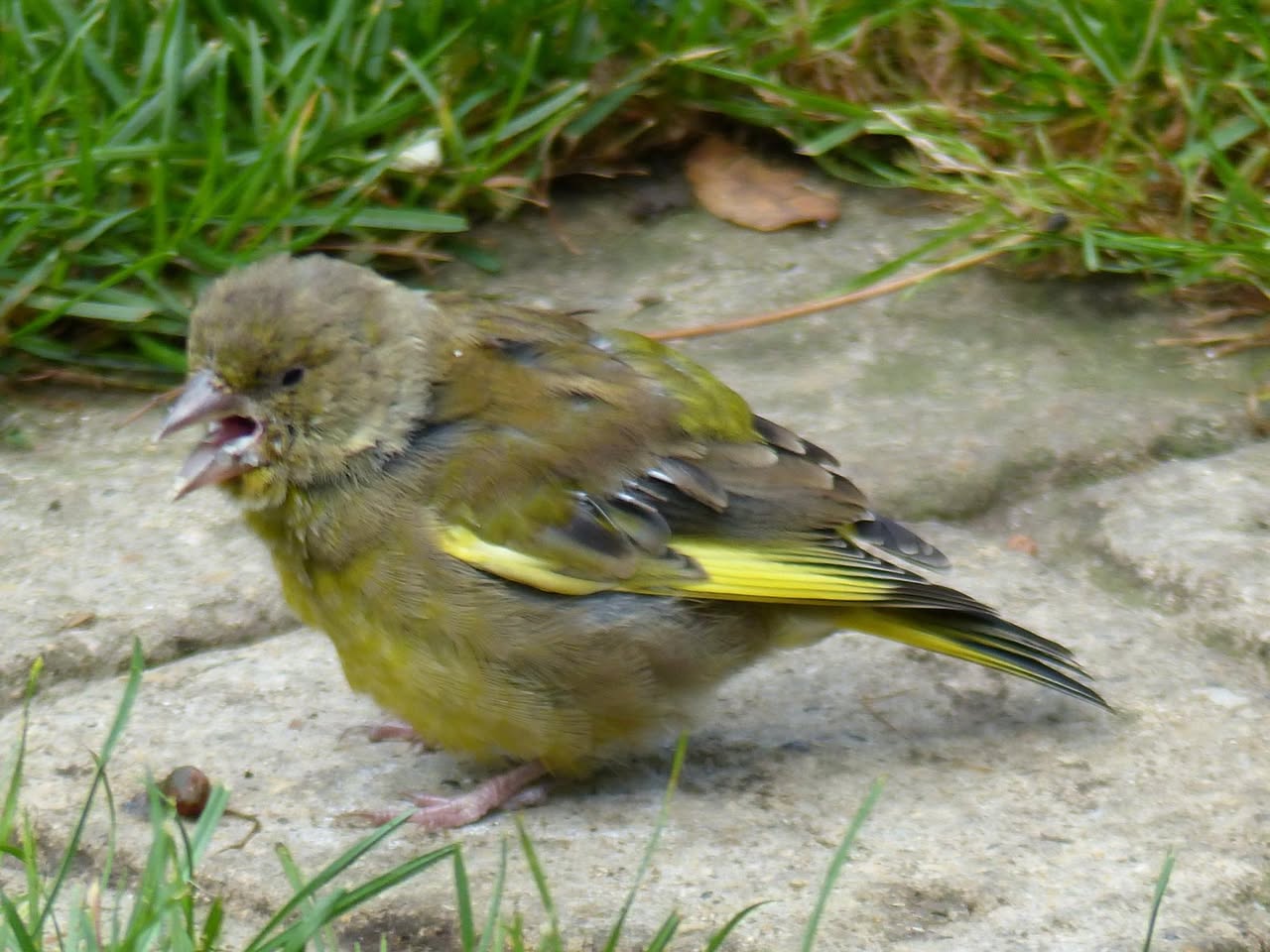
Greenfinches have seen a 67% decline in average numbers recorded since the Birdwatch began in 1979, and the species is now on the UK Red List of conservation concern. Other UK-wide surveys show an even steeper drop of over 65% since the mid-1990s, amounting to a loss of more than two million birds. That is not a gradual, natural fluctuation. That is a genuine collapse in one of our most familiar garden visitors, and it has a specific, identifiable cause.
The Disease Behind The Decline — Trichomonosis
The disease responsible is trichomonosis, caused by a parasite that affects the mouth, throat, and upper digestive tract of birds, making it difficult for them to eat, drink, or breathe. Infected birds become lethargic, with plumped-up feathers and matted, wet plumage around the beak and face.
What makes this disease particularly dangerous in a garden feeding context is how it spreads. Infected birds primarily spread the parasite through regurgitated food and saliva, both indirectly by contaminating food and water, and directly when feeding other birds. Birds affected by trichomonosis often struggle to swallow food properly, so they regurgitate contaminated food back onto a surface, where healthy birds then pick it up.
This is the mechanism that explains why feeders — something most of us have always thought of as purely beneficial — can become genuine disease hotspots, particularly when many birds are gathering in one place at the same time of year the parasite spreads most easily.
Why Feeders Specifically Are Part Of The Problem
The cause of the Greenfinch losses is disease, especially trichomonosis, which spreads more easily when birds gather around feeders, particularly in summer and autumn. The RSPB’s review specifically looked at what happens when we feed garden birds, and found the picture to be genuinely mixed — real benefits, but also risks that had not previously been weighted heavily enough in official guidance.
A key factor identified is feeder design. Flat-surface feeders, including bird tables and window feeders, carry a higher risk of disease spread, because regurgitated, contaminated food collects on the flat surface where it remains available for other birds to pick up. Crucially, even daily feeder cleaning does not fully prevent healthy birds from ingesting food that has already been contaminated through this process.
This is the detail I think matters most for ordinary bird-feeding households to understand. It is not simply about how often you clean your feeder — though that still matters — it is about the type of feeder itself, and whether its design allows contaminated food to sit and be picked up by other birds.
What The RSPB’s New Guidance Actually Says
The RSPB’s message is summarised as “feed seasonally, feed safely,” and it represents a genuine update to advice that previously focused mainly on keeping feeders clean.
Feed Seasonally — The Headline Change
From 1 May to 31 October, the advice is to pause filling feeders with seed and peanuts, to prevent too many birds gathering in one place during the period of highest disease risk. Small amounts of mealworms, fat balls, or suet can continue to be offered year-round. During the colder months, from 1 November to 30 April, the full range of food including seeds and peanuts can resume.
This is the single biggest practical change for most households, and I expect it to feel counterintuitive at first, since summer is when most of us assume birds appreciate extra food the least urgently anyway — but it turns out that assumption lines up reasonably well with when the disease risk is highest, which is at least some small comfort.
Retire Flat-Surfaced Feeders
Research has confirmed a higher risk of disease spreading on flat surfaces, where contaminated food can collect for other birds to eat — meaning bird tables and any feeder with a flat surface are now advised against. This is a genuine, practical change in what type of feeder is considered appropriate, not just how it is used.
Clean And Move Feeders Weekly
Feeders should be given a thorough clean at least once a week, and moved to a different spot in the garden after each clean to prevent contaminated debris building up in one location. Any existing debris underneath should be cleared away too.
Change Water Daily
Water should only be offered if it can be changed every day, using fresh tap water. Standing water that is not changed regularly carries the same contamination risk as old food sitting on a flat surface.
Space Feeders Apart And Away From Roosting Areas
If using multiple feeders, they should be spaced apart to avoid large gatherings of birds and reduce mixing between species, and should not be placed underneath areas where birds roost, such as trees.
Should You Stop Feeding Birds Altogether?
No — and the RSPB has been clear about this directly. RSPB chief executive Beccy Speight said that feeding birds is something millions of people love and value, and that the science shows species such as Greenfinches have been affected by disease spread at feeders — but the message is not to stop feeding, only to feed in a way that protects birds’ long-term health. She added that by making small changes together, garden feeding can continue to be a positive force for nature.
I think this is the right balance, and it matches what I would tell anyone who came into the shop worried by this news. Feeding garden birds responsibly remains genuinely beneficial. What has changed is the definition of “responsibly,” and that definition now includes seasonal timing and feeder design in a way it did not used to.
What This Means For Other Wildlife Charities Too
This is not advice limited to England or to the RSPB specifically. The Scottish SPCA has issued matching updated guidance, noting that around 70% of the 5,550 wild animals admitted every year to its National Wildlife Rescue Centre are birds, and urging the public to follow the new feeding guidance to help reduce preventable illness. A Scottish SPCA spokesperson noted that their rescue officers and wildlife centre regularly see high numbers of birds with trichomonosis in the summer months, at various degrees of severity, and that the new guidance is designed to reduce bird density at feeding stations and improve hygiene practices.
This consistency across multiple wildlife welfare organisations reinforces that the change is grounded in genuine, shared evidence rather than being a single body’s individual judgement call.
Supporting Birds Naturally Alongside Feeders
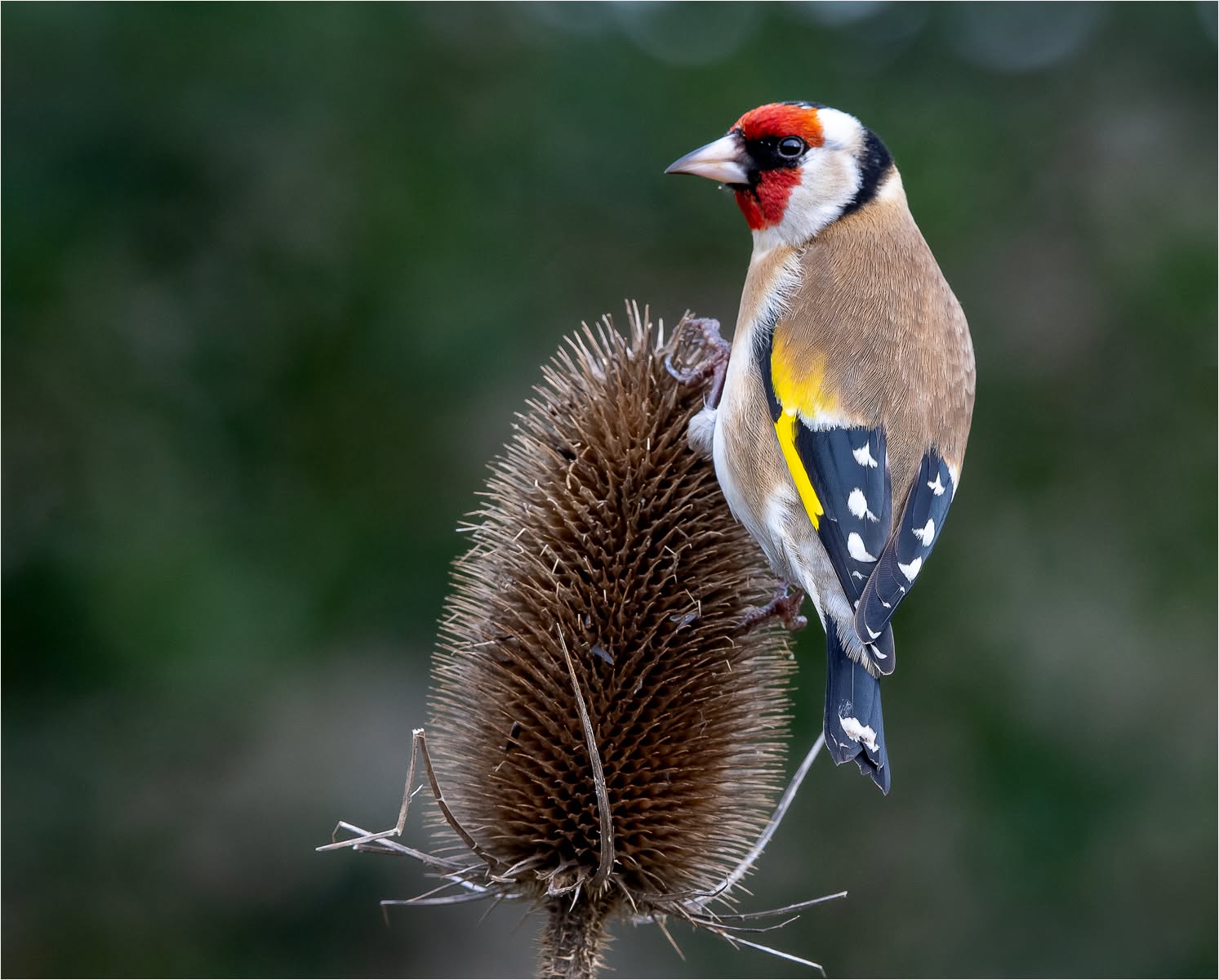
Part of the updated guidance is not just about how to feed, but about reducing reliance on feeders altogether where possible. The RSPB suggests bird-friendly planting — such as sunflowers, teasels, and ivy — as a way to provide natural, safer food sources and encourage the insects that many garden birds also rely on.
I think this is a sensible long-term direction regardless of the disease concern specifically. A garden that provides some natural food sources alongside responsibly managed feeders gives birds options beyond a single concentrated point where many individuals are gathering and potentially passing disease between each other
What I’d Recommend In Practical Terms
Based on everything above, here is what I am telling customers who come in asking what they should actually do differently this year.
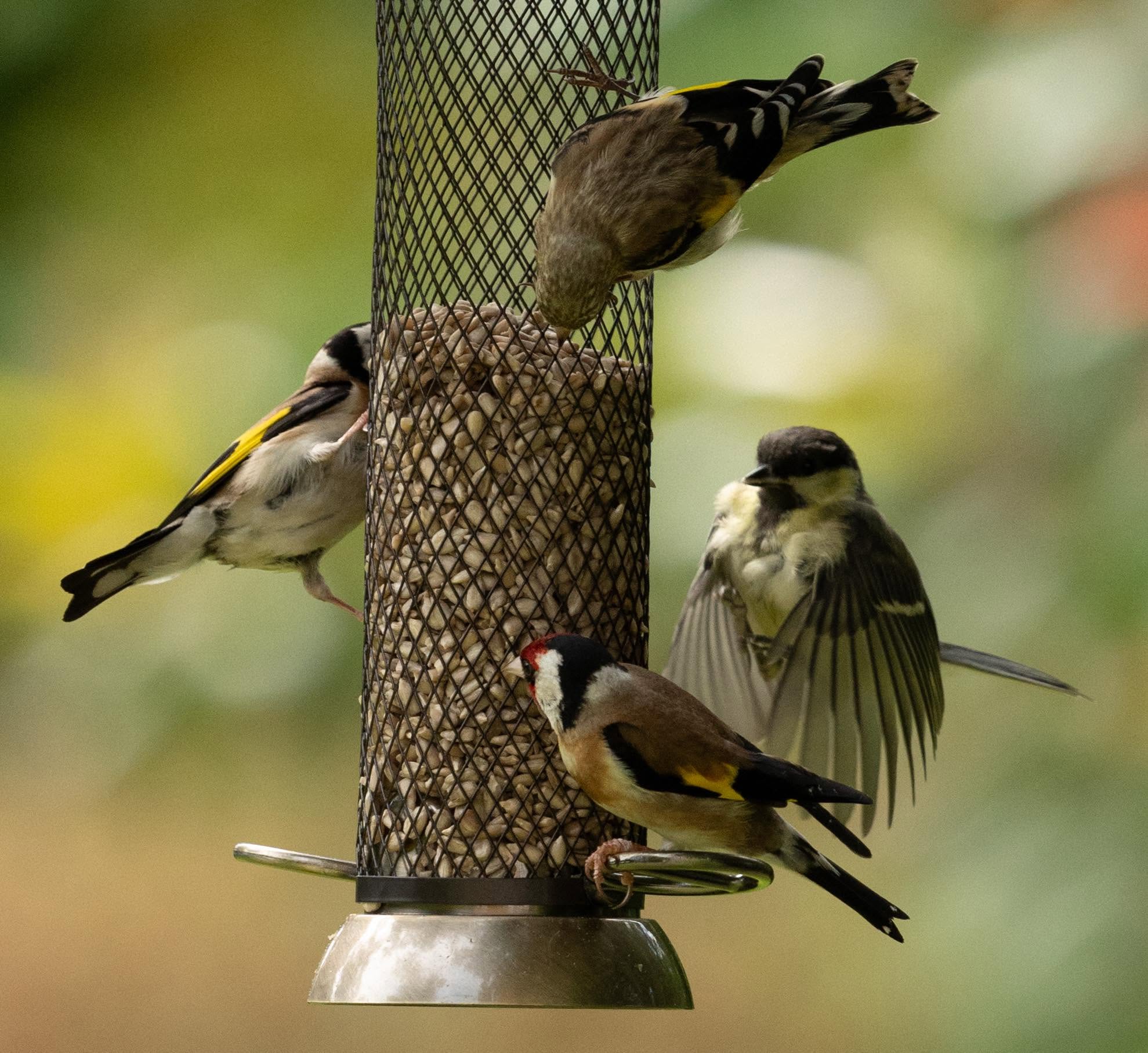
Switch your feeder type if you are currently using anything with a flat surface, including bird tables. A tube or hopper-style feeder where food is dispensed rather than sitting exposed on an open surface is the safer choice under the new guidance.
Follow the seasonal pattern — full range of food including seed and peanuts from November through April, and a reduced offering of just mealworms, fat balls, or suet through the summer and autumn months from May to October.
Build a proper cleaning routine into your week, not just an occasional once-over. A weekly clean, combined with moving the feeder to a slightly different spot each time, genuinely reduces the build-up the disease relies on to spread.
If you keep a bird bath, only fill it if you are genuinely able to change the water daily — a static, infrequently refreshed water source can become as much of a risk as the food itself.
And if you ever see a bird at your feeder showing signs of illness — lethargy, puffed-up feathers, matted or wet-looking feathers around the face — take feeders down for a short period and give everything a thorough clean before putting them back out, to avoid that individual bird spreading infection further through the local population.
Frequently Asked Questions
Does this guidance apply to all UK gardens, or just certain areas?
It applies UK-wide. The RSPB’s guidance covers England, Wales, and Northern Ireland, and the Scottish SPCA has issued matching seasonal feeding advice for Scotland specifically, so the core recommendations are consistent across the whole of the UK.
What foods are still safe to offer during the May to October pause?
Small amounts of mealworms, fat balls, or suet can continue to be offered year-round, including through the higher-risk summer and autumn months. It is specifically seed and peanuts that should be paused during this period.
Is it safe to use a bird table if I clean it every single day?
The RSPB’s research found that even regular cleaning does not fully prevent healthy birds from ingesting food that has already been contaminated through the regurgitation process specific to trichomonosis. The recommendation now is to retire flat-surfaced feeders, including bird tables, rather than rely on cleaning frequency alone to manage the risk.
What does a bird with trichomonosis actually look like?
Affected birds typically appear lethargic, with puffed-up feathers, and often have matted, wet-looking plumage around the beak and face, reflecting the difficulty they have swallowing and the resulting drooling or regurgitation.
If I see a sick bird at my feeder, what should I do?
Take feeders and water sources down for a short period, clean them thoroughly, and consider relocating them before putting them back out. This reduces the chance of the affected bird spreading the parasite to others gathering at the same site. Avoid handling any sick or dead bird directly, and wash your hands thoroughly if any contact occurs.
Will this guidance change again as more research comes in?
It is reasonable to expect refinement over time, as the RSPB has explicitly framed this as the result of an evidence review involving the BTO and the Institute of Zoology, and presumably that kind of ongoing research will continue. For now, the seasonal feeding and flat-surface feeder guidance represents the current best evidence-based recommendation.
One Last Thing From Me
The customer who asked me about this last week left with a clear plan — a new tube feeder to replace her old bird table, a note in her diary to switch back to full feeding in November, and a weekly reminder to give everything a proper clean and shift its position slightly.
That is really all this guidance asks of any of us. Not to stop something millions of people genuinely value, but to do it slightly differently, in a way that the evidence now shows protects the birds we are trying to help in the first place. After 35 years of selling feeders and seed across this counter, I would rather pass on an update like this clearly than have customers find out the hard way that their good intentions were inadvertently part of the problem.
If you want advice on the right feeder type for your garden, or anything else about feeding garden birds responsibly, come and find us at Manor Garden Centre, Cheney Manor, Swindon SN2 2QJ. Get in touch here or call 01793 512400.
Switching Your Garden Feeder Setup? Come And Talk To Us
We stock tube and hopper feeders, fat balls, suet, mealworms, and seasonal feeding supplies. If you want help choosing the right setup under the new RSPB guidance, come in and talk to us.