
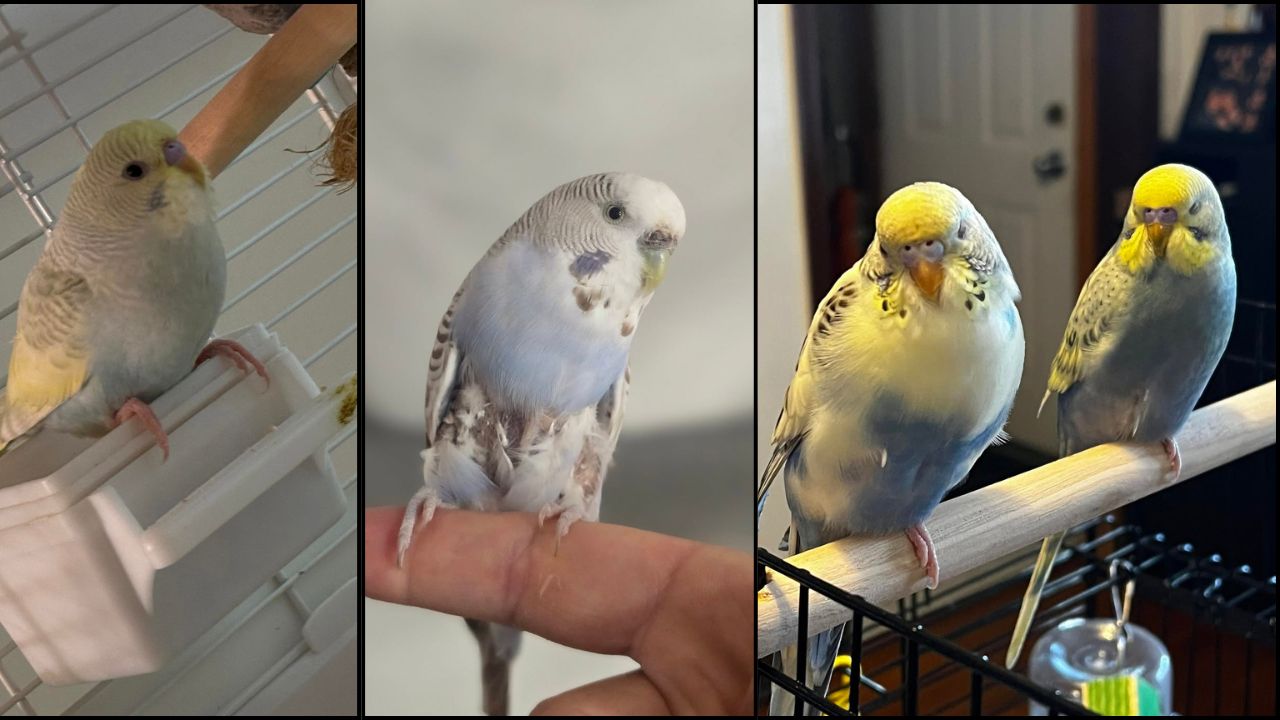

Neil has kept, bred, and sold budgerigars and cage birds at Paradise Pets Swindon since 1988 — over 35 years of first-hand experience with budgies of every age, background, and health status. Every summer he sees a pattern at the counter that concerns him. This is his honest account of why summer is harder on budgies than most owners realise — and what to watch for before a problem becomes a crisis.
Two women came in last week, on separate days, with almost identical stories. Both had budgies that had been perfectly well in spring. Both budgies had gone quiet, stopped eating normally, and were sitting fluffed on the bottom of the cage. One bird had already been to the vet. The other owner was hoping the problem would pass on its own.
I have had versions of these conversations every summer for 35 years. And every year, without fail, the pattern is the same — the warmer months bring a specific set of pressures that budgies are poorly equipped to handle, owners who do not know what to look for miss the early signs, and birds that could have been helped early arrive at the vet — or at my counter — later than they should.
I am not writing this to alarm anyone. Most budgies get through summer perfectly well with an owner who is paying attention. But I am writing it because the number of sick budgies I hear about each summer has not gone down in 35 years, and the reasons are almost always the same — and almost always preventable, or at least catchable earlier than they are caught.
This article is my honest account of what summer actually does to budgies, why UK vets are consistently busier with small bird cases in the warmer months, and what you should be watching for if you want your bird to come through summer in the same condition it went into it.
Why Summer Is Harder On Budgies Than Most Owners Expect
The assumption most owners make — reasonably enough — is that warm weather is good for birds. Budgies come from Australia, after all. Warmth should suit them.
The mistake in that reasoning is about what kind of warmth. The Australian interior where budgies evolved is hot but dry, with natural ventilation, shade, access to water, and the ability to move freely to regulate temperature. A UK home in summer is something quite different — often humid, frequently poorly ventilated, with windows closed against insects or noise, temperature swings between cool nights and hot afternoons, and a cage that sits in a spot chosen for the owner’s convenience rather than the bird’s thermal management.
The UK summer also brings specific environmental hazards that do not exist in winter — insects, open windows that allow direct draughts, garden chemicals drifting through open doors, barbeque smoke, and the tendency of owners to move cages into conservatories or near windows that become heat traps on warm afternoons.
None of these things individually is necessarily catastrophic. Together, and over weeks, they create conditions that stress budgies in ways that make them more susceptible to illness — and that can trigger or accelerate problems that might otherwise have remained manageable.
The Specific Summer Risks — What Is Actually Happening
1. Overheating — The Most Underestimated Danger
Budgies can tolerate warmth but they are not equipped to handle sustained high temperatures, particularly in humid conditions. A budgie in a cage near a south-facing window on a hot July afternoon may be experiencing temperatures that are genuinely dangerous — and unlike a human, it cannot remove itself from the situation, open a window, or get itself a drink of cold water.
The signs of overheating in a budgie are specific and worth knowing: the bird holds its wings slightly away from its body, breathes with an open beak, sits at the lowest point of the cage, and may look glassy-eyed or unresponsive. This is a bird in acute heat stress, and it needs immediate action — moving to a cooler location, ensuring fresh water is available, and in serious cases a vet call.
The less acute version — a budgie that is consistently warmer than it should be, not quite at crisis point but under thermal stress daily — is harder to see but equally damaging over time. Chronic heat stress suppresses immune function and makes the bird significantly more vulnerable to secondary infections.
The practical prevention is simple: know where the sun falls in your home throughout the day, and make sure the cage is never in direct afternoon sun. A shaded position with access to air movement — not a direct draught — is what you are aiming for.
2. Humidity And Respiratory Problems
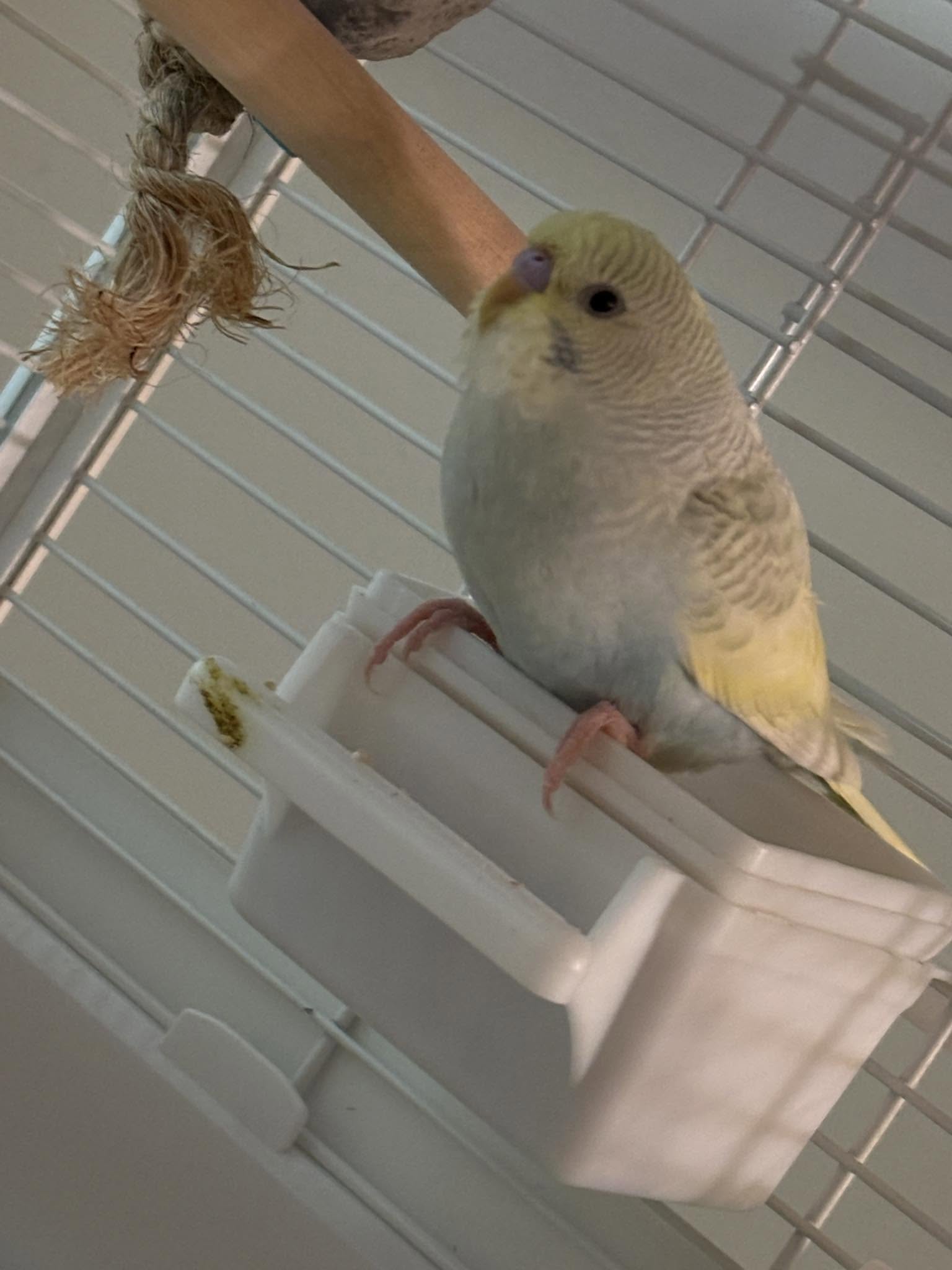
UK summers are often humid in ways that the arid Australian interior is not. High humidity affects budgies in two ways. First, it makes thermoregulation harder — a humid environment reduces the effectiveness of the cooling behaviour budgies use naturally. Second, high humidity creates ideal conditions for the bacterial and fungal growth that drives respiratory infections.
A budgie living in a warm, humid room in summer is living in conditions that favour the development of Aspergillosis — a fungal infection of the respiratory system that is one of the more serious things I see in budgies — and a range of bacterial respiratory infections that show up in summer more than any other time of year.
Signs of respiratory trouble in budgies include tail bobbing with each breath, clicking or wheezing sounds, open-beak breathing at rest, nasal discharge, and a general quietness and lethargy that is different from the bird’s normal behaviour. Any of these in summer should be taken seriously and assessed by an avian vet promptly.
3. Water Management — The Problem Nobody Thinks About Until It Is Too Late
Water in summer is a different proposition from water in winter. In warm conditions, a water dish or bottle that is perfectly acceptable in February becomes a bacterial breeding ground within hours in July. Algae, bacteria, and contamination from food dropped into open water dishes multiply rapidly in warm conditions, and a budgie drinking from contaminated water is a budgie taking in bacteria with every sip.
This is one of the most common causes of the summer digestive and systemic problems I see. The owner has been managing their budgie’s water perfectly adequately all year and does not realise that the same approach needs to change in summer. The bird gets sick and the owner cannot understand why.
The answer is simple but requires discipline: in summer, water should be changed at least twice daily, and containers should be cleaned properly — not just refilled — every day. If you use an open dish rather than a bottle, this is even more important. A closed bottle is somewhat more resistant to contamination but still needs daily cleaning in warm weather.
4. Open Windows — Draughts, Insects, And Chemical Exposure
Summer means open windows, and open windows mean a range of new risks for budgies that do not exist in winter.
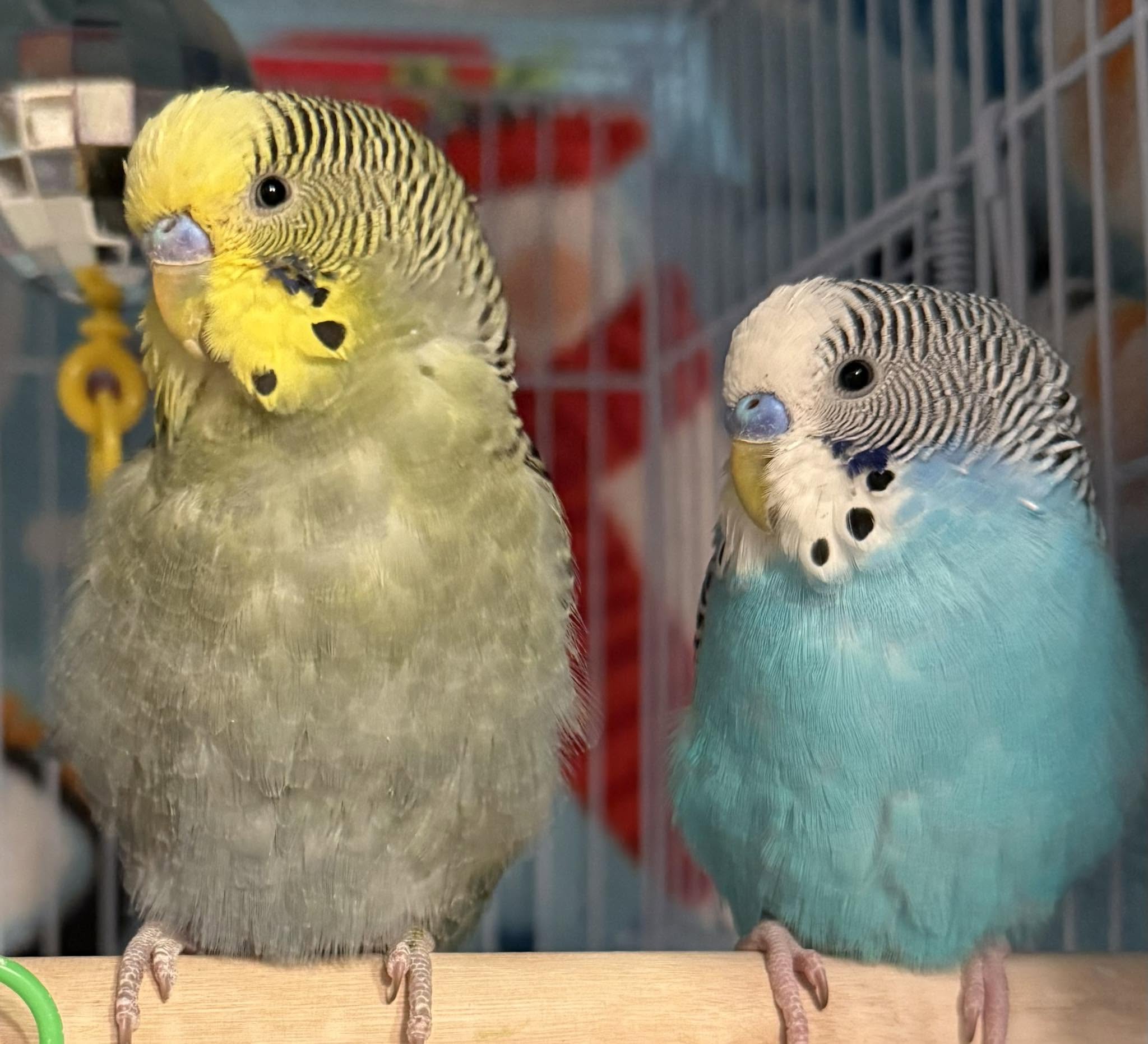
Draughts are the obvious one. A budgie positioned near an open window in summer is often in a direct draught, and budgies are genuinely susceptible to respiratory problems triggered by draughts — the combination of a cold draught and warm ambient temperature is particularly problematic. Owners who would not dream of putting a budgie near an open window in winter sometimes leave it in exactly that position in summer because the window is open for ventilation rather than warmth.
Less obvious is the insect risk. Summer insects — flies, wasps, bees — can enter through open windows and interact with a caged bird in ways that cause genuine harm. A wasp in a budgie cage is a serious event. Flies landing on food or water dishes can contaminate them rapidly.
And less obvious still is the chemical risk. Garden chemicals, barbeque lighter fluid, charcoal smoke, neighbour’s pesticide sprays, weedkiller — all of these can drift through open windows or doors and into a room where a budgie lives. Budgies have extraordinarily sensitive respiratory systems. Fumes that a human would barely notice can cause serious respiratory distress in a bird.
5. The Moulting Season — When Immunity Is Naturally Lower
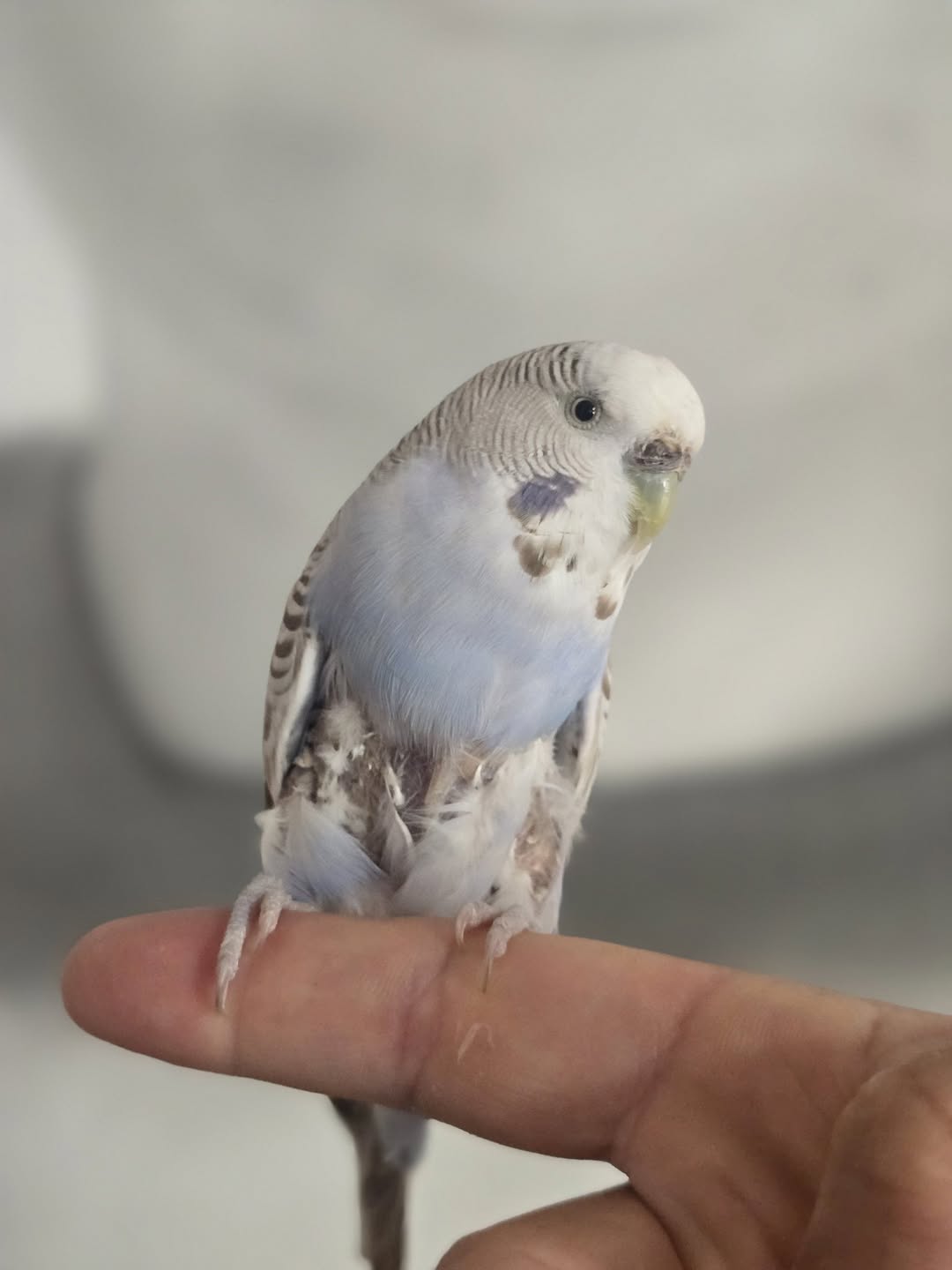
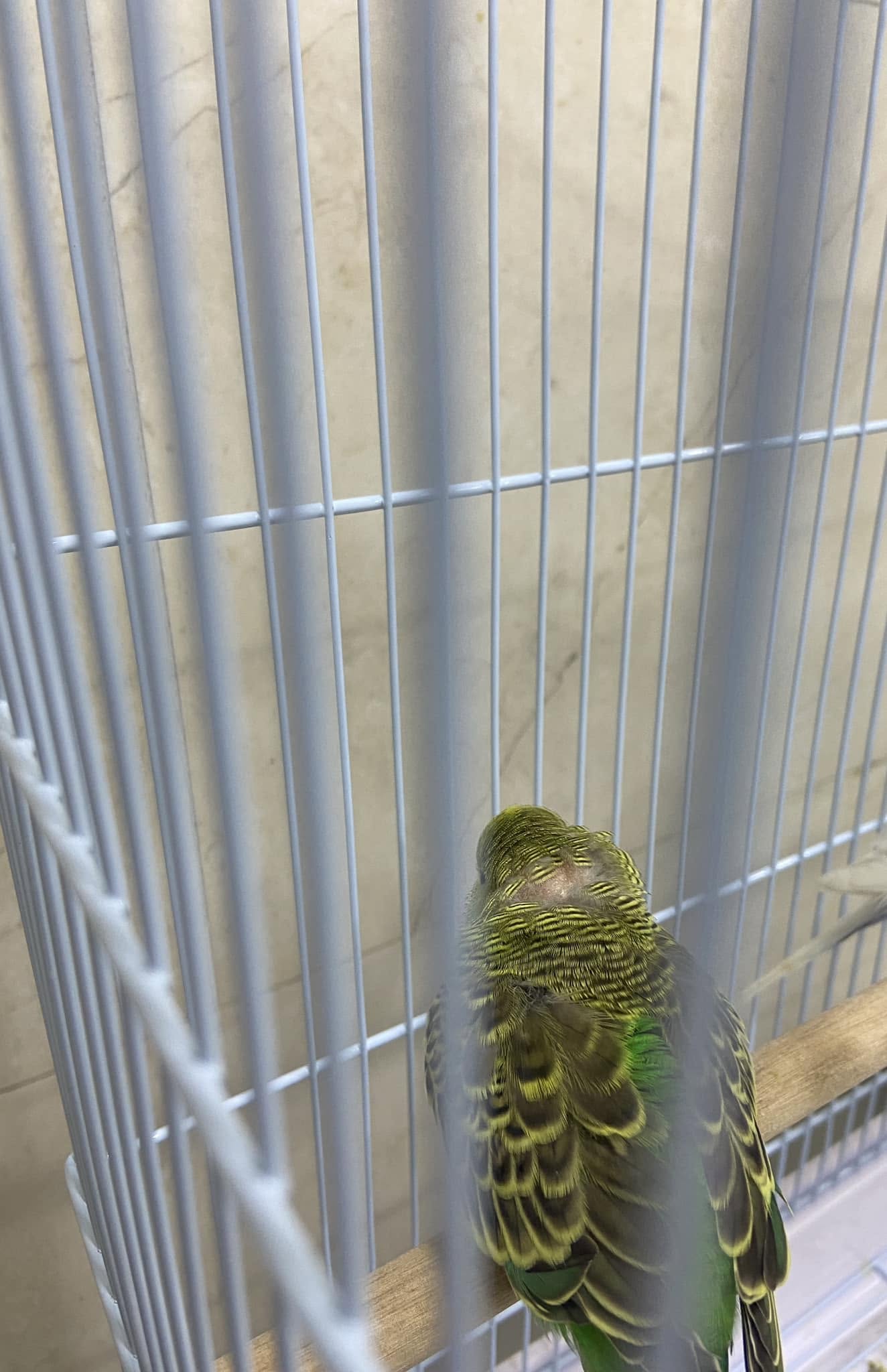
Many budgies moult in summer, and moult is physically demanding. The production of new feathers requires significant nutritional resources and places a genuine metabolic load on the bird. During a heavy moult, a budgie’s immune system is working harder and is more susceptible to challenges it would normally handle without difficulty.
A bird in moult that is also under heat stress, drinking contaminated water, and exposed to respiratory irritants is a bird that is dealing with multiple simultaneous pressures — and the combination is what tips many summer budgies into illness.
The signs of a bird in heavy moult are visible — pin feathers on the head and neck, some feather drop, increased preening and scratching, sometimes slightly reduced activity. A moulting bird needs good nutrition, reliable fresh water, calm conditions, and an owner who knows that its resilience is temporarily reduced.
6. Diet Quality In Summer — The Fresh Food Risk
Summer encourages owners to give more fresh food — fruits, vegetables, greens — which in principle is positive. In practice, fresh food in summer deteriorates extremely rapidly in a cage in warm conditions. A piece of apple that would last several hours in winter becomes a fermenting, bacterial breeding ground within an hour on a hot summer day.
Fresh food left in a cage in summer heat is a source of illness, not nutrition. The principle is simple: give fresh food in small quantities, remove anything uneaten within an hour, and wash food dishes used for fresh items after every use. If you are not confident you can manage fresh food safely in summer heat, stick to your normal seed or pellet diet and compensate with sprouted seeds or dried greens, which are safer in warm conditions.
The Warning Signs Every Budgie Owner Must Know This Summer
Budgies are prey animals. They are wired to conceal illness — a bird that looks unwell in the wild is a bird that gets targeted. By the time a budgie is visibly sick, it has usually been struggling for longer than you would hope. This is why knowing the early signs matters so much — they are the window before the bird stops being able to hide what is happening.
- Sitting on the cage floor — a budgie that is well sits on its perches. A budgie sitting on the floor of the cage is a budgie that is too weak or uncomfortable to perch, and that is a serious sign
- Fluffed feathers at normal room temperature — a budgie that is fluffed up when it is not cold is trying to conserve heat because it is unwell. Brief fluffing after waking is normal; sustained fluffing throughout the day is not
- Tail bobbing with each breath — visible movement of the tail with every breath means the bird is working hard to breathe. This is a respiratory emergency. See an avian vet today
- Open beak breathing at rest — healthy budgies breathe through their nostrils when at rest. Open beak breathing in a calm, unexercised bird points to respiratory distress
- Unusual quietness — a budgie that has gone quiet when it is normally chatty and active is a budgie that is not well. This is one of the first signs owners notice and one of the most significant
- Reduced appetite or interest in food — a budgie that is not eating is a budgie that needs to be seen. In small birds, a failure to eat can become dangerous very quickly
- Change in droppings — watery, discoloured, very dark, or absent droppings are all significant. Check the cage floor daily; it tells you more than you might expect
- Loss of balance or falling from perch — any neurological sign in a budgie — tilted head, loss of balance, falling — is urgent. See a vet immediately
- Clicking or wheezing sounds — any unusual sound accompanying breathing is a respiratory warning sign. Do not dismiss it
- Discharge from nostrils or eyes — wet, crusty, or discoloured nostrils or eyes indicate infection and need veterinary assessment
The rule I give at the counter is this. A single one of those signs in an otherwise normal, active, eating budgie — watch for twenty-four hours. Multiple signs together, or any sign alongside a bird that has also stopped eating or is sitting on the floor — call a vet today. Do not wait until tomorrow. In a budgie, tomorrow is sometimes too late.
The Budgies I Worry About Most In Summer
Not all budgies face the same risk in summer, and it is worth being specific about which birds need the most careful watching.
Older budgies — those over five years old — have reduced immune reserves and less physiological resilience than young birds. A health challenge that a young bird recovers from relatively easily can be serious in an older one. If your budgie is getting on in years, summer vigilance needs to be proportionally higher.
Budgies that have had previous respiratory problems are at elevated risk of recurrence when conditions favour respiratory stress. If your bird has had a chest infection, Aspergillosis, or any breathing difficulty in the past, summer is the season to be most watchful.
Overweight budgies — and there are more of these than owners like to acknowledge — are less able to manage heat and more susceptible to the systemic effects of any illness. If your budgie is noticeably round, summer is also a good time to review the diet.
And budgies in inadequate housing — small cages, poor ventilation, near heat sources — are at elevated risk of all of the summer problems I have described. The cage environment is the single most controllable factor in summer budgie health, and getting it right matters more in July than it does in January.
What Good Summer Management Actually Looks Like
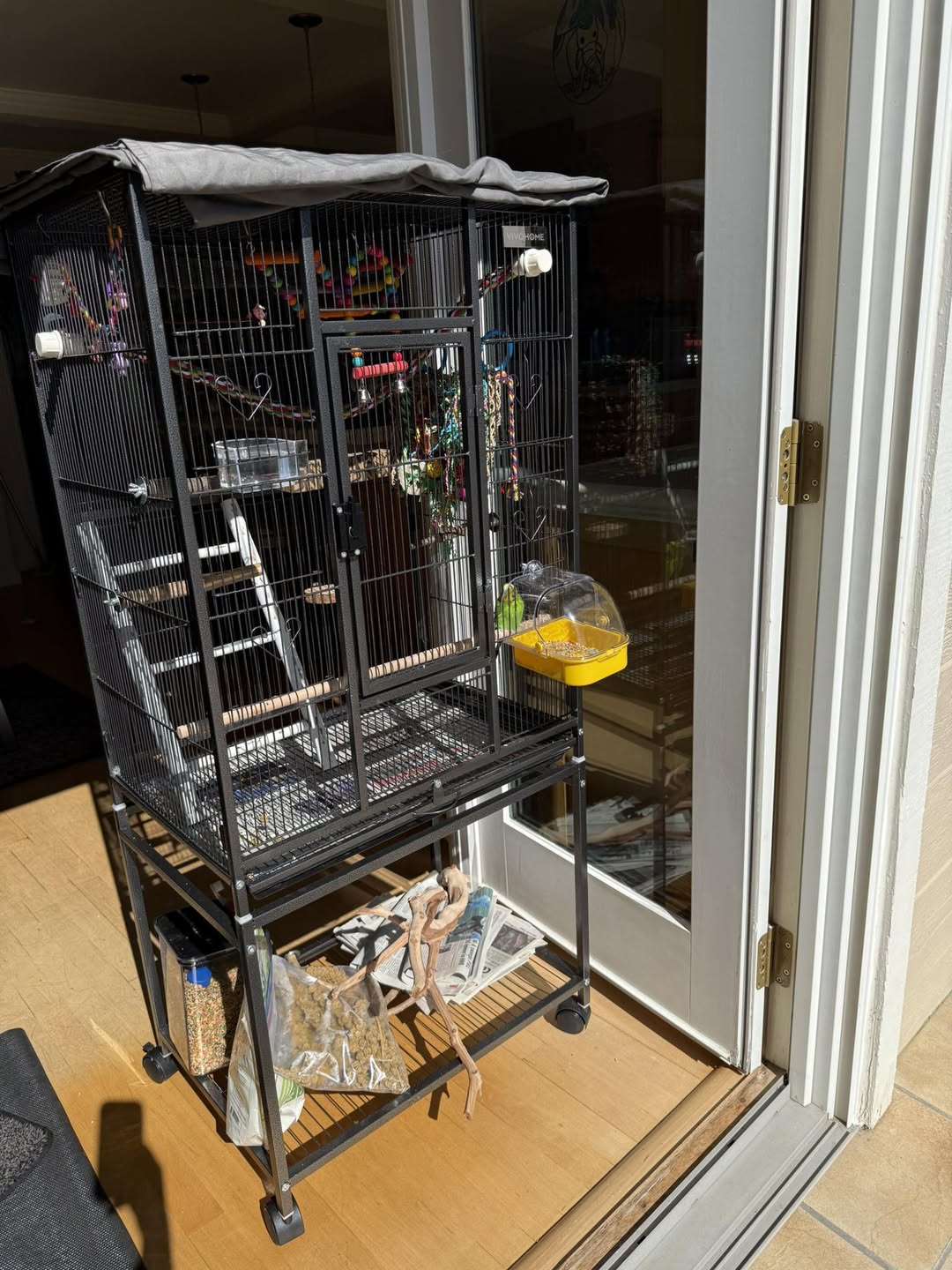
- Know where the sun hits your home throughout the day. Walk around your home on a sunny morning and afternoon and note where direct sunlight falls. The cage should be in none of those locations. A shaded position with air movement — but not a direct draught — is what you are aiming for throughout the day.
- Change water at least twice daily in warm weather. Morning and evening as a minimum. Clean the container — do not just refill it. In very hot weather, a third change at midday is worthwhile. This single habit prevents a significant proportion of summer budgie illness.
- Manage fresh food carefully. Small quantities, removed within an hour if not eaten, dishes washed after every use. If you cannot manage this reliably in summer, stick to dry food and sprouted seeds.
- Check window positions relative to the cage. Open windows for ventilation but ensure the cage is not in the draught path. A window on the opposite side of the room from the cage, or one that ventilates sideways rather than directly at the bird, is safer than a window the bird sits directly opposite.
- Be aware of garden and outdoor chemical use. Pesticides, herbicides, barbeque products, and other outdoor chemicals can all affect birds through open windows and doors. Use them when windows are closed and allow proper ventilation before reopening.
- Watch the moulting bird more carefully. A bird in heavy moult needs extra nutritional support and lower-stress conditions. It is also more vulnerable to the other summer pressures I have described. Watch it more closely, not less.
- Know your avian vet before you need one. Find an avian vet in your area now, note their number, and know their emergency arrangements. A summer health problem in a budgie can develop quickly, and having to search for a vet at that moment costs time you may not have.
- Watch your bird every day. This sounds obvious but it is the one that matters most. You know your bird. You know what normal looks like for this specific animal. The person who catches a problem early is always the one who has been paying close enough attention to notice when something changes. Spend a few minutes every day actually looking at your bird — not just being in the same room as it.
A Word On Avian Vets And Summer Appointments
Summer is the busiest time of year for avian vets, and this is worth knowing practically. Appointment availability is tighter, wait times for non-emergency slots are longer, and in genuine emergencies you may need to travel further or wait longer than you would at other times of year.
This is another reason why acting early matters. A budgie with early respiratory symptoms that is seen promptly has a much better prognosis and a much easier vet visit than one that has been left until the illness is advanced. The early appointment is easier to get, cheaper to manage, and more likely to have a positive outcome.
I always recommend that budgie owners, particularly those with older birds or birds with health histories, establish a relationship with an avian vet before there is a crisis — a well-bird check in spring, a call to confirm they are registered, a note of the emergency number. That five minutes of preparation is genuinely valuable in the middle of a busy summer weekend when something goes wrong.
Quick Reference — Summer Budgie Health At A Glance
| Risk | Prevention | Early Warning Sign |
|---|---|---|
| Overheating | No direct sun on cage, shaded position | Wings held away from body, open beak, glassy eyes |
| Respiratory infection | Good ventilation, avoid humidity and draughts | Tail bobbing, clicking, open beak breathing at rest |
| Contaminated water | Change twice daily, clean container daily | Loose droppings, lethargy, reduced appetite |
| Draught exposure | Cage not in direct line of open windows | Sneezing, nasal discharge, respiratory signs |
| Chemical fume exposure | Close windows when using garden chemicals | Sudden respiratory distress, loss of balance |
| Fresh food contamination | Small portions, remove within one hour, wash dishes | Watery or discoloured droppings, reduced appetite |
| Moult-related vulnerability | Good nutrition, calm conditions, extra vigilance | Unusual quiet, fluffed feathers alongside pin feathers |
Frequently Asked Questions
Why do budgies get sick more in summer?
Several reasons converge in summer. Heat stress suppresses immune function. Humidity favours bacterial and fungal growth. Water and fresh food contaminate faster in warm conditions. Open windows bring draughts, insects, and chemical fume risks that do not exist in winter. Many budgies also moult in summer, reducing their resilience during a period when other pressures are also higher. None of these individually is necessarily catastrophic, but together they create conditions where problems that might otherwise be minor become serious.
My budgie is quieter than usual in summer — should I be worried?
Unusual quietness is one of the earliest and most significant signs that something is wrong with a budgie. A bird that is noticeably less vocal than its normal baseline, particularly if combined with any other change — reduced appetite, fluffed feathers, different droppings — should be seen by a vet. Do not wait to see if it improves on its own. Budgies hide illness and by the time quietness is obvious, the bird has often been struggling for longer than you realise.
How do I keep my budgie cool in summer without a draught?
Position the cage away from direct sunlight and away from the direct path of any open window. A fan that circulates air in the room without pointing directly at the cage can help. A shallow dish of cool water near the cage — not in it — adds a little evaporative cooling to the immediate environment. If the room is very hot, moving the cage to a cooler room in the house during the hottest part of the afternoon is entirely reasonable. What to avoid is the direct draught, which is a respiratory risk, and the direct sun, which creates heat trap conditions quickly.
How often should I change my budgie’s water in summer?
At least twice daily in warm weather — morning and evening — with proper cleaning of the container each time. In very hot conditions, a third change midday is worthwhile. If you use an open water dish rather than a closed bottle, be particularly diligent — open dishes contaminate much faster. This single habit change accounts for a significant proportion of summer budgie illness prevention.
My budgie is moulting in summer — is that normal?
Yes, summer moult is common in budgies. Moult is physically demanding and temporarily reduces the bird’s immune resilience, which is one of the reasons summer illness rates are higher. A moulting bird needs good quality nutrition, reliable fresh water, and a lower-stress environment. Watch it slightly more carefully than usual and be particularly prompt if you notice any of the warning signs I have described.
Where can I get honest budgie health advice in Swindon?
Come and see us at Paradise Pets, Manor Garden Centre, Cheney Manor, Swindon SN2 2QJ. Or give us a ring on 01793 512400. We can help you assess what you are seeing and tell you honestly whether it needs a vet — and we will always tell you to go to a vet when we think you should. The advice is free and we have been giving it for 35 years.
One Last Thing From Me
The woman whose budgie had already been to the vet — her bird was being treated for a respiratory infection that the vet said had probably been developing for two weeks before she brought it in. Two weeks. The early signs had been there — slightly reduced vocalisation, occasional tail bob she had noticed but not connected to breathing difficulty — but she had not known what she was looking at.
The other woman, the one hoping it would pass — I sent her to a vet that afternoon. I did not give her the option of waiting. Her bird’s droppings had changed, it had been fluffed for two days, and it was sitting lower on its perch than usual. That is not a collection of signs you watch and hope about.
I tell you both stories because they illustrate the two outcomes that summer budgie illness tends to have. Caught early and treated promptly — a recoverable situation in most cases. Left too long — a situation that becomes much more serious and sometimes cannot be recovered from at all.
You know your bird. You see it every day. You are the person who will notice first when something changes. The question is whether you know what you are looking at when it does. I hope this article helps with that. And if you are ever not sure — if you look at your budgie and something feels wrong but you cannot quite name it — come and see us or call a vet. Being wrong and feeling relieved is always the better outcome.
Concerned About Your Budgie This Summer? Come And Talk To Me
Bring your bird, bring a description of what you are seeing, and if you have one, bring a video. I will look at your budgie and give you an honest answer — including telling you clearly when you need a vet and when you do not. Free assessment, no obligation. That is what we have been doing for 35 years.