

Neil has been keeping, breeding, and selling budgies at Paradise Pets Swindon since 1988 — over 35 years of daily first-hand experience with these birds and the parasites that affect them. Mites are among the most common and most consistently under-checked health risks in UK pet budgies — not because they are difficult to spot once you know what to look for, but because most owners have never been shown what to look for, or which types of mite can affect their bird. This article is his honest guide to every type, every sign, and exactly what to do.
A retired couple came into the shop last autumn with their budgie in a travel carrier. They had owned him for three years. He had seemed slightly off for a few weeks — quieter than usual, not quite himself — but they had put it down to the change in season and kept watching. It was only when they noticed a faint crusty deposit forming around the base of his beak that they decided to bring him in.
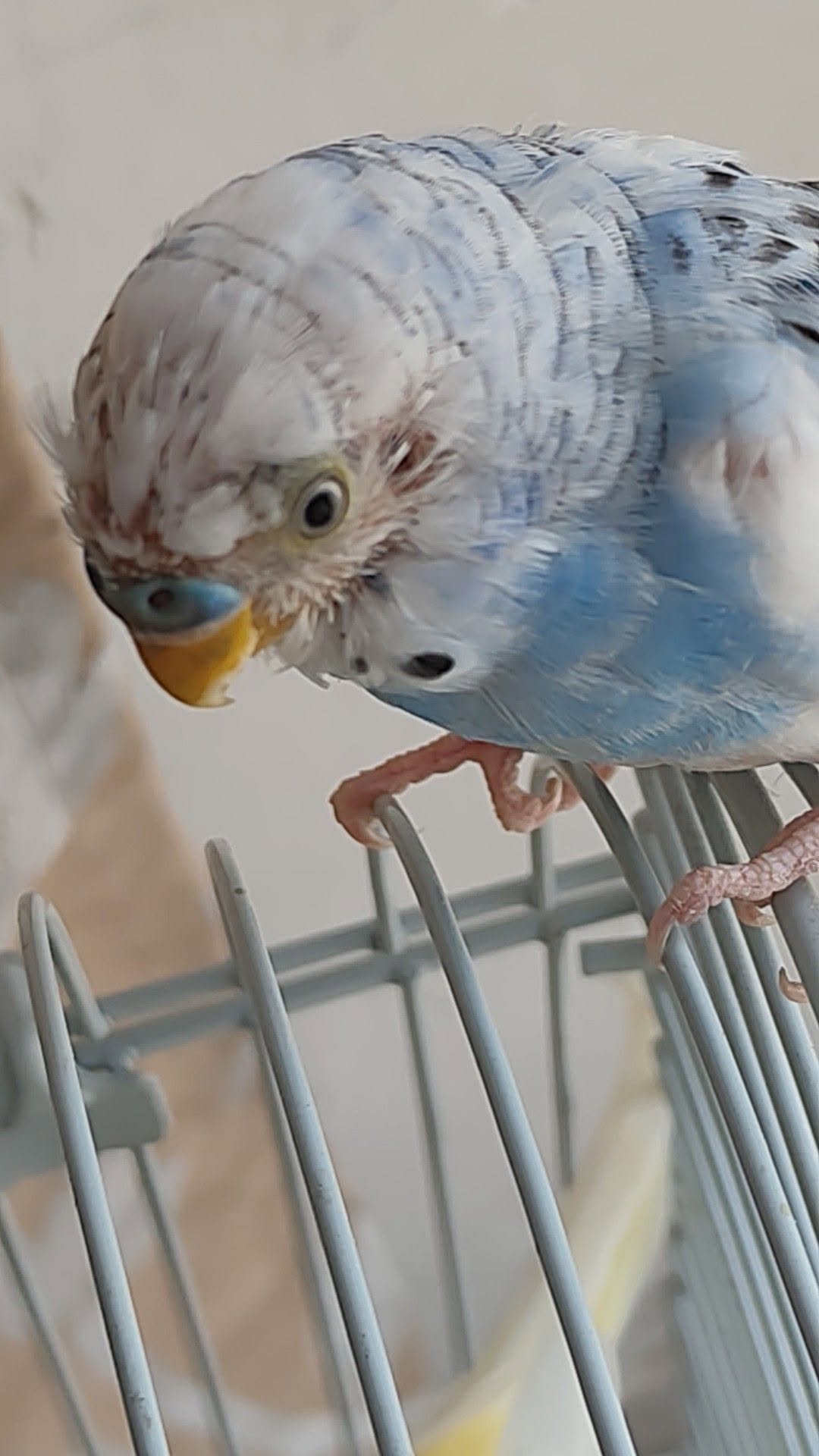
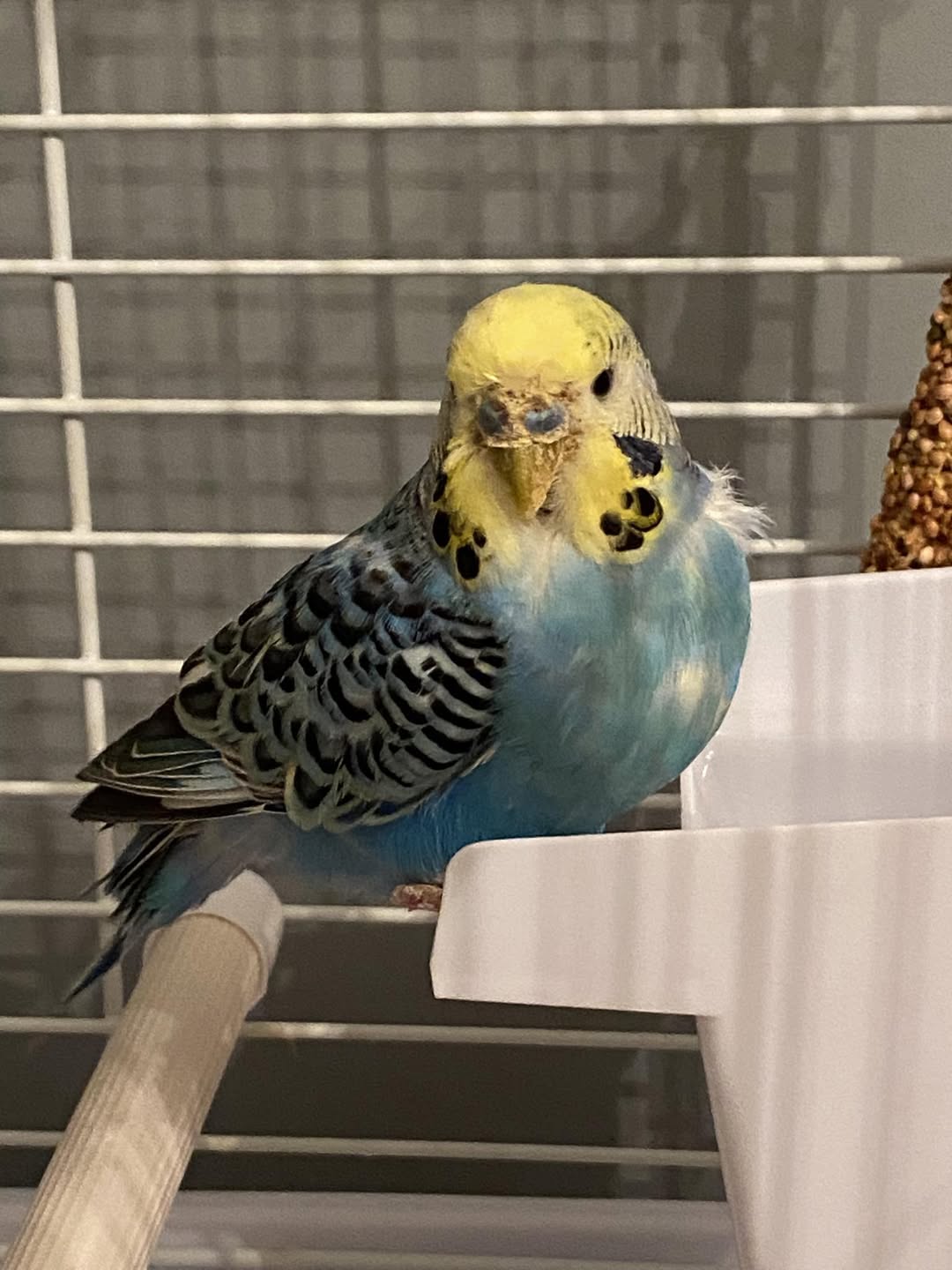
I looked at the bird closely. The deposits had the characteristic honeycomb texture I have seen hundreds of times across 35 years. Scaly face mite. Almost certainly been developing for considerably longer than a few weeks — the bird had been hiding it well, as birds do, but the condition was already past the early stage. Treatable, but more involved than it would have been had they known what to look for two or three months earlier.
The thing that struck me about that conversation was not that they had missed something obvious. The crusty deposits around a budgie’s beak are not dramatic in early stages. What struck me was that neither of them had any idea that mites were something they should be checking for at all. In three years of keeping a budgie, nobody had told them that there were parasites specific to birds that could be affecting their pet quietly and invisibly, and that some of them look very different from the kind of thing most people would call a “mite problem.”
The Four Types Of Mite That Can Affect Your Budgie
This is where most mite-related articles lose their clarity, because they either cover only one type, or cover all types in a way that makes them blur together. I want to give each type a clear, distinct description, because the signs, the locations, and the urgency level are different for each one.
Mite Type 1 — Scaly Face Mite (Knemidokoptes Pilae)
This is the type I see most consistently in UK pet budgies, and the one most likely to be what you are looking at if your bird has unusual deposits around the beak or cere.
Scaly face mite is a microscopic burrowing mite that lives in the skin. Despite its name, it does not only affect the face — in more advanced cases it can spread to the legs, feet, and vent area — but the face, beak, and cere are where it almost always begins, and where early signs are most visible.
- Where to look — the cere (the fleshy area above the beak where the nostrils are), the corners of the beak where upper and lower mandibles meet, and the beak surface itself; in more advanced cases, also the legs and feet and around the vent
- What it looks like in early stages — subtle, slightly rough texture in one or more of these areas; the surface feels and looks slightly less smooth than normal; easily missed by an owner not specifically looking for it
- What it looks like as it progresses — the characteristic honeycomb or porous-textured deposit; raised, crusty, unmistakably different from normal smooth tissue; the texture is the key identifier — not simply discoloured, but genuinely rough and porous in a specific way
- How it spreads — primarily bird-to-bird contact, often from parents to young during nestling; some birds carry the mite without symptoms for years before the immune response weakens enough to allow visible signs to develop
- Why early treatment matters — in early stages, scaly face mite is treated straightforwardly and resolves cleanly; in advanced stages, the mites have caused structural damage to the beak and tissue that cannot always be fully reversed even after successful treatment; the retired couple’s bird recovered well, but the beak required more careful management than it would have needed had they come in sooner
- Treatment — veterinary prescription antiparasitic, typically ivermectin applied topically; this is not a condition that responds to home remedies or resolves without specific treatment; do not attempt to remove deposits manually
Mite Type 2 — Air Sac Mites (Sternostoma Tracheacolum)
This is the type that concerns me most in terms of owners not recognising it — partly because it is internal and therefore invisible, and partly because the signs it produces overlap with several other respiratory conditions that get more attention.
Air sac mites live in the respiratory system — the trachea, lungs, air sacs, and syrinx (the bird’s voice organ). They are not visible on the bird’s exterior at all, which means owners cannot check for them the same way they can check for scaly face mite. The signs come from the respiratory effects.
- Signs to watch for — clicking or squeaking sounds with each breath, which is the most characteristic sign; open-beak breathing or tail bobbing with breathing; a change in the bird’s voice — quieter, raspier, or different in pitch; weight loss; lethargy
- The clicking sound is the specific one to know — a rhythmic clicking associated with breathing, as if each breath is slightly catching on something, is strongly associated with air sac mites specifically and is different from the wheezing or rattling of a simple respiratory infection
- How it spreads — most commonly through coughing, sneezing, or shared contaminated water between infected and uninfected birds; aviary birds can contract it from infected wild birds through these routes
- Why it is particularly serious — air sac mites multiply in the respiratory system and, if left untreated, progressively block the airways; this is potentially fatal; it is also not treatable at home — a bird with air sac mite infestation is likely to be significantly stressed and unwell from the respiratory symptoms, and treatment requires prescription antiparasitic medication under veterinary guidance
- What to do — vet, urgently; do not wait to see if the breathing sounds improve on their own; air sac mites do not resolve without specific treatment and the respiratory compromise can deteriorate
Mite Type 3 — Red Mites (Dermanyssus Gallinae)
Red mites are the most likely type to produce a visible infestation in the cage environment rather than on the bird itself, which makes them both easier to detect (if you know to look) and specifically concerning because of how persistently they can survive in the cage between visits to the bird.
- What they are — blood-feeding parasites that live off the bird for brief periods, typically at night, and hide in cracks, crevices, and the joints of cage furniture during the day; they can survive in the cage environment without access to a bird for several months, which makes environmental treatment essential alongside any treatment of the bird itself
- Signs on the bird — restlessness, particularly at night; excessive preening or scratching; pale or anaemic appearance of the cere and skin, from blood loss in heavier infestations; feather quality decline; weight loss; in severe infestations, significant weakness and fatigue as blood loss accumulates
- The simple night-check test — place a clean white cloth or sheet over the cage before the bird goes to sleep, and examine it in the morning; small red or dark specks on the cloth are red mites, which appear darker when they have fed and lighter when they have not; this is one of the most reliable early detection methods available to an owner without specialist equipment
- Where to look in the cage — joints and screw fittings, cage seams, underneath perches, any crevice where a small arthropod can hide in darkness; in heavier infestations, you may see small moving specks in these areas if you look closely with good light
- Treatment — both the bird and the cage environment must be treated; treating only the bird without thoroughly cleaning and treating the cage allows the cage-resident mite population to simply reinfest the bird; an avian vet can prescribe appropriate treatment; the cage should be dismantled, cleaned thoroughly, and treated with an appropriate product before reassembly
Mite Type 4 — Feather Mites And Quill Mites
This group is less consistently serious than the three above, but worth knowing about because it is the type that tends to produce the most visible feather-level signs.
- What they are — various mite species that live in, on, or at the base of feathers; feather mites in low numbers are actually present on most wild birds without causing significant harm, but in captive birds with impaired immunity or in larger numbers, they can cause visible problems
- Signs to look for — unusual feather damage without obvious injury — fraying, split shafts, or a generally tatty appearance to feathers in a bird that is not over-preening or being preened by a companion; excessive preening or scratching; small dark or pale deposits at the base of feather shafts visible if you part the feathers and look closely at the skin beneath
- Context matters — some degree of feather mite presence is normal in many birds and does not require treatment; significant feather damage alongside other signs of discomfort is the threshold worth investigating; a vet check will determine whether treatment is warranted
- Treatment — varies depending on the specific mite involved and the severity; veterinary diagnosis is the right starting point rather than blanket treatment on suspicion
The Practical Check — What To Look At Right Now
If you have a budgie and you want to do a basic mite check after reading this, here is a practical, methodical approach that takes about five minutes and covers the most important areas.
- Beak and cere — in good light, look closely at the cere and the corners and edges of the beak; run a clean finger gently over these areas if the bird will tolerate it; smooth and consistent in texture is normal; any roughness, raising, or porous-looking deposit is worth having checked; this is the scaly face mite check
- Legs and feet — look at the scales on the legs and around the feet; in a healthy bird these lie smooth and flat; raised, rough, or lifted scales can indicate mite activity, particularly in more advanced scaly face infestations that have spread from the face
- Listen to the breathing — spend a moment in a quiet room simply listening to your bird breathe; normal breathing is largely inaudible; any clicking, wheezing, or squeaking with each breath is worth investigating; this is the air sac mite check
- The white cloth overnight test — place a white cloth over the cage before the bird sleeps; examine it in the morning; any small moving or stationary red or dark specks are a red mite indicator requiring follow-up
- Feather condition — look at the general quality of the feathers; unusual fraying, damage, or a tatty appearance not explained by moult or handling is worth noting; part the feathers and look at the skin beneath if you can do so without distressing the bird
- The bird’s overall behaviour and condition — as always, a bird that has become quieter, less active, or less like itself than usual is the earliest signal worth following up, regardless of whether any specific physical sign has become visible yet
When To Go Straight To A Vet Without Doing The Check First
- Audible clicking or wheezing with each breath — do not wait; air sac mites in particular can progress rapidly once respiratory symptoms are clear
- Open-beak breathing or tail bobbing with breathing alongside any other signs of illness
- Significant crusty deposits visible on the beak, cere, or legs — if these are already clearly visible, the infestation is past early stage and prompt treatment limits further structural damage
- Any sign of anaemia — pale, washed-out appearance around the face and cere, unusual weakness or lethargy — which can indicate significant blood loss from a red mite infestation
- Multiple birds affected simultaneously, or one bird showing signs while housed with others — treat all birds in contact, not just the one with visible symptoms
Prevention — What Reduces The Risk
- Source birds from reputable UK breeders — at Paradise Pets we only stock birds from UK breeders we know personally; a bird from a well-managed, reputable source starts with better health foundations than one from an unknown or poorly managed supply chain
- Quarantine any new bird before introducing it to existing birds — a minimum of two weeks in a separate space allows any developing condition to become visible before it is transmitted to an established bird; this applies even if the new bird appears perfectly healthy on arrival
- Regular cage cleaning — particularly cleaning into joints, seams, and crevices where red mites can establish a population between visits to the bird; prevention here costs far less effort than dealing with an established infestation
- Avoid contaminated second-hand equipment — cages, perches, and accessories from unknown sources can carry mite populations that then transfer to new birds; if buying second-hand, thorough cleaning and treatment of the equipment before use is essential
- For aviary birds, reduce direct contact with wild birds where possible — wild birds can carry mites that indoor pet birds are normally protected from by their housing; mesh spacing that prevents wild bird entry, and covered food and water sources, reduce this specific route
- Annual vet checks — an avian-experienced vet examining a bird annually will catch developing conditions, including mite infestations in early stages, that an owner may not yet have noticed
A Quick Reference — The Four Types Side By Side
| Mite Type | Where It Lives | Key Signs | Urgency |
|---|---|---|---|
| Scaly Face Mite | Burrowed in skin of beak, cere, legs, feet, vent | Honeycomb-textured crusty deposits; rough texture on cere and beak edges | Vet this week; do not delay once deposits are visible |
| Air Sac Mite | Internal — trachea, lungs, air sacs, syrinx | Clicking or squeaking with breathing; voice change; open-beak breathing; lethargy | Vet today — respiratory compromise can deteriorate quickly |
| Red Mite | Cage environment during day; bird at night | Restlessness at night; pale appearance; feather decline; red/dark specks on white cloth test | Vet within a few days; treat bird and full cage environment |
| Feather / Quill Mite | In and around feather shafts and skin | Unusual feather damage or fraying; excessive preening; deposits at feather base | Vet check to assess whether treatment is warranted |
Frequently Asked Questions
How do budgies get mites in the first place?
The routes differ by type. Scaly face mite is almost always acquired from another bird — often from parents during the nestling period — and some birds carry it without symptoms for years before signs appear. Air sac mites spread through respiratory contact, including shared contaminated water, and can be contracted from infected wild birds by aviary birds. Red mites establish populations in the cage environment and move to the bird at night. Feather mites spread through bird-to-bird contact. A bird can have a mite infestation with no obvious source identified, because some are acquired before you owned the bird and become visible only when the bird’s immune response shifts.
Can I treat mites at home without a vet?
For scaly face and air sac mites, no — effective treatment requires prescription antiparasitic medication that is not available without a vet. Attempting to treat scaly face mite with petroleum jelly or similar home remedies, as is sometimes recommended online, can cause harm and delays appropriate treatment. For red mites, you can do a great deal to treat the cage environment yourself, but the bird itself and confirmation of the diagnosis still benefit from veterinary involvement. A vet visit costs more than a home remedy but produces a definitive diagnosis and an appropriate treatment that works.
Can mites spread from my budgie to me or to other pets?
Some bird mite species, particularly red mites, can cause temporary irritation in humans — they may bite when the usual bird host is unavailable, causing a brief skin irritation — but they cannot establish a lasting infestation on humans, who are not a suitable host for the full life cycle. They do not represent a significant health risk to people in normal circumstances, though anyone who is immunocompromised should take extra care. Scaly face and air sac mites are bird-specific and do not affect humans or other pet species.
If one of my budgies has mites, do I need to treat the other one too?
Yes, in almost every case. With scaly face mite in particular, all birds in close contact should be treated simultaneously even if only one bird shows visible signs — because the mite can be present on a bird without visible signs, and treating only the symptomatic bird while leaving untreated birds risks reinfection. Ask your vet about treating all in-contact birds as a matter of routine.
What is the white cloth test for red mites?
Place a clean white cloth or sheet over the cage just before the bird settles for the night. Examine it in the morning, preferably with good light. Small red, brown, or dark specks on the cloth — particularly if any are moving — indicate red mites, which become visible on the white surface after feeding on the bird overnight. This is one of the most accessible early detection methods for red mites that an owner can do without any specialist equipment.
How long does treatment for mites take?
This varies by type and by how advanced the infestation was when treatment began. Scaly face mite typically responds well to treatment within a few applications of the prescribed medication, with the deposits gradually reducing and the skin improving over several weeks. Air sac mites also respond to antiparasitic treatment but the timeline depends on severity. Red mites require both treatment of the bird and thorough treatment of the cage environment, and may require multiple rounds of cage treatment to eliminate the population completely. In all cases, following the vet’s specific treatment protocol rather than stopping early once symptoms reduce is important.
Where can I get advice about mites in my budgie in Swindon?
Come in to Paradise Pets at Manor Garden Centre, Cheney Manor Industrial Estate, Swindon SN2 2QJ — or call us on 01793 512400. If you have noticed something unusual about your bird’s beak, cere, breathing, or general condition, bring the bird in or take a photograph and describe it to us. We can help you assess whether what you are seeing looks like a mite-related sign and whether a vet check is needed. The advice is always free.
One Last Thing From Me
The retired couple whose budgie came in with the scaly face deposits came back about six weeks after their vet visit. The bird had responded well to treatment. The beak was considerably improved, the deposits had cleared, and he was back to his normal self — vocal, active, eating well.
The wife said something on the way out that I have thought about since. “We’d have come in months earlier if we’d known what to look for. We just didn’t know it was something to look for.”
That sentence is the entire reason I wanted to write this article. Mites are among the more common health problems I see in UK pet budgies, and they are consistently caught later than they need to be — not because owners are inattentive, but because nobody ever told them clearly what they were looking for, where to look, or which type of sign should send them to a vet today versus this week versus whenever they get a chance.
You now have that information. The practical check I described takes five minutes. Do it this week, repeat it every month or two as part of a normal routine, and you have significantly improved your chances of catching anything that develops early enough for treatment to be straightforward rather than complicated.
If something does not look right — if the texture of the cere seems off, if the breathing sounds different, if a white cloth shows unexpected specks in the morning — that instinct is worth acting on. Come in, ring us, or go straight to an avian vet. With mites, early is almost always better.
Noticed Something Unusual With Your Budgie? Come In Or Ring Us
Describe what you are seeing — the location, the texture, anything that seems different about the bird’s breathing or behaviour. We will tell you honestly whether it sounds like something worth a vet visit. Free advice, no obligation. That is how we have done things here for 35 years.