
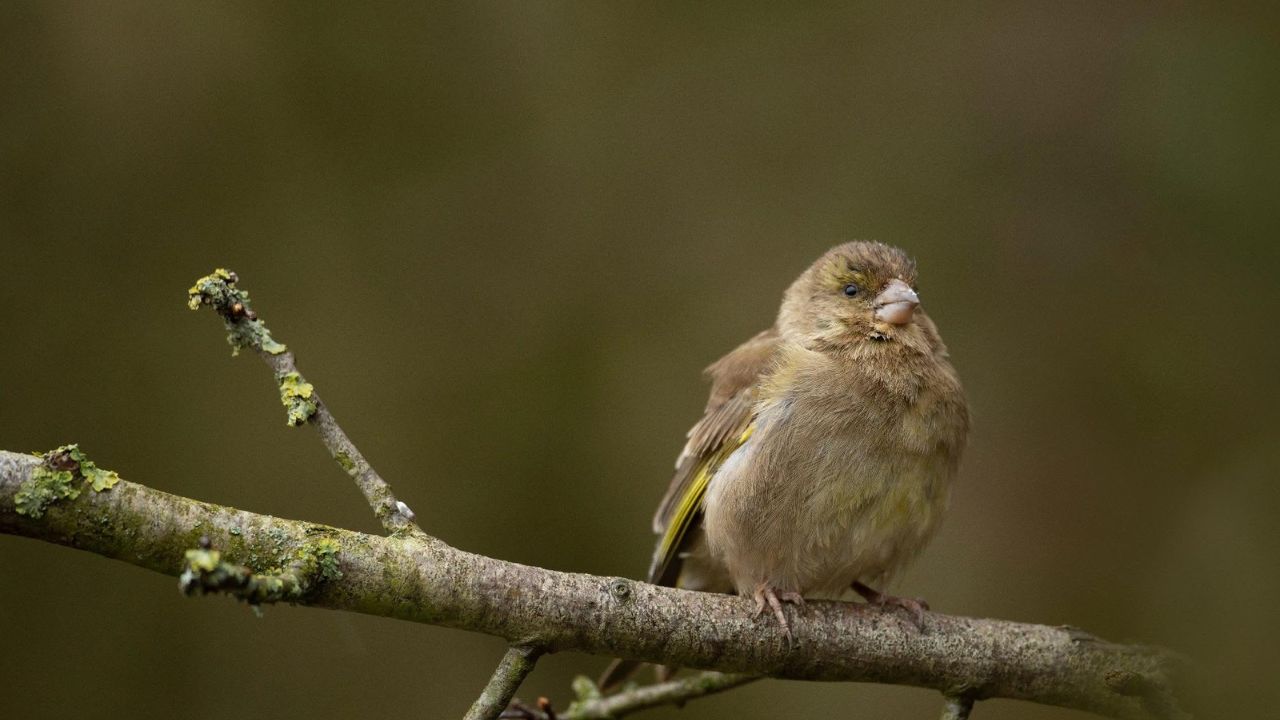

Neil has kept, bred, and sold cage and aviary birds at Paradise Pets Swindon since 1988 — over 35 years of first-hand experience across UK bird welfare in both homes and gardens. The RSPB has just released substantially updated summer feeding rules for UK garden bird feeders — a genuine change from the guidance UK garden bird enthusiasts have followed for decades. The new rules affect an estimated 16 million UK bird-feeding households, and they change practical everyday decisions about seed feeders, bird tables, fat balls, cleaning schedules, and seasonal feeding patterns across British gardens. But whilst media coverage has focused mostly on the headline “stop feeding” framing, most UK garden feeder owners have not been given the honest practical guide to what the rules actually require, why the changes matter for UK wild bird welfare, and — importantly for the substantial UK pet bird community that overlaps with garden feeder enthusiasts — what indoor pet bird owners should also know about the wider UK bird welfare context these rules address. This is Neil’s honest, welfare-led guide to the new RSPB summer feeding rules — what has actually changed, why the changes matter, how to implement them practically in your UK garden, what the nuanced debate around them involves, and the specific note UK pet bird owners should read at the end even if they do not feed garden birds themselves.
A regular customer came into the shop one Wednesday afternoon, thinking through something interesting. She had been feeding UK garden birds from her Swindon back garden feeders for over twenty years, considered herself a genuinely welfare-conscious UK bird enthusiast, and had felt confused by the media coverage of the new RSPB summer feeding rules. Some coverage suggested she should stop feeding entirely. Some coverage defended continuing feeding. Some coverage focused on hygiene protocols. She wanted my honest professional opinion about what the new rules actually required, whether she should stop feeding her garden birds this summer, and whether she was doing right by the UK wild birds she had spent decades trying to help. She also happened to keep a pet cockatiel called Rosie in her living room, and had wondered whether the rules had any implications for Rosie’s care too.
I sat with her for an hour and walked her through the honest picture, which is more nuanced than the headline coverage has suggested. The new RSPB summer feeding rules are genuinely evidence-based, genuinely well-intentioned, and genuinely address a real UK bird welfare crisis. But they are also guidance rather than legal requirement, and there is honest ongoing debate within the UK bird welfare community about whether the specific recommendations produce net-positive outcomes for UK wild birds, particularly in urban and suburban gardens where natural food availability is limited. The rules affect UK garden feeder owners primarily and directly. They affect UK pet bird owners only tangentially — mostly through the general UK bird welfare community context that both groups are part of. She left that afternoon with practical clarity about what to actually do this summer with her garden feeders, honest understanding of the ongoing debate, and specific practical care notes for Rosie that reflected the broader UK bird welfare thinking rather than direct application of the RSPB feeding rules.
I am writing this article because the RSPB summer feeding rules are genuinely significant for UK garden bird welfare, the practical implementation matters substantially for the substantial UK garden feeder community, and honest guidance about the actual rule content — rather than headline coverage or reactive commentary — is genuinely valuable for welfare-conscious UK households. This article is written primarily for UK garden feeder owners, with specific practical guidance for garden bird feeding decisions this summer. UK pet bird owners will find brief but relevant content at the end that addresses the tangential implications of the wider UK bird welfare context.
This article is the conversation I have at the counter with UK garden feeder owners trying to understand what the new RSPB rules actually mean for their specific summer feeding decisions. By the end of it, you will understand exactly what the RSPB summer feeding rules require, why the guidance changed and what evidence supports it, how to implement the rules practically in your specific UK garden context, what the honest ongoing debate within UK bird welfare community involves, and — briefly at the end — what the wider UK bird welfare context means for UK pet bird owners who may not feed garden birds directly.
What The New RSPB Summer Feeding Rules Actually Say
For UK garden feeder owners wanting to understand exactly what has changed, here is the honest specific breakdown of the new RSPB guidance.
What the new RSPB summer feeding rules actually require:
- Pause filling seed and peanut feeders from 1 May to 31 October
- Continue offering small amounts of mealworms, fatballs, or suet year-round
- Stop using flat bird tables and open trays that support disease transmission
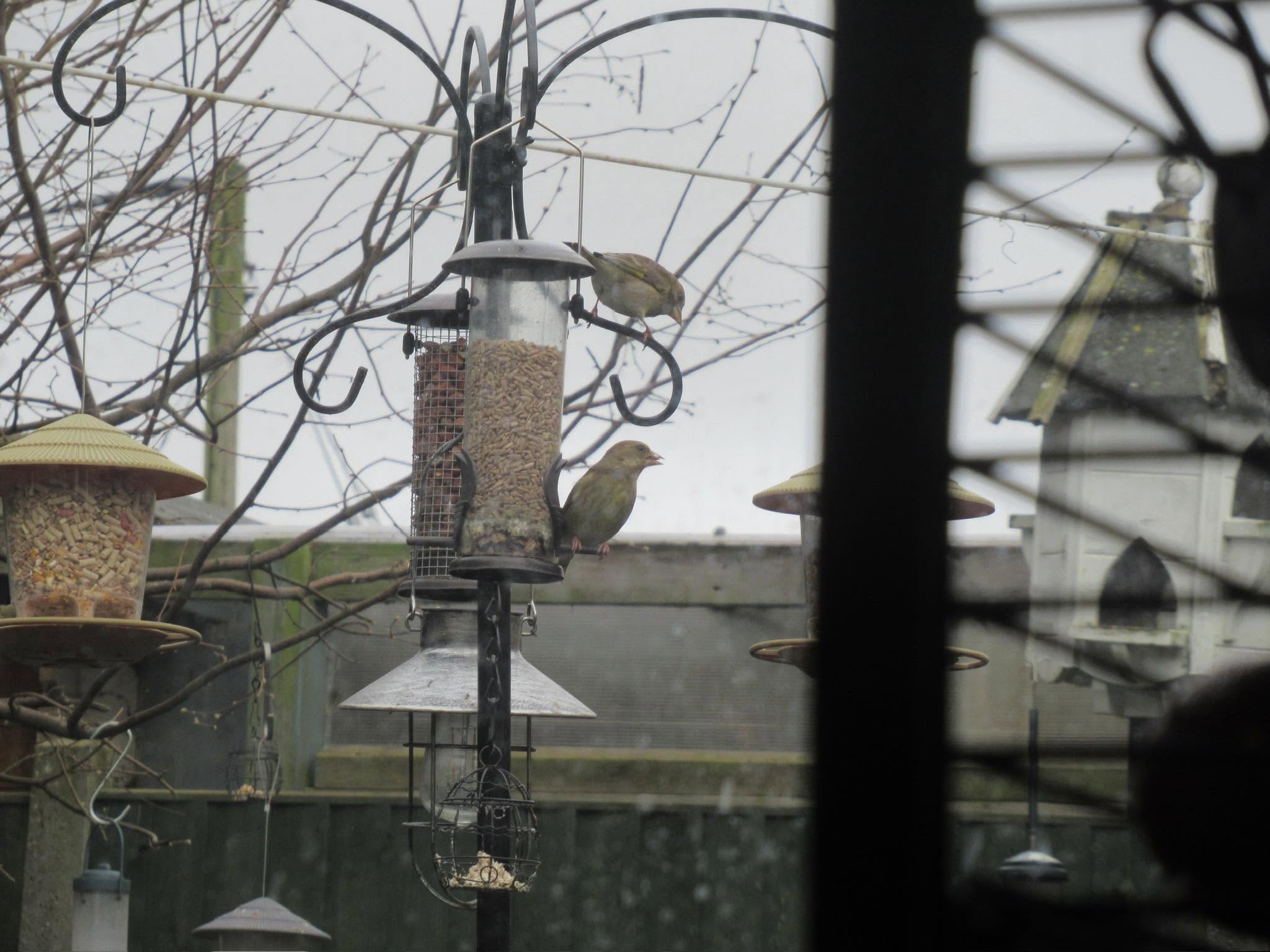
- Use hanging tube feeders instead — RSPB study found zero trichomonosis on hanging tube feeders
- Clean feeders at least once a week with hot soapy water and disinfectant
- Use dilute bleach solution (approximately 5 percent) or non-toxic disinfectant like Ark-Klens
- Move feeders weekly to prevent contamination buildup in one location
- Refill water baths daily with fresh tap water
- Clean water baths and drinkers regularly with same disinfectant protocol
- Clean away old food and droppings from beneath feeders
- Act immediately if any sick birds are observed — stop feeding and clean thoroughly
- Support birds through bird-friendly planting including sunflowers, teasels, ivy
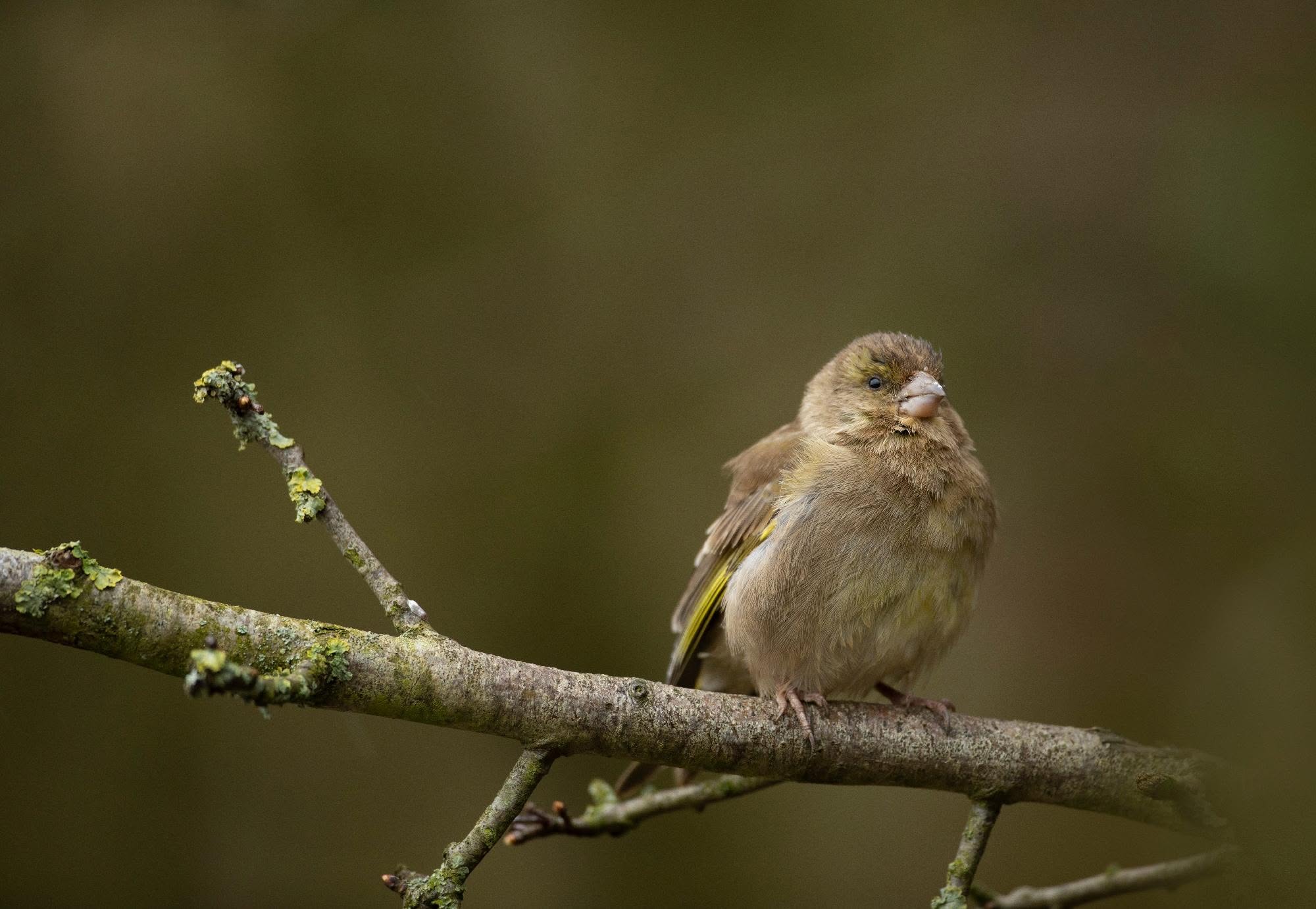
The core change from previous UK garden bird feeding practice is genuinely substantial. Where UK garden feeder owners have historically been encouraged to feed year-round with hygiene maintenance, the new guidance now specifically identifies summer months (May-October) as high-risk period requiring seasonal pause on primary seed and peanut feeding. The hygiene protocol has also been strengthened with explicit weekly cleaning requirement rather than the previous “regular” cleaning guidance.
The new guidance is developed with British Trust for Ornithology and Institute of Zoology partnership, based on a comprehensive evidence review published as RSPB Research Report No. 85 in April 2026. It responds specifically to the documented trichomonosis crisis affecting UK Greenfinch, Chaffinch, and increasingly Bullfinch populations.
For UK garden feeder owners wanting to understand the broader context of the UK Greenfinch trichomonosis crisis that the rules address, our article on the disease that wiped out UK Greenfinches covers the wider UK bird welfare picture that motivates the guidance change.
Why The RSPB Changed The Guidance — The Evidence Behind The Rules
For UK garden feeder owners wanting to understand what evidence prompted the change, here is the honest picture based on RSPB, BTO, and Institute of Zoology research.
Why the RSPB updated summer feeding guidance:
- UK Greenfinch population fell 67 percent since 1979 per Big Garden Birdwatch data
- UK Greenfinch decline over 65 percent since mid-1990s — over two million UK birds lost
- UK Chaffinch populations declined 37 percent between 2011 and 2021
- UK Bullfinch showing potential rapid decline — early concern indicator
- Trichomonosis (Trichomonas gallinae parasite) identified as primary cause
- Disease first recorded in British finches in 2005
- Disease attacks throat and gullet making swallowing impossible for infected birds
- Outbreaks peak in summer and autumn months
- Disease spreads more easily at feeders where birds gather in one location
- Flat surfaces (bird tables, baths) support parasite persistence longer than hanging feeders
- Wet contaminated environments support parasite survival
- UK Greenfinch added to UK Red List in 2021 reflecting conservation concern
The evidence base motivating the new rules is genuinely substantial. This is not theoretical concern or precautionary overreach — it is response to documented ongoing UK bird welfare crisis affecting multiple UK finch species with real risk of continued population decline without intervention.
The specific timing of the May-October pause window reflects verified epidemiological data showing disease transmission peaks in summer and autumn. The specific exclusion of mealworms, fatballs, and suet from the pause reflects research showing animal protein foods support fledgling survival and pose lower disease transmission risk than seed and peanut feeding at high bird gathering densities.
After 35 years of watching UK bird welfare, I have come to believe the RSPB has done the responsible thing by updating guidance to reflect emerging evidence. The rules are not arbitrary — they represent evidence-based response to genuine welfare crisis. Whether the specific implementation is perfect is a separate question, but the underlying motivation is welfare-led and genuinely important.
The Honest Debate — What Nuances UK Garden Feeder Owners Should Know
For UK garden feeder owners wanting the complete honest picture beyond the RSPB position, here is the honest picture of the ongoing debate within UK bird welfare community.
Legitimate concerns raised about the new rules:
- Guidance is based on evidence review rather than peer-reviewed conclusion
- Pause window (May-October) coincides with UK breeding season when natural food is critical
- Urban UK gardens have limited natural food availability — assumption of adequate alternatives less certain
- UK flying insect populations down 65 percent — natural food genuinely reduced across UK
- Half of UK hedgerows have been lost — natural food sources genuinely diminished
- Partial adoption may increase disease at remaining feeders — concentration effect concern
- Recent BTO data shows 12 percent Greenfinch population increase since 2021 — some recovery beginning
- RSPB study found zero trichomonosis on hanging tube feeders — tube feeders may be safer than pause implies
- Trichomonosis spread across Europe including countries without summer feeding tradition — feeding may not be sole driver
- Bird food industry (Vine House Farm, others) raised implementation concerns
Legitimate reasons to support the guidance:
- UK Greenfinch decline is documented and severe
- UK Chaffinch decline is documented and continuing
- Disease transmission at feeders is documented
- Precautionary approach is welfare-appropriate given crisis scale
- Seasonal pause is targeted rather than blanket ban
- Mealworms, fatballs, suet still available year-round
- Weekly cleaning strengthens welfare-led practice generally
- RSPB developed guidance with BTO and Institute of Zoology partnership
- Evidence review process is rigorous even without new peer-reviewed study
- UK bird welfare community broadly supports evidence-based welfare response
The honest position I have arrived at over 35 years of watching UK bird welfare debates is that welfare-led UK garden feeder owners should implement the RSPB guidance thoughtfully whilst remaining aware of the ongoing debate. The rules are welfare-led. The debate is welfare-led. Both perspectives contribute to genuine UK bird welfare thinking. And your specific UK garden context — urban vs rural, natural food availability, insect population health, water availability — matters for how you implement the rules practically.
The RSPB position that “we’re not asking people to stop feeding, just to feed in a way that protects birds’ long-term health” is a fair characterisation of the guidance intent. The debate is about whether the specific implementation optimally achieves that intent in all UK garden contexts.
How To Implement The New Rules In Your Specific UK Garden Context
For UK garden feeder owners wanting practical implementation guidance for their specific situation, here is the honest picture based on 35 years of UK garden bird welfare experience.
- Assess your UK garden natural food availability honestly
Rural gardens surrounded by mature trees, hedgerows, and wildflower meadows — implement pause more confidently. Urban gardens with limited natural food — consider moderate approach. - Switch to hanging tube feeders exclusively if not already using
Retire bird tables, flat trays, ground feeding platforms. Hanging tube feeders showed zero trichomonosis in RSPB study. - Reduce feeder numbers rather than eliminating entirely
Two or three well-spaced tube feeders moved weekly aligns with RSPB intent whilst providing continued support. - Maintain mealworm, fatball, and suet provision year-round
Supports fledgling survival, aligns with RSPB guidance, provides continued welfare-led support. - Implement weekly cleaning protocol strictly
Hot soapy water, dilute bleach solution or Ark-Klens, thorough rinsing, complete drying before refilling. - Move feeder locations weekly
Prevents ground contamination buildup, spreads disease risk, reduces localised transmission. - Refill water baths daily with fresh tap water
Clean bird baths and drinkers with same disinfectant protocol as feeders. - Monitor for sick birds and act immediately if observed
Fluffed appearance, matted wet feathers around beak, difficulty swallowing — stop feeding, clean everything thoroughly, report to Garden Wildlife Health. - Add bird-friendly planting to your UK garden
Sunflowers, teasels, ivy provide natural food. Native plants support insects that support birds. - Contribute to UK citizen science participation
Big Garden Birdwatch, Garden BirdWatch scheme, Breeding Bird Survey all support ongoing research.
The single most impactful implementation step is switching to hanging tube feeders exclusively and eliminating flat bird tables. RSPB research found zero trichomonosis on hanging tube feeders, making them substantially lower risk than flat feeding surfaces. This change alone addresses the majority of the disease transmission risk that motivates the new rules.
 The second most impactful step is weekly cleaning with proper disinfection. Combined with moving feeder locations, this breaks the contamination cycle that supports parasite persistence in UK garden environments. Both steps are genuinely achievable for any welfare-led UK garden feeder owner.
For UK garden feeder owners in rural gardens with abundant natural food, implementing the full pause during May-October is welfare-appropriate and aligns with the evidence base. For UK garden feeder owners in urban gardens with limited natural food, thoughtful modification — reduced but maintained tube feeder provision with strict hygiene protocol — may better serve welfare-led intent given specific garden context.
What UK Wild Bird Welfare Needs From The Garden Feeder Community
For UK garden feeder owners wanting to understand the broader UK bird welfare picture their feeding contributes to, here is the honest picture from 35 years of observation.
How UK garden feeder owners contribute to broader UK bird welfare:
- UK garden feeder community provides substantial welfare-led support to UK garden bird populations
- UK gardens collectively represent significant UK bird habitat — over 500,000 hectares
- UK garden feeder decisions affect population-level welfare outcomes
- UK garden bird populations complement wider UK bird welfare
- UK citizen science participation supports research that informs future welfare guidance
- UK garden feeder community is welfare-conscious and responsive to evidence-based guidance
- Welfare-led UK garden management supports insect populations that support birds
- UK garden feeder community influences wider UK bird welfare policy through advocacy
- UK garden bird welfare connects to broader UK ecosystem welfare
- Individual UK garden feeder decisions compound across community
The UK garden feeder community genuinely matters for UK bird welfare outcomes at population scale. The 16 million UK bird-feeding households collectively provide substantial welfare-led support that individual UK gardens could not achieve alone. Implementing welfare-led practice across this community produces genuine UK bird welfare benefits.
The RSPB summer feeding rules represent welfare-led guidance for how this substantial UK community can implement practice that supports UK bird welfare given the current disease crisis. Individual UK garden feeder owner implementation of welfare-led practice — whether following the rules exactly or thoughtfully adapting to specific garden context — contributes to the collective UK bird welfare outcome the guidance is designed to support.
For UK garden feeder owners who also participate in the broader UK bird welfare community, our article on the RSPB summer feeder guidance for UK bird owners covers additional context that supports welfare-led implementation.
The Brief UK Pet Bird Owner Note — Why This Article Matters For You Too
For UK pet bird owners who may not feed garden birds directly but keep pet birds indoors, here is the specific brief note the title referenced.
Why UK indoor pet bird owners should read this article too:
- UK pet bird owners are meaningfully part of broader UK bird welfare community
- Trichomonosis genuinely affects UK pet cage birds too — budgies, cockatiels, canaries, other species
- UK garden bird welfare pressure indirectly affects UK pet bird welfare thinking
- Welfare-led thinking parallels across UK wild and pet bird contexts
- UK pet bird owners often also garden bird enthusiasts — overlapping community
- Understanding wild UK bird crisis supports welfare-led UK pet bird thinking
- Prevention protocols share underlying principles — hygiene, monitoring, welfare-appropriate response
- Cross-contamination routes between wild and pet UK birds exist
- Broader UK bird welfare community engagement supports UK pet bird welfare
- Individual UK pet bird owners influence UK bird welfare community outcomes

For UK pet bird owners specifically, the RSPB summer feeding rules do not require direct implementation for indoor pet birds — the rules address UK garden bird feeding practice. However, the underlying welfare-led thinking applies to UK pet bird welfare too. Hygiene protocol matters for UK pet bird cages just as much as UK garden feeders. Weekly cleaning with appropriate disinfectant is welfare-appropriate practice for both contexts. Prevention of wild bird contamination routes into UK indoor pet bird environments matters.
For UK pet bird owners wanting specific practical guidance on the trichomonosis welfare implications for UK indoor pet birds, our article on what every UK pet bird owner must check today covers the specific UK pet bird prevention and check protocol that welfare-led response requires.
The connection between UK wild and pet bird welfare is genuine, meaningful, and matters for the substantial UK bird welfare community that spans both contexts. UK garden feeder owners and UK pet bird owners are meaningfully parts of the same broader community that the RSPB summer feeding rules address.
Frequently Asked Questions
Should I really stop feeding garden birds this summer?
Not stop feeding entirely — the RSPB guidance specifically continues to recommend feeding mealworms, fatballs, and suet year-round. The seasonal pause specifically addresses seed and peanut feeders during May-October when disease transmission risk is elevated. UK garden feeder owners can continue supporting garden birds through the summer with appropriate food types whilst reducing disease transmission risk. The RSPB CEO Beccy Speight has been explicit: “We’re not asking people to stop feeding, just to feed in a way that protects birds’ long-term health.”
Are the new RSPB rules actually a legal requirement?
No — the rules are guidance rather than legal requirement. UK garden feeder owners can continue to legally feed garden birds using any approach they choose. The RSPB guidance represents welfare-led recommendation based on evidence review, not legal mandate. However, welfare-led UK garden feeder owners typically implement the guidance because it addresses genuine UK bird welfare concern rather than because of legal obligation. The distinction matters because it emphasises welfare-led choice rather than compliance framing.
What if my garden has limited natural food for birds during summer?
This is a genuinely important consideration the RSPB guidance addresses less thoroughly. Urban UK gardens with limited natural food availability face genuine welfare trade-offs. Thoughtful modification may better serve welfare-led intent — reduced but maintained tube feeder provision with strict hygiene protocol, addition of bird-friendly planting to increase natural food, mealworm and suet provision throughout summer. The RSPB guidance is welfare-led general recommendation; welfare-led implementation in specific garden contexts may require thoughtful adaptation to your particular situation.
Which specific feeders should I keep and which should I stop using?
Keep — hanging tube feeders for continued mealworm, fatball, and suet provision year-round. RSPB research found zero trichomonosis on hanging tube feeders. Stop — flat bird tables, open trays, ground feeding platforms. These flat surfaces support disease transmission through contaminated food remaining accessible to subsequent birds. Continue using bird baths with strict daily fresh water protocol and weekly cleaning with disinfectant. This combination maintains welfare-led support whilst addressing the primary transmission risks the new rules identify.
Is the disease that affects garden birds actually a risk for my pet budgie indoors?
Yes, through documented contamination routes. Trichomonas gallinae can infect UK indoor pet birds through contaminated water, food surfaces, contact with contaminated hands, or wild bird activity near open windows. UK pet bird owners should implement specific hygiene protocols for indoor pet bird care that address these transmission routes. The RSPB summer feeding rules do not directly apply to indoor UK pet bird care, but the underlying welfare-led thinking applies. UK pet bird owners should follow specific pet bird trichomonosis prevention protocols alongside garden feeder decisions.
When should I stop feeding entirely and clean everything?
When you observe sick birds at your feeders — fluffed appearance, matted wet feathers around beak, difficulty swallowing, dying birds. Immediate response is to stop all feeding, remove all feeders and water baths, clean everything thoroughly with disinfectant, and wait 2-3 weeks before considering resuming feeding. This prevents localised disease transmission cascade and supports genuine welfare-led response to observed disease presence. Report sick bird observations to Garden Wildlife Health for research support.
Where can I get UK garden bird and pet bird advice in Swindon?
Come and see us at Paradise Pets, Manor Garden Centre, Cheney Manor, Swindon SN2 2QJ. We provide honest UK bird welfare advice across both UK garden bird feeding decisions and UK pet bird welfare care. Free thoughtful advice based on 35 years of UK bird welfare experience. Ring us on 01793 512400.
One Last Thing From Me
“What should I actually do this summer with my garden feeders?” is the question I have been asked most often since the new RSPB rules were released, and one I want to answer with complete honesty. The honest answer, after 35 years of watching UK bird welfare across garden and pet contexts, is — implement the guidance thoughtfully whilst remaining aware of the honest ongoing debate about specific implementation optimality. The RSPB summer feeding rules are welfare-led response to genuine documented UK bird welfare crisis. The seasonal pause on seed and peanut feeders during May-October is evidence-based reduction of disease transmission risk during peak transmission months. The strengthened weekly cleaning protocol is welfare-appropriate hygiene practice that supports UK garden bird welfare regardless of specific feeding decisions. The exclusion of mealworms, fatballs, and suet from the seasonal pause reflects continued welfare-led support during breeding season and beyond. For most UK garden feeder owners in typical UK garden contexts, thoughtful implementation of the guidance produces welfare-led outcomes for UK garden birds. For UK garden feeder owners in specific contexts where natural food availability is limited or other considerations apply, thoughtful adaptation may better serve welfare-led intent given specific garden situation. Neither exact compliance nor rejection of the guidance is the welfare-led answer — thoughtful welfare-led implementation adapted to your specific UK garden context is the welfare-led answer. And for UK pet bird owners who read this article for the broader UK bird welfare context, the underlying welfare-led thinking applies to your indoor pet bird care too through hygiene protocol, wild bird contamination prevention, and welfare-led community engagement. The UK bird welfare community — spanning garden feeder enthusiasts and pet bird owners together — matters substantially for individual UK bird welfare outcomes across both contexts. Individual welfare-led decisions by the substantial UK bird welfare community compound into meaningful population-level welfare outcomes. After 35 years at the counter watching UK bird welfare across these connected contexts, I have come to believe welfare-led UK community engagement with the new RSPB summer feeding rules is one of the most meaningful welfare interventions the UK bird welfare community can undertake collectively.
The customer with Rosie the cockatiel and the twenty-year garden feeder history that Wednesday afternoon? She went home and implemented a thoughtful adapted approach. She retired her bird tables entirely. She switched to two hanging tube feeders moved weekly. She implemented strict weekly cleaning with dilute bleach solution. She added bird-friendly planting including sunflowers and teasels to her Swindon garden. She continued mealworm and suet provision year-round. She refilled her bird bath daily with fresh water. She also implemented specific UK pet bird hygiene protocol for Rosie’s cage, closed her windows during warm months to prevent wild bird contamination routes to Rosie’s living room, and established stronger UK avian vet relationship. Six weeks later she came back to tell me both her garden birds and Rosie were thriving, she felt genuinely equipped to make welfare-led decisions across both contexts, and she had contributed to the wider UK bird welfare community through her welfare-led implementation.
That is what I want for every UK garden feeder owner reading this article. Not the anxiety of confused headline coverage. Not the reactive defence of unchanged practice regardless of new evidence. Not the guilt of feeling powerless in the face of documented UK bird welfare crisis. But the genuine welfare-led engagement with what the new RSPB summer feeding rules actually require, honest recognition of the ongoing debate about specific implementation, thoughtful adaptation to your specific UK garden context, and welfare-led implementation that supports the individual UK birds visiting your garden this summer alongside the wider UK bird welfare community.
The new RSPB summer feeding rules matter. The honest debate matters. Your specific UK garden context matters. And UK pet bird owners reading this article for the broader UK bird welfare context — the underlying welfare-led thinking applies to your indoor pet bird care too. UK bird welfare community engagement across both wild and pet contexts produces meaningful welfare outcomes for individual UK birds across the connected community.
If you have specific questions about implementing the new RSPB summer feeding rules for your UK garden, want honest guidance about welfare-led adaptation to your specific garden context, or are a UK pet bird owner wanting to understand the broader UK bird welfare context this article addresses, please come in for a chat. After 35 years at the counter, helping UK bird welfare community members navigate genuinely evidence-based welfare-led decisions is one of the most valuable things any independent UK pet shop can provide.
Questions About The New RSPB Rules Or Your UK Garden Feeder Setup? Come And See Me
We provide honest UK bird welfare advice including new RSPB summer feeding rule implementation guidance, welfare-led UK garden feeder setup assessment, and UK pet bird welfare context discussion. Free thoughtful advice based on 35 years of UK bird welfare experience. That is how we have done things since 1988.
⭐ Customer Reviews
Amazing Bird Selection
Had a lovley visit today,staff were very friendly and very helpful,such a great petshop,their selection of birds is incredible,really impressed,thank so much to the staff at Paradise Pets

Friendly Helpful Staff
I have been coming to this place for years and they have a great stock of food for all types of pets. Have a great selection of small mammals and a lot of birds. Staff are friendly and helpful.

Great Quality Hutch
Bought a guinea pigs hutch and run combo, very happy with the service, the hutch was put in my car for me without even asking for help. The wood quality is very good, the instructions easy to follow and we are extremely happy with the fully built hutch. A good size for 2 guinea pigs

Response from Paradise Pets | Wiltshire
Thank you Melanie Latus Nice to provide services to you.
Best Bird Shop Around
It’s the best pet shop in and around Swindon. They always have an amazing selection of birds and all you need to keep them happy. I keep birds myself and the guys there are happy to answer questions and really know their stuff. I have seen budgies etc. in chain pet shops in the area looking really unhealthy and ill – I wouldn’t go anywhere else than Paradise Pets for animals.

Highly Recommended Bird Shop
I could not praise this shop enough. Really helped my Grandson buy his first bird and he’s loving it. Travelled from Somerset and was welcomed with open arms.

Great Shop with Competitive Prices
Great shop with amazing selection for small animals, hamsters, mice ect, highly recommend!
Also has a great selection for dogs & cats too & very competitive prices! 💖

