

Updated 24 September 2026: Separated documented trichomonosis evidence from unmeasured household risk and updated garden-feeding context.
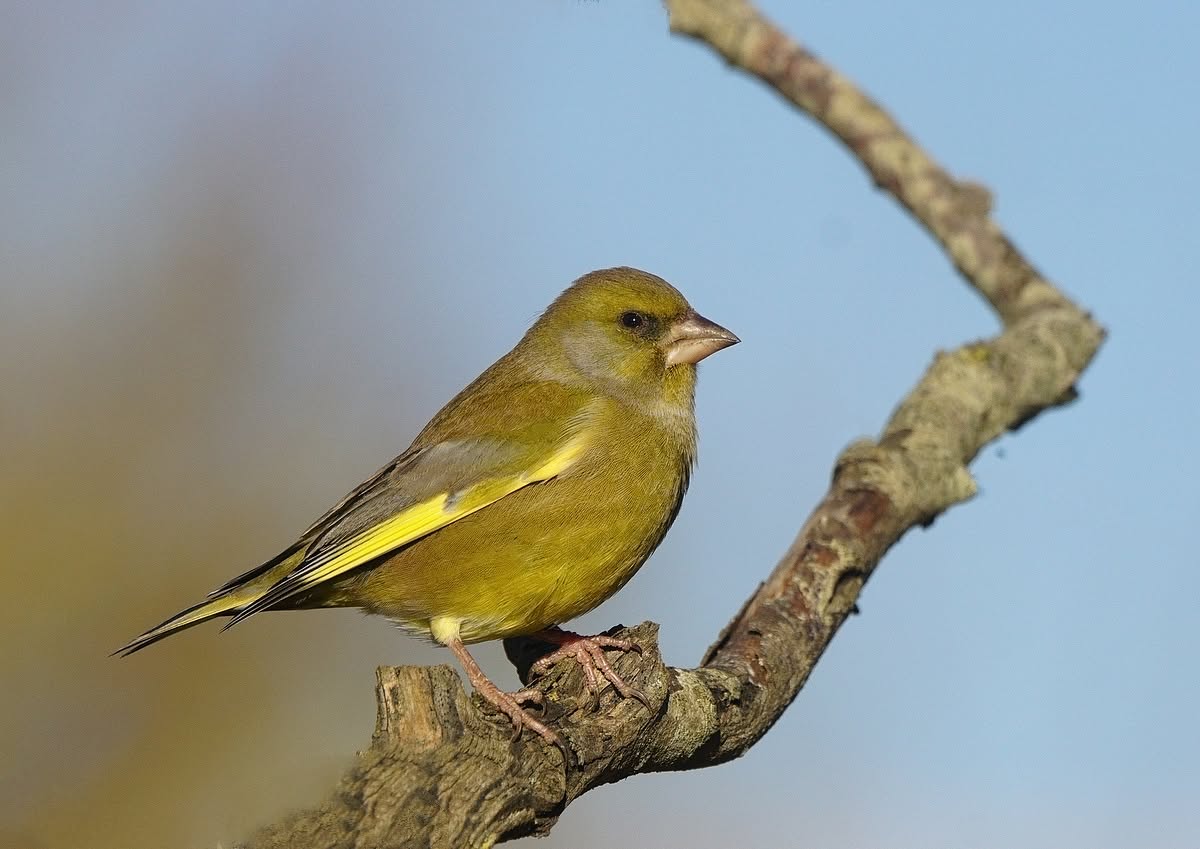
Trichomonosis is a bird disease associated with serious declines in British greenfinches. It is also relevant to captive-bird care, but a wild-bird population decline does not establish the probability that an individual indoor budgie, canary or finch will become infected.
The practical priorities are to avoid unnecessary contact between wild and captive birds, keep their equipment separate, and get veterinary help for a bird that is having difficulty eating or appears unwell. This guide separates what is established about the disease from what a household can reasonably do.
What the disease is
Garden Wildlife Health’s trichomonosis factsheet describes infection with Trichomonas gallinae, a parasite affecting birds. Transmission can involve infected saliva, food passed between birds, and contaminated food or water. The factsheet says captive poultry and pet birds can be affected. It does not provide a numerical risk estimate for a fully indoor household pet.
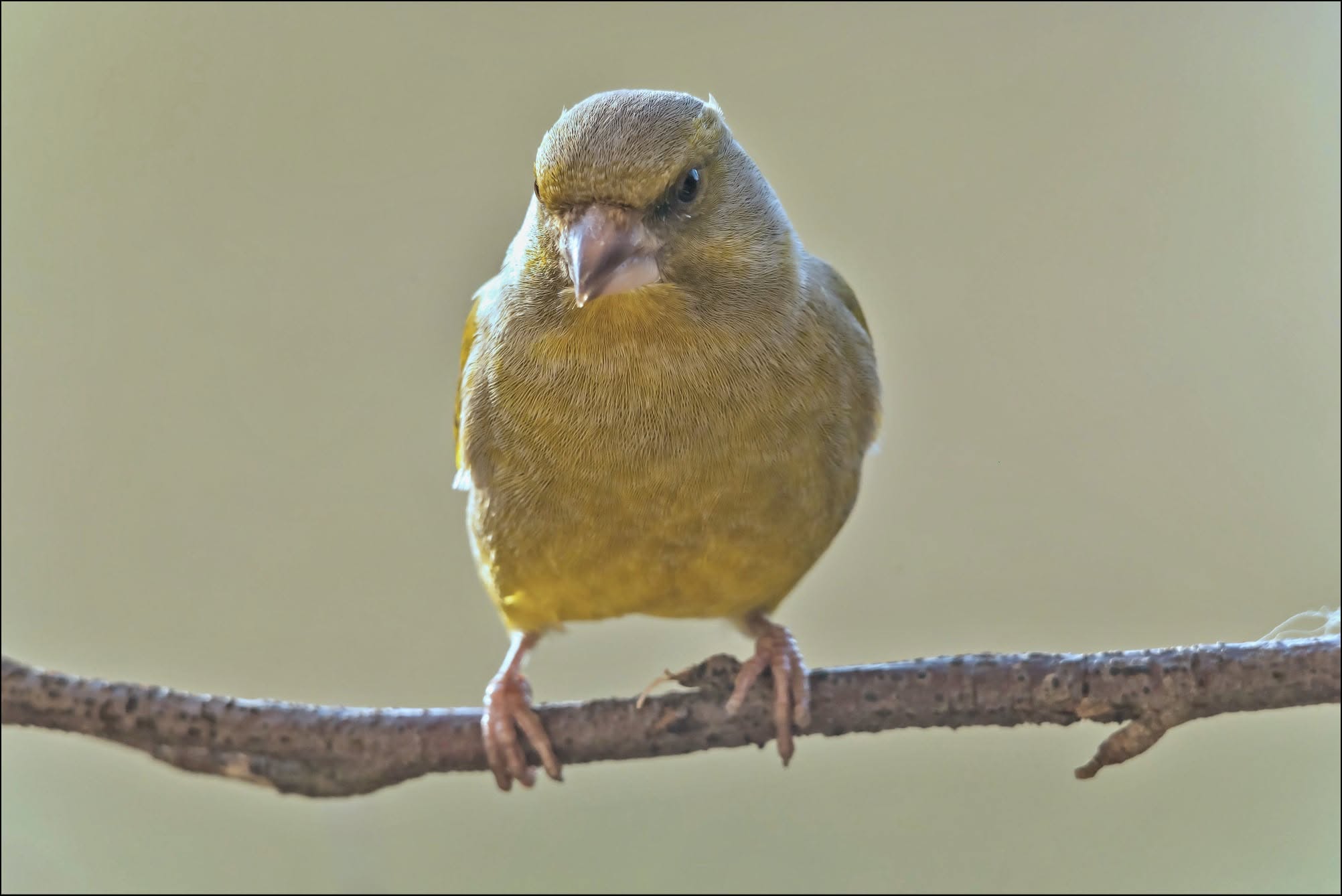
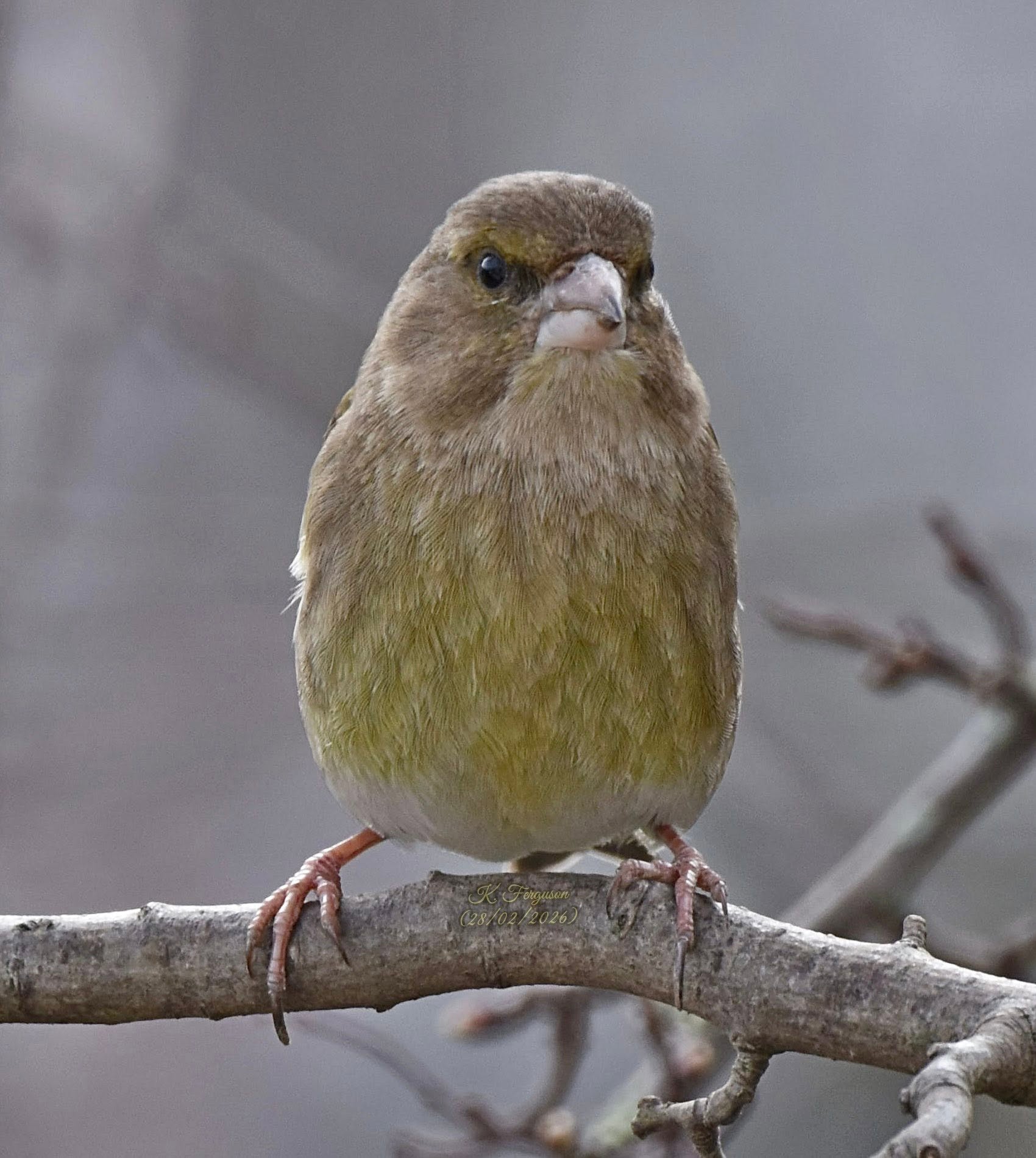
The same source documents the major impact on greenfinches, using historical population data. Those figures describe wild populations over stated periods; they should not be repackaged as a count of new pet-bird cases this week.
What does this mean for an indoor bird?
Exposure matters. A bird with no contact with wild birds is in a different situation from a bird in an aviary accessible to wildlife, or one sharing equipment with an outside feeding area. That distinction is useful for planning, but it does not justify calling a particular species ‘high risk’ or guaranteeing another is safe.
Nor can a shop establish the most common household transmission route from a few descriptions. Treat equipment separation as a sensible precaution, not proof that sharing a scoop has infected a bird.
Map the possible contact points
Walk through your own feeding and cleaning routine and write down where indoor-bird supplies meet garden-feeding equipment.
- Are scoops, brushes, cloths or containers being used for both?
- Can wild birds reach stored food or captive birds’ bowls?
- Does used garden equipment come into the bird room or food-preparation area?
- Do household members wash their hands between outside feeder work and indoor care?
- Have new birds joined the household without a veterinary health and quarantine plan?
Garden Wildlife Health recommends keeping garden-feeder cleaning equipment outside and separate from other uses, with careful hand hygiene. Labelled, separate equipment can make that distinction easier for everyone caring for the birds. Keep feed protected from wildlife and contamination.
For a new captive bird, use VCA’s introduction guidance to start a discussion about examination, screening and quarantine with an avian vet. Do not improvise a treatment or quarantine period because a garden bird looks unwell nearby.

Signs need a vet, not a diagnosis from this page
Difficulty swallowing, repeated food-bringing, wet feathers around the beak, weight loss, marked lethargy or a change in appetite should be reported promptly to an avian vet. These observations are not specific to trichomonosis. Breathing difficulty or collapse needs emergency help.
Tell the practice about any new birds, outside contact and changes in food or equipment. A brief video and existing weight records may help, if gathering them does not delay care. Do not force the beak open to look for lesions or buy medication based on a photograph. Diagnosis and treatment selection belong with the vet.
Our regurgitation and vomiting guide explains why apparently directed food-offering cannot rule illness out. VCA’s signs-of-illness guidance also explains the importance of responding to changes.
If you also feed garden birds
Follow the RSPB’s current seasonal feeding advice. At this update, its guidance says to pause seed and peanut feeding between 1 May and 31 October. That is advice about garden feeding, not an instruction to withdraw your captive bird’s normal diet.
If sick or dead birds appear in the garden, consult the current outbreak instructions and report observations to Garden Wildlife Health. Cleaning alone cannot guarantee that gathering wild birds will stop infecting one another. Do not bring a sick wild bird into your pet birds’ accommodation.

What about people and other pets?
Garden Wildlife Health reports no known threat from this parasite to people or mammals. That does not make all wild-bird contact harmless: birds can carry other infections. Keep sensible hand and equipment hygiene regardless of the disease you suspect.
For the everyday indoor routine, use our food-bowl, water-container and cage-cleaning guide. It covers cleaning decisions without treating an indoor cage as identical to a busy garden feeding station.
Practical help from Paradise Pets
Neil has owned and run Paradise Pets Swindon since 1988 and remains the owner. For general bird-care and equipment enquiries, visit Manor Garden Centre, Cheney Manor Industrial Estate, Swindon, SN2 2QJ, call 01793 512400, or email [email protected].
For illness or suspected poisoning, contact an avian vet directly. Shop advice cannot diagnose a bird. More everyday care topics are in our pet-care guides.
