

Neil has run Paradise Pets Swindon since 1988 — over 35 years of selling bird food, feeders, and watching how advice in this trade has shifted over the decades. The RSPB’s new feeding guidance for summer 2026 is the most significant change to mainstream bird feeding advice he has seen in years. This is his honest read on what it actually means, and what pet bird owners specifically need to understand.
A customer came in recently and put a large bag of mixed sunflower seed on the counter. She had been buying the same bag from us every few weeks for years — garden birds, she said, go through it at a remarkable rate in her back garden. Then she paused and asked me whether she had heard correctly: was she supposed to stop putting it out?
She had heard correctly. And the honest answer to what that means — for garden bird enthusiasts, for pet bird owners, and for anyone who has been feeding birds for years without thinking too hard about how or why — is a bit more complicated than most of the headlines have suggested.
The RSPB has changed its bird feeding guidance for 2026, and it is the most significant shift in mainstream bird feeding advice I have seen in my 35 years of running this shop. I want to give you my honest take on what has actually changed, why it has changed, and specifically what it means if you keep pet birds rather than simply feeding garden visitors.
What The RSPB Has Actually Said
The new guidance, published alongside the 2026 Big Garden Birdwatch findings, carries a simple message: Feed Seasonally. Feed Safely.
In practical terms, that means two things have changed from what most people have been doing.
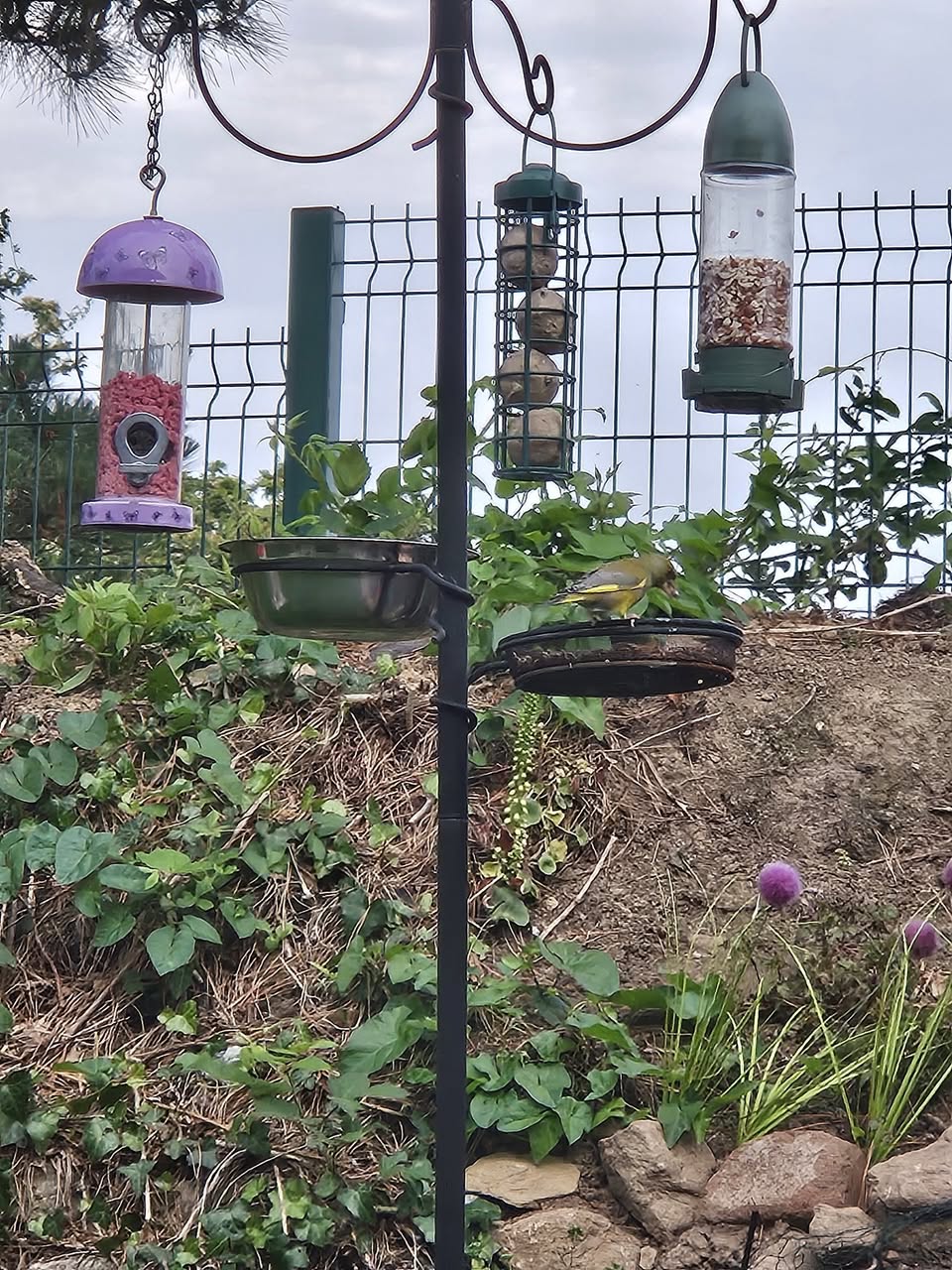
First, the RSPB is now advising that people pause filling garden bird feeders with seeds and peanuts between 1 May and 31 October. That is not a suggestion to stop feeding entirely — mealworms, fat balls, and suet can still be offered in small amounts throughout the year. But the seed and peanut feeders that most garden bird enthusiasts rely on should, under the new guidance, come down for the summer and autumn months.
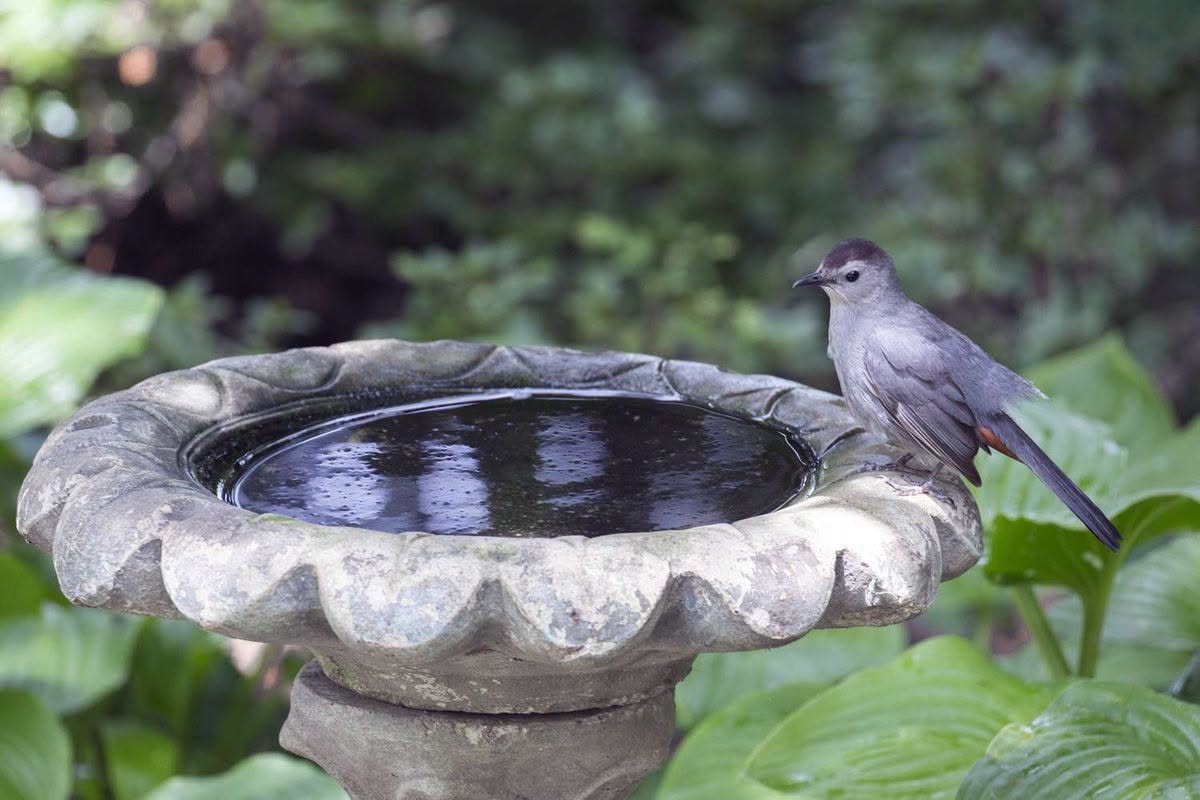
Second, hygiene standards have been tightened considerably. The previous guidance asked people to clean feeders regularly. The new guidance specifies at least once a week — feeders and water baths both — using hot soapy water and a non-toxic disinfectant. Flat surface feeders, including bird tables and window feeders, are now actively discouraged. Bird baths should be refilled daily with fresh tap water, not rainwater.
Why This Has Happened — The Disease Nobody Was Talking About
The change has been driven by a disease called trichomonosis — caused by the parasite Trichomonas gallinae — and by a body of scientific research, conducted with the British Trust for Ornithology and the Institute of Zoology, that has clarified how and when that disease spreads most easily.
Trichomonosis attacks the throat and gullet of affected birds, making it increasingly difficult and eventually impossible for them to swallow food or water. It is spread between birds at feeding stations — particularly in summer and autumn, when bird populations are higher, temperatures support the parasite’s survival, and large numbers of birds gather at the same feeders. Flat surfaces are especially high-risk because infected birds can regurgitate contaminated food back onto the surface where healthy birds then feed.
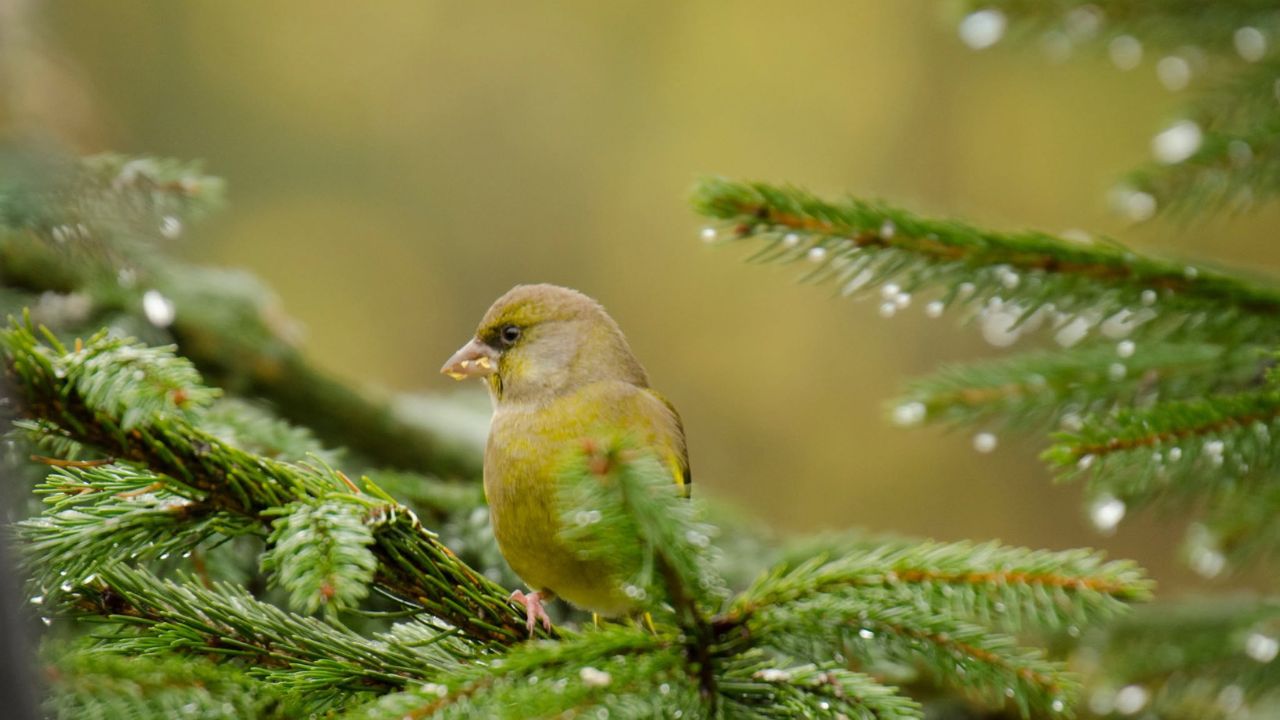
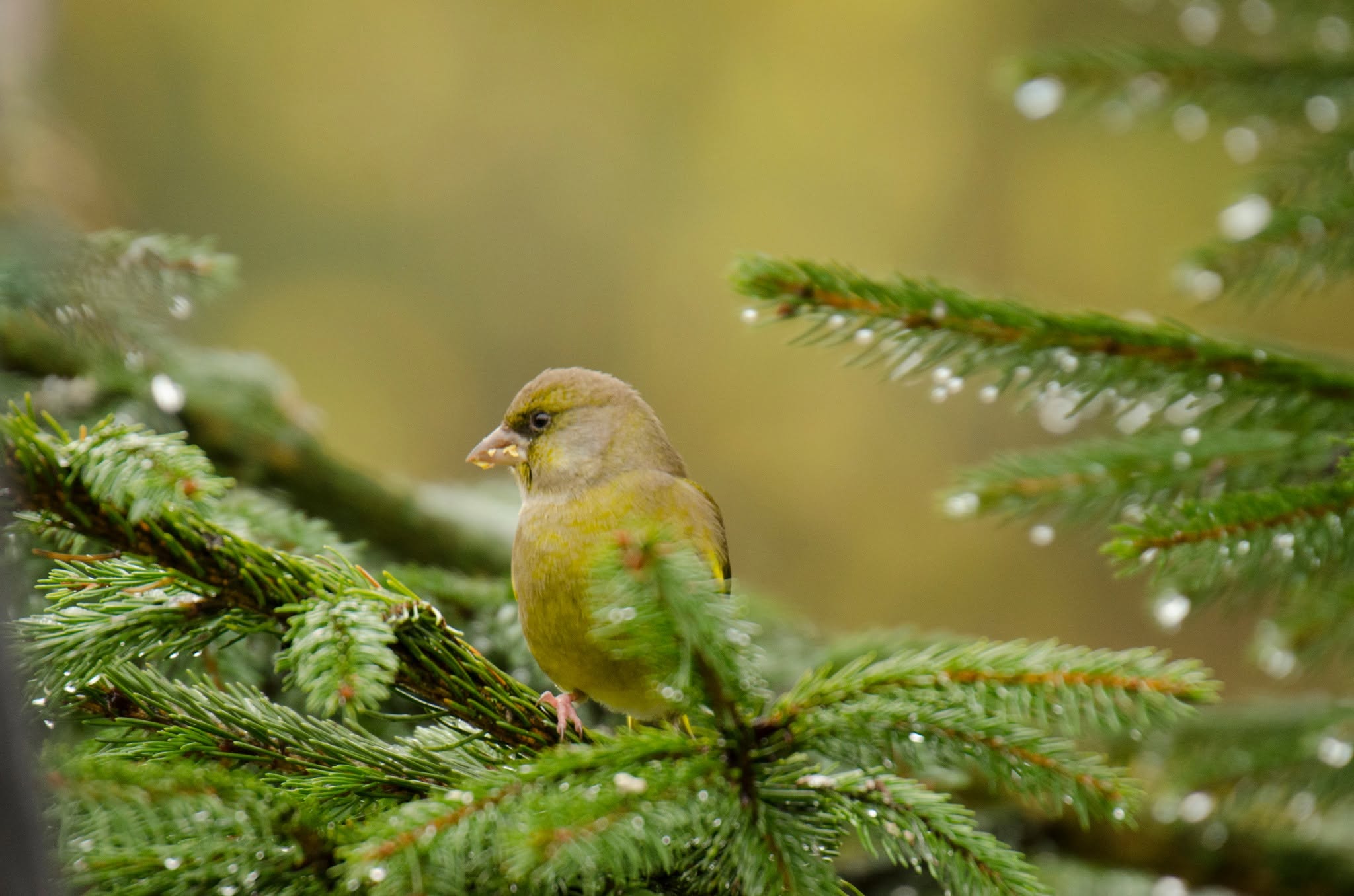
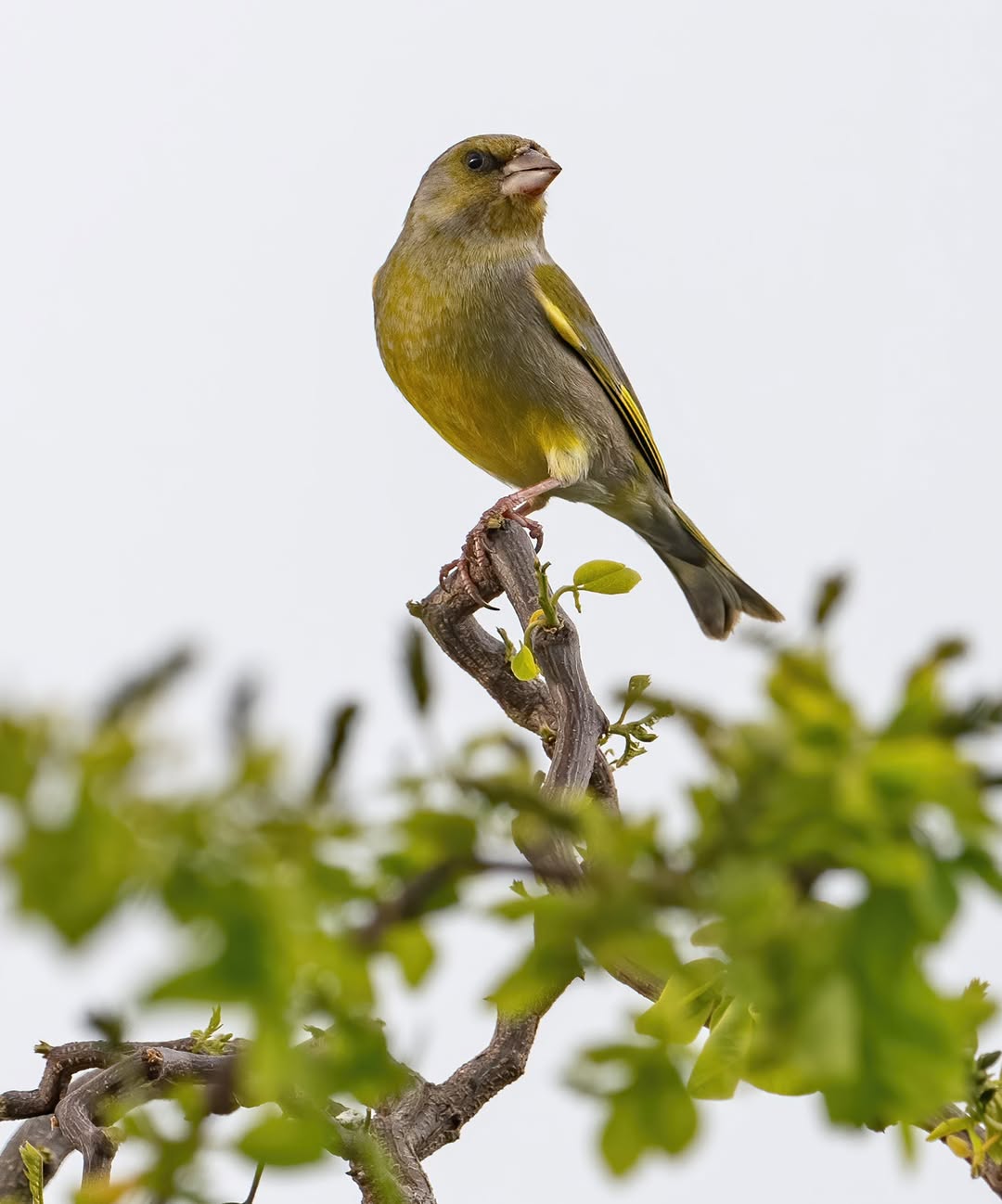
The scale of the impact on specific species is the part that genuinely concerns me. The greenfinch — which I have been selling seed to attract into people’s gardens for over three decades — has declined by 67 per cent in average numbers recorded in the Big Garden Birdwatch since it began in 1979. It is now on the UK Red List. The chaffinch has followed a similar trajectory. There is evidence suggesting the bullfinch may be heading the same way. That is not a marginal statistical shift. That is a species being removed from the gardens it used to be common in, and the primary driver is this disease spreading at feeding stations.
The RSPB’s CEO put it plainly in announcing the change: they are not asking people to stop feeding birds. They are asking people to feed in a way that protects birds’ long-term health. That is, in my view, the correct framing — and it is the one I would ask people to hold onto rather than the more alarming headlines suggesting garden bird feeding is being abandoned.
What This Means For Garden Bird Enthusiasts
If you have been putting out seed and peanuts for garden birds through the summer, the practical change is clear: pause those feeders between 1 May and 31 October, clean everything weekly, and do not use flat surface feeders at any time of year.
What you can still do during that period is offer small amounts of mealworms, fat balls, and suet. The research supports continued protein feeding — particularly dried mealworms, which have been shown to improve chick survival rates — provided it is offered in small quantities and from properly maintained feeders. If you want to do more, the RSPB specifically recommends growing bird-friendly plants: sunflowers, teasels, and ivy provide natural food sources that carry none of the disease transmission risk that feeders do.
There is a nuance here that I think is worth raising, because the guidance has attracted some legitimate questions. The advice assumes that birds in most gardens will have access to sufficient natural food during the summer months when seeds and insects are more abundant. For gardens with mature trees, decent green space, and access to natural habitat, that assumption is probably reasonable. For a small urban garden in the middle of a town, surrounded by concrete and relatively little natural food, it is a less comfortable one. A piece of research from the University of Sheffield found that urban areas support considerably fewer insects than more natural habitats, and that supplementary feeding in urban environments has a measurable positive effect on breeding success that does not apply in areas where natural food is already abundant.
My honest read on this is that the guidance is correct in its direction and should be followed, but that urban bird enthusiasts who are concerned about removing all supplementary food entirely during the summer should focus on the hygiene and feeder type changes as the priority, reduce seed and peanut volume significantly, and offer mealworms carefully rather than removing all support overnight.
What This Means Specifically For Pet Bird Owners
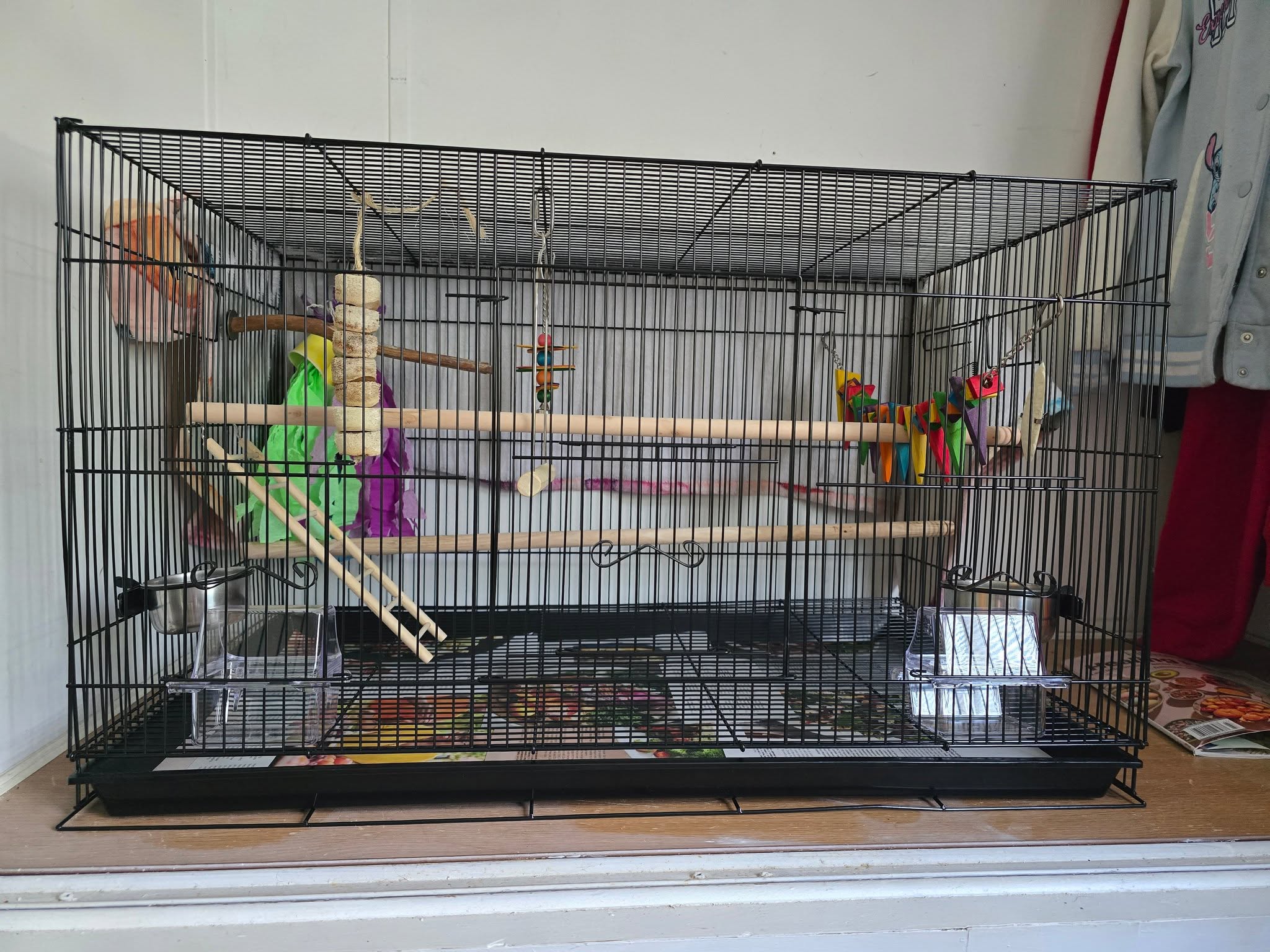
This is where I want to spend a moment, because the coverage of the RSPB guidance has focused almost entirely on garden bird feeding, and there is something important that has been missed for people who keep pet birds — budgerigars, canaries, finches, parrots, and other species kept in cages or aviaries rather than fed in gardens.
The disease driving this guidance, trichomonosis, is primarily a concern at outdoor feeding stations where wild birds congregate. A pet bird kept indoors in a clean cage is not at the same risk from this specific disease. That is the reassuring part.
What the RSPB guidance does do for pet bird owners — and this is the part I want you to take seriously — is remind us all of something that applies to every bird, wild or kept: hygiene at the point of feeding matters enormously, and it is consistently underestimated.
The same principles that the RSPB is now applying to garden feeders apply directly to pet bird care. Food and water containers that are not cleaned regularly become a source of bacterial and parasitic contamination. Stale or damp seed left in a bowl is a genuine health risk to a budgie or canary in the same way that a dirty outdoor feeder is a risk to a greenfinch. The weekly cleaning standard the RSPB is now recommending for outdoor feeders should, in my view, be a daily or every-other-day standard for indoor pet bird food and water containers — and in my experience, many pet bird owners are not meeting even a weekly standard.
The Hygiene Point That Applies To Everyone
I want to make this as concrete as possible, because the word “hygiene” in the context of bird care is one that people often nod at and then do not change their behaviour around.
A water dish for a pet bird that is refilled without being washed first is accumulating bacteria. A seed bowl that is topped up rather than emptied, wiped, and refilled is developing the conditions in which mould and bacteria grow. Perches and cage bars that are not cleaned regularly carry droppings that a bird walks through and then preens from its feet. None of this is alarmist — it is simply what happens, and it is what the RSPB’s tightened guidance is, in different language, pointing toward.
For garden bird enthusiasts, the new standard is clean feeders and water baths at least once a week. For pet bird owners, I would ask you to apply that same spirit to your birds’ environment and raise your cleaning standard if it needs raising. Fresh water daily. Food containers properly washed, not just topped up. Cage cleaning on a consistent schedule rather than when it starts to look bad.
These are not complicated things. They are the kind of things that are easy to let slip when life gets busy, and the kind of things that make a genuine difference to a bird’s health over time. The RSPB guidance is a timely reminder of that, even for those of us whose birds never set foot in a garden.
What We Stock And What We Recommend Right Now
In light of the new guidance, I want to be direct about what has changed in what we would recommend to customers coming in for bird feeding supplies.
We are not removing seed from the shop — seed remains appropriate for the winter months, for pet birds fed indoors, and for garden use during November through April. But we are being clearer with customers about the seasonal guidance and what it means in practice.
Mealworms — dried, or soaked in water to make them easier for nestlings — are the product that fits the new guidance most straightforwardly for garden bird enthusiasts wanting to continue supporting their local birds through the summer. Fat balls and suet products offered in small quantities from clean, hanging feeders are the other option the RSPB continues to support.
For feeder hygiene, we stock appropriate cleaning products. If you are not sure whether what you are currently using to clean your feeders is appropriate — some household cleaning products leave residues that are harmful to birds — come in and ask. It is a short conversation and it matters.
Is The RSPB Right To Make This Change?
People have asked me this directly, and I will give a direct answer: yes, in substance, I think they are.
The greenfinch decline is real and it is serious. The science behind the seasonal pattern of trichomonosis transmission is credible, coming from researchers who have been working on this for years. The shift from “clean your feeders occasionally” to “clean them weekly and remove seeds in summer” is a proportionate response to evidence that the previous guidance was not sufficient to halt the decline.
The nuance I have already mentioned — that urban gardens may present a slightly different picture than the blanket guidance assumes — is worth holding in mind. But the direction of the change is correct, and I would encourage anyone who feeds garden birds to follow it.
What I would add, from 35 years of watching how people respond to changing advice in this trade, is this: do not let the change become an excuse to disengage from bird feeding altogether. The RSPB has been at pains to say that is not what they are asking for, and they are right. Garden bird feeding, done correctly, is genuinely beneficial — to the birds, to the people who do it, and to our broader connection with the natural world. The goal is to do it better, not to stop.
Frequently Asked Questions
Does the RSPB guidance apply to pet birds kept indoors?
The specific seasonal advice — pausing seeds and peanuts between May and October — applies to outdoor garden feeders where wild birds congregate and disease spreads between individuals. Pet birds kept in indoor cages are not at the same risk from trichomonosis through this route. However, the hygiene principles in the guidance apply universally: clean food and water containers regularly, do not let seed or water sit and become contaminated, and maintain a clean environment for any bird in your care.
Can I still put anything out for garden birds this summer?
Yes. Small amounts of mealworms, fat balls, and suet in clean, hanging feeders remain appropriate throughout the year under the new guidance. What should be paused is seeds and peanuts in traditional feeders. Flat surface feeders and bird tables are discouraged entirely under the updated advice, at any time of year.
What should I do with my bird feeders during the pause?
Clean them thoroughly, dry them properly, and store them somewhere clean until November. A feeder put away damp or with seed residue in it will be in poor condition when you bring it back out. The cleaning step before storage is as important as the cleaning before use.
How do I clean bird feeders properly under the new guidance?
Hot soapy water to remove debris and old food, followed by a non-toxic disinfectant — the RSPB specifically mentions Ark-Klens or a mild five per cent bleach solution. Rinse thoroughly and allow to dry completely before refilling. Do this at least weekly during the months when feeders are in use. Come and talk to us if you are unsure which cleaning products are appropriate — not everything that cleans effectively is safe for birds.
Should I be worried about the disease spreading to my pet birds?
Trichomonosis can affect multiple bird species, including some kept as pets, but the primary transmission route identified in the RSPB research is through contaminated food and water at outdoor feeding stations with multiple wild birds congregating. An indoor pet bird with no contact with wild birds is at very low risk through this specific route. Maintain good hygiene standards and, if your bird shows any signs of illness — changes in droppings, reduced appetite, lethargy, or difficulty swallowing — consult an avian vet promptly.
A Final Word From Me
The customer with the bag of sunflower seed left with a smaller bag of dried mealworms and a cleaning brush for her feeders. She was not particularly pleased about changing a routine that had worked well for years. But she understood the reason, and she left better informed than she arrived, which is all I can ever really ask for from a conversation at this counter.
The RSPB’s new guidance is worth following. The disease it is trying to address is real. And the broader reminder it carries — that how we care for birds, whether in a garden or a cage, matters more than we sometimes acknowledge — is one I have been making in one form or another for 35 years.
If you have questions about what to feed, what to stock, or how to keep your feeders and your pet birds in the best possible condition, come and find us. We will give you a straight answer, as we always have.
Questions About Bird Feeding or Pet Bird Care? Come and Talk To Us.
Whether you feed garden birds, keep a budgie, or both — we will give you honest, practical advice on what the new guidance means for you. No pressure, just a straight conversation.