

Neil has helped bird owners and garden wildlife lovers in Swindon since 1988. During hot weather, people want to help birds outside, but help needs to be clean, careful and disease-aware.
Putting water out for garden wildlife in hot weather can be a kind, useful thing to do.
But there is a second part owners forget: hygiene. A dirty bird bath, crowded feeder or stale food area can become a disease risk, especially when many birds visit the same small spot.
The RSPB has warned before about disease spread at feeders, including problems affecting finches. In hot weather, food and water stations need extra care. Helping wildlife should not accidentally create a dirty meeting point for disease.
Why Garden Birds Need Help In Hot Weather
Hot weather can dry up natural water sources. Birds and other wildlife may visit gardens more often to drink and bathe. The Met Office advises putting out fresh, clean water for wildlife such as birds and hedgehogs during hot weather.
That is good advice, but the word “clean” matters.
Birds do not queue politely. They land, drink, bathe, drop food, leave droppings and move on. If the same bowl or bath is left dirty, it can become a problem.
The Disease Risk Owners Forget
Garden feeders and bird baths bring birds together. That is part of why we enjoy them. It is also why hygiene matters.
The RSPB has given guidance on reducing disease risks at feeders, including cleaning and thinking carefully about what is offered in warmer months.
If sick birds visit a dirty feeder or water station, infection can spread more easily. You may not see the problem immediately, but poor hygiene increases risk.
How To Help Without Making Things Worse
- Use shallow water
A shallow dish is safer and easier to clean. - Put water in shade
Shaded water stays cooler and fresher. - Change water daily
In hot weather, fresh water matters. - Clean bird baths and feeders regularly
Do not let droppings, old seed or algae build up. - Spread feeding points out
Crowding increases stress and contact between birds.
Neil’s Heatwave Garden Bird Checklist
- Is the water fresh today?
Replace stale water rather than topping it up endlessly. - Is the bowl clean?
Rinse and scrub regularly, especially in warm weather. - Is food going stale?
Remove old food and avoid leaving mess under feeders. - Are sick birds appearing?
If you see birds that look very unwell, stop feeding temporarily and clean thoroughly. - Is your indoor bird protected?
Wash hands after handling feeders, bowls or outdoor bird equipment before touching pet bird items.
Why This Matters If You Keep Pet Birds Indoors
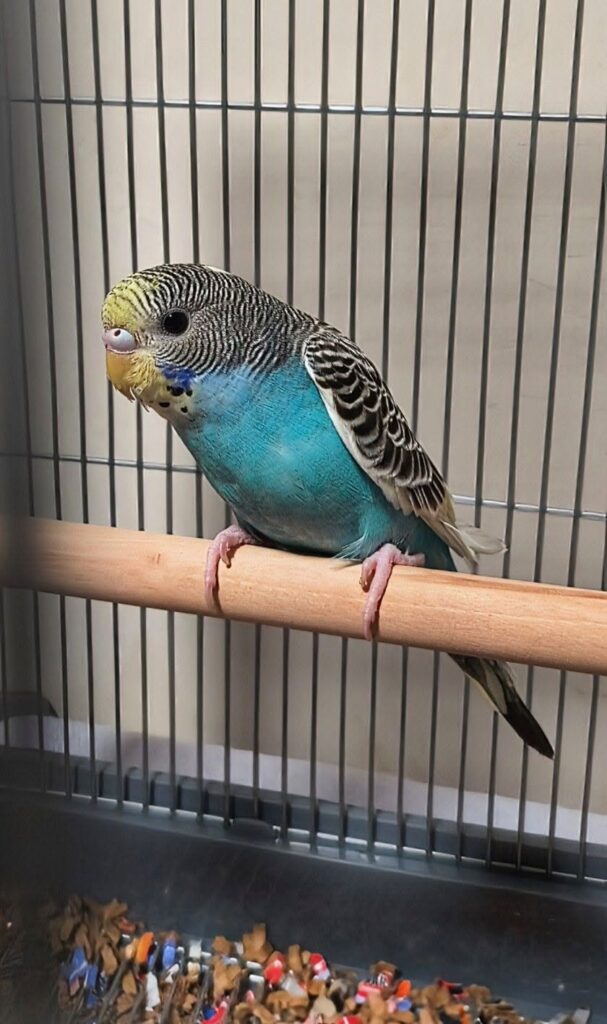
People who keep budgies, cockatiels or canaries often also feed garden birds. That is fine, but keep equipment separate.
Do not use the same brushes, bowls or surfaces for outdoor feeder cleaning and indoor pet bird care. Wash hands. Keep outdoor mess away from indoor cages. Do not bring sick wild birds close to pet birds.
The aim is not fear. It is sensible hygiene.
What To Avoid
Do not leave dirty water standing for days. Do not let old seed rot below feeders. Do not place feeders where droppings fall into pet areas. Do not handle outdoor bird equipment and then immediately handle indoor bird food or cage items.
If disease is suspected around your feeders, follow reputable wildlife guidance and clean or pause feeding as needed.
Neil’s Honest Advice
Helping garden wildlife is worthwhile, especially in heat. But a helpful garden is a clean garden.
Fresh water, shade and hygiene do more good than overfilled feeders and dirty bowls. If you also keep pet birds indoors, treat outdoor bird equipment as separate from your pet bird routine.
Need Honest Bird Advice In Swindon?
Speak to Neil at Paradise Pets Swindon for practical advice on pet bird hygiene, cage setup, food, water, enrichment and safe routines around garden bird feeding.