
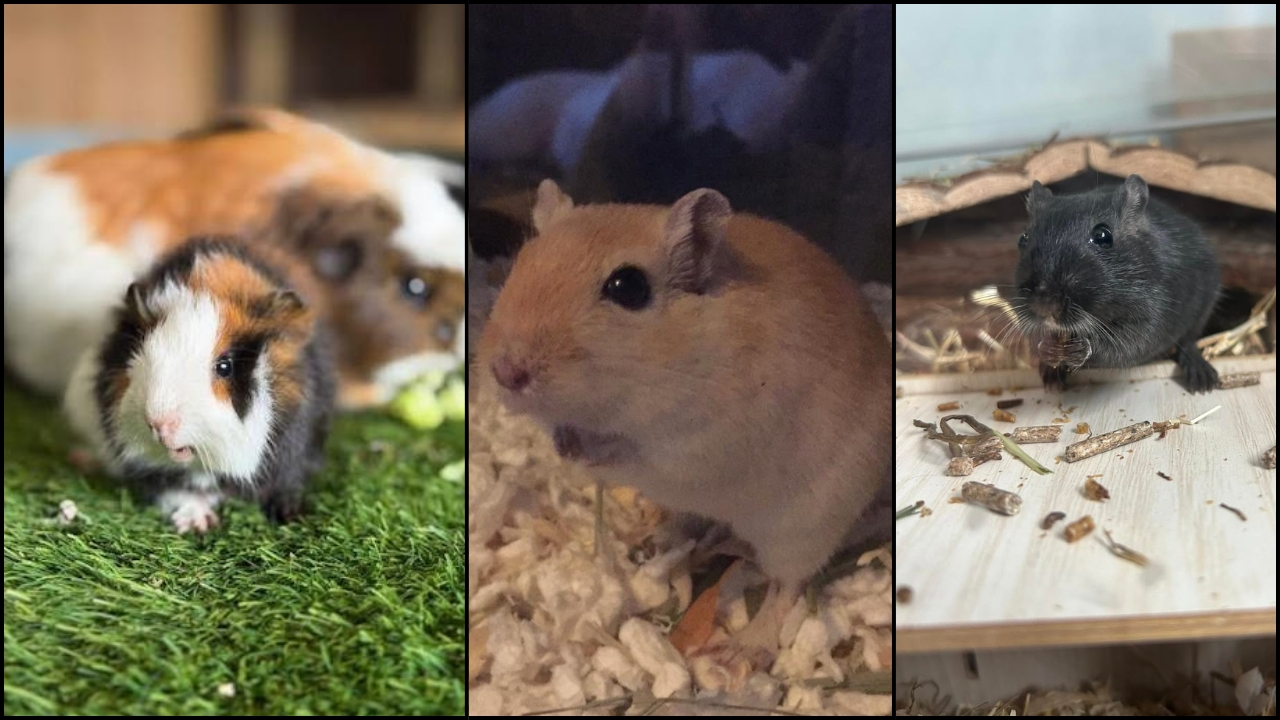

Neil has owned and run Paradise Pets Swindon since 1988, and hot weather is one of the times he asks small-pet owners to slow down and look again at their setup. A hutch, cage or run that looked safe in the morning can become a welfare problem by the afternoon.
The mistake I worry about most during a heatwave is not always lack of care. It is confidence.
Someone checks a rabbit run at 9am, sees shade, fresh water and a calm animal, then assumes everything will stay fine until evening. But the sun moves. Rooms heat up. Plastic hides trap warmth. Water bottles warm. Bedding gets damp. A cage beside a bright window can become uncomfortable long before the owner notices.
For rabbits, guinea pigs, hamsters, gerbils and other small pets, heat can turn quickly. They cannot simply tell you that the room is too hot. By the time a small animal looks weak, flat, drooling, wobbly or unusually quiet, the situation may already be serious.
That is why the most important heatwave check is not the morning check. It is the afternoon check.
Why Small Pets Struggle So Quickly In Hot Weather
Small pets are often kept in enclosures, which means their choices are limited. A rabbit in a run, a guinea pig in a hutch, or a hamster in a bedroom cage cannot always move away from heat in the way a wild animal would.
The RSPCA, PDSA, BVA and Met Office all give similar summer advice: provide shade, ventilation, fresh water and regular checks. The point is not just comfort. It is welfare.
Small animals can be vulnerable because their bodies are small, their enclosures can heat up quickly, and owners may not realise how fast direct sunlight moves across a garden or room.
Indoor pets are not automatically safe. Bedrooms, conservatories, summerhouses and rooms with closed curtains can all become hot and stale. Outdoor pets are not automatically safer either. A run may have morning shade but afternoon sun.
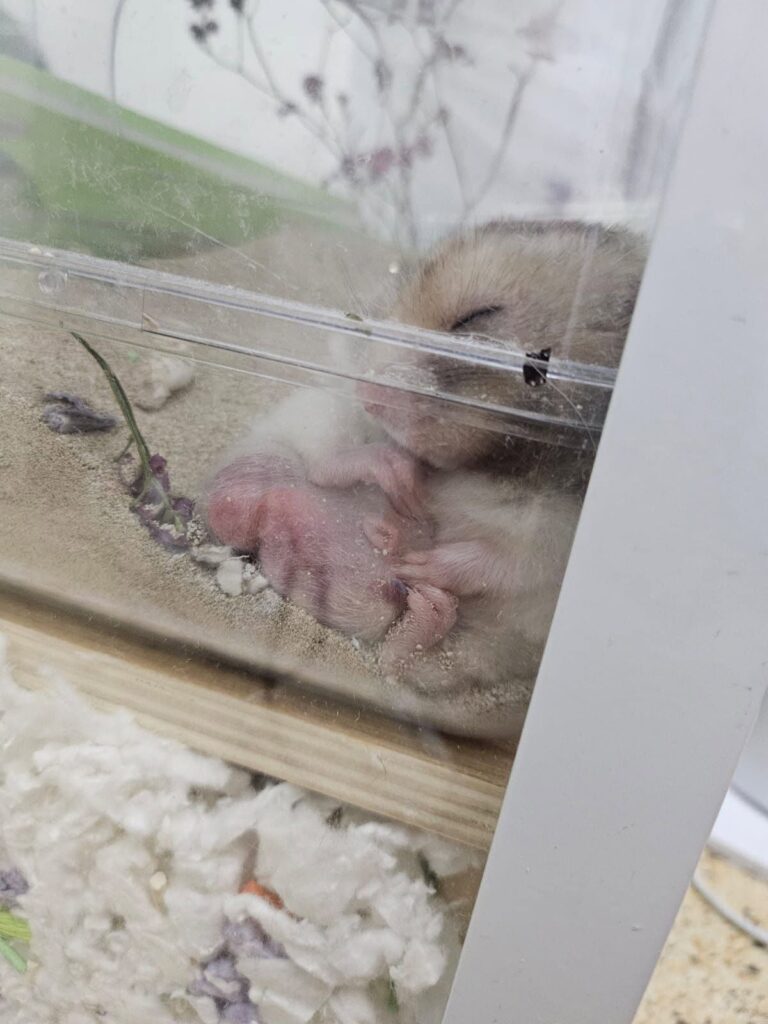
The Setup Mistake Owners Must Check Before Afternoon
The mistake is simple: checking the enclosure once and assuming the setup stays safe all day.
During hot weather, I want owners to check the setup again before the hottest part of the day. For many homes and gardens, that means late morning and again early afternoon.
- Check where the sun is hitting now
Do not look at where the shade was earlier. Look at the actual cage, hutch or run at that moment. - Check whether the animal has real choice
Shade in one corner is not enough if the pet cannot comfortably reach it or if the shaded area is still hot and stuffy. - Check water temperature
Water bottles and bowls can warm up. Refresh them with cool, clean water. - Check airflow
A covered enclosure can have shade but poor ventilation. Shade and airflow need to work together. - Check bedding
Damp, dirty or heavily packed bedding can hold warmth and smell. In hot weather, hygiene matters even more.
Neil’s Afternoon Heatwave Checklist
- Is the cage, hutch or run in direct sun now?
If yes, move the animal or create proper shade immediately. - Is there a cooler area the pet can choose?
The animal needs enough space to move away from heat. - Is fresh water available in more than one place?
Bowls and bottles can both help, especially for guinea pigs and rabbits. - Is the room or outdoor area ventilated?
Warm, still air is a problem even when the enclosure is shaded. - Does the pet look different from normal?
Quietness, drooling, fast breathing, weakness, lying flat or collapse should be treated seriously.
Species-Specific Checks
Rabbits
Rabbits need shade, airflow and space to move. The BVA advises that rabbit environments should stay cool, and the Met Office suggests options such as shaded runs, wrapped frozen bottles and damp towels over wire mesh runs. Do not trap warm air by covering the whole run with thick material.
Check rabbits for flystrike risk in warm weather, especially around the rear end. If a rabbit is dirty, damp, weak, not eating or has maggots or eggs on the coat, contact a vet immediately.
Guinea pigs
Guinea pigs need constant hay, water and a cool place to rest. PDSA advice warns against placing enclosures in direct sunlight. Guinea pigs can also be at risk from flystrike, so hygiene checks matter.
Hamsters and gerbils
Hamsters and gerbils are often in bedrooms, where heat builds quietly. Move cages away from windows, radiators, conservatories and direct sun. Do not place cages in draughty panic spots, but do choose a cooler, stable room.
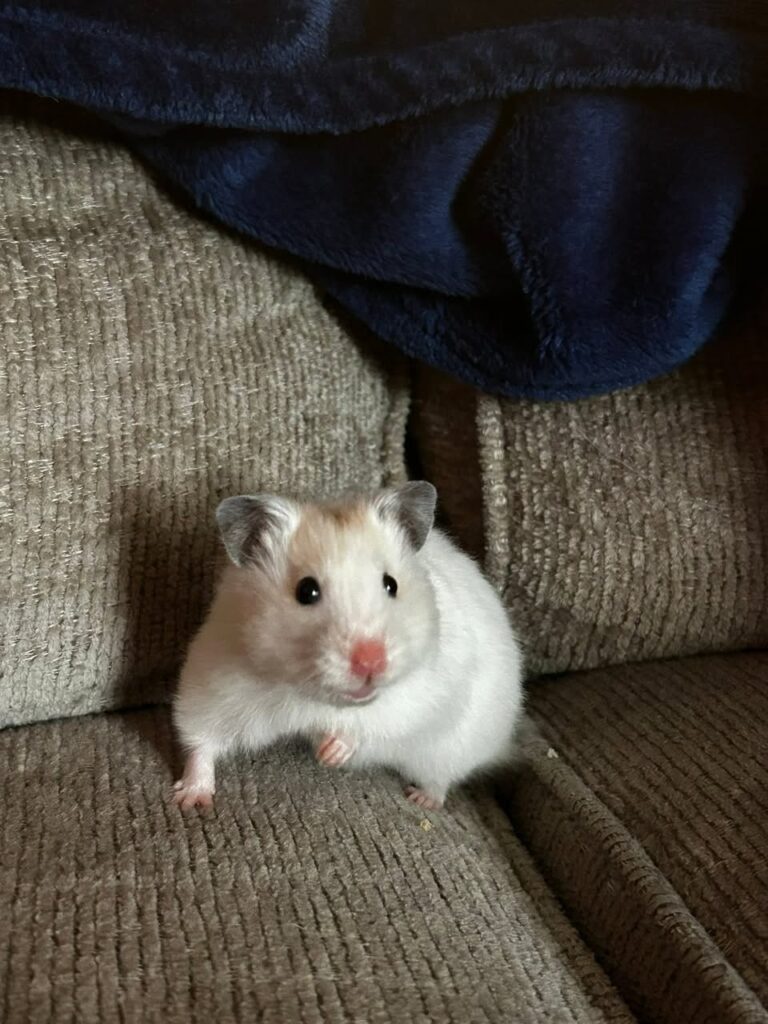
Warning Signs That Need Urgent Attention
Heat stress can become an emergency. Contact a qualified vet urgently if your pet is showing worrying symptoms.
- Very quiet or unusually flat behaviour
Small pets often hide illness or stress, so a sudden change matters. - Fast breathing, open-mouth breathing or drooling
These signs should not be ignored. - Weakness, wobbliness or collapse
Treat this as urgent. - Not eating or not responding normally
In small animals, appetite changes can become serious quickly.
What I Would Do Today
If you have small pets, do a proper heat check before afternoon. Move the enclosure if needed. Add shade without blocking airflow. Refresh water. Remove damp bedding. Check the animal’s rear end if it is a rabbit or guinea pig. Watch behaviour.
Most heatwave problems are easier to prevent than fix. Waiting until the pet looks visibly unwell is the dangerous part.
Need Honest Pet Advice In Swindon?
Before buying a bird or small pet, speak to Neil at Paradise Pets Swindon. We can help you check cage size, diet, bedding, enrichment, compatibility and whether the setup is right before you bring an animal home.