


Neil has sold and advised on rabbit care in Swindon for more than 35 years. In a heatwave, one of the most common mistakes is trusting a rabbit run because it looked shaded earlier in the day.
A rabbit run can be safe at breakfast and dangerous by mid-afternoon.
That is the simple summer lesson many owners miss. They look outside at 8am, see shade on the grass, see the rabbits moving around, and feel reassured. But by 2pm the sun has moved, the grass is hot, the air is still, and the shaded corner may no longer be shaded at all.
Rabbits are not designed to sit in a hot exposed run with no escape. Wild rabbits avoid the strongest heat by using burrows and cooler areas. Pet rabbits depend on us to create that choice for them.
If the run does not give real shade, airflow, fresh water and a cooler resting place all through the day, it is not a heatwave-safe setup.
Why 2pm Matters
The hottest part of the day is often not when owners first check the rabbits. A run that seems comfortable earlier can become exposed later, especially if it sits on a patio, against a fence, near a wall or in a garden where the shade shifts.
The RSPCA and PDSA both advise owners to provide shade and water in warm weather. The Met Office also suggests practical cooling steps for rabbits and guinea pigs, including damp towels over wire mesh runs and wrapped frozen bottles in the living space.
Those tips only work if owners check the setup during the real danger window, not just at the beginning of the day.
What A Heat-Safe Rabbit Run Needs
- Permanent shade across the hottest hours
Do not rely on one patch of shade that disappears as the sun moves. - Airflow
Covering a run with thick blankets can trap heat. Use shade carefully so air can still move. - Cool resting options
Wrapped frozen bottles, cooling tiles or a cool hide can help, but the rabbit must be able to choose whether to use them. - Fresh water in more than one place
A bowl and bottle can be useful, especially if one gets knocked or warmed by the sun. - Clean, dry bedding
Damp or dirty bedding increases welfare risk and can attract flies.
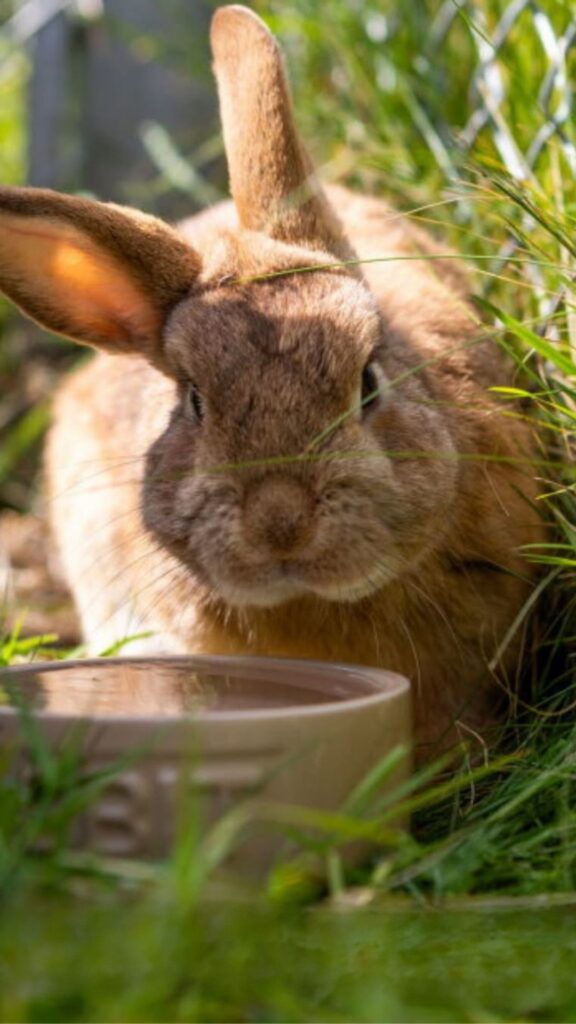
The Dangerous False Sense Of Security
Many rabbit owners care deeply but still underestimate heat. They may think: “The run has a cover, so it is shaded.” But the material matters. A cover can block sun while trapping warm air beneath it.
They may think: “There is water, so they are fine.” But water can warm up quickly, and a rabbit already affected by heat may not drink enough.
They may think: “They are lying down, so they are relaxed.” Sometimes rabbits stretch out because they are comfortable. But a rabbit that is flat, weak, drooling, breathing quickly or not responding normally may be in trouble.
Neil’s 2pm Rabbit Run Check
- Stand where the rabbits are
Do not judge from the kitchen window. Stand by the run and feel the heat yourself. - Check the ground temperature
Grass, patio slabs and artificial surfaces can all hold heat differently. - Look for a proper escape zone
The rabbit should have a cooler shaded area big enough to rest comfortably. - Refresh water
Replace warm water with cool, clean water. - Check the rabbit’s rear end
In warm weather, flystrike checks are essential. If you see eggs, maggots, wounds or a dirty bottom, contact a vet immediately.
Indoor Rabbits Need Checks Too
Indoor rabbits are not automatically protected. Conservatories, summerhouses, upstairs bedrooms and rooms with large windows can become dangerously warm.
If the rabbit lives indoors, check the room temperature, airflow and whether the rabbit can move away from sun patches. Keep cages away from windows where the sun crosses the floor later in the day.
Fans can help move air around the room, but do not blast a rabbit directly with cold air in a way that causes stress. The goal is a stable, cooler environment.
When To Call A Vet
Contact a qualified vet urgently if your rabbit is drooling, breathing fast, very weak, not eating, collapsed, fitting, or behaving very differently from normal. Do not wait to see if it passes.
Rabbits can deteriorate quickly, and heat-related signs should be treated seriously.
Neil’s Honest Advice
If you cannot check the run during the hottest part of the day, do not leave rabbits in a setup that depends on moving shade. Move them to a safer, cooler place before the heat builds.
Heatwave rabbit care is not complicated, but it must be active. You have to check again, adjust again and think like the animal inside the run.
Need Honest Rabbit Advice In Swindon?
Before buying or upgrading rabbit housing, speak to Neil at Paradise Pets Swindon. We can help you think through space, shade, bedding, hay, water, enrichment and heatwave safety.