
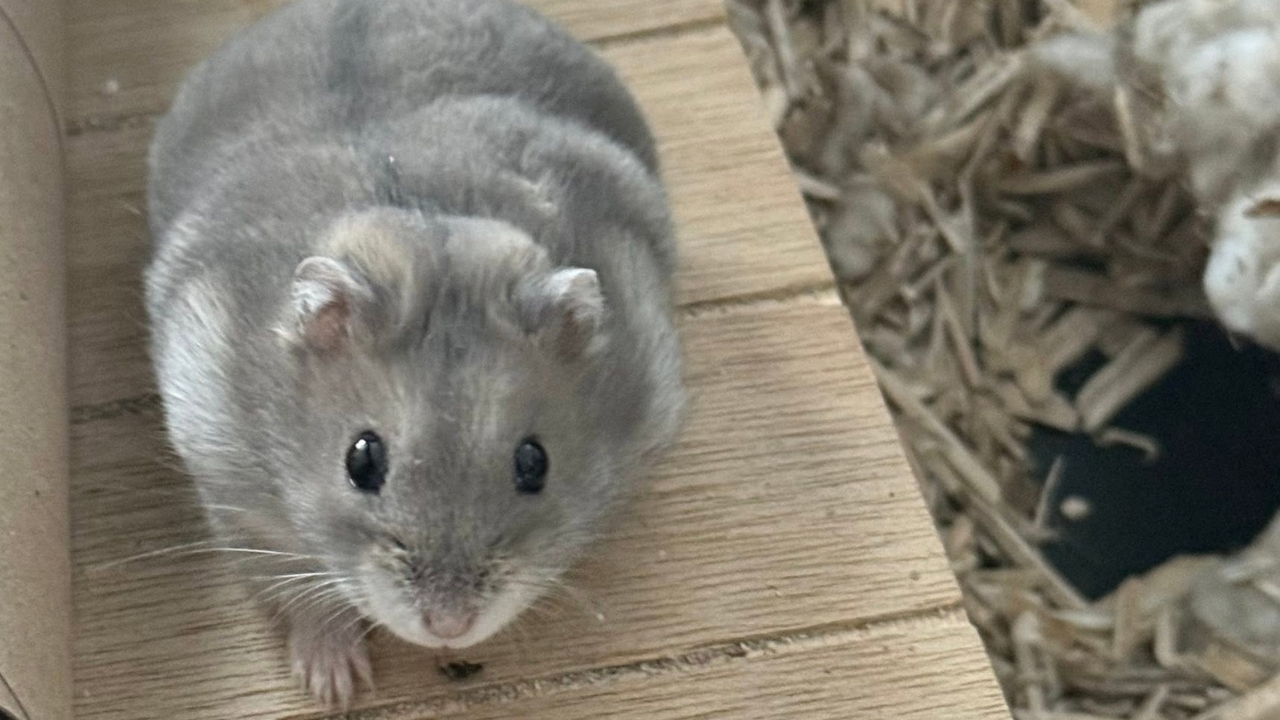

Neil has advised hamster owners at Paradise Pets Swindon since 1988. In summer, the hamster I worry about most is not always the noisy one – it is the one that suddenly goes quiet in a warm bedroom.
A quiet hamster is not always a relaxed hamster.
Hamsters sleep in the day, so owners can easily miss a change. But during hot weather, a hamster that is unusually still, slow, flat, weak or reluctant to move deserves attention. Bedrooms can heat up quickly, especially upstairs, near windows or in rooms where curtains stay closed and airflow is poor.
Many hamster cages are placed in children’s bedrooms. That is normal. But in a heatwave, bedrooms can become some of the warmest rooms in the house. The cage may be safe most of the year and still become the wrong place during a hot spell.
This is why I want hamster owners to look at the room, not just the hamster.
Why Hot Bedrooms Are A Problem For Hamsters
Hamsters are small, and small animals can be sensitive to temperature changes. PDSA advice on small pets in summer warns owners to keep enclosures out of direct sunlight and in cool, shaded places.
The bedroom risk is easy to overlook because the cage may not be outside, and the animal may not be in direct sun all day. But heat can build in a room gradually. A cage near a window, on a high shelf, beside electrical equipment or in a poorly ventilated corner can become too warm.
Hamsters also hide signs of stress. A dog may pant loudly. A hamster may simply become less active, sleep in an odd place, stop using the wheel, drink differently, or seem slow when handled.

What Owners Often Get Wrong
- Thinking indoor means safe
Indoor rooms can still overheat, especially upstairs bedrooms. - Leaving the cage near a window
Sun through glass can warm a cage quickly, even if the room seemed fine earlier. - Using deep plastic hides without checking heat
Hides are important, but some spaces can become warm and stuffy. - Waiting for obvious illness
A hamster may show subtle signs first. Sudden quietness matters. - Moving the cage into a draughty panic spot
Cooling should be steady and sensible, not sudden stress.
Neil’s Hot-Bedroom Hamster Check
- How warm is the room?
Use a simple room thermometer. Guessing is not enough during a heatwave. - Is the cage in any direct sun?
Watch where sunlight lands later in the day, not just in the morning. - Is there airflow without a strong draught?
The room should feel fresh, not hot and still. - Is water easy to reach?
Check the bottle is working and the hamster knows where it is. - Has behaviour changed?
Compare with what is normal for that hamster, not what another hamster does.
Signs A Quiet Hamster May Need Help
Contact a qualified vet if your hamster is weak, collapsed, breathing strangely, not responding, not eating, not drinking, or behaving very differently from normal.
Heat can be only one possible cause. Illness, pain, age, stress and other problems can also make a hamster quiet. That is why I do not like owners guessing for too long.
How To Cool The Setup Sensibly
Move the cage away from direct sun. Choose a cooler room if the bedroom is too warm. Keep water fresh. Make sure the cage has ventilation. Do not put the cage in a fridge, freezer, direct blast of air conditioning or a place with sudden cold draughts.
You can use a wrapped cool pack near part of the outside of the cage so the hamster has a cooler area nearby, but do not make the whole enclosure cold or damp. The hamster should have choice.
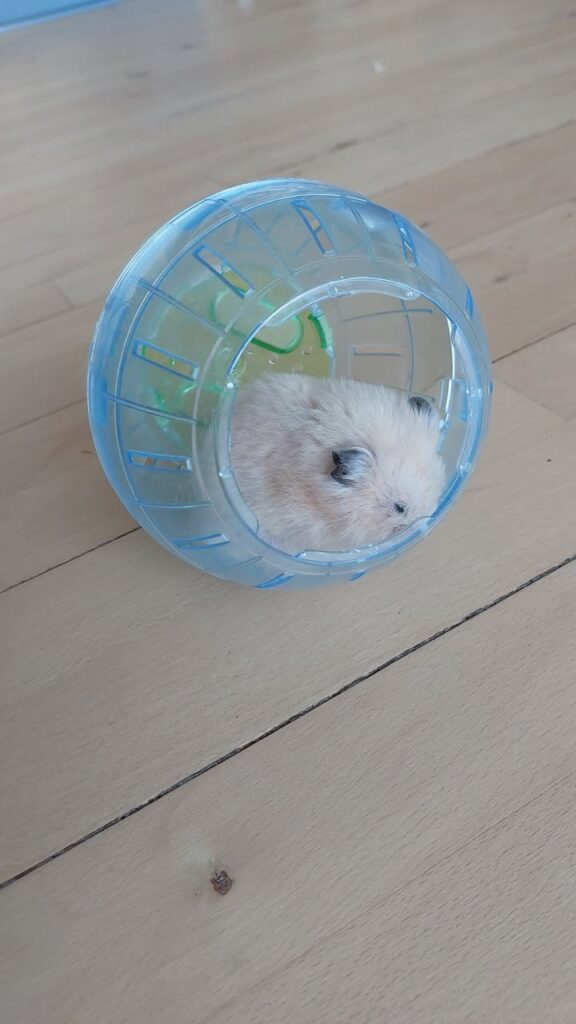
If the cage uses plastic tubes or enclosed sections, check whether they feel warm. Some setups look fun but do not breathe well in heat.
Why This Topic Matters For Families
Hamsters are often bought as children’s pets, but adults still need to monitor welfare. A child may notice that a hamster is “sleeping more” without realising the room is too hot.
During school holidays, routines also change. Bedrooms may be shut up for longer, travel plans may distract owners, and cages may not be checked at the right time of day.
That is why I recommend one adult does the heat check every day during hot weather.
Neil’s Honest Advice
If your hamster suddenly seems quiet during hot weather, do not panic, but do not ignore it. Check the room, cage position, water, airflow and behaviour. If the hamster looks unwell, get veterinary advice.
Most good hamster care is quiet care: the right cage position, the right bedding, clean water, low stress, and an owner who notices small changes.
Need Honest Hamster Advice In Swindon?
Before buying a hamster or changing its setup, speak to Neil at Paradise Pets Swindon. We can help with cage choice, bedding depth, wheels, hides, diet, handling and summer room safety.