
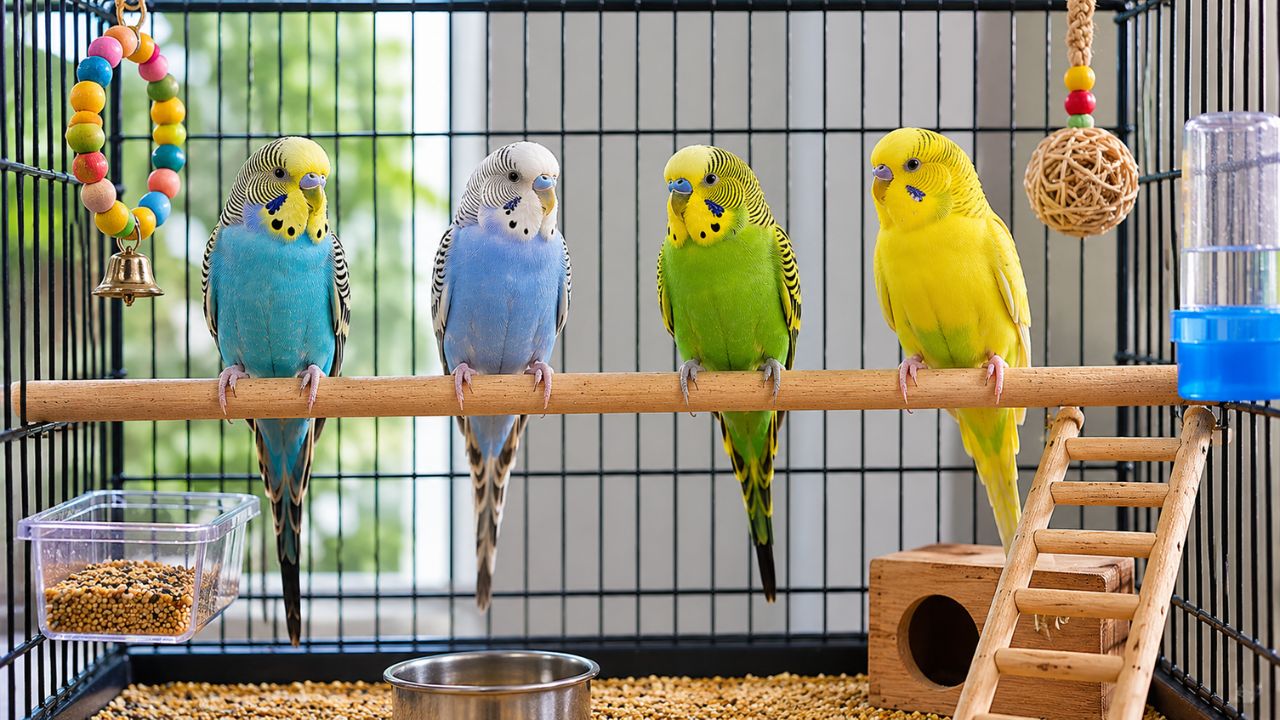

Safety correction, 24 September 2026: Revised the veterinary-contact advice and removed fixed waiting periods for concerning signs. Veterinary guidance on signs of illness in birds supports prompt professional assessment; breathing difficulty is an emergency.
Neil has kept, bred, and sold budgies at Paradise Pets Swindon since 1988 — over 35 years of first-hand experience with these birds. A sneezing budgie is one of the most common concerns owners bring to the counter. In most cases it is straightforward. In some cases it is urgent. Knowing which one you are dealing with is what this guide is for.
It happens regularly. An owner comes in and says: “My budgie keeps sneezing. Should I be worried?”
Sometimes yes. More often, no — but with a caveat that needs explaining before they walk out the door.
Because the range of things that make a budgie sneeze runs from entirely harmless to potentially life-threatening. And the difference between them is not always obvious unless you know what to look for. Getting it wrong in the wrong direction costs budgies their lives every year. Owners who dismissed sneezing as nothing, when it was something. And owners who panicked about normal sneezing when the bird was completely fine.
This guide covers the full range — from the three sneezes a day that every budgie does, to the situations that need a vet call the same afternoon.
The First Thing to Know — Some Sneezing Is Completely Normal
Budgies sneeze. All of them. Every day.
Their nostrils — the cere, the fleshy area above the beak — sit in the middle of a dusty world of seed husks, feather dander, and substrate particles. Sneezing is how they clear that debris. A healthy budgie will sneeze a few times a day and it means absolutely nothing.
What a normal budgie sneeze looks like: a small, sharp, dry sneeze. Nothing comes out with it — no visible discharge, no wet spray, no crust around the nostrils. The bird sneezes and immediately goes back to whatever it was doing. Preening, chirping, climbing, eating. Entirely unbothered.
If that is what you are seeing — occasional, dry, no discharge, normal behaviour otherwise — you almost certainly do not have a problem. Read the rest of this guide anyway, because there are environmental factors worth checking regardless. But the sneezing itself is not a symptom.
The sneezing that matters looks different. I will cover that shortly.
The Most Common Practical Cause — What Is in the Air Around the Cage
Before anyone worries about infection or illness, I always ask one question first: where is the cage, and what else is in that room?
The air directly around a budgie’s cage matters more than most owners realise. Budgies have a highly efficient respiratory system — they extract oxygen far more effectively than mammals do, which is why they are sensitive to airborne particles and chemicals at concentrations that a human would not notice at all.
The most common irritants I see causing excessive sneezing in otherwise healthy budgies:
Seed husks and feather dust. Dust and poor hygiene are worth addressing, but persistent sneezing must not be diagnosed from cage conditions alone. Call an avian vet about a change rather than assuming cleaning will resolve it.
Dried substrate and bedding particles. Some cage substrates — particularly fine-grained sands or dusty gravel — produce particles that irritate the respiratory tract. A switch to a cleaner substrate often resolves the sneezing within a week.
Air fresheners, scented candles, and room sprays. These are used in almost every UK household, and almost every household that has budgies should either stop using them entirely or use them only in rooms where the bird is never present. The fragrance compounds in aerosol sprays and scented candles are genuinely irritating to a budgie’s airways. Consistent exposure causes chronic sneezing and, over time, can contribute to respiratory damage.
Cigarette smoke. If anyone in the household smokes indoors — or smokes outside and then re-enters the room where the budgie is kept — the residual compounds on clothing and in exhaled breath are irritants. I have seen budgies with chronic sneezing and nasal discharge that resolved almost entirely after smoking was moved permanently outside and the room was aired properly.
If excessive sneezing has started recently and there have been no other changes, the first thing I always suggest is a review of what is in the air. It resolves the issue more often than not.
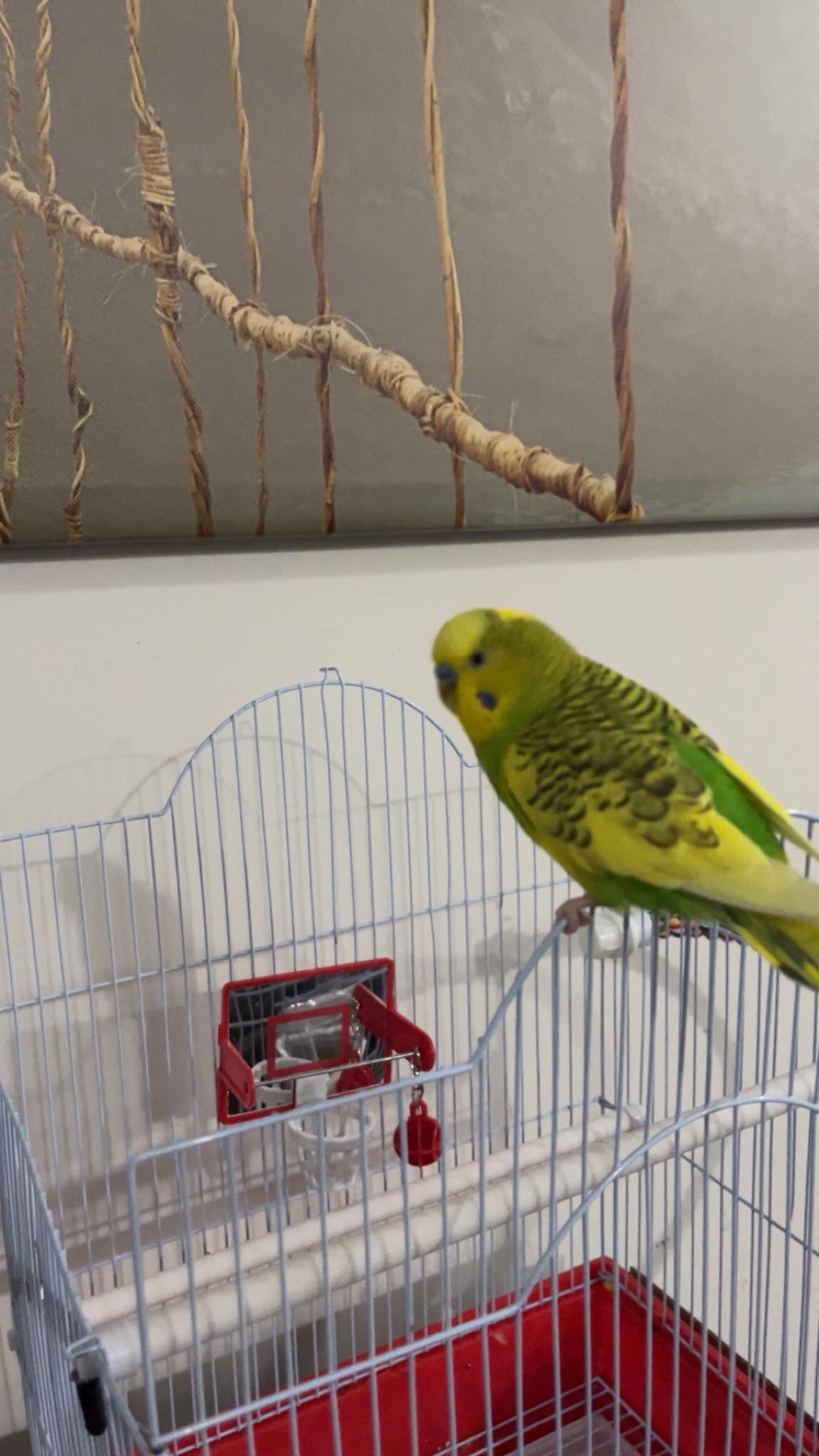
Fumes — The One That Kills Budgies Without Warning
I want to give this its own section because it is serious enough to warrant one, and because it is not widely known among first-time budgie owners in the UK.
Non-stick cookware — the kind coated with PTFE, sold under brand names including Teflon — releases fumes when overheated. At normal cooking temperatures these fumes are harmless to humans. To budgies, they are lethal. A budgie in or near a kitchen where a non-stick pan has been overheated — left too long, dry-heated, or subjected to any kind of burning — can be dead within minutes. There is no warning, no gradual decline. The bird is fine, and then it is not.
This is not a fringe concern. It is a well-documented cause of sudden budgie death, and I have had conversations with owners who have lost birds this way. In most cases, they had no idea non-stick fumes were a risk at all.
If you have budgies, keep them out of the kitchen entirely. If the cage is elsewhere in the house, ensure there is good ventilation between the kitchen and the bird when cooking. Non-stick cookware and birds in the same property is a risk that needs to be managed consciously, not ignored.
Other fume sources worth knowing about: self-cleaning ovens (also use very high heat), scented plug-ins, paint fumes, varnish, hairspray, and cleaning product aerosols. None of these should be used in or near a room where a budgie lives.
If a budgie suddenly becomes unwell — sneezing, gasping, unsteady, dropping from its perch — and there has been any cooking or chemical use nearby, get the bird into fresh air immediately and call a vet. Do not wait to see if it improves. With fume toxicity, speed is everything.
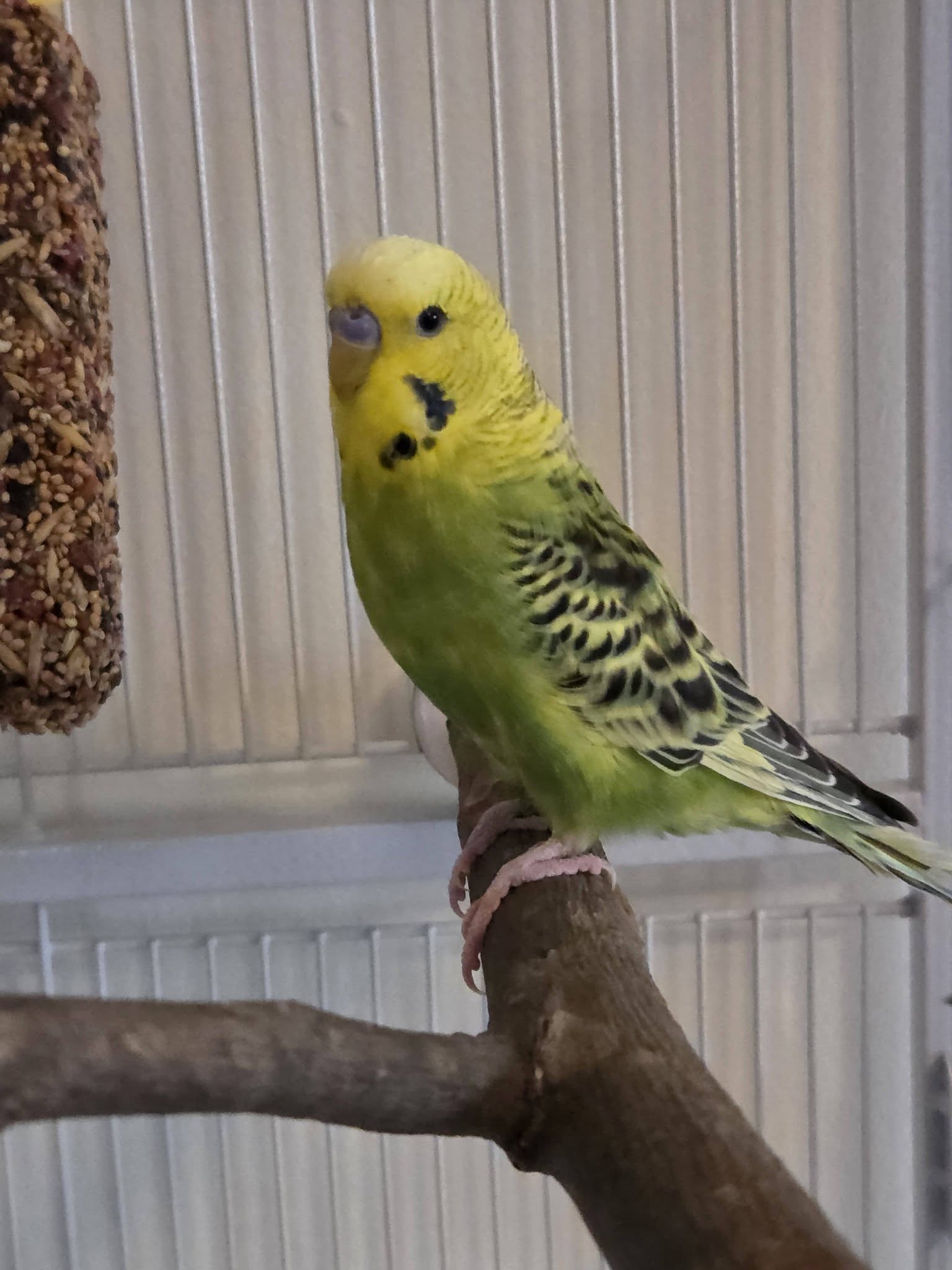
Respiratory Infection — When Sneezing Means Something Is Wrong
Frequent sneezing, discharge or other changes need veterinary assessment. These observations do not establish whether the cause is infection, irritation or something else.
The signs that distinguish a respiratory infection from normal sneezing:
Discharge from the nostrils. Any wetness, crustiness, or discolouration around the cere is not normal. A budgie’s nostrils should be clean and dry. Anything else points to infection or significant irritation.
Tail bobbing. Rhythmic tail movement with breathing at rest can indicate respiratory effort. Contact an avian vet immediately; obvious breathing difficulty requires emergency help.
Changes in breathing sound. Clicking, wheezing or other new breathing sounds need prompt veterinary contact. Describe what you hear; the sound alone does not diagnose the cause.
Lethargy and puffed feathers. A bird that is sitting still, puffed up, with eyes partially closed, is a bird that is unwell. Combined with sneezing, this pattern suggests the illness has progressed beyond the early stage.
Changes in droppings or reduced appetite. Respiratory infection often presents alongside general malaise — less eating, changes in dropping consistency. I have written more about what budgie droppings can tell you in this guide.
Respiratory infections in budgies are bacterial, viral, or sometimes both. They are treated with antibiotics in the case of bacterial infection, and sometimes with supportive care for viral causes. Either way, they need a proper diagnosis from a vet with avian experience — not a wait-and-see approach at home. Small birds deteriorate fast.
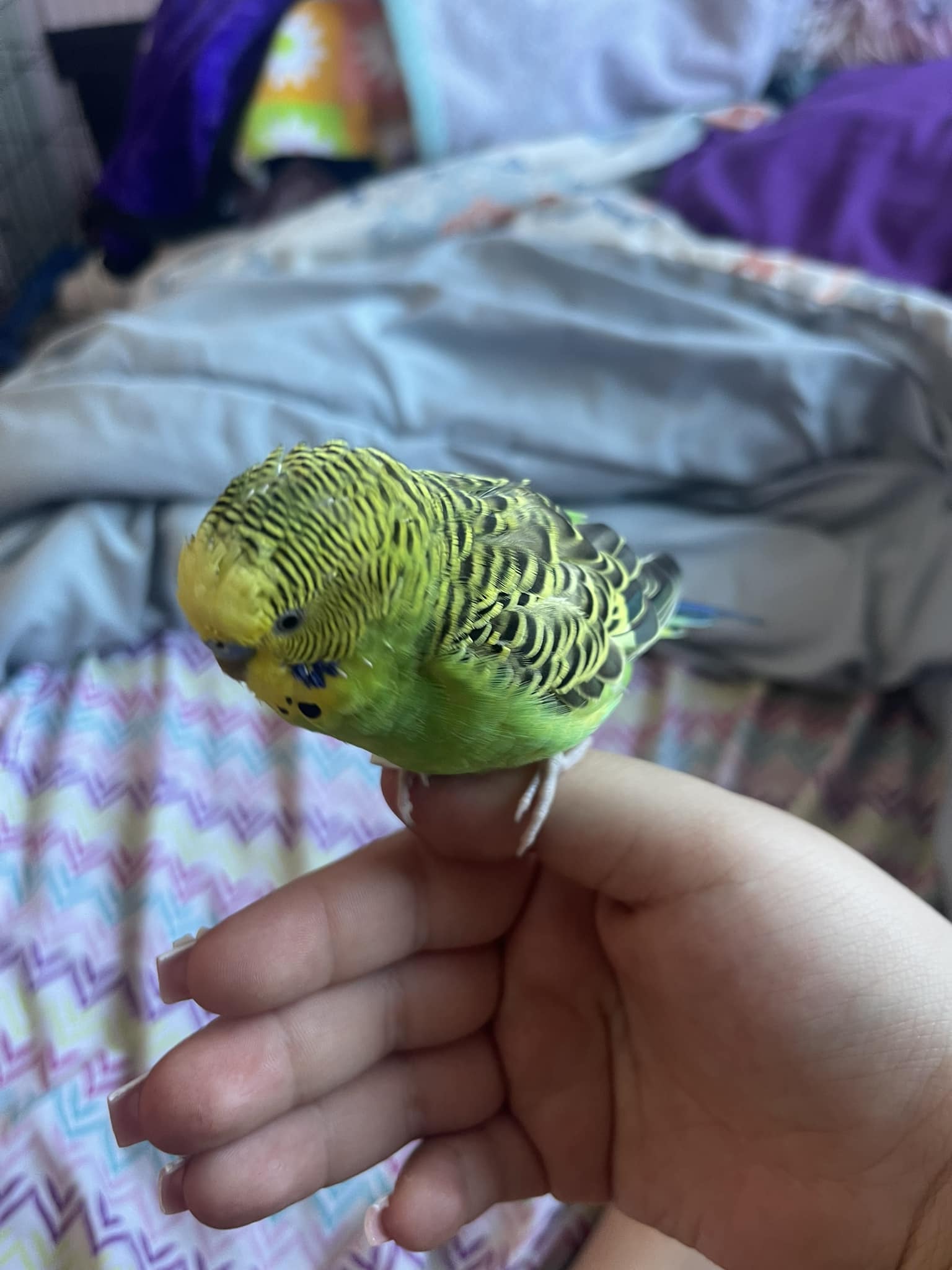
Aspergillosis — A Fungal Problem That Starts Slowly
Aspergillosis is a fungal infection of the respiratory tract caused by the mould Aspergillus. It is less common than bacterial respiratory infection but it does occur in budgies, and it is worth knowing about because it presents differently — and because it is easy to miss in the early stages.
The fungus is present in many environments, including some seed mixes, damp substrate, and mouldy food. A budgie with a healthy immune system will typically clear low-level exposure without difficulty. Problems arise when the bird’s immune system is suppressed — through chronic stress, poor nutrition, or an unrelated illness — allowing the fungus to establish in the respiratory tract.
Early aspergillosis may present as nothing more than occasional sneezing and mild lethargy. As it progresses: laboured breathing, voice changes (a budgie that has gone quieter), reduced appetite, and weight loss. Because the early signs are mild and non-specific, the infection is often advanced by the time a diagnosis is made.
If sneezing has been ongoing for weeks without an obvious environmental cause, and the bird seems gradually less well without a dramatic decline, aspergillosis is worth raising with a vet. Diagnosis usually requires imaging or endoscopy. Treatment is possible but prolonged and not always successful — early diagnosis significantly improves the outcome.
Psittacosis — Rare, But Worth Knowing Because It Affects People Too
Psittacosis — also called parrot fever or chlamydiosis — is a bacterial infection caused by Chlamydophila psittaci. It can affect all psittacine birds, including budgies, and it is zoonotic, meaning it can spread from bird to human.
In budgies, it presents as respiratory symptoms including sneezing, nasal discharge, and laboured breathing — alongside eye discharge, changes in droppings (often greenish), and lethargy. In humans, it causes flu-like symptoms that can develop into pneumonia if untreated.
Psittacosis is not common in UK pet budgies, and I want to be clear about that — it should not be the first thing anyone jumps to when their bird sneezes. But it is on the list of things a vet should consider when a bird has persistent respiratory symptoms that do not respond to initial treatment. If you or anyone in the household develops respiratory illness at the same time as a budgie showing these symptoms, mention both to a doctor and a vet.
New Bird Sneezing — What Happens in the First Two Weeks
This one catches a lot of first-time buyers off guard, so I mention it to everyone who takes a new budgie home from us.
A budgie that has just moved to a new environment will often sneeze more than usual in the first week or two. New air, new dust profile, new bedding, new seed mix. The bird’s respiratory system is adjusting to a completely different set of airborne particles from the ones it was used to. Some sneezing during this period is entirely normal.
An active appearance cannot rule out illness in a newly arrived bird. Report excessive sneezing, discharge, appetite change or unusual quietness promptly to an avian vet, regardless of how recently it arrived.
If a new budgie seems unwell, contact an avian vet promptly and let the seller know separately. A return visit to the shop should not delay veterinary assessment.
- “It’s just a cold — it’ll clear up on its own” — Budgies do not get colds in the way humans do. Sneezing with discharge is a respiratory infection that needs veterinary treatment. Waiting for it to clear on its own is waiting for the bird to get worse. Small birds decline much faster than cats or dogs — what looks manageable on Monday can be serious by Thursday.
- “I gave it some honey — that should help” — Honey does not treat respiratory infections in birds. Neither does anything else available over a pet shop counter. If the bird has a respiratory infection, it needs antibiotics or antifungal treatment prescribed by a vet, not a home remedy. Human cold remedies are often toxic to birds.
- “Non-stick pans are fine as long as you don’t burn them” — PTFE fumes are released at temperatures well below the point at which a pan would visibly burn. A pan heated empty on a high setting — which happens in kitchens every day — can reach temperatures at which fumes are released without any visible burning or smoke. The safest approach with budgies in the house is stainless steel or cast iron cookware.
- “My candle is natural soy wax — it should be safe” — The wax may be less problematic than paraffin, but the fragrance compounds in any scented candle — natural or synthetic — are airborne irritants to a budgie. Even unscented candles produce combustion products when burned. Keep candles out of rooms where budgies live.
- “She was sneezing but she seemed fine so I left it a week” — Discharge, excessive sneezing or behavioural changes need prompt veterinary contact. Do not wait a week, or another day or two, to see whether more signs develop.
When to See a Vet — The Honest Summary
- Occasional dry sneezing, no discharge, normal behaviour and appetite.
This is normal. No vet needed. Review the environment — check for air fresheners, candles, dusty substrate, proximity to the kitchen. Make any sensible changes and monitor. If nothing changes and the bird remains well, there is nothing to worry about. - Frequent sneezing that has increased recently, no discharge, but something in the environment has changed.
Remove a suspected irritant safely and contact an avian vet about persistent or increased sneezing. Suspected fume exposure needs immediate help. Improvement after an environmental change does not establish the diagnosis. - Any sneezing with visible discharge from the nostrils — wet, crusty, or discoloured.
Contact an avian vet promptly about any nasal discharge. Do not wait until later in the week; examination is needed to determine the cause and treatment. - Sneezing with tail bobbing, audible breathing, or puffed feathers.
Contact an avian vet immediately. Breathing difficulty is an emergency; describe the combination of signs without assuming a specific diagnosis. - Sudden collapse, gasping, or unsteadiness after cooking or chemical use nearby.
Fresh air immediately — open windows, move the bird away from the source. Then call a vet while you are doing this. Fume toxicity in budgies can be fatal within minutes. Speed matters more here than with any other cause on this list. - Gradual weight loss, quieter than usual, reduced appetite alongside ongoing sneezing over several weeks.
Contact an avian vet promptly about ongoing sneezing with weight loss, quietness or reduced appetite. These signs need assessment, not a home waiting period.
What I Tell Budgie Owners at the Counter
When someone comes in worried about a sneezing budgie, the conversation usually takes less than five minutes and covers most of what is in this guide.
First I ask about the sneezing itself — how often, dry or wet, anything coming out. Then I ask about the environment — where the cage is, what is used in the room, whether there is non-stick cookware in the kitchen. In the majority of cases, those two questions locate the issue.
The message I always want to leave people with is this: know what normal looks like in your bird, so that abnormal is obvious. A budgie owner who handles and observes their bird daily — who knows how it sounds, how it moves, how much it eats — will catch problems early. Early is almost always better. I have written about what affects a budgie’s lifespan in detail, and early detection of health issues is one of the consistent factors in birds that live long, healthy lives.
For general cage and equipment questions, contact Paradise Pets at Manor Garden Centre, Cheney Manor Industrial Estate, Swindon, SN2 2QJ, or on 01793 512400. For illness signs, contact an avian vet directly.
Visit Us at Paradise Pets Swindon
We can discuss general bird-care and equipment questions. If you are concerned about sneezing, discharge or your budgie’s breathing, contact an avian vet directly. Do not visit the shop before arranging emergency veterinary help.
We also stock a full range of cages, perches, substrates, and seed mixes for budgies — all selected with the bird’s health in mind. See our full range of cage and aviary birds, including cockatiels, canaries, and finches.