

Neil has kept, bred, and sold cage and aviary birds at Paradise Pets Swindon since 1988 — over 35 years that have included multiple bird flu seasons, several periods of mandatory housing, and the gradual development of a personal biosecurity routine that he now checks against official guidance every season. The AIPZ was lifted on 4 June 2026. This article is his honest assessment of what that means, what it does not mean, and the specific biosecurity steps every pet bird owner should still be taking this summer.
A customer came in last week and said: “The bird flu zone has been lifted. Are we done with it now?”
It is a reasonable question and the answer deserves a direct response rather than a vague reassurance.
No, we are not done with it. The lifting of the Avian Influenza Prevention Zone on the fourth of June means that the mandatory housing requirement — the legal obligation to keep all captive birds indoors and away from wild birds — has been removed. That is significant news, particularly for anyone with an outdoor aviary, who can now allow their birds outside again. I understand why that headline produces a sense of the risk being over.
But the lifting of the AIPZ does not mean the virus has gone. It means the assessed risk level has reduced to the point where mandatory housing is no longer considered the proportionate legal response. That is different. The disease is still present in wild bird populations. The transmission routes are still active. The biosecurity measures that prevent those transmission routes from reaching your birds remain legally required and practically important.
Strict biosecurity is still vital to protect the health and welfare of your birds. The AIPZ mandatory biosecurity measures remain in place, so please make sure you follow the enhanced mandatory biosecurity guidance.
What I want to do in this article is go through the biosecurity check that I run mentally every season — the specific, practical things that make the actual difference between a bird that is protected and one that is not — and explain why each element matters, not as a legal compliance exercise, but as something that serves your bird’s health and your own peace of mind.
What the Current Situation Actually Is — June to July 2026
Let me be specific about where things stand, because precision matters here.
The avian influenza prevention zone (AIPZ) for poultry and captive birds in England, Wales and Scotland was lifted from noon on 4 June 2026. All bird keepers should continue to take steps to prevent bird flu and stop it spreading at all times and be vigilant for signs of disease.
The risk of HPAI H5 in wild birds in Great Britain is currently assessed as low. The risk of poultry exposure to HPAI H5 is assessed as low where biosecurity is suboptimal and low where stringent biosecurity is consistently applied.
That risk assessment — low in both scenarios — is as good as the situation has been in this season. But low does not mean absent. And the assessment changes as wild bird migration patterns change through the autumn, which is the next period of elevated risk.
You can now let your birds outside again unless you’re in a protection zone or captive bird monitoring controlled zone. You must continue to follow the mandatory biosecurity measures.
The mandatory biosecurity measures are not optional. They remained in force when the housing order was lifted and they remain in force now. The reason is simple: the main causes of bird flu in poultry and other captive birds are contact with wild birds, in particular waterfowl such as geese, ducks, swans and gulls, faeces from infected birds, and dirty footwear, clothing, vehicles and equipment. Those transmission routes exist regardless of whether there is a formal zone declaration or not.
The Registration Check — First and Non-Negotiable
Before getting into the physical biosecurity measures, there is one administrative matter I want to address because I have spoken to customers who are still not aware of it.
As of 1st October 2024, it became a legal requirement that everyone must sign up to the free poultry register. It is compulsory if you have even one bird as a pet.
There is one important nuance worth knowing: you don’t need to register birds that never go outside such as parrots, budgies etc. If your bird lives entirely indoors in a cage and has no access to outside, the registration requirement does not apply to you.
If you have an outdoor aviary, garden birds of any kind, or any captive bird that accesses outside space — the registration applies. It is free, it takes minutes, and it ensures APHA can contact you directly if bird flu is confirmed near your area. Register via GOV.UK by searching “register as a keeper of less than 50 poultry or other captive birds.”
- Indoor cage birds only — budgies, cockatiels, canaries, parrots in the house, no outside access: Registration not required under the current guidance. Maintain basic indoor hygiene — see below.
- Outdoor aviary birds — any species kept outside or with outdoor access: Registration required. Mandatory biosecurity measures apply.
- Mixed — indoor birds and outdoor aviary: Register for the outdoor birds. Keep the two populations biosecurically separate.
- Not sure if you’re registered: Check via GOV.UK. If you registered after October 2024, verify your details are current. You must update the record if your flock size changes by more than 20%.
- Where to register: GOV.UK — search “register as a keeper of less than 50 poultry.” Free. Takes minutes. Legal requirement if it applies to you.
The Local Zone Check — Do Not Skip This
Even though the national AIPZ has been lifted, local protection zones and surveillance zones around specific outbreak premises may still be in force. In these zones, different and more restrictive rules apply — including, in some cases, a requirement to house birds even though the national order no longer requires it.
When a case of highly pathogenic avian influenza has been confirmed in poultry or other captive birds, a 3km protection zone and a 10km surveillance zone are put in place around the premises to stop it spreading. Specific rules apply within each zone type.
Keepers can check if they are in a bird flu disease control zone using the Animal and Plant Health Agency’s interactive map. This map is available on GOV.UK and is updated as zones are created and removed. Check it for your postcode. If you are within an active protection or surveillance zone, the rules there override the national situation and you must comply with the zone-specific requirements.
This check takes two minutes. Do it now, and check again in September as autumn migration begins and the risk level in wild birds typically increases.
The Outdoor Aviary Biosecurity Check — Every Point Matters
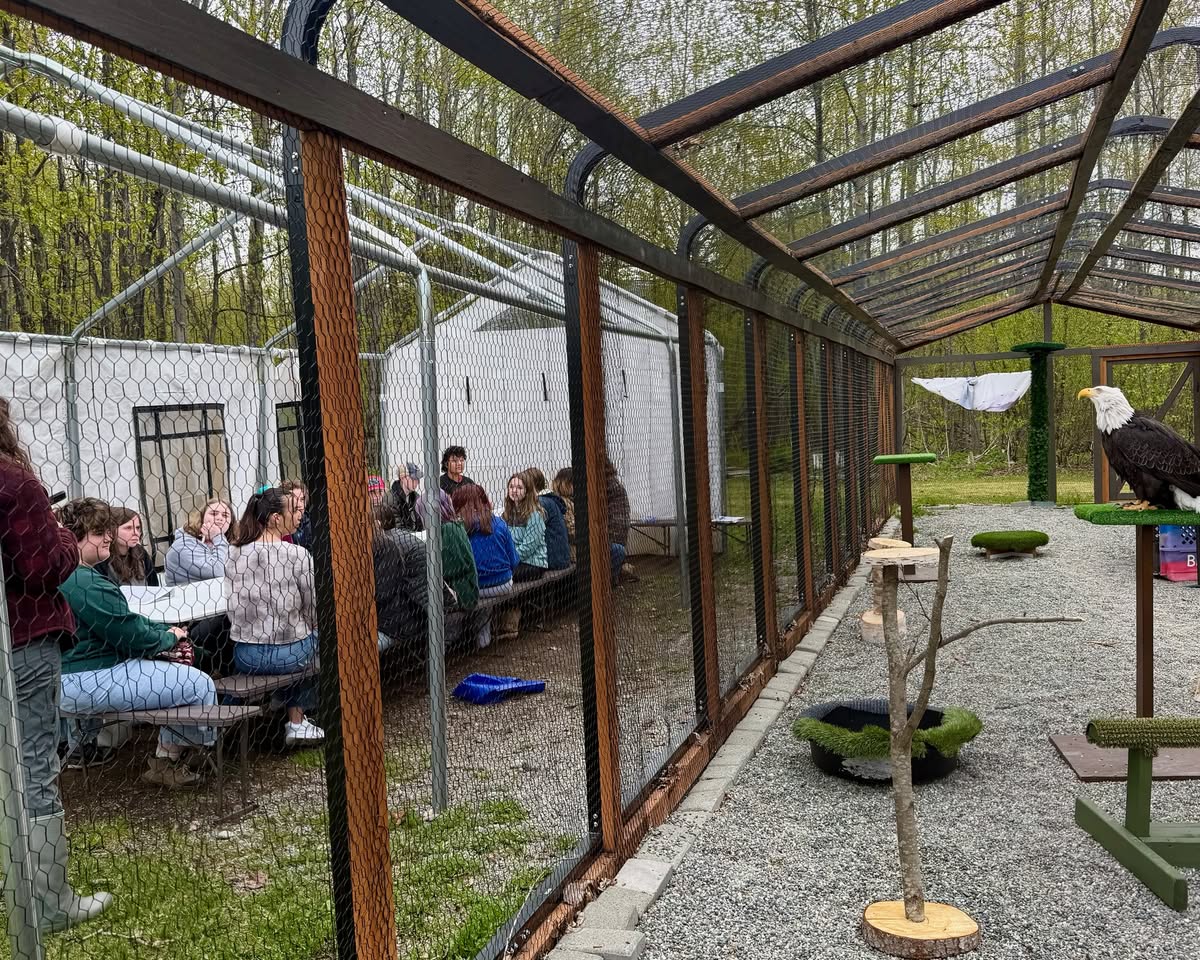
If you have birds in an outdoor aviary, this section applies directly to you. These are the specific measures that reduce the transmission routes the virus uses to reach captive birds.
Wild Bird Access to Your Aviary
This is the most critical single element. The main causes of bird flu in captive birds are contact with wild birds, in particular waterfowl such as geese, ducks, swans and gulls, and faeces from infected birds. An aviary that wild birds can land on, access through gaps, or contaminate from above is an aviary with an open transmission route.
Check every surface of your aviary structure for gaps. Not just the obvious entry points — look at the roof joints, the wall-to-roof intersections, the base where the structure meets the ground. A wild bird does not need a large opening. Check that the roof is solid or fully netted with mesh fine enough to prevent small birds passing through. Check that the netting over any open sections has no tears or separations.
Prevent wild birds nesting or roosting on the structure. A nest built in the roof space of an aviary, or a starling roosting on a beam above the bird area, is a direct contamination risk. Clear any existing nest materials immediately. Use appropriate deterrents — spikes on landing surfaces, visual deterrents — to discourage roosting.
Food and Water
Keep food, water and bedding in covered, enclosed areas so wild birds and rodents cannot access them. If bedding is stored outside it must be covered. Ensure the areas where birds are kept are not attractive to wild birds, for example by removing access to food sources.
Food stored in the aviary or in the feeding area should be in sealed containers that wild birds cannot access. Feeders positioned inside the aviary structure are safer than those on the exterior or accessible from above. Water sources should be checked daily. Standing water anywhere near the aviary — a puddle, a garden pond, a low-lying area that holds water after rain — is an attraction for waterfowl, which are among the most significant reservoir species for HPAI.
Fence off ponds and standing water and reintroduce wild bird deterrents. If you have any garden water feature or standing water within the vicinity of your aviary, it needs to be inaccessible to waterfowl.
Footwear and Clothing
Clean and disinfect footwear using a government approved disinfectant when entering and leaving bird enclosures. This applies to yourself and to anyone who enters the aviary area. If you have been near wild birds — at a river, a nature reserve, a farm — change your footwear before entering the aviary. The contamination on a boot from a briefly visited waterside location is real.
A simple disinfectant foot bath at the aviary entrance is the standard solution. Use a product listed on the Defra approved disinfectants list. Change it regularly — a dirty foot bath is not an effective one.
Cleansing and Disinfecting the Structure
This will include cleansing and disinfection of hard surfaces. The surfaces of an aviary — perches, floors, walls, food and water containers — accumulate material that can carry disease. A cleaning routine that addresses these surfaces with an appropriate disinfectant, done regularly rather than only when something looks obviously dirty, is the baseline.
Pay particular attention to the floor area under feeding points, where droppings and seed husks accumulate. This is the area most likely to carry contamination from any wild bird that accesses the feeder or from droppings landing through the roof netting.
The Indoor Cage Bird Check — What Still Applies
For owners of indoor cage birds — budgies, cockatiels, canaries, parrots in house cages — the direct bird flu risk is very low. But there are still specific points worth checking, because some of them are not always thought about.
If You Also Feed Wild Birds in the Garden
This is the connection that catches some indoor bird owners unprepared. You may have cage birds inside and a garden bird feeder outside. You use the same shed to store both the cage bird seed and the wild bird seed. You use the same scoop to fill both feeders. You handle the wild bird feeder and then go straight to the cage without washing your hands.
These are genuine, if low, transmission pathways. Store cage bird food and wild bird food separately. Use separate equipment for each. Wash hands thoroughly after handling wild bird feeder equipment before touching cage birds or their food.
Following the RSPB’s current guidance — which I have covered in a separate article on this site — to pause seed and peanut feeding from May to October reduces the wild bird congregation at your feeder and indirectly reduces the risk of your garden becoming a disease hotspot.
If You Have Both Indoor and Outdoor Birds
If you keep cage birds indoors and also have an outdoor aviary, the two populations should be biosecurically separate. Do not use the same equipment — feeding scoops, cleaning tools, water containers — for both without thorough cleaning and disinfection between uses. Change footwear and wash hands between attending to outdoor and indoor birds.
Dead Wild Birds Near Your Property
By reporting dead wild birds, you are helping APHA understand the risk to different species groups and the risk posed to poultry and other captive birds. If you find a dead wild bird near your property — particularly a waterfowl, a raptor, or any bird in numbers — do not touch it. Report it to APHA via the GOV.UK reporting page. This is how the surveillance system detects emerging risk areas before they become outbreak areas.
The Signs of Illness to Report Immediately
All bird keepers are urged to remain vigilant and report any suspicion of avian influenza to APHA.
The signs that should prompt a report: sudden unexplained death, particularly if multiple birds are affected simultaneously. Severe respiratory distress. Neurological signs — loss of balance, inability to hold the head normally, fitting. Swelling of the head or face. A dramatic and unexplained drop in activity across the whole flock or across multiple birds.
These signs have many more common explanations in individual pet birds, and a single sick bird is far more likely to be experiencing one of the common avian illnesses than bird flu. But if you have multiple birds affected simultaneously, or if you are in or near a known outbreak area, the appropriate response is to call APHA immediately rather than waiting.
APHA can be reached on 03000 200 301 in England. For Wales: 0300 303 8268.
- Multiple birds showing signs of illness simultaneously: Single bird illness is rarely bird flu. Multiple birds affected at once is the pattern to report.
- Sudden unexplained deaths — more than one bird: Contact APHA same day.
- Severe neurological signs in multiple birds: Loss of balance, fitting, inability to hold the head — report immediately.
- Dead wild birds near your outdoor aviary: Do not touch. Report via GOV.UK. Particularly relevant if the dead birds are waterfowl, raptors, or found in numbers.
- APHA England: 03000 200 301 | Wales: 0300 303 8268
The Summer Biosecurity Checklist — Complete Reference
| Check | Who It Applies To | Action Required |
|---|---|---|
| Registration on GB Kept Bird Register | All outdoor bird keepers — not required for purely indoor birds | Register at GOV.UK if not done. Verify details are current. Update if flock size has changed by 20%+. |
| Local zone check — APHA interactive map | All bird keepers | Check the APHA disease zone map for your postcode. Different rules apply in active protection or surveillance zones. |
| Wild bird access to aviary — gaps, roof, netting | Outdoor aviary owners | Inspect all surfaces for entry points. Repair gaps. Clear nesting material. Install roosting deterrents. |
| Food and water storage | Outdoor aviary owners | All food and water in covered, enclosed containers. No wild bird access to feeders. Separate storage for outdoor and indoor bird food. |
| Standing water near aviary | Outdoor aviary owners | Fence off or eliminate standing water that could attract waterfowl near the aviary area. |
| Footwear and clothing disinfection | Outdoor aviary owners | Disinfectant foot bath at aviary entrance. Change footwear after contact with wild bird areas before entering aviary. |
| Hard surface cleaning and disinfection | Outdoor aviary owners | Regular cleaning of floors, perches, feeding points, and water containers with an approved disinfectant. |
| Equipment separation — outdoor and indoor birds | Owners with both indoor and outdoor birds | Separate scoops, cleaning tools, and containers. Wash hands and change footwear between outdoor and indoor bird care. |
| Wild bird feeder hygiene | Anyone feeding garden birds near pet bird housing | Follow RSPB guidance — pause seed and peanuts May to October. Clean feeders weekly. Change water daily. |
| Dead wild bird reporting | All bird keepers | Do not touch dead wild birds. Report via GOV.UK. Particularly important for waterfowl or birds found in numbers. |
| APHA alert sign-up | All bird keepers | Sign up for free APHA disease alerts — email or text notification when risk levels or zones change in your area. |
What 35 Years Has Taught Me About Seasonal Risk
I have been through more bird flu seasons than I can comfortably count. The specific strain changes. The geographic distribution of cases varies. The timing and severity of each season is not identical to the last. But the underlying pattern is consistent enough that I have developed a reliable seasonal approach to biosecurity that I follow regardless of what the current risk assessment says.
The reason I maintain biosecurity when the risk level is low is the same reason a sensible person does not stop looking when crossing a road simply because no car has been visible for the past five minutes. The absence of current visible risk is not the same as the absence of risk. Bird flu does not announce its arrival in advance of the outbreak. The owners who lose birds are almost always the owners who had let their biosecurity lapse during a period when nothing seemed to be happening.
Summer is not inherently a low-risk period. The risk of bird flu in wild birds typically increases again as autumn migration begins. The birds that were carrying the virus in northern latitudes through the summer migrate south in September and October, and that migration brings the virus back into UK wild bird populations. Autumn is historically when the risk level rises and when most UK outbreak seasons begin.
Building and maintaining biosecurity habits in summer — when the formal pressure is lower and the urgency is less immediate — is the right way to be prepared for autumn. Not scrambling to implement measures when the first October cases are confirmed.
Frequently Asked Questions
The AIPZ has been lifted — does that mean my outdoor aviary birds are safe?
The AIPZ was revoked from noon on 4 June 2026, meaning the mandatory housing requirement no longer applies. Your outdoor aviary birds can now be kept outside. However, the mandatory biosecurity measures remain legally required, and the virus has not gone. The risk to outdoor birds with good biosecurity in place is currently assessed as low. The risk to outdoor birds with poor or no biosecurity is also assessed as low, but with the clear caveat that good biosecurity is what keeps it there. Maintain the measures described in this article.
Do I need to register my budgie or indoor parrot?
You don’t need to register birds that never go outside, such as parrots, budgies and other cage birds kept entirely indoors. If your bird lives in a cage inside the house and has no access to outside space, the registration requirement does not apply. If you also have any birds with outside access — an outdoor aviary, garden birds — register for those.
How do I check if I’m in a local bird flu zone?
Use the APHA interactive disease zone map, available through GOV.UK by searching “bird flu disease zone map.” Enter your postcode. The map is updated as zones are created and removed. If you are within an active protection zone or surveillance zone, specific rules apply that may be more restrictive than the national situation, including in some cases a requirement to house birds.
What biosecurity do indoor cage bird owners actually need to do?
The direct bird flu risk to indoor cage birds with no wild bird contact is very low. The practical steps for indoor owners: store cage bird food separately from any wild bird food. Wash hands after handling wild bird feeder equipment before touching cage birds or their food. Do not bring wild bird material — feathers, nesting material, anything from outside — near the cage or cage equipment. Report any dead wild birds found near your property via GOV.UK rather than touching them.
When should I be most vigilant about bird flu?
HPAI risk in wild birds typically increases from autumn as migration begins. September through to February is historically the highest-risk period in the UK, when migratory waterfowl carrying the virus arrive from northern latitudes. Summer is the right time to review and maintain your biosecurity so that you are prepared before autumn, not reacting during it.
Where can I get practical advice about bird flu and my specific setup in Swindon?
Come and see us at Paradise Pets — Manor Garden Centre, Cheney Manor, Swindon SN2 2QJ. I can talk through what your specific setup needs in terms of biosecurity and help you identify any gaps. Call 01793 512400 before visiting. For authoritative, current official guidance, GOV.UK is the definitive source and is updated by APHA as the situation changes.
Questions About Bird Flu Biosecurity for Your Specific Setup? Come and Talk
If you want to know what the current situation means for your outdoor aviary, your indoor birds, or your setup where you have both — come in. I will go through the practical checklist with you and tell you honestly what is adequate and what needs attention. After 35 years of seasonal biosecurity, I know which measures make the real difference.