
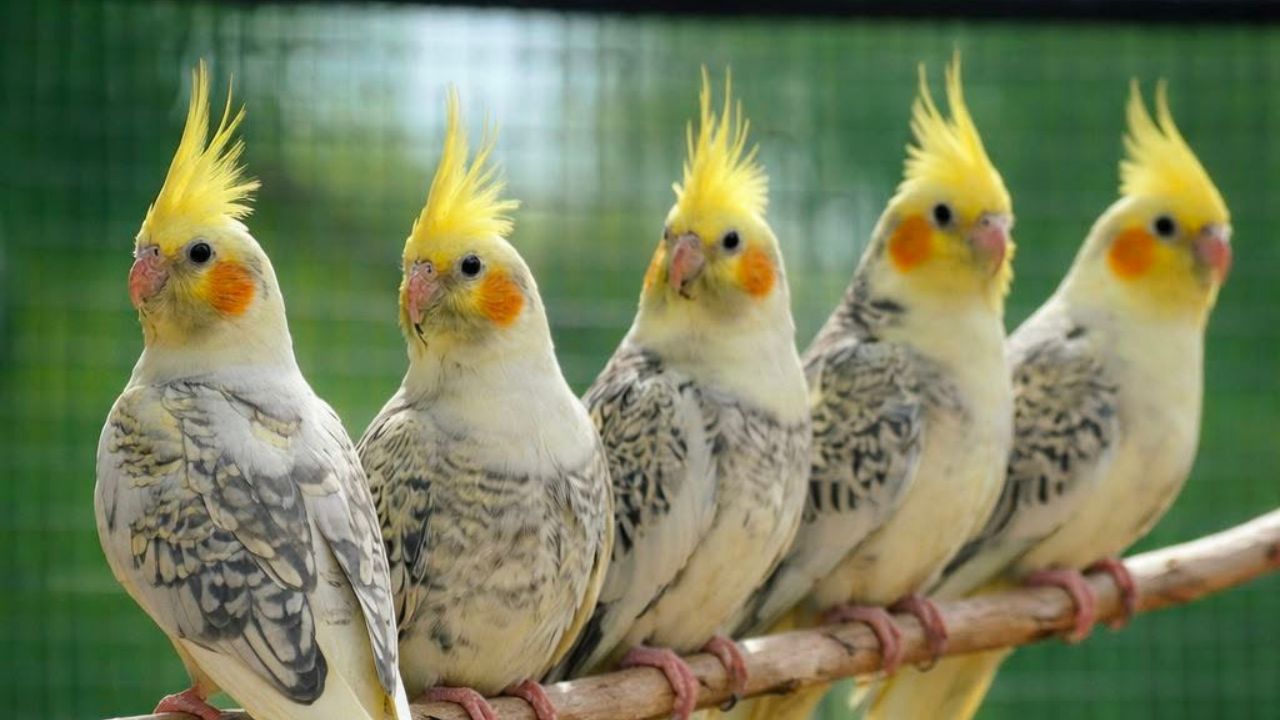

Neil has kept, bred, and sold cockatiels at Paradise Pets Swindon since 1988 — over 35 years of first-hand experience with these birds specifically. Cockatiels have now firmly established themselves as the UK’s most popular small parrot after the budgie, and current industry rankings place them as the country’s second most popular pet bird overall. With that much new interest, this is the one mistake I see nearly every new cockatiel owner make, almost always without realising it, and almost always for entirely understandable reasons.
I want to be specific about why cockatiels have done so well, because it tells you something genuinely useful about the mistake I am about to describe. They whistle melodies, accept gentle head-scratches, and bond strongly with their primary carer, and they are widely chosen precisely because they offer that affectionate, mimicry-capable companionship without the fifty-year commitment of a larger parrot. That combination — genuinely social, genuinely interactive, but a more manageable size and lifespan than a macaw or African grey — is exactly why so many new owners are choosing them this year.
It is also exactly why the mistake I want to talk about happens so consistently. Cockatiels are social enough, and bond strongly enough with their primary carer specifically, that new owners very often end up creating precisely the kind of single-person attachment that, over time, becomes a genuine welfare and practical problem for the whole household.
The Mistake — Letting the Bird Bond With One Person Only
Here is the specific pattern I see, almost without exception, in households where one family member has clearly taken the lead on caring for a new cockatiel: that person does the feeding, the cleaning, the handling, and the talking to the bird, simply because they are the one who is most interested, most available, or most naturally drawn to doing it. Everyone else in the household interacts occasionally, but nowhere near as consistently.
Cockatiels respond to this pattern exactly as their social biology predicts. They form a strong, genuine attachment to whichever person provides the most consistent positive interaction, and within a matter of weeks that bird has identified one specific human as its primary social attachment — sometimes to the near-total exclusion of everyone else in the house. The other family members, who may have been just as excited about getting the bird in the first place, find themselves increasingly unable to handle it, sometimes met with biting, screaming, or visible distress whenever they try.
This is not the bird being difficult, and it is not a flaw in the individual animal. It is the entirely predictable outcome of a highly social species forming the attachment its nature drives it toward, in a household that — without anyone quite intending it — only gave it the opportunity to form that attachment with one person.
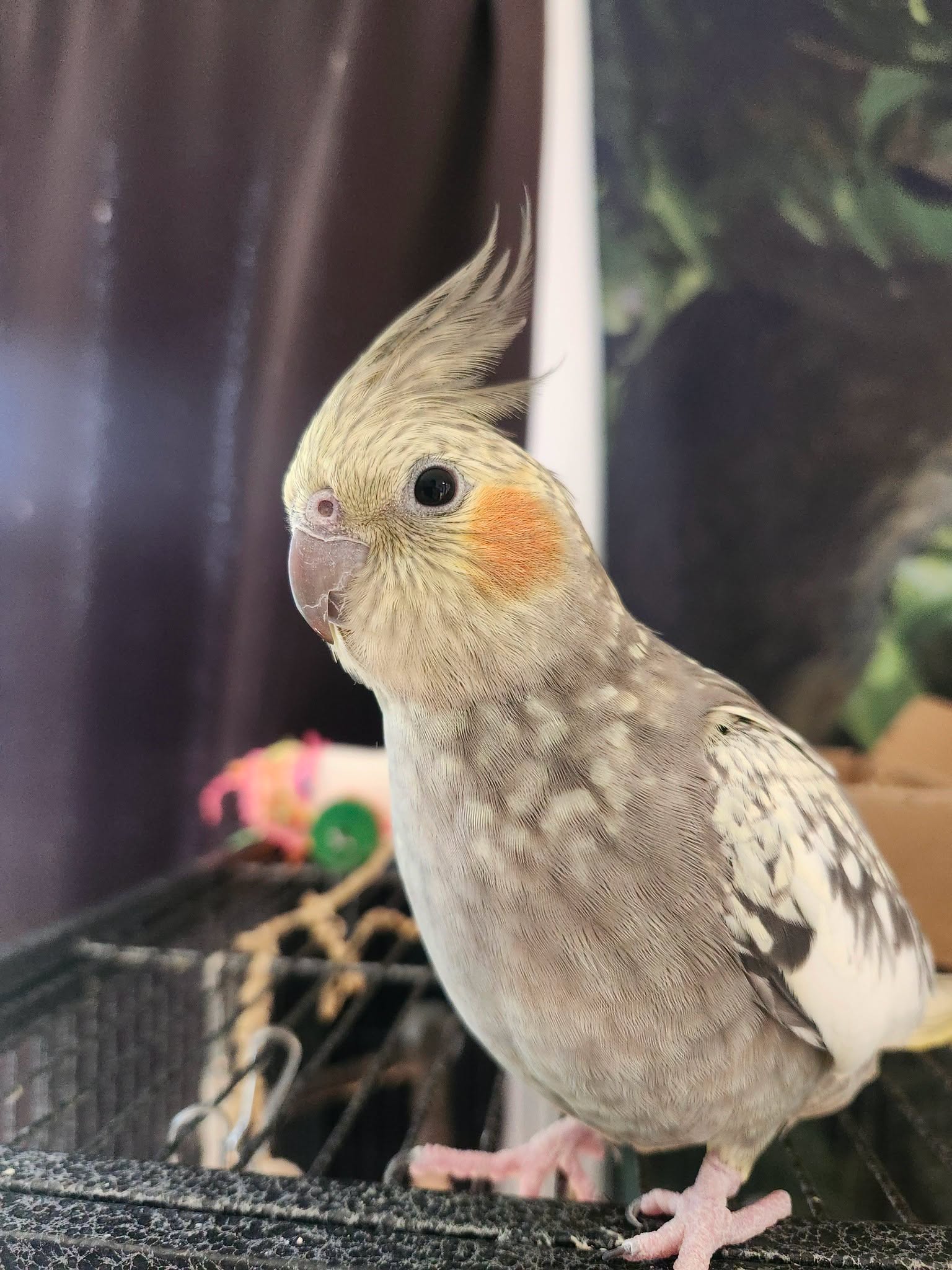
Why This Specifically Matters for Cockatiels
Every social parrot species can develop a single-person bond to some degree, but I want to be specific about why this comes up so consistently and so significantly with cockatiels, rather than treating it as a generic bird-keeping issue.
Cockatiels are genuinely strongly bonding birds — that affectionate, head-scratch-seeking, whistle-along-with-you quality that makes them so popular is the very same trait that drives the single-person attachment problem. A less socially intense species might spread its attention more evenly across a household almost by default, simply because the underlying drive to bond this strongly with one specific individual is weaker. With cockatiels, the strength of the bond is precisely the appeal, which means the risk of it narrowing onto one person specifically is correspondingly higher if the rest of the household does not actively counteract it.
The practical consequence, beyond one frustrated household member who cannot handle their own pet, is a welfare issue for the bird itself. A cockatiel whose entire social world depends on one specific human is in a genuinely precarious position if that person is ever unavailable — through illness, a change in work pattern, a holiday, or simply a period of being busier than usual. The bird that has only ever had one trusted person has no fallback, and the distress this can cause is real and avoidable.
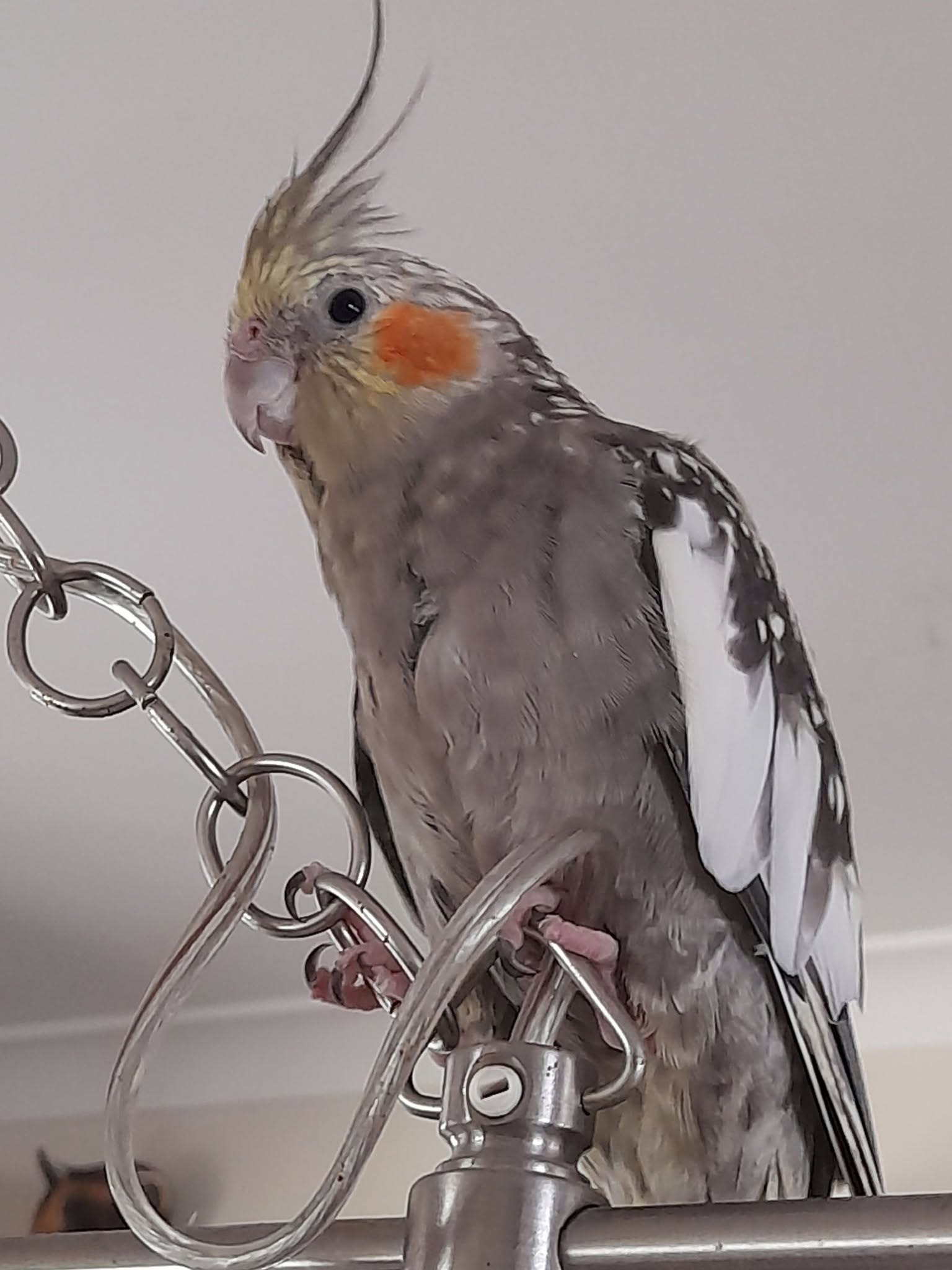
How the Mistake Actually Happens, Even With the Best Intentions
I think it is worth being honest about why this pattern develops so reliably, because almost nobody sets out intending to create a single-bonded bird.
It usually starts with simple logistics. One person in the household is around more during the day, or has more natural enthusiasm for the new pet, or was the one who specifically wanted a bird in the first place and therefore takes the lead without anyone deciding this consciously. That person feeds the bird each morning before anyone else is up, handles the cage cleaning, and is the one who spends the unstructured evening time talking to and interacting with the bird while everyone else gets on with their own things.
None of that is unreasonable household behaviour. It is simply how most homes naturally divide up a new responsibility. The problem is that cockatiels do not evaluate fairness or intention. They respond entirely to the actual pattern of who interacts with them, how often, and how positively — and a pattern that is ninety per cent one person, repeated daily for the first few formative weeks, produces exactly the bonding outcome you would predict from that pattern, regardless of anyone’s underlying intentions.
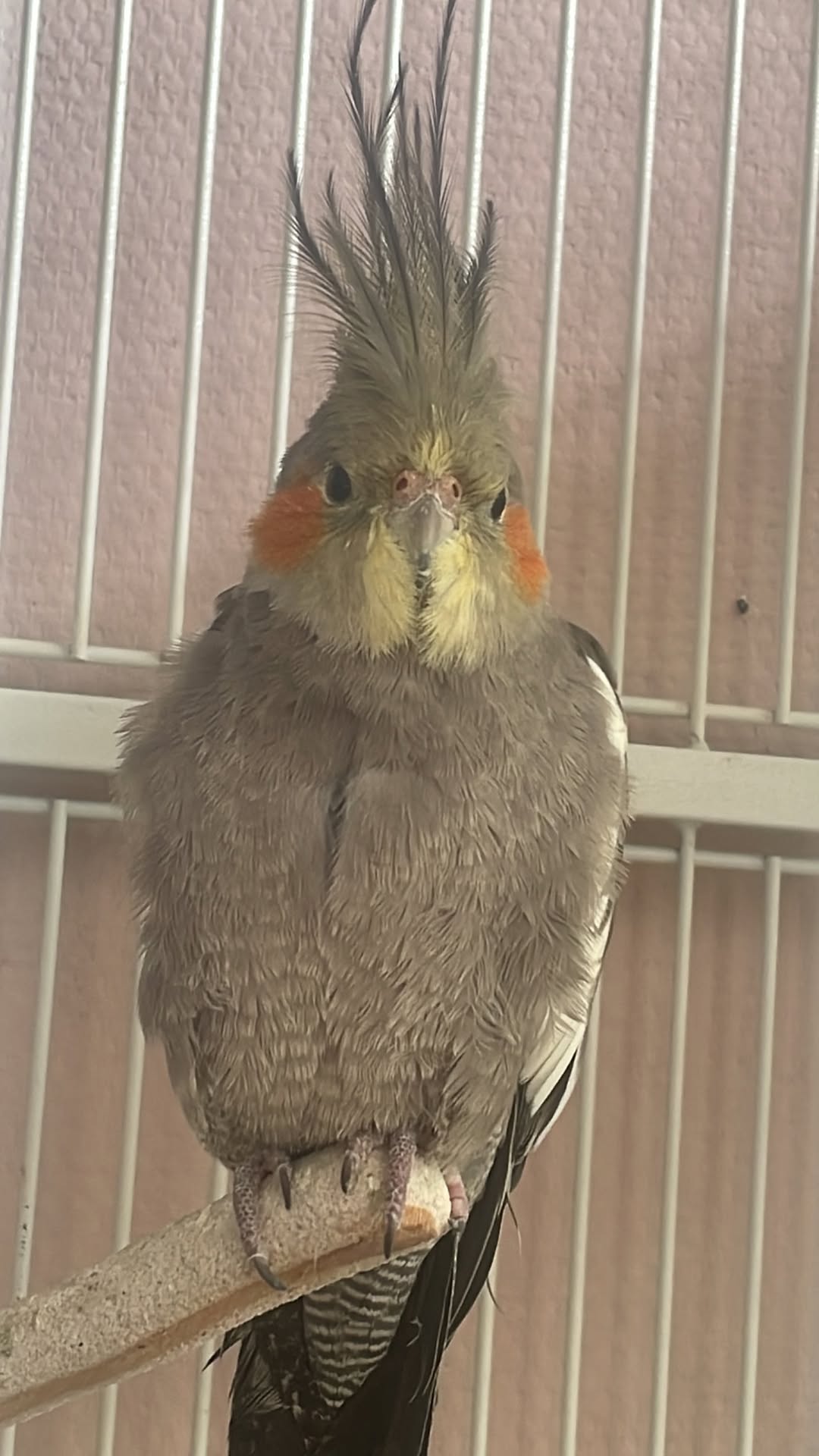
What to Do Instead — Spreading the Bond Across the Household
The fix is genuinely straightforward in principle, though it requires deliberate effort rather than simply hoping it sorts itself out.
Every adult member of the household who wants a relationship with the bird should be involved in feeding, talking to, and handling the cockatiel from the very first week, not introduced gradually after one person has already become firmly established as the primary bond. This does not need to be split perfectly evenly — but it does need to be a genuine, regular pattern of interaction from more than one person, rather than occasional involvement that the bird can easily discount in favour of its main carer.
Rotating who offers favourite treats, who does the morning greeting, and who takes the lead on out-of-cage time across different days helps the bird build positive associations with multiple people rather than just one. If a single-person bond has already become established, the same approach works to broaden it — it simply takes more patience and consistency than starting correctly from day one would have required.
It is also worth being honest, as a household, about whether everyone genuinely wants this level of involvement. If one person is realistically always going to be the primary carer because of work patterns or simple preference, that is a perfectly valid arrangement — but it is worth at least one other person maintaining some regular, positive contact with the bird, purely so it has a workable fallback relationship if the primary carer is ever unavailable.
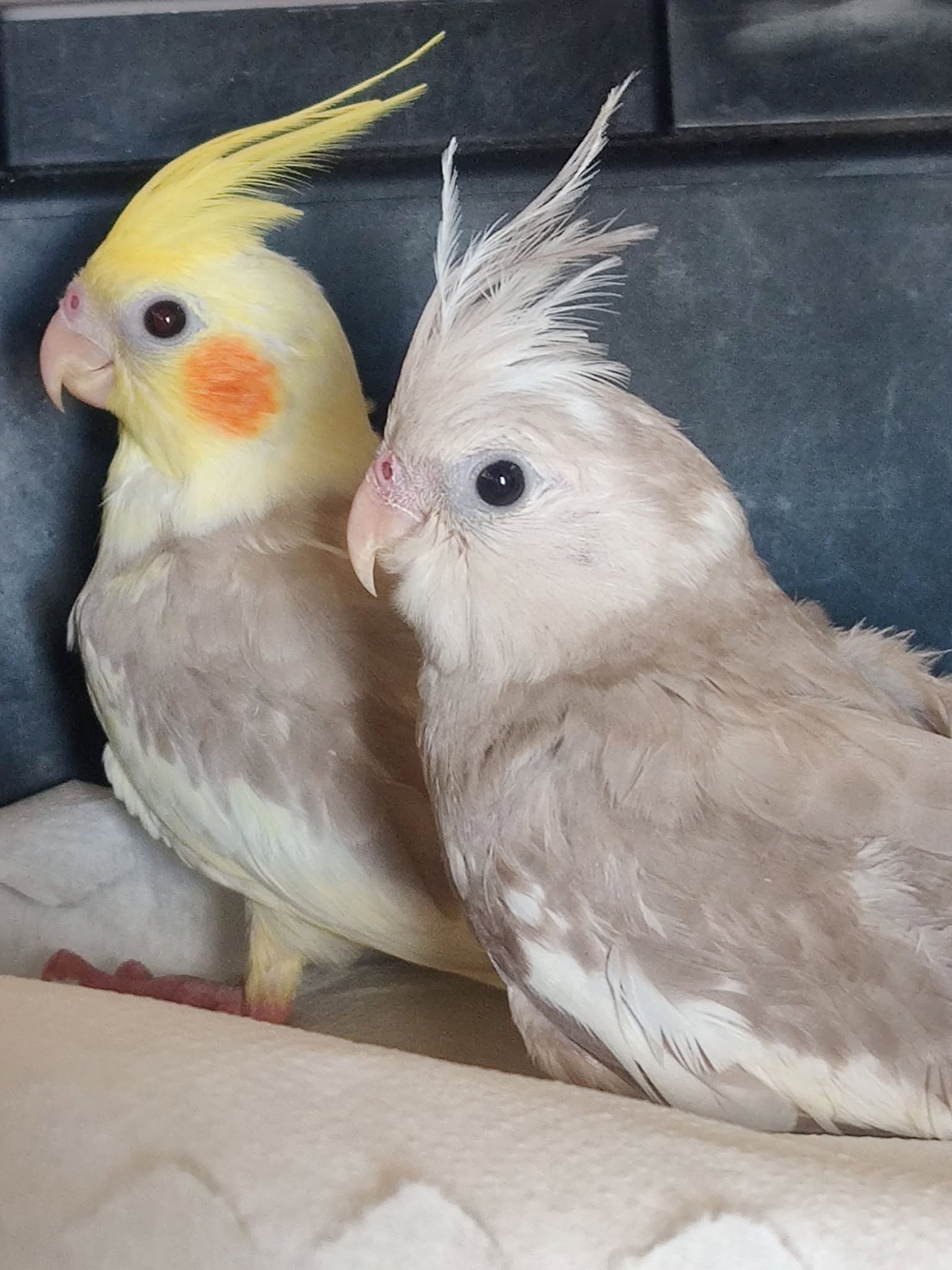
What I Tell New Cockatiel Owners at the Counter
When a family comes in for their first cockatiel, I now raise this specifically, before they have even taken the bird home, because I have seen the same pattern play out too many times to leave it to chance.
I tell them that the affectionate, deeply bonding nature that makes cockatiels such wonderful pets is exactly the trait that can quietly narrow into a single-person relationship if the household is not deliberate about sharing the interaction from the very beginning. I ask them, directly, who in the family is actually planning to be involved day to day, and I encourage every one of those people to start handling and interacting from week one rather than easing in later once someone else has already become the bird’s whole world.
With cockatiels now genuinely one of the most popular birds in the country this year, this is the single piece of advice I would most want every new household to hear before that first week begins.
Come in if you are considering a cockatiel or have recently brought one home and want advice specific to your household. We are at Manor Garden Centre, Cheney Manor Industrial Estate, Swindon, SN2 2QJ — open every day. Or call us on 01793 512400.
- “It’s just a one-person bird, that’s normal for the species” — A strong bond with a primary carer is genuinely normal cockatiel behaviour, but an exclusive bond that excludes the rest of the household entirely is usually the result of an uneven early pattern of interaction, not a fixed trait of the species.
- “If the bird already prefers one person, there’s nothing the rest of us can do now” — An established single-person bond can genuinely be broadened with consistent, patient effort from other household members. It takes longer than starting correctly from the outset, but it is not a permanent, unchangeable state.
- “It bonded with me because it just likes me best as a person” — While individual personality compatibility plays some role, the dominant factor in almost every case I see is simply the actual pattern and frequency of interaction in the early weeks, not some fixed, unchangeable preference the bird arrived with.
- “The other family members can just wait until it’s older and calmer” — Waiting tends to make an established single-person bond more entrenched, not less. Earlier, consistent involvement from multiple people produces a far better outcome than hoping the bird naturally broadens its attachment later on its own.
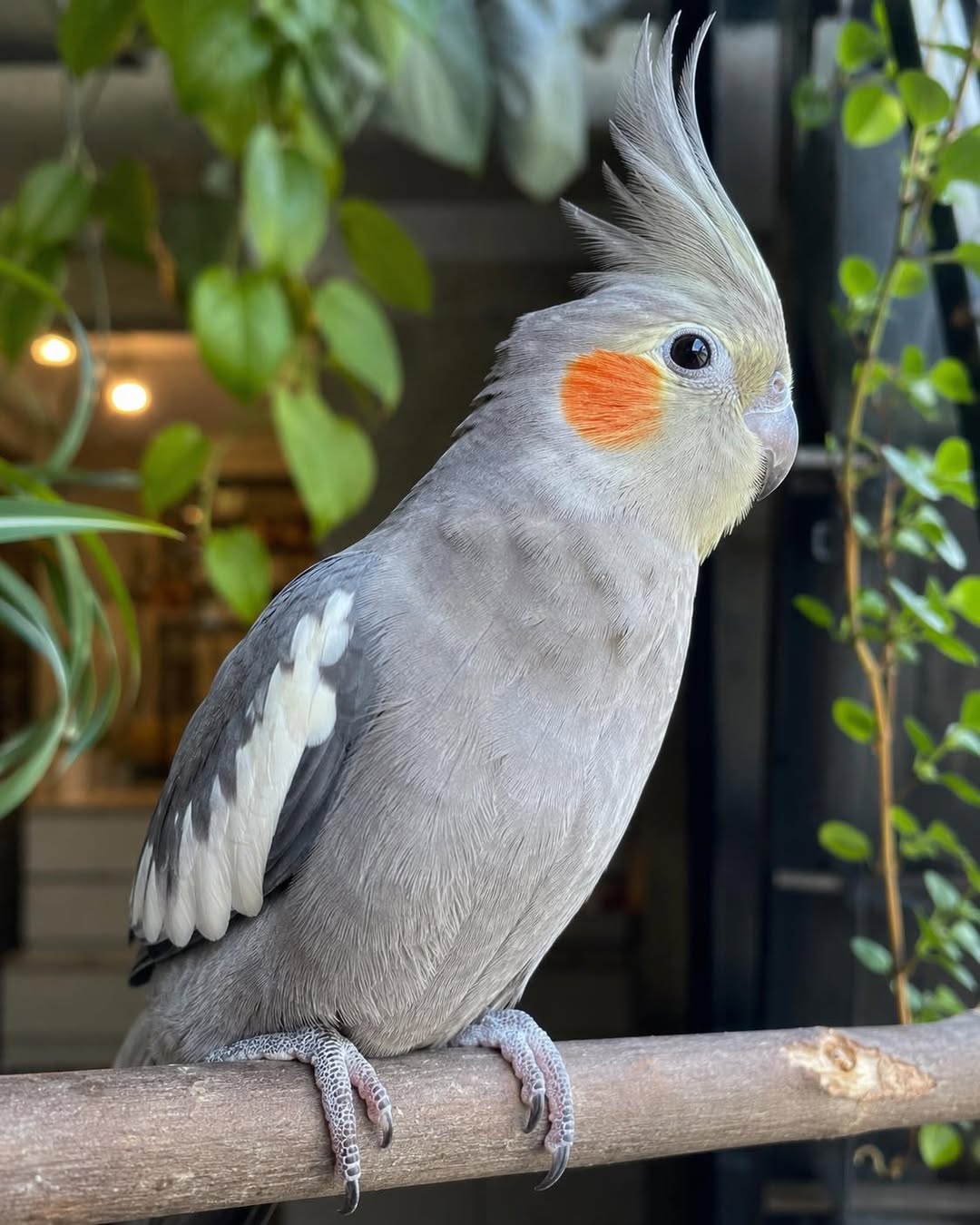
Visit Us at Paradise Pets Swindon
We stock cockatiels and a full range of cage and aviary birds — all UK-sourced and properly socialised before going to a new home. If you are bringing home a cockatiel, come in and we will talk you through exactly how to involve the whole household from day one.
We also stock gerbils and hamsters, guinea pigs, and rabbits.