
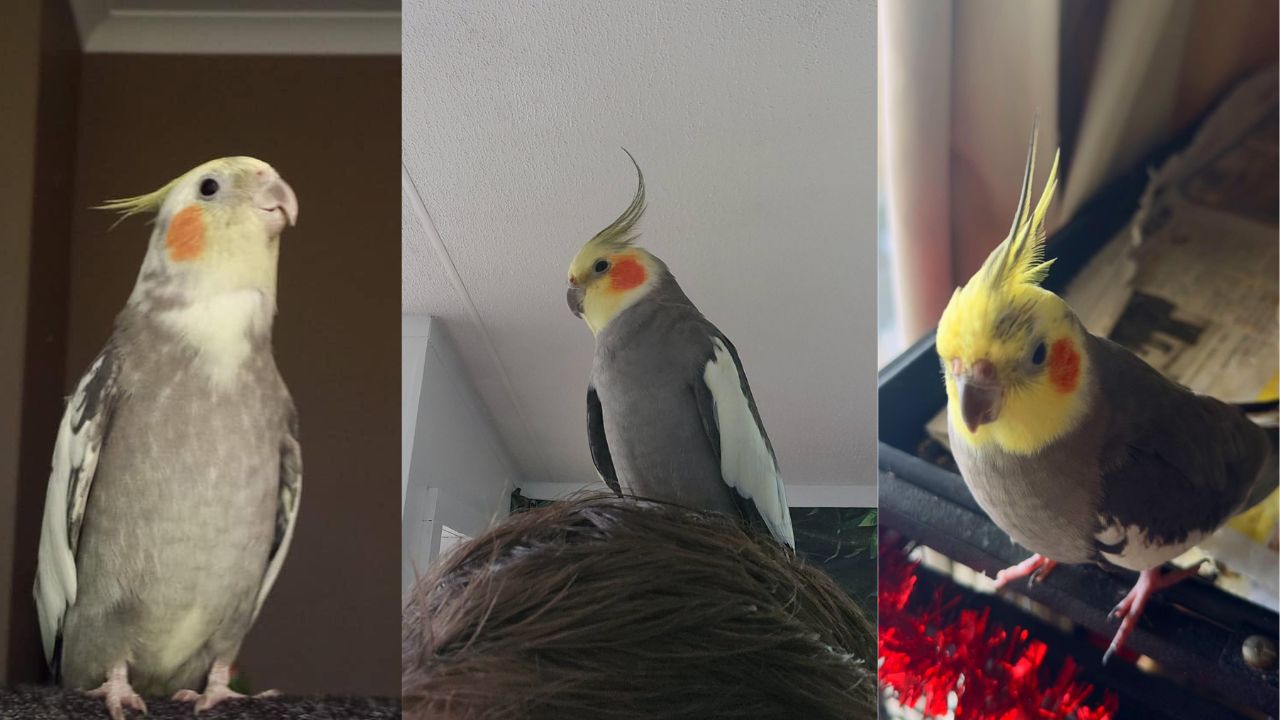

Neil has kept, bred, and sold cockatiels at Paradise Pets Swindon since 1988 — over 35 years of first-hand experience with these birds, including the emergency calls that come in every time the UK has a genuinely hot spell. Heat stress in cockatiels is fast, serious, and far more common during British heatwaves than most owners expect. This is the emergency action guide — what to watch for, what to do immediately, and how to prevent it happening in the first place.
I get a noticeable spike of calls and visits every time the temperature climbs in this country, and the pattern is almost always the same. An owner has noticed their cockatiel acting differently — panting, holding its wings out, sitting low and still — and they are not sure if this is normal hot-weather behaviour or something that needs immediate action.
I want to be direct about this from the start, because it is the single most important thing in this entire guide: with heat stress in a cockatiel, the gap between mild discomfort and a genuine emergency is much narrower than most owners expect, and it can close very quickly. The British climate gives us relatively few genuinely hot days a year compared to many countries, which means UK cockatiel owners often have less practical experience reading the early warning signs than owners in hotter climates do. That gap in experience is exactly why I want this written down clearly, before the next heatwave arrives.
Why Cockatiels Are Genuinely Vulnerable to UK Heat
Cockatiels originate from the arid interior of Australia, and people sometimes assume that background means they cope well with heat. The reality is more specific than that, and it is worth understanding properly.
Birds do not sweat. They have no sweat glands at all, which means they rely entirely on behavioural strategies — panting, holding their wings away from their body to expose more skin to the air, seeking shade, reducing activity — to manage their body temperature. A cockatiel’s normal body temperature already sits considerably higher than a human’s, typically somewhere in the region of 40 to 42 degrees Celsius, which leaves a genuinely narrow safety margin before that temperature climbs into a range that starts causing real physiological damage.
The specific risk in a UK context is less about the absolute temperature and more about the combination of factors that British homes and weather create. Conservatories and south-facing rooms can reach genuinely dangerous temperatures on a sunny day even when the outside air temperature seems moderate by global standards. A cage positioned near a window that receives direct sun for several hours can become a trap, heating up well beyond the ambient room temperature while looking, to a human glancing at it, like a perfectly normal spot for the bird to be.
This is compounded by something I think genuinely catches UK owners out: because properly hot weather is relatively infrequent here, many owners have simply never needed to think carefully about cage positioning, ventilation, and cooling strategies in the way that owners in consistently hot climates are forced to from day one.
The Early Warning Signs — What to Watch For
Catching heat stress at the earliest possible stage is the single biggest factor in how serious the outcome is, which is why knowing exactly what the early signs look like matters as much as knowing what to do once you spot them.
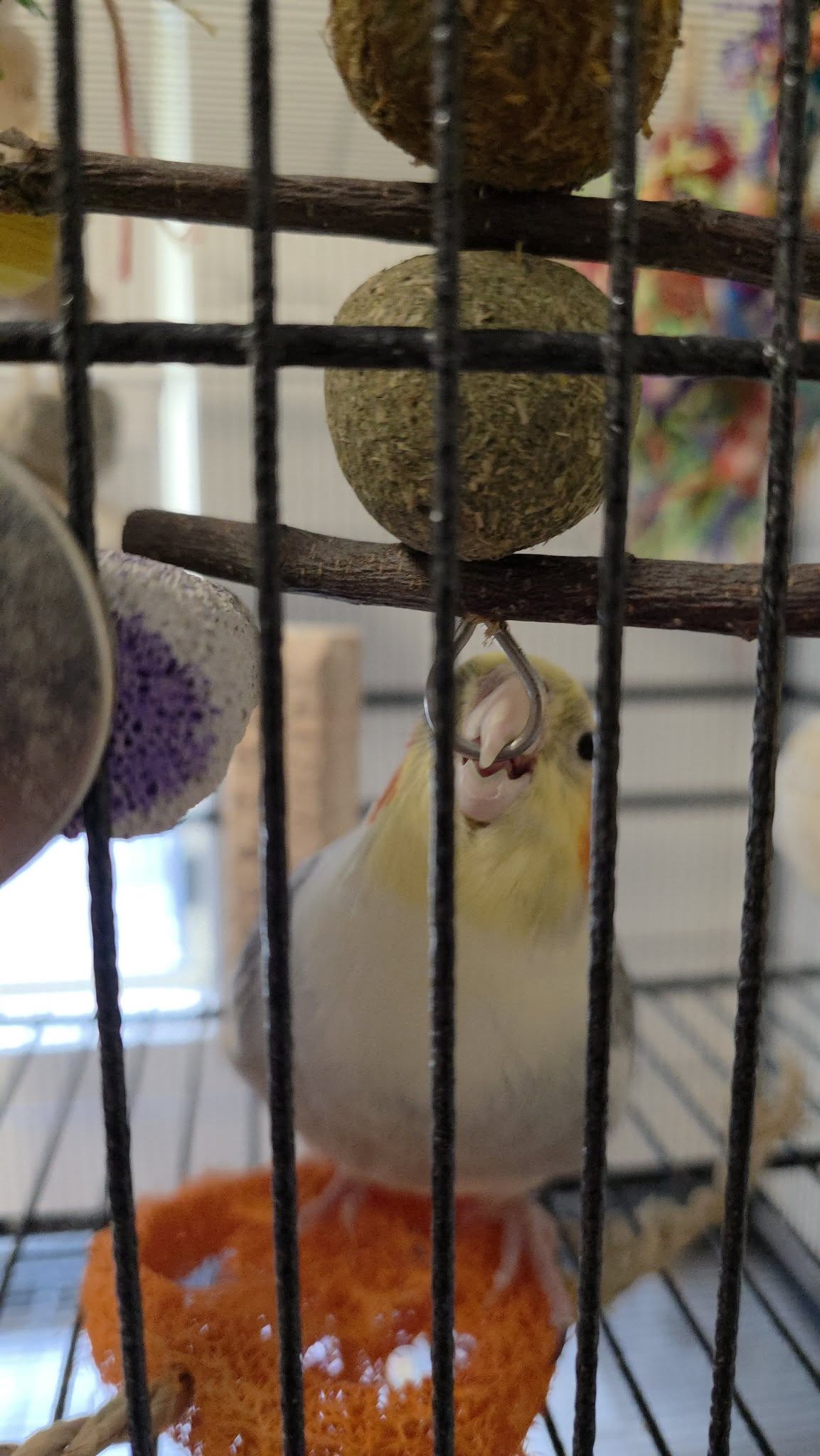
Open-mouth panting is usually the first and most obvious sign. A cockatiel holding its beak open, breathing faster and more heavily than normal, is doing exactly what birds do to try to lose heat through evaporation from the mouth and respiratory tract — but if this is happening, the bird is already working hard to manage a heat load it is struggling with.
Wings held away from the body, rather than folded normally against the sides, is another early and reliable sign. The bird is trying to expose more skin surface to the air to lose heat passively, and you will often see this paired with the feathers held flatter against the body than normal, rather than the slightly fluffed look a relaxed bird often has.
A noticeable drop in activity and a tendency to sit low on the perch, or even on the floor of the cage, with reduced interest in food, water, or normal interaction, indicates the bird is conserving energy because managing its temperature is taking priority over everything else.
Watch closely for any of these signs appearing together, and treat any combination of them as your signal to act immediately rather than to monitor and wait. This is genuinely one of those situations where erring strongly on the side of caution costs you nothing and waiting too long can cost a great deal.
The Emergency Signs — When This Has Already Become Critical
If early warning signs are missed or progress further, heat stress in a cockatiel moves into territory that constitutes a genuine, immediate emergency.
Lethargy that goes beyond reduced activity into a bird that appears weak, unsteady on the perch, or struggling to maintain its balance is a serious escalation. A bird that has collapsed, fallen from the perch, or is lying on the cage floor unable to right itself is in a critical state requiring emergency action this instant, not in a few minutes once you have finished reading the rest of this guide.
Seizures or visible tremoring, an inability to hold its head up normally, or a bird that has become unresponsive to stimulation are all signs that the bird’s core temperature has climbed to a genuinely dangerous level and organ function is being directly affected. At this stage, every minute matters.
If you are seeing any of these signs, do not wait to see if the bird recovers on its own, and do not wait to find an emergency vet’s number before beginning the cooling steps in the next section. Begin the emergency cooling response immediately while simultaneously getting help arranged.
What to Do Immediately — The Emergency Response
This is the section to come back to directly if you are reading this because your bird is showing signs right now. Here is exactly what to do, in order.
Move the bird to a cooler location immediately. Get it out of direct sun, out of the hot room, and into the coolest part of the house you have available — this single step alone can make a genuine difference within minutes.
Lightly mist the bird with room-temperature water using a fine spray bottle, focusing on the feet and the area under the wings where there is less feather coverage and heat loss is more effective. Do not soak the bird completely or use cold water, as a sudden extreme temperature change carries its own risks — a light, even misting is what you are aiming for.
Offer fresh, cool — not ice-cold — water immediately, and encourage the bird to drink if it is alert enough to do so. Dehydration compounds heat stress significantly, and rehydration is an important part of the recovery process.
Increase air movement around the bird without creating a direct, forceful draught onto it. A fan positioned to circulate air in the room generally, rather than blowing directly and forcefully onto the bird, helps support the evaporative cooling that misting provides.
If the bird is showing any of the emergency-level signs described above — collapse, seizure, unresponsiveness — contact an emergency vet immediately while you carry out these initial steps, rather than completing the steps first and calling afterward. In the UK, your own vet practice will have an emergency or out-of-hours number, and many areas also have dedicated emergency veterinary services that operate outside normal practice hours — it is worth knowing this number in advance, before you ever need it in a crisis.
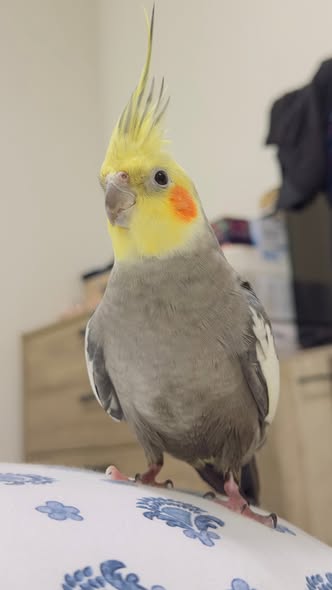
Preventing Heat Stress Before It Starts
Given how quickly this can become serious, prevention is genuinely the priority, and the good news is that the practical steps are straightforward once you know what to look for.
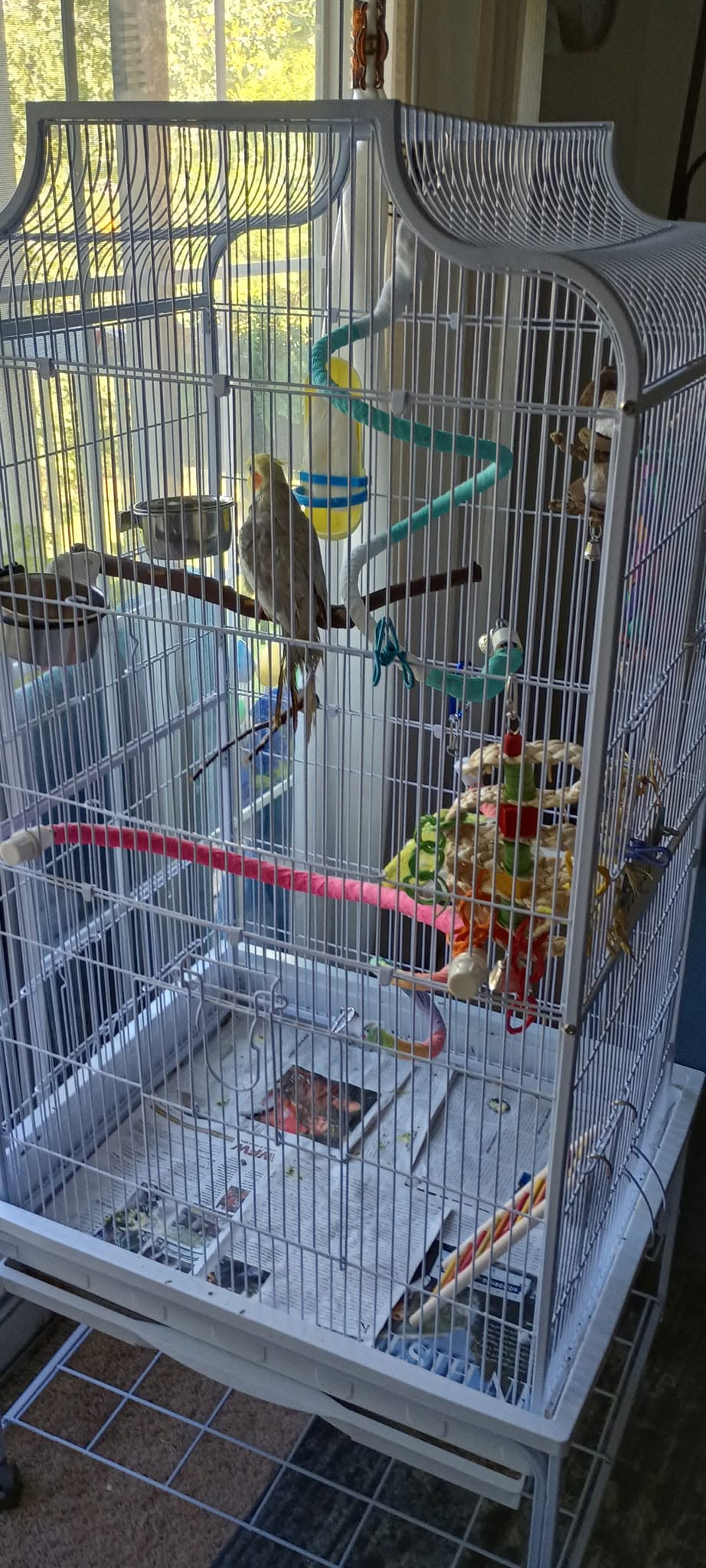
Position the cage away from direct sunlight and away from windows that receive sustained direct sun during the warmest parts of the day, even if that means moving the cage to a different room or a different position entirely during a heatwave. A cage that sits comfortably in winter sun can become genuinely dangerous in the same spot during a summer heatwave.
Ensure good ventilation in the room the bird is kept in, and be particularly cautious with conservatories and south-facing rooms during any period of sustained hot weather — these spaces deserve specific attention precisely because they are the most common source of the problem in a UK context.
Always provide fresh, cool water, checked and topped up more frequently than usual during hot weather, since a bird working hard to manage its temperature is also losing fluid faster than normal.
Consider a shallow dish of water for bathing during hot weather, since many cockatiels will use this voluntarily to cool themselves, and allowing the bird this option gives it an additional behavioural tool for managing its own temperature.
Monitor your bird more closely than usual during any UK heatwave or unusually warm spell, checking on it more frequently than you might on an ordinary day, precisely because the early warning signs described above are the ones you want to catch well before they have any chance of progressing further.
What I Tell Owners at the Counter
When this comes up at the counter — and it comes up reliably every time the country has a genuinely hot stretch of weather — I tell owners the same thing every time. Do not assume that because the UK is not generally a hot country, your bird is somehow protected from heat-related illness. The narrow margin a cockatiel has between normal and dangerous body temperature does not change depending on which country it lives in, and a genuinely hot UK summer day, particularly indoors in the wrong spot, can create exactly the same risk as a hot day anywhere else in the world.
The message I most want every cockatiel owner to leave with is this: know the early signs, act on them immediately rather than waiting to see, and have your emergency vet number saved before you ever need it rather than searching for it in a panic while your bird’s condition is worsening in front of you.
Come in if you want to talk through cage positioning, ventilation, or anything else related to keeping your bird safe through hot weather. We are at Manor Garden Centre, Cheney Manor Industrial Estate, Swindon, SN2 2QJ — open every day. Or call us on 01793 512400.
- “It’s not that hot outside so my bird can’t be overheating” — Indoor temperatures, particularly in conservatories, south-facing rooms, or near windows with direct sun, can be significantly higher than the outdoor air temperature being reported on the news. Cage position matters more than the general weather forecast.
- “Panting with the beak open is just normal bird behaviour” — Open-mouth panting is a specific physiological response to managing excess heat, not a neutral or relaxed behaviour. Seeing it consistently is an early warning sign that should prompt immediate action, not be dismissed as ordinary.
- “I should use cold water or ice to cool the bird down quickly” — A sudden extreme temperature change carries its own risks. Light misting with room-temperature water is the recommended approach, not soaking the bird or using ice-cold water in an attempt to cool it faster.
- “If the bird seems a bit better after a few minutes, the danger has passed” — Heat stress can have a delayed component, and a bird that appears to improve initially should still be monitored closely and, in any case involving emergency-level signs, still needs prompt veterinary assessment rather than being assumed fully recovered.
- “Cockatiels come from a hot country so UK heat shouldn’t bother them” — Cockatiels originate from arid Australia, but that does not make them immune to heat stress in a different environment, particularly one where owners have less experience managing heat risk and where indoor spaces like conservatories can trap heat unusually effectively.
- Bird panting with beak open, wings held away from body, otherwise alert and active.
Early warning sign — move to a cooler location immediately, offer fresh water, begin light misting as a precaution. - Bird sitting low, reduced activity, less interested in food or interaction.
Escalating concern — treat as above and monitor closely. Do not leave the bird unattended in the hot location. - Bird unsteady, weak, struggling on the perch.
Serious — begin full emergency cooling response immediately (cool location, misting, water) and contact your vet or an emergency vet service without delay. - Bird collapsed, seizuring, or unresponsive.
Critical emergency — begin cooling steps instantly while someone else calls the emergency vet. Every minute matters at this stage. - No emergency currently, but a heatwave is forecast.
Prevention window — reposition the cage away from direct sun and windows, check ventilation, increase water-checking frequency, and consider offering a shallow bathing dish.
Visit Us at Paradise Pets Swindon
We stock cockatiels and a full range of cage and aviary birds. If you have a concern about your bird during hot weather, or want advice on cage positioning and ventilation, come in and talk to us. We are always willing to help, especially before a problem develops.
We also stock gerbils and hamsters, guinea pigs, and rabbits.