
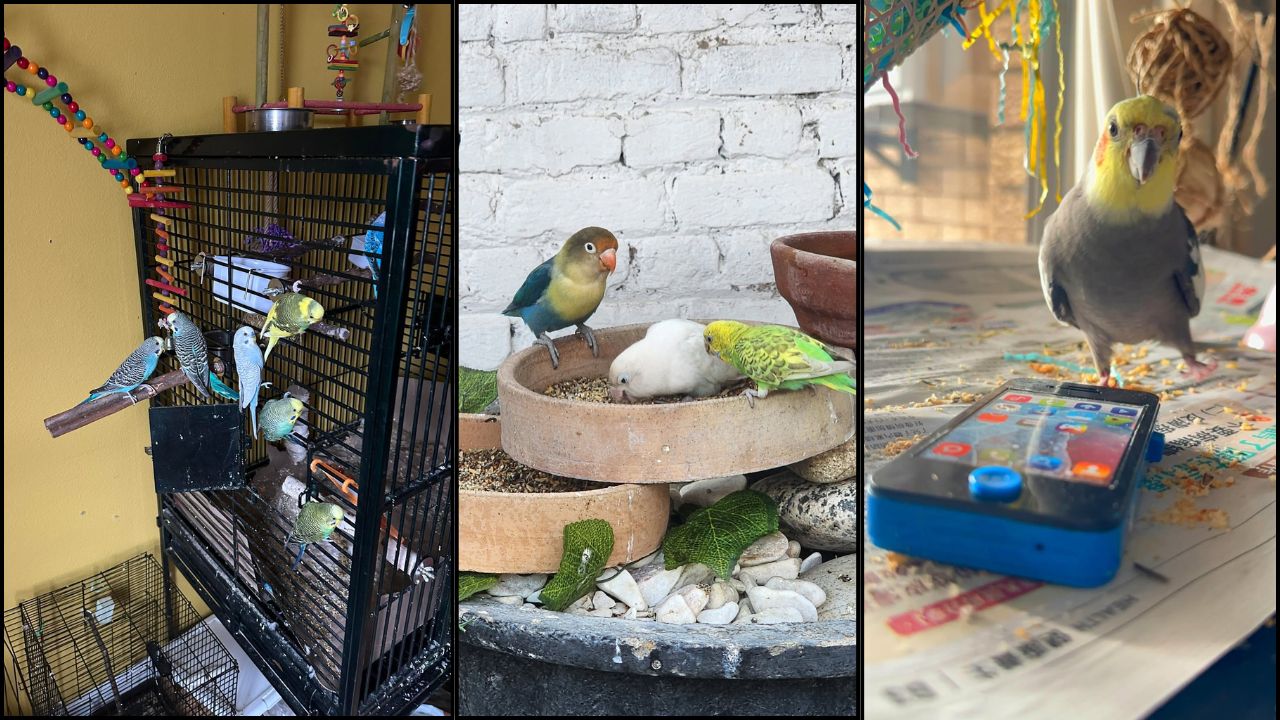

Neil has kept, bred, and sold cage and aviary birds at Paradise Pets Swindon since 1988 — over 35 years of first-hand experience with budgerigars, cockatiels, canaries, finches, and dozens of other species. Pet food prices across the UK have risen significantly and the pressure is not over. This is his honest guide to what it means specifically for bird owners — where the real cost is, where you can save sensibly, and where cutting back will cost you far more than the money you save.
A woman came into the shop last month and said something I have been hearing in different forms all year. “Neil, the seed I buy has gone up again. I’m starting to wonder whether I’m buying the right thing, or whether there’s something cheaper that would do just as well.”
It is a fair question and she deserves an honest answer — not a reassuring one that avoids the difficult parts, but an honest one. So here it is.
The short version: yes, bird food costs more than it did. The seed, the pellets, the specialist mixes — they are all up, as part of a broader pet food market that has seen cumulative price increases of around 23 percent since 2019. That is real money, and it has not come back down. What went up has largely stayed up.
But the longer version — the one that actually helps — is about understanding which costs matter most, where the risk in reducing them actually lies, and where experienced bird keepers trim without consequence. Because there is a right way and a wrong way to respond to rising costs, and most owners, understandably, have not had anyone sit down with them and work through which is which.
That is what this article is for.
What Has Actually Happened To Pet Food Prices — The Honest Picture
The pet food price story of the past few years has followed a specific pattern that is worth understanding, because it affects how you should think about what comes next.
Pet food inflation surged in 2022 and 2023, driven by global spikes in animal proteins, fats, fishmeal, energy, and transport costs. Prices have stabilised since, but they have not fallen back, leaving households paying far more than before. The spike happened. The correction has not.
Pet food prices remain significantly elevated compared to pre-pandemic levels — up around 23 percent since 2019, with the vast majority of that increase occurring during the 2021 to 2025 inflation surge. For context, that means a bag of bird seed that cost four pounds in 2019 now costs closer to five pounds for the same product, or the same four pounds buys noticeably less quality than it did.
The good news, if there is any, is that in the UK, prices for pet products rose 0.9 percent over the twelve months to January 2026 — a significantly slower rate than veterinary care and other services, which rose 5.5 percent in the same period. The food cost pressure is real but it is moderating. The veterinary cost pressure is not.
This matters for bird owners in a specific way I will come to — but the starting point is accepting that the elevated baseline is where we are, and working out how to manage within it rather than waiting for prices to return to where they were.
Why Bird Food Is A Different Cost Conversation From Dog And Cat Food
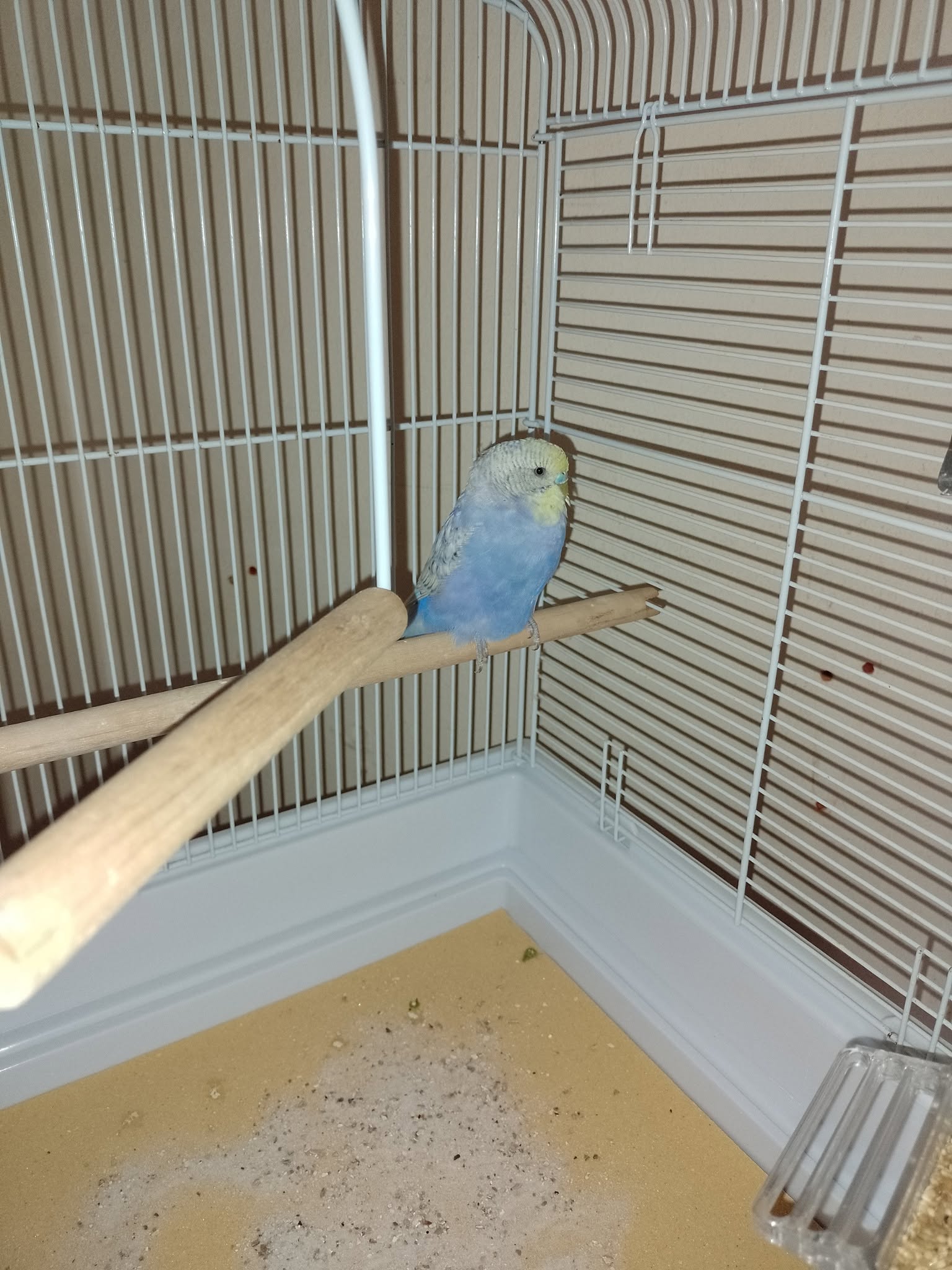
Most of the public conversation about pet food costs focuses on dogs and cats — the species that dominate the market and the media coverage. Bird food is a relatively small part of the overall pet food economy, and the specific pressures on it are somewhat different.
Bird seed mixes are primarily grain-based. The global grain market — wheat, millet, canary seed, sunflower — is subject to its own price pressures, driven by energy costs, transport, and the agricultural impacts of climate volatility. Bird seed prices have risen, but the nature of the product means they have not been subject to quite the same protein and meat-cost pressures that drove the most dramatic increases in dog and cat food.
Specialist bird foods — fortified pellets, vitamin supplements, specific species blends — have followed the general trend of premium and specialist diets seeing the highest inflation, as these products rely on niche ingredients and complex supply chains, making them sensitive to global shocks.
The practical implication for bird owners is this: basic seed mixes have risen but remain relatively accessible. Specialist foods, supplements, and premium formulations have risen more. And the cost that has risen most significantly — veterinary care — is the one that most bird owners think about least when they are looking for savings.
The Cost That Has Actually Gone Up The Most — And It Is Not The Seed
I want to spend time on this because it is the cost most owners are not factoring into their thinking when they look at ways to reduce their bird keeping spend.
Veterinary costs have risen significantly and are continuing to rise faster than almost any other cost in pet ownership. Over the twelve months to January 2026, veterinary care and other services for companion animals jumped 5.5 percent — compared to 0.9 percent for pet products in the same period. And this follows years of above-average veterinary cost inflation that has made avian vet consultations considerably more expensive than they were five years ago.
For bird owners, this creates a specific and important calculation. The difference in cost between a quality seed mix and a cheaper alternative might be a pound or two per bag. The cost of a single avian vet consultation — necessitated by an illness that better nutrition might have helped prevent, or that was caught later than it should have been because the owner was managing costs by avoiding routine care — can be fifty pounds or more.
I am not saying good seed prevents all illness. I am saying that the relationship between nutrition and immune function in birds is real and well-established, and that cutting feed quality to save a small amount per month while simultaneously making veterinary intervention more likely is a false economy in the clearest possible sense.
The owners who manage bird keeping costs well are not the ones who spend the least on feed. They are the ones who understand where the real financial risk lies — and it lies in veterinary bills, not in seed prices.
Where The False Economies Are — What Not To Cut
Let me be direct about the cuts that look like savings but are not.
Switching To A Cheaper Seed Mix Without Checking What Is In It
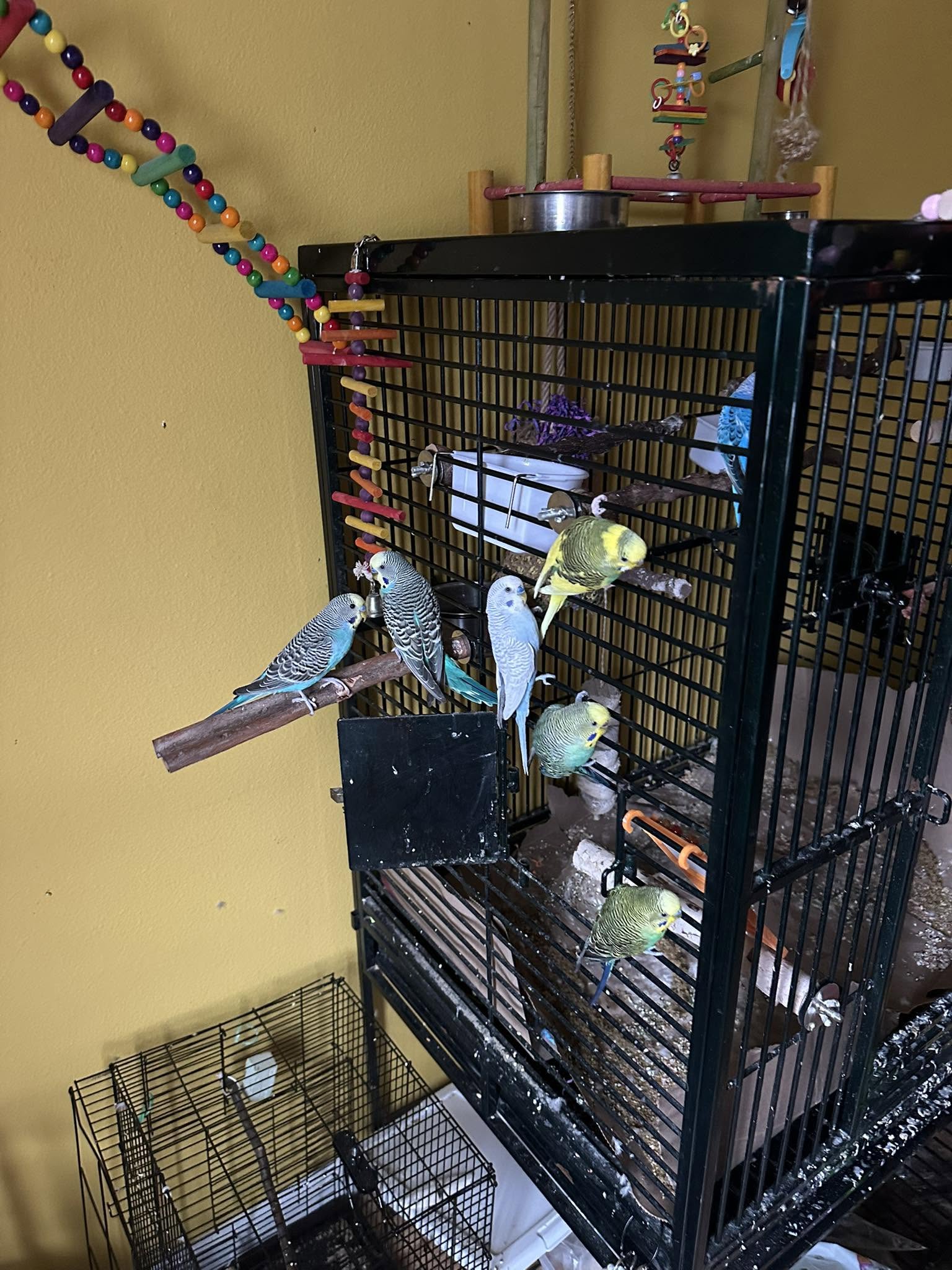
The cheapest bird seed mixes available in the UK are typically high in millet and low in everything else. They are inexpensive because they are nutritionally minimal. A budgie living primarily on cheap millet mix is not thriving — it is surviving on a diet that is deficient in the variety, protein, and micronutrients that support immune function, feather quality, and long-term health.
The visible consequences of a poor diet in a bird are not immediate. They accumulate over months and years — in feather condition, in immune resilience, in the frequency and severity of illness, and ultimately in lifespan. By the time the consequences are obvious, they are also expensive to address.
The right response to rising seed prices is not to trade down in quality. It is to buy the same quality more efficiently — in larger quantities, from better-value sources, with less waste. I will come to the practical detail of this.
Skipping Veterinary Checks To Avoid The Cost
This is the false economy I see most often and feel most strongly about. An owner who is managing costs by never taking their bird to a vet unless the bird is visibly and seriously ill is an owner who will, at some point, face a bill that dwarfs what a routine check would have cost — or lose a bird to something that was preventable or treatable if caught earlier.
Avian vet costs are real and they have risen. The answer is planning for them — a small monthly amount set aside, pet insurance for longer-lived species, a relationship with an avian vet established before you need one in a crisis. The answer is not hoping the bird stays well and avoiding the cost of checking.
Reducing Fresh Food And Greens To Zero
Fresh greens and vegetables are not a luxury addition to a bird’s diet. They provide vitamins — particularly Vitamin A, which is frequently deficient in seed-only diets — that seed alone cannot adequately supply. An owner who cuts fresh food entirely to save money is removing a genuine nutritional component and increasing the likelihood of the deficiency-related health problems that fresh food prevents.
The answer here is not to buy fresh greens from a supermarket every day. It is to grow them — a window box of chickweed, kale, or spinach costs almost nothing and provides a continuous supply of fresh greens that genuinely benefit the bird.
Where The Real Savings Are — What Experienced Bird Keepers Actually Do
With the false economies clear, here is where the genuine savings are — the approaches that reduce cost without reducing the quality of the bird’s care.
Buy Seed In Larger Quantities
The per-kilogram price of quality seed drops significantly when purchased in larger quantities. A 20-kilogram bag of a good mixed seed costs considerably less per kilo than a sequence of smaller bags bought one at a time. If you have the storage — a cool, dry, airtight container — this single change can meaningfully reduce the monthly seed cost without any change in quality.
The caveat is storage quality. Seed stored in damp, warm, or poorly sealed conditions deteriorates and can develop mould. The container matters. One proper airtight container is a one-time investment that pays back quickly through bulk savings.
Source From Specialist Suppliers Rather Than Convenience Retailers
Buying bird seed from a supermarket or corner shop is convenient and expensive. A specialist bird food supplier — either an independent pet shop that takes sourcing seriously or a reputable online specialist — typically offers better quality at better prices than general retail, particularly when bought in quantity.
The premium end of the supermarket pet food aisle is the most expensive place to buy bird food in the UK. The specialist end of the independent pet trade is often the best combination of quality and value. Knowing the difference, and sourcing accordingly, is what experienced bird keepers do.
Grow Supplementary Greens
Fresh greens bought from a supermarket are an ongoing cost. Fresh greens grown on a windowsill are essentially free after a minimal initial investment in seeds and a container. Chickweed, dandelion, kale, spinach — all of these grow easily and provide genuine nutritional value to birds that would otherwise cost money to provide.
This is not a significant time commitment. It is a habit, and it is one that removes an ongoing cost entirely while improving the diet.
Make Enrichment Rather Than Buying It
The commercial bird enrichment market is large and expensive. A significant proportion of what is sold in it is genuinely useful. A significant proportion of it is also replicable at home for almost nothing.
Safe branches — apple, willow, hazel — cut fresh from the garden or sourced locally provide natural perches and foraging opportunities at no cost. Paper and cardboard foraging toys, appropriately constructed, engage birds as effectively as commercial equivalents. Millet spray pushed through cage bars is inexpensive and provides genuine enrichment value.
Reviewing what you buy in the enrichment category and distinguishing between what genuinely benefits the bird and what is habit or impulse purchase can produce real savings without any effect on the bird’s welfare.
Review Supplements Critically
The range of supplements marketed at bird owners is extensive. Not all of it is necessary for a bird on a good quality base diet. A bird eating a quality varied seed mix with regular fresh greens and appropriate pellet supplementation does not necessarily need a long list of additional products on top of that.
Go through each supplement you currently use and ask honestly: what is this providing that the base diet does not? Is there evidence the bird benefits from it? Could the same nutritional outcome be achieved through diet improvement rather than supplementation? This review often reveals products that can be stopped without consequence, and occasionally reveals genuine gaps that should be filled — but not with the most expensive option available.
The Practical Cost Management Framework
- Know what you actually spend. Write it down — seed, supplements, fresh food, enrichment, veterinary costs averaged across the year, insurance if you have it. Most owners who do this for the first time are surprised either by the total or by where the money is going. You cannot manage what you have not measured.
- Separate essential from discretionary in every category. Feed quality, fresh water, hygiene, and access to veterinary care when needed are essential. Most other categories contain discretionary elements. Work through each category with that distinction in mind.
- Switch to bulk seed purchasing if you have not already. Find a quality source, work out the storage requirement, make the one-time investment in a proper container, and start buying in quantity. The saving is immediate and ongoing.
- Start growing greens. A window box, some soil, some seeds. Chickweed and kale are easy starters. The cost is negligible. The ongoing benefit to the bird’s diet is genuine.
- Plan for veterinary costs — do not ignore them. A small amount set aside monthly, pet insurance for longer-lived species like cockatiels and lovebirds, and a known avian vet before you need one in an emergency. The vet cost is rising fastest and is the most dangerous to be unprepared for.
- Review supplements annually. What is each one actually doing? Could the base diet be improved instead? Keep what is genuinely necessary, stop what is habit.
- Make enrichment rather than always buying it. Safe branches, cardboard foraging toys, millet spray. The bird does not read price tags. What it cares about is whether enrichment works — and a well-constructed homemade foraging toy works as well as an expensive commercial one.
Quick Reference — Where To Save And Where Not To
| Cost Area | Can You Reduce It? | How |
|---|---|---|
| Seed quality | ❌ Do not compromise | Buy smarter — bulk, better source, less waste |
| Seed cost | ✅ Yes — buy in bulk | Larger quantities, specialist supplier, proper storage |
| Fresh greens | ✅ Yes — grow your own | Window box, chickweed, kale, sprouted seeds |
| Supplements | ✅ Review critically | Keep what is genuinely needed, stop what is habit |
| Enrichment and toys | ✅ Yes — make your own | Safe branches, paper toys, millet spray |
| Veterinary care when needed | ❌ Never delay or avoid | Plan ahead — insurance or monthly savings pot |
| Cage hygiene | ❌ Non-negotiable | Source cleaning products economically; never skip the process |
| Novelty accessories | ✅ Yes — be selective | Buy what the bird genuinely uses; avoid impulse purchases |
Frequently Asked Questions
Is it safe to switch to a cheaper seed mix to save money?
It depends what is in the cheaper mix. If it is a quality mix with genuine variety — a range of seeds appropriate for the species, with no excessive millet filler — then a cheaper source for the same quality product is fine. If the cheaper mix is cheaper because it is nutritionally inferior, with high millet content and low variety, then no — the saving in seed cost will be outweighed by the cost to the bird’s health over time. Read the ingredient list, not just the price label.
How much should I be spending on bird seed per month?
This varies significantly by species and number of birds. For a single budgie on a quality seed mix supplemented with fresh greens and occasional pellets, the seed cost should be modest — bulk buying keeps it lower. The more important question is whether what you are spending is achieving good nutritional outcomes for the bird, not whether it compares favourably to some average. A bird with good feather condition, healthy weight, and good energy levels is getting adequate nutrition. The cost of achieving that is the right cost.
Is pet insurance for birds worth it in 2026?
For longer-lived species — cockatiels at 15 to 20 years, lovebirds at 10 to 15 years — the maths of insurance become increasingly favourable as veterinary costs rise. A single avian vet consultation and course of treatment for a respiratory infection can cost significantly more than several months of insurance premiums. For shorter-lived species like budgies, a dedicated savings pot may be more practical than insurance. The key point is that having no plan for veterinary costs is the most expensive option of all.
Are there good quality budget seed mixes in the UK?
Yes — quality and price are not the same thing, and the most expensive option is not always the best. The questions to ask are: what seeds are in the mix, in what proportions; where did they come from; how fresh are they. A well-sourced mix with genuine variety from a specialist supplier at a fair price will serve your bird better than a premium-branded mix at a higher price that offers the same nutritional profile. Ask the supplier these questions. A good supplier will answer them.
Where can I get honest bird care advice in Swindon?
Come and see us at Paradise Pets, Manor Garden Centre, Cheney Manor, Swindon SN2 2QJ. Or give us a ring on 01793 512400. We will go through your setup honestly, tell you what we think about what you are buying, and help you find savings that make sense without compromising your birds. Free advice, no obligation — that is how we have done things for 35 years.
One Last Thing From Me
The woman who asked about switching to cheaper seed went away with a plan. We looked at what she was buying, worked out that she was purchasing in small bags from a convenience retailer at a significant per-kilo premium over what the same quality seed would cost from us in a larger quantity, and calculated that she could actually improve the quality of what she was buying while spending less per month simply by changing how she sourced it.
She was not in a difficult situation — she had been spending more than necessary for a long time without knowing it. The fix was not to reduce quality. It was to buy the same quality more intelligently.
That is the version of this story I want for every bird owner reading this. Not cutting corners that damage the bird. Not worrying about costs that are manageable when approached sensibly. But knowing clearly where the money goes, which costs actually matter, and how to buy well without spending more than you need to.
Prices have risen. That is real and it is not going away. But the owner who understands their costs, sources their feed properly, plans for veterinary bills, and makes enrichment rather than always buying it — that owner keeps their birds well on a budget that is genuinely manageable. Come and talk to us if you want help working yours out.
Want To Review Your Bird Keeping Costs Honestly? Come In And We Will Go Through It
Bring your questions about what you are buying, where you are buying it, and what you are spending. We will tell you honestly where we think the money is well spent and where it is not — including whether we can offer better value than what you are currently using. Free advice, no obligation.