
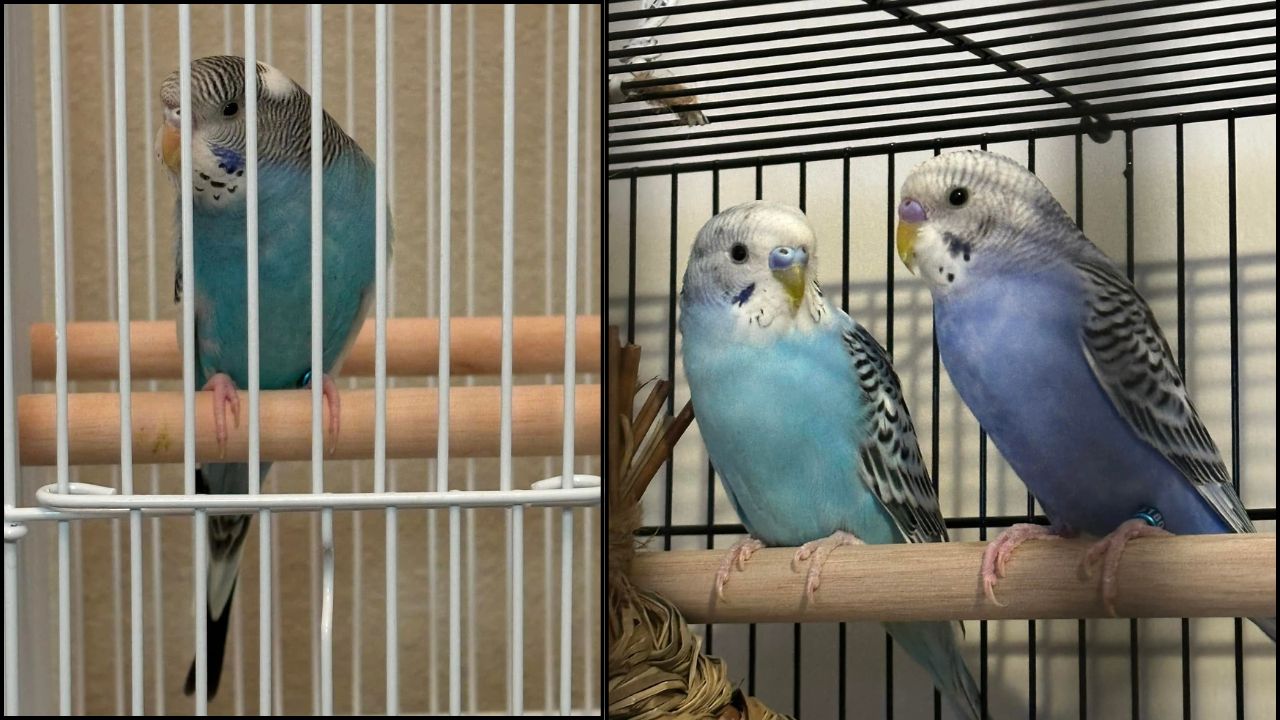

Neil has kept, bred, and sold birds at Paradise Pets Swindon since 1988 — over 35 years of watching new owners take a bird home for the first time and seeing exactly where, in the first week, things tend to go wrong. UK pet bird ownership has climbed to around three million birds in homes across the country, genuinely the highest figure in years. With that many new owners starting out, this is the one mistake I see most often in week one — and it is almost always made with the very best intentions.
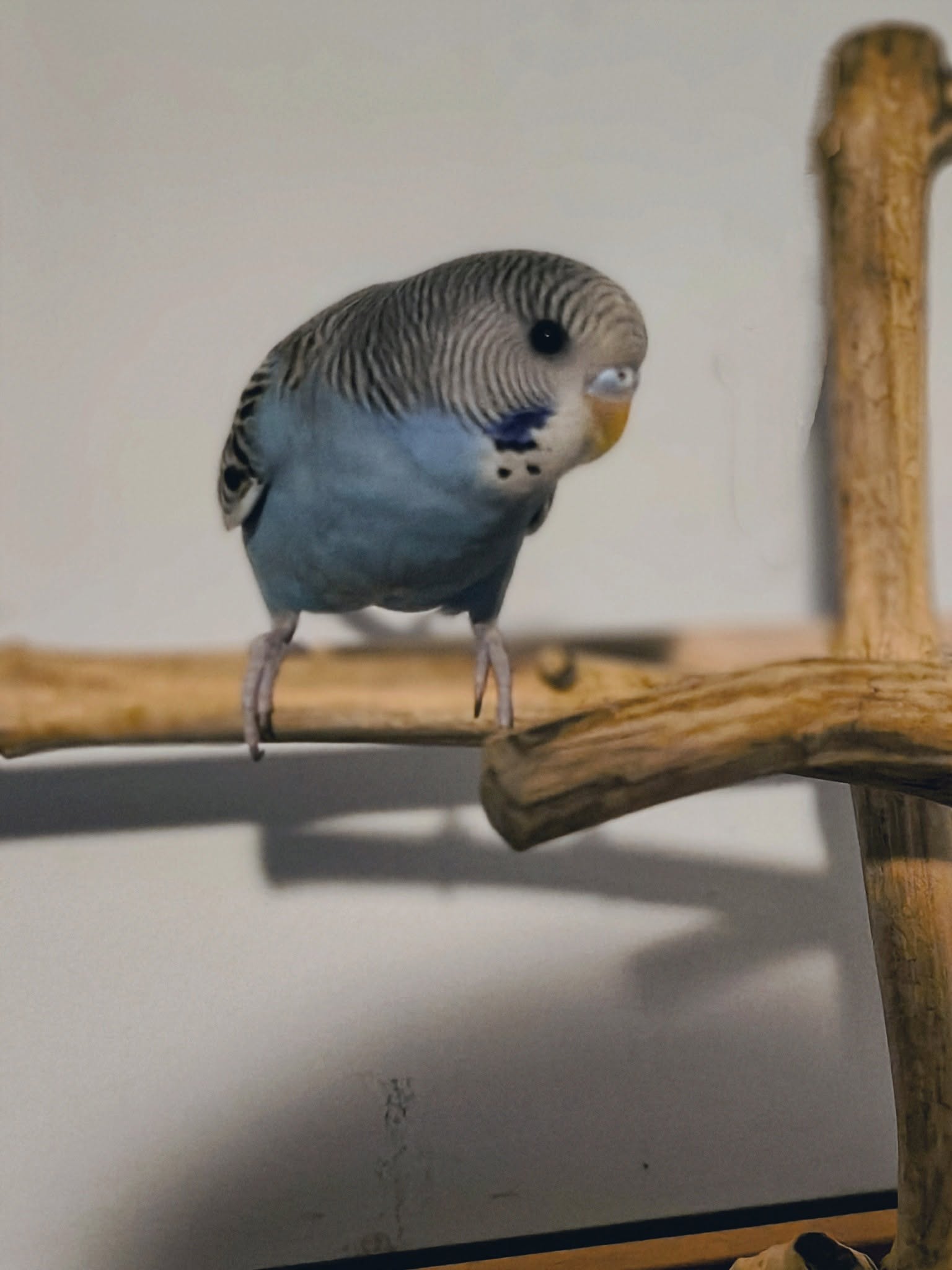
I want to start with the genuinely good news, because it is real and worth saying plainly. Pet bird numbers in the UK have grown significantly, with current industry figures putting the population at somewhere around three million birds in UK homes, up from closer to one and a half million only a few years ago. Budgerigars remain the single most popular pet bird in the country by a wide margin, with cockatiels close behind as the most popular small parrot after the budgie itself.
That growth means a great many more first-time owners walking through doors like mine this year than in any recent year I can remember. And across thirty-five years of watching new owners begin this particular journey, there is one mistake that comes up more consistently than any other, made almost universally with genuinely good intentions, that I want every new owner to understand before their bird’s first week even begins.
The Mistake — Too Much Contact, Too Soon
Here it is, stated plainly: the most common first-week mistake I see, by a clear margin, is new owners trying to interact with their bird far more than the bird is ready for, in the genuine and understandable belief that more attention and more handling will help the bird settle in faster and feel more welcome.
It produces the exact opposite effect to the one intended, and I understand completely why it happens. A new owner has just brought home an animal they are excited about, often one that has been specifically chosen for its potential to become tame and interactive, and the natural instinct is to start building that relationship immediately — talking to the bird constantly, reaching into the cage to try to handle it, moving the cage around the house so it can meet everyone, sometimes even letting children handle it within hours of arrival because everyone is eager to bond.
Every one of those instincts comes from genuine care. None of them is what a bird in its first days in a new home actually needs.
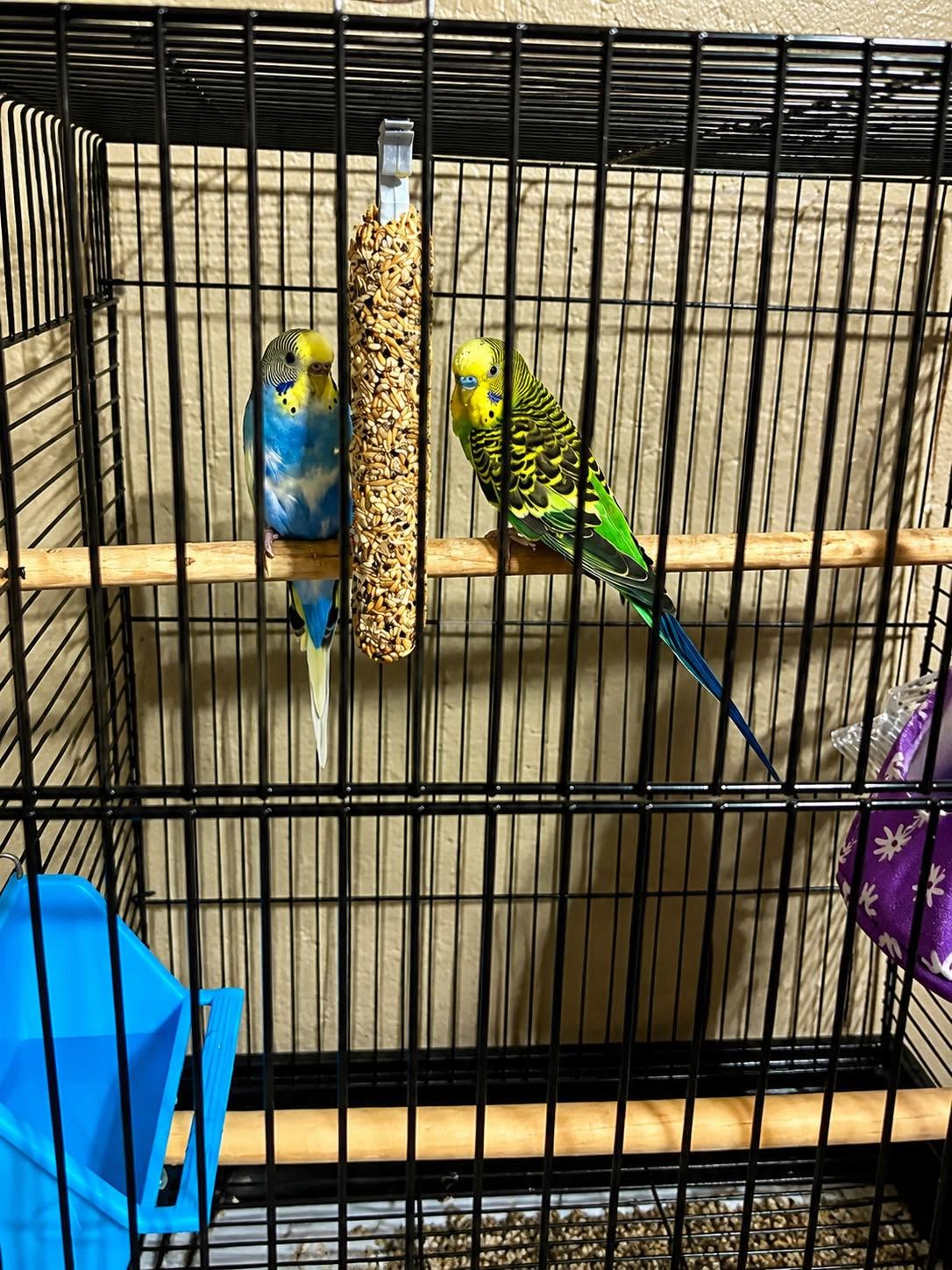
Why This Specific Mistake Is So Counterproductive
The reason this approach backfires comes down to basic prey-animal psychology, and it applies whether you have brought home a budgie, a cockatiel, or any other commonly kept cage bird.
A bird arriving in a new home has had every familiar reference point removed at once. The smells, the sounds, the light, the layout, the other animals or absence of them — all of it has changed in the space of a single short journey. Its only currently reliable strategy for managing that level of unfamiliarity is caution, and that caution is not something to be talked out of or handled past. It needs to resolve on the bird’s own timeline, through its own observation that nothing bad is happening, before genuine trust can begin to build.
When a new owner reaches into the cage repeatedly on day one, talks loudly and excitedly close to the bird, or has several different family members each take a turn trying to interact within the first hours, the bird’s nervous system registers exactly the kind of unpredictable, high-stimulation environment that its instincts are telling it to be wary of. Rather than learning this place is safe, it is instead gathering more evidence that this place is full of things I cannot predict — precisely the opposite lesson the well-meaning owner was hoping to teach.
I have seen this play out the same way more times than I could count. A bird that is given a calm, quiet, low-contact first few days settles measurably faster, and starts approaching the hand voluntarily within a week or two, than one that has had constant attempted contact from day one. The bird that was handled constantly from the outset often takes considerably longer to reach the same point, because the early experience has taught it that this environment is unpredictable, and that lesson has to be unlearned before the original settling process can even properly begin.
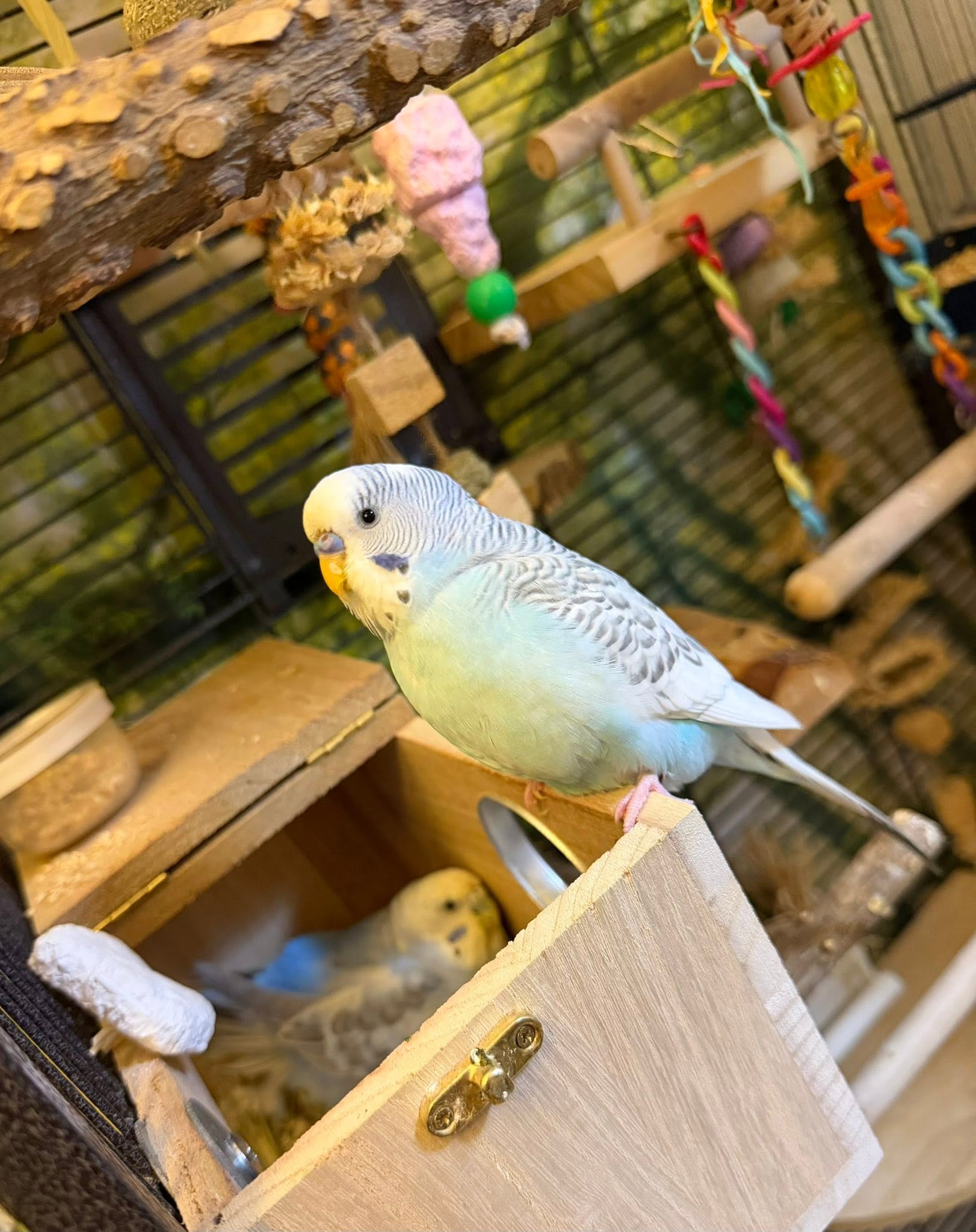
What the First Few Days Should Actually Look Like
Having identified the mistake, here is the practical alternative — what I tell every new owner to do instead, regardless of which species they have brought home.
For at least the first few days, the goal is presence without pressure. Be in the room. Talk in a normal, calm voice, not specifically directed at the bird in an excited or coaxing way, simply as part of your ordinary daily activity. Service food and water calmly and without lingering at the cage. Resist the urge to reach in, to coax the bird toward your hand, or to remove it for handling, no matter how settled it may appear to be after just a day or two.
Let the bird’s own behaviour be your guide for when to progress. A bird that is eating normally in your presence, moving around the cage without obvious alarm at your approach, and beginning to vocalise in a way that sounds curious or contact-seeking rather than alarmed, is a bird that is ready for the next stage — typically introducing your hand into the cage, flat and still, without pursuit, ideally with a favoured treat nearby to give the bird a reason to approach on its own terms.
This process genuinely does take longer than most new owners expect or want, and that is precisely why the mistake is so common — patience is the one ingredient that cannot be substituted for with good intentions or extra effort. But the investment pays back reliably. A bird that is allowed to set its own pace through the first week, rather than being pushed past it, tends to develop into a more confidently tame, more reliably interactive companion over the following weeks and months than one that was rushed.
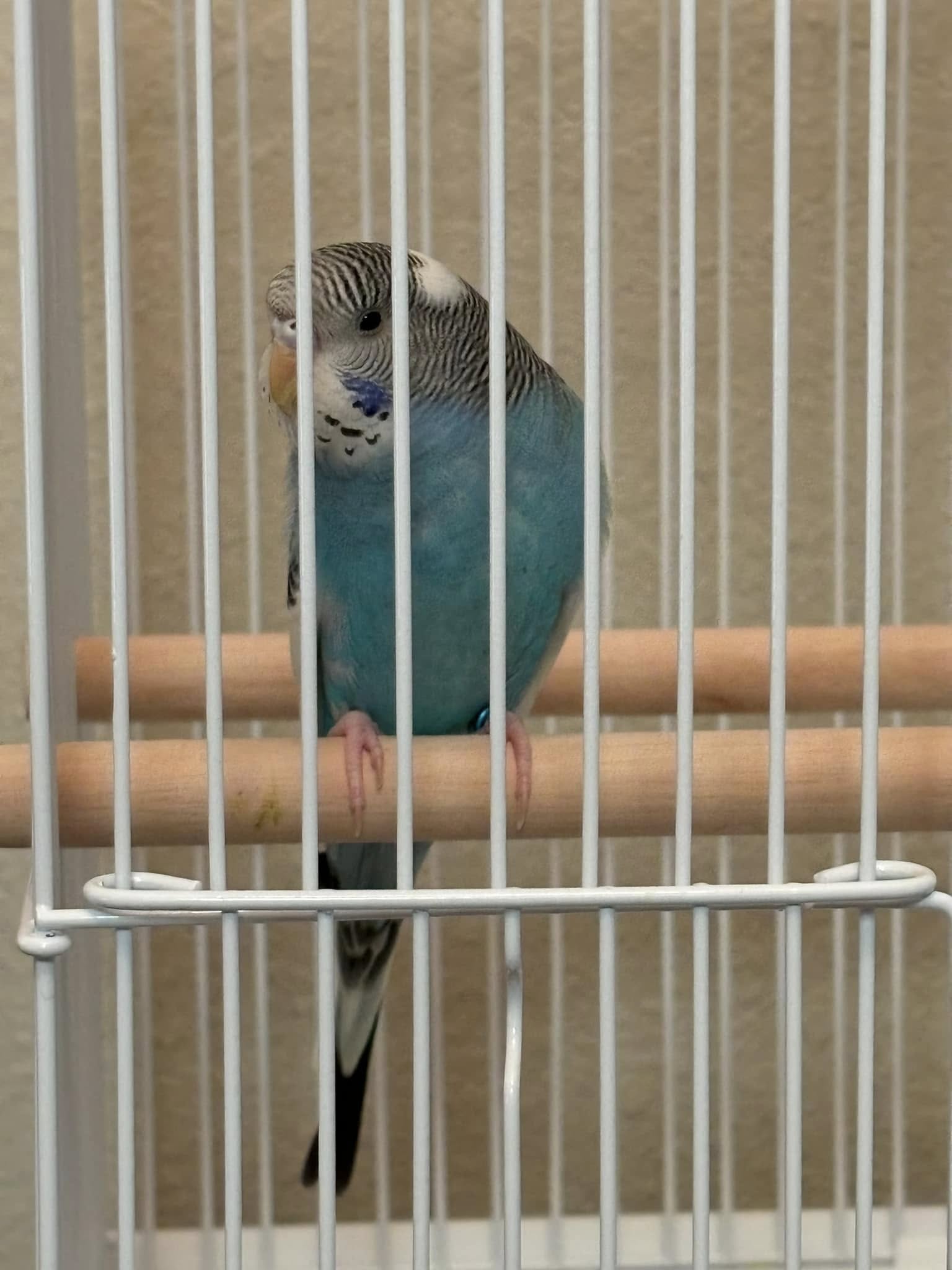
What I Tell New Owners at the Counter
When someone comes in to buy their first bird, particularly with the kind of excitement that this year’s growth in bird-keeping reflects, I always set this expectation before they leave the shop, because I would rather they hear it from me on day zero than learn it the hard way over a frustrating first month.
I tell them that the instinct to immediately start bonding with their new bird is completely natural and completely right in spirit — it simply needs to be expressed differently than most people expect. Patience in the first week is not a delay to genuine connection. It is the actual foundation of it. A bird that is allowed to decide, on its own observation and its own timeline, that this new home and this new person are safe, builds a far more genuine and durable bond than one that was handled into compliance before it had any real choice in the matter.
With so many new bird owners starting out this year, this is genuinely the single piece of advice I would most want to reach all of them before that first week begins.
Come in if you are bringing home a new bird and want to talk through exactly what those first days should look like for your specific species. We are at Manor Garden Centre, Cheney Manor Industrial Estate, Swindon, SN2 2QJ — open every day. Or call us on 01793 512400.
- “The more I handle it from day one, the faster it will get used to me” — This is exactly backwards for almost every commonly kept cage bird. Constant early handling teaches the bird that the new environment is unpredictable, which slows settling considerably compared with a calm, low-contact first few days.
- “It seemed completely fine being handled on day one, so it must be ready” — A bird tolerating handling in the first hours is not the same as a bird that has genuinely settled. Tolerance under stress and genuine comfort look different over the following days, and the early apparent calm can mask a settling process that has actually been disrupted.
- “Letting everyone in the family handle it early helps it bond with the whole household” — Multiple unfamiliar handlers in the first days adds exactly the kind of unpredictability that slows settling. It is better for one calm, consistent person to manage the early interaction, with other family members introduced gradually once the bird has settled with that first person.
- “If I don’t handle it straight away, it’ll never become tame” — The opposite is generally true. A patient first week followed by handling introduced on the bird’s own observable readiness consistently produces a more reliably tame bird over the following weeks than an immediate, forced handling approach.
Visit Us at Paradise Pets Swindon
We stock budgerigars, cockatiels, and a full range of cage and aviary birds — all UK-sourced and properly socialised before going to a new home. If you are bringing a new bird home, come in and let us talk you through exactly what the first week should look like.
We also stock gerbils and hamsters, guinea pigs, and rabbits.