


Neil has kept, bred, and sold cage and aviary birds at Paradise Pets Swindon since 1988 — over 35 years of watching the relationship between wild bird disease and pet bird health, and understanding why the two are more connected than most owners realise. The collapse of Britain’s greenfinch population is the largest infectious disease event in modern British ornithology. This is his honest account of what it is, how it spreads, and the specific risk it poses to indoor cage birds that most UK owners have simply never been told about.
A man came in recently and mentioned almost in passing that he had not seen a greenfinch in his garden for two years.
He used to have them regularly — on the nyjer feeder, on the fat ball holder, occasionally on the lawn. Now they were gone. He thought it might be the neighbour’s cat, or habitat changes, or just the random variation of garden wildlife. He had not connected the absence to anything in particular.
I told him about trichomonosis.
I watched his face change as I explained what had happened to the greenfinch population — not a gradual decline or habitat pressure, but a specific, identifiable, infectious disease event that is the largest-scale mortality of British birds due to infectious disease on record. A disease that has been spreading through UK garden bird feeders since 2005. A disease that most people who feed wild birds have never heard of, even as the evidence of its effect disappears from their gardens species by species.
And then I told him something he was not expecting. The risk does not stop at the garden fence. For owners of cage finches, canaries, and certain other cage birds, this disease — and the mechanisms that allowed it to devastate Britain’s wild finch population — has direct relevance to the birds in their own home.
That is the part of this story that most UK pet bird owners have never been told. This article is the telling of it.
What Trichomonosis Actually Is — The Disease Behind the Numbers
Trichomonosis is caused by Trichomonas gallinae, a single-celled protozoan parasite. It is not a bacterium or a virus. It is a protozoan — a microscopic organism with a flagellum that allows it to move through the moist environments in which it survives and spreads.
The organism colonises the upper digestive tract of infected birds — the mouth, throat, crop, and oesophagus. Once established, it produces caseous lesions: areas of dead, cheesy tissue that progressively obstruct the throat and gullet. The bird cannot swallow properly. It cannot feed or drink normally. The infected tissue makes swallowing very difficult and infected individuals often have saliva or wet plumage around their bills, or old food that has been regurgitated present within their plumage. In severe cases, the neck of the bird may also be very swollen.
A bird affected by trichomonosis typically shows non-specific signs of ill health, such as fluffed up plumage and lethargy. The lesions in the throat prevent birds from feeding, causing starvation and mortality.
The disease kills through starvation. The bird cannot eat, cannot drink, becomes progressively weaker, and dies. It is not a quick death and it is not a gentle one.
Trichomonas gallinae is a parasite of birds and does not pose a health risk to humans or their mammalian pets. This is important to state clearly. The risk is to birds, not to the people or other animals in the household.
The Scale of What Has Happened to Britain’s Greenfinches
I want to be specific about the numbers here, because I think stating them as abstractions allows people to absorb them without fully understanding what they represent.
Since becoming epidemic in Greenfinches and Chaffinches, the disease has led to population declines of 62% for Greenfinch and 37% for Chaffinch between 2011 and 2021, resulting in Greenfinches being added to the UK Red List of birds of conservation concern.
ne study suggests that finch trichomonosis accounts for 62% of all greenfinch, chaffinch and dunnock mortality annually in the British Isles. Recent Breeding Bird Survey data indicates a 50% reduction in the UK breeding population of greenfinches since the disease emerged in the 2000s.
Trichomonosis first emerged in British finches in 2005 and has since brought about local declines in the breeding populations of Greenfinch and Chaffinch in various parts of Britain. The disease is widely acknowledged to be the causal factor in the rapid decline of the British Greenfinch population, which was first noted in the summer of 2006.
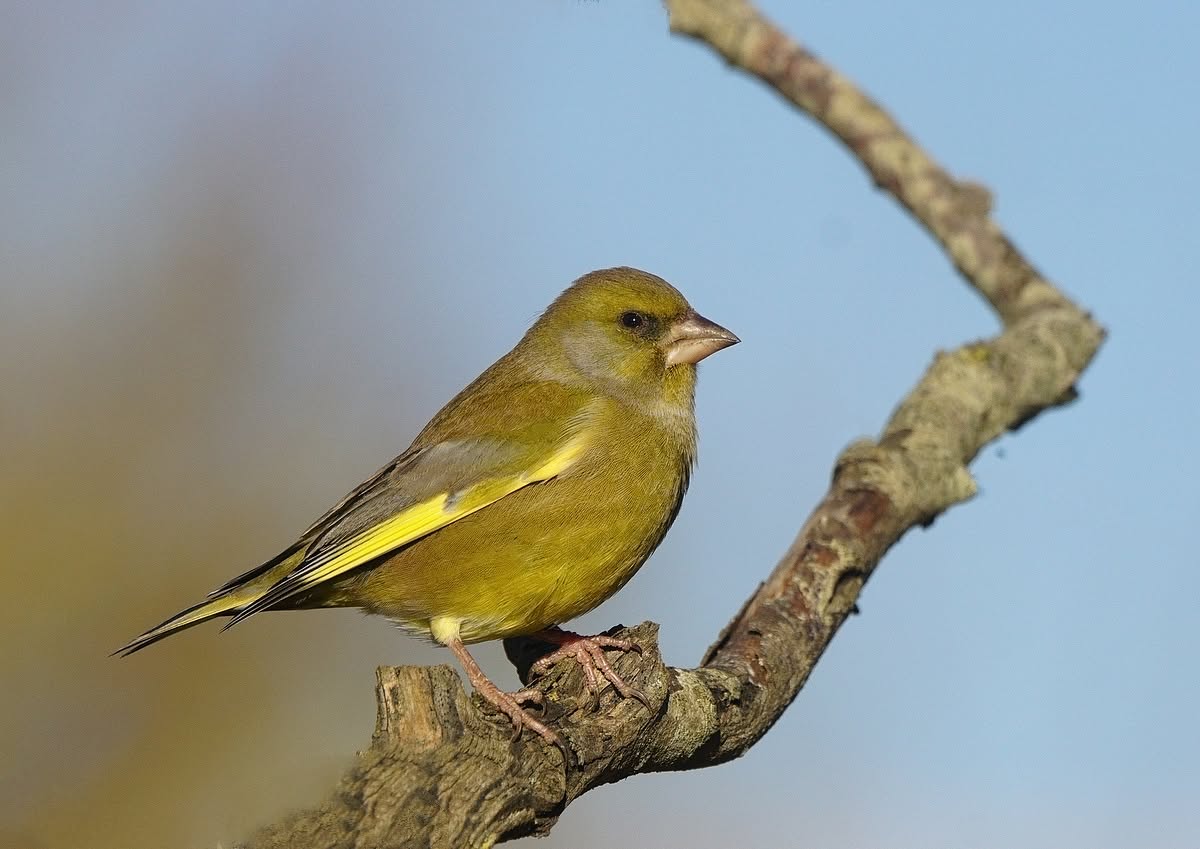
The population most affected — the greenfinch — was, before 2005, one of Britain’s most common garden birds. It appeared on garden feeders reliably across most of the country. In the seventeen years since the disease emerged, an estimated two million birds have been lost. This decrease represents the largest scale infectious disease impact on a European wild bird on record and has led to the inclusion of the British race of Greenfinch on the red list of Birds of Conservation Concern. Furthermore, recent assessment of extinction risk using the IUCN Red List guidelines classified the breeding greenfinch population in Great Britain as endangered.
Endangered. A bird that filled British gardens within living memory.
How the Disease Spreads — The Feeder Mechanism
This is the part that matters most for understanding both the wild bird crisis and the pet bird risk — because the mechanism is identical in both contexts.
The parasite can spread between birds when they feed one another during courtship, or bring food to chicks, or through regurgitation at food or water sources.
The survival time of Trichomonas gallinae outside a host is short. It cannot survive drying out. In cool, moist conditions it can survive for a few hours at most — and this short survival time might initially suggest that the organism would struggle to spread widely. The reason it has spread so devastatingly is that garden bird feeders provide exactly the conditions it requires.
A bird feeder where multiple birds visit, where the food contains moisture from rain or dew, where birds are in close physical proximity, where regurgitated material from infected birds can contaminate the food surface, and where the food is replaced infrequently — leaving contaminated material accumulating over days — is a near-perfect transmission point. The parasite does not need to survive for long because it transfers almost immediately from one bird to the next at the same feeding point.
For both Chaffinch and Greenfinch there is evidence of reduced survival in suburban compared to rural areas, suggesting a possible link to gardens and supplementary feeding. The same mechanism that was meant to help wild birds — the provision of garden feeders — became the primary vector for this disease.
Which Birds Are Affected — and What This Means for Pet Owners
This is where the story shifts from a conservation narrative to a pet bird welfare concern, and it is the part that most UK cage bird owners have never been told.
Trichomonosis is found also in caged birds, in birds of prey (frounce) and in pigeons and doves (canker).
Birds of the finch family, such as Goldfinches, seem to be affected. Other species that feed on seed, such as Siskins, are vulnerable to the disease.
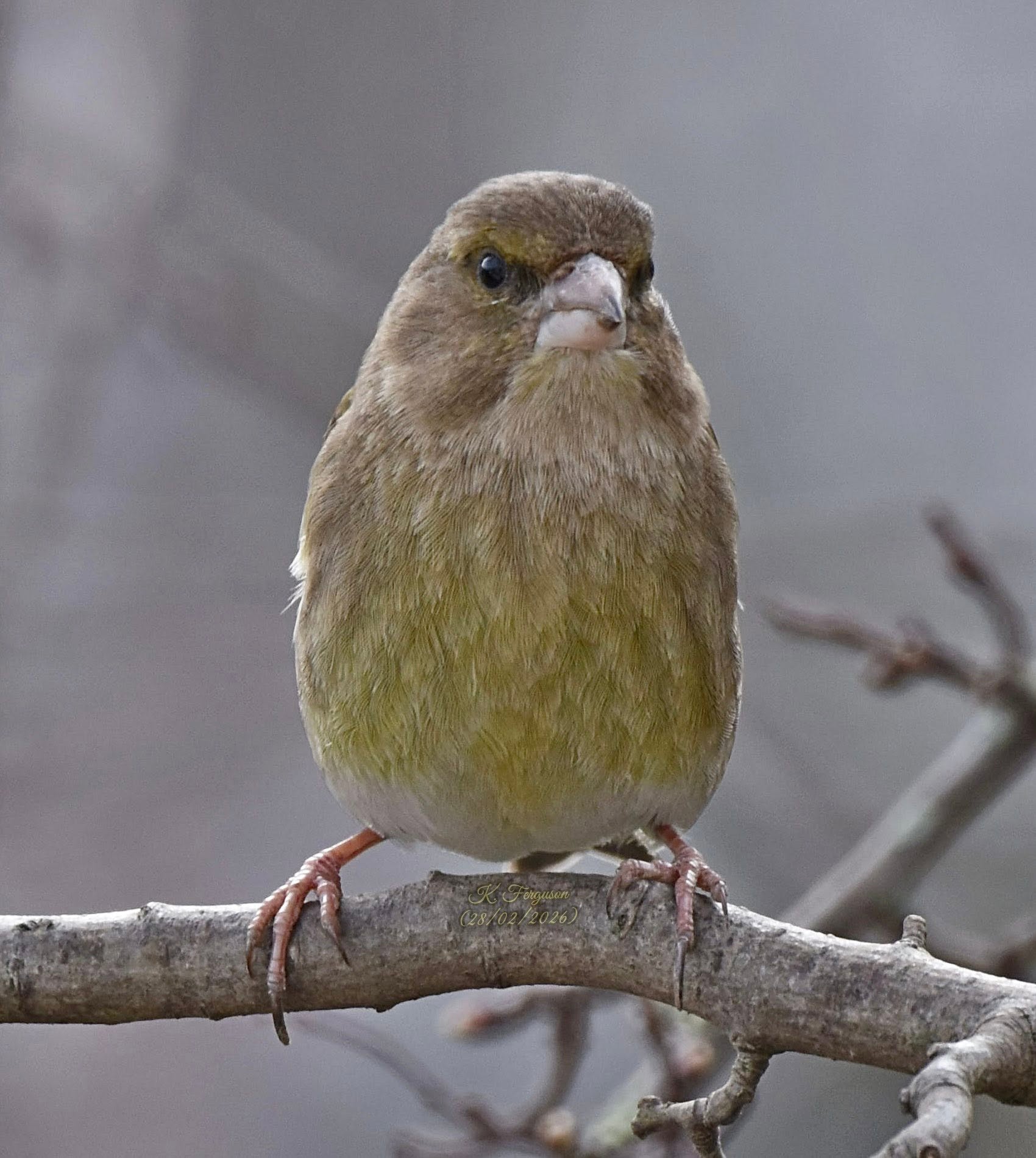
Greenfinches and Chaffinches are the species that have been most frequently affected, but the disease has also been documented in other garden bird species, including House Sparrow, Dunnock, Great Tit and Siskin.
The organism that has devastated Britain’s wild greenfinch population is the same organism — Trichomonas gallinae — that has caused disease in caged canaries and finches since long before the 2005 wild bird epidemic. It is not a new pathogen that jumped into wildlife. It is an established avian parasite that found a particularly susceptible wild host population and an ideal transmission environment.
This means: if you keep canaries, if you keep any species of cage finch — siskins, greenfinches in captivity, goldfinches, other finches — the organism that is currently spreading through Britain’s garden bird population is an organism that can infect your birds.
And the transmission route from wild birds to your cage birds does not require direct contact between wild birds and your pet. It requires something much simpler: contaminated food.
The Indoor Pet Bird Risk — The Specific Pathway Most Owners Miss
I want to be precise about this because I know it will be challenged by owners who know their cage birds have no direct contact with wild birds. You are right that direct contact is the primary risk. But direct contact is not the only risk.
The Shared Equipment Route
You have a garden bird feeder. You have a canary or cage finch indoors. You fill both feeders from the same bag of seed, using the same scoop. You top up the garden feeder and then go straight to the indoor cage without washing your hands.
Trichomonas gallinae can survive on moist surfaces for a limited period. If an infected wild bird has visited your garden feeder and left contaminated saliva or regurgitated material on the feeder, and you then handle the feeder or its surroundings without washing your hands before handling your indoor birds’ food and water — the transmission pathway exists.
It is not a high probability in any single instance. But it is repeated daily, in households across the country, by owners who have never been told this connection exists.
The Seed Storage Route
Bird seed bought in bulk and stored in a container that wild birds can access — in a shed, garage, or outside storage — can be contaminated by wild birds investigating the storage area or by droppings landing in or near the seed. Seed used from this contaminated supply for indoor cage birds represents a transmission route.
The Outdoor Aviary to Indoor Bird Route
Owners who have outdoor aviaries where wild birds might have had contact with the aviary environment — perching on the structure, accessing the feeding area, dropping from above — and who then bring items from the outdoor environment indoors, or who do not change footwear and wash hands between outdoor and indoor bird care, carry potential contamination with them.
The Risk Is Real, Not Theoretical
I am not describing a purely theoretical risk to cause alarm. I am describing the same mechanism — contaminated surfaces, shared equipment, inadequate hygiene between wild and captive bird environments — that allowed trichomonosis to spread so effectively through Britain’s wild finch population. The mechanism is identical. The scale is smaller in a single household. But the mechanism is the same.
Recognising Trichomonosis in a Cage Bird — What to Look For
The signs of trichomonosis in a cage bird are broadly similar to those in wild birds, though they may develop more slowly in an indoor bird that is not under the same environmental stresses as a wild bird.
- Difficulty swallowing — the bird attempts to eat but food does not go down normally: The lesions in the throat obstruct the passage of food. The bird makes repeated attempts to swallow without success.
- Regurgitation — the bird brings food back up after eating: Distinct from the normal regurgitation of a bonded pair. Involuntary, repeated, unrelated to social behaviour.
- Wet or food-stained feathers around the beak and throat: Saliva and regurgitated material accumulate where normal swallowing is prevented.
- Swelling visible on the neck or throat: In advanced cases, the lesion mass may be visible as a swelling on the outside of the neck. Act well before this stage.
- Fluffed feathers, lethargy, reduced activity: The general sick-bird posture that accompanies any significant illness. In this case combined with the feeding difficulty above.
- Weight loss progressing despite apparent eating attempts: The bird tries to eat but cannot absorb nutrition properly. Keel check essential.
- What to do: Vet same day. Trichomonosis is treatable with antiprotozoal drugs (typically metronidazole) when caught early. Late-stage cases have much worse outcomes. Mention trichomonosis specifically — request appropriate testing and treatment.
Which Cage Birds Are Most at Risk
Not all cage birds carry the same risk profile, and it is worth being specific about which species owners should be most aware of.
Canaries belong to the finch family (Fringillidae). The organism responsible for the UK’s wild finch epidemic has caused disease in canaries. Canary owners are in the highest-risk category for pet birds and should understand the transmission routes I have described.
Cage finches — any species from the wider finch and finch-like bird families, including siskins, greenfinches, goldfinches, and other Fringillidae species — are in the same high-risk category. These are the wild species most severely affected by the disease; their captive counterparts carry the same susceptibility.
Budgies and cockatiels belong to the parrot order (Psittaciformes) rather than the finch family. Trichomonosis in psittacine birds is documented but less common and typically less severe than in finches. The risk exists but is lower.
Pigeons and doves have had trichomonosis — historically called canker in these species — for a very long time. Keeping pigeons or doves alongside finches or canaries increases risk.
Birds of prey should never be housed in any environment where contact with infected prey species is possible, but this applies to specialist keepers and is outside the scope of this article.
What the RSPB’s 2026 Guidance Actually Means — Connected to This Disease
The RSPB’s 2026 guidance — recommending that garden bird owners pause seed and peanut feeding from May to October and clean feeders weekly — is specifically designed to reduce the transmission conditions I have described in this article.
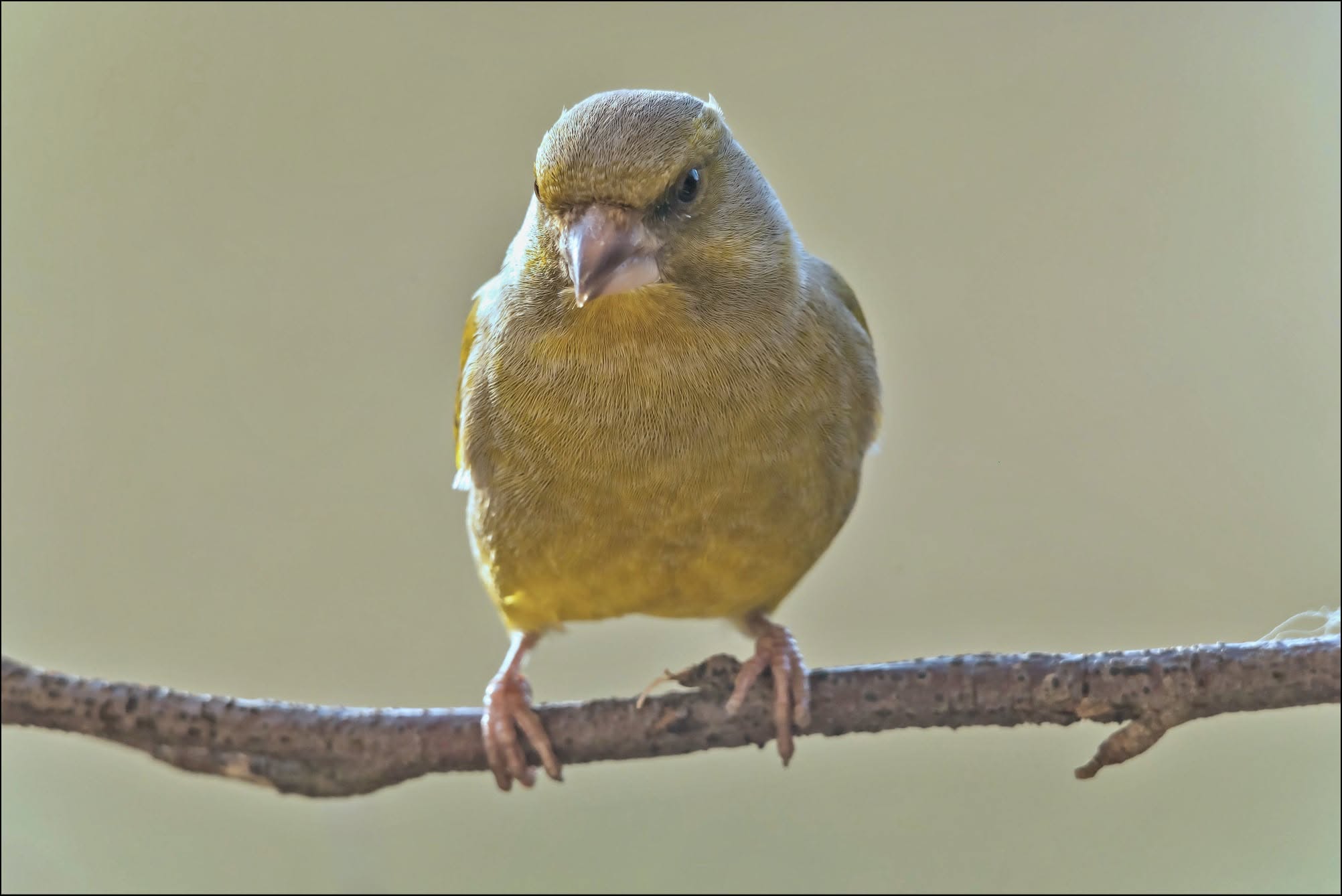
Greenfinch declines could be the largest scale mortality of British birds due to infectious disease on record. Birds of the finch family, such as Goldfinches, seem to be affected. An outbreak of trichomonosis in North Wales in 2022 threatened a critical breeding population of rare Hawfinches. Other species that feed on seed, such as Siskins, are vulnerable to the disease.
Reducing the density of wild birds at garden feeders during the high-transmission season — which is late summer and autumn, when wild bird congregation at feeders is highest and when warm, moist conditions help the parasite survive on surfaces — is the primary intervention available to ordinary householders.
The connection to pet bird owners is direct: if your garden feeders are a transmission hotspot and you also keep cage finches or canaries, the hygiene of your garden feeding station is not separate from the welfare of your indoor birds. They are connected by the shared equipment and hand contact I described earlier.

The Practical Prevention Checklist for Cage Bird Owners
These are the specific actions I recommend to any owner of cage finches or canaries who also feeds wild birds in their garden. None of them are onerous. All of them address the real transmission routes I have described.
Separate equipment for garden feeding and cage bird feeding. Different scoops, different containers, stored separately. This single habit breaks the most common transmission route.
Wash hands thoroughly — not a quick rinse — after handling garden feeder equipment and before touching cage birds or their food. The moist residue on hands is exactly the environment Trichomonas gallinae survives in for its brief external life.
Store bird seed in sealed containers that wild birds cannot access. A garden shed with a poorly fitting door, or open-top seed containers, allows wild birds and their contaminated saliva to contact the seed supply.
Clean cage food and water containers every two to three days — not when they look dirty, but routinely. The transmission mechanism inside the cage mirrors the feeder transmission mechanism outside: moist food or water containers where multiple birds feed become contamination points if not cleaned regularly.
Follow the RSPB’s seasonal guidance on garden feeding. Pausing seed and peanuts May to October, cleaning feeders weekly, and changing water daily are not difficult practices. They directly reduce the wild bird disease reservoir in your garden — and by doing so, they reduce the risk that your garden becomes a source of the pathogen that can reach your cage birds.
What I Tell Every Canary and Cage Finch Owner Who Comes In
The greenfinch is a bird most people in Britain over the age of forty have memories of. It was in the garden, reliably, year after year. It was at the feeders alongside the blue tits and sparrows. It was one of those background presences in British outdoor life that people did not notice until it was gone.
It is gone, or very nearly, from most British gardens. Not because of habitat loss in the conventional sense. Not because of cats or pesticides or building development. Because of a parasitic disease that found an ideal transmission environment in the garden feeders that people put up to help wild birds.
The lesson here is about what happens when the hygiene of a shared feeding environment is not maintained. It is about what a protozoan organism can do when given the conditions it needs to move from bird to bird, day after day, season after season, without being interrupted.
That lesson does not end at the garden fence. The same organism, the same transmission mechanism, the same consequence if allowed to proceed unchecked — these things are relevant to anyone with cage finches or canaries who also has wild birds in the garden, who uses shared equipment, who has never been told this connection exists.
I am telling it now. That is what this article is for.
Quick Reference — Trichomonosis and Pet Bird Risk
| Species | Risk Level | Primary Concern |
|---|---|---|
| Canaries | High — finch family, known susceptibility | Shared equipment with garden feeders. Contaminated seed storage. Separate all equipment. |
| Cage finches (siskins, greenfinches, goldfinches) | High — same susceptibility as wild counterparts | Same as canaries. Highest-risk cage bird category. |
| Budgies and cockatiels | Low to moderate — documented but less common in psittacines | Avoid shared equipment with garden feeders. Good cage hygiene as baseline. |
| Outdoor aviary birds — any species | Elevated if wild birds can access feeding or water points | Wild bird exclusion from aviary structure is the primary protection. Separate equipment essential. |
| Pigeons and doves | Established historic susceptibility — called canker in these species | Never house alongside finches or canaries. Separate completely. |
Frequently Asked Questions
Can trichomonosis infect my pet canary or cage finch?
Yes. Trichomonosis is found in caged birds as well as in wild birds. Trichomonas gallinae, the organism that has devastated Britain’s wild greenfinch population, is the same organism that causes disease in cage finches and canaries. Susceptibility varies by species — finch-family birds including canaries are at higher risk than psittacines such as budgies — but the organism can infect cage birds and the transmission routes from wild birds to pet birds exist in households where both are present.
How would trichomonosis get from wild birds to my indoor cage bird?
The most common routes are shared equipment (the same scoop or container used for both garden bird feeding and cage bird feeding without washing between), contaminated seed storage (wild birds accessing the stored seed), and hand contact (handling garden feeder equipment and then touching cage bird food or water without washing hands). Direct contact between wild birds and cage birds is not required. The hygiene habits I describe in the prevention checklist specifically address these routes.
What has happened to greenfinches in the UK?
Since trichomonosis became epidemic in Greenfinches and Chaffinches, the disease has led to population declines of 62% for Greenfinch and 37% for Chaffinch between 2011 and 2021.This represents the largest scale infectious disease impact on a European wild bird on record. The British breeding greenfinch population is now classified as endangered under IUCN criteria. The disease emerged in 2005 and has been spreading continuously since.
What signs of trichomonosis should I look for in my cage bird?
Difficulty swallowing, repeated attempts to eat without food going down, involuntary regurgitation unrelated to bonding behaviour, wet or food-stained feathers around the beak and throat, visible swelling in the throat area in advanced cases, progressive weight loss, and the general sick-bird posture of fluffed feathers and lethargy. If you see any of these signs, call a vet with avian experience the same day and mention trichomonosis specifically. The disease is treatable with antiprotozoal drugs when caught early.
Should I stop feeding wild birds to protect my cage birds?
You do not need to stop entirely, but you should follow the RSPB’s current guidance — pausing seed and peanut feeders from May to October, cleaning feeders weekly and moving them to a new location each time, and changing water daily. More importantly for cage bird owners: separate all equipment between garden bird feeding and cage bird feeding, and wash hands thoroughly between the two activities. These habits break the transmission route without requiring you to stop feeding wild birds altogether.
Where can I get advice about this for my specific birds in Swindon?
Come and see us at Paradise Pets — Manor Garden Centre, Cheney Manor, Swindon SN2 2QJ. If you keep canaries or cage finches and you also feed wild birds, I am happy to go through the specific risk profile for your setup and the practical changes that make the most difference. Call 01793 512400 before visiting.

Keep Canaries or Cage Finches? Come and Understand the Risk That Most Owners Don’t Know About
If you keep cage finches or canaries and you also feed wild birds in the garden — this is a conversation worth having before a problem arrives rather than after. Come in and I will explain the specific risks for your setup and what the simple habits are that protect your birds. We also stock appropriate cage hygiene products and wild bird foods suitable for the summer feeding period.
⭐ Customer Reviews
Amazing Bird Selection
Had a lovley visit today,staff were very friendly and very helpful,such a great petshop,their selection of birds is incredible,really impressed,thank so much to the staff at Paradise Pets

Friendly Helpful Staff
I have been coming to this place for years and they have a great stock of food for all types of pets. Have a great selection of small mammals and a lot of birds. Staff are friendly and helpful.

Great Quality Hutch
Bought a guinea pigs hutch and run combo, very happy with the service, the hutch was put in my car for me without even asking for help. The wood quality is very good, the instructions easy to follow and we are extremely happy with the fully built hutch. A good size for 2 guinea pigs

Response from Paradise Pets | Wiltshire
Thank you Melanie Latus Nice to provide services to you.
Best Bird Shop Around
It’s the best pet shop in and around Swindon. They always have an amazing selection of birds and all you need to keep them happy. I keep birds myself and the guys there are happy to answer questions and really know their stuff. I have seen budgies etc. in chain pet shops in the area looking really unhealthy and ill – I wouldn’t go anywhere else than Paradise Pets for animals.

Highly Recommended Bird Shop
I could not praise this shop enough. Really helped my Grandson buy his first bird and he’s loving it. Travelled from Somerset and was welcomed with open arms.

Great Shop with Competitive Prices
Great shop with amazing selection for small animals, hamsters, mice ect, highly recommend!
Also has a great selection for dogs & cats too & very competitive prices! 💖

