


Neil has kept, bred, and sold cage and aviary birds at Paradise Pets Swindon since 1988 — over 35 years of first-hand experience with budgerigars, cockatiels, canaries, finches, and dozens of other species. Today is World Seabird Day 2026. Most UK pet bird owners will scroll past it. Neil thinks they should not — because the threats driving seabird decline are telling a story about bird health that applies directly to the birds in UK living rooms, and the warning signs that conservationists are reading in wild populations are the same ones most pet bird owners are missing at home.
World Seabird Day does not, at first glance, seem like something that has much to say to the owner of a budgie in Swindon.
Seabirds are wild. They live at the edges of continents and on remote islands. They fish from oceans. They are studied by scientists and counted by conservationists. The connection to a pet bird in a cage in a living room seems, on the surface, to be essentially decorative — a shared category of “birds” and not much more.
I want to make a different argument today, and I want to make it specifically because I think the things driving seabird decline are illuminating something about bird biology that most pet bird owners have not been told clearly enough — and that the warning signs conservationists read in wild populations are the same warning signs that should be prompting action in domestic settings, and frequently are not.
This is not a conservation article, though I care about seabird conservation. It is an article about what the biology of birds — the features that make them vulnerable in the wild — also means for the bird in your living room. And it is an article about warning signs. Specifically, the ones that every pet bird owner should be able to read and almost none of them can.
What World Seabird Day Is Actually Measuring
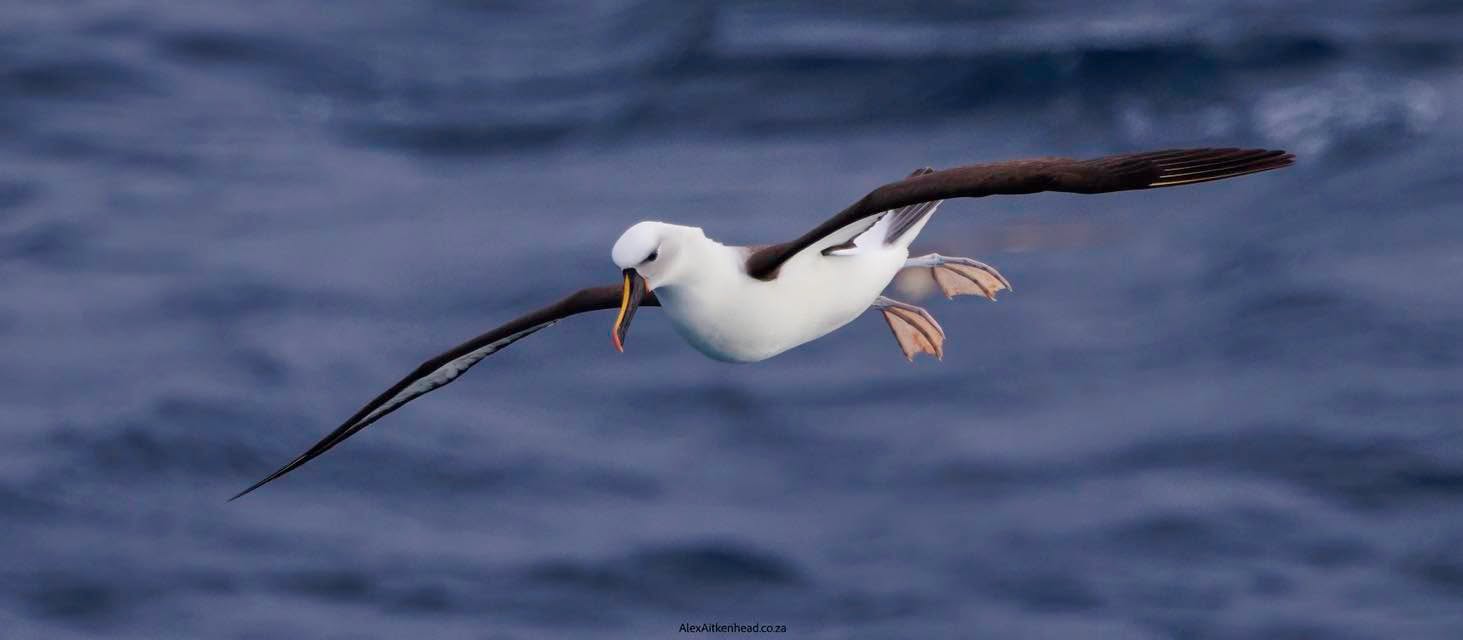
World Seabird Day exists because seabird populations globally are under pressure from a set of interconnected threats — ocean warming, declining fish stocks, plastic pollution, light pollution disorienting navigation, predation pressure from introduced species on nesting islands, and the cumulative burden of contaminants absorbed through the food chain. The populations that were abundant fifty years ago are smaller. The breeding success rates in many species are declining. The science monitoring these changes is sophisticated and detailed.
What the conservation community has learned from monitoring seabirds over decades is something that applies far beyond seabirds: birds are exceptional environmental indicators. Their physiology is sensitive, their lifespan long enough to accumulate environmental exposure, and their population dynamics responsive enough to reflect environmental change before it shows up in most other measures. When something is wrong in a marine ecosystem, seabirds show it.
They show it first in subtle ways — changes in behaviour, in breeding timing, in the condition of adults, in the survival rate of chicks. By the time the decline is visible in headline population numbers, the signal has been present in the biology for years. The challenge, historically, has been knowing what to look for and having the monitoring in place to see it.
Pet bird owners face an exactly parallel challenge, on a domestic scale. The bird in your living room is an environmental indicator for its home environment in precisely the way that a seabird is an indicator for its marine environment. It shows environmental problems first in subtle ways — changes in behaviour, in feather condition, in activity level, in the quality of its droppings. By the time the problem is visible as obvious illness, the signal has been present for weeks or months. The challenge is the same: knowing what to look for.
The Biology That Connects Seabirds to Your Pet Bird at Home
To understand why this parallel is more than rhetorical, it helps to understand the specific biological features that make birds — all birds, not just seabirds — particularly sensitive environmental indicators.
The Respiratory System
Birds have the most efficient respiratory system of any vertebrate. The avian lung is not a simple bellows that fills and empties — it is a flow-through system with air sacs that maintain a continuous, directional flow of air across the gas-exchange surface. This efficiency is what allows birds to sustain the metabolic demands of flight, including at altitude and in conditions that would be physiologically impossible for a mammal.
The consequence of this efficiency is sensitivity. A respiratory system that is highly efficient at extracting oxygen from air is also highly efficient at extracting contaminants. Airborne chemicals, particulates, pathogens, and environmental pollutants that pass through a bird’s respiratory system are processed with greater thoroughness than through a mammalian lung. This is why birds were used as early warning systems in coal mines. It is why birds die faster than humans when exposed to PTFE fumes from overheated non-stick cookware. It is why a scented candle burning in a living room has a different effect on a budgie than on the human sitting beside it.
The same biology that makes seabirds sensitive to oceanic contamination makes your pet bird sensitive to household air quality. The scale is different. The principle is identical.
The Tendency to Conceal Illness
Both wild and domesticated birds share the evolutionary adaptation of concealing signs of illness and weakness. In the wild, a visibly sick bird is a targeted bird — by predators, by competitors, by members of its own species. The survival pressure to appear healthy even when unwell is intense, and it has produced animals that suppress the visible signs of illness to a remarkable degree.
Seabird researchers know this pattern well. A bird that appears healthy in observation may already be significantly compromised — in body condition, in immune function, in the physiological reserves it needs for successful breeding. The visible decline, when it comes, is the endpoint of a process that has been developing for some time.
Pet bird owners encounter exactly this. The bird that seems fine on Monday and is critically ill by Wednesday was not fine on Monday. The signs were present — subtle, easily missed, easily rationalised — and the owner, without knowing what to look for, missed them. This is not negligence. It is the consequence of not having been told that birds hide illness, and what the early signs actually look like.
Environmental Sensitivity and Cumulative Stress
Seabird research has demonstrated something that has direct domestic relevance: the impact of environmental stressors on birds is often cumulative rather than acute. A single stressor — a reduction in prey availability, a contamination event, a bad breeding season — may not produce visible decline. Multiple stressors, acting simultaneously or sequentially, produce a cumulative burden that exceeds the bird’s capacity to compensate.
This cumulative stress model is exactly what I see in sick pet birds presented to avian vets. Almost never is there a single dramatic cause. Almost always there is a combination: a suboptimal diet that has reduced nutritional resilience, combined with an airborne irritant from cleaning products, combined with a draught from an open window, combined with the stress of a change in household routine. None of these alone would produce illness. Together they produce the bird that presents at the vet apparently suddenly unwell, having actually been accumulating stressors for weeks.
Understanding this cumulative model is the difference between an owner who reviews and maintains the whole environment, and one who looks for a single cause when things go wrong and cannot find it. The whole environment is the point. The whole environment is what seabird researchers monitor. It is what pet bird owners should monitor too.
The Warning Signs That Conservationists Read — And That Pet Owners Should Know
Seabird researchers have developed detailed protocols for assessing bird health and environmental condition through observation of living animals. The indicators they use — because invasive or destructive assessment is not available for wild populations — are behavioural and physical, and they are observable.
The parallel set of indicators for pet birds is equally observable, and equally underused by the people who live with these animals every day. Here is what to look for, framed specifically as the monitoring approach that experienced bird observers — wild or domestic — actually apply.
Feather Condition as a Health Indicator
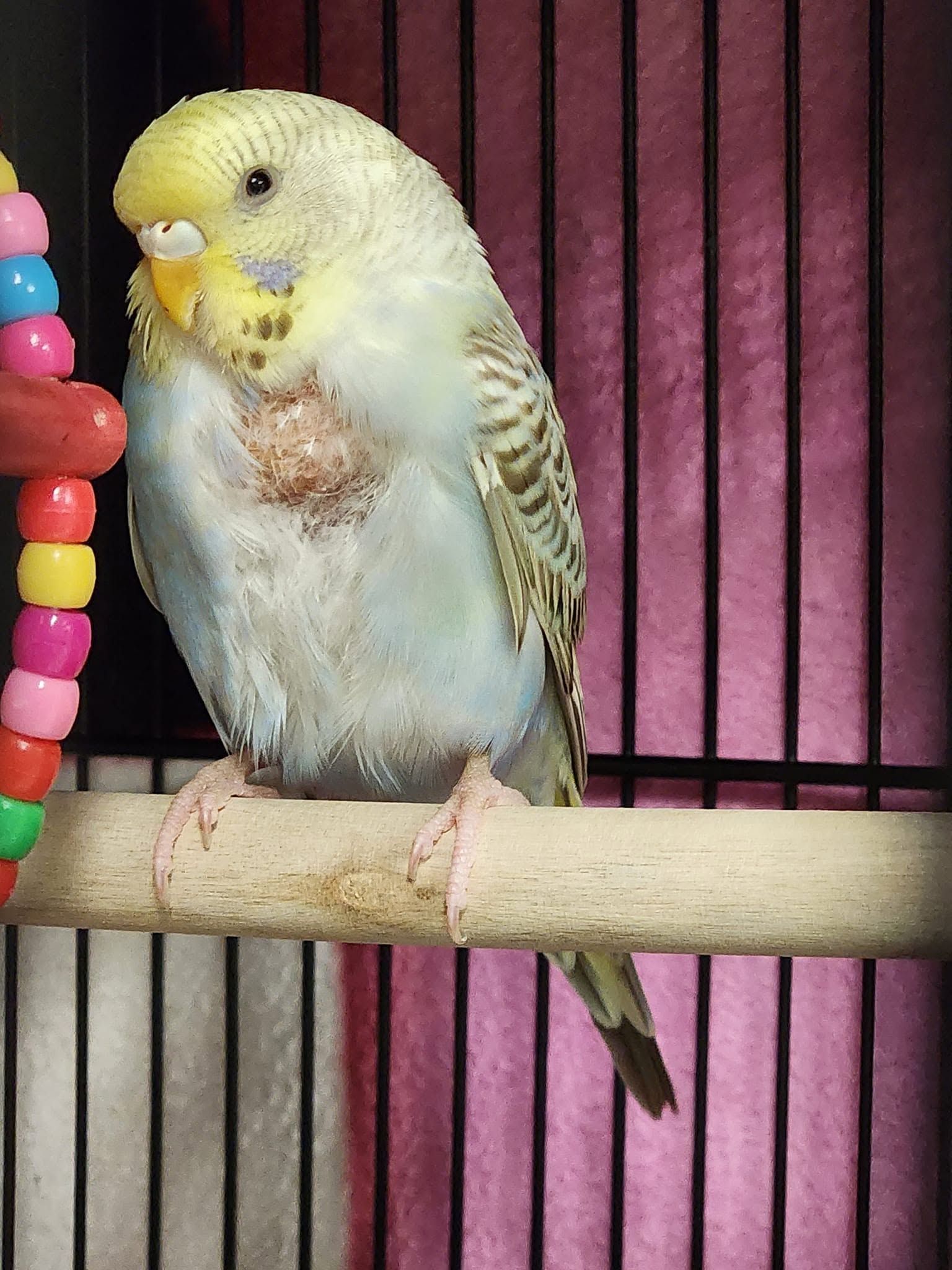
In seabird research, feather condition is one of the primary indicators of individual health and environmental stress. Damaged, dull, or poorly-structured feathers indicate nutritional deficiency, elevated stress hormones, or parasite load. A bird in good condition has feathers that are structurally intact, have appropriate sheen, and lie smoothly. Feather quality is, in effect, a visible record of the bird’s health over the period those feathers were growing.
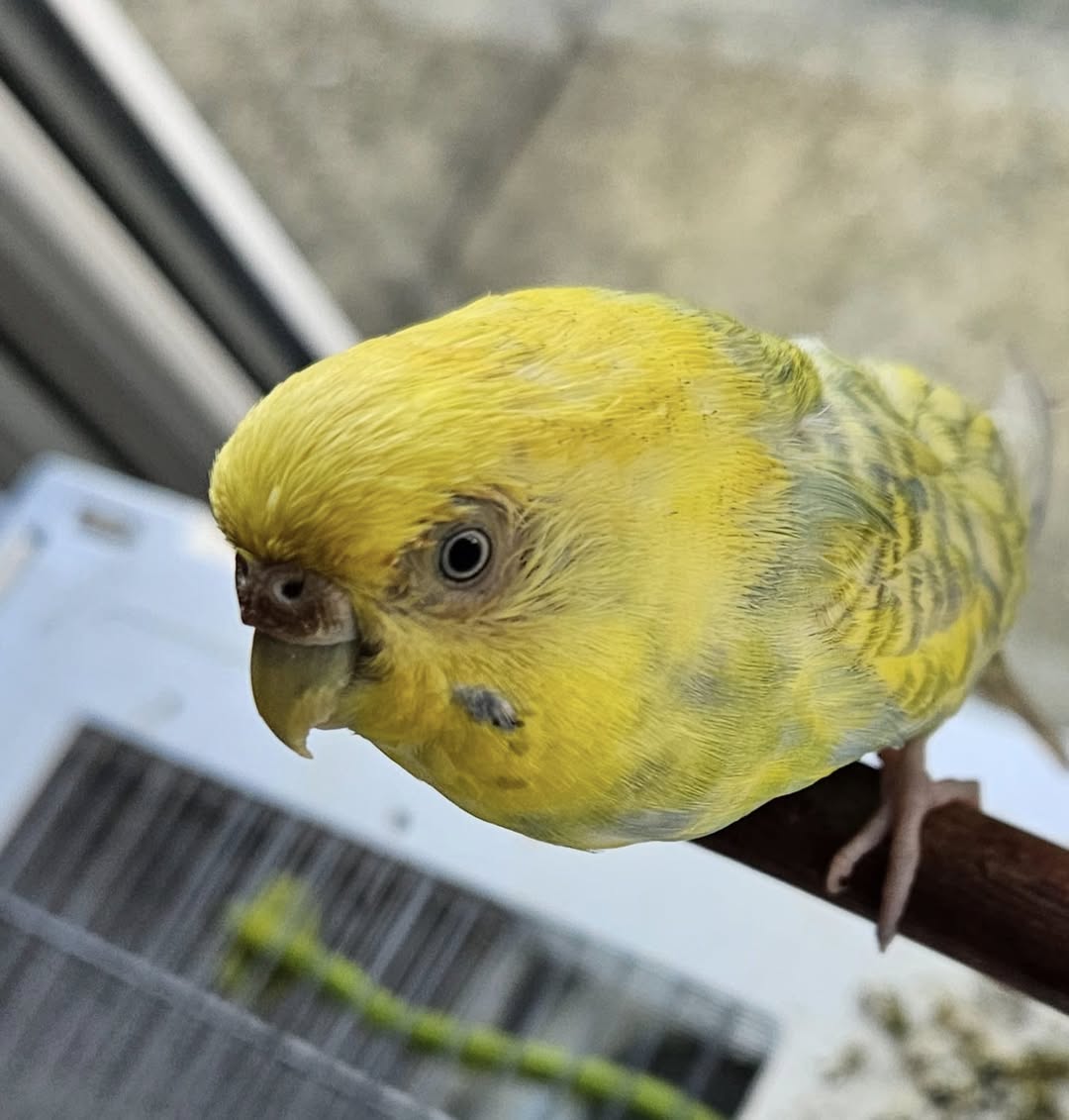
For pet birds, the same principle applies and is equally observable. A budgie with dull, slightly damaged, or poorly-structured feathers is a budgie whose health and environment during the last moult was suboptimal. Good feather condition indicates good nutrition, low stress, and an appropriate environment during the growth period. Poor feather condition is a flag worth investigating — not dramatic, not urgent in isolation, but meaningful.
Behavioural Indicators
Wild bird researchers know that behavioural change precedes physical decline. A bird that is less active than its baseline, that is foraging differently, that is interacting with its environment or conspecifics differently — these are the early signals that something is changing. Population-level monitoring of behaviour is one of the most sensitive tools available to conservationists.
The domestic equivalent is knowing your bird’s normal behaviour well enough to notice when it changes. A budgie that is normally vocal and active and becomes quieter and less engaged is showing a behavioural change that warrants attention. Not panic. Not immediate veterinary alarm. Attention — a closer watch, a review of the environment, and a readiness to escalate to a vet if the change persists or is accompanied by physical signs.
Body Condition
In seabird research, body condition — assessed through weight relative to body size, and through the condition of specific tissue reserves — is a key health indicator. A bird losing body condition is a bird under stress, even if it looks otherwise normal.
Pet bird owners can assess body condition through regular gentle handling and familiarity with the feel of the bird. The keel bone — the central breast bone — should be detectable but padded on both sides by muscle. A keel bone that feels sharp and prominent indicates weight loss. This is not something owners check often enough, because it requires handling and a familiarity with what normal feels like. But it is the same indicator that researchers use in the field, and it is one of the earliest physical signs of decline.
What World Seabird Day Should Prompt Every Pet Bird Owner to Do Today
I am not suggesting that World Seabird Day should be the occasion for a lengthy project. I am suggesting that today, prompted by the reminder that bird biology is sensitive and that the signs of environmental stress are readable if you know what to look for, every pet bird owner does three specific things.
One — Look at the Feathers
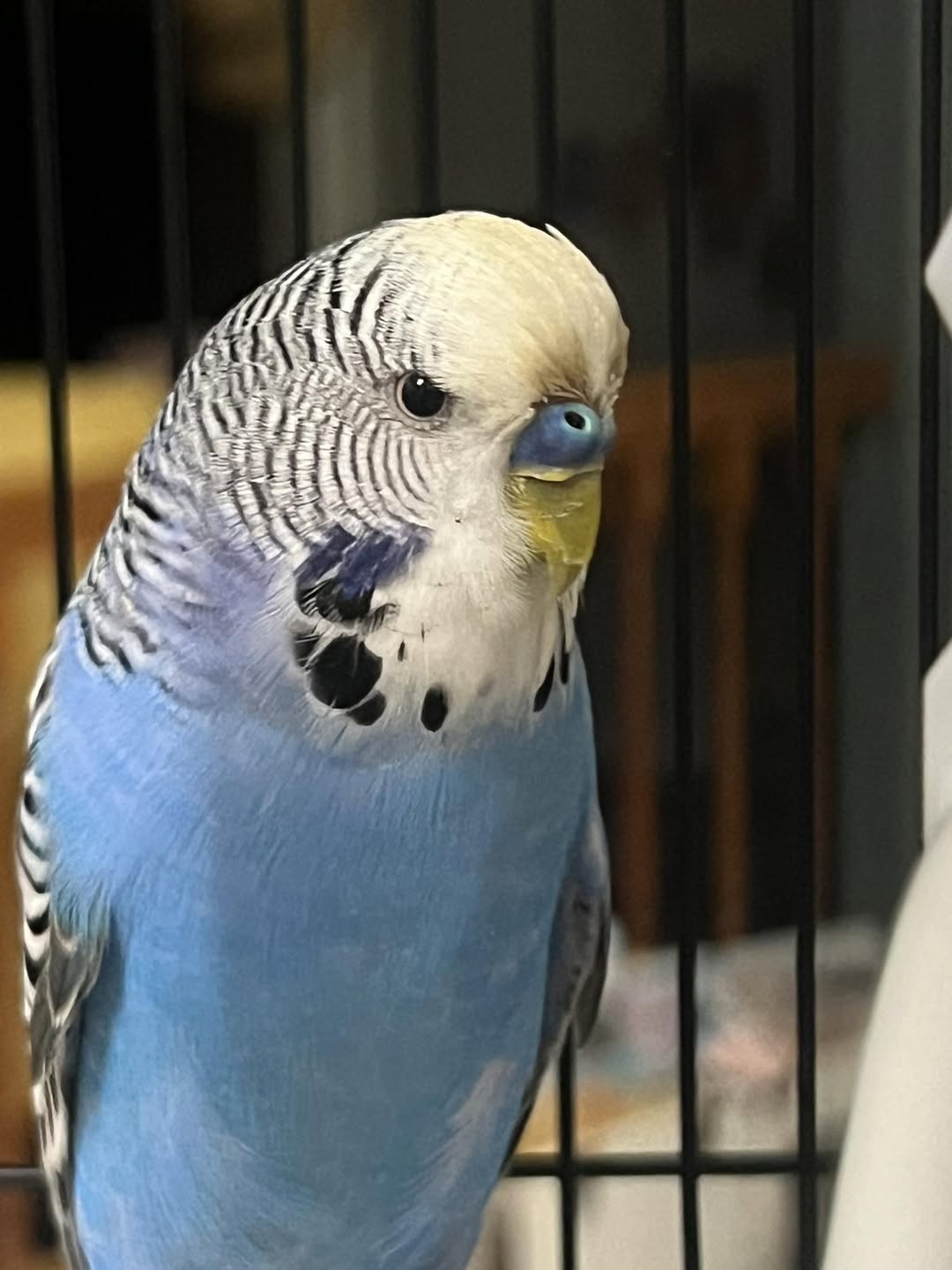
Properly. Not a glance from across the room but a close look at the actual feather structure. Are they smooth and intact? Is there an appropriate sheen? Are there any areas of damage, missing feathers, or dull colouring that were not there before? Feather quality is information. Look at it.
Two — Assess the Behaviour Against the Baseline
Sit with your bird for ten minutes at a time when it is normally active and simply observe. How does what you see compare to what you think of as normal for this bird? Is the activity level what you expect? Is the vocalisation? Is the engagement with its environment? You are establishing a baseline, or checking what you know against it. Either is useful.
Three — Review the Environment for Cumulative Stressors
Go through the environment with the cumulative stress model in mind. Not looking for the single obvious problem, but asking what the combination of things the bird is exposed to looks like when considered together. Diet quality. Air quality. Cage position. Cleaning products. Airborne scents. Temperature stability. Draughts. Each one on its own may be manageable. Together, they may be building a cumulative load worth reducing.
The Broader Point — What Living With a Bird Asks of You
Seabird conservation is hard precisely because wild birds cannot tell you what is happening to them. The researchers who monitor seabird populations have developed the observation skills and monitoring protocols to read the signs that the birds themselves cannot communicate. It takes knowledge, attention, and the willingness to look closely at things that are easy to overlook.
Pet bird keeping asks something similar, on a domestic scale. The bird in your living room cannot tell you that its diet is deficient, that the air in the room is affecting its respiratory system, that the cage position is creating chronic stress, that the feather condition reflects a health trajectory that is heading in the wrong direction. It will show you these things, in the language that birds use — in feather quality, in body condition, in behaviour — but only if you are looking closely enough and know what you are looking at.
Most pet bird owners are not looking closely enough, and most of them have not been told what to look for. World Seabird Day, as good a day as any, is the prompt to start.
Frequently Asked Questions
How does World Seabird Day connect to pet bird keeping?
The connection is biological rather than ecological. Seabirds and pet birds share the same fundamental avian biology — the same respiratory sensitivity, the same tendency to conceal illness, the same responsiveness to cumulative environmental stress. The conservation science that monitors seabird health has developed observation tools and frameworks that translate directly to the domestic setting, even though the context is entirely different. The principles are the same. The indicators are the same. The lesson is the same.
What is the single most important health sign to monitor in a pet bird?
Behaviour, specifically deviations from that individual bird’s established normal. Physical signs like feather condition and body weight matter too, but behaviour changes first — before physical decline is visible, before the bird is obviously unwell. An owner who knows their bird’s normal behaviour well enough to notice when it shifts has the most sensitive monitoring tool available. Establishing that baseline, and checking against it regularly, is the foundation of proactive bird health management.
My bird’s feathers look slightly dull. Should I be worried?
It depends on the context. Feathers naturally dull somewhat before a moult — this is normal and not a flag. Feathers that are dull, slightly damaged, or poorly structured throughout, outside of a moult period, are worth considering as a potential indicator of nutritional or environmental deficiency. Review the diet, consider whether a vet check is appropriate if other signs are present, and monitor the next moult for improvement if dietary changes are made.
How do I establish a health baseline for my bird?
Regular, attentive observation over time — the same way seabird researchers do it, but in a living room rather than on a clifftop. Note what the bird normally does, when it is active, how vocal it is, what it eats readily, how it moves and perches. Weigh it monthly if you can — a kitchen scale accurate to one gram works for this. Check the keel bone when you handle it. Know what normal looks and feels like for this specific bird, and notice when that changes.
Where can I get advice about my bird’s health and environment in Swindon?
Come into Paradise Pets at Manor Garden Centre, Cheney Manor, Swindon SN2 2QJ, or call us on 01793 512400. We will go through the diet, the environment, and any specific observations you have made, and tell you honestly whether we think things look well or whether something warrants investigation. Free advice, no obligation — that is how we have always done it.
One Last Thing
The researchers who monitor seabird populations do so because they understand that these birds are telling a story about the health of the ocean, and that story matters. They have developed the skills to read that story in the behaviour and condition of living animals, because the birds cannot tell it any other way.
The bird in your living room is telling a story too — about the quality of its diet, the safety of its air, the stability of its environment, the adequacy of its social contact. It is telling that story in the only language available to it: in its feathers, its weight, its behaviour, its droppings, the way it moves and sounds and responds to you.
World Seabird Day is a reminder that bird biology is something worth paying attention to. Apply that attention to the bird you live with. Learn its language. Read the signs it is already showing you.
That is what 35 years has taught me, and I do not think there is a better day to say it than today.
Want to Know What Your Bird Is Actually Telling You? Come In and We Will Help You Read the Signs
Bring your observations — feather condition, behaviour changes, anything you have noticed — and we will give you an honest assessment of what it means and what, if anything, to do about it. Free advice, no obligation.
⭐ Customer Reviews
Amazing Bird Selection
Had a lovley visit today,staff were very friendly and very helpful,such a great petshop,their selection of birds is incredible,really impressed,thank so much to the staff at Paradise Pets

Friendly Helpful Staff
I have been coming to this place for years and they have a great stock of food for all types of pets. Have a great selection of small mammals and a lot of birds. Staff are friendly and helpful.

Great Quality Hutch
Bought a guinea pigs hutch and run combo, very happy with the service, the hutch was put in my car for me without even asking for help. The wood quality is very good, the instructions easy to follow and we are extremely happy with the fully built hutch. A good size for 2 guinea pigs

Response from Paradise Pets | Wiltshire
Thank you Melanie Latus Nice to provide services to you.
Best Bird Shop Around
It’s the best pet shop in and around Swindon. They always have an amazing selection of birds and all you need to keep them happy. I keep birds myself and the guys there are happy to answer questions and really know their stuff. I have seen budgies etc. in chain pet shops in the area looking really unhealthy and ill – I wouldn’t go anywhere else than Paradise Pets for animals.

Highly Recommended Bird Shop
I could not praise this shop enough. Really helped my Grandson buy his first bird and he’s loving it. Travelled from Somerset and was welcomed with open arms.

Great Shop with Competitive Prices
Great shop with amazing selection for small animals, hamsters, mice ect, highly recommend!
Also has a great selection for dogs & cats too & very competitive prices! 💖

