
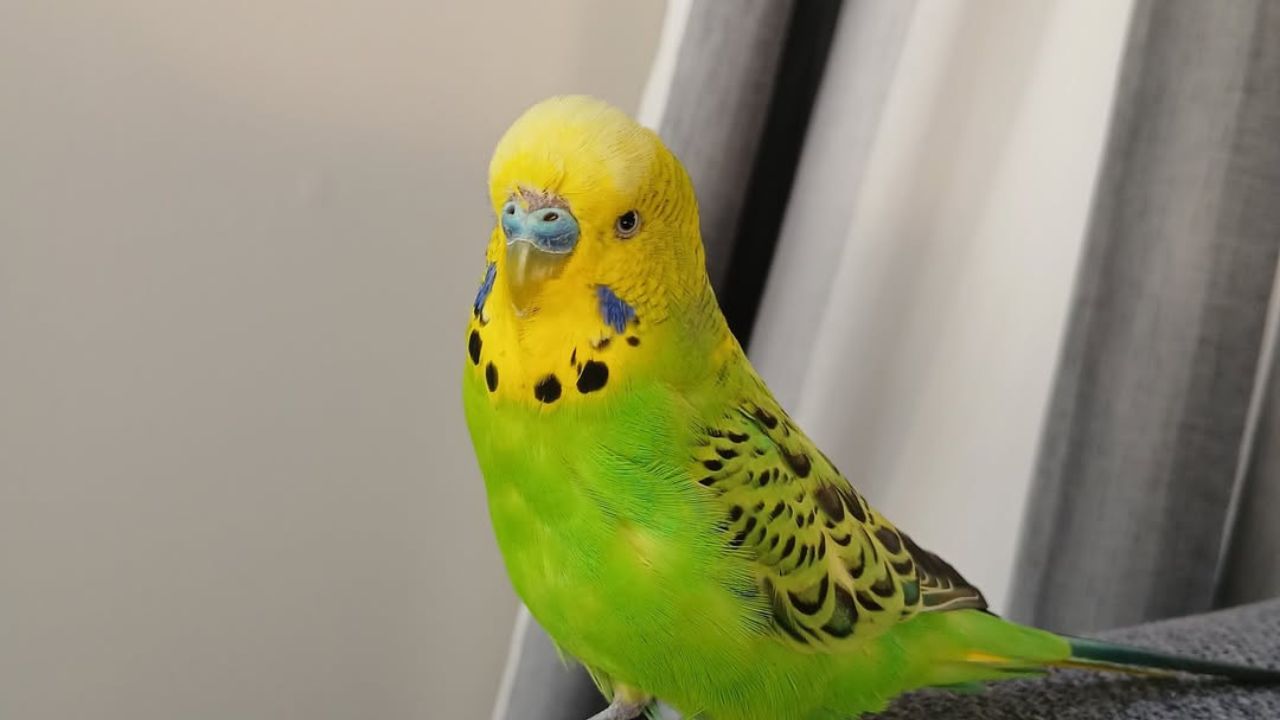

Neil has kept, bred, and sold budgies at Paradise Pets Swindon since 1988 — over 35 years of first-hand experience with these birds. A budgie that has suddenly become aggressive is one of the most common and most distressing things a budgie owner brings to him. In almost every case, there is a specific, identifiable reason — and a practical solution. This is his honest guide to both.
The phone call I get most often from budgie owners who have had their bird for six to eighteen months goes something like this.
The bird was perfect when they first got it. Stepped up happily, came out of the cage willingly, was making progress with taming, was starting to vocalise more. And then, over a period of days or weeks, something changed. The bird started biting when they reached in. Started screaming at them from the cage. Stopped wanting to step up at all. In some cases became outright unpredictable — calm one moment, lunging at the hand the next.
The owner wants to know what happened. Usually they assume they have done something wrong. Sometimes they wonder whether the bird was never really tame and they just did not know it yet.
In almost every case, neither of those things is true.
There is almost always a specific reason for sudden budgie aggression, and that reason is almost always identifiable if you know what to look for. Finding it is the first step to resolving it.
The Most Important Thing to Understand First
A budgie does not become aggressive randomly. It does not decide one day to be unpleasant, and it does not lose affection for its owner without cause. Aggression in a previously calm bird is always a signal — from the bird’s environment, its hormones, its health, or the handling dynamic between bird and owner.
The word aggression is worth examining, because it covers several different things that need different responses. A bird that bites when handled is not the same as a bird that screams persistently from the cage, which is not the same as a bird that lunges at any hand that approaches regardless of whose it is. The behaviour pattern tells you a great deal about the cause.
What I am going to take you through are the main causes I see — in roughly the order I would investigate them if someone brought this problem to me at the counter.
Hormones — The Most Common Cause Nobody Mentions
This is the cause I find most often and the one that most surprises owners when I raise it.
Budgies go through hormonal cycles, and during those cycles their behaviour changes in ways that can be dramatic and alarming if you do not know what is happening. Both males and females are affected, though the expression differs between sexes.
A male budgie in a hormonal phase may become significantly more vocal and assertive. He may become territorial about the cage, about a particular perch, about a mirror, or about you. He may attempt to regurgitate food at objects or at your hand — this is a courtship behaviour that can look aggressive to an owner who does not recognise it. He may lunge at anything that approaches the cage.
A female budgie in a hormonal phase may become protective of a perceived nesting area, aggressive toward other birds, and markedly less tolerant of handling than usual. She may seek out dark corners or enclosed spaces, become puffed up and defensive, and bite forcefully at anything that intrudes on the space she has claimed.
Both of these are natural hormonal behaviours that occur cyclically. They are not permanent, they are not a personality change, and they do not mean the relationship with the bird is broken. They mean the bird is experiencing a hormonal episode, and the right response is to adjust the interaction style temporarily rather than to push through and escalate the situation.
The hormonal triggers are usually environmental. Extended daylight hours — either from natural daylight in summer or from artificial lighting that runs late into the evening — stimulate breeding behaviour. A nest box, an enclosed space, or a mirror in the cage can all act as breeding stimuli that prolong the hormonal state. Adjusting these environmental factors — reducing light exposure to ten to twelve hours per day, removing the nest box or mirror, avoiding anything that stimulates nesting behaviour — is the practical intervention.
A New Bird or Change in the Pair Dynamic
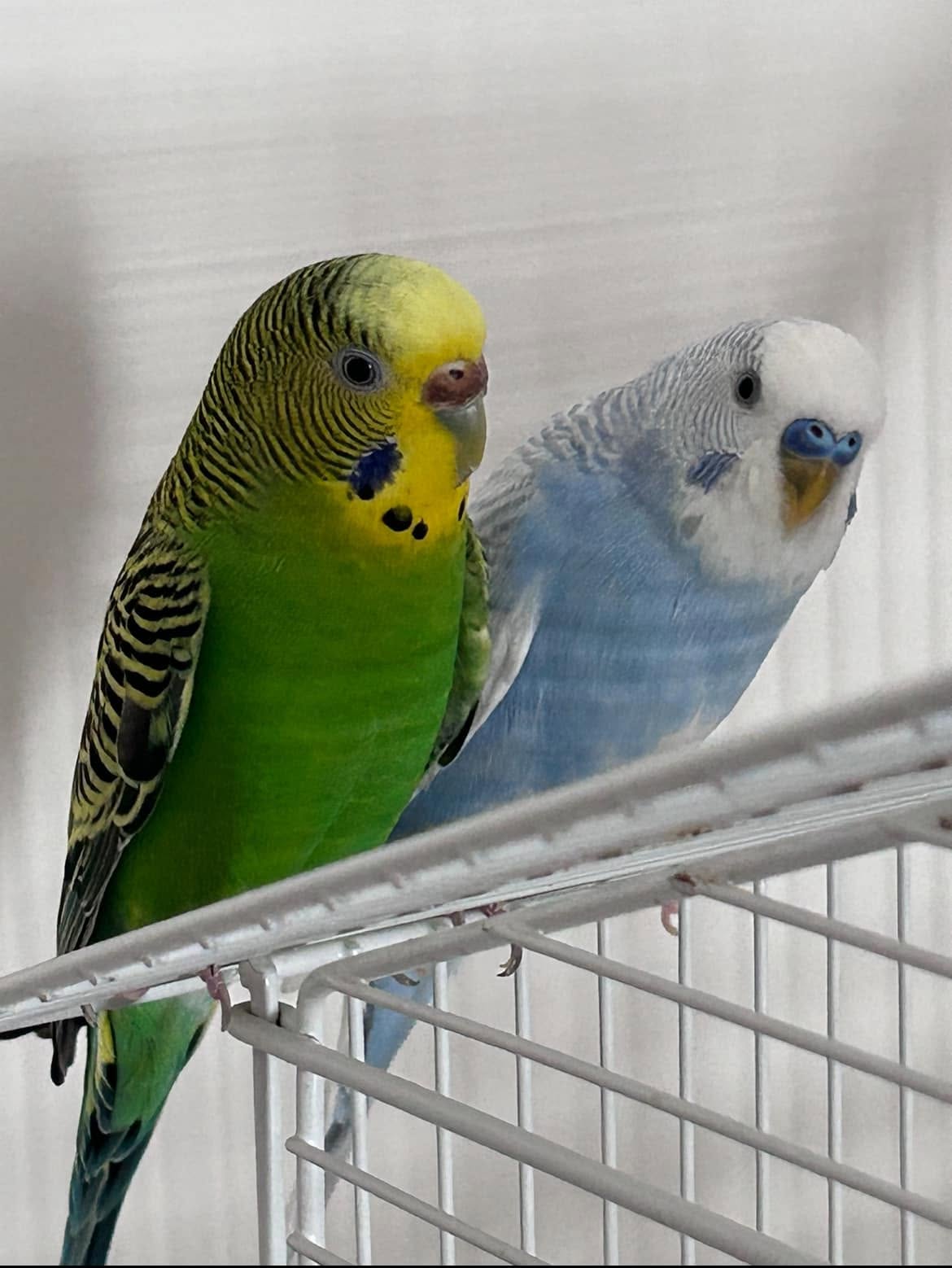
If the aggression started shortly after the introduction of a new bird — either a new companion for the aggressive bird, or a new bird somewhere else in the household — this is almost certainly the cause.
A budgie that previously had the owner’s undivided attention and has now been paired with another bird will often go through a period of significant behavioural adjustment. The new dynamic changes the bird’s social position, its sense of security, and sometimes its hormonal state. Aggression toward the owner during this period is not the bird expressing resentment — it is the bird adjusting to a new social structure in the only way it knows how.
Similarly, a bird that has newly paired with a companion budgie may redirect its social attention away from the owner and toward the companion. What looks like aggression — refusing to step up, biting when approached — may simply be the bird communicating that it now has a social priority it did not have before. This is not a welfare problem. It is a natural consequence of introducing a companion, and it usually settles once the pair bond is established.
The pair dynamic can also produce aggression when two birds that were previously compatible begin competing more actively — for territory, for a favoured perch, or during a hormonal phase when one or both birds become more assertive. If a previously calm single bird or calm pair has suddenly become tense and aggressive, look at what has changed in the social environment.
Pain or Illness — The Cause That Gets Missed Most Often
This is the one I always mention because it is the most clinically significant and the one most easily overlooked.
A budgie that has started biting during handling when it previously tolerated being handled — particularly if the biting is specific to certain areas of the body being touched — may be in pain. An internal health problem, an injury that is not visible externally, early arthritis in an older bird, a developing crop or respiratory issue — all of these can cause a bird to become defensive about contact it previously accepted.
The pattern to look for is specificity. Does the bird bite every time you reach in, regardless of what you do, or does it bite specifically when you touch certain areas? Does the aggression coincide with any other behavioural change — reduced eating, changed droppings, less activity, different posture? Is the bird otherwise behaving entirely normally, or is something slightly off in its day-to-day presentation?
A bird that has suddenly become aggressive alongside any other change in condition needs a vet visit. Not to see if it improves. Now. A bird in pain that is also showing handling resistance is a bird that needs examination, and the sooner the problem is identified the more options the vet has.
This is worth taking seriously even if the bird looks outwardly well. Budgies are expert at hiding discomfort — it is a survival instinct in a prey species — and the handling resistance may be the only visible sign of something developing internally.
Environmental Change — What Has Changed in the Household
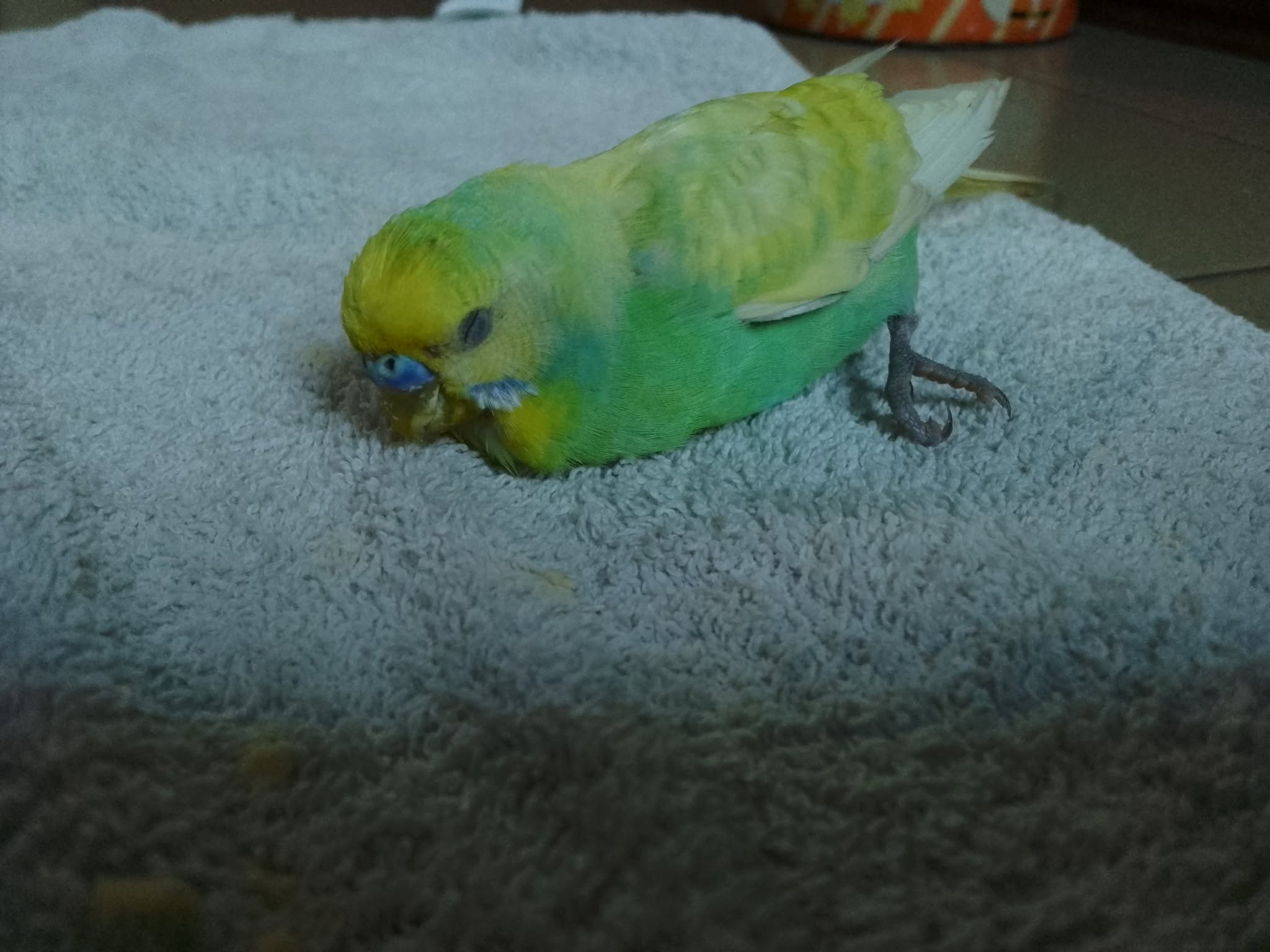
Budgies are sensitive to changes in their environment in ways that owners often underestimate. A bird that was settled in a stable environment and has become aggressive following a change in that environment is responding to the change, not to you personally.
The changes most commonly associated with sudden behavioural shifts include a move to a different room or a different position in the same room, a change in the household routine, a new person or pet in the house, building work or sustained loud noise nearby, a change in the light exposure the bird receives, or a change in who is primarily interacting with the bird.
Budgies are creature-of-habit animals. Predictability is comfort, and change is threat until the new situation becomes familiar. A bird responding to environmental change with increased aggression or defensive behaviour is a bird whose threat assessment has been elevated and needs time to recalibrate. The right response is to stabilise the environment where possible and to be patient with the reacclimation period rather than trying to force normal interaction before the bird has settled.
If you can identify a specific change that coincided with the onset of the aggressive behaviour, that is genuinely useful information — both because it tells you the cause and because removing or adjusting that change may resolve the behaviour faster than anything else.
Mirror Issues — The One That Causes Chronic Aggression
This is worth its own section because it is both common and underrecognised.
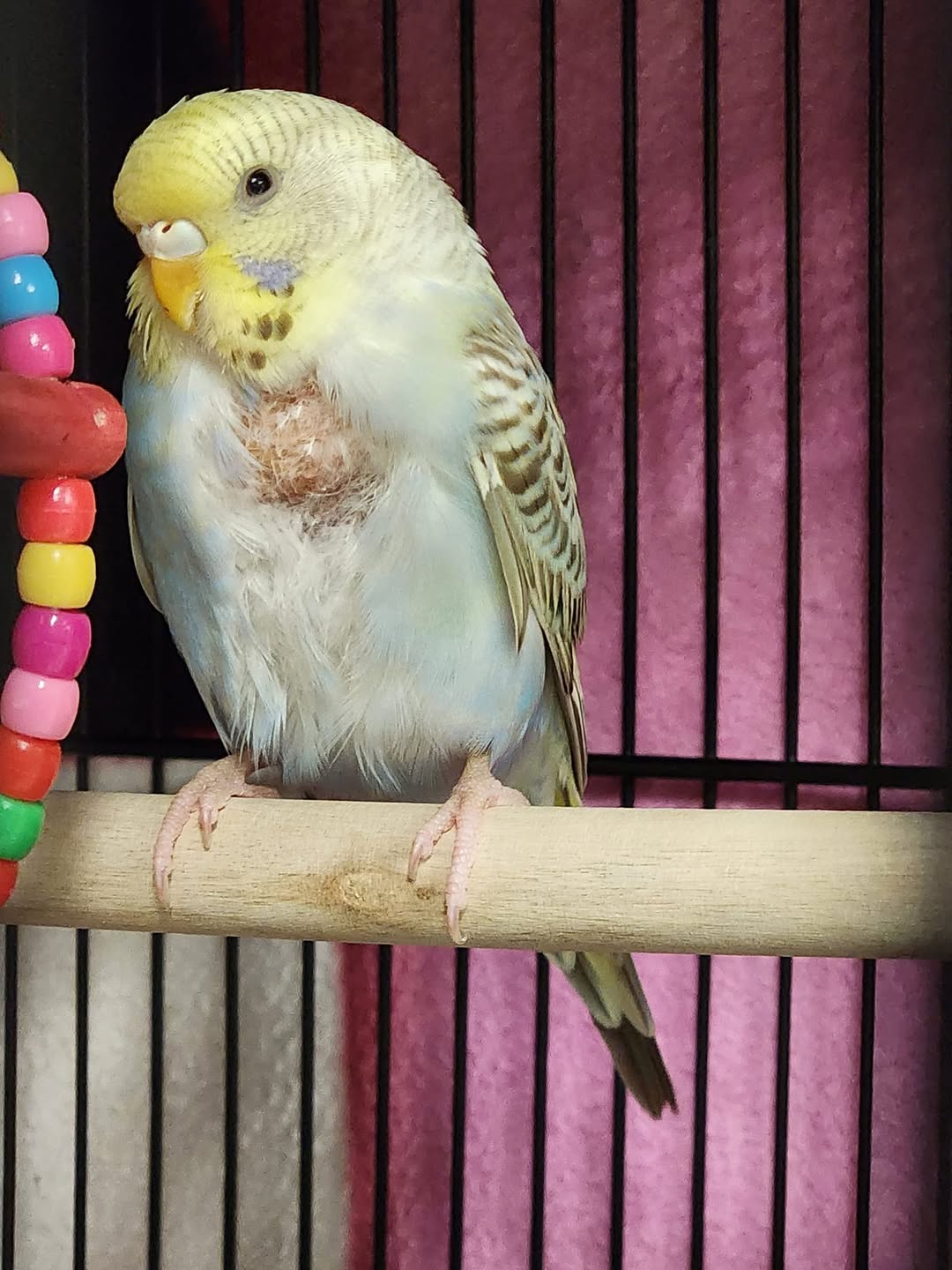
A mirror in a budgie’s cage is a source of persistent hormonal stimulation. The bird sees a reflection it interprets as another bird — a potential mate or a rival, depending on its current hormonal state — and responds accordingly. The reflection does not behave correctly from the bird’s perspective. It never backs down, never reciprocates normally, never resolves the social dynamic. The bird in the mirror is always there, always intensely engaged, and the real bird’s hormonal response never has the chance to subside.
A budgie with a mirror that has become increasingly aggressive over weeks or months is almost certainly in a chronic hormonal state driven by the mirror. The fix is simple: remove the mirror. Not reduce the time with it — remove it. In most cases the behaviour begins to settle within one to two weeks as the hormonal stimulation is reduced.
I make this point regularly to customers who have mirrors in their cages and wonder why their bird has become progressively more difficult to handle. The mirror seems like enrichment — and birds do enjoy interacting with it. But the cumulative hormonal effect is not benign, and in birds with a tendency toward hormonal aggression it is often the primary driver.
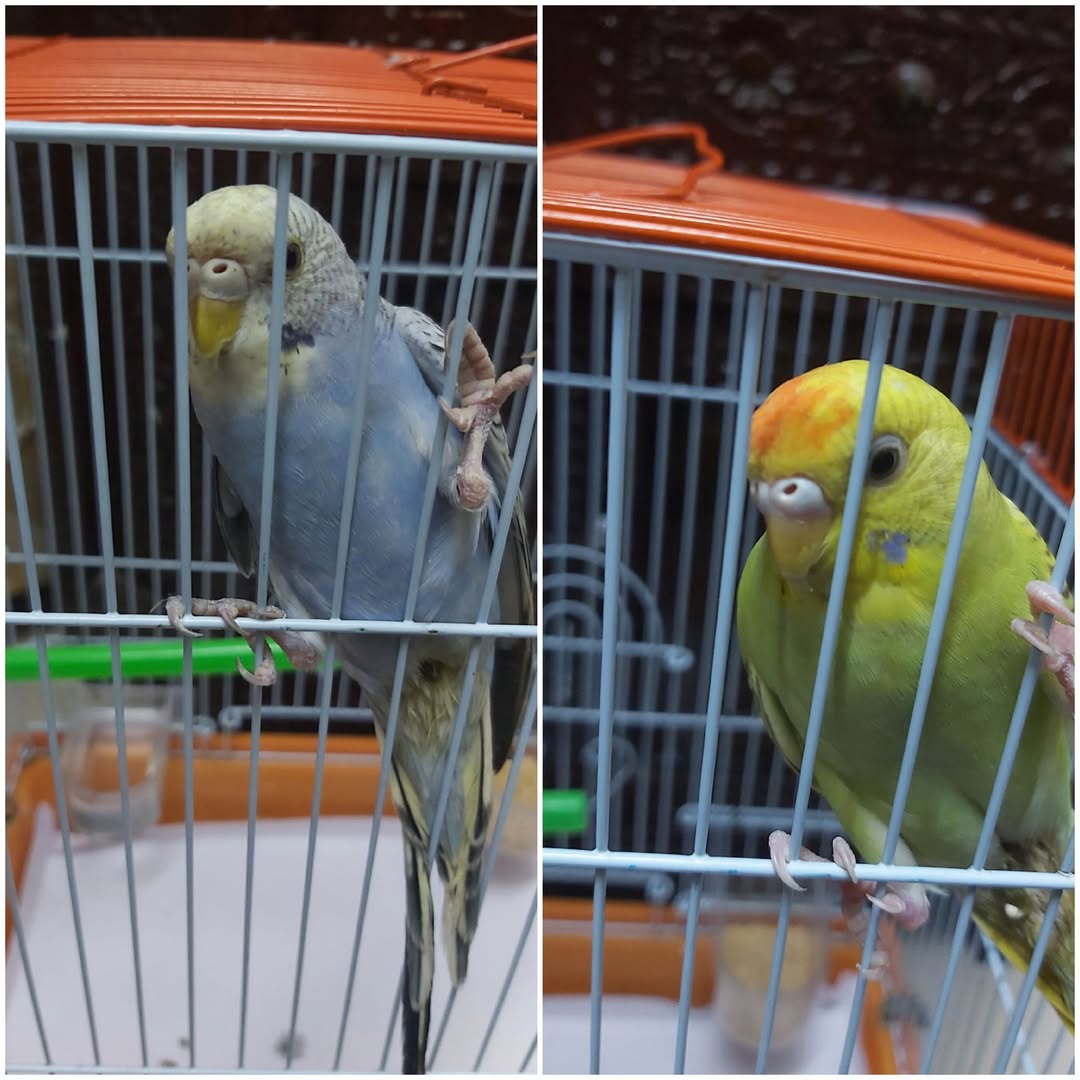
The Handling Dynamic — What the Owner May Be Doing Differently
Sometimes the change is not in the bird — it is in the handling approach, and the owner has not noticed it shifting.
A bird that bites when reached for from above, in a hurry, at an inconvenient time of day, or by a hand that smells of food is not being randomly aggressive. It is responding to a specific handling trigger. If the approach has gradually become less careful — faster, less patient, at worse times of day — the bird’s response to that approach will gradually become more defensive.
I ask owners this directly when they describe sudden aggression: has anything changed in how they approach the bird? Has the routine shifted? Are they reaching in from above rather than from the side? Are they approaching during the afternoon rest period rather than the evening active period? Are they handling more quickly or with less patience than they used to?
The answers are often illuminating. Not because the owner has done anything wrong deliberately — they usually have not — but because small shifts in approach accumulate into a noticeably different experience for the bird, which then responds differently.
Going back to basics is the practical response. Slow approach from the side, at the bird’s active period, at the bird’s pace — not yours. If the bird hisses or lunges, withdraw and try again later rather than pushing through. Rebuilding the handling dynamic after it has deteriorated takes two to four weeks of patient, consistent interaction but it works reliably.
What to Do Right Now — A Practical Order of Investigation
If your budgie has suddenly become aggressive, here is how I would approach it if you came and described it to me at the counter.
First, rule out pain and illness. If the aggression is specific to certain touches or areas, or if anything else has changed in the bird’s condition, behaviour, or appearance — vet visit now. Do not skip this step.
Second, look at light exposure. How many hours of light — natural and artificial — is the bird getting daily? If it is more than twelve hours, that is a hormonal trigger worth addressing. Move the cage cover time earlier. Reduce evening light exposure. This is often the fastest single intervention for hormonally driven aggression.
Third, remove the mirror if there is one. Just remove it for two weeks and observe whether the behaviour changes. If it does, you have found a significant contributing factor.
Fourth, review what has changed in the environment. New bird, new person, new pet, new position, new noise, new routine. Identify the change and assess whether it can be stabilised or reversed.
Fifth, review the handling approach. Are you approaching correctly, at the right time, from the right direction, with the right patience? If anything has shifted, go back to basics.
Sixth, be patient. A budgie that has been in an aggressive phase for weeks will not return to its previous behaviour overnight. The changes above create the conditions for recovery. The recovery itself takes time — typically two to four weeks of consistent, calm, low-pressure interaction once the underlying cause has been addressed.
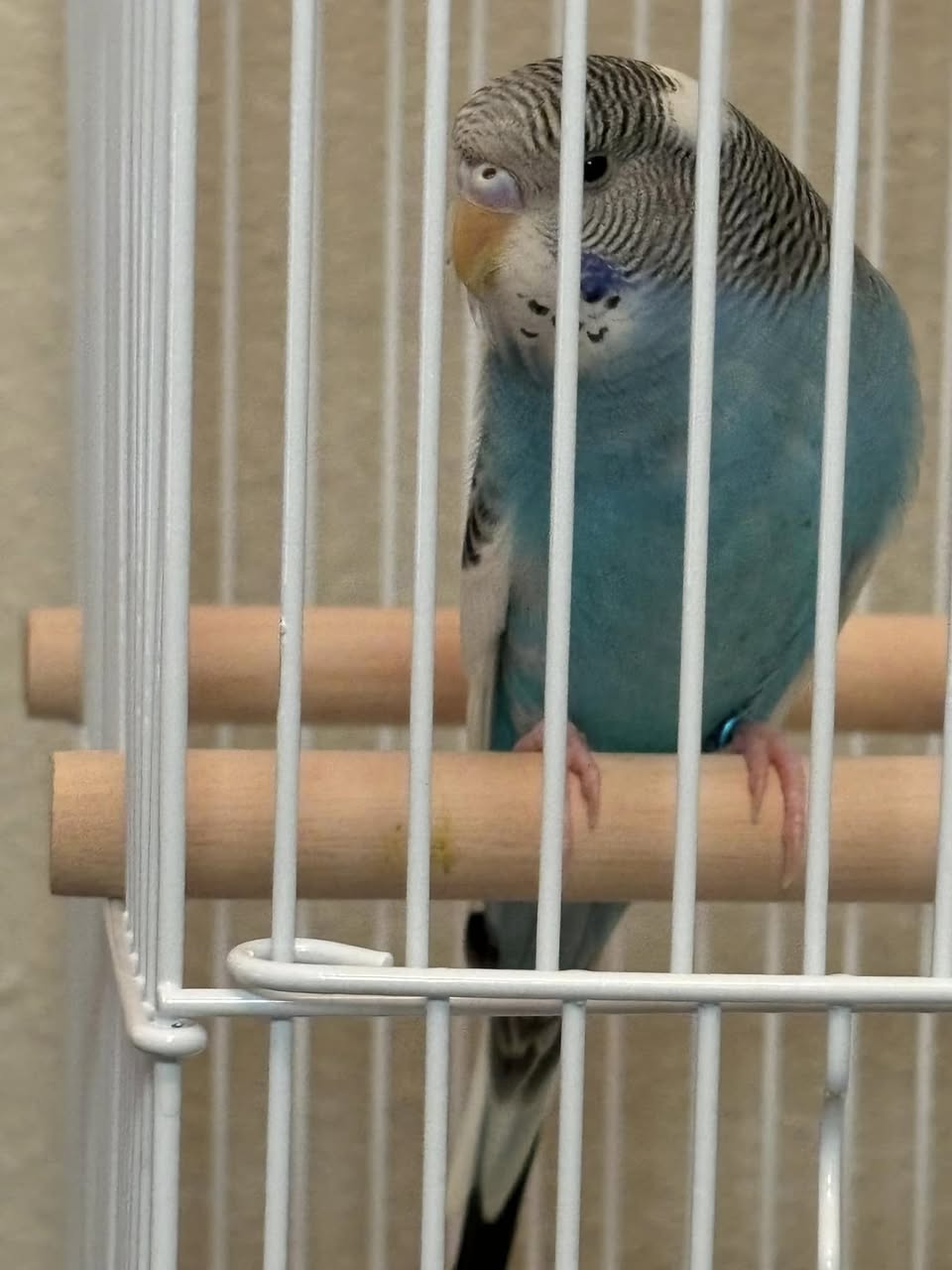
When to Get a Vet Involved
I have mentioned pain and illness already, but I want to be specific about the combination of signs that should prompt an immediate vet visit rather than a watchful waiting period.
A budgie that has become aggressive alongside any of the following needs to be seen: changes in droppings, reduced or absent eating or drinking, a change in posture that suggests discomfort, laboured or audibly different breathing, any visible change in the beak or the area around it, significant weight loss even if feathers make it hard to detect visually, or any obvious physical abnormality.
Also worth a vet visit: aggression that has escalated to feather plucking, sustained screaming significantly beyond the bird’s previous norm, or complete refusal to interact with its environment in ways it previously engaged with.
An avian vet is the right vet for these situations — not every general practice has meaningful experience with budgies, and the diagnostic accuracy for birds is significantly better with a vet who sees them regularly. The RCVS accreditation search at rcvs.org.uk is a reliable starting point. In the Swindon area, come and ask us and we will point you in the right direction.
Frequently Asked Questions
My budgie bit me for the first time after months of being tame — what happened?
A single bite from a previously calm bird is most commonly triggered by one of three things: the bird was startled by an approach it did not expect, it is in the early stages of a hormonal phase, or something specific in the handling situation was different from usual and the bird communicated its discomfort in the only way available to it. A single bite incident does not signal a permanent change. Review the approach, the timing, and the environment. If it becomes a pattern, work through the investigation above.
My budgie is aggressive toward my partner but not toward me — why?
The bird has formed a differential association with two people based on how each of you has interacted with it. The person it is comfortable with has — usually without realising it — been approaching more calmly, at better times, from less threatening angles, and has been associated with more positive experiences. The person the bird is aggressive toward can change that, but it requires genuinely changing the approach — not just hoping the bird will come around. The principles are the same as initial taming: slow, lateral approach at the bird’s active period, treats, patience, no forced contact.
Could my budgie be aggressive because it is bored?
Boredom produces different behaviours in budgies — repetitive calling, bar chewing, feather interest, obsessive mirror behaviour. Biting and lunging specifically are almost always threat responses rather than boredom responses. If your bird is biting, look for the trigger I have described above rather than attributing it to boredom. That said, a budgie with insufficient mental stimulation and enrichment is a more stressed bird, and stress lowers the threshold for defensive behaviour. Enrichment matters, but it is not the primary solution to active aggression.
Is it normal for a budgie to become aggressive during spring and summer?
Yes, this is a very consistent pattern. Extended daylight hours in spring and summer stimulate breeding behaviour, and breeding behaviour is associated with territorial and hormonal aggression. A budgie that is reliably more difficult to handle between March and September and returns to normal over winter is almost certainly experiencing seasonal hormonal cycles. The light exposure interventions described above are the appropriate response.
My budgie was aggressive but seems better — should I rush to rebuild the handling relationship?
No — and this is important. A bird that has calmed down after a hormonal or environmental episode needs gradual reintroduction to handling rather than an immediate return to full interaction. Going too fast will restart the defensive response before the trust baseline has been re-established. Spend a few days with the bird calm in your presence before attempting step-up. Start with short, voluntary interactions. Let the bird set the pace back to the previous level of contact.
One Last Thing
I have never found a budgie that genuinely wanted to be difficult. In thirty-five years of selling and keeping these birds, every case of sudden aggression I have seen has had a cause — and in every case where the owner was patient enough and informed enough to address that cause properly, the relationship came back.
These are intelligent, social, emotionally responsive animals. When they change, something has changed around them. Finding that thing — and addressing it calmly and consistently — is what good bird keeping looks like.
If you are at the point of giving up, come and talk to me first. Bring the details — how old the bird is, when it started, what you think might have changed, what the behaviour looks like specifically. That conversation often resolves things faster than anything else, because the cause is usually identifiable once you know what questions to ask.
We are at Manor Garden Centre, Cheney Manor, Swindon SN2 2QJ, every day. Get in touch here or call 01793 512400.
Visit Us at Paradise Pets Swindon
We stock budgies year-round alongside everything you need to keep them well. If your budgie’s behaviour has changed and you cannot work out why, come in and talk to us before you give up on it.