
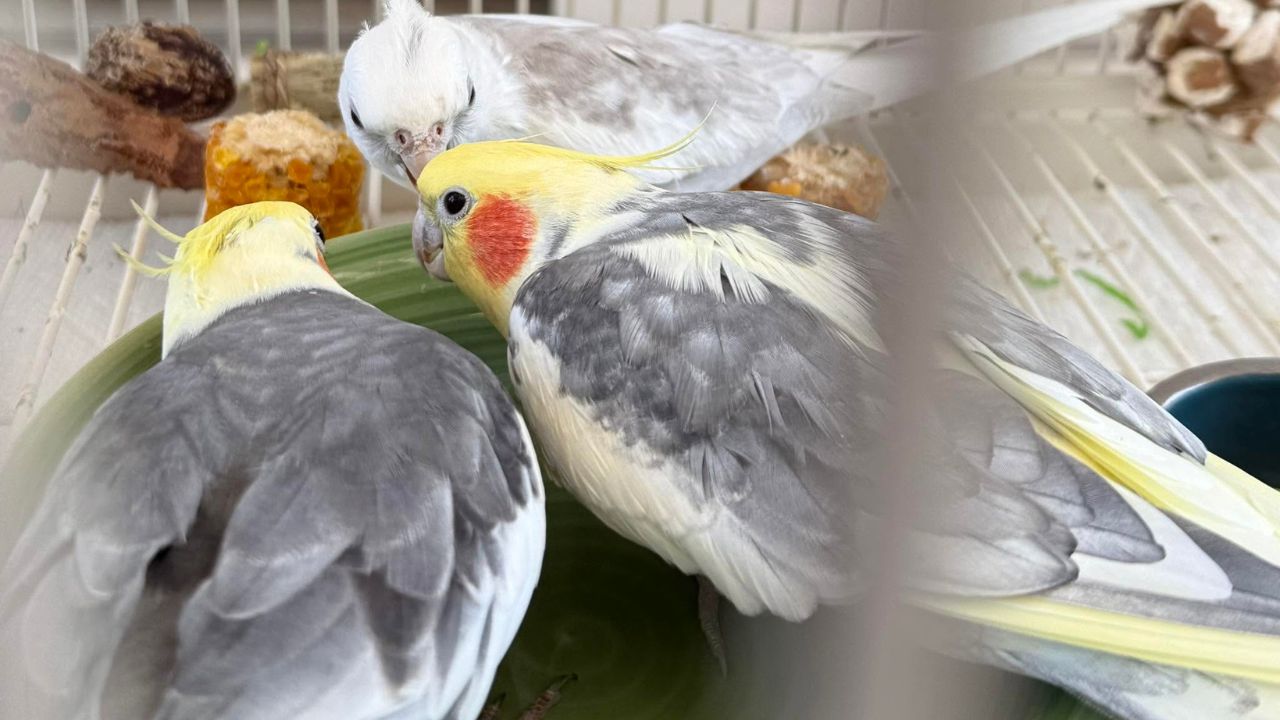

Neil has been keeping, breeding, and selling cockatiels at Paradise Pets Swindon since 1988 — over 35 years of daily first-hand experience with these birds and the people who keep them. Cold-related illness in cockatiels is one of the most preventable causes of veterinary visits he sees through the autumn and winter months — and the patterns are consistent enough that he can usually predict exactly what went wrong before the owner has finished explaining. This is his complete, honest prevention guide for UK owners.
A woman came into the shop on a November morning carrying her cockatiel in a travel cage, visibly distressed about the bird’s condition. It had been perfectly well on Friday evening. By Saturday morning it was fluffed, quiet, and sitting lower than normal. By Sunday she had phoned ahead and was bringing it in for me to look at before she went to the vet.
I asked her three questions. Where was the cage positioned. Had any windows been open over the weekend. Had anything changed in the room.
She thought about it. The heating had been on a timer all week, but on Friday night she had opened the sash window in the room for about an hour to let some air in after cooking. The cage was on a sideboard about two metres from the window.
That was enough. Two metres from an open sash window in November, for an hour, in a room that had been warm all week. The bird had gone from a comfortable stable temperature to a significant draught, and its system had not handled the transition.
The bird had a respiratory infection. It recovered with treatment. But what struck me, as it usually does, was how little had been needed to produce the problem — not a cold room, not sustained cold exposure, not neglect. An hour. A window. A draught the owner had barely noticed.
That is the thing about cockatiels and cold. It is rarely dramatic. It is usually small, overlooked, and entirely preventable.
Why Cockatiels Are Particularly Vulnerable To Cold In The UK
Before going through the prevention specifics, I want to explain the biology — because understanding why cockatiels struggle with cold makes the precautions feel necessary rather than fussy.
Cockatiels originate from the arid interior of Australia — a climate of extremes, certainly, but one where the cold is dry and the temperature changes are gradual. The sharp, damp cold of a British autumn or winter, combined with the humidity of a UK home that has been heated and cooled and heated again, is genuinely different from anything the species evolved for. The respiratory system of a cockatiel is exquisitely sensitive — it consists not just of lungs but of a system of air sacs extending throughout the body cavity, which means respiratory infection spreads rapidly once established and affects the bird systemically in a way that lung-only systems do not.
Add to this the fact that cockatiels are prey animals that hide illness until they cannot, and you have a situation where a cold that was caught because of a preventable draught three days ago only becomes visible to the owner today, when the bird is already significantly unwell.
- Cockatiels evolved for dry warmth, not damp British cold — the combination of temperature drop and humidity that characterises UK autumn and winter is specifically taxing for their respiratory system
- The air sac system means respiratory illness spreads systemically and fast — what would be a minor cold in a mammal is a more serious illness in a bird whose respiratory apparatus extends throughout the body cavity
- Prey animal instinct means illness is hidden until it cannot be hidden — by the time a cockatiel looks cold-affected, it has typically been managing the problem for longer than the visible signs suggest
- UK homes create temperature inconsistency that birds notice acutely — central heating on timers, rooms that cool overnight, windows opened in warm rooms, doors left open between rooms at different temperatures; these create rapid temperature fluctuations that a bird at rest cannot avoid
The Biggest Risk Is Not Temperature — It Is Draught
This is the point most prevention guides get wrong, and it is the most important single thing in this article.
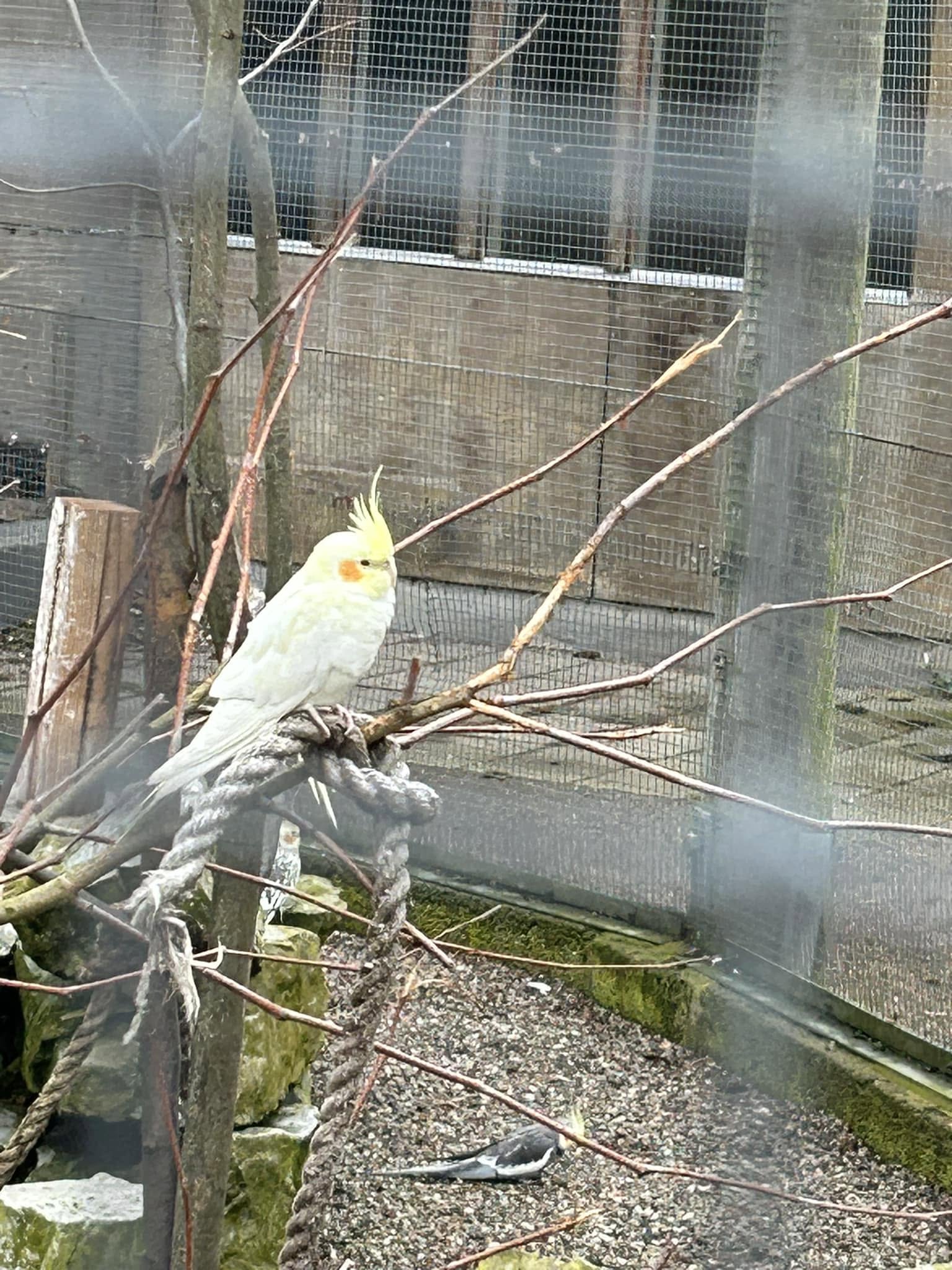
Most owners think about cold in terms of ambient temperature — is the room warm enough? This matters, but it is not the primary risk. The primary risk is draught — cold air moving across the cage, even briefly, even from a distance, in an otherwise warm room.
A draught does not need to be dramatic. It does not need to be a cold room or a window left open all night. The draught from a sash window opened for an hour in November is sufficient. The draught from a door repeatedly opened between a warm room and a cold hallway is sufficient. The air movement from a fan or air conditioning unit is sufficient. The gap between a conservatory and the main house when the connecting door is opened in January is sufficient.
- Identify every source of moving cold air in the room where the cage is kept — windows, doors, ventilation vents, letterboxes in nearby walls, gaps around window frames, fans, air conditioning units; any of these can be a draught source in the relevant season
- Position the cage against an interior wall away from all of these — not near a window, not near an exterior door, not in the path of air from a hallway when a door opens; the cage should be where air movement from outside the room cannot reach it directly
- Two sides of the cage against solid surfaces is the ideal — the back against a wall and one side against another wall or a solid piece of furniture; this gives the bird a clearly sheltered area to retreat to and reduces the surface area exposed to any air movement in the room
- Check the cage position specifically in autumn — a position that was fine in summer may be exposed to draughts in winter from windows that are now closed but leak, or from heating systems that create air movement; the position needs reassessing as the season changes
- Covering three sides of the cage with a breathable cover overnight reduces draught risk significantly — not airtight, but a cloth cover that reduces direct air movement across the perching area while maintaining ventilation
Temperature — What Is Safe, What Is Concerning, What Is An Emergency
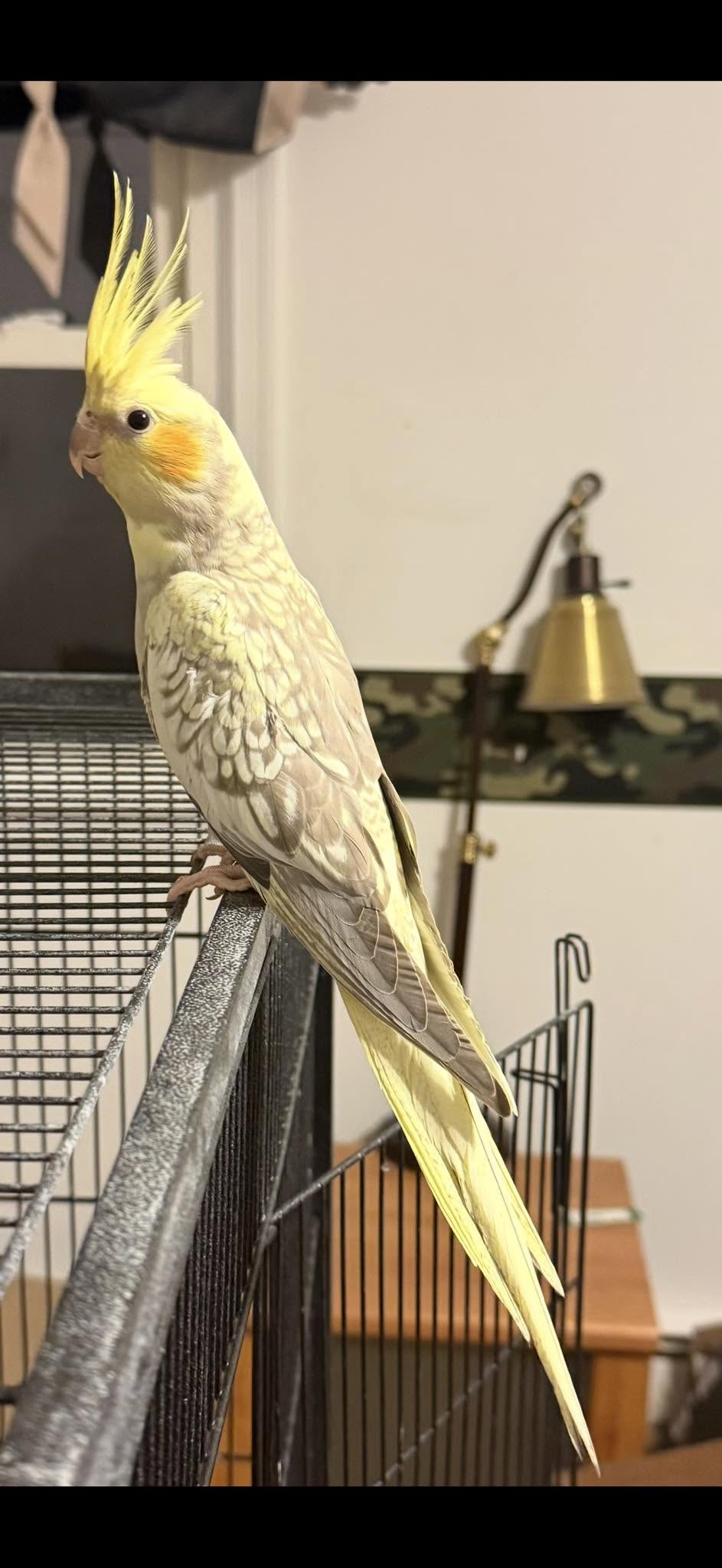
Ambient temperature matters alongside draught, and knowing the thresholds helps owners make informed decisions about heating and cage positioning.
- 18 to 26 degrees Celsius — the comfortable operating range; cockatiels thermoregulate without significant effort in this band; the room does not need to be warm by human standards, but it needs to be reliably within this range throughout the day and night
- 15 to 18 degrees Celsius — below comfortable, the bird is working harder to maintain body temperature; acceptable briefly but not as a sustained living temperature, particularly overnight; if the room drops to this range overnight because the heating goes off, the cage covering and positioning matters more
- Below 15 degrees Celsius — the bird is under genuine thermal stress; this is the range where respiratory illness risk increases significantly and where older or unwell birds are at real danger; a room that reaches this temperature overnight is not a safe room for a cockatiel in winter without supplementary heating near the cage
- Temperature fluctuation matters as well as absolute temperature — a room that is 24 degrees in the afternoon and 14 degrees at six in the morning creates a ten-degree swing that the bird experiences fully; even if neither extreme is critical on its own, the fluctuation is stressful and increases susceptibility to respiratory illness
- The cage position is not the same temperature as the room — cold air pools at floor level; a cage on a low surface in a room that feels comfortable at standing height may be several degrees colder than you think; position cages at mid-room height or higher, away from the floor-level cold air
The UK-Specific Risks That Owners Underestimate
The general guidance above applies everywhere. These are the UK-specific situations I see producing cold-related illness in cockatiels year after year, and which are worth addressing specifically.
Central Heating on Timers
Most UK homes run central heating on timers — on in the morning, off during the day if no one is home, on in the evening, off overnight. For a cockatiel, this means living through repeated temperature cycles of potentially eight to twelve degrees between the heated and unheated periods. A bird that goes from 22 degrees at 10pm to 14 degrees at 4am is experiencing a significant cold exposure every single night.
- Keep heating on a lower setting overnight rather than switching off completely — a consistent 16 to 18 degrees overnight is preferable to 22 degrees at bedtime and 12 degrees at dawn; the consistency matters as much as the temperature
- A small convection heater near the cage on a thermostat can maintain a minimum temperature overnight — set to maintain no lower than 16 degrees in the cage area; this does not need to heat the whole room, just maintain a minimum in the relevant area
- A thermometer near the cage, checked at different times of day, tells you what the bird is actually experiencing — not what the thermostat is set to in another room, but what the temperature actually is at the cage location at different points across the 24-hour cycle
Conservatories in Winter
The conservatory problem in summer is well known. The winter version is less discussed but equally real. UK conservatories that reach dangerously high temperatures in summer can drop to near-freezing in winter nights. A cockatiel in a conservatory in January is, in many UK homes, exposed to temperatures that are genuinely dangerous.
- Move the cage out of the conservatory for the winter months entirely — not to a warmer spot in the conservatory but to a different room; there is no position in a poorly insulated UK conservatory that is reliably warm enough for a cockatiel on a January night
- If the bird must remain in the conservatory for any reason, supplementary heating maintained overnight is essential — and the temperature must be monitored; a thermometer that records minimum temperature overnight will show you what the bird is actually experiencing
Sash Windows and Older UK Housing
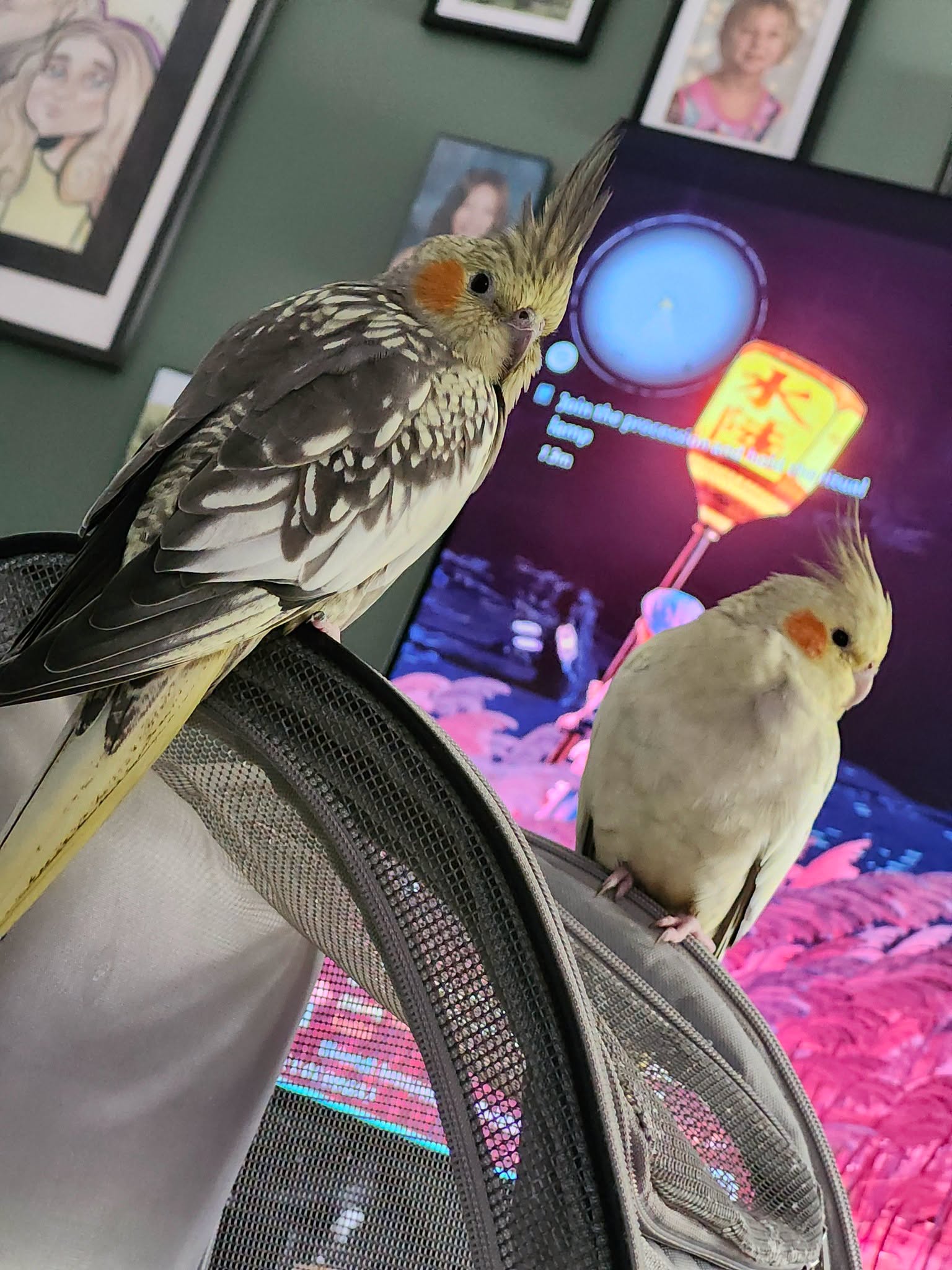
Sash windows, common in older UK properties, are particularly problematic because they allow significant cold air infiltration even when closed. The gap between the sashes allows cold air to seep through, creating a persistent low-level draught that is invisible but real. A cage positioned anywhere near a sash window is being exposed to this draught in winter, regardless of whether the window is open.
- Keep sash windows sealed with draught excluder tape in the rooms where cockatiels are kept during winter — this is inexpensive, removable in summer, and eliminates a significant draught source
- Do not open sash windows in the room where the cage is kept during cold weather — if ventilation is needed, briefly open a window in a different room; the temperature shock from even a short period of cold air movement near the cage is sufficient to trigger respiratory problems
Christmas and Holiday Disruptions
The Christmas period specifically produces a pattern of cold-related cockatiel illness that I see every January. The reasons are predictable — more people in the house, doors between rooms opened more frequently, windows opened for ventilation after cooking or for fresh air, the cage moved to make room for a Christmas tree or visiting guests, heating patterns disrupted.
- Do not move the cage during the Christmas period unless it is absolutely unavoidable — if it must move, assess the new position as carefully as the original one; do not place it in a hallway, near an exterior door, or in a room with an open fire or wood burner that will create air movement
- Be more vigilant about doors and windows during periods of higher household activity — the door left open between the warm sitting room and the cold hallway because someone has their hands full is a common mechanism for cold exposure during busy household periods
- Check the bird more frequently during these periods — the earlier you notice a change in behaviour or posture, the earlier the response can happen; daily observation becomes more important, not less, when the environment is more variable
The Signs That Cold Has Affected Your Cockatiel — What To Look For
Because cockatiels hide illness, the visible signs of cold-related respiratory problems are often several days behind the actual event. Knowing what to look for allows earlier intervention.
- Fluffed feathers during active hours — the clearest single early sign; a bird that is fluffed when it should be alert is conserving body heat because its thermoregulation is compromised; in winter, when cold exposure is the most common cause, this should prompt immediate cage position review and a vet check if it persists for more than a few hours
- Tail bobbing at rest — the tail moving rhythmically up and down when the bird is sitting still indicates respiratory effort; this alongside any other sign of being unwell is a same-day avian vet visit
- Discharge from the nostrils or eyes — wet, crusty, or discoloured material around the cere or eyes indicates active respiratory infection; this needs treatment and does not resolve without it
- Sneezing more frequently than usual — occasional sneezing is normal; repeated sneezing, particularly with discharge, is not; a few sneezes a day can be dust or normal airway clearance; persistent sneezing through the day is not
- Changed voice quality — a bird whose call sounds different, more strained, or quieter than usual; respiratory illness affects the voice and many owners notice this before they notice the more obvious physical signs
- Reduced activity and interaction — less interested in the environment, less responsive to interaction, spending more time sitting still; this alongside any of the above is a picture that warrants same-day veterinary assessment
- Tail bobbing at rest alongside any other sign — respiratory effort is significant and does not resolve without treatment; do not wait
- Discharge from nostrils combined with fluffing — active infection is established; go to an avian vet today
- Open-beak breathing at rest — a bird struggling to get adequate air through nasal breathing alone; this is an urgent presentation
- A bird that was fine this morning and is fluffed, quiet, and unresponsive this afternoon — rapid-onset respiratory illness can progress very quickly; do not wait until tomorrow
- Any bird over seven years old showing any of the early signs — older cockatiels have less physiological reserve and deteriorate faster; the threshold for seeking professional advice should be lower for elderly birds
What Actually Helps — The Prevention Checklist
- Position the cage against an interior wall, away from all windows and external doors — this is the single most impactful environmental change; it addresses draught risk and ambient temperature fluctuation simultaneously
- Place a thermometer near the cage and check it at different times including early morning — know what the bird is actually experiencing, not what you think the room temperature is
- Maintain consistent heating in the room where the cage is kept — a constant 18 to 22 degrees is significantly better for the bird than a room that swings between 24 and 14 degrees across the day
- Cover three sides of the cage overnight with a breathable cloth cover — reduces draught across the perching area without restricting ventilation; particularly important in rooms where overnight temperature drops are unavoidable
- Seal draught sources around windows and doors in the room — draught excluder tape on sash windows, door draught excluders, anything that reduces cold air infiltration in the relevant room
- Move the cage out of conservatories for the winter months entirely — no position in a UK conservatory is reliably warm enough for a cockatiel in winter without supplementary heating
- Be particularly vigilant during Christmas and holiday periods — higher household activity, more doors opened, more windows opened for ventilation; observe the bird more frequently during these times
- Check the bird daily during winter as part of a specific health observation routine — five minutes of deliberate observation — posture, feather position, eye condition, breathing, vocalisation — every morning in winter means changes are caught within 24 hours rather than after days of unnoticed decline
Frequently Asked Questions
How cold is too cold for a cockatiel at night in a UK home?
Below 15 degrees Celsius represents genuine risk, particularly for any sustained period. Between 15 and 18 degrees is uncomfortable and increases susceptibility to respiratory illness over time. Ideally, the room should not drop below 18 degrees overnight. If the heating goes off overnight and the room drops significantly, cage covering and the use of a small thermostatically controlled heater in the relevant area are both appropriate measures to maintain a safer minimum temperature.
My cockatiel has been sneezing more than usual. Is this a cold?
It may be the early sign of a respiratory infection, or it may be a response to dust, a new cleaning product, or dry air from central heating. Check whether anything has changed in the environment — new cage furnishings, a freshly cleaned cage with a residue, a candle or aerosol used in the room, or drier-than-usual air from heating. If the sneezing is accompanied by any discharge, any fluffing, or any change in the bird’s normal behaviour, a vet visit is appropriate rather than a watch-and-see approach.
Can I use a heat lamp or infrared lamp near my cockatiel’s cage?
Ceramic infrared heat emitters and reptile-style infrared lamps can be used to provide supplementary heat near a cockatiel cage, but with care. The heat source should not be directed directly at the bird and the bird must be able to move away from it to a cooler area. Infrared lamps do not produce visible light, which is appropriate for overnight use. Never use ordinary incandescent bulbs or anything that produces fumes; ceramic heat emitters are the standard safe choice. Position the emitter so the bird can perch at different distances from it and choose its own comfort level.
Should I keep my cockatiel away from the kitchen in winter?
Yes — not specifically for cold reasons, but for fume reasons. The kitchen is the most dangerous room in the house for a cockatiel at any time of year, due to the risk of Teflon fumes from overheated non-stick cookware and the risk of smoke and cooking fumes. In winter, this risk is compounded by the fact that kitchen windows may be opened for ventilation while cooking, creating exactly the kind of cold air draft movement that causes respiratory problems. Keep cockatiels out of the kitchen year-round, and particularly in winter.
My cockatiel is sitting fluffed up today and I noticed an open window yesterday. What should I do?
First, close the window and ensure the room is at a stable comfortable temperature. Then observe the bird closely for the next hour. If the fluffing reduces, the bird becomes more alert, and it returns to normal behaviour, the cold exposure has been caught early and the bird is recovering. If the fluffing persists, worsens, or is joined by any other sign — tail bobbing, discharge, reduced appetite, changed voice — contact an avian vet today. Do not wait until tomorrow in case it improves; respiratory illness in cockatiels progresses quickly once established.
Where can I get advice about setting up my cockatiel’s cage for winter in Swindon?
Come in to Paradise Pets at Manor Garden Centre, Cheney Manor Industrial Estate, Swindon SN2 2QJ — or call us on 01793 512400. I am happy to talk through your specific setup — the room, the cage position, the heating pattern — and identify any risks worth addressing before the cold months. Free advice, no obligation. That is how we have done things here for 35 years.
One Last Thing From Me
The woman who brought her cockatiel in on that November morning came back in the spring, once the bird had fully recovered. She had sealed the sash windows in the room, invested in a thermometer that recorded the overnight minimum, and shifted the cage to an interior wall she had not previously considered.
She told me the minimum overnight temperature had been recording at 13 degrees in the old position. Thirteen degrees. In a room that felt comfortable to her at room temperature. The bird had been living through that every night for the previous winter without her knowing.
She had not been neglecting the bird. She had been doing everything she understood to be correct. The gap was in the information — she did not know what the bird was experiencing at its position, at night, when the heating was off.
That is the gap this guide is intended to close. Not the dramatic failures of care — those are not what I see in this shop. The small, invisible, entirely preventable gaps between what an owner thinks is happening and what the bird is actually experiencing.
Thirteen degrees overnight. Solved with a thermometer, some draught excluder tape, and moving the cage three metres. The bird has had two perfectly healthy winters since.
That is what prevention actually looks like.
Want To Check Your Winter Setup Is Safe For Your Cockatiel? Come In.
Describe your room, your cage position, your heating pattern, and I will tell you honestly whether there are risks worth addressing before the cold months arrive. Free advice, no obligation. That is how we have done things here for 35 years.