
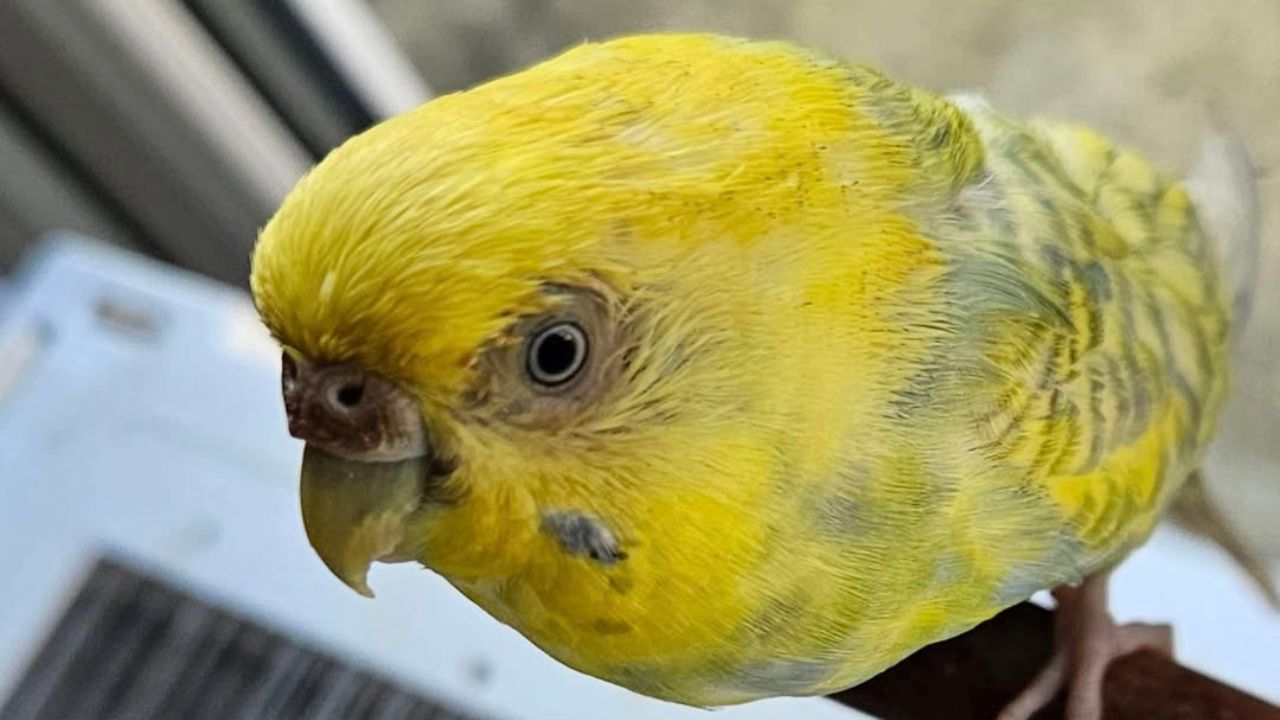

Neil has been keeping, breeding, and selling budgies at Paradise Pets Swindon since 1988 — over 35 years of daily first-hand experience with these birds and the owners who keep them. Missing feathers, bald patches, and unusual feather loss are among the more common things owners bring to the counter — and the causes range from completely normal to medically significant. The difference is in the details. This article is his honest diagnostic guide to every cause, laid out as clearly as he can manage.
A woman came in one Wednesday morning holding a photograph she had taken on her phone. Her budgie had a patch of bare skin at the back of its head, roughly the size of a fingernail. She was understandably concerned. The bird was otherwise behaving completely normally — eating, vocalising, moving around the cage without any sign of discomfort — but the bare patch had appeared within the past week and she did not know what to make of it.
I looked at the photograph carefully. The bare patch was on the back of the head, the skin was clean and healthy-looking with no redness or irritation, and the bird was kept with one companion.
“Is there another bird in the cage?” I asked.
Yes, she said. A second budgie they had bought at the same time, about three months ago.
“Is the companion bird losing feathers in the same place?”
She was not sure. She had not looked specifically.
I told her what was almost certainly happening — the companion bird was chewing the feathers off the back of the first bird’s head, a behaviour called feather barbering, which happens in paired or grouped birds and which the affected bird typically cannot see or easily prevent happening in that specific location. It was not illness. It was not self-plucking. It was a social behaviour between the two birds that needed managing.
That conversation illustrates something about feather loss in budgies that applies to almost every version of the question — the cause is almost always identifiable from a small number of specific contextual details, and the right response depends entirely on which cause you are actually looking at. This article is how to tell them apart.
The Seven Causes — And How To Tell Them Apart
I am going to go through each cause specifically, with the distinguishing details that identify it. For each one I will tell you where the feather loss tends to appear, what the skin underneath looks like, whether one bird or both birds in a pair are affected, and what to do.
Cause 1 — Normal Moult (Entirely Normal)
This is the cause most owners least expect, because the word “moult” suggests a gradual, orderly process — which moult often is, but not always. In a heavier moult, or in a young bird going through its first post-juvenile moult at around three to four months of age, feather loss can be patchy enough to look alarming.
- Where it typically appears — distributed across the body; often visible on the head and neck, where pin feathers (new feathers growing in) appear as small dark shafts; can also be visible across the wings and body in heavier moults
- What the skin underneath looks like — entirely healthy; no redness, no irritation, no damage; pin feathers visible as small dark or white shafts emerging from the follicles
- Pattern — patchy but distributed; not concentrated in one specific area to the exclusion of everywhere else
- The bird’s behaviour — otherwise entirely normal; eating, drinking, vocalising, no signs of discomfort; possibly slightly quieter than usual during a heavy moult as the body’s energy is redirected
- In a pair — may be happening to both birds simultaneously, or to one bird while the other is between moults; moult is not synchronised between paired birds
- What to do — nothing, except ensure the diet is supporting the moult; egg food, protein, and varied greens during moult support healthy feather regrowth; no specific intervention needed
- What makes it not a moult — if the feather loss is concentrated entirely in one specific area rather than distributed, if the skin is red or irritated, or if the bird appears unwell alongside the feather loss
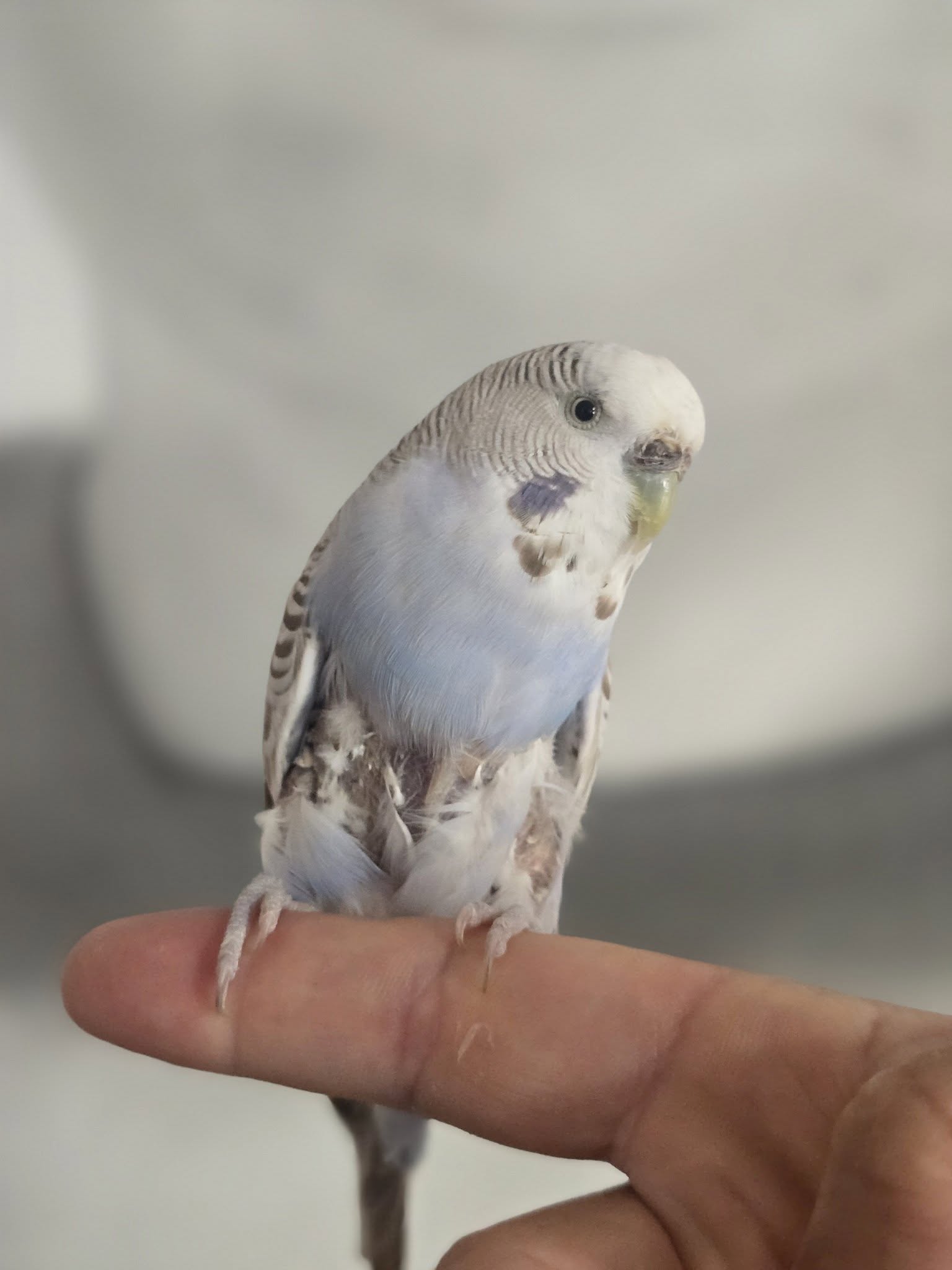
Cause 2 — Feather Barbering By A Companion Bird (Common — Management Needed)
This is the cause the woman’s photograph showed, and it is one of the most consistently misidentified things I see at the counter — usually because owners assume feather loss must either be a moult or the bird plucking itself, and do not consider that the companion bird may be responsible.
Feather barbering is when one bird chews or pulls the feathers of another, most commonly the feathers of the head and neck — the specific areas the affected bird cannot easily see or reach to stop it happening. The barbering bird does not always appear aggressive or distressed; the behaviour can happen quietly and persistently without the owner ever seeing it in action.
- Where it typically appears — back of the head and neck are the most characteristic locations; also can affect the nape, top of the wings where the other bird can reach; essentially any area the affected bird cannot easily preen or defend
- The key identifier — the bald patch is on one bird and not the other; the affected bird’s head and neck lose feathers while the bird doing the barbering has full, intact plumage in those areas; the feathers are chewed or broken at the shaft rather than missing from the follicle — hold a magnifying glass to the remaining feather shafts at the edge of the patch and you will often see they are chewed or broken rather than cleanly fallen
- What the skin underneath looks like — usually healthy and clean; no redness or irritation unless the barbering has been excessive and prolonged
- The bird’s behaviour — the affected bird typically shows no distress; the barbering may feel like grooming to it, which is part of why it is often not resisted
- What causes it — boredom, overgrooming of a bonded companion that crosses into barbering, nutritional deficiency in the barbering bird, overcrowded cage conditions; occasionally a dominance behaviour in a newly-bonded pair still establishing their relationship
- What to do — first confirm the cause by close observation or by temporarily separating the birds for a few days and seeing whether the feathers begin to regrow; if confirmed, review cage size and enrichment, ensure both birds have adequate space and stimulation, and improve diet — nutritional deficiency, particularly protein deficiency, is one of the more consistent underlying causes; if barbering persists despite these changes, separating the pair may be necessary
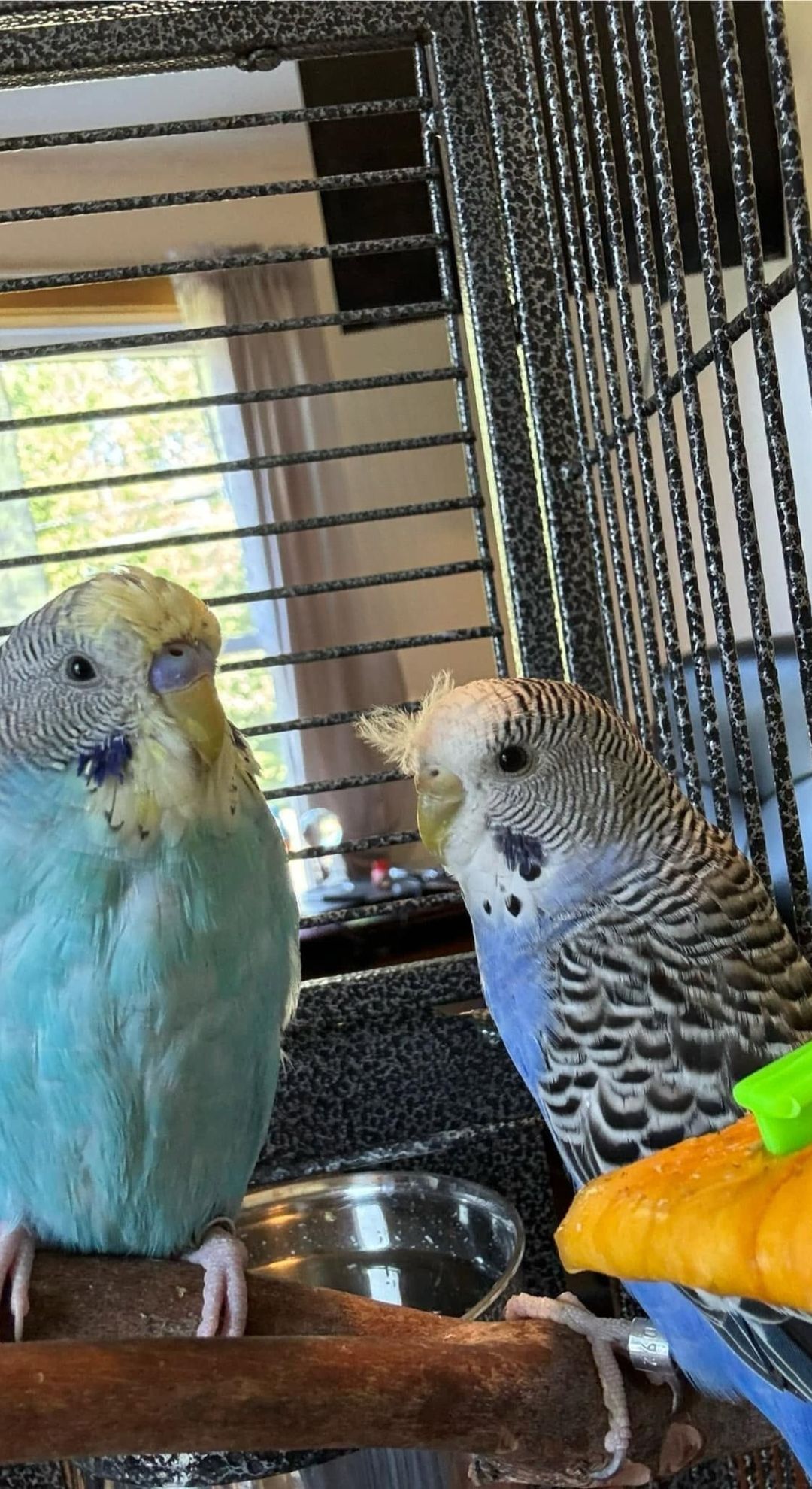
Cause 3 — Self-Plucking Or Feather-Destructive Behaviour (Medical Or Psychological — Vet Needed)
This is the cause that most owners know the name of and most owners most fear when they see feather loss — and while it is real and it is significant, it is also the cause that is most frequently assumed when another cause is actually responsible. Knowing how to distinguish it from feather barbering specifically is one of the most useful things in this article.
Self-plucking is when a bird pulls or destroys its own feathers. It is almost always a sign that something is wrong — either medically, environmentally, or psychologically — and it requires investigation rather than simply management.
- Where it typically appears — the distinguishing feature is that the feather loss occurs only in areas the bird can reach with its own beak; the head and neck feathers remain intact because the bird cannot reach them to pluck; if the head and neck are losing feathers and the body feathers are intact, it is almost certainly not self-plucking but rather barbering by a companion
- What the skin underneath looks like — variable; in early self-plucking the skin may look normal; in more severe or prolonged cases it may appear irritated, reddened, or in extreme cases may show skin damage from over-preening or plucking through to the skin
- The bird’s behaviour — you may observe the bird actively pulling or chewing its own feathers; the behaviour can be intermittent or sustained; the bird may appear restless or anxious, or the plucking may seem almost compulsive
- Common underlying causes — skin disease or infection causing irritation; internal disease creating discomfort; dietary deficiency causing skin and feather problems; mites causing skin irritation; psychological stress from inadequate stimulation, chronic loneliness, or an inappropriate environment; hormonal issues
- What to do — vet check, and promptly; self-plucking is a sign of an underlying cause that needs identifying, not a behaviour to be managed in isolation; the vet will rule out physical causes first, which is always the right sequence; environmental and psychological causes are addressed once physical causes are excluded or treated
- Self-plucking: feathers missing from body, chest, wings — areas the bird can reach — but head and neck feathers fully intact
- Barbering by companion: feathers missing specifically from head and neck — areas the bird cannot reach to stop — body feathers largely or completely intact
- If both head/neck AND body feathers are missing, this requires veterinary assessment as it may indicate a more complex situation
- In a single bird with no companion, any feather loss other than normal moult is worth a vet check
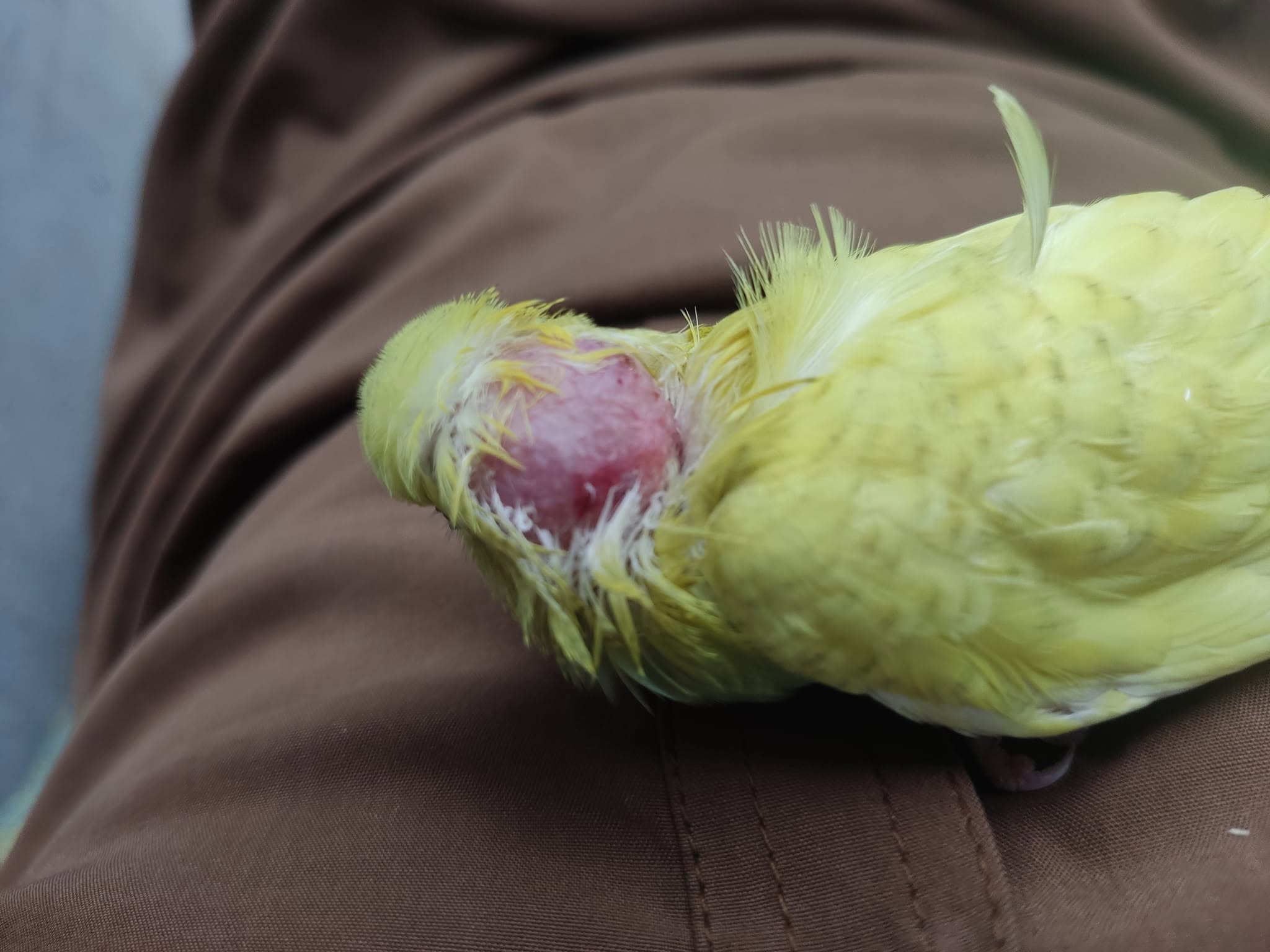
Cause 4 — French Moult Or Psittacine Beak And Feather Disease (PBFD) (Serious — Vet Today)
These are two distinct conditions that I am covering together because they both produce significant, abnormal feather loss that goes well beyond normal moult, and both require professional assessment rather than management at home.
French moult affects young budgies, typically before or during their first flight. It is caused by a virus, Polyomavirus, and produces feather abnormalities in the wing and tail feathers specifically — they fall out early, grow back abnormally, or both. Mildly affected birds may improve with time; severely affected birds may never fly normally.
Psittacine Beak and Feather Disease is caused by a different virus (Circovirus) and is significantly more serious — it is progressive, currently incurable, and causes progressive feather loss alongside eventual beak and immune system abnormalities.
- French moult signs — young bird, typically under 12 weeks; wing and tail feathers falling out early or growing back with obvious abnormalities; body feathers may be intact; the bird cannot fly or flies very poorly
- PBFD signs — can affect any age; progressive feather loss over time; feathers grow back abnormally shaped or powdery before eventually not regrowing; beak abnormalities appear in more advanced cases; the bird may be generally unwell
- What to do — vet today for both; both require professional diagnosis, isolation from other birds to prevent spread, and in the case of PBFD, an honest conversation about long-term prognosis; these are not conditions to manage at home on suspicion
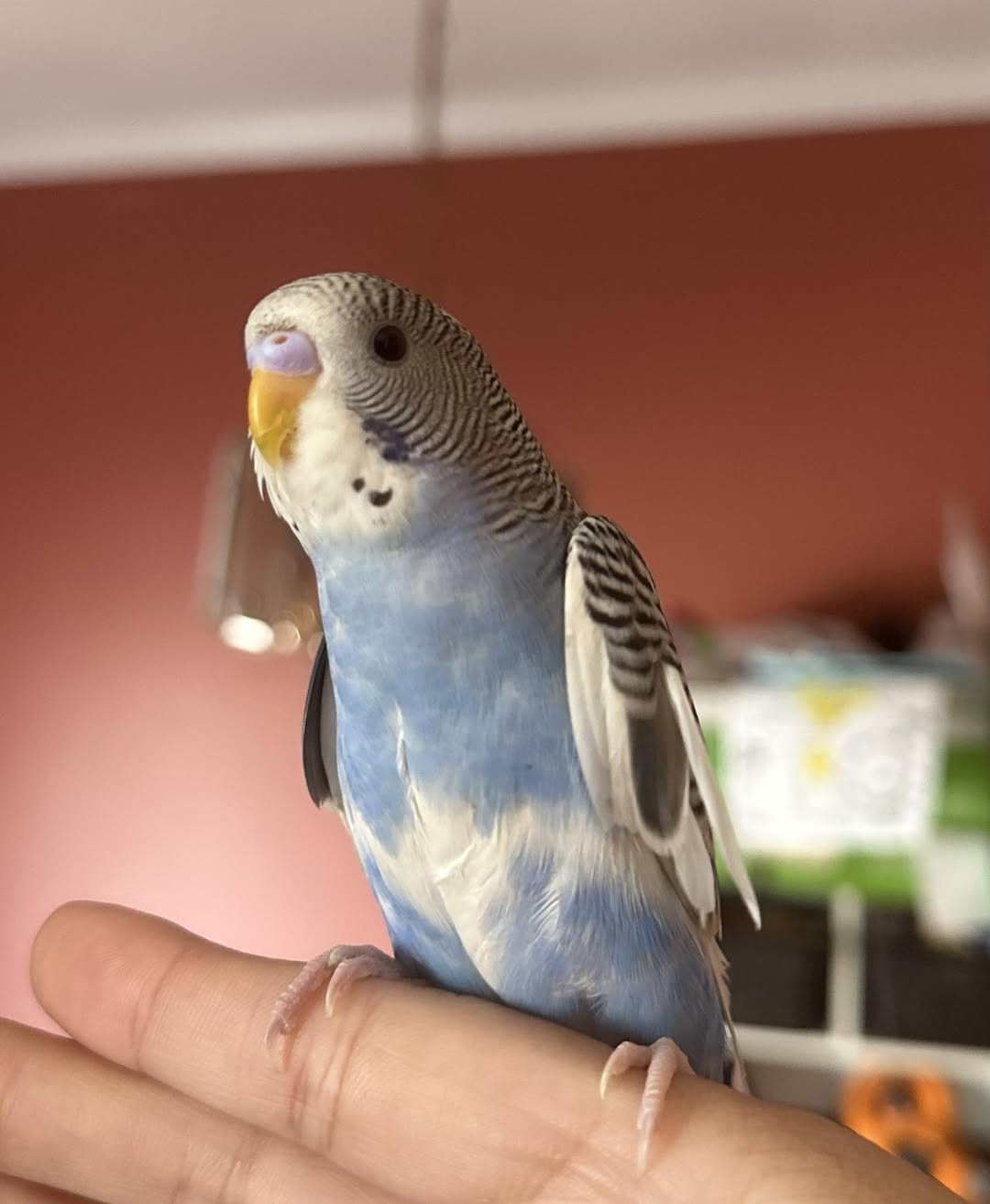
Cause 5 — Mites Or Skin Parasites Causing Feather Loss (Vet Required)
Several types of mite can cause feather loss, either directly through damage to feathers and follicles, or indirectly through the skin irritation that causes the bird to over-preen or scratch.
- Signs alongside feather loss — excessive scratching or preening, restlessness, and in the case of red mites specifically, lethargy and pale appearance from blood loss; the feather loss may be diffuse or localised depending on the specific mite type
- Distinguishing from moult — a bird with mite-related feather loss almost always shows other signs of discomfort — scratching, restlessness, or visible skin changes; a bird in normal moult does not typically show these
- What to do — vet check; mite infestations require specific prescription treatment; the feather loss should resolve once the underlying infestation is treated
- The white cloth overnight test for red mites — place a clean white cloth over the cage before the bird sleeps; examine it in the morning; small red or dark specks indicate red mites; use this as an early detection method alongside checking the bird’s condition
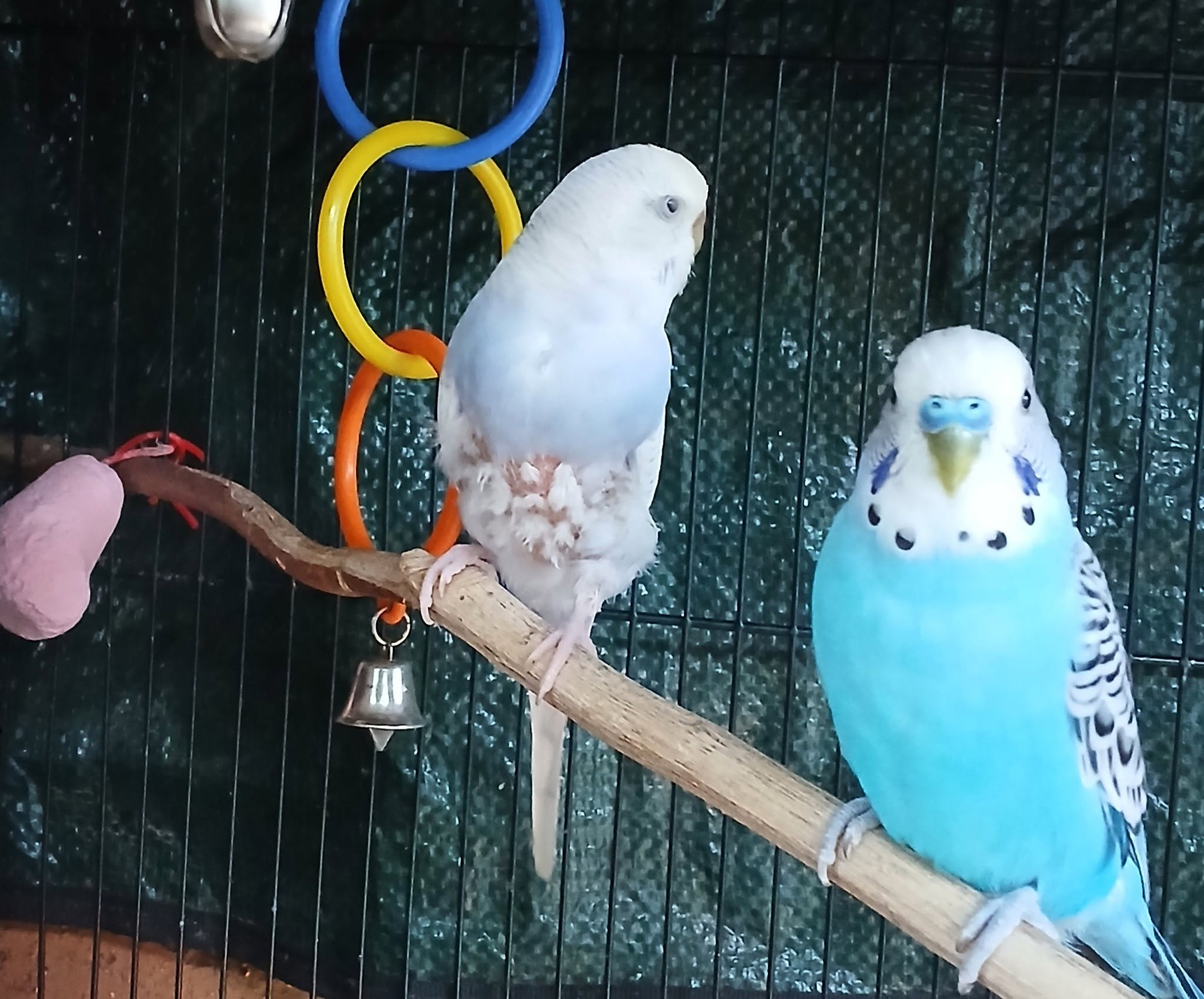
Cause 6 — Nutritional Deficiency (Dietary Change And Possibly Vet)
A diet that is inadequate in the right nutrients — protein, specific vitamins and minerals — can produce feather quality problems, abnormal moult, and sometimes feather loss, as the body does not have the raw materials it needs to maintain and replace plumage normally.
- Signs alongside feather loss — the feathers that remain may appear dull, brittle, or poorly structured rather than vibrant and healthy; moult may be prolonged or incomplete; the bird may have other signs of nutritional deficiency including poor condition generally
- Which diets most commonly produce this — seed-only diets over extended periods; the nutritional inadequacies of a long-term seed-only diet are well-documented and feather condition is one of their more visible consequences
- What to do — improve the diet; introduce quality pellets alongside seed, ensure regular fresh greens, add protein sources such as egg food particularly during and after moult; if the bird is otherwise well, dietary improvement alone may be sufficient; if there are other signs of ill health alongside the feather condition, a vet check is warranted
Cause 7 — Hormonal Or Systemic Illness (Vet Required)
Certain internal health conditions — including liver disease, hormonal imbalances, and thyroid dysfunction — can affect feather production and produce abnormal feather loss as one of their visible signs.
- Signs alongside feather loss — usually other signs of poor health are present; abnormal weight, changes in behaviour, changes in droppings, lethargy; the feather loss is rarely an isolated sign in these conditions
- Which birds are most at risk — older birds; birds on long-term seed-only diets (liver disease); birds with a history of nutritional deficiency
- What to do — vet check; these conditions require diagnosis and treatment that cannot be managed at home; feather loss in an older bird alongside other signs of poor health is always worth taking seriously
The Diagnostic Flow — Working Out Which One You Are Looking At
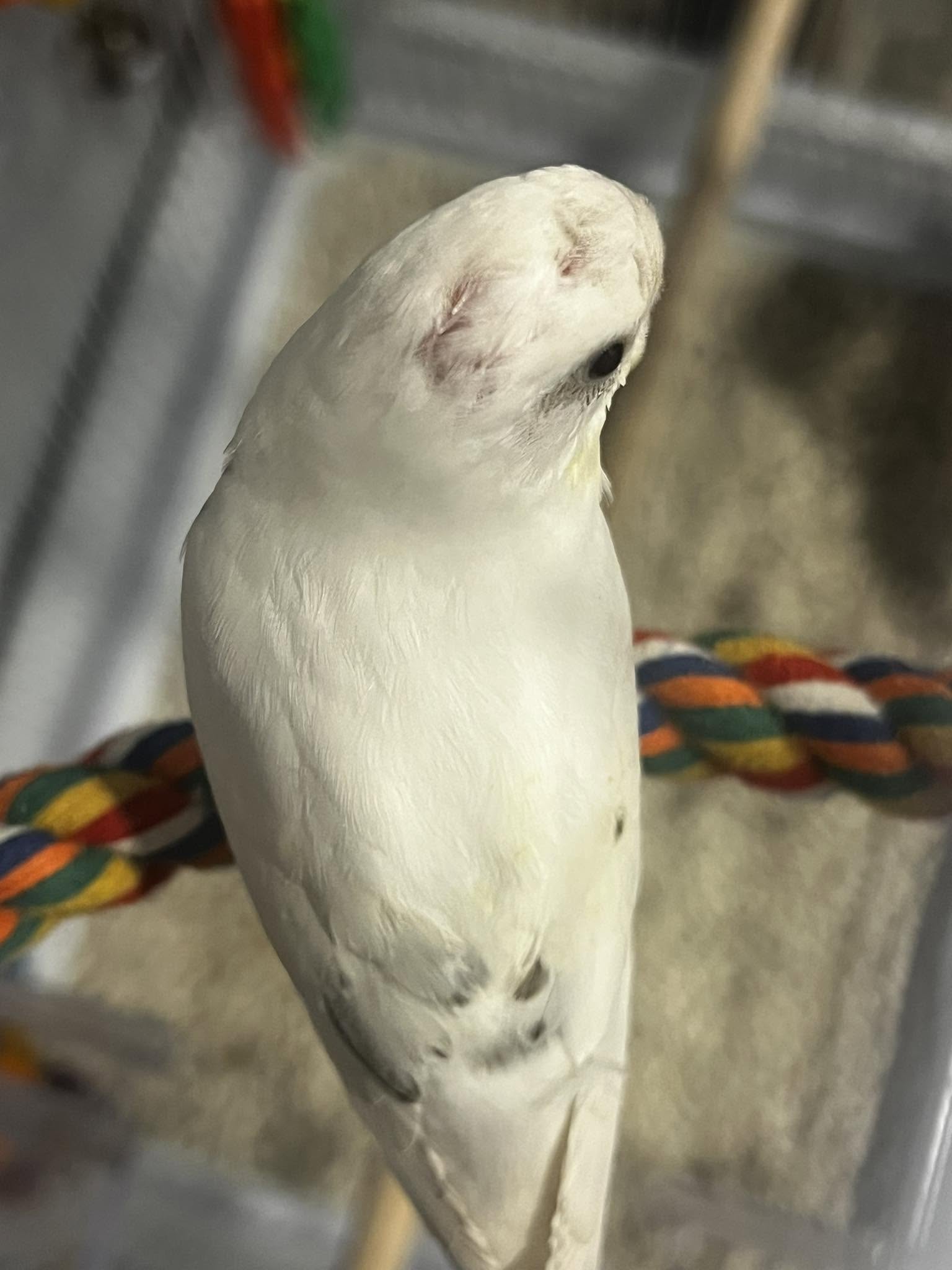
| What You See | First Question To Ask | Most Likely Cause | What To Do |
|---|---|---|---|
| Patchy feather loss across the body, pin feathers visible, bird otherwise normal | Is the bird in moult? Are there dark shafts where new feathers are growing? | Normal moult | Nothing — support with protein and varied diet |
| Feather loss specifically on head and neck, body feathers intact, kept with a companion | Does the companion bird have full intact head and neck feathers? | Feather barbering by companion | Confirm by separation; review cage size, enrichment, and diet |
| Feather loss on body, chest, wings — but head and neck feathers fully intact | Can you observe the bird pulling its own feathers? | Self-plucking | Vet check to identify and address underlying cause |
| Young bird, wing or tail feathers falling out early or growing back abnormally | Is the bird under 12 weeks old? | Possible French moult | Vet today — professional diagnosis needed |
| Progressive feather loss over weeks or months, feathers growing back abnormally | Is the loss getting worse rather than resolving? | Possible PBFD | Vet today — isolate from other birds immediately |
| Feather loss with excessive scratching, restlessness, possible pale appearance | Does the white cloth test show red mite activity? | Mites or skin parasites | Vet check — prescription treatment required |
| Poor feather quality, dull or brittle feathers, prolonged abnormal moult | Is the bird on a seed-only diet? | Nutritional deficiency | Improve diet; vet check if other signs of poor health present |
| Feather loss alongside other signs of illness in an older bird | Are there other signs — weight change, lethargy, behaviour change? | Possible systemic illness or hormonal issue | Vet check promptly |
What To Check Right Now — A Five-Minute Assessment
If you are reading this because your budgie is currently missing feathers and you are trying to work out which category you are in, this is the quickest structured assessment I can give you.
- Where exactly is the feather loss? — head and neck specifically, or body and wings, or distributed across the bird? This single question gives you the most immediate diagnostic information
- Is there more than one bird in the cage? — if yes, check whether the companion’s head and neck feathers are intact; if they are, and the affected bird’s head is bare, barbering is the most likely cause
- Are the remaining feather shafts at the edge of the bare area cleanly fallen or chewed-looking? — use a magnifying glass if necessary; broken or stubby remaining shafts suggest barbering or self-plucking rather than normal shedding
- Is the skin underneath the bare area healthy and clean, or red, irritated, or damaged? — healthy skin points toward moult or barbering; red or damaged skin points toward something requiring veterinary assessment
- Is the feather loss new and stable, or is it progressing? — a progressing loss that gets worse week by week is more concerning than a stable patch that has not changed
- Is the bird otherwise behaving normally? — eating, drinking, vocalising at normal levels; a bird that is also showing other signs of being unwell alongside feather loss needs a vet regardless of which specific cause the feather loss points toward
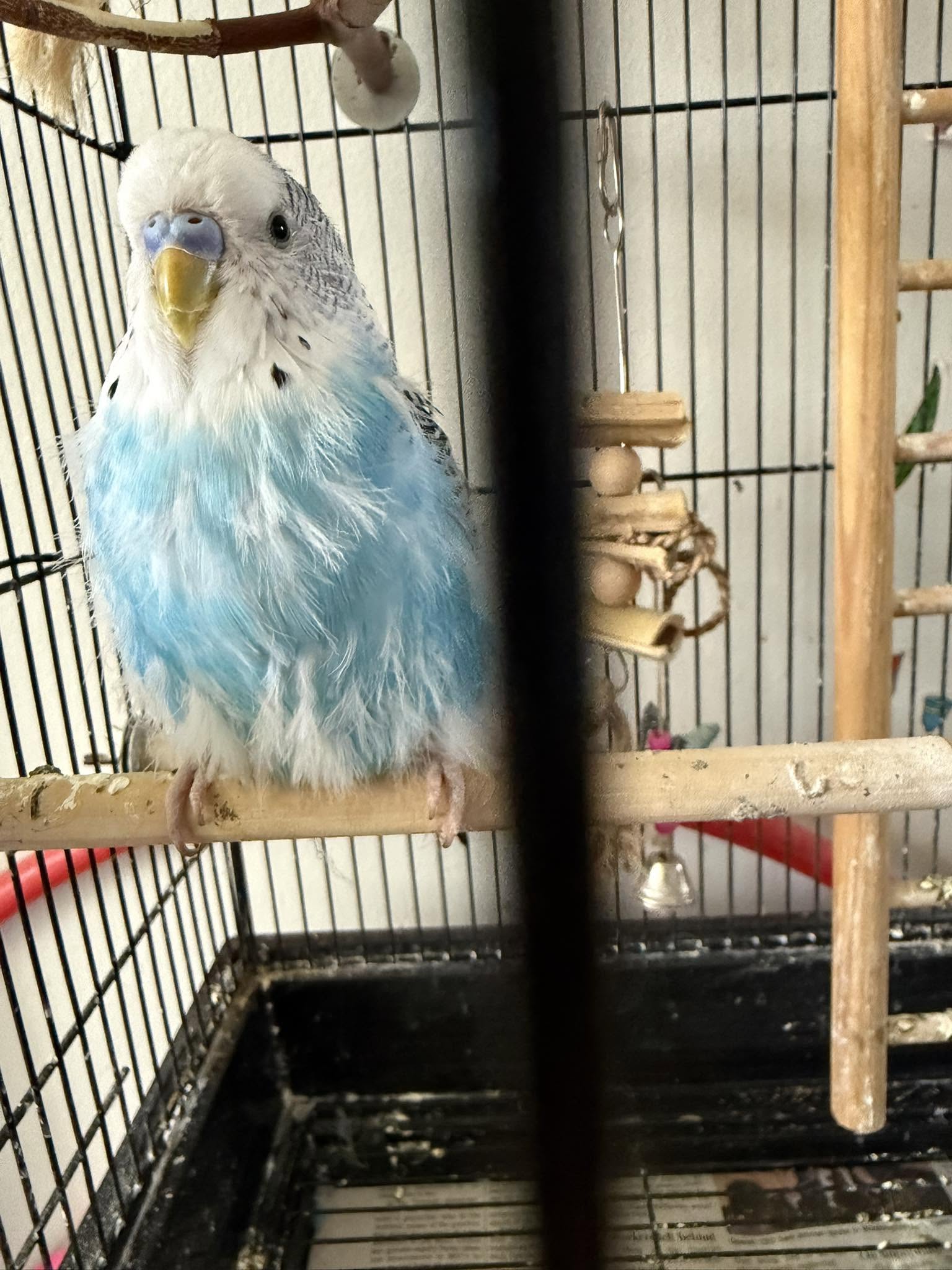
Frequently Asked Questions
My budgie has a bald patch on the back of its head. What is causing it?
The most common cause of a bald patch specifically on the back of the head in a budgie kept with a companion is feather barbering — the companion bird chewing or pulling feathers from an area the affected bird cannot easily see or reach to stop. The skin underneath is typically clean and healthy. Check whether the companion bird has full, intact head and neck feathers — if it does and the affected bird does not, barbering is the most likely explanation. Temporarily separating the birds will confirm this, as feathers will begin to regrow within a few weeks.
How do I know if my budgie is plucking its own feathers?
The most reliable indicator is location. Self-plucking only produces feather loss in areas the bird can reach with its own beak — the chest, belly, flanks, and wings. The head and neck feathers remain intact in a bird plucking itself, because it cannot reach them. If your bird is losing feathers from the head and neck while body feathers remain intact, this is almost certainly barbering by a companion rather than self-plucking, even if you have not seen the behaviour happen. True self-plucking in a single bird is a sign of an underlying physical or psychological problem that needs veterinary investigation.
Is moulting normal and how often does it happen?
Yes, moulting is entirely normal in budgies — it is the annual process of replacing old feathers with new ones. Budgies typically moult once or twice a year, with the annual post-breeding moult in late summer being the most significant. Young budgies go through their first post-juvenile moult at around three to four months old, replacing their juvenile plumage with adult feathers. During a moult, small pin feathers — dark or white shafts — are visible where new feathers are growing in. The bird should otherwise be behaving completely normally. If the bird appears unwell alongside the feather loss, it is not simply a moult.
Can nutritional deficiency really cause feather loss?
Yes. A long-term seed-only diet is insufficient in the nutrients needed for healthy feather production and replacement — protein in particular is a key building block for feathers and a seed-only diet is chronically low in it. Feathers that grow back dull, brittle, or poorly structured, or a moult that seems prolonged or incomplete, are often signs of nutritional deficiency. Improving the diet — introducing quality pellets, regular fresh greens, and protein sources such as egg food — will typically produce visible improvement in feather quality over subsequent moult cycles.
What is French moult and how serious is it?
French moult is a viral condition caused by Polyomavirus, affecting young budgies typically under 12 weeks old. It produces abnormalities in the wing and tail feathers specifically — they may fall out early, grow back with an unusual soft or abnormal structure, or both. Mildly affected birds may recover normal or near-normal plumage over time. Severely affected birds may never fly properly and are sometimes called “runners” or “creepers.” French moult requires veterinary diagnosis and affected birds should be isolated from other birds. There is no cure but supportive care can improve quality of life.
Could PBFD affect my pet budgie?
Psittacine Beak and Feather Disease (PBFD) does occur in budgies, though it is less common in them than in some other parrot species. The key distinguishing feature is progressive worsening — feathers that continue to be lost and grow back increasingly abnormally over time, rather than resolving as a normal moult would. Beak abnormalities appear in more advanced cases. PBFD is caused by a contagious virus, is currently incurable, and requires professional diagnosis, isolation from all other birds, and an honest veterinary conversation about prognosis. If feather loss is progressing rather than resolving, veterinary assessment is essential.
My budgie is losing feathers and seems unwell. How urgent is it?
Feather loss combined with other signs of illness — reduced activity, reduced appetite, changes in droppings, breathing changes, or any general deterioration in the bird’s condition — is a combination that warrants a vet check today rather than monitoring. Feather loss alone in an otherwise completely normal, healthy bird is generally less urgent, but any feather loss that is progressive, that produces skin damage, or that you cannot explain through the diagnostic framework in this article is worth having assessed professionally rather than waiting indefinitely.
Where can I get advice about my budgie’s feather loss in Swindon?
Come in to Paradise Pets at Manor Garden Centre, Cheney Manor Industrial Estate, Swindon SN2 2QJ — or call us on 01793 512400. Bring the bird or bring a photograph that clearly shows the affected area in good light. We can help you work out which cause is most likely and whether the situation needs a vet. The advice is always free.
One Last Thing From Me
The woman who came in with the photograph went home, checked the companion bird’s head and neck carefully — and found, exactly as I had suggested, that the companion bird’s plumage in those areas was entirely intact. She confirmed barbering by separating the birds for a week, during which the feathers on the affected bird began to grow back cleanly. She introduced some foraging enrichment to the cage and improved the protein in both birds’ diets. The barbering reduced significantly and had stopped entirely within a few weeks.
She came back in to let me know — she did not need to, but she did — and said the thing that I hear in some version quite often after these conversations: “I’d been looking at the bald patch for days and not seeing it properly. Once you told me what to look at, the answer was obvious.”
That is, genuinely, what this article is trying to do. Feather loss in a budgie is not as complicated as it looks if you know which questions to ask. Location, companion bird status, skin condition, whether the loss is stable or progressing, whether the bird is otherwise well — those five questions give you the answer in the vast majority of cases. What most owners have not been given is the framework to ask them.
You now have it. If something still does not add up once you have worked through that framework — bring the bird in, or take a clear photograph and ring us. That conversation is free and it almost always resolves the uncertainty within a few minutes.
Concerned About Your Budgie’s Feathers? Come In Or Ring Us
Bring the bird or bring a photograph in good light showing the affected area. We will work through the diagnostic questions with you and tell you honestly whether we think it needs a vet. Free advice, no obligation. That is how we have done things here for 35 years.