
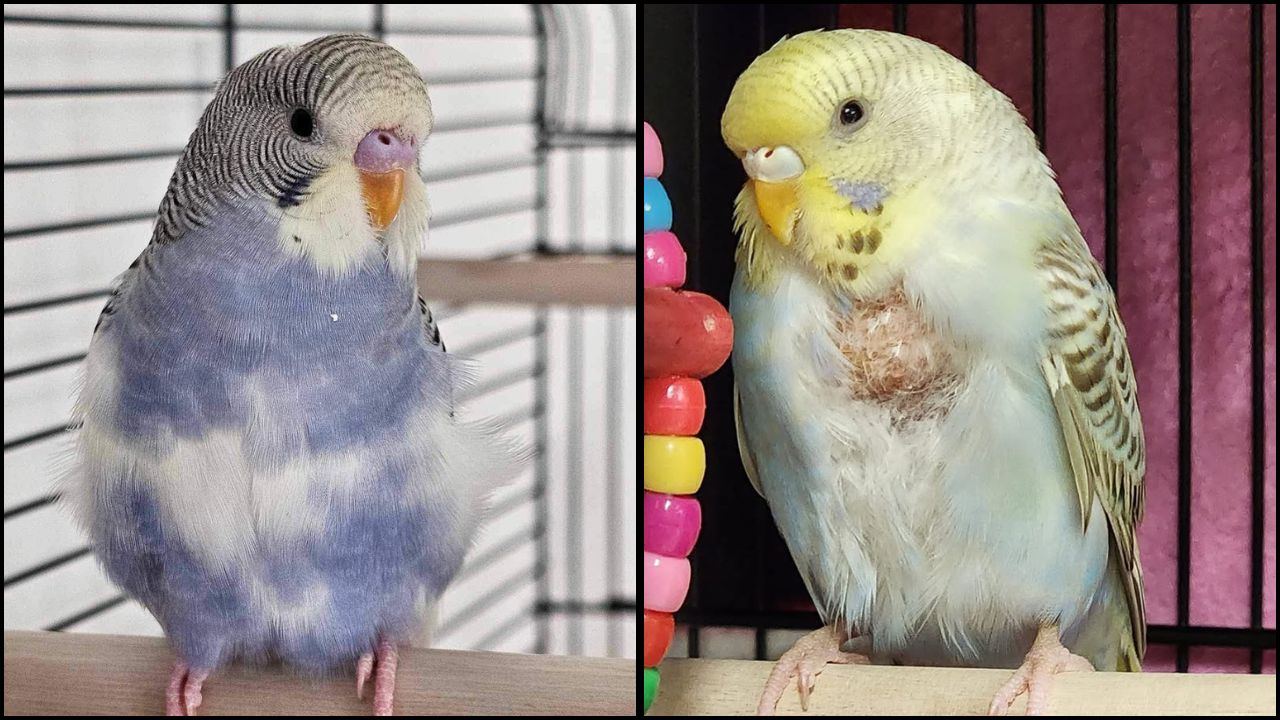

Neil has kept, bred, and sold cage birds at Paradise Pets Swindon since 1988 — over 35 years of first-hand experience with budgies, cockatiels, canaries, and aviary birds. In that time, the thing that has impressed him most about these animals is not how much they can learn. It is how much they observe. This article is about what that actually means for the people who keep them.
I had a customer come in about two years ago who had kept budgies for most of his adult life. He was not a new owner — he had owned birds continuously for nearly twenty years. He came in not to buy anything but to ask a question that had been bothering him for a while.
His budgie, he said, always seemed to know when he was having a bad day. Not in a vague, general sense — specifically. He would come home, not say anything, not do anything different that he was consciously aware of, and the bird would be quieter. Less active. Watching him more closely than usual. And on the days when he was relaxed and content, the bird was louder, more interactive, more demanding of attention.
He wanted to know if he was imagining it.
He was not imagining it.
Birds are observing us constantly, in more detail and with more accuracy than most owners ever appreciate. They read our posture, our movement speed, our voice pitch, our routine, our energy. They form detailed pictures of the people in their lives and they respond to changes in those pictures. It is not mystical. It is simply what happens when a highly intelligent, social animal with exceptional sensory capabilities lives in close proximity to the same person every day for years.
Understanding this changes how you think about your bird. And it changes how you approach keeping one.
What a Bird Is Actually Doing When It Watches You
A bird in the wild is watching for two things primarily — predators and food. Those two categories of attention are not switched off when a bird moves into a domestic environment. They are redirected.
You become a significant figure in both categories. You are the source of food. You are also, initially, a large animal of uncertain intent — a potential threat that has to be assessed and reassessed constantly. The way a bird learns that you are safe is through observation. It watches how you move. It watches how you approach the cage. It watches your body language. It watches what happens after you do each thing. Over weeks and months, it builds a detailed model of you — your patterns, your moods, your reliability.
This is not affection in the human sense, though it may produce something that resembles it. It is a sophisticated survival calculation that the bird is making continuously. You are the most important element in its environment, and it tracks you accordingly.
The practical implication is that your behaviour around the cage — how you move, how you speak, how consistent you are — matters more than most owners realise. The bird is not just sitting there. It is taking notes.
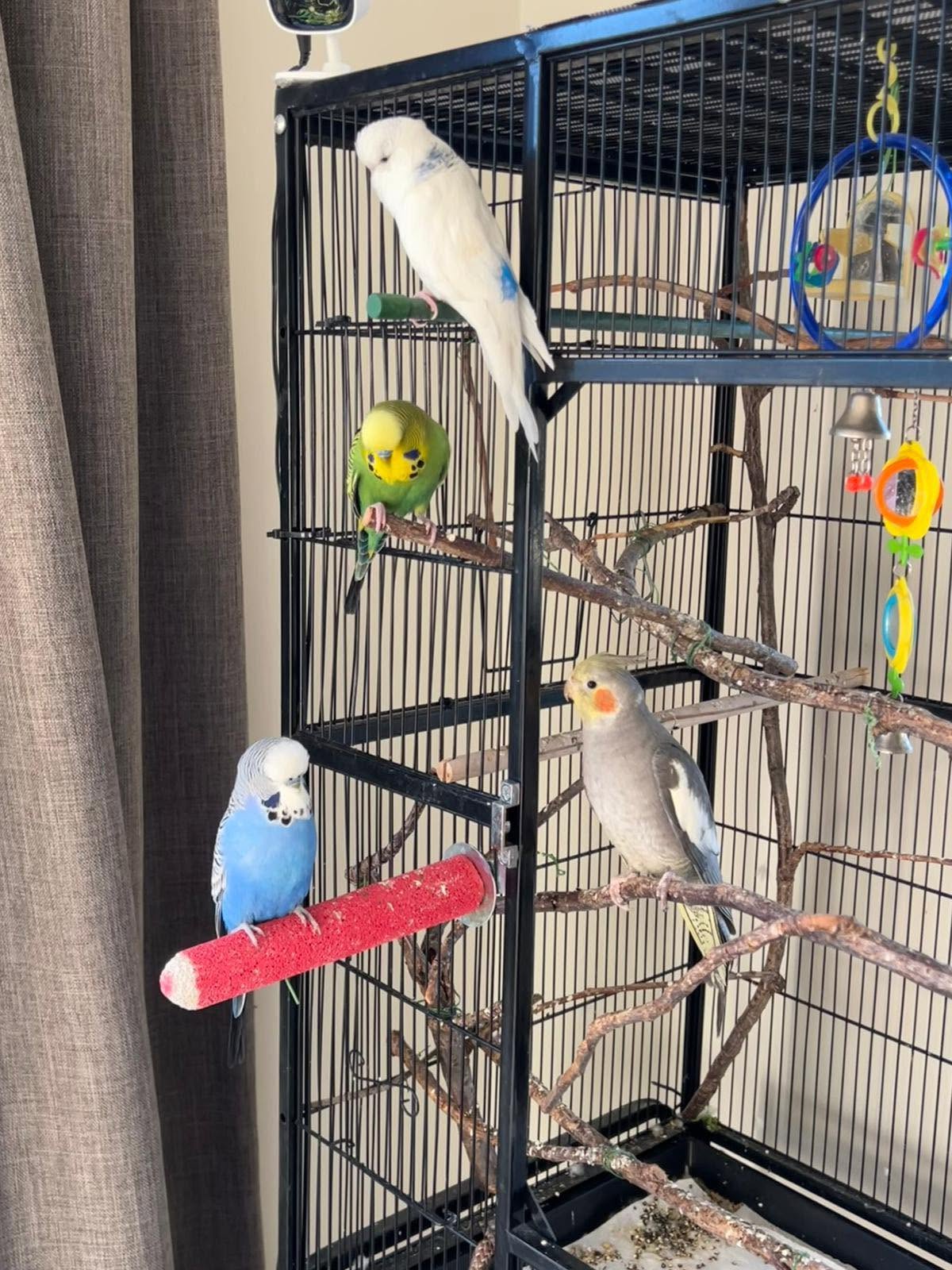
What Birds Can Actually Detect About You
This is the part that tends to surprise people. The sensory capabilities of cage birds are quite different from our own, and in several areas they are significantly more acute.
Movement and Posture
Birds have a wide visual field — far wider than humans — and they are particularly sensitive to movement. A bird will notice the difference between you walking toward the cage with a relaxed, unhurried posture and you walking toward it quickly or with tension in your body. These are not subtle differences to the bird. They register clearly, and the bird responds accordingly — more alertly to fast or tense movement, more calmly to slow and relaxed approach.
This is why new owners who are nervous around their bird often find the bird harder to settle. The bird is reading the nervousness directly in the owner’s posture and movement and responding to it as a low-level threat signal. The more relaxed and predictable your physical presence, the more relaxed the bird becomes around you.
Voice and Tone
Birds are acutely sensitive to the pitch, rhythm, and tone of sound. They do not understand the words in the way a dog might learn commands, but they hear the emotional content of your voice with considerable accuracy. A raised, tense voice produces a different response than a low, calm one. A voice the bird has heard daily for two years produces a different response than an unfamiliar voice. A voice coming from a direction the bird is not used to produces a different response than the same voice from a familiar position.
Budgies and cockatiels in particular will often modulate their own vocalisations in response to yours. Speak calmly and quietly and the bird tends to match it. Speak loudly and excitedly and the bird often becomes more active and vocal. The two are in a continual, mostly unconscious conversation about emotional state.
Routine and Timing
Birds have an exceptional sense of time. They know when you usually come home. They know when feeding usually happens. They know when the cage cover comes off in the morning. A bird that starts calling ten minutes before you normally arrive home is not reacting to your arrival — it is anticipating it, based on internal timing and perhaps environmental cues you are not consciously providing.
Disruption to routine is read as significant by a bird. If feeding time changes, if you come home later than usual, if the household schedule is disrupted — the bird notices. It may become more vocal, more alert, or more unsettled. Not because it understands that something unusual is happening in the human sense, but because the predictable pattern it has learned has changed, and changed patterns are worth paying attention to.
How Your Bird Responds to Stress in the Household
This is the practical application of everything above, and it is what most owners notice first once they start paying attention.
A bird that lives in a home where the household stress level has increased — an argument, a period of anxiety, an illness in the family, a significant change in routine — will often show it before the owner has consciously connected the bird’s behaviour to the household atmosphere.
More calling. More unsettled movement. More alertness and less relaxed behaviour. Sometimes reduced eating. Sometimes the opposite — compulsive feeding as a stress response. In cockatiels, the crest will often reflect household tension before anything else does — slightly lower in a stressed environment, more mobile and expressive in a calm one.
This is not the bird empathising in the way a human does. It is the bird responding to changes in the sensory environment — your posture, your voice, the energy of the people in the room — and adjusting its threat assessment accordingly. The outcome is something that looks, to an observer, like the bird picking up on how you feel.
Because in a functional sense, it is.
The implication for bird keepers is that your own emotional state is part of your bird’s environment. A consistently calm, predictable presence produces a more settled bird. A household with high and unpredictable emotional volatility produces a more unsettled one. You cannot always control this — life happens. But being aware of it is the first step toward managing it.
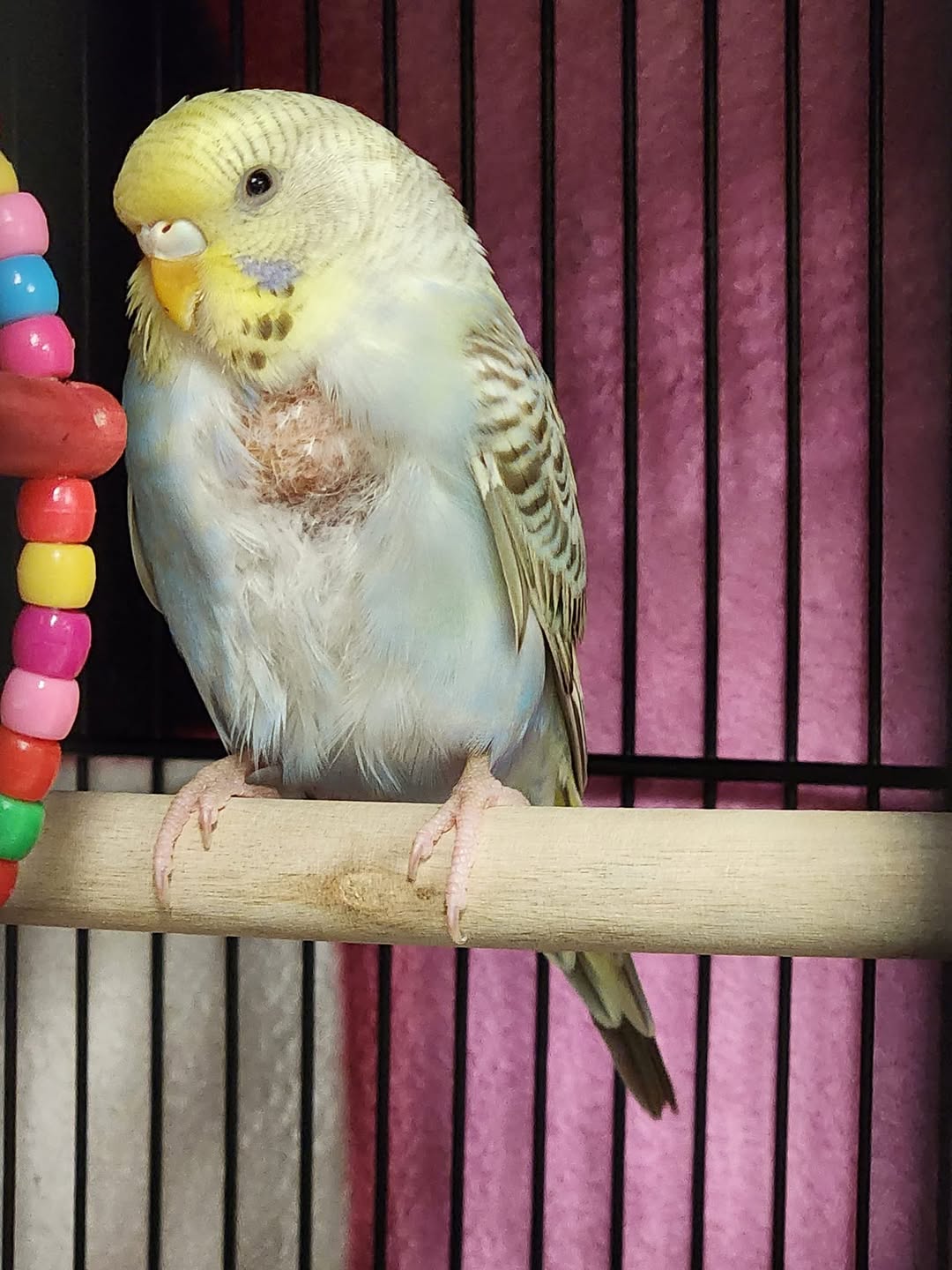
What Your Bird Knows About Your Routine That You Have Forgotten
I want to illustrate this with something I have observed so many times that it no longer surprises me, though it consistently surprises the owners I describe it to.
A bird that has been in a home for six months or more will typically begin vocalising at the same time each morning — often within a few minutes of the owner’s alarm going off, sometimes before it. It will become more active around the time its owner usually returns home. It will settle in the evenings at approximately the time the household settles.
None of this is taught. None of it is trained. It is the bird tracking the patterns of the household and synchronising its own activity accordingly — which is exactly what it would do in a flock in the wild, where synchronised activity patterns serve important survival functions.
When the pattern changes — when the alarm does not go off because it is a weekend, when the owner comes home early, when the household stays up unusually late — the bird often responds with increased vocalisation or unsettled behaviour. Not because it knows it is a weekend. Because the pattern it has learned is not matching the reality it is observing.
This is worth knowing because it has practical implications. Sudden changes to routine are harder for a bird than gradual ones. If your schedule is going to change — a new job, a holiday, a different household configuration — the more gradual the transition, the easier the bird will adapt.
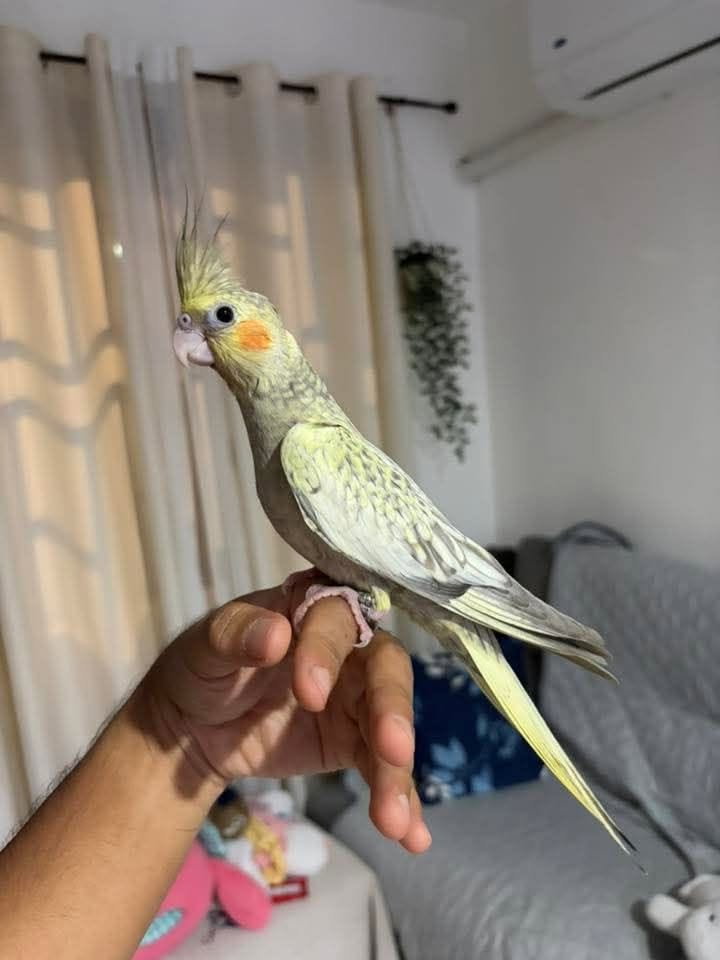
The Mirror Effect — When the Bird Learns From Watching You
This is one of the more fascinating aspects of living with a cage bird, and it comes up regularly in conversations with long-term owners.
Cage birds do not just observe you passively. They incorporate what they observe into their own behaviour. This is most obvious in species with strong vocal learning abilities — budgies and cockatiels particularly — but it happens in subtler ways across most cage bird species.
A budgie that hears the same word or phrase repeatedly, in a consistent emotional context, will often begin attempting to reproduce it. This is well known. What is less appreciated is that the same process applies to sounds, rhythms, and patterns that are not words. A budgie that lives with someone who whistles while working will often learn those specific whistles. A cockatiel in a household where a particular piece of music plays regularly will sometimes begin imitating elements of it.
Beyond sound, birds will often time their own activity to match yours. A bird that sees its owner reading quietly for long periods will often become quieter and more settled during those periods. A bird that sees its owner pacing or active will often match that energy. The mirroring is not perfect and not always obvious, but it is consistent enough to notice once you are looking for it.
The implication is that you are, without intending to, teaching your bird something every day. The question is whether you are teaching it something useful.
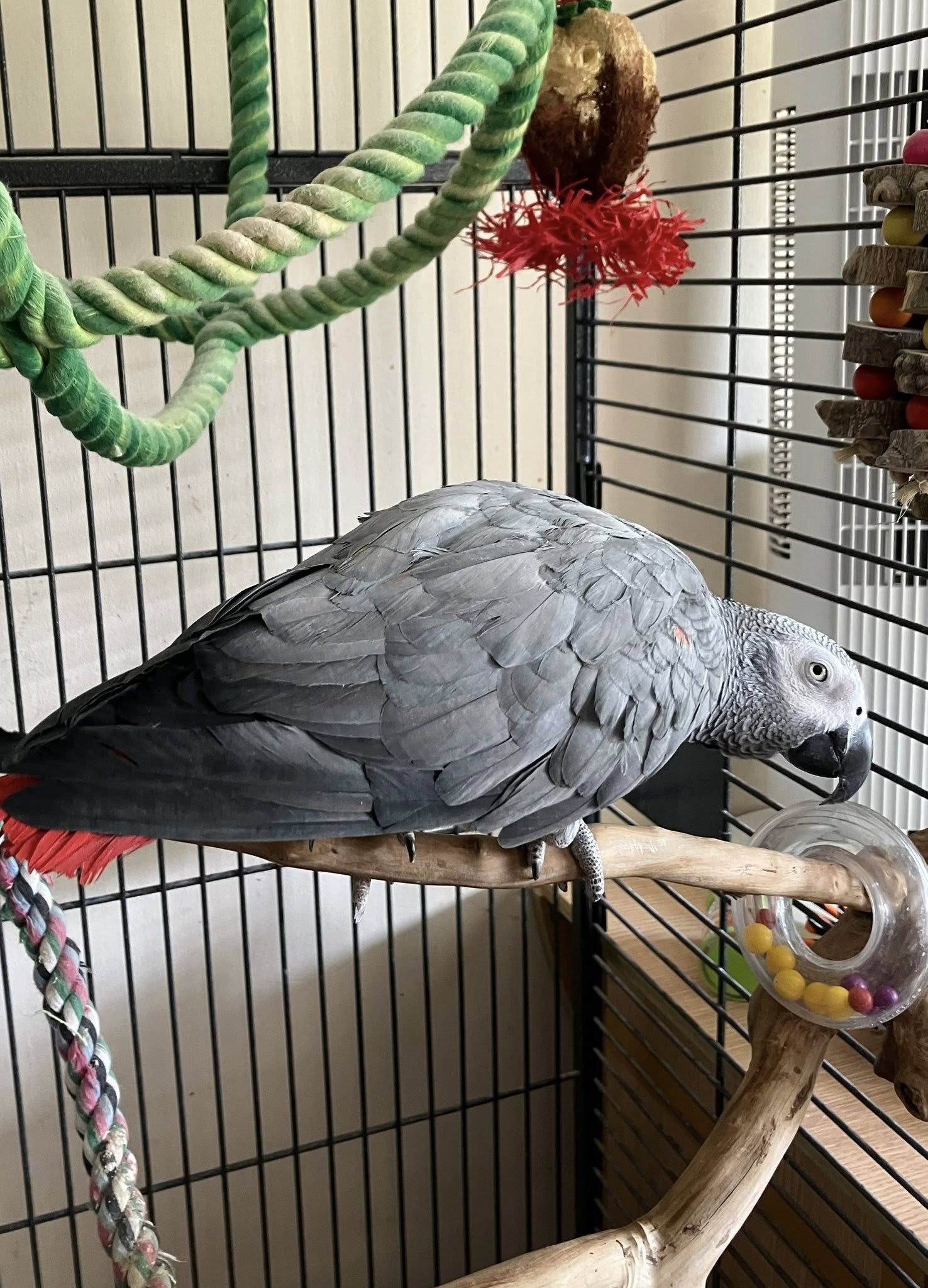
What This Means for How You Approach Your Bird
Everything above has practical consequences that I want to name directly.
Slow down around the cage. Approaching quickly, making sudden movements, reaching in without warning — all of these register as threat signals in a bird that is watching you closely. A slow, predictable approach tells the bird it is not in danger. That one change alone improves the handling relationship for most owners.
Be consistent. Consistency is the thing birds respond to best. Consistent feeding times, consistent approaches, consistent tone of voice, consistent routine. Every time the pattern is what the bird expects, its threat assessment comes down a notch. Over months, a consistent routine produces a significantly calmer bird than an unpredictable one.
Pay attention to your own energy when you approach. This sounds abstract but it is practical. A tense, rushed approach to the cage — because you are late, because you are stressed, because you are distracted — is a different event for the bird than a calm, focused one. The bird reads the difference. Coming to the cage when you have a moment to be genuinely present with it produces better interactions than coming to it as a task in a busy day.
Watch the bird as carefully as it watches you. The observation is not one-sided. A bird that is being actively observed — whose crest position, vocalisation pattern, feeding behaviour, and posture are being monitored — is a bird whose changes will be caught early. The owners who notice illness earliest, who catch behavioural changes before they become entrenched, are almost always the ones who have been paying attention.
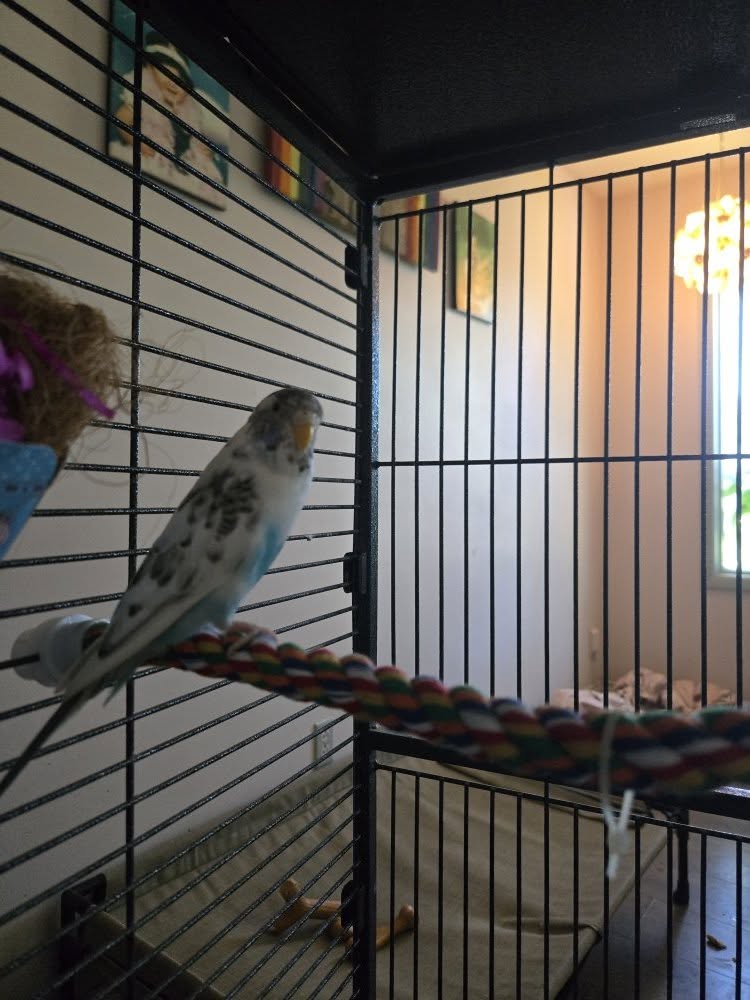
Frequently Asked Questions
My bird seems to prefer one person in the household over others — why?
Almost always because that person spends more time near the cage, approaches more consistently and calmly, or has been the primary source of food and positive interaction. Birds form preferences based on observation and experience, not personality in the human sense. The person who is calmest, most consistent, and most reliably associated with positive things will be the bird’s preferred person. This can change if the dynamics change.
My bird watches me from across the room but does not seem to want interaction — what does that mean?
Watching from a distance is not the same as wanting interaction. Many birds — particularly those that are not fully tamed, or that are in a settled rest state — will track your movements visually without seeking contact. This is normal vigilance behaviour. It does not mean the bird dislikes you. It means it is aware of you, which is simply what birds are. Interaction on the bird’s terms, at the bird’s initiation, is always more productive than interaction imposed from the human side.
Can my bird tell when I am ill?
It can certainly detect that something about you is different. If you are moving differently, sounding different, being quieter or less active than usual, the bird will notice the change in its environmental patterns. Whether it understands illness is a different question — but it is responding to genuine signals in your behaviour and appearance, not guessing.
Does talking to my bird help even if it does not respond?
Yes, significantly. Regular, calm speech near the cage builds familiarity with your voice, establishes you as a consistent and non-threatening presence, and over time contributes to the taming and bonding process. Even a bird that does not vocalise in response is processing the sound and building its model of you from it. Talk to your bird regularly, in a calm and natural way, and it will pay dividends over time even if the response is not immediately obvious.
My bird was fine for months and has suddenly become more watchful and alert — should I be concerned?
A sudden increase in alertness or watchfulness in an otherwise settled bird usually means something in the environment has changed — a new smell, a noise the bird is reacting to, a change in the household that has altered the usual patterns. Work through the obvious possibilities: new pet in the house, change in routine, something new near the cage, seasonal changes in light level. If the increased alertness is accompanied by other signs of stress or illness, a vet visit is appropriate.
One Last Thing
The customer who came in wondering whether his budgie could sense his mood left with an answer that was both simpler and more interesting than he expected. The bird was not sensing anything mystical. It was doing what birds do — watching, learning, updating. The result, over two years of close cohabitation, was an animal that had learned him well enough to respond accurately to changes in the signals he was producing.
That is not a party trick. It is not anthropomorphism. It is what happens when a genuinely observant, socially intelligent animal lives in close contact with a person who cares for it consistently.
The birds we sell are not decorative. They are not background. They are animals with real awareness of the people around them, and that awareness grows with time and consistency. Understanding that is, in my experience, the thing that turns a person who keeps a bird into a person who genuinely keeps birds well.
Come and talk to us if you want to know more. We are at Manor Garden Centre, Cheney Manor, Swindon SN2 2QJ, every day. Get in touch here or call 01793 512400.
Visit Us at Paradise Pets Swindon
We stock budgies, cockatiels, canaries, and aviary birds year-round — all UK-bred, all from sources we know personally. Come in and spend some time with the birds before you decide.