


Neil has kept, bred, and sold small animals at Paradise Pets Swindon since 1988 — over 35 years of first-hand experience with hamsters, gerbils, mice, rats, and the rest of the small animal section. Sneezing in hamsters worries owners more than almost any other small symptom, and rightly so in some cases — but not in all. This is Neil’s honest account of what it actually means and what UK owners should genuinely do about it.
A young lad came in last month with his mum, both of them looking properly concerned. He had his hamster in a small carrier and he said it had been sneezing — “like, properly sneezing, Neil, not just a little twitch” — on and off for two days. He wanted to know if it was dying.
It was not dying. It had got a bit of bedding dust up its nose and the sneezing had already mostly stopped by the time they got to the shop. But I understood the worry completely, because a hamster sneezing does sound alarming, and the honest truth is that sometimes it is a genuine warning sign and sometimes it is nothing at all — and most owners have no reliable way to tell the difference without knowing what to look for.
That is what I want to give you here. Not reassurance for its own sake, and not unnecessary alarm either. An honest breakdown of what sneezing in a hamster usually means, what makes it more or less concerning, and what to actually do depending on what you are seeing.
Why Hamsters Sneeze — The Genuinely Harmless Reasons First
Before getting into the concerning causes, it is worth establishing that hamsters, like most small mammals, sneeze for completely ordinary reasons that have nothing to do with illness. I want to deal with these first because they are by far the most common explanation, and most owners jump straight to worst-case thinking without ruling out the obvious.
Dusty Bedding
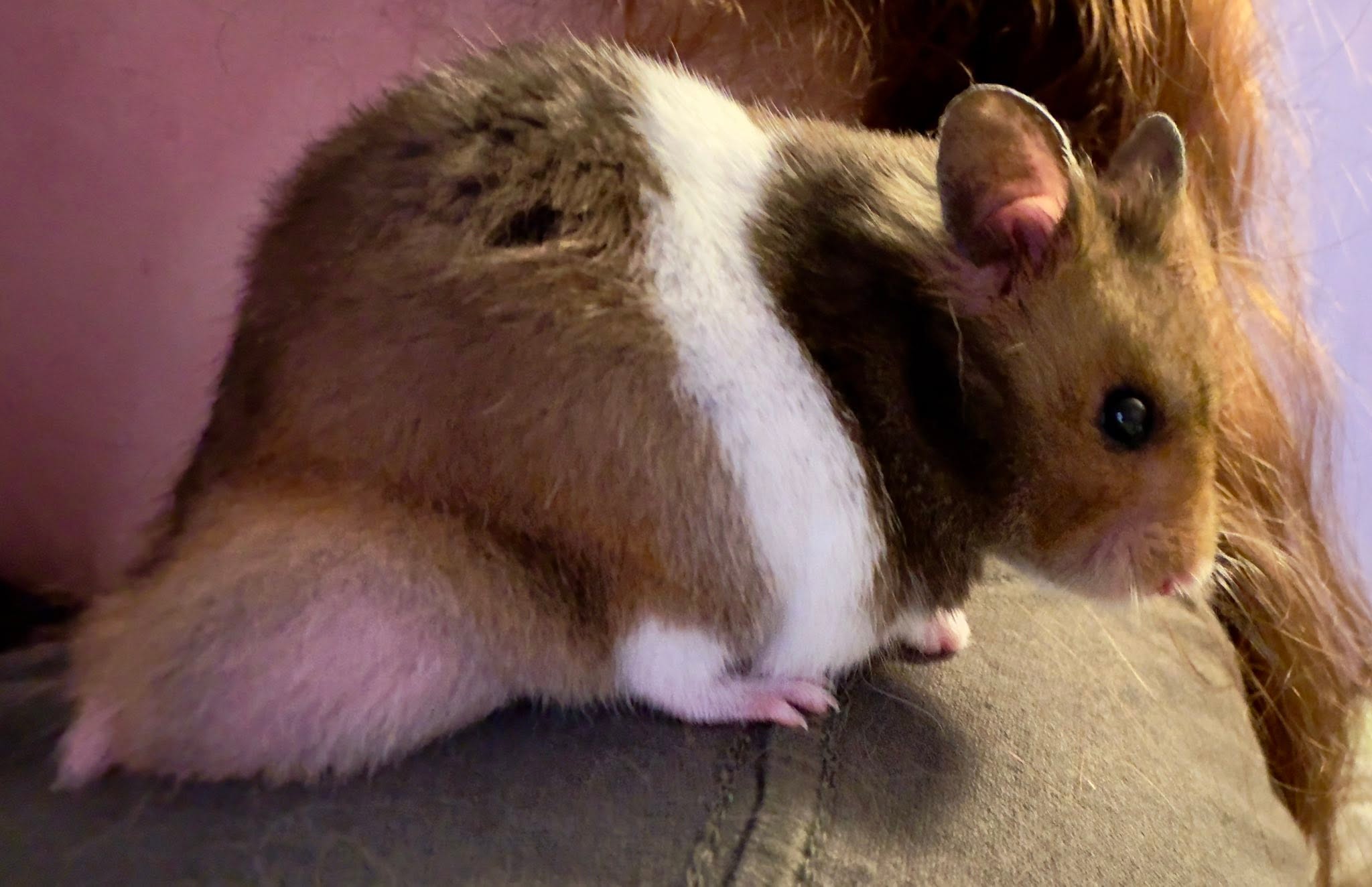
This is the single most common cause of occasional sneezing in pet hamsters, and it is almost always avoidable. Cheap wood shavings, particularly softwood shavings like pine and cedar, are dusty by nature and the dust irritates a hamster’s nasal passages. A hamster that sneezes after fresh bedding has just been put in, or after burrowing energetically through dry bedding, is very likely reacting to dust rather than illness.
The fix here is straightforward and worth doing regardless of whether sneezing is currently a problem. Switch to a low-dust bedding — paper-based bedding, aspen shavings, or specifically labelled dust-extracted bedding. Avoid pine and cedar shavings entirely; beyond the dust issue, the aromatic oils in these woods are also linked to respiratory irritation in small rodents over time. Shake new bedding outside before adding it to the cage to remove loose dust before the hamster is exposed to it.
Strong Scents and Airborne Irritants
Hamsters have a far more sensitive sense of smell than we do, and their respiratory systems are correspondingly more reactive to airborne irritants. Air fresheners, scented candles, cleaning products used near the cage, perfume, cigarette smoke, and even strongly scented household cleaning sprays used in the same room can trigger sneezing in an otherwise completely healthy hamster.
If sneezing started around the same time as a new air freshener, a change in cleaning products, or any other new scent source in the room, that timing is worth taking seriously as the likely cause. Removing the irritant and watching whether the sneezing resolves is a reasonable first step before assuming illness.
A Single, Isolated Sneeze
Hamsters, like every other mammal, occasionally just sneeze — a one-off reaction to a stray particle of dust, a sudden draft, or no identifiable reason at all. A single sneeze that does not repeat, in a hamster that is otherwise eating, drinking, and behaving normally, does not warrant concern or intervention. This is the case I want owners to be able to recognise and not panic over, because it happens often and means nothing.
When Sneezing Becomes a Genuine Concern
Having dealt with the harmless explanations, I want to be equally direct about when sneezing in a hamster does need to be taken seriously, because getting this wrong in the other direction — dismissing genuine illness as dust — is just as much of a mistake as unnecessary panic.
Repeated or Frequent Sneezing
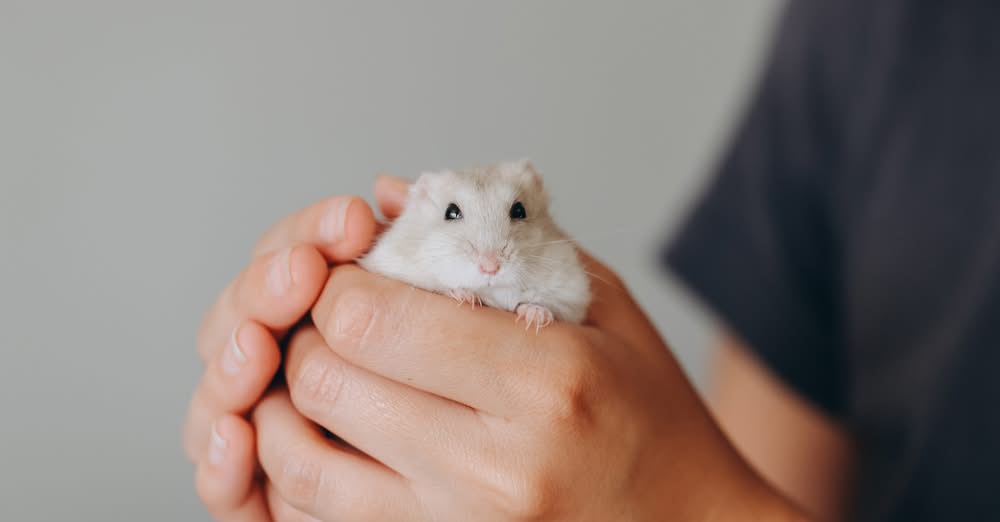
A hamster sneezing repeatedly over the course of a day, or sneezing regularly across several consecutive days, has moved beyond the realm of an isolated irritant reaction. This pattern is more consistent with either a persistent environmental irritant that has not been identified and removed, or a developing respiratory infection.
Sneezing Accompanied by Other Symptoms
This is the most important distinction of all. Sneezing on its own, even if frequent, is far less concerning than sneezing alongside any of the following:
- Discharge from the nose or eyes. Clear, cloudy, or coloured discharge accompanying sneezing is a strong indicator of respiratory infection, not simple irritation.
- Laboured or noisy breathing. Wheezing, clicking sounds, or visibly increased effort to breathe is a significant escalation and should be treated as urgent.
- Lethargy or reduced activity. A hamster that is sneezing and also less active than usual, sleeping more, or less interested in coming out to explore is showing signs that go beyond a simple irritant response.
- Reduced appetite or not eating. Hamsters have fast metabolisms and cannot go without food for long. Reduced interest in food alongside sneezing is a meaningful combination.
- Matted or ruffled fur, particularly around the face and paws. A hamster that is not grooming normally, or that has wet or matted fur around the nose from repeated discharge, needs veterinary attention.
- Weight loss. Noticeable weight loss in a hamster, which can be checked by gentle handling and familiarity with the animal’s normal size and feel, alongside respiratory symptoms warrants prompt veterinary assessment.
Any one of these alongside sneezing moves the situation from watch-and-wait to book-a-vet-appointment. More than one together moves it toward urgent.
What a Respiratory Infection in a Hamster Actually Involves
I want to explain this properly because I think understanding why this matters so much helps owners take it seriously without it being explained in a frightening or abstract way.
Hamsters are small animals with correspondingly small, fast respiratory and metabolic systems. This means two things that matter directly for how owners should respond to illness. First, respiratory infections that might be manageable or slow-developing in a larger animal can progress quickly in a hamster — sometimes over a matter of days rather than weeks. Second, hamsters, like most small prey animals, are instinctively inclined to hide signs of weakness and illness for as long as they can, because in the wild a visibly unwell animal is a target. This means that by the time a hamster is showing obvious symptoms, the underlying problem has often been developing for some time already.
Bacterial respiratory infections are the most common serious cause of persistent sneezing with other symptoms in pet hamsters. They are treatable, usually with antibiotics prescribed by a vet, and the prognosis is generally good when caught and treated promptly. The risk is specifically in delay — in an owner watching and waiting through symptoms that are already indicating a developing infection, allowing it to progress to a point where treatment is harder and the outcome less certain.
This is why my consistent advice, here as with any small pet, is to err on the side of seeking veterinary input sooner rather than later when there is genuine uncertainty. A vet visit for a hamster that turns out to have simply reacted to dusty bedding costs you a consultation fee and some unnecessary worry. A delayed vet visit for a hamster with a genuine infection can cost considerably more, in every sense.

Environmental Factors That Increase Respiratory Risk
Beyond the immediate causes of sneezing, there are broader environmental factors that increase a hamster’s overall susceptibility to respiratory problems, and addressing these is good preventative practice regardless of whether your hamster is currently sneezing.
Cage Hygiene
Ammonia from accumulated urine and droppings is a significant respiratory irritant, and a cage that is not cleaned frequently enough builds up ammonia levels that genuinely contribute to respiratory problems over time. A full clean-out should happen weekly, with spot-cleaning of soiled areas more frequently. A hamster cage that smells strongly of ammonia when you approach it is overdue for cleaning, and the hamster living in that atmosphere continuously is at increased risk.
Draughts and Temperature
A cage positioned in a draughty location, or one subject to significant temperature fluctuation — near a door that opens to the outside, near an unsealed window, in a conservatory without adequate insulation — places ongoing stress on a hamster’s respiratory system. A stable, draught-free location, away from direct heat sources and extreme cold, supports overall respiratory health.
Ventilation Without Draughts
There is a balance to strike here. Good airflow in the room prevents the buildup of stale air and ammonia. But airflow directly onto the cage in the form of a draught is harmful. Position the cage where the room has reasonable general ventilation but the cage itself is not in a direct airflow path.
Humidity Extremes
Very dry air, particularly common in UK homes during winter with central heating running, can irritate respiratory passages in small animals as it does in birds. Very damp, humid conditions encourage the growth of mould and bacteria in bedding. A moderate, stable humidity level is best, and a small humidity gauge near the cage is a cheap way to monitor this if you suspect it might be a factor.
What to Do Right Now — A Practical Decision Guide
- Check whether it is a single, isolated sneeze. If so, and the hamster is otherwise behaving normally — eating, drinking, active, no discharge — simply monitor. No action needed beyond watching.
- Check the bedding. Is it a dusty wood shavings type? Switch to a low-dust paper-based or aspen bedding regardless, as good practice. Shake new bedding outside before use.
- Check for recent scent changes in the room. New air freshener, cleaning product, candle, or similar. Remove the suspected irritant and observe whether sneezing reduces over the following day or two.
- Check for any other symptoms. Discharge, breathing difficulty, reduced activity, reduced appetite, fur condition, weight. If any of these are present alongside the sneezing, book a vet appointment — do not wait to see if it resolves on its own.
- If sneezing is repeated or frequent without an obvious environmental cause, book a vet appointment even without other symptoms present yet. Catching a developing infection early, before other symptoms appear, gives the best outcome.
- Review cage hygiene and position. When was the last full clean? Is the cage draught-free and away from extreme temperature or humidity? Address any gaps as standard good practice regardless of the current situation.
- If in doubt, call a vet for advice even before booking an appointment. Many practices will give brief guidance over the phone about whether what you are describing warrants a visit. This costs nothing and removes the guesswork.
Finding a Vet for a Hamster — What to Know
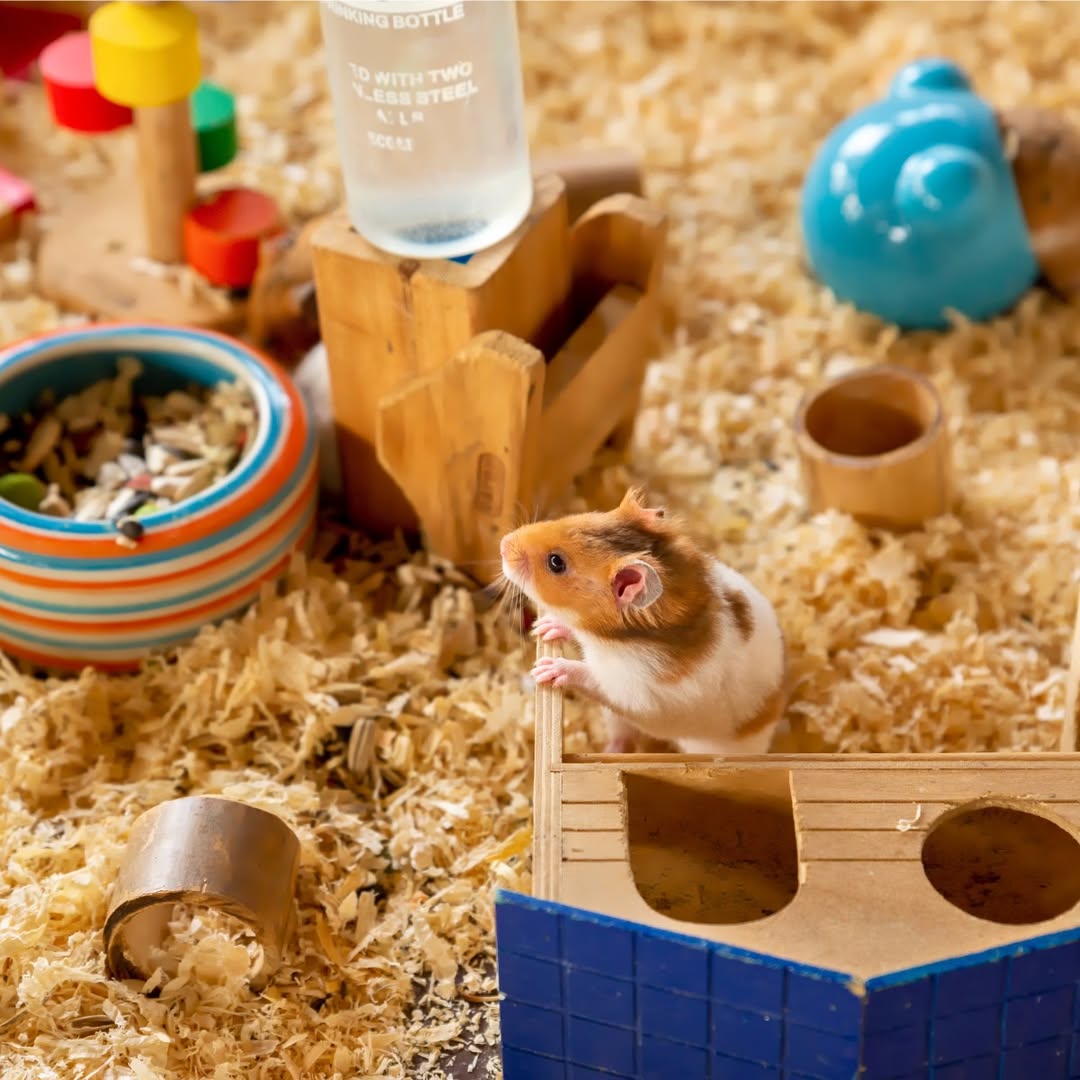
Not every general practice vet has significant experience with small rodents, and hamsters in particular are different enough from cats and dogs that experience matters for getting the right diagnosis and the right dosing of any medication. When looking for a vet for a hamster, the same principle applies as with birds — ask directly whether the practice sees hamsters and small rodents regularly, rather than assuming any vet practice is equally well placed to help.
Hamsters, because of their small size and fast metabolism, also require very precise medication dosing if treatment is needed. A vet experienced with small rodents will be familiar with this. It is worth establishing which local practice has this experience before you need it in an urgent situation, in the same way I would recommend for any pet — find your vet before the emergency, not during it.
Frequently Asked Questions
Is it normal for hamsters to sneeze sometimes?
Yes, completely. An occasional, isolated sneeze in an otherwise healthy hamster is normal and usually means nothing more than a stray bit of dust or a momentary irritant. The pattern to watch for is repetition and accompanying symptoms, not the simple presence of an occasional sneeze.
Can hamsters catch colds from humans?
There is some evidence and longstanding concern within small animal keeping that certain human respiratory viruses can potentially be transmitted to hamsters, though this is not the most common cause of hamster respiratory illness. As a sensible precaution, it is worth avoiding close handling of your hamster while you have an active cold or respiratory infection yourself, and washing your hands before handling regardless.
How quickly should I get my hamster to a vet if I think it has a respiratory infection?
If you are seeing sneezing alongside discharge, laboured breathing, lethargy, or reduced appetite, treat this as something to act on within the same day or the next available appointment, not something to monitor for a week first. Hamsters can deteriorate quickly once a respiratory infection takes hold, and early treatment has a significantly better outlook than delayed treatment.
What bedding is best to prevent sneezing in hamsters?
Paper-based bedding and dust-extracted aspen shavings are the best general choices for minimising respiratory irritation. Avoid pine and cedar shavings, which are both dusty and contain aromatic oils linked to respiratory irritation in small rodents. Always shake new bedding outside before adding it to the cage.
Where can I get advice on my hamster in Swindon?
Come and see us at Paradise Pets, Manor Garden Centre, Cheney Manor, Swindon SN2 2QJ, or call us on 01793 512400. Tell us what you have noticed and we will give you an honest view of whether it sounds like something to monitor or something to get checked out promptly. We are not a substitute for veterinary care, but we have seen a great many hamsters over 35 years and can help you think it through.
The Last Thing I Want to Say
The lad and his mum who came in worried about the sneezing hamster — they switched the bedding that day, on my suggestion, just to rule it out. No more sneezing within forty-eight hours. It really had just been the bedding dust, as I suspected from how he described it — isolated, no other symptoms, a hamster that was otherwise completely normal.
Not every case is that simple, and I do not want to leave you with the impression that sneezing is always nothing. Sometimes it genuinely is the early sign of something that needs a vet, and the owners who do well by their hamsters are the ones who pay attention to the whole picture — not just the sneeze itself, but everything around it — and act promptly when the picture suggests they should.
Watch the pattern. Watch for other symptoms. When in doubt, ask. That is the honest, complete answer, and it has served the hamsters that have come through this shop well for 35 years.
Worried About Your Hamster’s Sneezing? Come In and We Will Help You Work Out What It Means
Tell us what you have noticed — how often, what else is going on — and we will give you an honest view on whether to monitor or to get it checked promptly. Free advice, no obligation — that is how we have done things since 1988.