
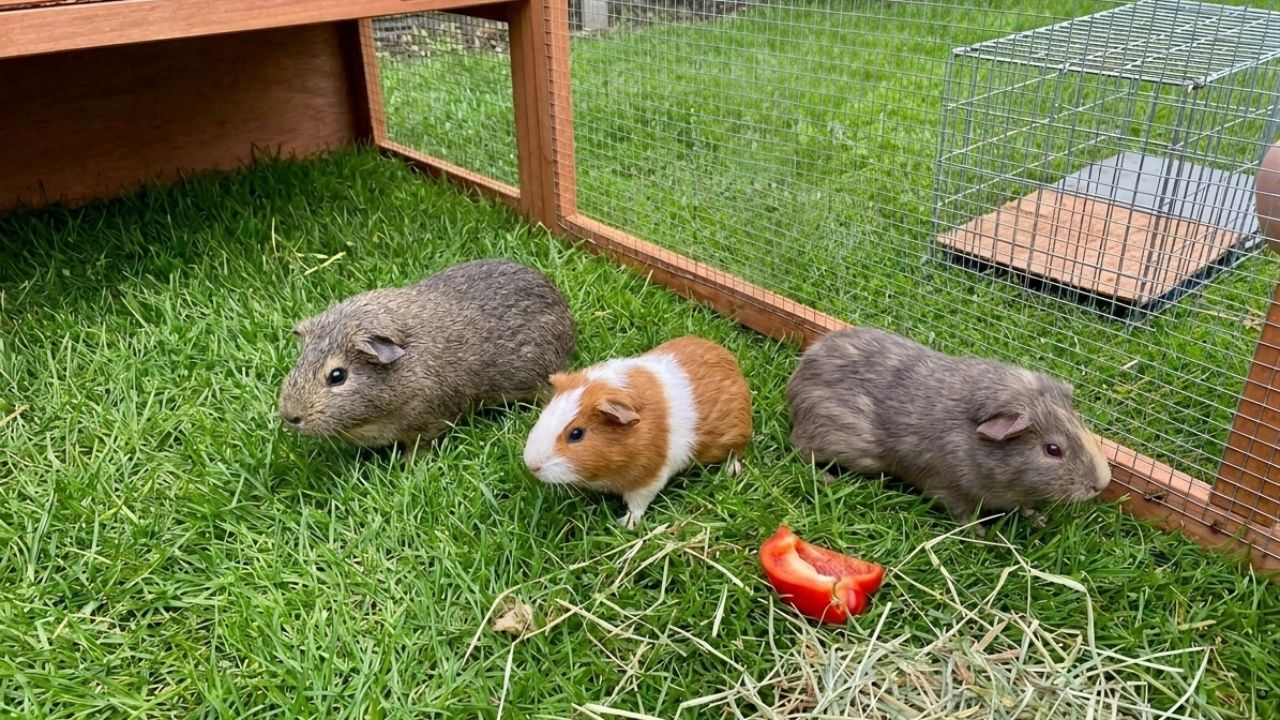

Neil has been keeping, breeding, and selling small animals at Paradise Pets Swindon since 1988 — over 35 years of helping UK families choose the right pet. In that time, he has watched the same mistake made hundreds of times: a family comes in, picks a small animal based on appearance or price, and comes back months later with problems that were entirely predictable. This is his honest guide to the question he gets asked every single week.
A mother came in one Saturday morning with her two children — one about seven, one about ten. She had already decided. “We want a hamster,” she said. “They’re small, they’re easy, and they don’t take up much space.”
I asked a few questions. What time do the children get home from school? What time do they usually go to bed? Is anyone home during the day?
She looked at me slightly puzzled. “Why does that matter?”
I explained. Her children got home at half three, went to bed at eight, and nobody was home during the day. A hamster, which is nocturnal and sleeps through most of the hours her children would want to interact with it, was going to be a source of daily disappointment. The children would go to the cage in the afternoon, find a sleeping animal, try to wake it, get bitten, and gradually lose interest. I had seen exactly this happen more times than I could count.
They left with two guinea pigs.
In 35 years of selling both species and watching their owners keep them, I have learned exactly which questions to ask and which answers point toward which animal. This article is that conversation, written down for every UK family wondering where to start.
Before The Comparison — The Question That Actually Matters
Before I compare the two species properly, I want to ask you the same question I ask every family at the counter.
When are your children actually awake and available to interact with a pet?
This sounds obvious. It is not, in practice, what most families think about. They think about the animal. They should be thinking about their daily routine first, because that routine determines almost everything.
If your children are home and active in the afternoons and evenings, and go to bed at a reasonable hour, the answer changes. If your children are older teenagers who stay up late, the answer changes again. If you want a pet the whole family can handle — including younger children — the answer changes. If you want something lower-maintenance that asks less of you, that changes things too.
I will come back to this throughout. But hold your household routine in mind as you read, because it is the single most important factor in this decision.
The Fundamental Difference Most Families Miss
Here is the thing that changes everything, and that is not mentioned prominently enough in most comparisons.
Hamsters are nocturnal. Guinea pigs are not.
A hamster is naturally active at night — typically from around 8pm onwards, and through the early hours of the morning. During the day, and through most of the afternoon, it sleeps. Deeply. Waking a sleeping hamster is not only unpleasant for the hamster; it is one of the most reliable ways to get bitten. A hamster that is regularly woken during the day by children who want to play with it will become stressed, defensive, and increasingly difficult to handle.
A guinea pig, by contrast, is active during the day. It follows a pattern similar to humans — awake through the daylight hours, quieter at night. It can be brought out in the afternoon, interacted with after school, and handled during the hours when children are actually around. It also makes noise during the day — the wheeks and purrs of a settled guinea pig are one of the more endearing sounds in small animal keeping.
This single difference — the activity pattern — resolves the question for a large proportion of the families that come to my counter. If you have young children who go to bed at 7 or 8pm and want a pet they can actually interact with, the hamster’s schedule simply does not match their lives.

Guinea Pigs — The Honest Picture
Let me give you the honest reality of keeping guinea pigs, including the things that are commonly left out.
Guinea pigs are sociable, gentle, and in most cases well-suited to family life with children. They do not bite readily — a well-handled guinea pig will rarely bite at all, and even an unsettled one is far more likely to run than to nip. They vocalise expressively, respond to familiar voices, and when they are comfortable, show genuine affection for the people who handle them regularly.
They are also, compared to hamsters, significantly more work.
- They must be kept in pairs or groups — a single guinea pig is an unhappy guinea pig; the social need is genuine and significant, not optional
- They need more space than most people expect — the minimum for a pair is larger than the standard cages sold in most pet shops; a proper run or hutch setup is essential
- Fresh vegetables and hay daily — guinea pigs cannot produce their own Vitamin C and need it from fresh food every day; a diet of dry pellets alone will cause serious health problems over time
- They cannot be kept outside in UK winters without proper insulation — many families assume guinea pigs are outdoor animals; they can be, but cold, damp UK winters require careful management
- Regular cage cleaning — guinea pigs produce more waste than hamsters and a cage left too long becomes a health issue; every 2 to 3 days for spot cleaning, full clean weekly
- Lifespan of 4 to 7 years — this is a meaningful commitment; not a short-term pet

What guinea pigs give you in return is considerable. They are handleable by children from a young age, they are active during the day when families are around, they develop real personalities and recognise individual people, and when kept correctly they are robust, healthy animals that bring genuine pleasure over years.
The guinea pig suits: families with children of any age, households where the pet will be a genuinely shared family responsibility, people who want an animal they can observe and interact with during daytime hours, and owners willing to commit to the daily feeding and cleaning routine that the species requires.
Hamsters — The Honest Picture
Let me be equally honest about hamsters, because they are consistently misrepresented — usually in both directions. Either oversold as easy starter pets, or dismissed as boring, bitey, and pointless. Neither is accurate.
A hamster in the right household, kept correctly and handled with patience from a young age, is an engaging, active, and fascinating small animal. They are intelligent — they learn their environment quickly, they use complex burrow systems, they show problem-solving behaviour. Watching a well-kept hamster go about its business in a properly enriched environment is genuinely interesting.
The key phrase there is: the right household.
- They are solitary animals — unlike guinea pigs, hamsters should generally be kept alone; Syrian hamsters in particular will fight to the death if housed together; one hamster, one cage
- They are active at night — this is not a behaviour problem; it is biology; a hamster that is quiet during the day is a hamster that is doing exactly what it should be
- They need significantly more space than most cages provide — the minimum cage size recommended by current animal welfare guidance is much larger than the standard hamster cages sold in pet shops; a hamster in a small cage will show stereotypic behaviour — repetitive bar-chewing or pacing — which is a sign of stress
- They need a deep substrate for burrowing — hamsters in the wild burrow extensively; a cage with 15cm or more of substrate for burrowing is not a luxury, it is a welfare need
- They can bite when startled or woken — not because they are aggressive, but because a sleeping hamster woken suddenly is a frightened animal; this is one of the most common causes of children losing interest in a hamster
- Lifespan of 2 to 3 years — shorter than most people expect; some families find this harder to cope with than they anticipated

What hamsters give you is a genuinely interesting, low-space, relatively low-cost animal that, in the right environment and with the right handling, becomes tame and engaging. For older children — teenagers who are awake in the evening — watching a hamster active at night, setting up enrichment, observing natural behaviour, can be a genuinely rewarding experience.
The hamster suits: older children and teenagers who are awake in the evening, adults who want a small, interesting pet without the group-keeping requirements of guinea pigs, households with limited space, and owners who enjoy watching natural behaviour more than daily hands-on handling.
Children’s Ages Matter More Than Most Parents Realise
This is the section I ask parents to read carefully, because it is the one most likely to change the decision.
- Under 5s — neither species is ideal for very young children as a hands-on pet; if bought for the household generally, guinea pigs are safer due to reduced biting risk, but parental supervision is essential with either species
- Ages 5 to 9 — guinea pigs are significantly more suitable; they are active when children are around, less likely to bite, and better able to tolerate the slightly unpredictable handling of younger children
- Ages 10 to 13 — both species can work, depending on the child; a patient, gentle child who is interested in observing behaviour can do well with a hamster; children who primarily want to hold and handle a pet will still find guinea pigs more rewarding
- Teenagers — hamsters become a more realistic option; a teenager who is genuinely interested in the animal, awake in the evenings, and willing to take proper responsibility for care can have an excellent experience with a hamster
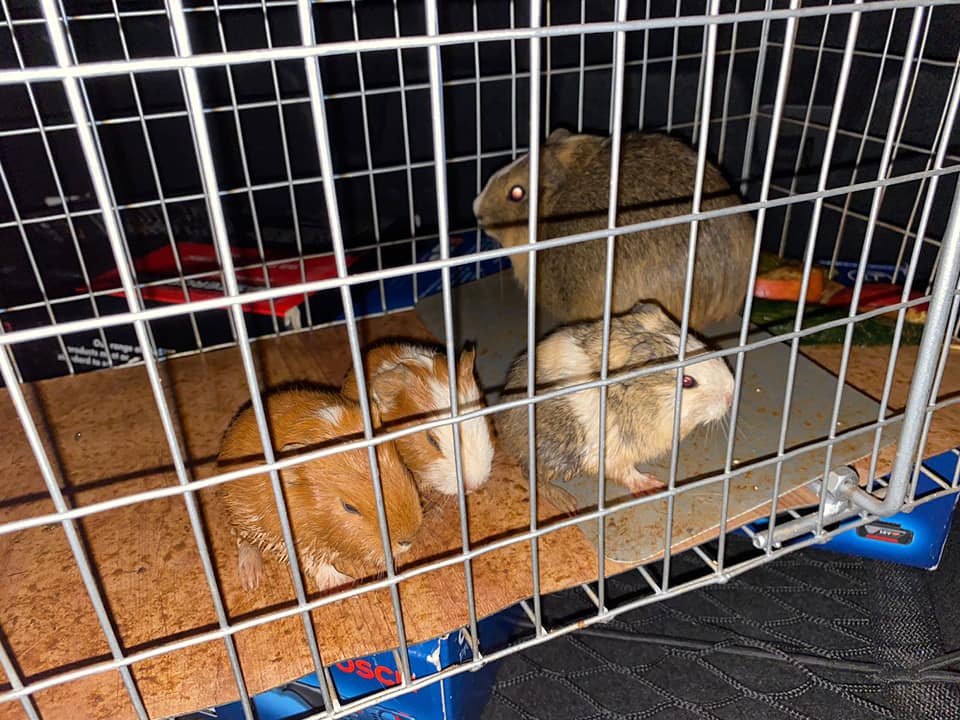
The mistake I see most often is a parent buying a hamster for a seven-year-old because it is smaller and cheaper. The child loses interest within weeks because the animal is asleep every time they want to play with it. The hamster lives out its life in a small cage, rarely handled, and the child concludes that pets are not really for them. That is a poor outcome for everyone.
Space, Cost, And Practical Differences

| Factor | Guinea Pig | Hamster |
|---|---|---|
| Social needs | Must be kept in pairs or groups — solitary keeping causes welfare problems | Must be kept alone (Syrian) — group keeping causes serious welfare problems |
| Active hours | Daytime — matches family life with children | Nocturnal — most active from late evening onward |
| Space needed | Significant — a proper hutch and run for a pair; indoor cage must be generous | More than most cages provide — 100x50cm minimum floor space as a starting point |
| Daily care | Fresh vegetables daily, hay always available, spot clean every 2–3 days | Fresh food and water daily, spot clean every 2–3 days, full clean weekly |
| Handling suitability | Good for younger children when properly handled; rarely bite | Better for older children; biting risk higher if woken or startled |
| Lifespan | 4–7 years | 2–3 years |
| Ongoing cost | Higher — fresh food, larger space, two animals, vet costs for two | Lower — one animal, smaller space, simpler diet |
| Noise | Wheeks, purrs, rumbles during the day — audible and expressive | Wheel noise at night — can be significant in a bedroom |
| Vet care | Find an exotic/small animal vet; annual checks worthwhile | Find an exotic/small animal vet; annual checks worthwhile |
The One Thing I Tell Every Family Before They Decide
After 35 years of having this conversation, there is one thing I say to almost every family before they make their final choice.
Go home and think about a typical Tuesday.
Not a weekend. Not a holiday. A normal Tuesday. What time do the children get in from school? What do they do between then and bedtime? What time is bedtime? Who is home during the day? Who is going to clean the cage on a Tuesday when nobody particularly feels like it?
That Tuesday is the reality of pet ownership. The animal does not know it is the weekend. It needs feeding, cleaning, and interaction every day — including Tuesdays in November when everyone is tired and nobody is particularly enthusiastic.
Which animal fits that Tuesday? That is your answer.

- Buying a hamster for young children — the activity pattern mismatch almost always leads to a neglected, stressed animal within months
- Keeping a single guinea pig — their social needs are genuine; a lone guinea pig is an unhappy guinea pig regardless of how much human attention it receives
- Buying the cage from a pet superstore without checking the size — standard retail cages for both species are frequently too small for animal welfare; check the dimensions before you buy
- Underestimating the daily fresh food requirement of guinea pigs — pellets alone are not sufficient; fresh vegetables every day is a non-negotiable part of guinea pig keeping
- Putting a hamster cage in a child’s bedroom — the wheel noise at night is significant; this is one of the most common sources of regret I hear about
- Assuming either animal is maintenance-free — neither is; both require daily attention and regular cage cleaning; families who go in expecting “easy” are the ones who struggle
Frequently Asked Questions
Which is better for kids — a guinea pig or a hamster?
For most children under ten, a guinea pig is the more suitable choice. They are active during the day when children are around, less likely to bite, and generally more tolerant of handling by younger children. Hamsters suit older children and teenagers better, because their nocturnal activity pattern means they are most interesting in the evening hours — and because the patience required to handle them well suits older children more reliably.
Are guinea pigs or hamsters easier to look after?
Hamsters require less daily input — one animal, smaller space, simpler fresh food requirement. Guinea pigs require more daily attention — fresh vegetables every day, larger space, regular cleaning — but must be kept in pairs, which means two animals to care for. Neither is truly “easy.” Both require consistent daily commitment. The question is which type of commitment fits your household better.
Do guinea pigs and hamsters get along?
No. They should never be housed together. They have different social needs, different communication, different space requirements, and can cause serious stress or injury to each other. If you want both species, they need entirely separate housing in separate rooms.
Can a hamster be kept in a child’s bedroom?
I would advise against it in most cases. Hamsters run on their wheel at night — actively and loudly. The noise in a child’s bedroom can significantly disrupt sleep. A living room, a family room, or a dedicated space away from sleeping areas is a better location. The child can still spend time with the hamster in the evenings when it is active.
How much space does a guinea pig actually need?
More than most retail cages provide. A pair of guinea pigs needs a minimum of around 120x60cm of floor space as a starting point — and more is better. They also benefit from daily run time in a larger enclosed space. If you are buying a hutch and run setup for outdoors, the run space matters as much as the hutch. Come in and talk to us before you buy housing; we will tell you honestly what is adequate and what is not.
Do guinea pigs need to be kept in pairs?
Yes. This is not optional. Guinea pigs are social animals — in the wild they live in groups, and their wellbeing is genuinely affected by social isolation. A single guinea pig, regardless of how much human attention it receives, will not have the same quality of life as a guinea pig kept with a companion. We recommend buying in pairs from the start. Same-sex pairs avoid breeding complications.
How long do guinea pigs and hamsters live?
Guinea pigs typically live 4 to 7 years in good conditions. Hamsters typically live 2 to 3 years. Both lifespans are shorter than many families expect. The relatively short lifespan of hamsters in particular can be difficult for younger children — it is worth having an honest conversation about this before you buy. Guinea pigs offer a longer relationship, which many families find more rewarding.
Where can I see guinea pigs and hamsters in Swindon before deciding?
Come in to Paradise Pets at Manor Garden Centre, Cheney Manor Industrial Estate, Swindon SN2 2QJ. We can show you what we have in stock, answer your specific questions, and help you work out which animal genuinely fits your household. No pressure, no sales pitch — just honest advice based on 35 years of doing this.
One Last Thing From Me
The family I mentioned at the start — the mother who came in certain she wanted a hamster — sent me a message about a year after leaving with her two guinea pigs. The children had named them. They had taken on the feeding and cleaning almost entirely by themselves. The younger one had started reading about guinea pig behaviour. The older one had built an extended run with her father.
“They were genuinely the right choice,” she wrote. “I had no idea how much personality they would have. The kids are obsessed.”
That is the outcome you want. An animal that fits how your family actually lives, that you went into with accurate expectations, that has been given the space and care it needs to thrive. It does not happen by accident. It happens when you choose the right species for the right reasons — and when someone gives you honest information before you walk out the door with the wrong animal.
If you are still not sure which is right for your family, come in and see us. Tell me about your household, your children’s ages, your space, your routine. I will tell you what I genuinely think will work. That conversation is free, it takes ten minutes, and it has saved a lot of animals from ending up in the wrong home over 35 years.
Not Sure Which Is Right For Your Family? Come And Talk To Me
Tell me about your household and I will give you an honest answer — not the most expensive option, not the most popular one. The right one for you. Free advice, no obligation. That is how we have done things here for 35 years.