
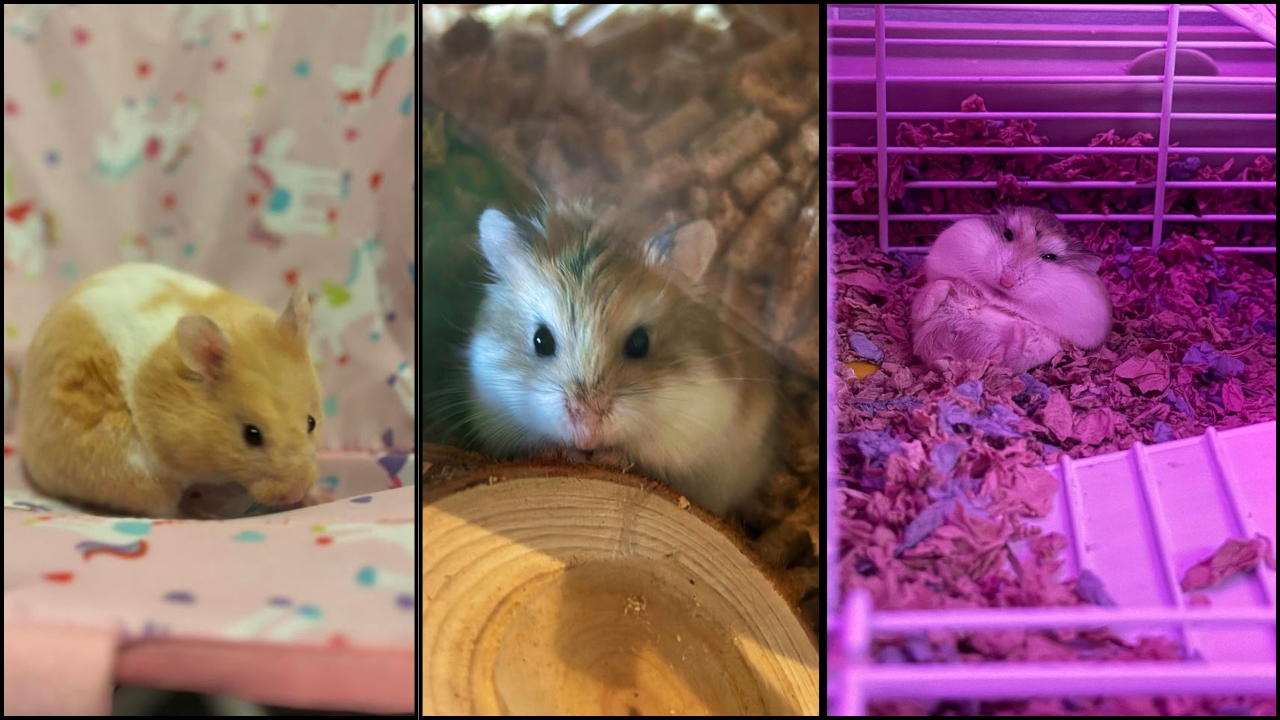

A hamster sleeping in the open can surprise owners because hamsters usually like secure nesting areas.
Sleeping outside the nest can be linked to heat, damp bedding, poor nesting material, stress, cage cleaning, age, illness or simply a new habit. The owner needs to look at the cage conditions first.
This guide is not a diagnosis. It is a practical owner checklist from Neil, based on common questions people ask at the counter and the kind of behaviour changes hamster owners often notice at home.
The Quick Answer
If the room is warm, the nest is damp or the cage was cleaned heavily, the hamster may choose another spot.
If the hamster is weak, cold, breathing oddly, losing weight or not eating, contact a vet.
What Can Be Normal
Some hamsters change sleeping spots, especially after cage changes or warmer weather.
A one-off open sleep can be normal if the hamster is otherwise bright at active times.
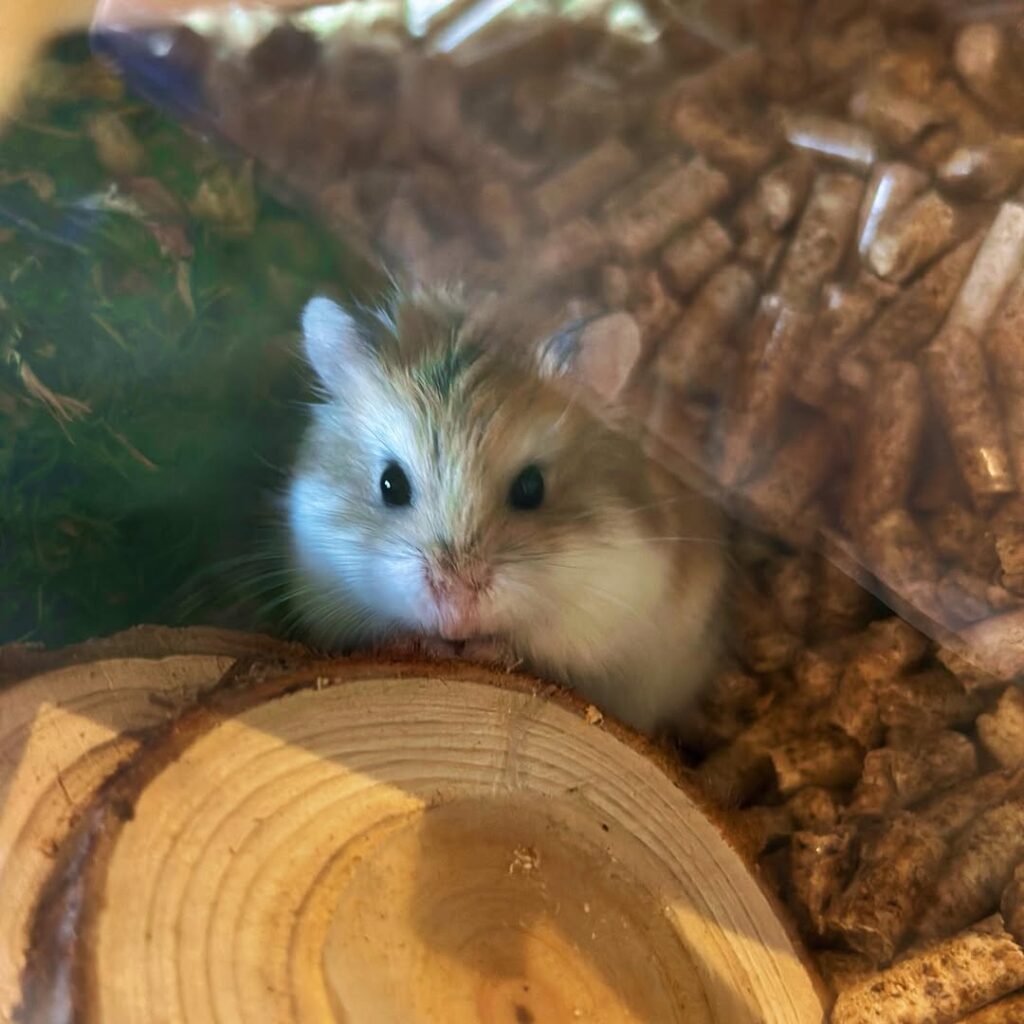
What Is Not Normal
Sleeping outside with low energy, poor appetite, hunched posture or breathing signs is concerning.
A damp, dirty or too-hot nest also needs fixing immediately.
The 60-Second Owner Check
- Check temperature
Warm rooms can make nests uncomfortable. - Check bedding dampness
Wet bedding can drive a hamster away. - Check nesting material
It should be safe, soft and suitable. - Check cage cleaning
Over-cleaning can remove familiar scent and increase stress. - Check active behaviour
Is the hamster normal when awake?
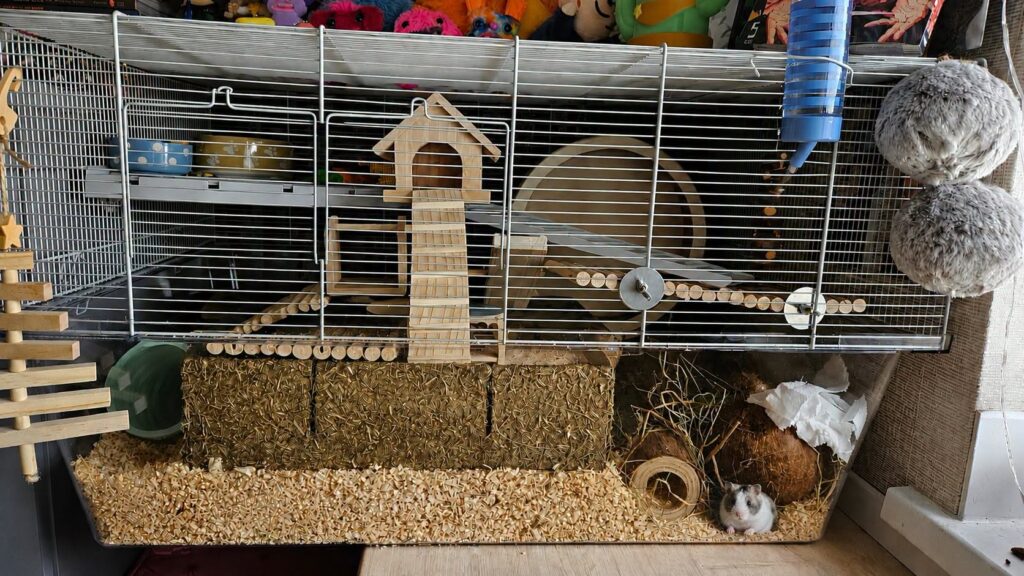
What To Do Today
- Refresh damp bedding
Keep familiar clean nesting material where possible. - Check for overheating
Move the cage away from direct sun and warm spots. - Avoid full resets
Do not deep-clean unnecessarily every day. - Offer safe nesting material
Avoid fluffy unsafe fibres. - Call a vet if unwell
Behaviour plus illness signs needs advice.
The Mistake Neil Sees Most Often
The common mistake is putting the hamster back into the nest repeatedly. That can add stress.
Another mistake is ignoring heat because the owner feels comfortable.
When To Contact A Vet
Contact a vet if the hamster is weak, breathing oddly, not eating, cold to touch, losing weight or unusually still.
Sleeping location alone is not a diagnosis, but it is a clue.
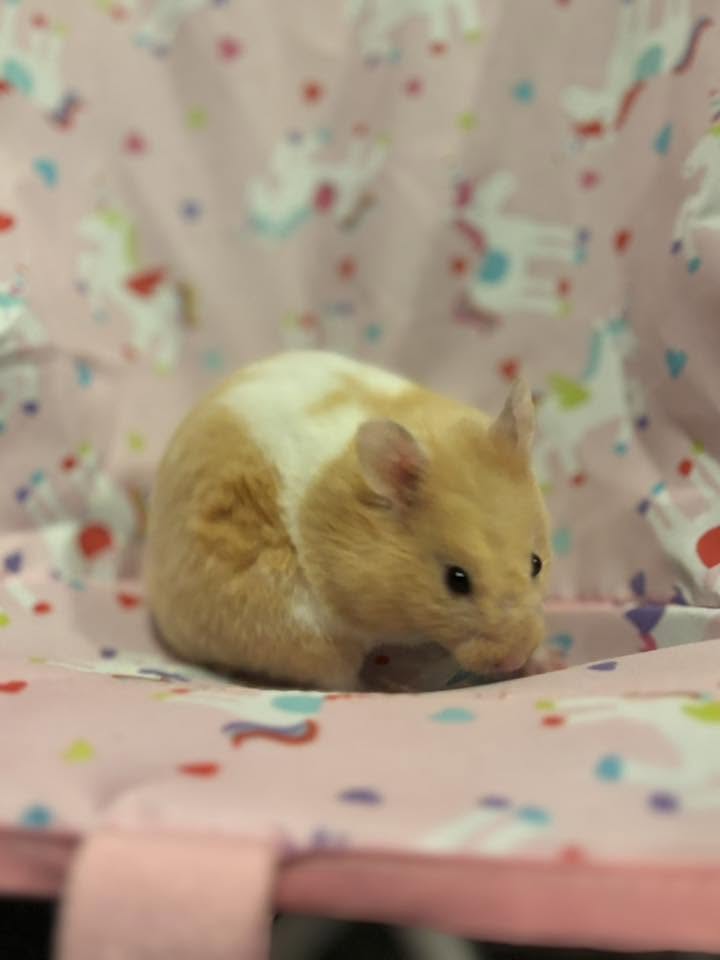
Neil’s Honest Advice
Neil’s advice is to check the nest like a landlord: dry, safe, calm, not too hot and not too exposed.
If the home is comfortable and the hamster still seems wrong, seek veterinary advice.
Need help with your hamster setup?
Paradise Pets can help Swindon owners check cage size, bedding, wheels, diet, enrichment and the warning signs that should go to a vet.