
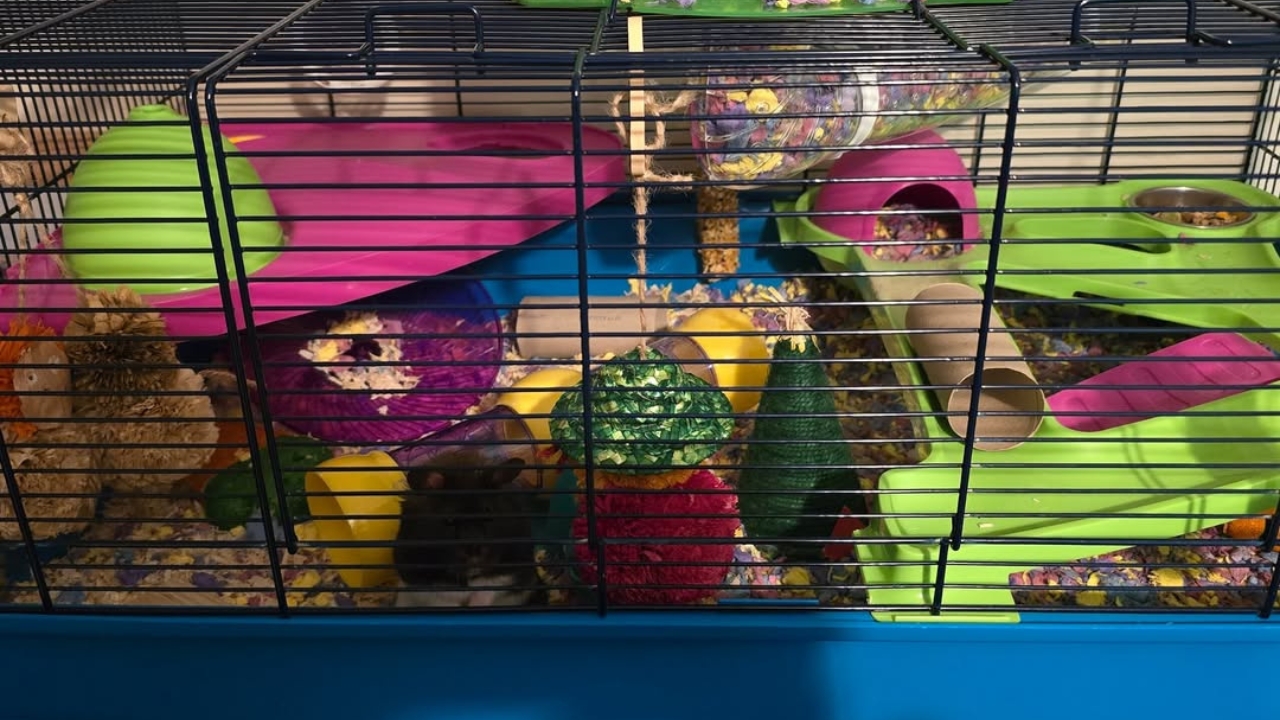

Bar chewing is one of the signs owners may notice after lights out. It is worth checking your hamster’s enclosure and routine.
Hamsters may chew bars because of boredom, stress, unsuitable cage size, lack of enrichment, escape attempts, habit or attention. It can also damage teeth or skin if it continues.
This guide is not a diagnosis. It is a practical owner checklist from Neil, based on common questions people ask at the counter and the kind of behaviour changes hamster owners often notice at home.
The Quick Answer
Check cage size, wheel suitability, enrichment, bedding depth, hiding places and whether the hamster has enough natural activity.
If the mouth looks sore, teeth look wrong or the hamster is losing weight, contact a vet.
What Can Be Normal
Hamsters naturally chew, explore and stay active at night.
Chewing safe items is normal when the setup gives proper options.
What Is Not Normal
Repeated bar chewing, broken fur around the nose, tooth problems or frantic escape behaviour is not ideal.
It often means the cage is not meeting behaviour needs.
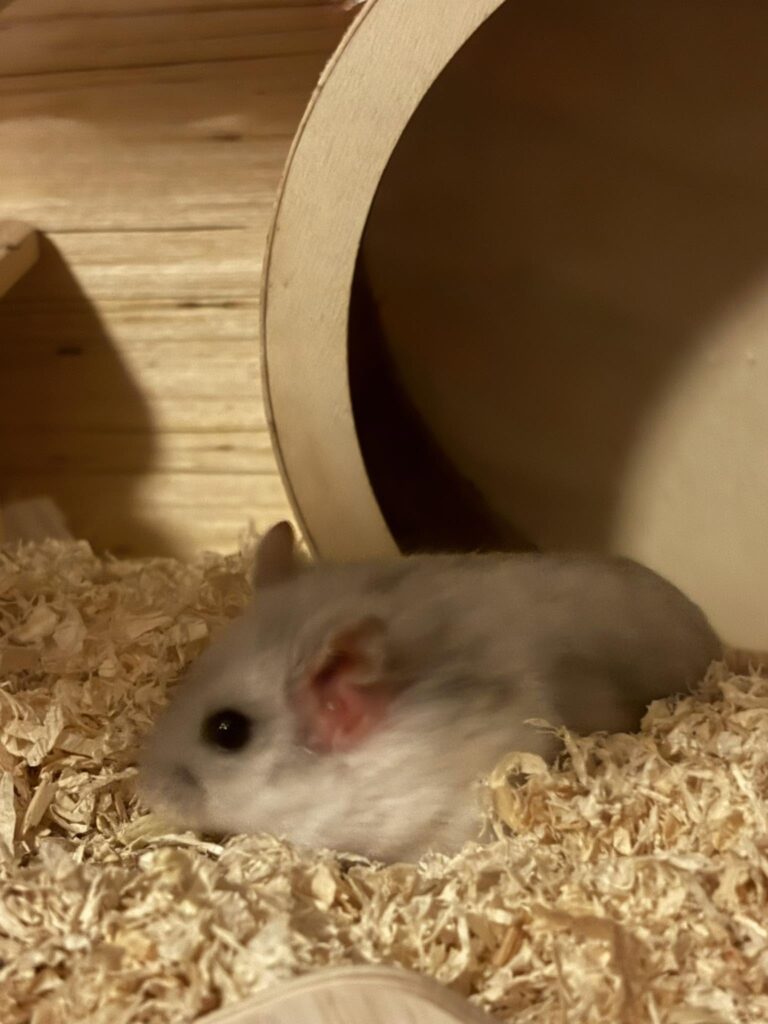
The 60-Second Owner Check
- Check wheel size
A poor wheel can leave energy unspent. - Check bedding depth
Digging opportunities matter. - Check floor space
Small cages can increase repetitive behaviour. - Check safe chews
Give appropriate chewing options. - Check attention pattern
Do you reward bar chewing by appearing every time?
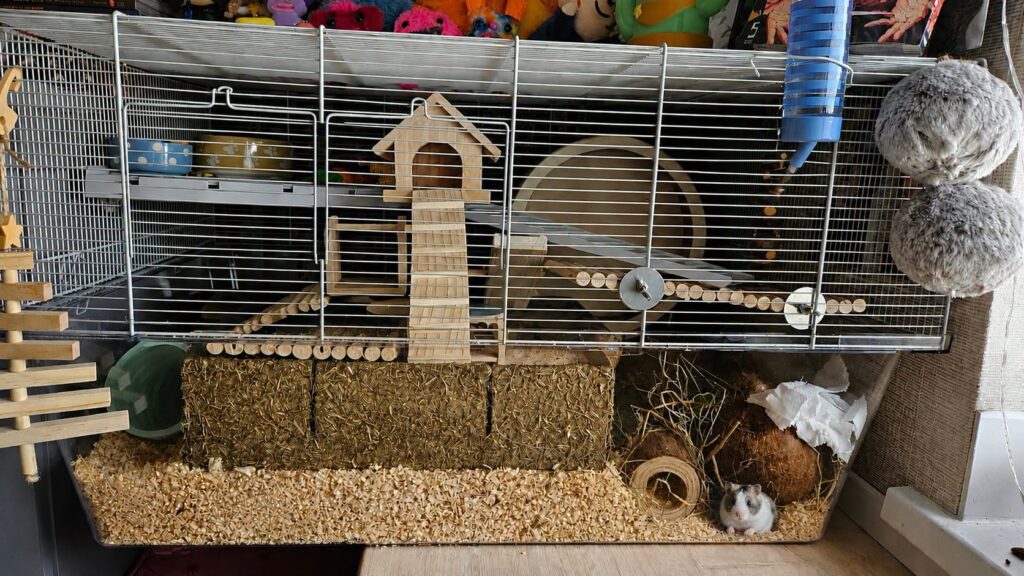
What To Do Today
- Upgrade enrichment
Use tunnels, hides, digging and safe chew items. - Review cage size
More usable space often helps. - Avoid shouting
Noise can stress the hamster further. - Do not cover as punishment
Fix the cause rather than hiding the sound. - Check teeth and mouth
Vet advice is needed if injury is suspected.
The Mistake Neil Sees Most Often
The common mistake is buying one chew toy and calling the problem solved.
Another mistake is keeping the cage in a bedroom and focusing only on the owner’s sleep, not the hamster’s needs.
When To Contact A Vet
Contact a vet if the hamster has mouth injury, broken teeth, bleeding, weight loss, not eating or severe repetitive behaviour.
Bar chewing can be behavioural, but physical damage needs professional advice.

Neil’s Honest Advice
Neil’s advice is to make the hamster’s night busy in the right way.
A better wheel, deeper bedding and more natural activity can reduce frustration.
Need help with your hamster setup?
Paradise Pets can help Swindon owners check cage size, bedding, wheels, diet, enrichment and the warning signs that should go to a vet.