
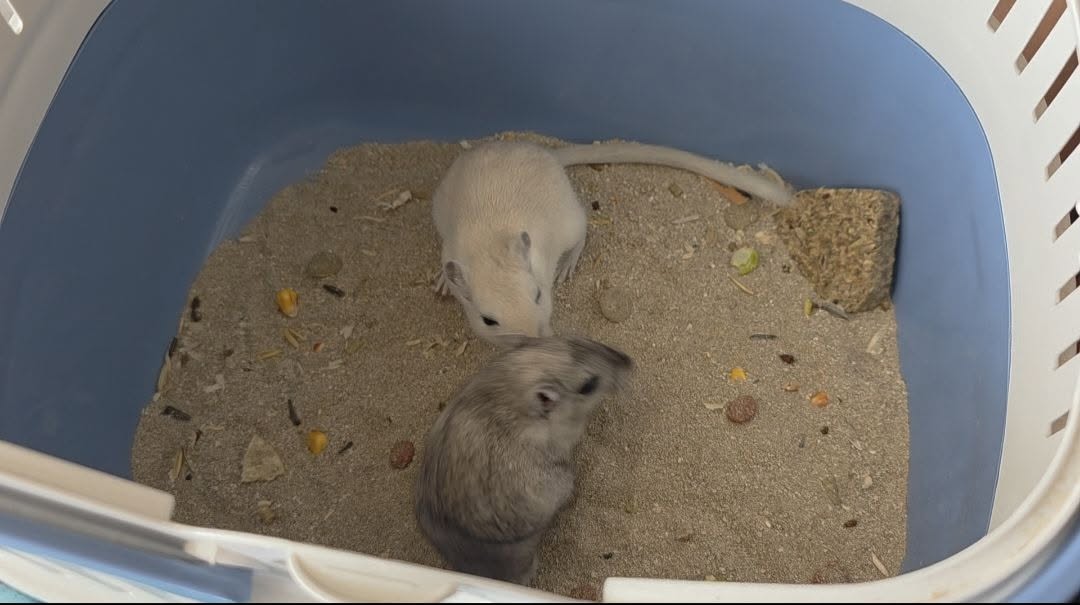

Neil has run Paradise Pets Swindon since 1988 — over 35 years of helping UK families choose first pets for their children, and watching what happens to those relationships afterward. In that time, he has come to a counter-intuitive conclusion — the pets most UK families ask about when buying a first pet for a child are usually not the ones I end up recommending. This is his honest, practical guide to what the genuinely best first pet for a UK child actually is, and why it is almost never what parents initially have in mind.
A family came into the shop one Sunday afternoon — mum, dad, and a seven-year-old boy named Ollie who had been promised a pet for his birthday. They had decided on a hamster. They had researched online, watched videos, and felt prepared. They wanted to know which cage to buy alongside the hamster, what food, what bedding, and so on. They were lovely, well-intentioned, and entirely ready to make the purchase that afternoon.
I asked them, as I always do, a few questions before we got to the cage and food. When was Ollie usually home? What time did he go to bed? Did anyone else in the household want to interact with the pet? Was the pet for Ollie specifically, or for the family? Did Ollie want a pet to watch, to handle, or to bond with? Was Ollie comfortable with the idea of a pet that might bite if startled?
By the time they had answered, I could see what most UK parents in this situation cannot — that the hamster they were about to buy was almost certainly going to be a disappointing first pet experience for Ollie. He went to bed at 8pm. He wanted a pet to play with and watch during the afternoons and early evenings. He was excited about being able to interact with his pet daily. None of these expectations matched what owning a Syrian hamster genuinely involves.
I sat them down and asked if I could share some honest experience before they bought. They said yes. Twenty minutes later, they left the shop without a hamster — and four days later they came back to buy a pair of gerbils instead. Eighteen months on, those two gerbils are still thriving, Ollie still comes in once a month with his parents to update me, and the relationship between him and his pets is one of the best young-child first-pet relationships I have seen recently.
This article is the conversation I have at the counter dozens of times every year with UK families about to buy a first pet for their child. By the end of it, you will understand why the typical first pet recommendations are usually wrong, what genuinely makes a good first pet for a child, the underrated options most UK parents have never seriously considered, and how to match the right pet to your specific child rather than buying what everyone else seems to be buying.
Why The Typical Recommendations Are Usually Wrong
Before I get to the underrated options, it is worth being honest about why the standard UK first-pet recommendations so often disappoint. These are the patterns I have seen across 35 years at the counter.
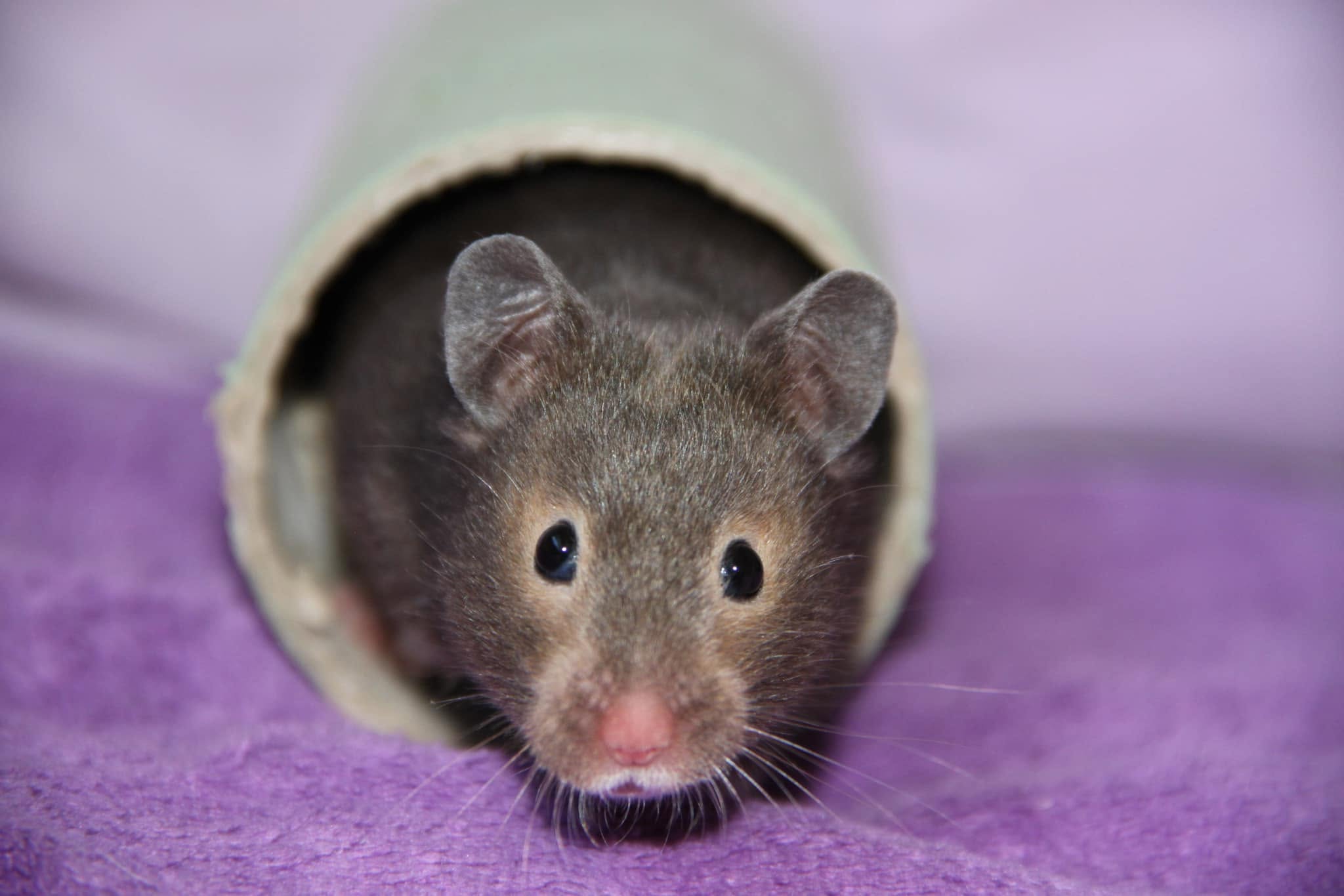
1. The Syrian Hamster — Wrong For Most Children
The Syrian hamster is the single most common first pet recommended for UK children, and it is genuinely one of the most disappointing matches I see at the counter. The biological mismatch is significant.
Why Syrian hamsters often fail as first pets for young children:
- Strictly nocturnal — most active overnight when children are asleep
- Most awake hours fall between 9pm and 6am — outside almost all childhood waking hours
- Can bite if startled — particularly when woken during the day
- Must live alone — no social behaviour to watch
- Short lifespan — typically 2-3 years, often shorter, leading to early grief
- Fragile when handled — children risk dropping or injuring them
- Need significant cage size — far more than most families realise
- Standard care problems shorten lives further — covered in our welfare articles
The child who is awake during the day and wants to play with their pet ends up with an animal that is asleep in its burrow whenever they are home. The relationship that develops is far less satisfying than the family imagined, and many children lose interest within months. The hamster is then often neglected by the family until it dies prematurely.
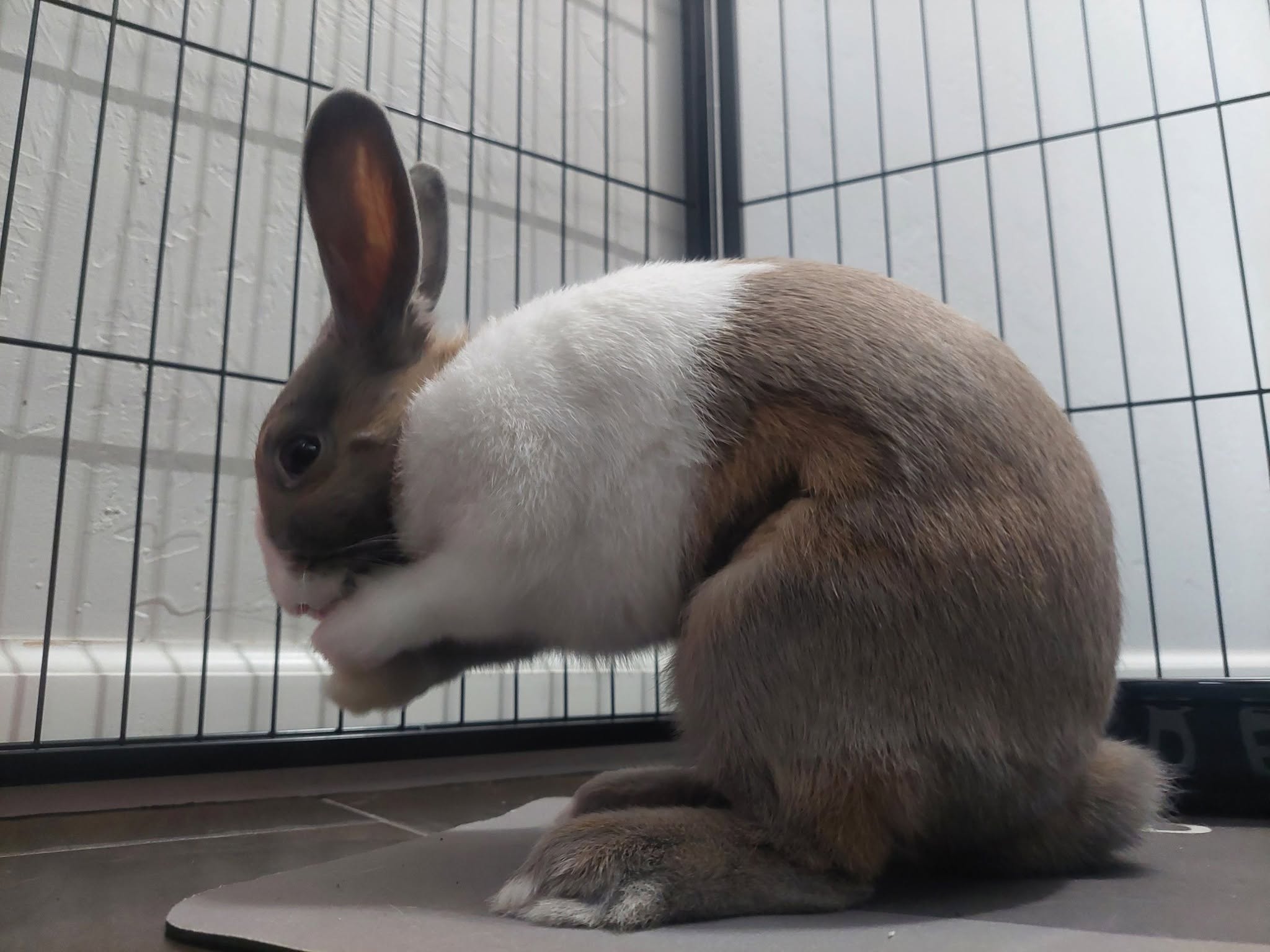
2. The Rabbit — Wrong For Almost All Children
Rabbits are increasingly popular as children’s pets in the UK and almost always a poor match. The biological reality of rabbits is fundamentally different from what UK parents typically imagine.
Why rabbits often fail as first pets for children:
- Hate being picked up — fundamental prey-animal response, never fully trainable
- Can injure themselves when struggling against being held — including spinal fractures
- Need substantial accommodation — far larger than standard pet shop hutches
- Long-lived commitment — 8-12 years, often outlasting child’s interest
- Significant ongoing cost — food, vet, accommodation maintenance
- Require careful diet management — hay-based, complex requirements
- Need bonded pairs — single rabbits suffer welfare problems
- Children under 8 should not handle them at all — risk to both
The child who imagines carrying their rabbit around like a cat ends up with an animal that flees from them, never accepts handling, and requires far more space and cost than the family planned for. The relationship is often deeply disappointing for the child and stressful for the rabbit.
Our article on why rabbits hate being picked up covers this in detail, and our guide on why rabbits are not low maintenance covers the wider commitment picture.
3. The Single Guinea Pig — Wrong On Multiple Counts
Guinea pigs are genuinely better children’s pets than hamsters or rabbits in many ways — they are daytime active, calmer, and more handleable. But the typical UK pet shop sale of a single guinea pig as a child’s pet is wrong on welfare grounds, and the setup most families buy is inadequate.
Why typical guinea pig purchases fail:
- Must live in pairs or groups — solo guinea pigs suffer genuine welfare problems
- Single sale to a family wanting one pet — sets up welfare issues from day one
- Standard pet shop hutch is too small — like rabbits, they need substantially more space
- Need ongoing fresh vegetables daily — vitamin C requirement (they cannot make it themselves)
- Lifespan 5-7 years — longer commitment than parents often realise
- Specific dietary requirements — hay-based, low-pellet, careful management
- Vocal and active — can be too noisy for small flats or close-neighbour homes
- Vulnerable to vitamin C deficiency — common preventable welfare issue
Guinea pigs CAN be good children’s pets — but only as bonded pairs or trios, in proper accommodation, with proper diet. The way they are typically sold to UK families is not that.
4. The Goldfish In A Bowl — Genuinely Cruel
This deserves a mention because it is still depressingly common as a “starter” or “first” pet for children. The standard goldfish-in-a-bowl setup is genuinely harmful to the fish.
Why goldfish bowls fail:
- Goldfish need significantly larger tanks than bowls provide — minimum 75 litres for one fish
- Goldfish need proper filtration — bowls cannot provide adequate water quality
- Goldfish need oxygenated water — bowls provide poor surface area
- Goldfish actually live 10-15+ years with proper care — bowl-kept fish typically die within months
- The “easy” pet message is wrong — proper goldfish care is significant
- Quick deaths teach children that pets are disposable — wrong lesson
A proper aquarium of community fish CAN be an excellent first pet for the right child — but the goldfish bowl version is not it.
The Real Question Most Parents Are Not Asking
After 35 years at the counter, I have come to think that the question UK parents ask — “what is the best first pet for a child?” — is genuinely the wrong question. The right question is — “what is the best first pet for THIS specific child, given who they are and what they want?”
The honest answer depends on several factors most UK parents have not thought through before buying.
- When is the child actually home and awake?
A nocturnal pet for a child in bed by 8pm is a recipe for disappointment. - What does the child want from the relationship?
To watch? To handle? To learn responsibility? To bond? Different pets suit different goals. - How long is the family committed for?
2 years (hamster), 5-7 years (guinea pig), 8-12 years (rabbit), 10-15+ years (some fish, parrots). - How much daily care can the family realistically commit to?
Some pets need daily fresh food, daily handling, daily cleaning. Some don’t. - What is the realistic ongoing budget?
Setup + monthly food + vet costs over the pet’s lifespan. - How much space is available in the home?
Rabbits need significant space. Aquariums need a stable location. Hamsters need bigger cages than most realise. - Is the child old enough to genuinely care for the pet, or will adults be doing it?
The honest answer matters. Most “children’s pets” are actually adults’ pets. - How does the child handle disappointment, frustration, or animal death?
Some pets are short-lived. Younger children may not be ready for that.
The families who think through these questions honestly almost always end up with a different pet from the one they originally walked in to buy. And the resulting relationship is usually far better — for everyone, including the animal.
The Genuinely Best First Pets For UK Children
For UK parents ready to consider options beyond the typical recommendations, here are the pets I most often suggest at the counter — and why each one genuinely works better than the popular alternatives for the right children.
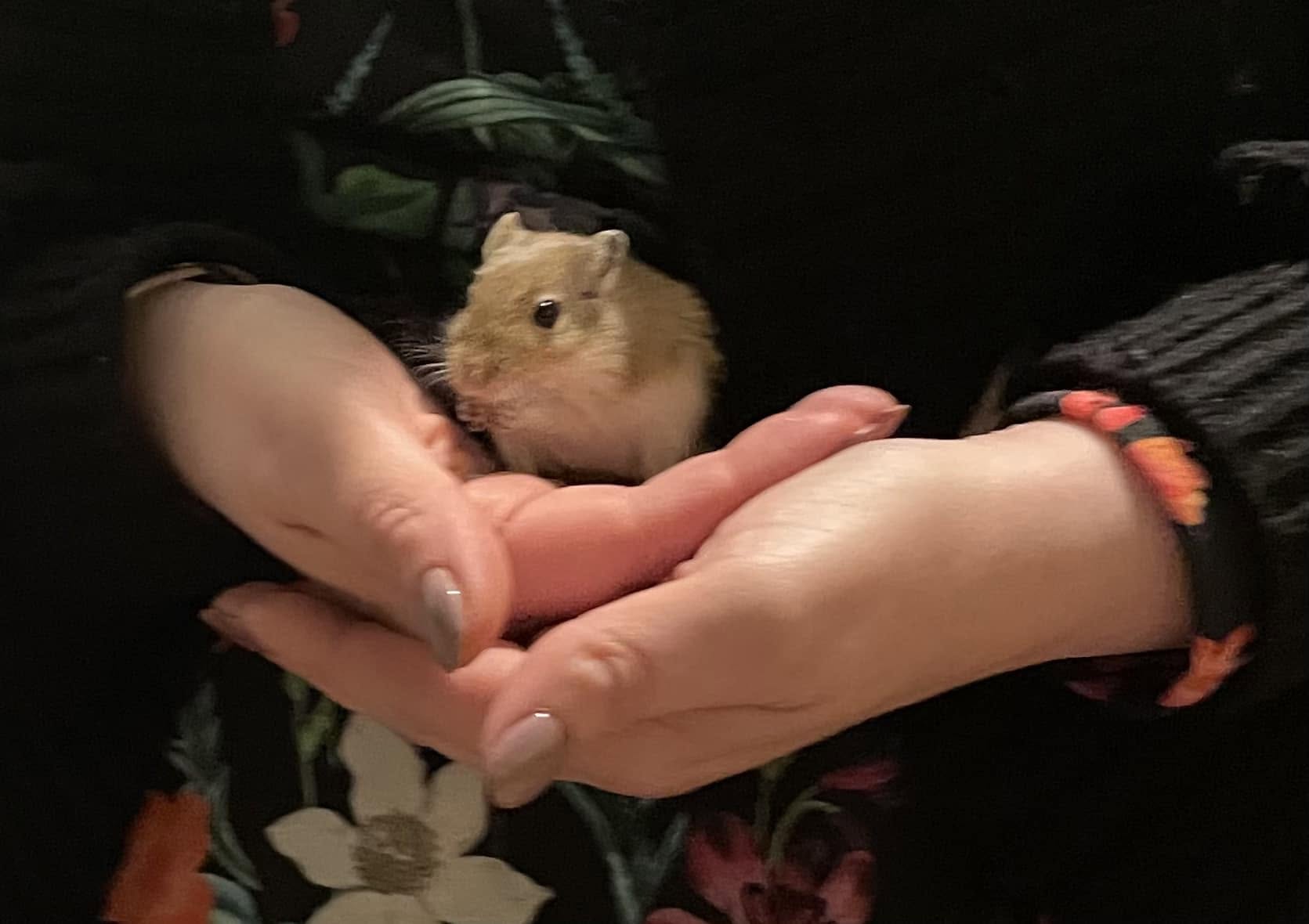
1. A Pair Of Gerbils — My Most Common Recommendation
After 35 years of watching what works, a bonded pair of gerbils is the pet I most often recommend for UK children aged 6+ who want an active, watchable, engaging first pet. The reasons:
- Active during afternoons and evenings — exactly when UK children are home
- Live in social pairs — fascinating to watch interact
- Diurnal-leaning crepuscular schedule — synchronise with family routines
- Tolerate gentle handling — though prefer ground-level interaction
- Almost no smell — desert species, dry waste
- Genuinely interesting natural behaviour — digging, burrowing, building
- Reasonable lifespan — 3-4 years (longer than hamsters)
- Setup cost is moderate — large tank-style enclosure plus deep substrate
The child who chooses watching-and-occasional-handling over constant cuddling gets a far richer experience with gerbils than with hamsters. The social dynamics between bonded gerbils are genuinely engaging — they groom each other, sleep in piles, communicate with each other, and live their lives visibly during family time.
For more on choosing between gerbils and hamsters specifically, our article on gerbil or hamster — the honest answer depends on one thing about you covers this decision in detail.
2. A Community Aquarium — Underrated And Excellent
A properly-set-up small community aquarium (around 60-80 litres) with hardy beginner-friendly fish is genuinely one of the best first pet experiences a UK child can have. Surprisingly underused as a children’s first pet recommendation.
Why community aquariums work brilliantly for children:
- No handling stress for the animals — the watching is the relationship
- Visual engagement is genuinely calming for children
- Teaches genuine responsibility — feeding, water testing, maintenance
- Teaches biological concepts — ecosystems, water chemistry, animal needs
- Multiple animals interacting — rich behaviour to observe
- Long-lived if cared for properly — many fish live 5-10+ years
- No bite risk, no allergy risk — universally safe
- Calming visual presence in family rooms — adds to the home, not detracts
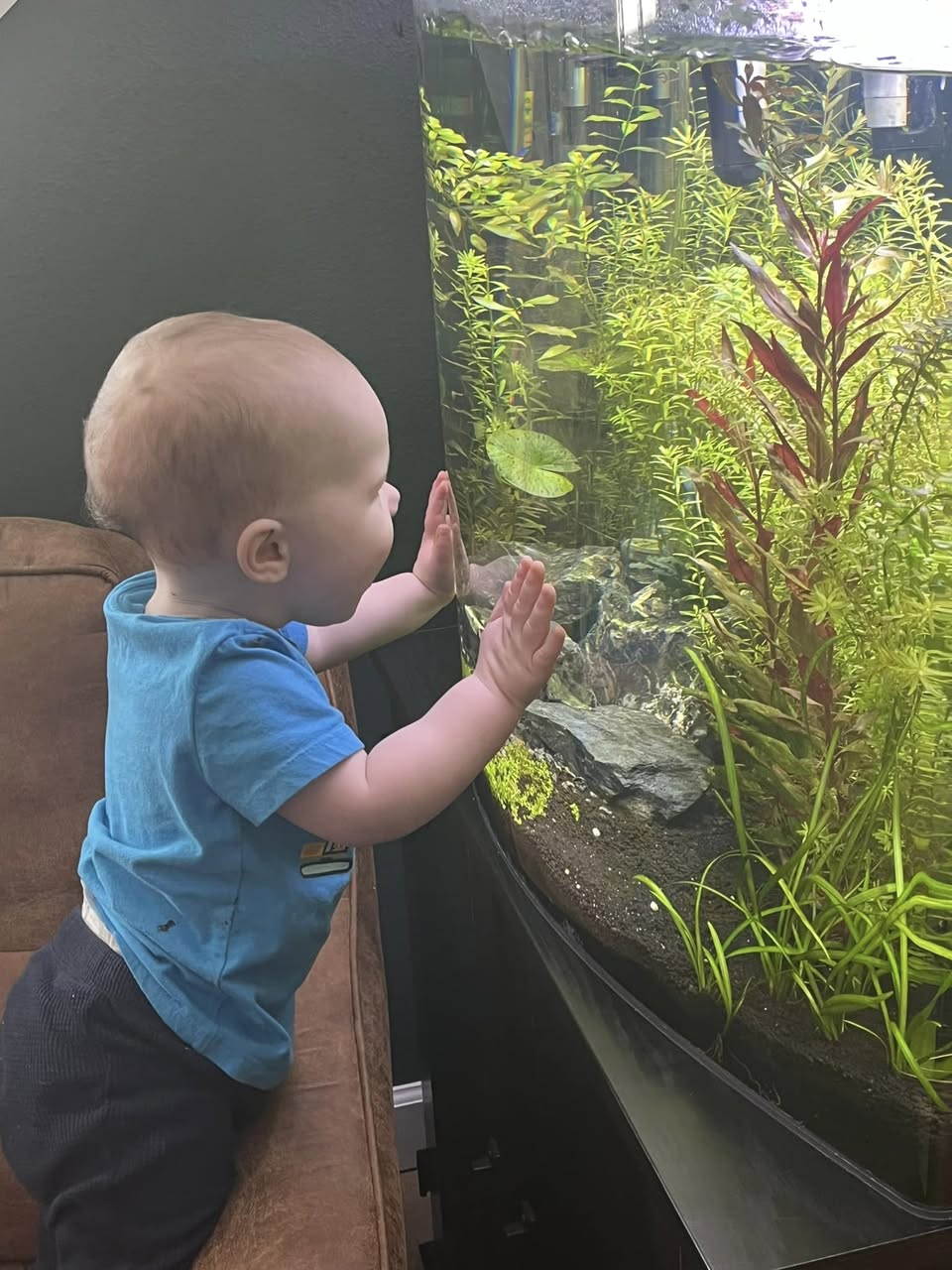
The setup cost is moderate (£100-£200 for a complete proper system) but the ongoing maintenance is genuinely manageable for a family with a 7-12 year old. The child who is drawn to watching, observing, and learning gets a deeply rewarding pet experience.
Hardy beginner-friendly community fish suitable for UK families include guppies, platies, neon tetras, and corydoras catfish, in a tank of appropriate size. Avoid betta fish in small bowls (same issue as goldfish bowls) and avoid fancy goldfish without proper large tanks.
3. A Pair Of Rats — Genuinely Underrated
Pet rats have a public-image problem in the UK that has nothing to do with what they actually are. Properly-bred pet rats are among the most intelligent, social, bondable small mammals available. They are particularly excellent for UK children aged 8+ who want a genuine bonded relationship with a small pet.
Why pet rats work brilliantly for the right children:
- Highly intelligent — learn names, tricks, respond to interaction
- Bond strongly with their humans — deeper than most small mammals
- Active during family time — particularly evenings
- Genuinely enjoy gentle handling — unlike most small mammals
- Must live in pairs — social interaction to watch
- Recognise individual people — develop preferences and relationships
- Litter-trainable — easier than expected
- Can be taught to come when called — interactive engagement
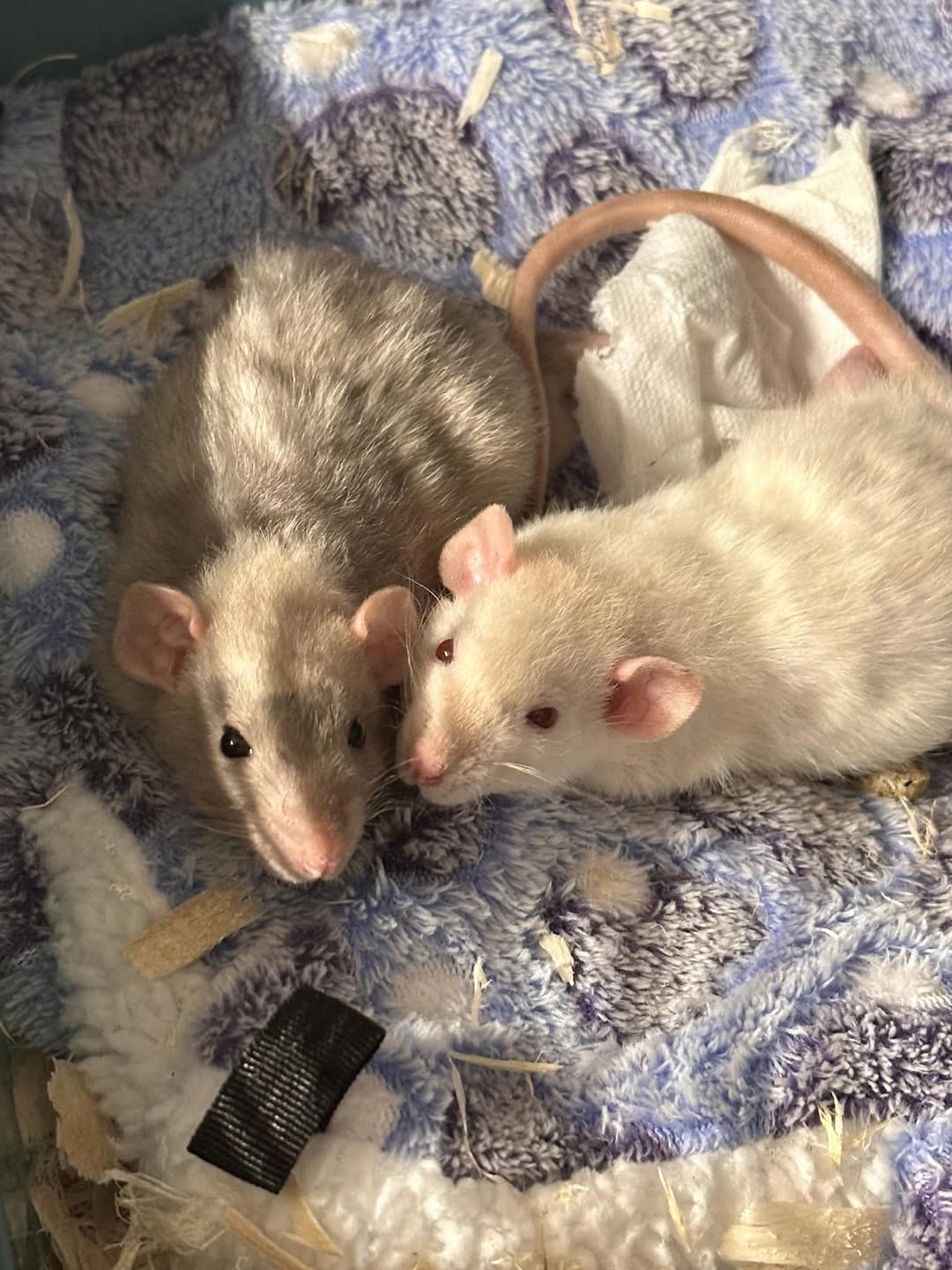
The downsides are honest — shorter lifespan than guinea pigs (2-3 years), need for larger cages than typically sold, and the public image issue (children may face teasing about having “rats”). For the child who can move past the cultural baggage, however, a pair of properly-cared-for pet rats provides one of the most genuine bonded relationships available in small pet keeping.
4. Stick Insects Or Land Snails — The Genuinely Low-Stakes Starter
For UK families who are not sure whether a child is ready for the responsibility of a vertebrate pet, or who want a genuine introduction to keeping animals without the welfare risks of larger pets, stick insects (particularly Indian stick insects) or large land snails (like African land snails, where allowed) are genuinely excellent.
Why these work for the right situations:
- Very low welfare stakes — easy to keep properly
- Educational — teach genuine biology and care concepts
- Inexpensive setup and maintenance
- Fascinating to observe — particularly during feeding and moulting
- Suitable for younger children — minimal handling risk to animal or child
- Good for families uncertain about commitment
- Help children develop observation skills
- Suitable as classroom pets too — well-established educational use
These are not glamorous choices, and the pet trade does not push them. But for UK families with younger children (5-7) or families wanting a genuine low-commitment introduction to pet keeping, they are genuinely excellent options.
5. A Pair Of Budgies — Underused But Excellent
For older UK children (10+) who want a more substantial pet relationship with daytime engagement, a bonded pair of budgies is a genuinely underrated option that works well for families with appropriate commitment.
Why budgies work for older children:
- Active during daytime and evenings — fully engaged during family time
- Vocal and engaging — chatter, mimicry, songs
- Live in social pairs — observable interaction
- Long-lived — 7-10 years with proper care
- Genuinely educational — bird behaviour, communication, intelligence
- Can be tamed for handling — though pair will be less tame than solo
- Family-engaging pet — everyone can interact
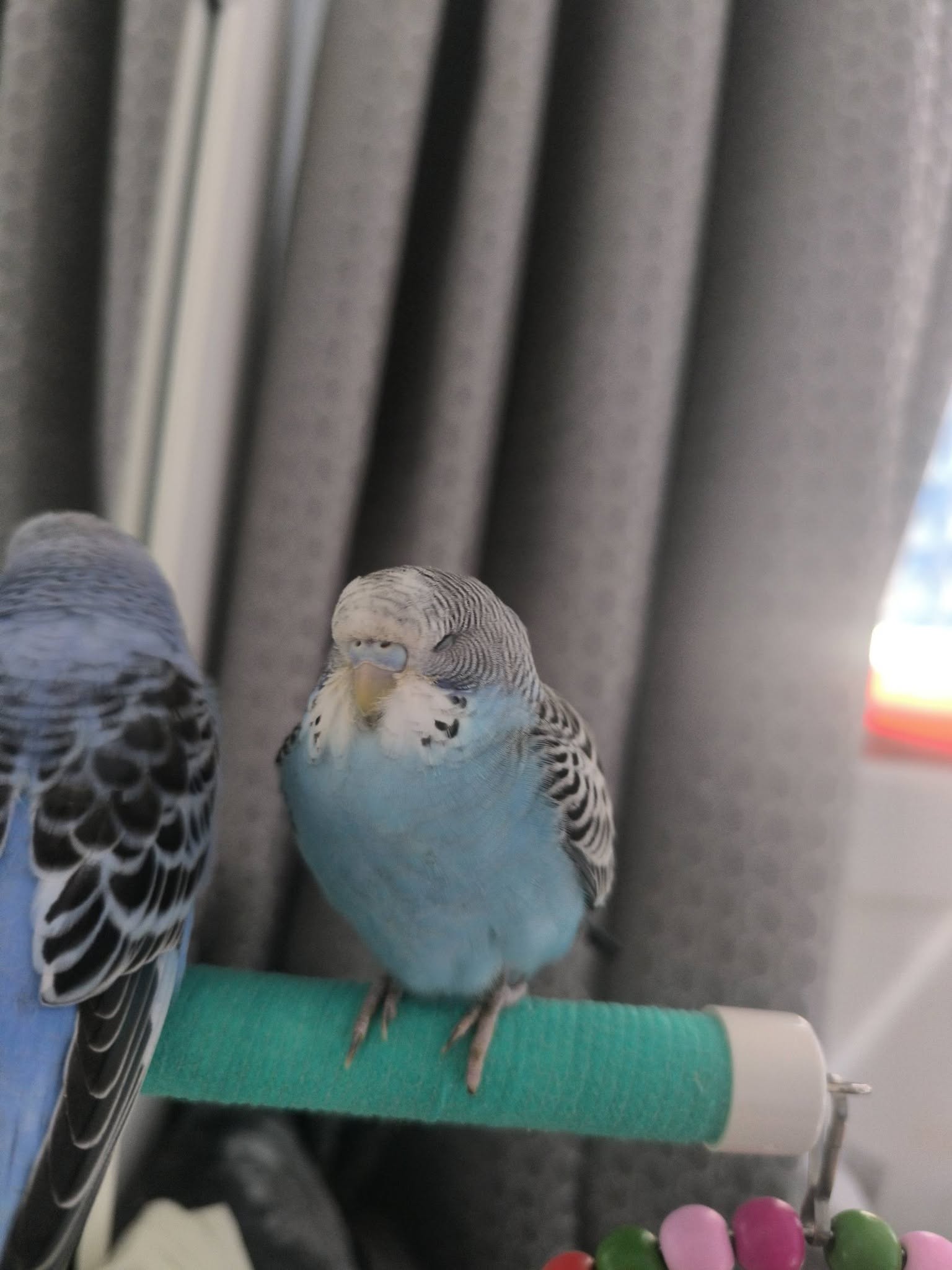
The honest downsides are the longer commitment, the cost of proper setup (good-sized cage matters significantly), and the noise level (budgies can be loud, particularly in pairs). For families with the commitment capacity, however, budgies provide a genuinely rewarding multi-year relationship.
Matching The Right Pet To The Right Child
For UK parents who want practical guidance on which underrated pet might suit their specific child, here is the matching framework I use at the counter.
| Child Type | Best Match | Why |
|---|---|---|
| Younger child (5-7), wants something simple | Stick insects or large land snails | Low welfare stakes, educational, minimal handling risk, suitable starting point |
| Child who loves watching and learning | Community aquarium | Visual engagement, calming, teaches responsibility, multiple animals to observe |
| Active child wanting daytime interaction (6-10) | Pair of gerbils | Active during family time, social pair, tolerant of handling, fascinating behaviour |
| Older child wanting deep bonding (8+) | Pair of pet rats | Intelligent, bondable, recognise individuals, interactive relationship |
| Older child (10+) wanting long-term family pet | Pair of budgies | Daytime active, social pair, longer commitment, family-engaging |
| Family wanting low-commitment trial of pet keeping | Stick insects or community fish | Lower commitment, easier to step away if needed, genuine learning value |
| Child who wants something to handle and cuddle | Honest conversation needed — most small pets are not cuddly | The popular assumption is wrong; reset expectations before choosing |
| Family with significant garden space and commitment | Bonded rabbit pair (with proper setup) | Only with realistic understanding of rabbit needs and welfare requirements |
This is the matching exercise that genuinely transforms first-pet decisions for UK families. Almost no families I have spoken to over the years had thought about pets in these terms before they came in. Most had simply asked “which one is the popular children’s pet?” and accepted the standard answer.
What About The Popular Choices — Can They Ever Work?
To be fair, the popular first-pet recommendations CAN work for the right children in the right circumstances. I do not want to suggest they are never appropriate — just that they are far less frequently appropriate than UK families assume.
When the typical choices CAN work:
- Syrian hamster — for older children (10+) who genuinely stay up later, in households where late-evening interaction is realistic
- Rabbits — for families with significant space, budget, and genuine welfare-informed commitment, with children old enough to respect handling boundaries
- Guinea pig pairs — for families willing to keep them properly in proper accommodation with daily fresh vegetables and pair-bonding
- Community aquariums — for families committed to learning proper aquarium keeping, not goldfish bowl experiences
The key word in every case is “proper.” The popular choices fail when they are bought based on popular assumptions and kept in popular but inadequate ways. They succeed when families understand what those animals genuinely need and are willing to provide it.
Common Mistakes UK Parents Make With First-Pet Choices
For balance, here are the genuine mistakes I see at the counter when UK families are choosing first pets for children. Avoiding these makes the choice significantly more likely to succeed.
- Buying the pet that was popular in the parents’ childhood — welfare standards have evolved
- Letting the child choose impulsively in the shop — emotional decisions rarely work out
- Believing pet shop marketing about “easy” pets — proper care is rarely actually easy
- Ignoring the schedule mismatch issue — nocturnal pets for daytime children
- Underestimating the lifetime commitment — pets often outlast childhood interest
- Buying the cheapest setup — often inadequate for the animal’s needs
- Not having an exit plan for child losing interest — common reality, planning helps
- Confusing “children’s pet” with “pet maintained by adult for children to watch” — most pets become the latter
- Comparing to social media images of children with pets — staged, not representative
- Buying single animals that should live in pairs — guinea pigs, gerbils, rats need company
The single most common mistake I see is families who came in with a fixed idea about what they wanted, refused to consider alternatives, and ended up with a pet that did not match their child’s actual life. The willingness to consider underrated options is the single biggest factor I see separating successful first-pet experiences from disappointing ones.
The Honest Conversation Most UK Pet Shops Will Not Have
This article exists because most UK pet shops will sell families whatever they came in to buy. The conversation about whether the choice is actually right for the specific child rarely happens — particularly in chain pet shops and supermarkets where the focus is on completing the sale, not assessing the match.
At Paradise Pets, I have lost as many first-pet sales as I have made over 35 years because I tell families honestly when I think their planned choice is wrong. Many of those families come back later — sometimes with a different pet, sometimes just to thank me, sometimes with stories of friends whose hamster died at 6 months and asking me to talk to those friends too.
I am not saying every pet shop should operate this way. I understand the commercial pressures. But I am saying that UK families considering first pets for children deserve to hear this conversation somewhere — and if your local pet shop will not have it with you, please read this article and have it with yourselves before you buy.
Frequently Asked Questions
What is the actual best first pet for a child?
There is no single answer — it depends entirely on the child, their schedule, what they want from the relationship, and the family’s commitment capacity. After 35 years, the pets I most often recommend for first-time children’s pet relationships are pairs of gerbils, community aquariums, pairs of pet rats (for older children), stick insects (for younger children or low-commitment situations), and pairs of budgies (for older children with longer commitment). The popular choices — hamsters, rabbits, single guinea pigs — are usually NOT what I recommend, despite being what most families come in asking about.
Why don’t you recommend hamsters for children?
Because they are strictly nocturnal — most active overnight when children are asleep. Most children are home and awake during the afternoon and early evening, when hamsters are sleeping in their burrows. The relationship that develops is usually disappointing for the child, who rarely gets to see the pet awake, and stressful for the hamster, which is often disturbed during natural sleep periods. The schedule mismatch is the fundamental issue, and no amount of patience overrides it.
What about rabbits — they look so cuddly?
Rabbits hate being picked up — it is a fundamental prey-animal response that cannot be trained out. Most UK children imagine rabbits as cuddly pets they can carry around, and the reality is genuinely different. Rabbits can develop wonderful bonds with humans, but on the ground, on their terms, not in arms. Add the substantial accommodation requirements, long lifespan (8-12 years), and significant ongoing cost, and rabbits become a poor first-pet match for most UK families with young children.
Are aquariums really good first pets for children?
Yes, genuinely — for the right child. A properly-set-up small community aquarium provides watching engagement, teaches genuine responsibility (feeding, water testing, maintenance), introduces biological concepts, and has no handling stress for the animal. The setup investment is moderate, ongoing maintenance is manageable, and the experience is calming and educational. For a child who is drawn to observing and learning rather than handling and cuddling, an aquarium is one of the most underrated first-pet experiences available.
Are pet rats really good for children?
Yes, for older children (8+) who can move past the cultural image issue. Pet rats are among the most intelligent, social, and bondable small mammals available. They learn names, respond to interaction, develop preferences for individual humans, and form genuine bonds. The downsides are honest — shorter lifespan than guinea pigs (2-3 years), the public image issue, and the need for larger cages. For the right child, however, the relationship is genuinely one of the best small-pet experiences possible.
What if my child has their heart set on a specific pet that’s wrong?
Have the honest conversation with them, share the reasons gently, and offer alternatives. Most children, when they understand WHY a different pet might suit them better, are surprisingly open to considering alternatives. The disappointment of being “told no” is usually short-lived; the disappointment of an unsatisfying long-term pet experience is much longer. Bring the child to a shop where you can see different species, ask questions, and let them learn about alternatives.
Where can I get honest first-pet advice in Swindon?
Come and see us at Paradise Pets, Manor Garden Centre, Cheney Manor, Swindon SN2 2QJ. We will give you the honest matching conversation about your specific child and what genuinely suits them — even if that means recommending a different pet from what you walked in to buy. Free advice based on 35 years of seeing what works. Ring us on 01793 512400.
One Last Thing From Me
“What’s the best first pet for my child?” is one of the most common questions I get from UK families at the counter, and one I am always genuinely glad to answer — though my answer is usually different from what the parents were expecting to hear. The honest answer, after 35 years of watching first-pet relationships unfold, is — the best first pet for a UK child is almost never the popular one. The pets that genuinely work — pairs of gerbils, community aquariums, pet rat pairs, stick insects, budgie pairs — are usually the underrated ones the pet trade does not push as hard. The willingness to consider these alternatives is what separates the families who end up with successful first-pet experiences from the families who end up disappointed.
The family with Ollie that Sunday afternoon? Eighteen months in, those two gerbils named Hazel and Rocket are still thriving. Ollie checks on them every afternoon when he gets home from school. He watches them dig, build, and interact with each other for hours. He helps clean their tank weekly. He has learned more about animal behaviour from observing them than he would have learned from any book. The relationship is genuine, age-appropriate, and rewarding for everyone — including the gerbils, who get the right amount of interaction and the right amount of being left alone.
That is what I want for every UK family making a first-pet decision for a child. Not the popular pet that disappoints. Not the impulse buy that ends in tears. The right match between the specific child and a pet whose actual needs and schedule match the child’s life. After 35 years at the counter, I have come to see this matching conversation as one of the most important things any UK pet shop can offer.
If you are reading this with a child who wants a first pet, please consider the questions in this article honestly before you decide. Ask the schedule question. Ask what your child actually wants from the relationship. Be open to the underrated alternatives. Talk to someone who will have the honest conversation with you — even if that conversation means a different pet from the one you planned.
If you are in Swindon, please come and have that conversation with us. We will give you the same honest advice I would give my own family. The decision is too important — for your child, for your family, and for the animal you bring home — to make based on what everyone else seems to be buying.
Choosing A First Pet For A Child? Come And Have The Honest Conversation
We will give you the matching conversation about your specific child and household — including the honest opinion of whether your planned choice is right. Free advice, no obligation, even if it means recommending a different pet from what you walked in for. That is how we have done things since 1988.