

Neil has kept, bred, and sold budgies at Paradise Pets Swindon since 1988 — over 35 years of first-hand experience with these birds. In that time, he has watched countless worried owners notice their budgie yawning and wonder if something is wrong. This is his honest, practical guide on what yawning actually means in a budgie — and when it matters.
A young woman came into the shop one afternoon, properly concerned. “Neil,” she said, “I keep noticing my budgie yawning. Multiple times a day. I had no idea birds even yawned. Is she ill? Is something stuck in her throat? Should I be worried?”
I smiled, because it is one of the most common worried-owner questions I get, and the answer is usually reassuring. The honest truth is this — yes, budgies do yawn, and most of the time it is completely normal behaviour that owners simply have not noticed before. But occasionally, yawning can indicate something that needs attention.
The skill is knowing which is which. After 35 years of watching budgies, I can usually tell within a minute whether a yawning budgie is doing something perfectly normal or whether the behaviour is a sign of a problem. The pattern, the frequency, and what else the bird is doing all give clues.
This article is the conversation I have at the counter, written down for every UK budgie owner watching their bird yawn and wondering whether to worry. By the end of it, you will know what normal yawning looks like, when it might indicate something else, and exactly what to do.
Yes — Budgies Do Yawn, And It Is Usually Normal
Let me start with the proper reassurance first, then explain the details. Yes, budgies yawn. They do it for many of the same reasons we do — to stretch, to reset, to adjust the muscles around the head and throat, and occasionally just because they feel like it.
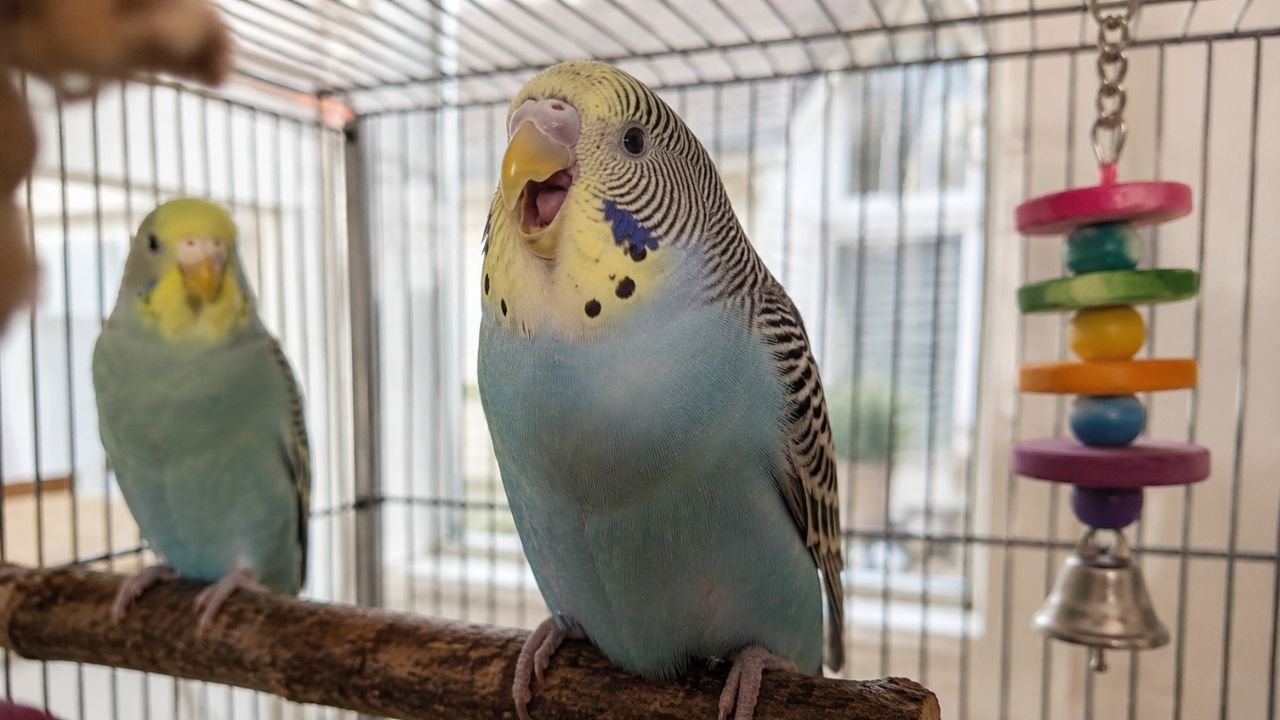
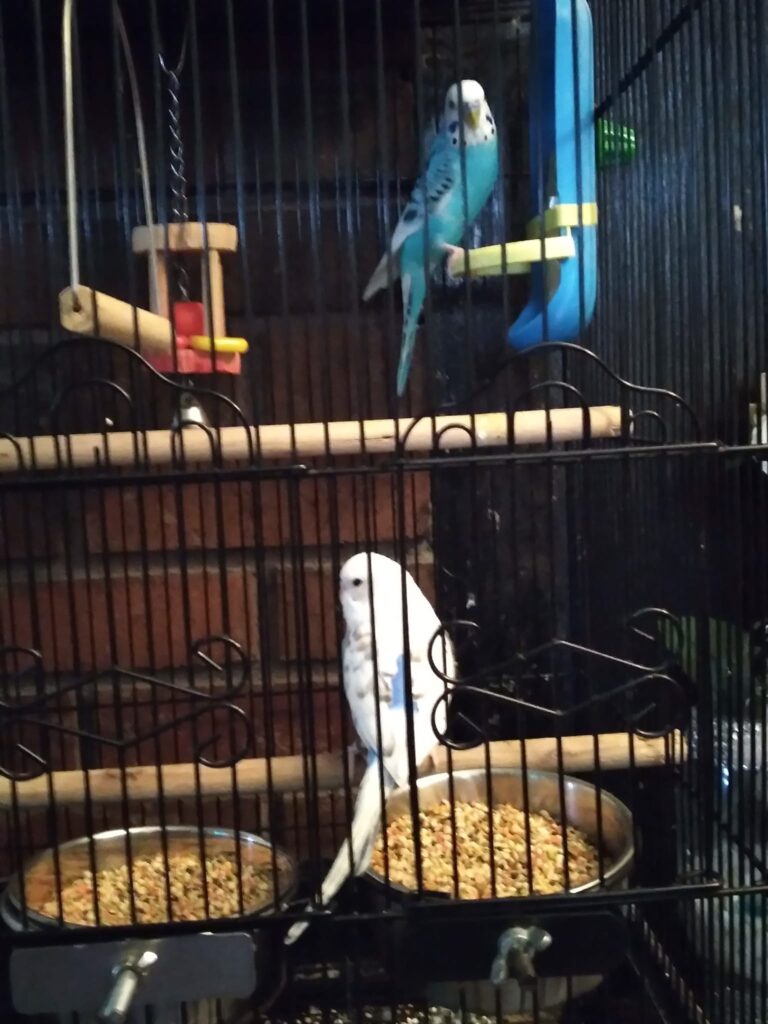
The yawn itself looks slightly different from a human yawn. A budgie opens its beak wide, sometimes stretches its neck, and often closes its eyes briefly. The whole thing usually lasts only a second or two. You may also see it combined with a stretch — wing extended, leg extended, head tilted — like the bird is doing a small full-body wake-up routine.
This is completely normal. A healthy budgie may yawn several times a day, particularly after waking, before settling, or after eating. Most owners simply have not noticed it before, and once they spot it for the first time, they suddenly start noticing it all the time. That does not mean the bird has started yawning more — it means you have started looking.
The 6 Main Reasons Budgies Yawn
After 35 years of watching budgies, I can identify the main reasons they yawn pretty quickly. Most of these are completely normal. A couple are worth knowing about. Let me walk you through each.
Reason 1: Stretching And Adjusting — The Most Common Cause By Far
This is the cause I see most often, and it is the most reassuring. A budgie yawns to stretch the muscles around its beak, throat, and head. Just like we yawn after sitting still for a while, or first thing in the morning, budgies use yawning as part of their natural stretching routine.
You will see this most often:
- First thing in the morning, when you uncover the cage
- After a daytime nap
- When the bird is transitioning between activities
- After eating, as it resets the jaw muscles
- Combined with a full body stretch — wing and leg extended
- Before settling for the night
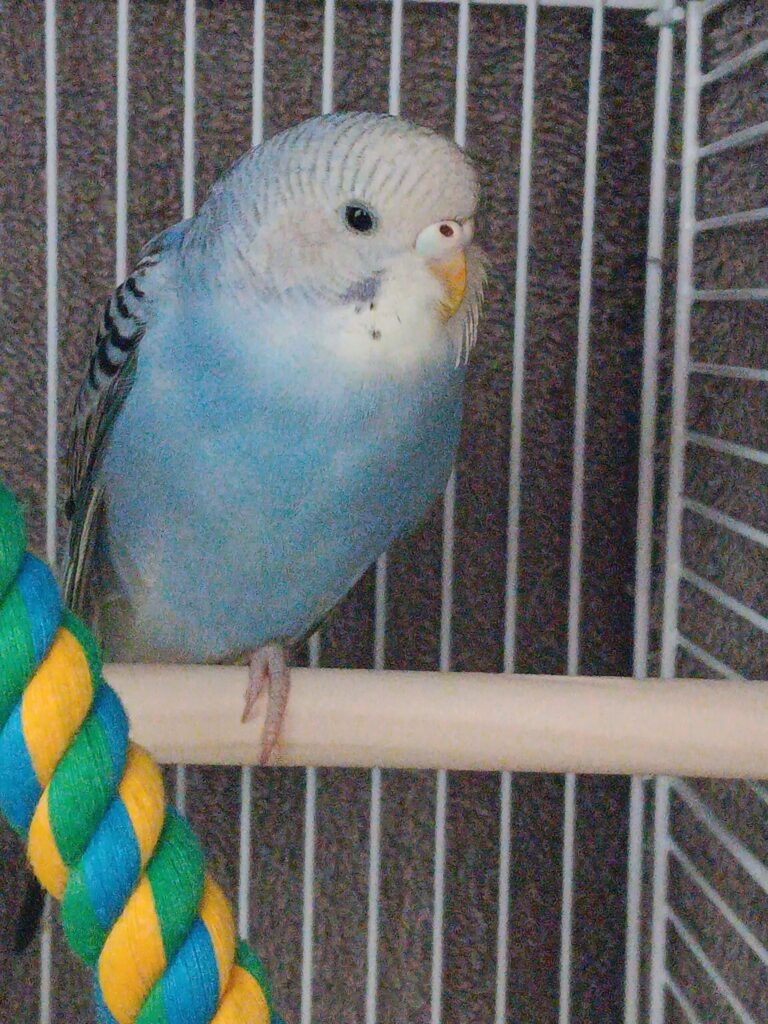
This kind of yawning is completely normal and a sign of a healthy, content bird. The yawn is brief, the bird looks relaxed throughout, and it goes straight back to normal behaviour afterwards. Nothing to worry about at all.
Reason 2: Adjusting The Crop After Eating
The crop is the small pouch in a budgie’s throat where food is stored before digestion. After eating, particularly after a big meal, you will sometimes see a budgie yawn or stretch its neck to adjust the food in the crop. This is normal behaviour and helps the food move down properly.
Signs this is the cause: the yawning happens after a feeding session, the bird may also do small head shakes or neck stretches, and once the food settles the yawning stops. The bird is otherwise behaving completely normally.
This is genuinely just budgie digestion at work. Nothing to be concerned about.
Reason 3: Communication And Contentment
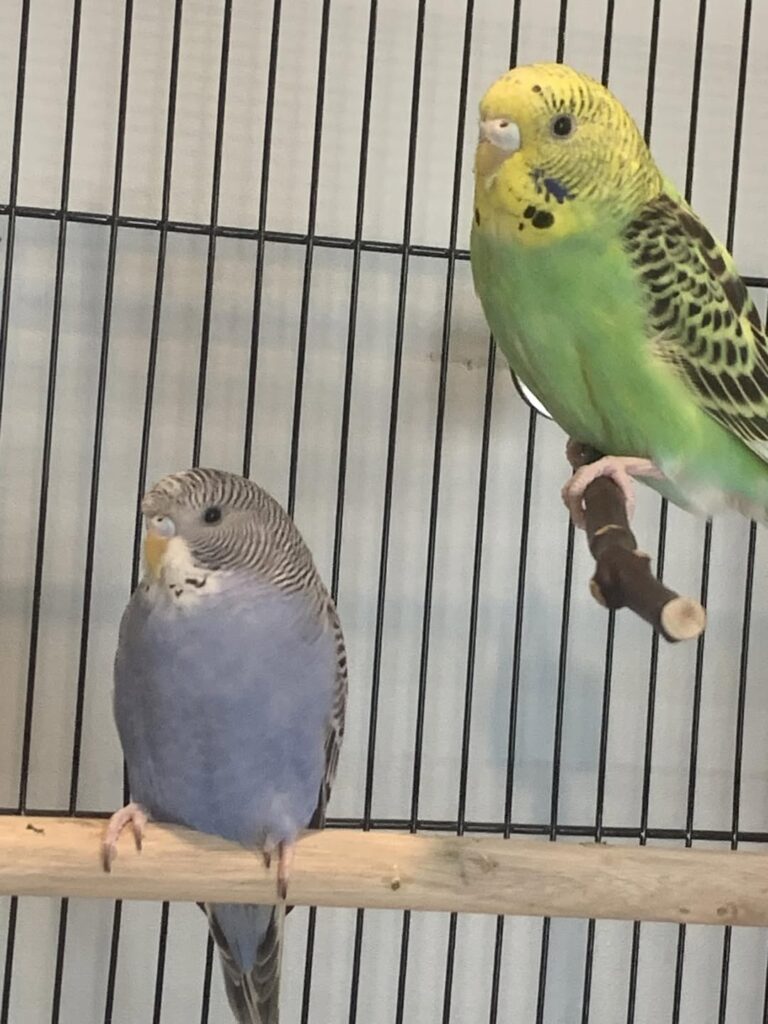
Believe it or not, yawning in budgies can also be a form of social communication. Budgies are flock birds, and some of their behaviours are contagious within a group — including yawning, just like in humans. A relaxed, content budgie in a calm environment may yawn occasionally as part of its natural communication patterns.
You may notice your budgie yawning when you yawn, particularly if you have a close bond. This is a sign of a relaxed bird that is paying attention to you and feels safe enough to mirror your behaviour. Some owners find this delightful, and rightly so.
This is positive content, not a sign of any problem. A bird comfortable enough to yawn in a relaxed way is a bird doing well.
Reason 4: Mild Crop Or Throat Irritation
This is where we move into causes that might warrant a bit more attention. Sometimes a budgie yawns repeatedly because something is mildly irritating the throat or crop. This is not always serious, but it is worth paying attention to.
Possible mild causes include:
- A seed husk or small piece of food stuck briefly in the throat
- Dust from dusty seed or bedding causing mild irritation
- Minor inflammation from environmental irritants (aerosols, smoke, dry air)
- A small amount of mucus the bird is trying to clear
- A reaction to a recent dietary change
Signs this is the cause: the yawning is more frequent than usual but the bird is otherwise well, eating normally, active and alert. The behaviour usually resolves within a day or so. Watch closely but do not panic.
What to do
Check the environment first. Is the seed dusty? Are you using any aerosols or candles nearby? Is the air dry from central heating? Address any obvious causes and watch for improvement. Increase humidity slightly if the air is very dry, and offer bathing opportunities. If the yawning persists more than a couple of days or other signs develop, see an avian vet.
Reason 5: Respiratory Issues — The Cause To Watch For
This is the cause that genuinely matters and the reason I am writing this article carefully. Repeated, effortful yawning in a budgie can sometimes indicate a respiratory problem. Birds with respiratory infections sometimes yawn frequently as a way of trying to clear their airways or compensate for breathing difficulty.
Respiratory issues in budgies can come from infections (bacterial, viral, fungal), exposure to fumes or toxins, dust, mites in the airways, or other illness. They are genuinely serious — birds have small, sensitive respiratory systems and conditions can deteriorate quickly.
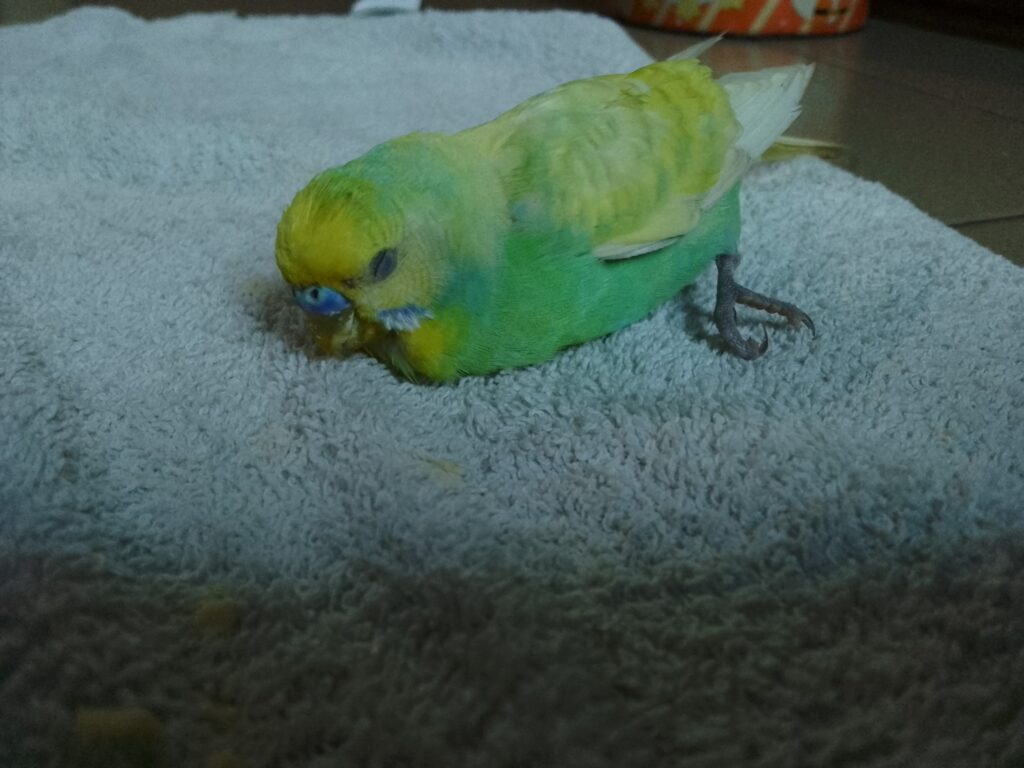
- Tail bobbing with each breath — a clear sign of respiratory effort
- Wheezing, clicking, or any audible breathing sounds
- Open-mouth breathing at rest
- Nasal discharge or wetness around the nostrils
- Sneezing combined with the yawning
- Fluffed-up appearance for sustained periods
- Loss of appetite or reduced activity
- Sitting at the bottom of the cage
What to do
See an avian vet promptly. Respiratory problems in budgies can become serious quickly, and early treatment makes an enormous difference to the outcome. Do not wait to see if it gets better on its own — by the time symptoms are obvious, the condition has often been developing for a while.
For more on these symptoms, our guide on budgie sneezing covers the broader respiratory picture every UK owner should know.
Reason 6: Heat Stress Or Discomfort
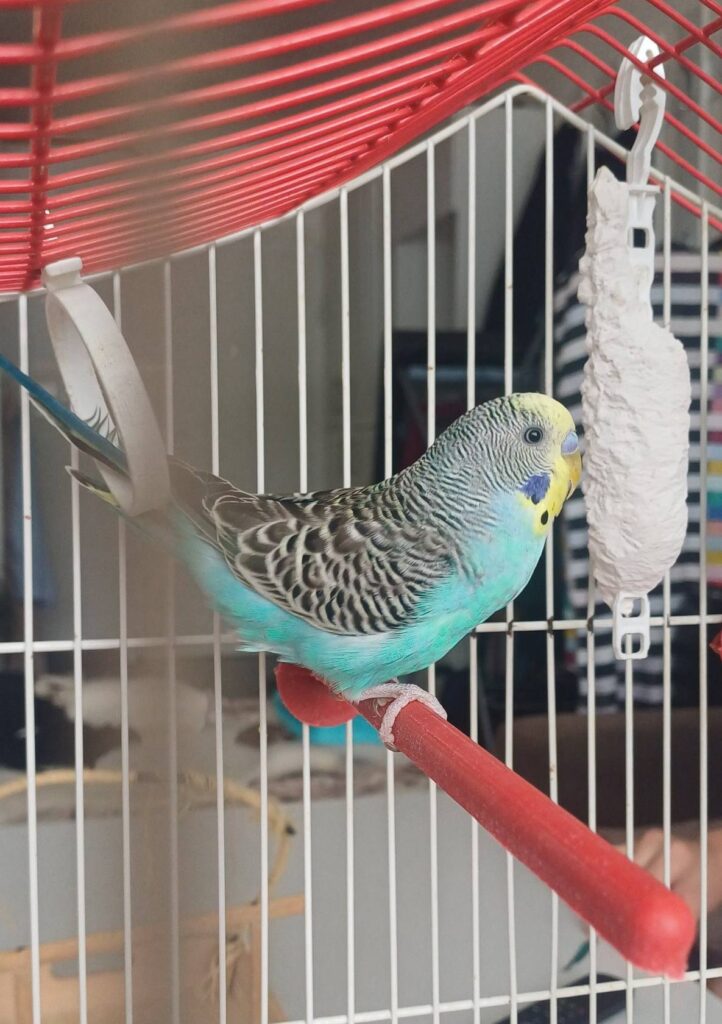
This is a less common cause but worth knowing about, particularly during hot UK summers or in centrally-heated rooms. Budgies that are too warm sometimes pant or yawn as a way of trying to cool down. They do not sweat the way mammals do, so panting and respiratory adjustments are how they regulate temperature.
Signs heat is the cause: the room is warm, the bird is holding its wings slightly away from its body, panting, and possibly drinking more water than usual. The yawning often comes with open-beak breathing.
What to do
Cool the bird down gently. Move the cage to a cooler room or away from direct sunlight. Offer fresh cool water. Do not put a fan blowing directly on the bird, and never use ice or cold water — both can shock a small bird. Once the temperature drops, the yawning and panting should stop within minutes.
How To Tell Normal Yawning From A Problem
This is the practical skill that matters, so let me lay it out clearly. The same bird can yawn for completely innocent reasons or as a warning sign — the difference is in the context.
| Sign | Likely Normal | Likely Concerning |
|---|---|---|
| Frequency | Occasional throughout day | Repeated, persistent |
| Effort | Easy, brief, relaxed | Effortful, prolonged |
| Timing | After waking, eating, before settling | Constant regardless of activity |
| Breathing | Quiet and normal between yawns | Audible sounds, tail bobbing |
| Other behaviour | Active, alert, normal | Lethargic, fluffed up, withdrawn |
| Appetite | Eating normally | Reduced or refusing food |
| Nostrils | Clean and dry | Discharge or wetness |
The honest rule of thumb — if your budgie is yawning occasionally but otherwise behaving completely normally, you almost certainly have a healthy bird. If the yawning is combined with anything from the right-hand column, take it seriously and see a vet.
What I Check When A Yawning Budgie Comes Into The Shop
When an owner brings in or rings about a yawning budgie, I work through a quick mental checklist. Here is what I ask, and what the answers tell me.
- How often is it yawning?
A few times a day = probably normal. Many times per hour = worth investigating. - Is the breathing normal between yawns?
Quiet and easy = reassuring. Wheezing, clicking, or tail bobbing = respiratory concern. - Is the bird otherwise healthy?
Eating well, active, bright-eyed = healthy bird. Fluffed up, quiet, withdrawn = concerning. - What does the environment look like?
Dusty seed, aerosols, candles, smoke nearby? Could be irritation. - What is the temperature like?
Hot room or direct sun? Could be heat stress. - Are the nostrils clean?
Any discharge or wetness? Sign of respiratory issue. - Has anything changed recently?
New cage location, new food, new household products, new bird in the home?
Five minutes of these questions usually identifies whether this is a normal healthy yawning bird or one that needs a vet. Most are completely fine.
What To Do If Your Budgie Is Yawning A Lot
For owners who are watching their budgie yawn and wondering what to do, here is the practical approach I recommend.
- Watch the bird for 24-48 hours — see if the yawning is consistent or settles down
- Check the environment — dusty bedding, aerosols, candles, central heating dryness
- Look for accompanying signs — breathing changes, appetite, energy, droppings
- Improve air quality — remove dust sources, no aerosols near the cage, increase humidity if dry
- Make sure the bird has bathing opportunities — helps respiratory health
- Offer fresh clean water — important for hydration and throat health
- Note when the yawning happens — pattern helps identify the cause
- If anything else is wrong, see an avian vet promptly
For a healthy, well bird with normal yawning, no special action is needed. For yawning combined with any other concern, do not wait and hope it resolves — get to a vet. Birds hide illness well, and acting early always produces better outcomes.
How To Prevent Respiratory Problems Behind Yawning
Most respiratory-related yawning issues are preventable with good husbandry. Here is what I tell every UK budgie owner.
- Use dust-extracted bedding and seed — reduces airborne particles
- No aerosols, candles, or smoke near the bird — extraordinarily important
- Keep the cage away from kitchen fumes — particularly non-stick cookware
- Maintain good humidity in winter — UK central heating dries the air significantly
- Provide bathing opportunities — helps respiratory and feather health
- Ensure good ventilation without draughts — fresh air matters
- Feed a proper varied diet — strong immune system resists infection
- Quarantine new birds — prevents spreading respiratory issues
- Watch your bird daily — catching small changes early makes a huge difference
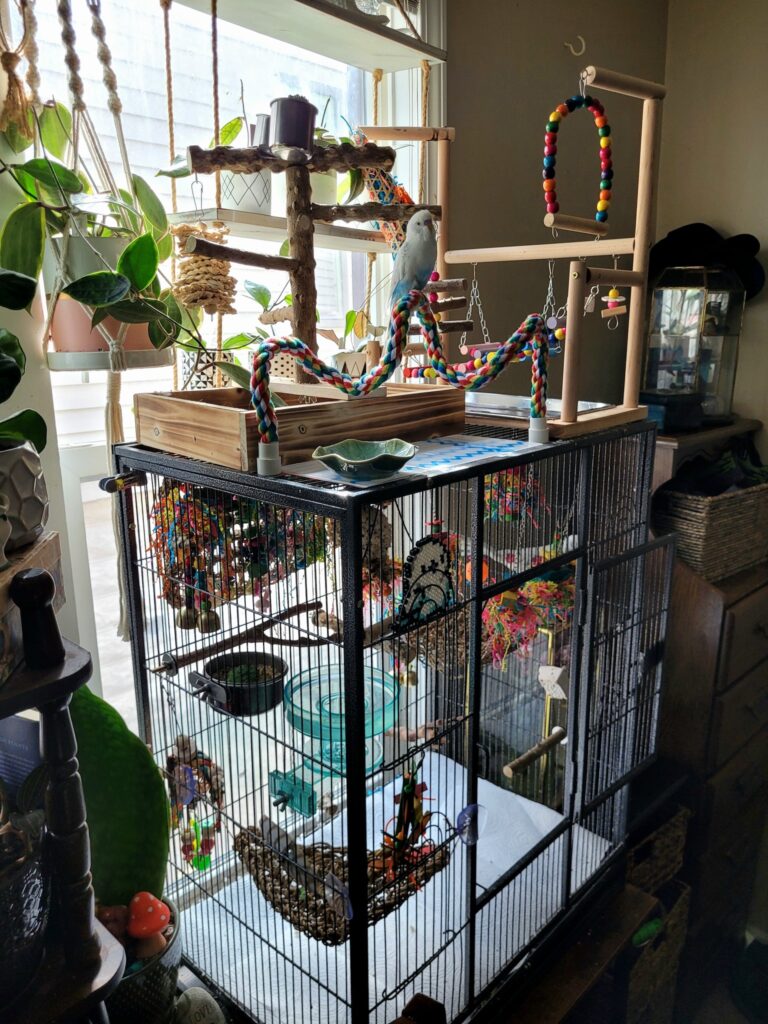
Get these things right and most respiratory issues never develop in the first place. A bird in a clean, well-ventilated, toxin-free environment with a good diet rarely develops the conditions that cause concerning yawning patterns.
Frequently Asked Questions
Is it normal for budgies to yawn?
Yes, completely normal. Budgies yawn for many of the same reasons we do — to stretch, reset, adjust the crop after eating, communicate, and occasionally just because. A healthy budgie may yawn several times a day. The yawn is brief, the bird looks relaxed, and it goes back to normal behaviour straight after.
Why does my budgie keep yawning?
Occasional yawning throughout the day is normal stretching and reset behaviour. Persistent or repeated yawning could be mild throat irritation from dust, environmental irritants, dry air, or — more seriously — a respiratory issue. Watch the bird for accompanying signs like breathing changes, fluffed feathers, or appetite changes, and see a vet if any are present.
Can budgies catch yawns from people?
Yes, sometimes. Budgies are social flock birds that mirror behaviour, and many owners notice their bird yawning when they do. This is a sign of a relaxed, bonded bird that feels safe with you. It is a positive behaviour, not a sign of a problem.
When should I worry about my budgie yawning?
Worry when the yawning is repeated and effortful, combined with breathing changes (wheezing, clicking, tail bobbing), nasal discharge, fluffed-up appearance, reduced appetite, or any other signs of illness. Yawning alone in an otherwise healthy bird is rarely a problem. Yawning with these accompanying signs needs a vet promptly.
Could my budgie be yawning because of dust?
Yes, this is one of the more common causes of increased yawning. Dust from cheap seed, low-quality bedding, or a dusty room can mildly irritate a budgie’s airways. Switch to dust-extracted seed and bedding, improve ventilation, and the yawning should settle within a few days.
Does heat make budgies yawn?
It can. Budgies that are too warm sometimes pant or yawn to help cool down — they do not sweat like mammals. If the room is hot and the bird is also holding its wings away from its body, drinking more, or panting, heat stress is likely. Cool the room gently and offer fresh water.
Where can I get honest budgie advice in Swindon?
Come and see us at Paradise Pets, Manor Garden Centre, Cheney Manor, Swindon SN2 2QJ. Or give us a ring on 01793 512400. The advice is free and we have been doing this for 35 years.
One Last Thing From Me
“Why is my budgie yawning so much?” is the question. The honest answer, after 35 years of selling these birds, is — most of the time, your budgie is doing something perfectly normal that you have only just noticed. Occasionally, it is a sign of something to address. The skill is knowing the difference.
The young woman I mentioned at the start of this article? When we worked through her bird’s behaviour, the answer became clear quickly. The yawning was happening a few times a day, the bird was bright and active, eating well, and the breathing was completely normal. She had simply noticed for the first time something her budgie had been doing all along. We talked about what to watch for if anything changed, and she went home reassured.
That is the outcome you want — a confident owner who knows what to watch for and when to worry. Most yawning budgies are healthy budgies. A few need attention. The honest answer is being able to tell which is which, and that is what 35 years of watching these birds has taught me.
If you are reading this watching your budgie yawn, take a moment to observe the broader picture. Is the bird active, eating, behaving normally otherwise? Then almost certainly nothing is wrong, and you are just noticing what your bird has always done. If something else is off, take it seriously and see a vet. And if you are local and unsure, come and see us. We will take a proper look and tell you honestly what we think.
Worried About Your Yawning Budgie? Come And See Me
Bring the bird, bring a video, or just bring your questions. I will take a proper look and tell you honestly what I think. Free advice, no obligation. That is how we have done things for 35 years.