
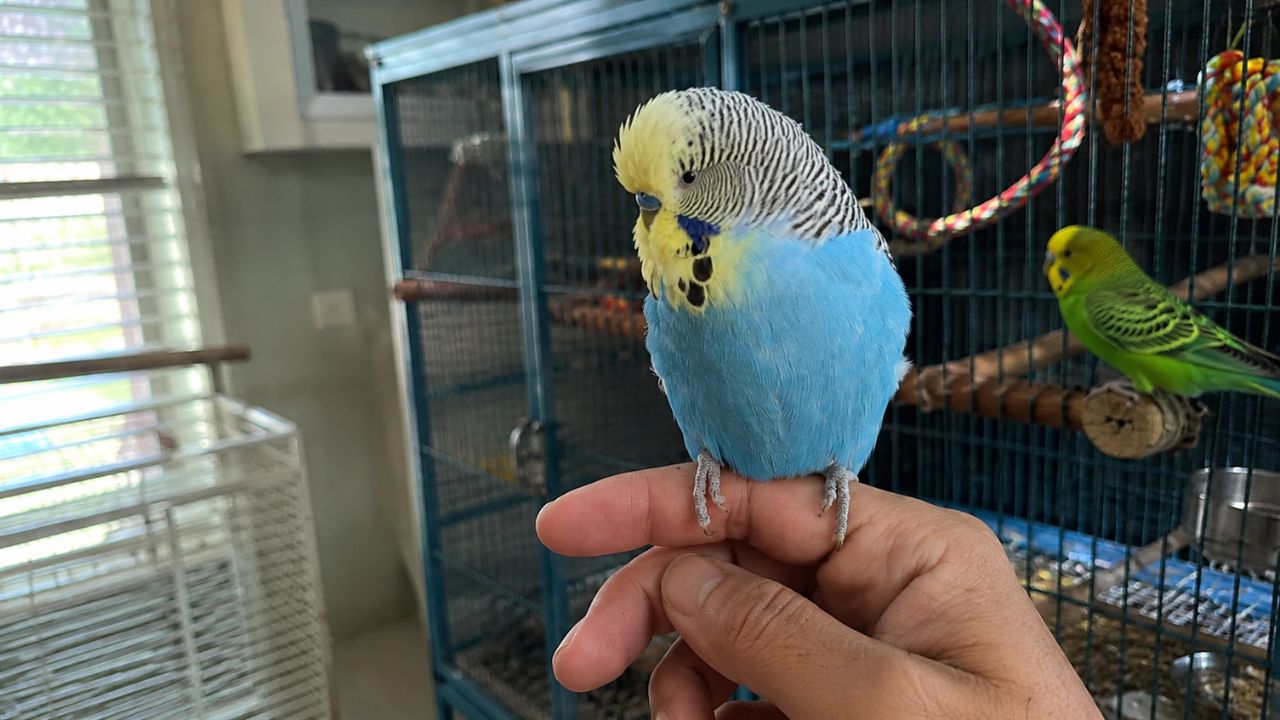

Neil has kept, bred, and sold cage and aviary birds at Paradise Pets Swindon since 1988 — over 35 years of first-hand experience with budgerigars, cockatiels, canaries, finches, and many other species. He has watched thousands of people buy their first bird. This article is everything he wishes every UK owner knew before they walked out of the shop with one.
A woman came back into the shop a few months after buying her first budgie, looking a little overwhelmed. “Neil,” she said, “I love him, I really do. But there’s so much I didn’t know. The mess, the noise in the morning, how long it took him to trust me, the fact that I can’t use my non-stick pans anymore. I wish someone had told me all this before I bought him.”
I hear a version of that conversation regularly, and it always stays with me — because she was not complaining about the bird. She loved the bird. She was simply caught off guard by all the things nobody had told her before she bought it.
That conversation is the reason I wanted to write this article. Because in 35 years of selling birds, I have learned that the people who struggle are rarely the ones who got a “difficult” bird. They are the ones who went in with the wrong expectations — who were sold the dream of a pretty, easy, low-maintenance pet, and were not told the honest realities.
This article is everything I wish every UK bird owner knew before they bought. It is not meant to put you off — birds are wonderful pets, and I have spent my whole life with them. It is meant to make sure that when you do get a bird, you get one with your eyes open, ready for the realities as well as the joys. Because the owners who know what they are getting into are the ones who keep their birds happily for years.
1. They Are Messier Than You Expect
Let me start with the one that catches almost everyone off guard. Birds are messy. Genuinely, surprisingly messy — far more than most people anticipate when they picture a small bird in a cage.
A budgie or any seed-eating bird scatters seed husks everywhere. They flick them out of the bowl, they drop them through the cage bars, they spread them across the floor around the cage. You will be sweeping or hoovering around the cage daily. Feathers, dropped food, bits of shredded toys, and droppings all add to the picture.
Then there is the “feather dust” — a fine powder that birds, particularly cockatiels, produce naturally from their feathers. It settles on surfaces around the cage and can be an issue for people with allergies or asthma.
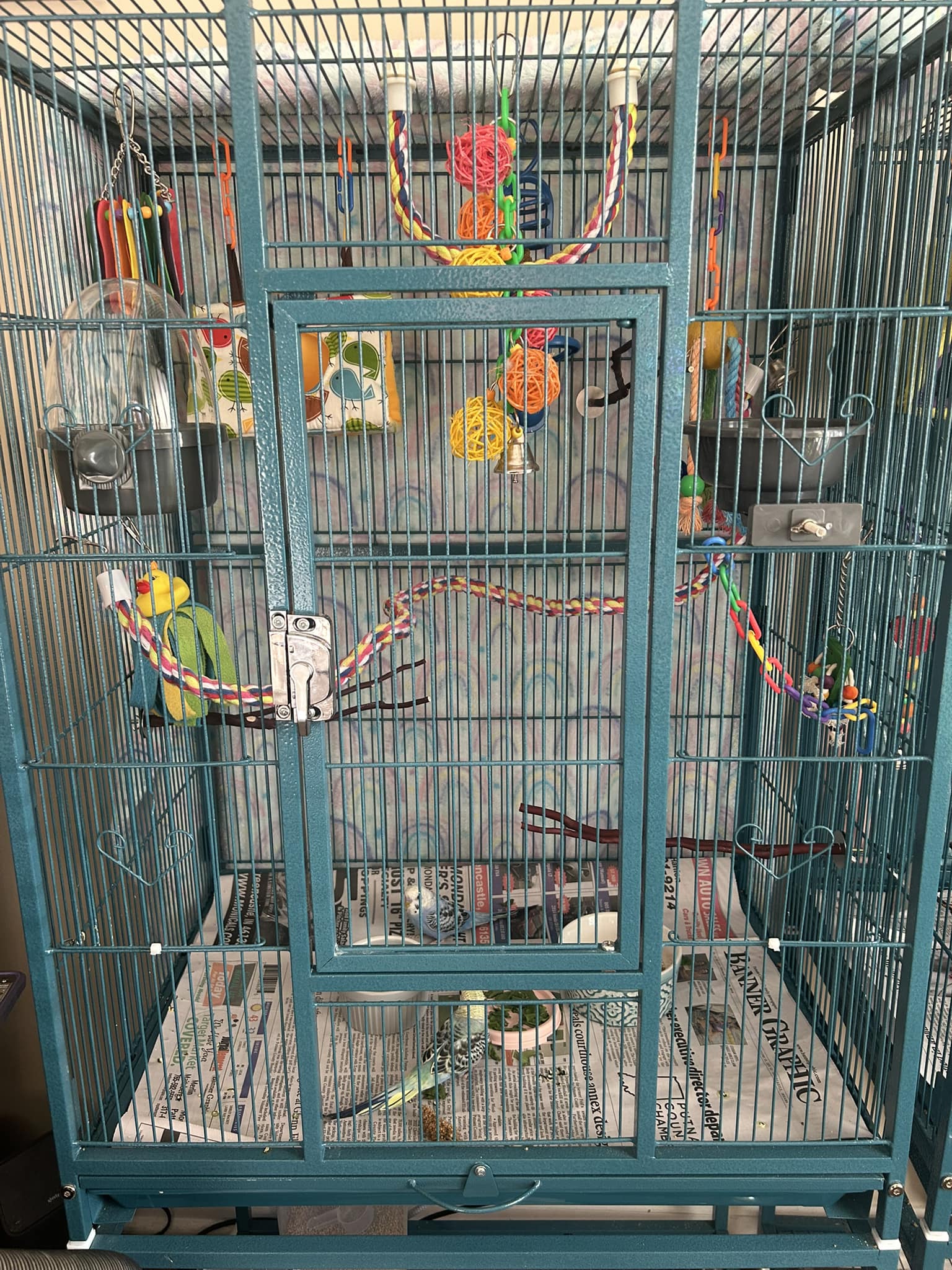
- Seed husks scattered daily around and beyond the cage
- Droppings on cage floor, perches, and anything below the cage
- Feather dust settling on nearby surfaces
- Shredded toys, paper, and food debris
- Splashes from water bowls and bathing
- The need to clean daily and deep-clean weekly
None of this makes birds bad pets — but you need to be ready for it. The owners who struggle are the ones who expected a tidy, low-mess pet. The ones who are prepared simply build cleaning into their routine and think nothing of it.
2. The Morning Noise Is Real
This is the one that causes the most friction in UK households, particularly in flats and shared homes. Birds are loud in the morning. It is hardwired — in the wild, birds call at dawn to greet the day and locate their flock, and your pet bird carries that same instinct.
What this means in practice is that your bird will often start vocalising at first light, which in a UK summer can be very early indeed — sometimes before 5am. For someone who values their morning lie-in, or who has thin walls and sensitive neighbours, this can be a genuine problem.
The volume varies by species — finches are gentle, canaries sing pleasantly, budgies are moderate, and cockatiels and lovebirds can be properly loud. But all of them make morning noise to some degree, and nobody tends to mention this before the sale.
What helps
Covering the cage at night delays the dawn chorus somewhat. Positioning the cage away from bedrooms and shared walls helps. Choosing a quieter species (finches, canary) if noise is a real concern. But the honest truth is that some morning noise is part of bird ownership, and you need to be able to live with it.
3. Taming Takes Far Longer Than People Expect
This is one of the biggest sources of disappointment I see, particularly with children. People imagine they will bring a bird home and it will be sitting on their finger within days. The reality is very different.
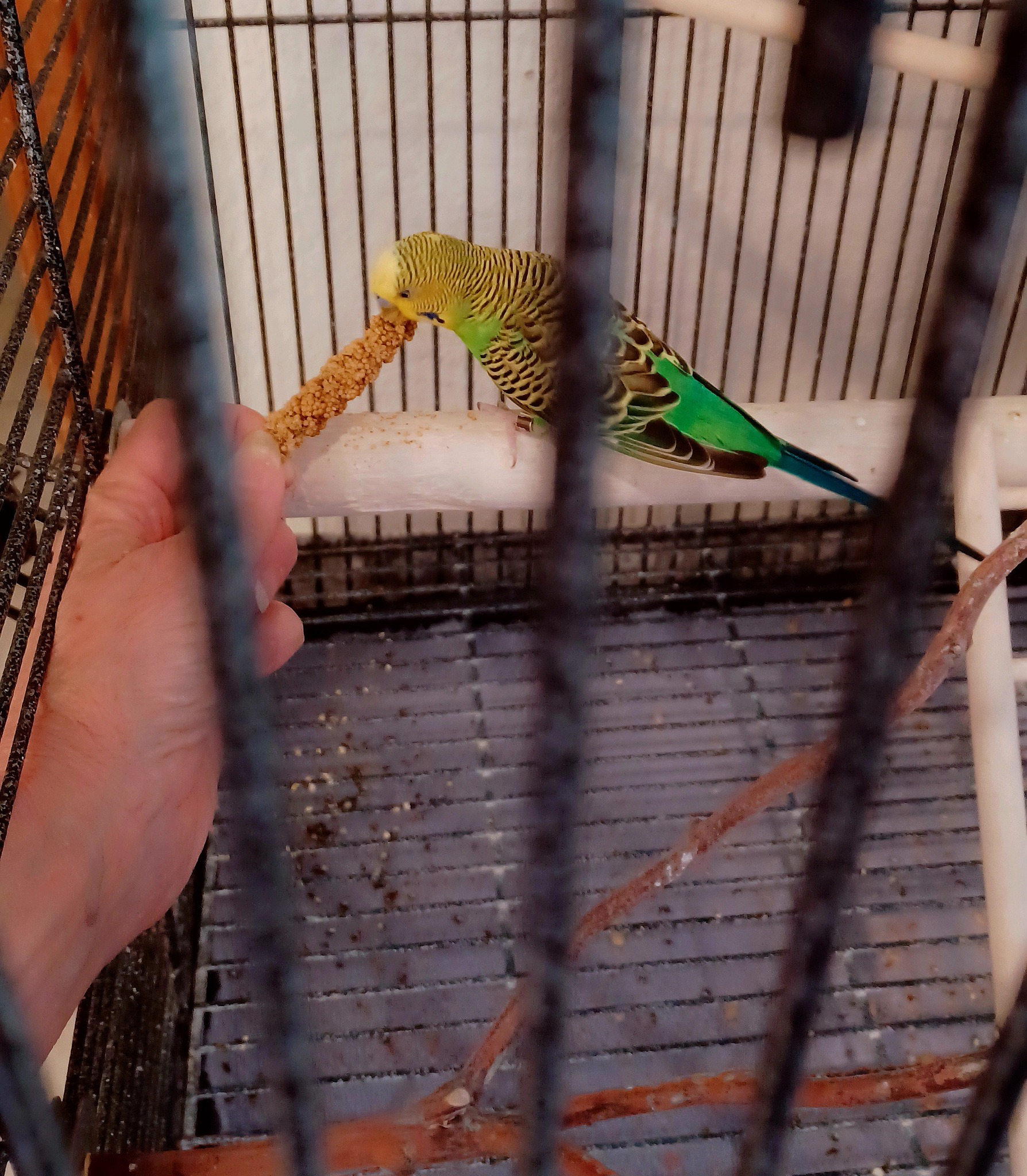
A young, hand-reared bird from a good source will bond faster — but even then, building genuine trust takes weeks, sometimes months. A bird that has not been hand-reared can take much longer, and some never become fully tame at all. The process cannot be rushed. Push too fast, and you frighten the bird and set the relationship back.
The birds that bond best are bought young, from a reputable source, and given patient, consistent, daily interaction over weeks. The owners who succeed are the ones who understand this is a slow process and enjoy the journey rather than expecting instant results.
4. They Live Longer Than You Think
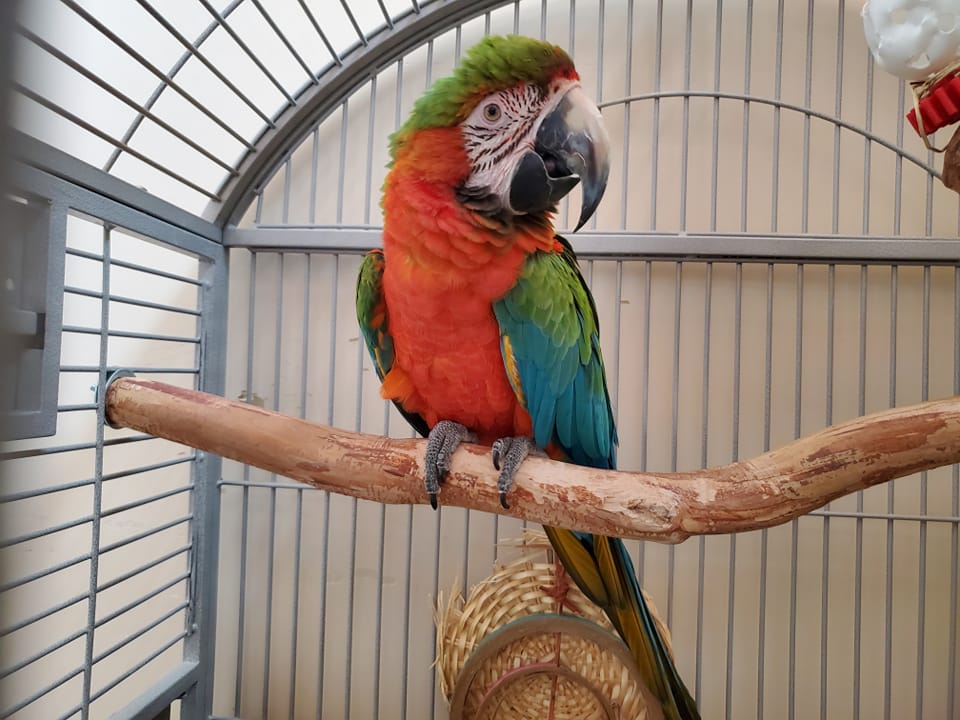
This catches many people out, and it is genuinely important. Pet birds are not short-term commitments. A budgie lives 8 to 12 years. A cockatiel lives 15 to 20 years. Even a “small” bird is a commitment measured in many years, and the bigger parrots can outlive you.
People often buy a bird without thinking about where they will be in a decade. Children grow up and leave home. Life circumstances change — house moves, relationships, jobs, health. A bird bought for an eight-year-old may still be alive when that child is in their twenties.
This is why I always talk about lifespan before someone buys. It is not to put them off — it is to make sure they are genuinely ready for the length of commitment. For more on this, our honest guide to pet bird lifespans covers exactly how long each species lives.
5. Your Kitchen Can Kill Them
This is the one that genuinely shocks people, and it is one of the most important things nobody mentions. Birds have extraordinarily sensitive respiratory systems, and a number of completely ordinary household items can kill them — sometimes within minutes.
The biggest danger is non-stick cookware. When overheated, non-stick pans (and other PTFE-coated items like some ovens, grills, and even hairdryers and ironing board covers) release fumes that are invisible and odourless to us but rapidly fatal to birds. I have heard heartbreaking stories of birds dying because someone left a non-stick pan heating on the hob in the next room.

- Non-stick cookware (PTFE/Teflon) — overheated fumes are rapidly fatal. The single biggest household danger.
- Aerosol sprays — air fresheners, deodorants, cleaning sprays, polish
- Scented candles, wax melts, incense — toxic fumes for avian lungs
- Cigarette and vape smoke — harmful both acutely and over time
- Self-cleaning ovens — release PTFE fumes during the cleaning cycle
- Plug-in air fresheners — constant low-level exposure
- Toxic foods — avocado, chocolate, caffeine, alcohol
Owning a bird means changing some of your household habits. No non-stick cookware (or keeping the bird completely separate from the kitchen), no aerosols or candles near the bird, no smoking indoors. Nobody mentions this at the point of sale, but it is genuinely a matter of life and death.
6. Vet Care Is Specialised And Can Be Expensive
Here is another reality that catches people out. Not every vet treats birds, and avian veterinary care is a specialist field. The general practice down the road that treats your dog or cat may not be equipped or experienced to treat a sick bird properly.
This means two things. First, you need to find an avian-savvy vet before you need one — ideally before you even buy the bird. Second, avian veterinary care can be expensive, particularly for the larger or rarer species, and emergency out-of-hours care more so.
Birds also hide illness until they are very unwell, which means that by the time you notice a problem, it is often urgent. Being prepared — knowing where your nearest avian vet is, and having some financial provision for veterinary costs — is part of responsible bird ownership that rarely gets mentioned before the sale.
7. A Bird In A Cage All Day Is Not Enough
Many people imagine that a bird lives its life in a cage, and that as long as it has food, water, and a perch, it is content. This is one of the most damaging misconceptions in bird keeping.
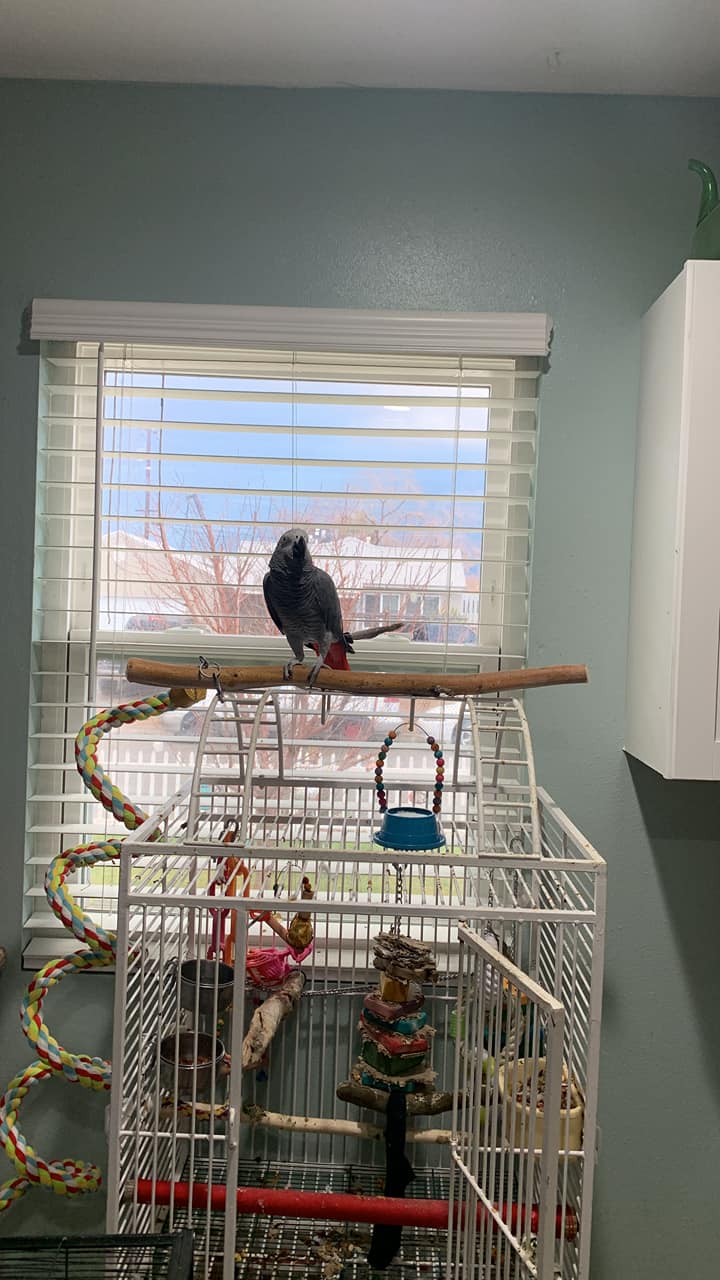
Birds are intelligent, active, social creatures. A bird confined to a cage with nothing to do, no interaction, and no time outside the cage will become bored, stressed, and unhealthy. Boredom leads to behavioural problems — feather plucking, screaming, repetitive behaviours — and a genuinely poor quality of life.
A pet bird needs daily out-of-cage time (in a bird-proofed room), genuine interaction, mental stimulation through toys and foraging, and for social species, appropriate companionship. The cage is the bird’s home base, not its entire world. Owners who understand this have happy, healthy birds. Those who treat the cage as a permanent enclosure end up with miserable ones.
- Out-of-cage time — daily, in a safe bird-proofed space
- Genuine interaction — talking, handling, attention from you
- Mental stimulation — toys, foraging, things to do, rotated regularly
- Proper diet — varied, not seed-only
- Companionship for social species — many birds suffer alone
- Proper rest — 10 to 12 hours of darkness for sleep
- A clean, safe environment — free from the household dangers above
8. The Cheap Cage Is Usually The Wrong Cage
This is a practical one that costs people money in the long run. The cages sold cheaply as “starter cages” for budgies and small birds are very often far too small. A bird needs room to move, stretch its wings, and ideally fly a little — and the cramped little cages on sale in many places simply do not provide that.
People buy the cheap cage, find the bird is unhappy and cramped, and end up buying a proper cage anyway — having wasted money on the first one. It is genuinely cheaper, and far kinder to the bird, to buy a proper-sized cage from the start.
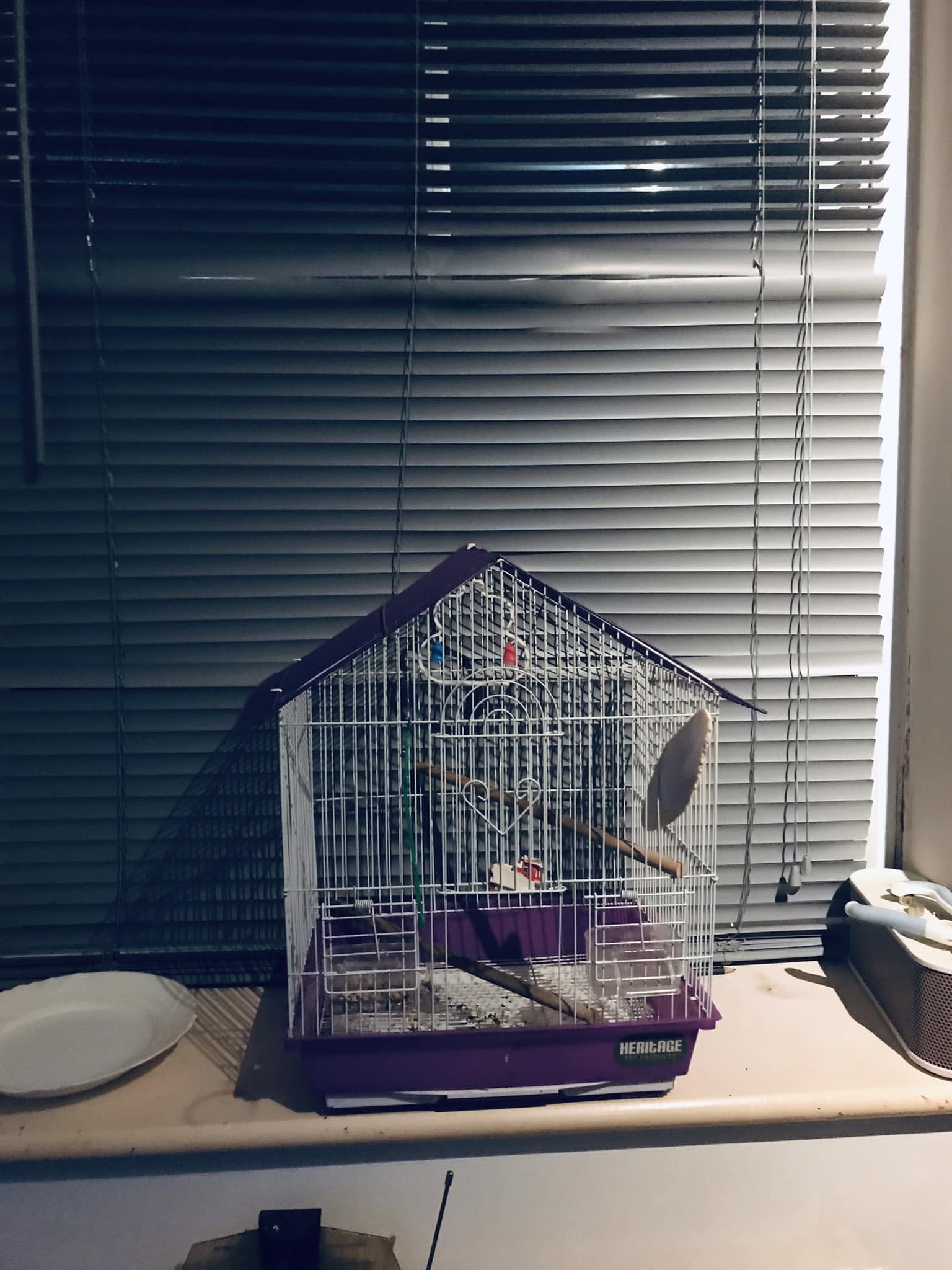
The general rule is to buy the largest cage you can accommodate and afford, prioritising width over height (most birds fly horizontally), with appropriate bar spacing for the species. Spending properly on the cage at the start is one of the best investments you can make in your bird’s wellbeing.
9. Birds Are More Emotionally Complex Than People Realise
This one surprises people, but it matters enormously. Birds — particularly the parrot family, including budgies, cockatiels, and lovebirds — are emotionally complex, intelligent creatures with genuine feelings, moods, and needs.
They form real bonds, and they grieve when those bonds are broken. They can become depressed, anxious, or stressed. They notice changes in their environment and their humans. They can develop behavioural problems rooted in emotional distress, just as a dog or a person might. A bird is not an ornament or a decoration — it is a thinking, feeling creature.
Understanding this changes how you keep a bird. It means paying attention to its emotional wellbeing, not just its physical needs. It means recognising that a sudden behaviour change might be emotional rather than physical. And it means appreciating that the bond you build is a genuine relationship with a creature capable of real attachment.
10. They Are Genuinely Rewarding — If You Are Prepared
After all those honest realities, let me end this section on the most important point of all. Despite everything I have just told you — the mess, the noise, the commitment, the household changes, the care — birds are genuinely wonderful pets, and I would not have spent my whole life with them otherwise.
The realities I have described are not reasons not to get a bird. They are simply the honest picture that nobody tends to share at the point of sale. And here is the key insight from 35 years of doing this — the owners who know these realities going in are the ones who have the happiest birds and the most rewarding relationships.
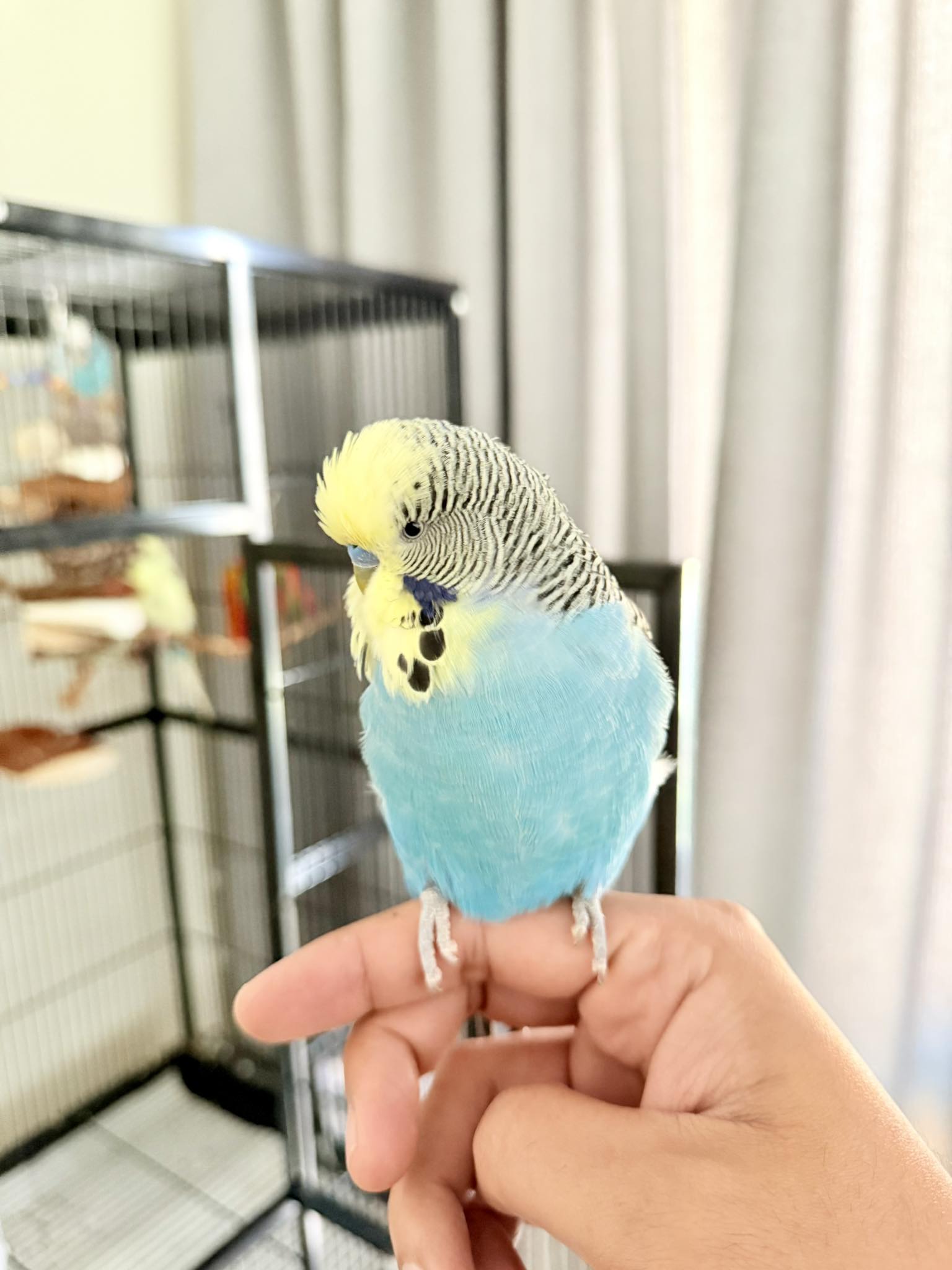
A well-kept, well-understood pet bird brings years of joy. The whistling budgie that greets you when you come home. The cockatiel that learns your favourite tune. The canary that fills your home with song. The little personality that becomes part of the household. These are real, lasting rewards — and they are entirely available to the owner who goes in with open eyes.
The Questions To Ask Yourself Before Buying
If you are thinking about a pet bird, here are the honest questions I would encourage you to work through first. Answering these properly is the best way to make sure you and your bird will be happy together.
- Are you prepared for the mess and daily cleaning?
Birds are messier than people expect. Be honest about whether this fits your life. - Can you (and your neighbours) tolerate the noise?
Particularly morning noise. Crucial for flats and shared homes. - Are you ready for the length of commitment?
8 to 20 years depending on species. Where will you be in a decade? - Will you change your household habits?
No non-stick fumes, no aerosols, no candles near the bird. Non-negotiable. - Have you found an avian vet, and can you afford care?
Specialist care, can be expensive. Find one before you need one. - Can you give daily time and out-of-cage interaction?
A bird in a cage all day is not enough. It needs you. - Are you prepared to be patient with taming?
Weeks or months, not days. Especially important with children. - Are you getting the right bird for your circumstances?
The right match matters more than the prettiest bird.
If you can answer these honestly and you are still keen, then a bird is very likely a brilliant choice for you. If some of them give you pause, it is worth thinking a bit longer — or talking it through with someone who knows birds before you commit.
What I Wish Every First-Time Buyer Knew
After 35 years, if I could sit down with every person before they bought their first bird, here is the short version of what I would tell them.
- Buy the right bird for your life, not the prettiest one in the shop
- Buy young and from a reputable source — it makes taming far easier
- Spend properly on a good-sized cage from the start
- Feed a proper varied diet from day one, not just seed
- Bird-proof your home and habits — especially the kitchen
- Find an avian vet before you need one
- Be patient with bonding — let the bird come to you
- Give daily time and interaction — the bird needs you, not just a cage
- Understand the commitment — these are years-long relationships
- Enjoy it — a well-kept bird is a genuine joy
Frequently Asked Questions
What should I know before buying a pet bird in the UK?
The main things nobody tells you: birds are messier and noisier than expected, taming takes weeks not days, they live longer than people think (8 to 20+ years), your kitchen can kill them (non-stick fumes), they need daily out-of-cage time and interaction, and avian vet care is specialist and can be costly. Knowing these realities upfront makes for a much happier owner and bird.
Are pet birds high maintenance?
More than most people expect, but not unmanageably so. They need daily cleaning, fresh food and water, out-of-cage time, interaction, and a household free from toxins like non-stick fumes and aerosols. They are not “set and forget” pets like some people imagine. But for owners who build this into their routine, the care becomes second nature.
Why can’t I use non-stick pans if I have a bird?
Overheated non-stick cookware (PTFE/Teflon) releases fumes that are invisible and odourless to humans but rapidly fatal to birds — sometimes within minutes. This is one of the most important and least-known dangers of bird ownership. If you keep birds, you must either stop using non-stick cookware or keep the bird completely separate from any kitchen fumes.
How long does it take to tame a pet bird?
Far longer than most people expect. A young, hand-reared bird may begin to bond within a couple of weeks, but building genuine trust takes weeks to months of patient, consistent interaction. Birds that were not hand-reared take longer, and some never become fully tame. The process cannot be rushed — patience is essential.
Do pet birds get lonely?
Yes, particularly social species. Many birds suffer genuine distress when kept alone without enough interaction or companionship. Social species like finches must be kept in groups. Budgies and others bond closely with humans but need either plenty of your time or a companion bird. A lonely, under-stimulated bird develops behavioural and health problems.
Is it worth getting a pet bird despite all this?
Absolutely, if you go in prepared. Birds are genuinely wonderful, rewarding pets — intelligent, characterful, and capable of real bonds. The honest realities in this article are not reasons to avoid birds; they are the things to understand first. The owners who know what they are getting into have the happiest birds and the most rewarding relationships.
Where can I get honest bird advice in Swindon?
Come and see us at Paradise Pets, Manor Garden Centre, Cheney Manor, Swindon SN2 2QJ. Or give us a ring on 01793 512400. The advice is free and we have been doing this for 35 years.
One Last Thing From Me
“What nobody tells you” is the theme of this article. The honest answer, after 35 years of selling birds, is that the realities of bird keeping — the mess, the noise, the commitment, the household changes — are rarely shared at the point of sale. And that does a disservice both to the owner and to the bird.
The woman I mentioned at the start of this article — the one who wished someone had told her everything beforehand? Once she had adjusted, she became one of our happiest regular customers. Her budgie is thriving, she built the cleaning and care into her routine, she bird-proofed her kitchen, and she genuinely loves the little personality that shares her home. The early overwhelm passed once she understood what she was dealing with. But she should not have had to learn it all the hard way.
That is why I wanted to write this down. Not to put anyone off — birds are genuinely among the best pets there are — but to make sure that when you bring one home, you do so with your eyes open. The owners who know the realities are the ones who keep their birds happily for years. The ones caught off guard are the ones who struggle, and sometimes give up.
If you are thinking about a pet bird, come and see us first. We will give you the honest picture — the joys and the realities both — and help you decide whether a bird is right for you, and which one. That is how we have done things for 35 years, and being honest before the sale is genuinely the most important part of the job.
Thinking About A Pet Bird? Get The Honest Picture First
Come and talk to me before you buy. I will give you the honest realities as well as the joys, and help you decide whether a bird is right for you and which one suits your life. Free advice, no obligation. That is how we have done things for 35 years.