

Neil has kept, bred, and sold pet birds at Paradise Pets Swindon since 1988 — over 35 years of watching UK households acquire pet birds and, in a substantial proportion of cases, ultimately consider rehoming those birds through UK animal welfare organisations. UK pet bird rehoming enquiries rise predictably every summer at UK welfare organisations, contributing to the broader UK pet rehoming crisis the RSPCA has been describing for years. But after 35 years at the counter watching this pattern repeat across UK households, Neil has identified one specific cause that dominates all others — one specific pre-purchase failure that produces the majority of UK pet bird rehoming cases Neil has watched develop. The cause is not what most UK pet bird owners assume it to be. It is not species mismatch, cost surprise, allergy discovery, or lifestyle change — though all of these contribute in some cases. The dominant cause is something more fundamental, more preventable, and more genuinely addressable through honest pre-purchase conversation than any of these secondary factors. This is Neil’s honest, welfare-led take on the one specific thing that causes most UK pet bird rehoming cases he has watched at the counter over 35 years, why current UK pet bird owners can recognise the pattern developing in their own households, what to do if you recognise the risk factors in your own situation, and when rehoming genuinely is the welfare-appropriate response versus when welfare-led rehabilitation is possible.
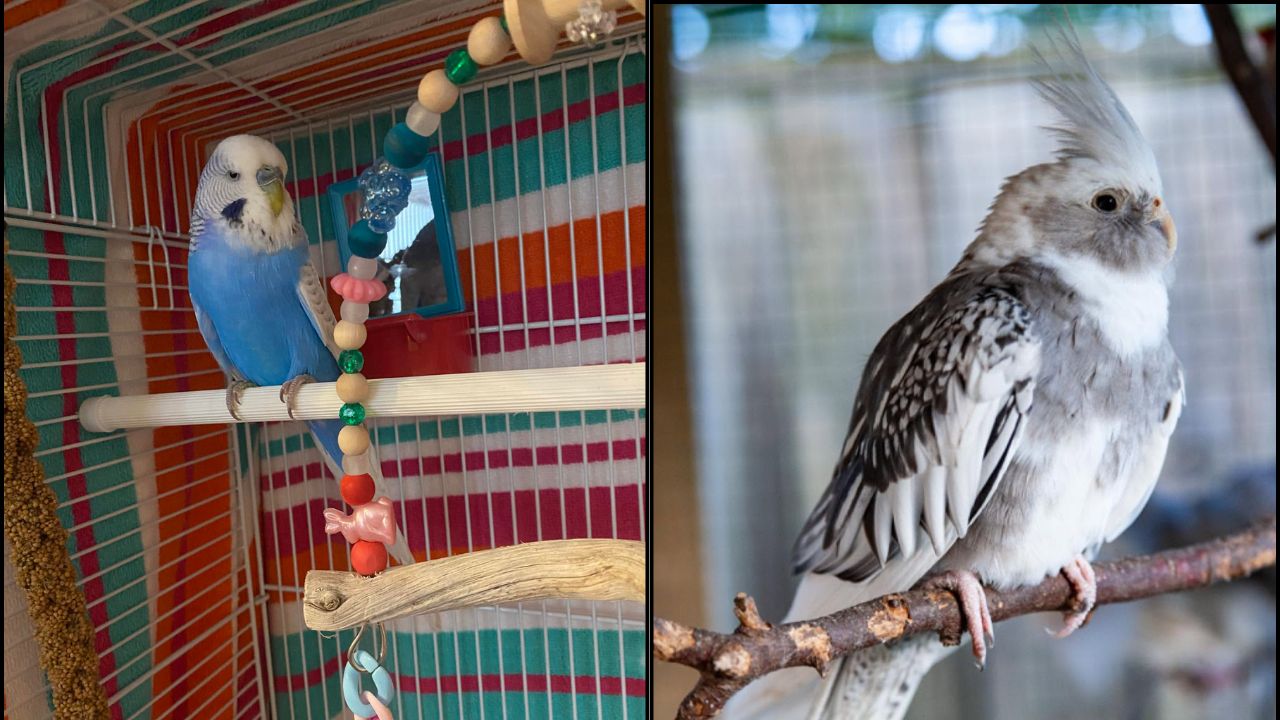
A regular customer came into the shop one Monday afternoon, visibly upset and looking for honest guidance. She had owned her pet cockatiel Charlie for two years, had provided what she genuinely believed was excellent care, and had begun considering whether rehoming Charlie through a UK welfare organisation would be the welfare-appropriate response to a family situation that had changed in ways she had not anticipated at the original purchase. Her partner’s job had shifted to require increased travel. Their children had grown older and become less engaged with the bird. Her own work commitments had intensified. And Charlie was showing welfare-relevant signs of the reduced attention — increased vocalisation, reduced play, some feather plucking. She wanted my honest professional opinion about whether rehoming was the right welfare-led response, or whether there was another welfare-appropriate path forward. She had come to the counter because she had noticed at previous conversations that I gave honest answers rather than sales-driven ones.
I sat with her for an hour and explained the honest answer, which surprised her because it addressed something she had not asked about directly. Her current situation had been genuinely produced by the one specific cause I have watched dominate UK pet bird rehoming cases for 35 years — a pre-purchase decision made without honest species-family situation assessment about the future rather than only the present. When she had acquired Charlie two years earlier, she had assessed her family situation at that specific moment — children engaged, work manageable, partner locally based — without honestly assessing whether that situation would sustain across Charlie’s expected 15-20 year lifespan. The current welfare challenge was not the fault of her subsequent life changes, which were normal and predictable. The current welfare challenge was that the original decision had not adequately anticipated normal life changes across the bird’s lifespan. She left that afternoon considering options that ranged from welfare-led rehabilitation to genuinely welfare-appropriate rehoming through UK welfare organisations, understanding that both were legitimate welfare-led responses depending on realistic assessment of her current situation.
I am writing this article because UK pet bird rehoming enquiries rise every summer, the broader UK pet rehoming crisis the RSPCA has been describing has real welfare consequences for individual UK pet birds, and the specific dominant cause I have identified at the counter over 35 years is genuinely preventable through honest pre-purchase conversation and addressable through honest current-owner assessment. Most UK pet bird owners currently considering rehoming, or currently in situations that will lead toward rehoming consideration, would benefit from the honest identification of what actually drove their situation and what welfare-appropriate responses are available.
This article is the conversation I have at the counter with UK pet bird owners who are either considering rehoming their birds or beginning to recognise their situation is developing toward that point. By the end of it, you will understand the one specific cause that dominates UK pet bird rehoming cases based on 35 years of counter observation, why UK life changes over pet bird lifespans predictably produce the trajectory, how to honestly assess whether your current situation is heading toward rehoming risk, what welfare-led rehabilitation approaches can prevent rehoming when situation allows, and when rehoming through UK welfare-led organisations genuinely is the welfare-appropriate response.
The UK Pet Rehoming Context — What The Data Actually Shows
For UK readers wanting to understand the wider UK pet rehoming context in which pet bird rehoming sits, here is the honest picture based on verified data from UK welfare organisations.
What the verified UK pet rehoming data actually shows:
- RSPCA declared a UK rehoming crisis reflecting sustained welfare pressure
- Intake 42 percent higher than adoption capacity across RSPCA facilities
- 40,118 animals arrived at RSPCA shelters versus 28,208 rehomed in recent reporting
- 15 percent of UK pet owners now regret their pet acquisition — up from 13 percent
- Approximately 2.6 million UK pets affected by owner regret
- Post-pandemic pet acquisition wave continues producing rehoming pressure
- 70 percent of surrendering owners aged 18-35 according to RSPCA data
- Cost-of-living pressures amplifying rehoming trends
- Rehoming enquiries typically rise seasonally including summer periods
- Pet bird rehoming forms substantial part of broader UK pet rehoming crisis
- UK welfare organisations struggling to absorb intake capacity
- Welfare consequences for individual UK animals throughout the system
The UK pet rehoming crisis is genuinely substantial, welfare-relevant, and reflects sustained pressure across UK welfare organisation capacity. Pet bird rehoming forms a substantial part of this broader picture — not the dominant part (dogs and cats dominate absolute numbers) but a substantial and genuinely welfare-relevant part.
Within this broader context, UK pet bird rehoming carries specific welfare characteristics. Pet birds typically live substantially longer than mammalian pets across UK households — often 8-30 years depending on species. The extended lifespan means welfare-relevant relationship duration is substantial. And the extended lifespan means the pre-purchase assessment I have identified as the dominant cause matters more for pet birds than for shorter-lived mammalian pets.
For more on the UK pet welfare community context generally, our recent article on UK school summer holidays and pet bird buying warning covers the pre-purchase perspective on this same trajectory from the family decision-making side.
The One Cause That Dominates UK Pet Bird Rehoming — Honest Identification
For UK pet bird owners wanting to understand the specific cause I have identified at the counter over 35 years, here is the honest picture based on decades of watching rehoming cases develop.
The dominant cause of UK pet bird rehoming — precisely stated:
- Pre-purchase decision without honest long-term sustainability assessment
- Focus on current family situation rather than lifespan projection
- Assumption that current suitability will continue across bird lifespan
- Failure to anticipate normal UK life changes across 8-30 year timeframes
- Pre-purchase enthusiasm overriding welfare-led assessment questions
- Under-appreciation of UK pet bird lifespan substantiality
- Insufficient consideration of children ageing beyond initial engagement
- Insufficient consideration of employment situation changes
- Insufficient consideration of housing situation changes
- Insufficient consideration of relationship situation changes
- Insufficient consideration of health situation changes
- Insufficient consideration of interest evolution across time
Why this specific cause dominates over other rehoming factors:
- UK pet bird lifespans are substantial compared to mammalian pets
- UK family situations change predictably across substantial timeframes
- Normal life changes are not preventable — jobs, health, family, housing evolve
- Pre-purchase assessment traditionally focuses on immediate situation
- UK independent shops and chain retailers rarely require long-term sustainability discussion
- UK families acquire pet birds during peak-suitability moments that are not sustained
- Welfare compromises develop as gap between initial and current situation grows
- Rehoming consideration emerges when gap becomes welfare-relevant
- Pattern is genuinely predictable across UK household types
- Pattern is genuinely preventable through pre-purchase conversation
The cause is not what UK pet bird owners typically assume when they consider rehoming. Owners typically identify the immediate trigger — increased work commitments, family life changes, bird welfare concerns, cost pressures. These are the visible surface causes. But the underlying dominant cause I have watched at the counter for 35 years is the pre-purchase assessment gap that made the household vulnerable to these normal life changes producing welfare-relevant mismatches.
After 35 years of watching this pattern repeat across UK households, I have come to believe honest recognition of this specific cause is genuinely liberating for UK pet bird owners considering rehoming. It shifts the framing from personal failure to systemic assessment gap, which is more accurate and more actionable.
How UK Life Changes Predictably Produce Pet Bird Rehoming Trajectory
For UK pet bird owners wanting to understand exactly how normal life changes produce the trajectory that leads to rehoming consideration, here is the honest picture from 35 years of counter observation.
Common UK life changes that reveal pre-purchase assessment gaps:
- Children ageing beyond initial pet interest — typical trajectory over 5-15 years
- Employment changes requiring increased hours or travel — common across UK career development
- Housing changes to smaller properties or flats — common through UK adult life stages
- Relationship changes including separations or new partnerships — normal life transitions
- Health changes affecting owner physical or mental capacity — genuine UK adult life reality
- Family situation changes including new children or elder care responsibilities
- Financial pressures reducing pet-related spending capacity
- Interest evolution as owner develops new priorities across time
- Household member allergies developing over time
- Pet’s welfare needs increasing as bird ages or health changes
- Combined multiple factors compounding simultaneously
- Cost-of-living pressures affecting pet-related budget allocation
The trajectory typically develops gradually rather than dramatically:
- Year 1-2 typically maintains initial suitability pattern
- Year 3-5 often shows initial gaps developing
- Year 5-10 typically shows substantial mismatch developing
- Year 10+ often produces welfare-relevant crisis points
- Owner recognition of trajectory typically lags actual development
- Rehoming consideration typically emerges after sustained welfare-relevant mismatch
- Emergency rehoming consideration typically follows compound crisis
- Welfare-led rehoming consideration typically follows honest assessment
The honest observation from 35 years at the counter is that UK life changes are not preventable, are not the fault of UK pet bird owners, and are the reality of normal adult life across the substantial pet bird lifespan timeframes. What is preventable is the pre-purchase assessment gap that made the household vulnerable to these normal life changes producing welfare-relevant mismatches.
For UK pet bird owners currently in situations where life changes are creating welfare-relevant mismatches, the appropriate response is not self-blame for the life changes. The appropriate response is honest current assessment of whether welfare-led rehabilitation is possible or welfare-led rehoming is the welfare-appropriate response.
Honest Self-Assessment For Current UK Pet Bird Owners
For UK pet bird owners wanting to honestly assess whether their current situation is heading toward rehoming risk, here is the practical self-assessment protocol I use at the counter.
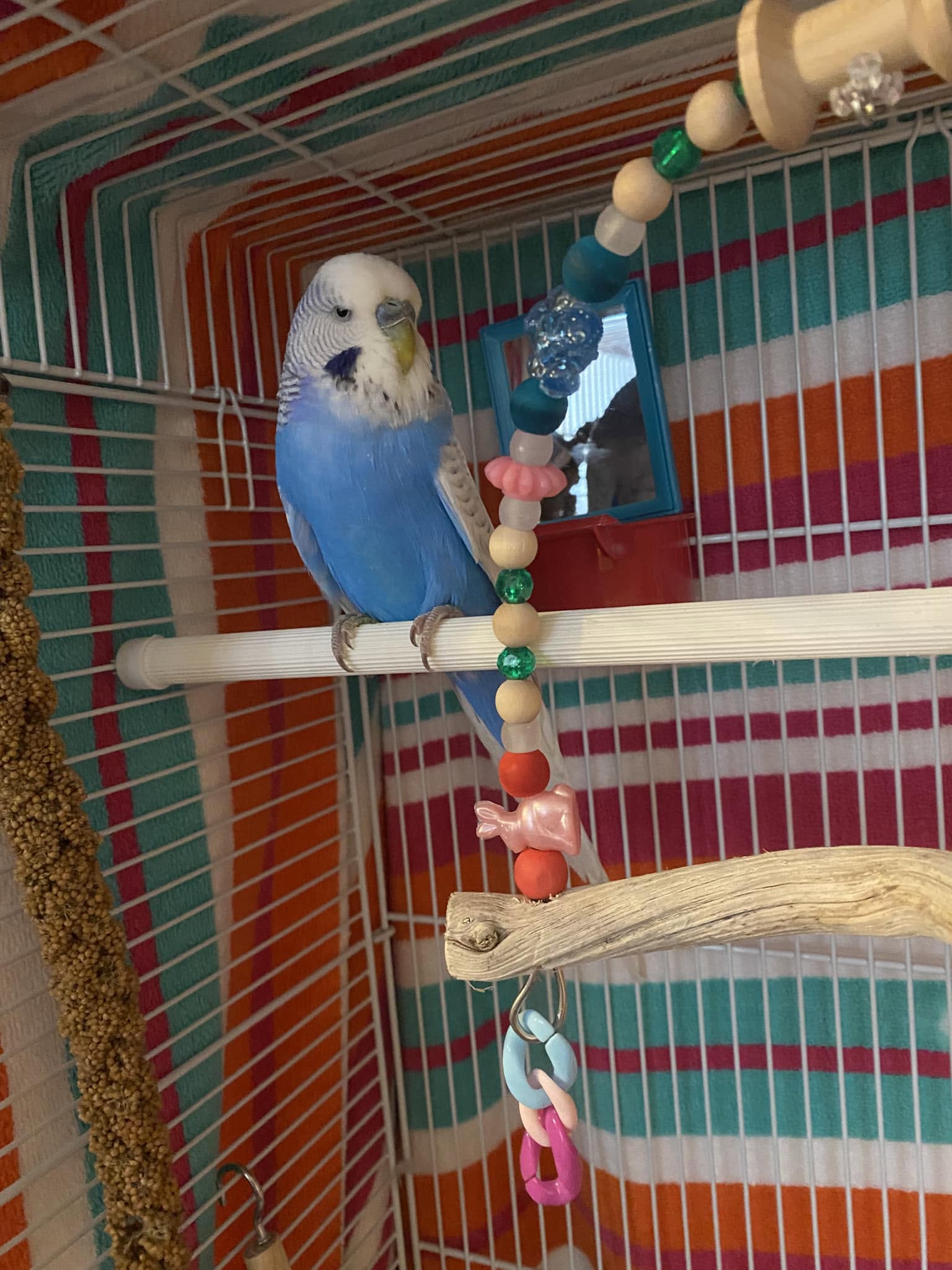
- Is your current daily interaction level meeting your pet bird’s welfare needs?
Honest assessment of hours per day and quality of engagement. - Is your current cage setup meeting welfare-appropriate standards?
Size, placement, enrichment, cleanliness all considered. - Is your current out-of-cage flight time meeting RSPCA recommendations?
Honest assessment against 6+ hours daily guidance. - Is your current diet provision welfare-appropriate?
Variety, freshness, species-specific requirements met. - Is your bird showing behavioural signs of welfare compromise?
Feather plucking, changes in vocalisation, reduced activity, appearance changes. - Is your household situation stable across the bird’s remaining expected lifespan?
Employment, housing, family situation projected forward. - Do you have UK avian vet care access and financial capacity?
Ongoing preventative and responsive care sustainable. - Is your current interest and engagement with the bird sustained?
Emotional relationship rather than duty-based obligation. - Are your other household members supporting the pet bird welfare?
Family situation collaborative rather than one-person burden. - Are you honestly able to provide welfare-appropriate care going forward?
Realistic assessment rather than aspirational commitment.
The honest assessment protocol is designed to produce genuine clarity rather than false reassurance. UK pet bird owners scoring 8+ positive responses across these ten questions are typically providing welfare-appropriate care and can continue with confidence. UK pet bird owners scoring 6-7 positive responses typically have specific gaps that welfare-led rehabilitation could address without rehoming. UK pet bird owners scoring below 6 positive responses may be in situations where welfare-led rehoming through appropriate UK welfare organisations is genuinely the welfare-appropriate response.
 The self-assessment is not designed to push UK owners toward rehoming or away from rehoming. It is designed to produce honest clarity about the current welfare situation and the welfare-appropriate response options available. Both continued keeping and welfare-led rehoming can be welfare-appropriate responses depending on honest current situation.
Welfare-Led Rehabilitation — When Continued Keeping Is Possible
For UK pet bird owners whose honest assessment suggests welfare-led rehabilitation could address current gaps without rehoming, here is the practical protocol for restoration.
- Prioritise most impactful welfare gaps first
Address one or two most significant gaps rather than attempting comprehensive change simultaneously. - Restore consistent daily routine
Same time interactions, feeding, cleaning support welfare recovery. - Address welfare-standard cage setup if currently inadequate
RSPCA guidance dimensions, appropriate placement, enrichment provision. - Increase out-of-cage flight time toward RSPCA 6+ hours daily
Most impactful welfare improvement typically available. - Vary diet substantially beyond seed alone
Welfare-led nutrition supports overall welfare recovery. - Consider adding same-species companion if currently solo
Substantial welfare improvement possible for solo-kept birds. - Establish UK avian vet relationship for welfare assessment
Professional evaluation of current welfare state and improvement priorities. - Involve household members in shared care responsibility
Reduce single-person burden through sustainable collaboration. - Set realistic timeframe for rehabilitation assessment
6-12 weeks typically appropriate for evaluating whether rehabilitation is working. - Return to honest assessment after rehabilitation attempt
Determine whether continued keeping is genuinely sustainable or whether rehoming is welfare-appropriate.
The honest observation is that many UK pet bird welfare situations that initially appear to require rehoming can be genuinely rehabilitated through welfare-led restoration of the specific gaps that have developed. UK owners who invest in rehabilitation before defaulting to rehoming often produce genuinely improved welfare outcomes for their pet birds and preserved relationship value for their households.
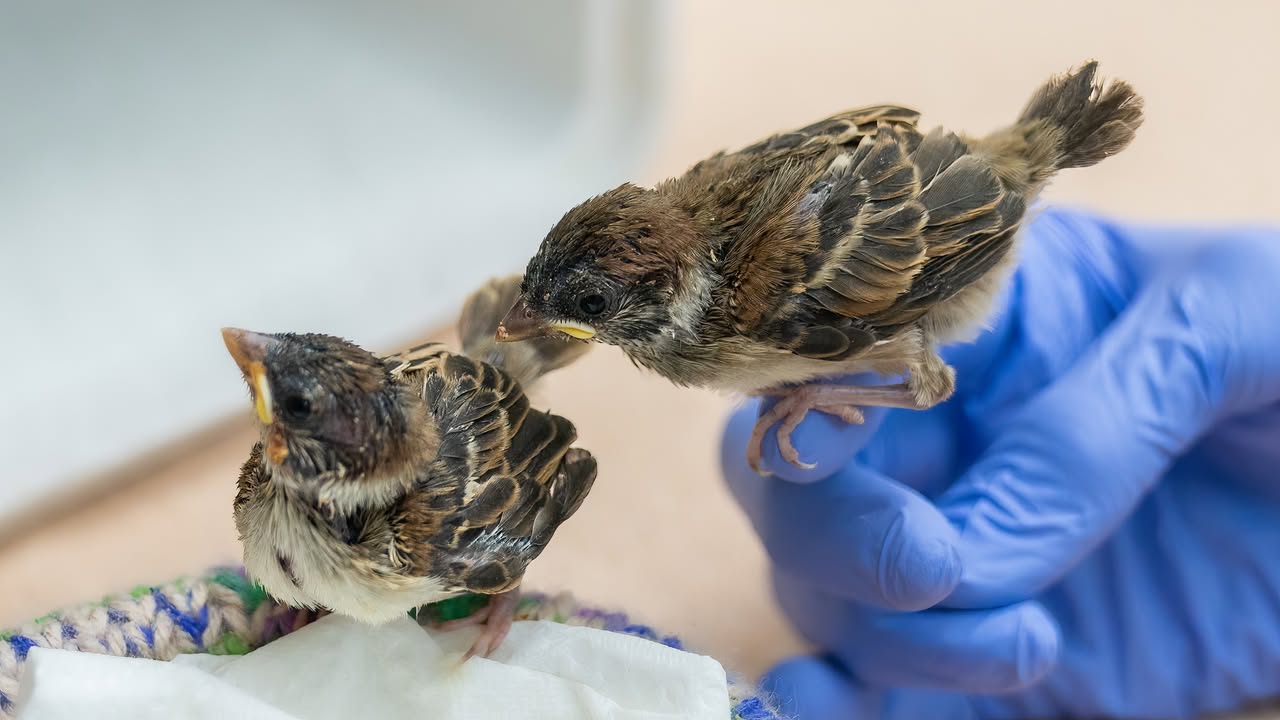 The rehabilitation approach works best when specific welfare gaps are honestly identified and systematically addressed. It works less well when underlying household sustainability has genuinely changed to the point where welfare-appropriate care is no longer possible regardless of setup improvements.
For more on specific UK welfare-led setup improvements that support rehabilitation, our article on why most UK budgie cages fall short of RSPCA guidance covers the specific cage improvements that anchor most welfare-led rehabilitation.
When Welfare-Led Rehoming Is Genuinely The Right Response
For UK pet bird owners whose honest assessment suggests welfare-led rehoming through UK welfare organisations is the welfare-appropriate response, here is the honest picture of what this involves and why it can be the right choice.
When welfare-led rehoming is genuinely welfare-appropriate:
- Household situation has genuinely changed such that welfare-appropriate care is not sustainable
- Rehabilitation attempts have not restored welfare-appropriate conditions
- Bird’s welfare is currently or predictably compromised in ways owner cannot address
- Realistic assessment shows sustainable improvement not possible
- Better outcome for the bird is genuinely available through rehoming
- Owner has been honest about their situation rather than aspirational
- Welfare-led UK organisation can provide better placement
- Current owner acknowledges emotional difficulty but prioritises bird welfare
- Rehoming decision is made after honest process rather than emergency response
- UK welfare organisation adoption pathway is used rather than online marketplace
Why welfare-led rehoming is a genuine welfare-appropriate response:
- Bird welfare priority over owner attachment reflects welfare-led thinking
- Welfare organisations can match birds to appropriate new households
- Second homes often provide welfare-appropriate care the original household cannot
- Emotional difficulty of decision does not negate welfare-appropriate outcome
- Better welfare outcome for the individual bird is genuine welfare-led success
- Owner integrity in honest assessment is welfare-led rather than failure
- UK welfare organisation involvement ensures appropriate placement
- Rehoming through proper channels supports broader UK welfare system
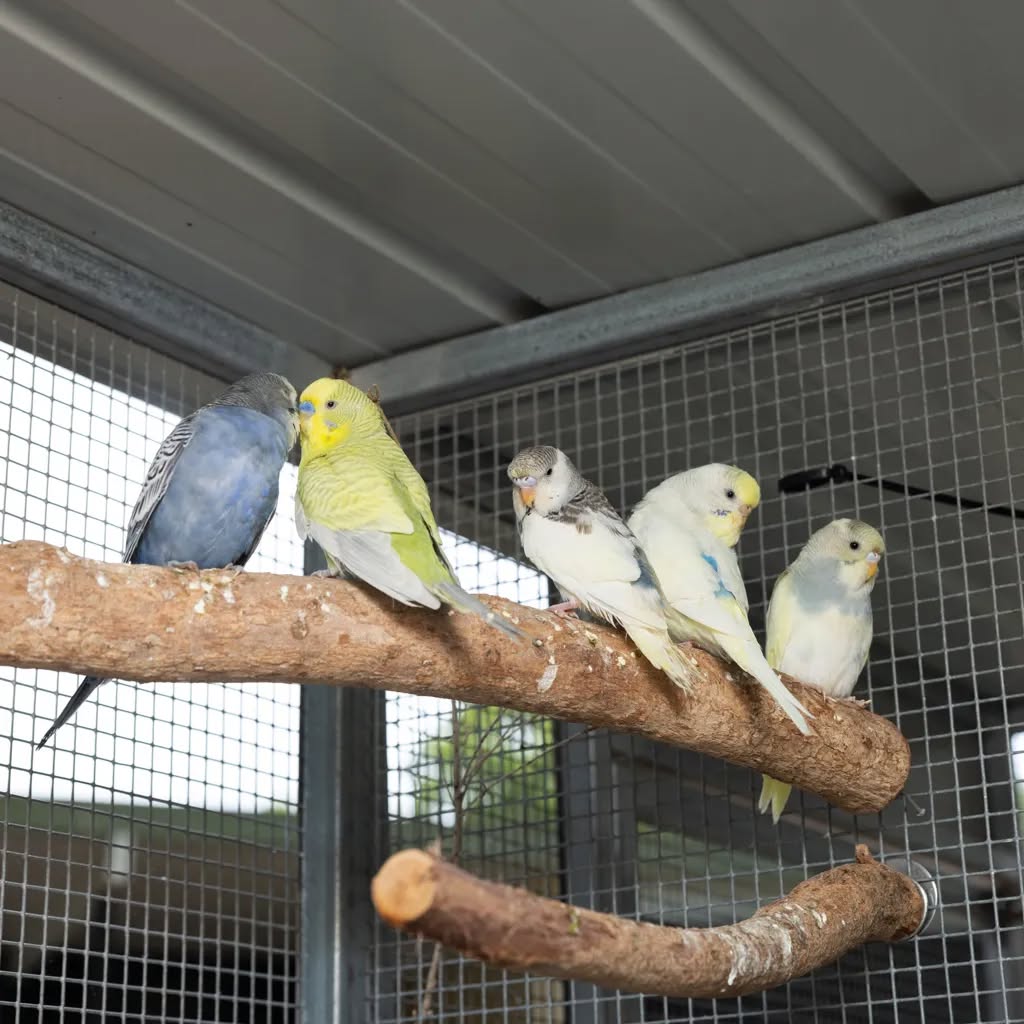
The honest recognition that rehoming is sometimes genuinely welfare-appropriate is itself a welfare-led perspective that some UK pet bird owners struggle to accept because of emotional attachment or guilt about the original acquisition decision. But welfare-led thinking prioritises the bird’s welfare over owner emotional preferences, and this sometimes means acknowledging that welfare-appropriate rehoming is a better outcome than continued keeping in welfare-compromised conditions.
UK welfare organisations including RSPCA, Blue Cross, PDSA, and specialist bird welfare organisations provide welfare-led rehoming pathways that produce genuinely appropriate outcomes for surrendered UK pet birds. This is genuinely different from online marketplace surrender or informal rehoming, which typically produces poor welfare outcomes.
What Welfare-Led UK Pet Bird Rehoming Actually Looks Like
For UK pet bird owners considering welfare-led rehoming, here is the honest picture of what appropriate process involves and why it matters for welfare outcomes.
- Contact welfare-led UK organisations rather than online marketplaces
- RSPCA, Blue Cross, specialist bird welfare organisations preferred routes
- Local UK avian sanctuaries and rescue organisations often specialised
- UK independent pet shops sometimes support welfare-led rehoming
- Avoid online marketplace surrender — poor welfare outcomes typical
- Avoid informal rehoming to acquaintances without welfare assessment
- Be honest about bird’s history, temperament, and welfare needs
- Provide complete care information for new home
- Accept welfare organisation assessment of appropriate placement
- Consider financial contribution to welfare organisation if possible
- Understand that appropriate rehoming can take time
- Accept that this is welfare-led response, not personal failure
The distinction between welfare-led rehoming through appropriate UK channels and inappropriate rehoming through online marketplace or informal channels is genuinely important for welfare outcomes. Welfare-led rehoming produces genuinely appropriate placements. Inappropriate rehoming often produces welfare-compromised outcomes for the individual bird.
UK welfare organisations have expertise in matching pet birds to appropriate new homes, providing welfare-led guidance for adopters, and supporting successful placement outcomes. This expertise is genuine welfare-led value that inappropriate rehoming channels cannot provide.
For UK pet bird owners considering rehoming, please come in for a chat about welfare-led approaches. After 35 years at the counter, I can help identify the specific welfare-led UK rehoming resources most appropriate for your specific situation and species.
Frequently Asked Questions
What is the one specific cause of most UK pet bird rehoming according to your 35-year experience?
Pre-purchase decisions made without honest assessment of species-family situation compatibility across the bird’s full expected lifespan. Not compatibility at moment of purchase — most UK acquisition situations look good at that specific moment. Compatibility across the full 8-30 year lifespan the pet bird will actually experience. UK families acquire pet birds during peak-suitability moments that are not sustained across normal life changes, and the accumulating gap between original suitability and current situation produces the trajectory that leads toward rehoming consideration. This cause dominates other secondary factors like immediate triggers (work changes, family situations, cost pressures) because it makes households vulnerable to those normal changes producing welfare-relevant mismatches.
Am I a bad UK pet bird owner if I am considering rehoming my bird?
No. Considering rehoming is often a welfare-led response to genuinely changed situations that are not the fault of the owner. UK life changes across pet bird lifespans are normal, unavoidable, and produce mismatches that were preventable at pre-purchase moment but are not preventable subsequently. UK pet bird owners honestly assessing their situations and considering welfare-appropriate responses — including welfare-led rehoming — are demonstrating welfare-led thinking, not failure. The failure would be continuing to provide welfare-compromised care in a household situation that cannot support welfare-appropriate keeping.
Should I try welfare-led rehabilitation before considering rehoming?
Yes — welfare-led rehabilitation should typically be attempted before rehoming decision is finalised. Many UK pet bird welfare situations that initially appear to require rehoming can be genuinely rehabilitated through welfare-led restoration of specific gaps that have developed. The rehabilitation protocol should be applied systematically over 6-12 weeks with honest reassessment at the end. If rehabilitation restores welfare-appropriate conditions, continued keeping is genuinely possible. If rehabilitation cannot restore welfare-appropriate conditions because underlying household sustainability has genuinely changed, rehoming becomes the welfare-appropriate response.
How do I know if rehoming is the welfare-appropriate response for my situation?
The honest self-assessment protocol addresses this. If your assessment shows welfare-standard cage possible, welfare-appropriate interaction sustainable, welfare-led diet manageable, welfare-appropriate flight time achievable, and household situation stable across the bird’s remaining expected lifespan, continued keeping is genuinely possible. If your assessment shows fundamental unsustainability across these dimensions even with rehabilitation attempt, rehoming becomes the welfare-appropriate response. The assessment should be honest rather than aspirational, and should focus on realistic sustained provision rather than short-term commitment.
What are the appropriate UK welfare organisations for pet bird rehoming?
RSPCA is the primary UK welfare organisation providing pet bird rehoming pathways. Blue Cross also handles pet bird cases. PDSA supports welfare-led rehoming through their networks. Specialist bird welfare organisations exist in different UK regions. Local UK avian sanctuaries and rescue organisations often provide species-specific expertise. Welfare-led UK independent pet shops sometimes support welfare-led rehoming through their community networks. The key principle is welfare-led organisation involvement rather than online marketplace surrender or informal rehoming, which typically produces poor welfare outcomes for the individual bird.
Why should I avoid online marketplace or informal rehoming for my UK pet bird?
Online marketplaces and informal rehoming typically produce poor welfare outcomes for the individual bird because there is no welfare assessment of the new home, no matching of bird to appropriate situation, no welfare-led guidance for the adopter, and no follow-up on placement outcomes. UK welfare organisations provide all of these welfare-led elements. The temporary convenience of marketplace or informal rehoming is genuinely offset by the substantial welfare risks the bird then experiences. If you are committed to welfare-led rehoming, welfare-led organisational pathways are the appropriate route.
Where can I get UK pet bird rehoming advice in Swindon?
Come and see us at Paradise Pets, Manor Garden Centre, Cheney Manor, Swindon SN2 2QJ. We provide honest UK pet bird welfare assessment including whether welfare-led rehabilitation is possible for your specific situation, guidance on appropriate UK welfare organisation pathways if rehoming is welfare-appropriate, and support for either welfare-led continued keeping or welfare-led rehoming decisions. Free thoughtful advice based on 35 years of watching UK pet bird welfare situations develop. Ring us on 01793 512400.
One Last Thing From Me
“Am I failing my UK pet bird if I need to consider rehoming?” is the question UK pet bird owners ask me most often when the rehoming consideration begins, and one I want to answer with complete honesty and without judgement. The honest answer, after 35 years at the counter watching UK pet bird rehoming cases develop from initial acquisition to eventual welfare organisation contact, is — almost certainly not, if you are engaging honestly with the assessment and considering welfare-led response options genuinely. The dominant cause of UK pet bird rehoming I have identified over 35 years is not owner failure or lack of care. It is pre-purchase assessment gap that made the household vulnerable to normal life changes producing welfare-relevant mismatches. Your subsequent life changes were not your fault. Your response to those changes through honest welfare-led assessment is the opposite of failure — it is welfare-led thinking prioritising the bird’s welfare over your own emotional attachment or guilt about the original acquisition decision. Whether the welfare-led response is rehabilitation or rehoming depends on honest assessment of your specific current situation. Both can be welfare-appropriate. Both reflect welfare-led thinking when honestly applied. What matters is that the response is welfare-led rather than crisis-driven, honest rather than aspirational, and genuinely focused on the bird’s welfare outcome rather than the owner’s convenience. After 35 years at the counter, I have come to believe UK pet bird owners engaging honestly with rehoming consideration are demonstrating welfare-led thinking that deserves respect rather than judgement. The pre-purchase assessment gap that created the trajectory is preventable at future acquisition moments. The current situation trajectory is addressable through welfare-led rehabilitation or welfare-led rehoming. Neither response is failure. Both can be welfare-appropriate responses to the specific situation you find yourself in.
The customer with Charlie that Monday afternoon? She went home, worked through the honest self-assessment I had shared, invested six weeks in welfare-led rehabilitation with substantial welfare-standard cage upgrades and increased engagement despite her changed situation, honestly reassessed at the end of the rehabilitation period, and ultimately decided to proceed with welfare-led rehoming through RSPCA because her honest assessment showed sustained welfare-appropriate care was not possible in her genuinely changed household situation. Charlie was placed with a UK household better matched to his welfare needs — an adult couple with substantial home availability, previous cockatiel experience, and welfare-standard setup. Six months after the rehoming, the customer came back to the shop and told me that she had done the right welfare-led thing for Charlie despite the emotional difficulty of the decision. She had also spent time considering what she would do differently at any future pet acquisition — specifically, the honest long-term sustainability assessment I had shared with her would inform any future decision. The welfare-led response to her situation had produced the welfare-appropriate outcome for Charlie whilst maintaining her welfare-led integrity as a UK bird enthusiast.
That is what I want for every UK pet bird owner reading this article. Not the guilt of considering rehoming. Not the aspirational continuation of welfare-compromised keeping. Not the crisis-driven inappropriate rehoming through online marketplace or informal channels. But the genuine welfare-led assessment of current situation, honest engagement with rehabilitation or rehoming options as welfare-appropriate responses, and welfare-led follow-through on whichever response your specific situation actually calls for.
UK pet bird rehoming enquiries rise every summer. The dominant cause is preventable at future acquisitions and addressable in current situations through welfare-led response. UK welfare organisations provide welfare-led rehoming pathways for situations where rehoming is welfare-appropriate. And UK pet bird owners engaging honestly with rehoming consideration are demonstrating welfare-led thinking that deserves respect rather than judgement.
If you are a UK pet bird owner in a situation where rehoming consideration is emerging, please come in for a chat. After 35 years at the counter, helping UK pet bird owners work through honest welfare-led assessment of continued keeping versus welfare-led rehoming is one of the most genuinely valuable things any independent UK pet shop can provide.
Considering UK Pet Bird Rehoming? Come And See Me First
We provide honest UK pet bird welfare assessment including whether welfare-led rehabilitation is possible for your specific situation, guidance on appropriate UK welfare organisation pathways if rehoming is welfare-appropriate, and support for either welfare-led continued keeping or welfare-led rehoming decisions. Free thoughtful advice based on 35 years of watching UK pet bird welfare situations develop. That is how we have done things since 1988.