


Neil has kept, bred, and sold birds at Paradise Pets Swindon since 1988 — over 35 years of conversations not just about pet birds, but about the wild birds UK customers see in their gardens. This season has been notable for the number of customers coming in to ask about robins. This is his honest, practical guide on what is going on, why robin numbers appear higher this year, what it means for your garden, and how UK households can support these little birds through the months ahead.
A retired gentleman came into the shop one mid-morning a few weeks ago, beaming. “Neil,” he said, “I have three robins on my lawn at the moment. Three! I have never seen three in the same garden before. I have lived in the same house for forty years. What is going on this year?”
I told him to grab a cup of tea from the cafe next door and come back, because he was not the first person to ask me this question that month, and the answer was more interesting than he probably expected. By the time he came back, I had counted in my head — at least a dozen customers in the previous fortnight had mentioned the same thing. More robins than usual. Bolder robins. Robins turning up in gardens that had not seen them for years.
After 35 years of selling pet birds and talking to gardeners, I have noticed that robins are the wild bird most UK customers feel they have a relationship with. They are the bird that comes close while you garden. The bird that perches on your spade handle. The bird that watches from the fence while you put the recycling out. People notice robins in a way they do not notice blackbirds or sparrows — and when more robins appear, people genuinely want to understand why.
This article is the conversation I have been having across the counter all season. By the end of it, you will understand why robin numbers are up, what conditions are encouraging them into UK gardens, how to keep your robin visitors happy, and what some of the small things you can do mean for the bigger picture of garden bird life in Britain.
First — Are Robin Numbers Actually Up, Or Does It Just Feel That Way?
Before we go into causes, it is worth checking whether the impression of more robins is matched by the data. Conservation organisations across the UK monitor garden bird populations carefully, and seasonal trends are tracked through schemes like the British Trust for Ornithology’s Garden BirdWatch, the RSPB’s Big Garden Birdwatch, and various local recording groups.
What the available trends from recent surveys suggest:
- Robin numbers have been holding up well in the UK compared to many other small garden birds that have declined
- Garden sightings of robins have been generally stable or rising over recent years
- Mild winters in many UK regions have allowed more robins to survive into spring
- Increased garden feeding by UK households has supported survival rates
- Robins have adapted well to suburban gardens compared to species that need specific habitats
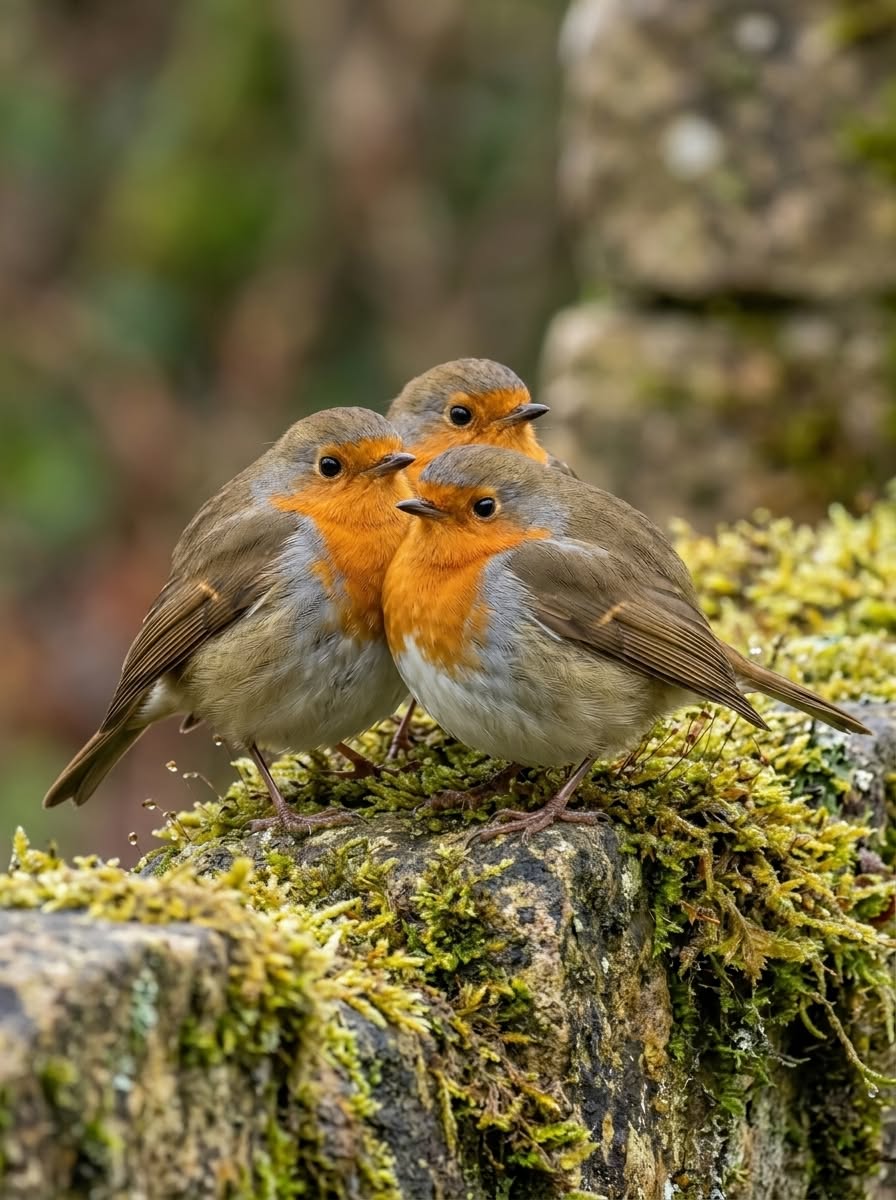
So the impression of more robins in many gardens this season is not just anecdotal — it is consistent with broader trends. What varies is how dramatically individual gardens experience this. Some households see two or three robins where they used to see one. Others see robins for the first time in years. Both experiences fit the wider picture.
The Real Reasons UK Gardens Are Seeing More Robins This Season
After 35 years of watching wild bird patterns through customer conversations, here are the genuine factors I see contributing to the rise in robin sightings. Most gardens experiencing more robins this season are benefiting from several of these factors together.
1. Mild Winters Improving Survival Rates
This is the single biggest factor for robin populations in many UK regions. Robins are small birds with high metabolisms, and they struggle most when extended periods of freezing weather combine with reduced food availability. Recent mild UK winters have meant more robins surviving from autumn through to the breeding season.
What this means for your garden:
- More adult robins entering spring breeding condition
- Higher chick survival from each breeding attempt
- Larger overall population entering the next year
- More territorial robins competing for garden space — which is why you may see them more visibly
- Younger robins from successful broods dispersing into new gardens
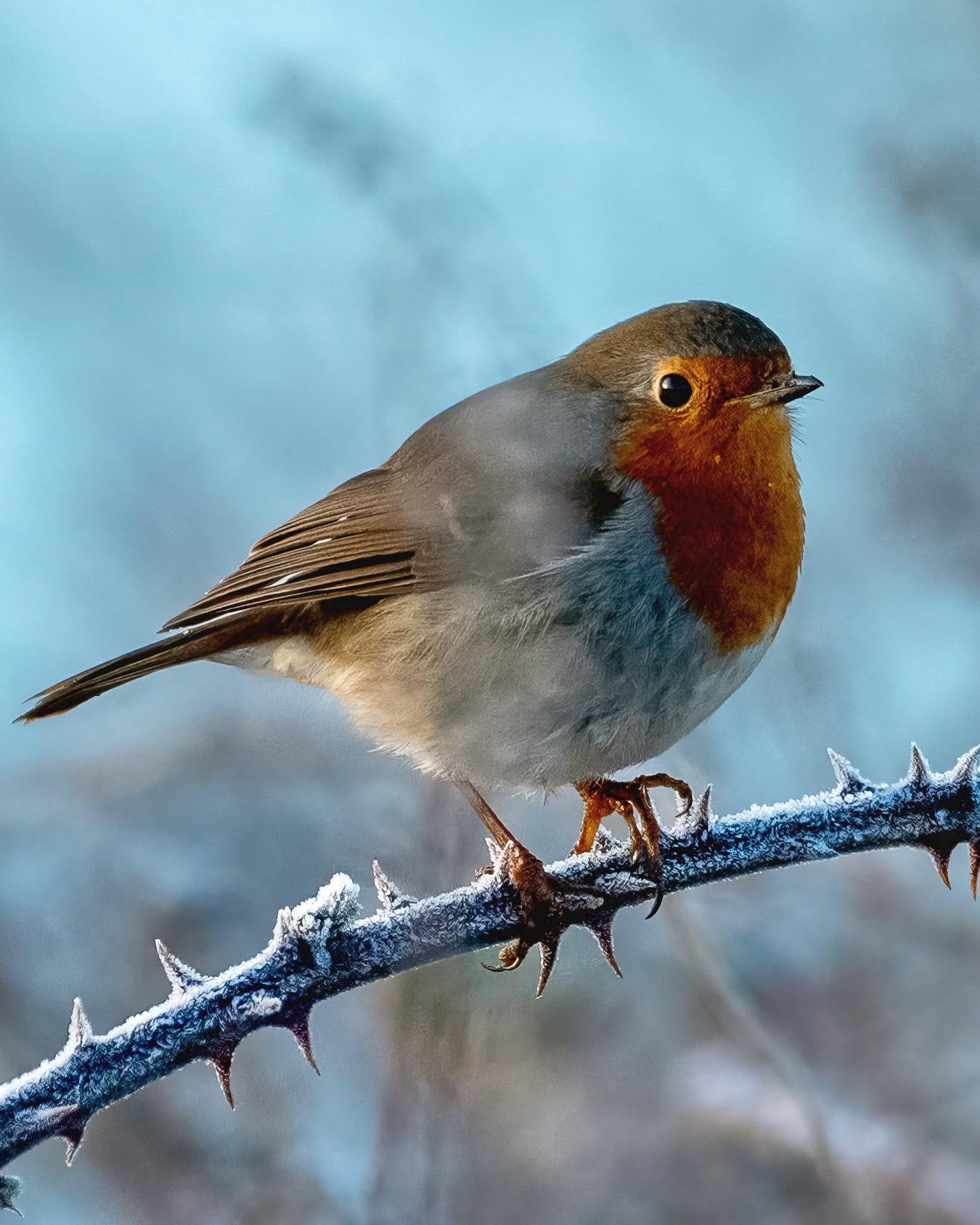
The result is that gardens which previously held one resident robin pair may now have multiple young robins moving through, or established adults staying year-round in gardens they would previously have abandoned during harsh winters.
2. More UK Households Feeding Garden Birds
This is the factor most people underestimate. Over the past decade, the proportion of UK households putting out food for garden birds has grown significantly. Bird tables, feeders, mealworms, and seed mixes have moved from being a hobby for enthusiasts to a regular activity in millions of homes.
This has had a measurable effect on robin populations because:
- Robins benefit hugely from supplementary food, particularly during cold spells
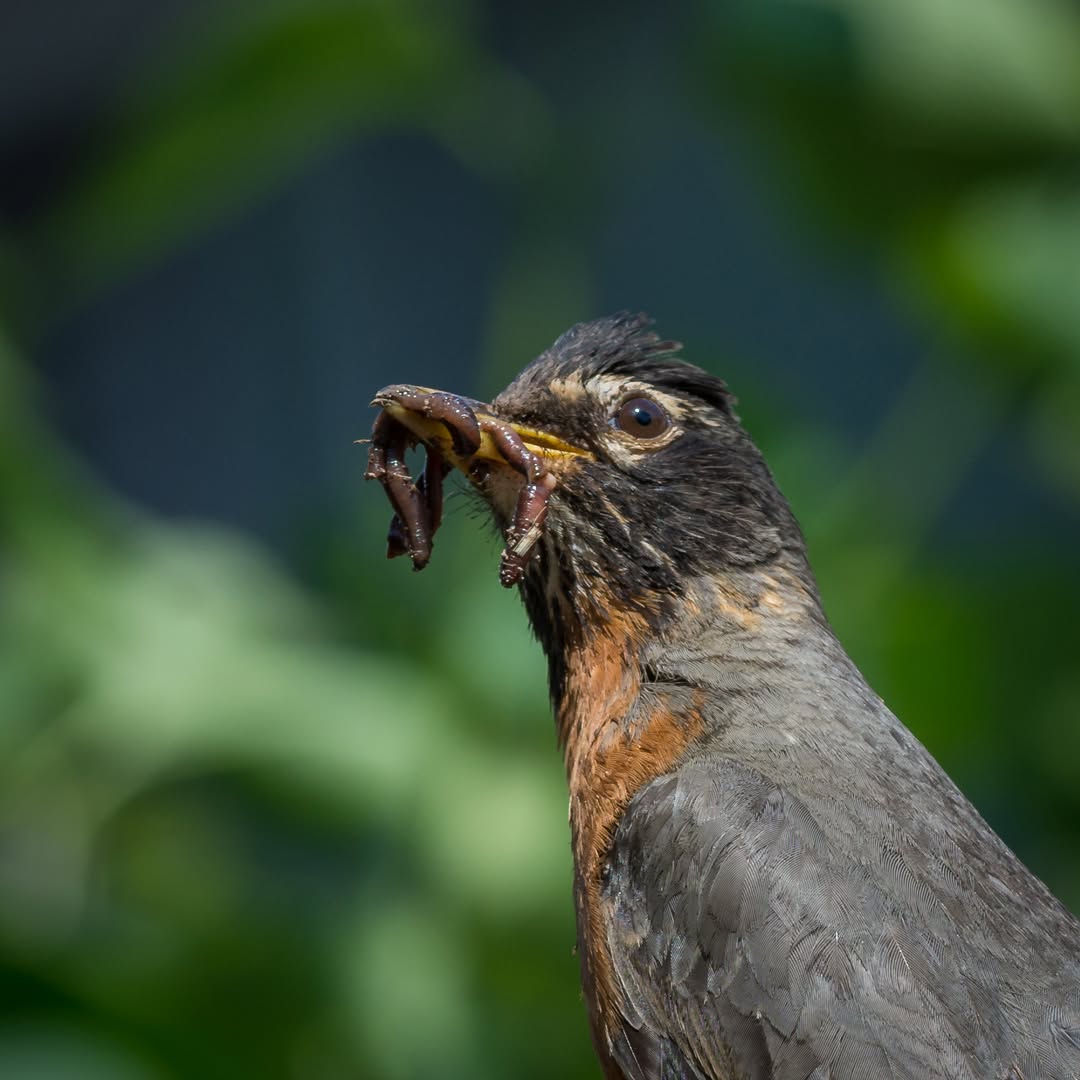
- They favour mealworms, suet, sunflower hearts, and ground-feeding mixes
- Gardens with consistent feeding hold robins year-round
- More feeding gardens means more available territory for robins
- The young of successful pairs have somewhere to disperse to
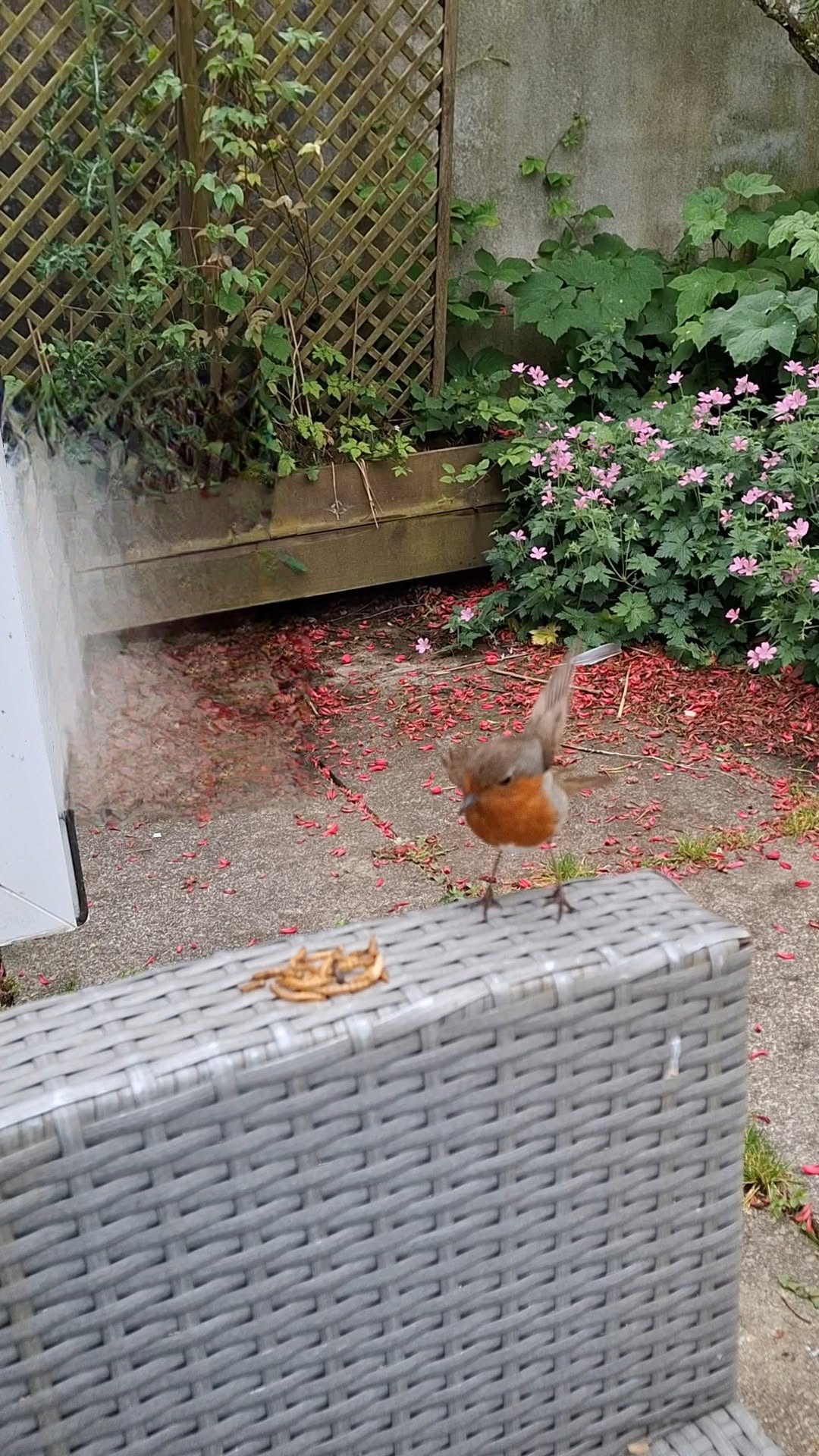
For a robin, a garden with reliable food is genuinely a better place to set up than even a high-quality natural habitat. Many UK robins now spend their entire lives within a network of fed gardens, never needing to rely on natural food sources to the same extent as their wild-only ancestors.
3. Gardens Becoming More Wildlife-Friendly
This is a slower-moving but increasingly significant factor. Across the UK, gardening trends have been shifting toward styles that support wildlife — meadow lawns, native planting, wildflower borders, less use of pesticides, leaving sections wild, and creating layered habitats with hedges, trees, and shrubs of different heights.
Robins benefit from these changes because:
- Wildflower areas support the insects, spiders, and worms robins eat
- Less pesticide use means more invertebrate prey
- Hedges and shrubs provide nesting sites
- Layered planting offers cover from predators and weather
- Compost heaps create rich foraging areas
- Areas of bare or disturbed soil — flower beds, vegetable patches — are robin gold for finding food
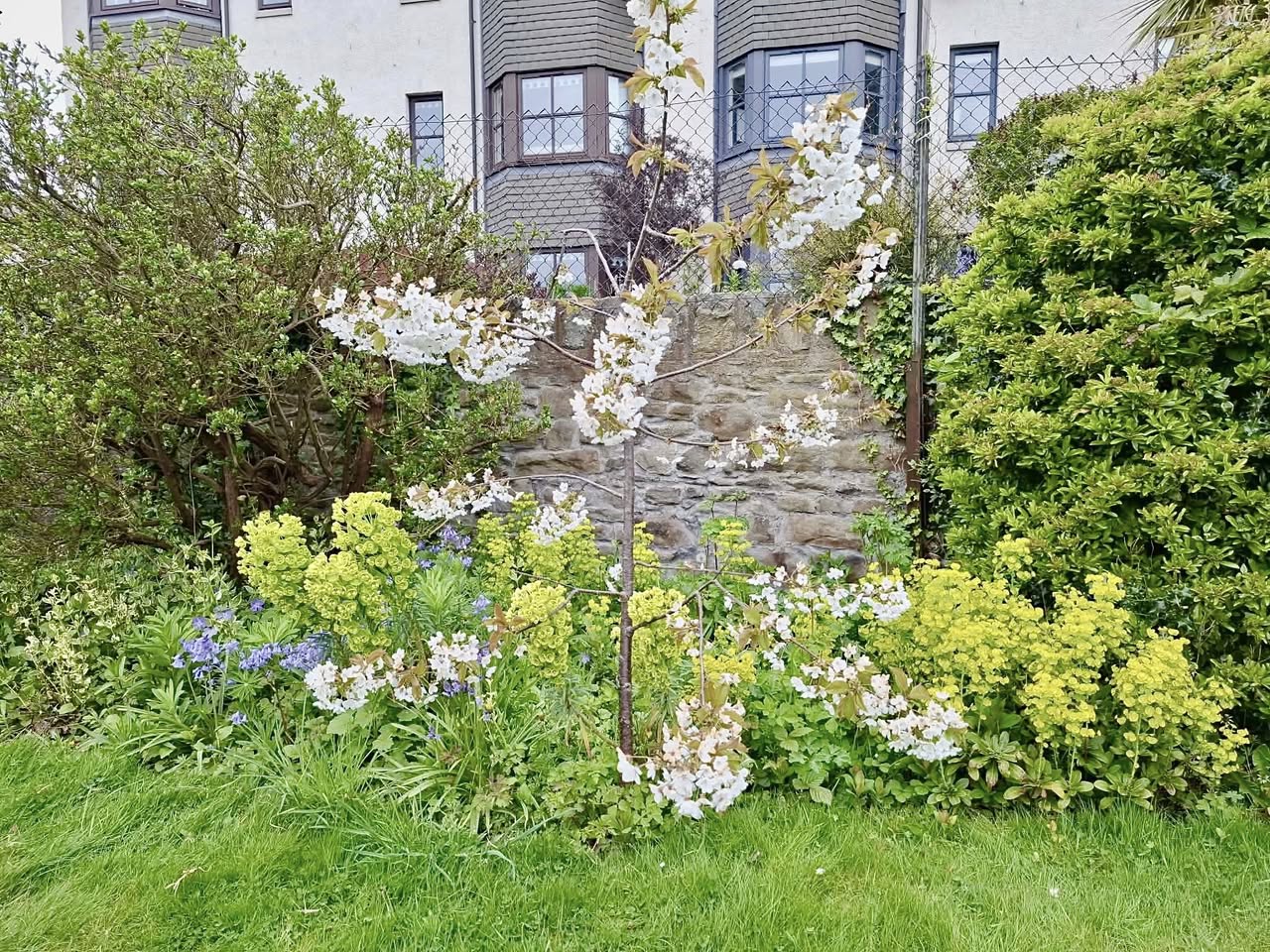
Gardens that have moved toward wildlife-friendly management over the past few years are exactly the gardens now seeing the most dramatic increases in robin activity. The birds are responding to the changes faster than many gardeners expect.
4. The Breeding Season Effect
This is the seasonal factor that drives the most visible changes in robin numbers across the spring and summer. Robins typically have two or three broods per breeding season in the UK, with chicks fledging from May through to August. Each successful pair can produce six to fifteen young birds in a single year.
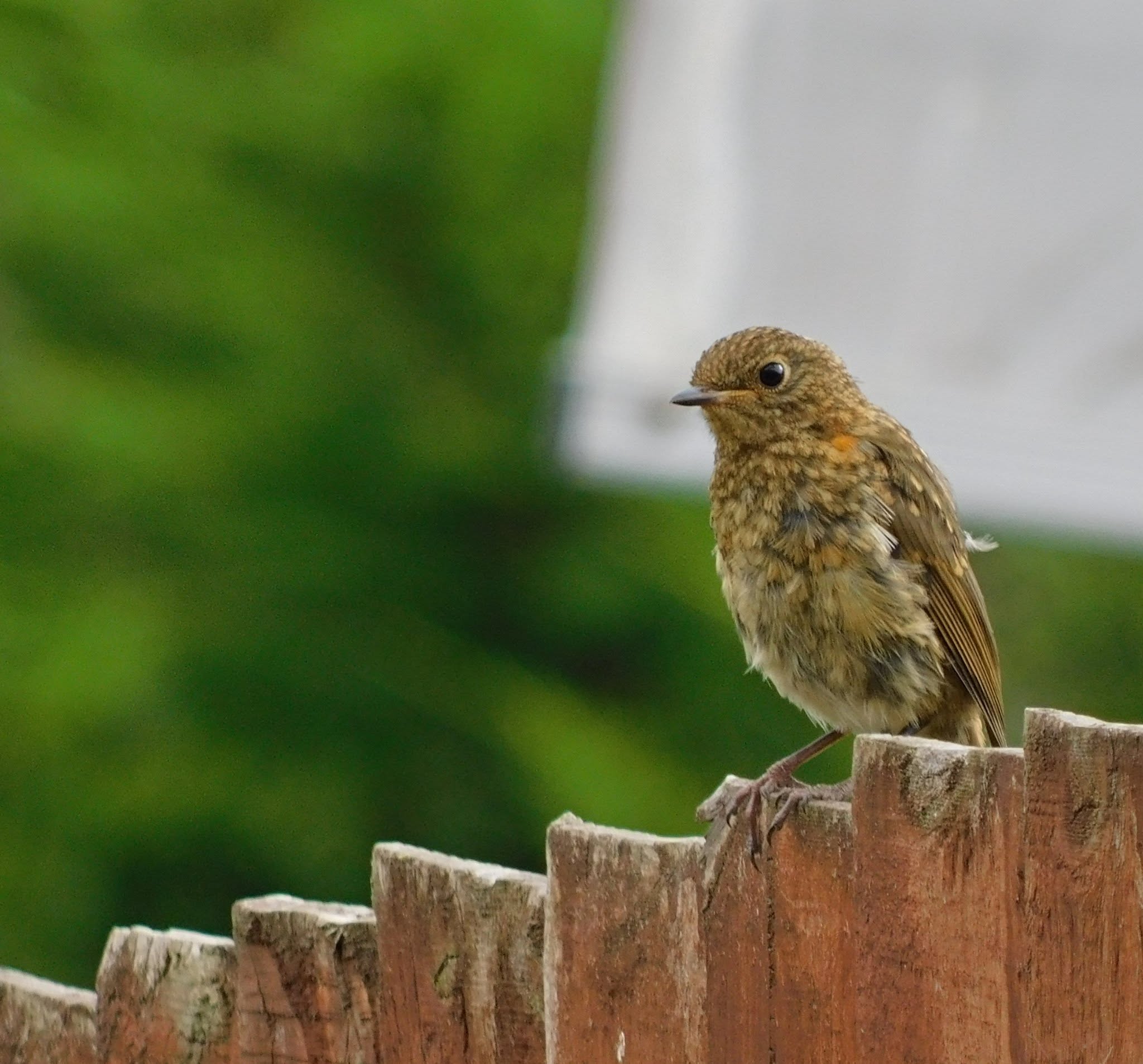
After fledging, young robins look quite different from adults — they have a brown, speckled chest rather than the famous red breast, which develops in their first autumn moult. UK gardens often see a peak in robin sightings during late summer and early autumn as young birds disperse from their parents’ territories and begin looking for their own patches.
This dispersal phase is when many UK households suddenly notice multiple robins in their garden where there was previously one. The young birds are exploring, testing territories, and competing for space. By the time autumn settles in, the picture usually stabilises — but the experience of “we have so many robins this year” is partly explained by this seasonal pulse of young birds.
5. Changes In Garden Predator Pressure
This is a factor that varies significantly by location across the UK. In some areas, fewer outdoor cats — partly due to changing pet ownership patterns, partly due to keeping cats indoors more — has meant lower predator pressure on small garden birds. In other areas, increasing sparrowhawk presence has had a localised effect.
For robins specifically:
- Reduced cat hunting in some areas improves ground-foraging safety
- Dense hedge planting provides escape routes from sparrowhawks
- Bird table positioning matters — feeders away from ambush spots support survival
- Multiple feeding stations reduce concentration points where predators wait
- Established gardens with mature shrubs have lower predator success rates
Gardens that have inadvertently become safer for robins — through cat ownership changes, garden maturation, or thoughtful feeder placement — see proportionally more robins surviving and using the space.
6. Weather Patterns Pushing Birds Around
UK weather variability affects where robins choose to settle. Wet summers can affect ground-feeding insects. Cold snaps push robins toward gardens with reliable food. Mild autumns delay the autumn territorial squabbling that normally separates adult pairs.
This season specifically, depending on your region of the UK, several weather factors may be contributing:
- Mild conditions allowing more robins to remain visible rather than sheltering
- Soil conditions supporting good worm and invertebrate populations
- Lack of prolonged cold snaps meaning birds are not stressed into reduced activity
- Continental weather patterns sometimes bringing visiting birds from Europe (though most UK robins are resident)
Weather effects are usually short-term but can produce noticeable differences within a single season — which is part of why some years feel particularly robin-rich.
What Robin Behaviour To Expect This Season
For UK households enjoying more robins than usual, here is what to expect in the coming months and what the various behaviours mean.
| Time of Year | Typical Robin Behaviour In UK Gardens |
|---|---|
| Autumn (September-November) | Loud territorial singing from both males and females. Establishing winter territories. Aggressive interactions between robins. |
| Winter (December-February) | Single robins defending territory. Increased reliance on garden feeding. Visible during cold snaps. Maximum red-breast visibility. |
| Early Spring (March-April) | Pair formation. Territorial males singing dawn and dusk. Nest building begins. Reduced aggression as pairs settle. |
| Late Spring (May-June) | First brood feeding. Adults extremely active. Less visible from cover. Following gardeners for invertebrates exposed by digging. |
| Summer (July-August) | Second and third broods. Fledglings learning to forage. Brown-speckled young birds visible. Adult robins moulting and quiet. |
| Late Summer (September) | Young birds dispersing. Multiple robins competing for territory. Peak visibility — many UK gardens see most robins now. |
Understanding the season helps you interpret what you are seeing. A garden with three robins in late summer is a dispersing family group. A garden with three robins in winter is unusual and suggests the garden is providing exceptional resources.
What Robins Want From A UK Garden
For households who want to encourage robins to stay or attract more, here is what genuinely matters from a robin’s perspective.
- Reliable food supply
Mealworms (live or dried) are robin gold. Sunflower hearts, suet, and crumbled cheese also work well. Ground feeders or low tables suit them best. - Fresh water year-round
A shallow dish with clean water for drinking and bathing. Refresh daily, particularly in summer heat and during winter freezes. - Open ground for foraging
Robins are ground feeders. Flower beds, vegetable patches, and short lawn areas where they can hunt for worms and insects. - Hedges and shrubs for cover
Native hedges, dense shrubs, or evergreen plants give robins shelter and nesting opportunities. - Quiet undisturbed corners
Robins nest in hidden, sheltered spots — old kettles in sheds, garden walls, dense ivy, log piles, and similar. - Reduced pesticide use
The fewer chemicals in your garden, the more invertebrates available for robins to eat. - Compost heaps
A turning compost heap is a robin restaurant — worms, insects, and grubs are all exposed by composting activity. - Multiple feeding stations
Spreads competition between multiple robins and reduces the risk of one dominant bird excluding others.
Most UK gardens already provide most of these things without realising it. Small additions — a tray of mealworms, a shallow water dish, a quieter corner of garden — can dramatically increase the number of robins your garden can support.
The Robin Territory Question
This is something many UK households do not realise about robins — they are intensely territorial. Each robin holds a defined territory which it defends aggressively against other robins, particularly during the autumn and winter months when territories are most strictly enforced.
This is why the experience of “more robins” can sometimes mean something specific. Either:
- Your garden sits across multiple robin territories — you are seeing different birds at different times rather than always the same one
- The territory boundaries have shifted, perhaps due to new robins establishing in the area
- You are watching a family group during the dispersal phase
- A particularly food-rich garden can sometimes hold a winter pair if conditions are right
- Young robins from previous broods may return briefly before establishing their own patches
The “multiple robins” experience in winter is unusual and worth appreciating — it usually means your garden is providing exceptional conditions, or you are at the intersection of several territories. By spring, the picture will normally simplify as territories are established for the breeding season.
What To Do To Support Robins This Coming Season
For UK households wanting to make the most of their robin visitors and support their continued presence, here is the practical plan I recommend at the counter.
- Start with mealworms
Live mealworms are the gold standard — robins will recognise them within days. Dried mealworms work too, particularly if briefly soaked in warm water to soften them. - Add a ground feeder or low table
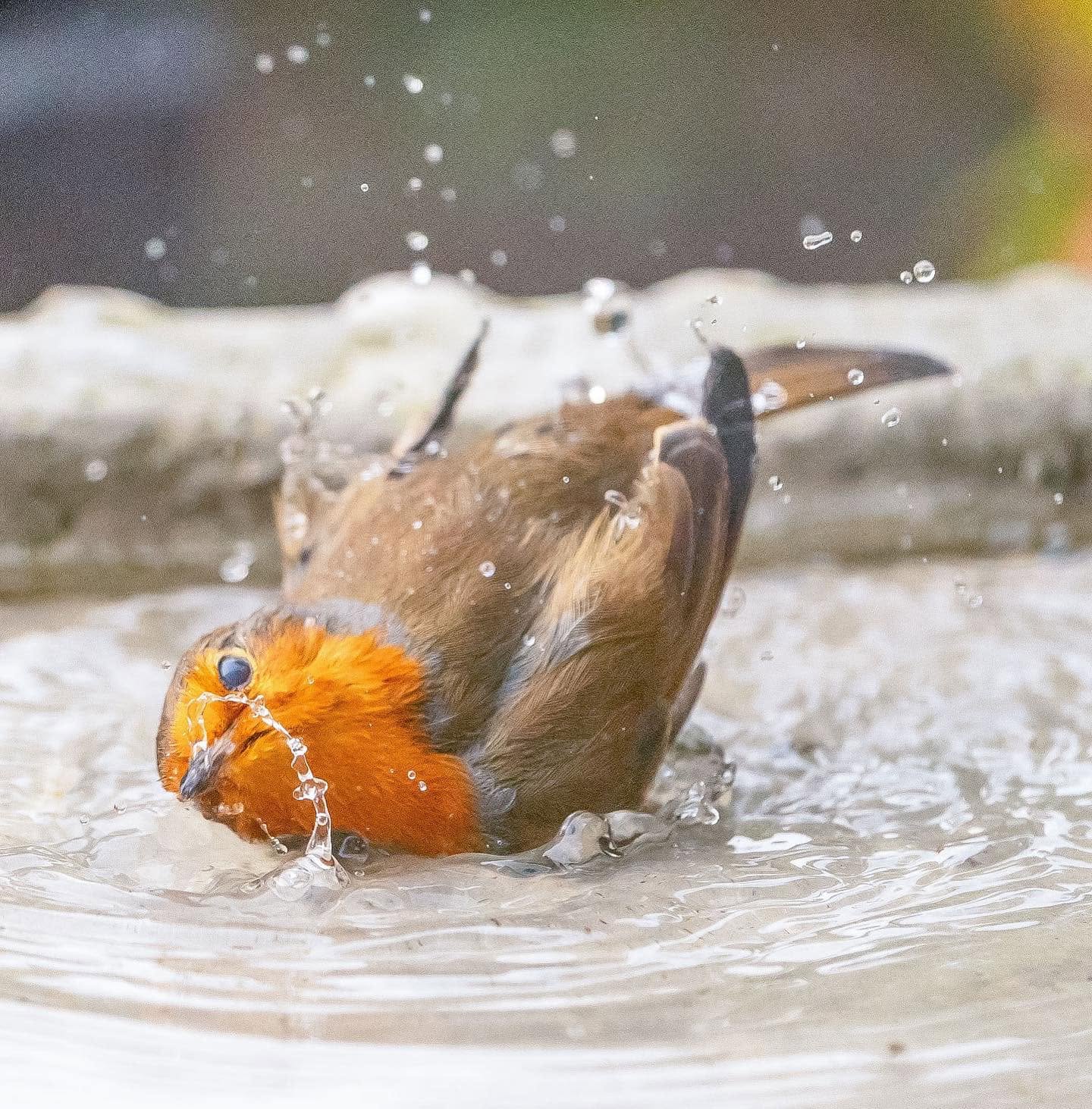
Robins prefer feeding low. A ground tray or table around two feet high suits them better than tall hanging feeders. - Provide water in a shallow dish
Crucial in summer for bathing and drinking. Refresh daily. In winter, break ice or use a slightly warm bowl. - Avoid disturbance during early morning and late afternoon
Robins are most active at dawn and dusk. Quiet observation during these times builds trust. - Leave a section of garden a little wild
Long grass, fallen leaves, a log pile — these are insect habitats that feed robins. - Reduce pesticide use
Particularly slug pellets and insect sprays. They reduce robin food and can poison the birds directly. - Be patient with new visitors
A robin getting used to a new garden takes a few weeks. Consistency matters more than quantity of food. - Maintain feeding through summer and autumn
The traditional “winter feeding only” approach is outdated. Year-round feeding supports breeding success.
For most UK gardens, even small steps in this direction produce noticeable changes within a few weeks. The robins are already there or nearby — the question is whether your garden makes them want to stay.
What To Watch Out For — Honest Concerns
For balance, here are the genuine concerns I see come up at the counter when UK households are supporting garden birds including robins.
- Cat predation — keep feeders away from ambush points, consider bell collars or indoor cats
- Window collisions — robins can fly into windows, particularly if feeders are placed too close to glass
- Disease at dirty feeders — clean feeders weekly, replace food that goes off
- Mouldy mealworms — never feed mouldy or wet dried mealworms
- Pesticide contamination — slug pellets and similar are genuinely dangerous to robins
- Wrong foods — avoid bread, salty foods, dry hard nuts, and anything processed
- Over-pruning during nesting season — leave hedges alone March-August
- Habituation to humans — some robins become so tame they enter houses, which carries risks
None of these should put you off supporting robins — they are easily managed once you know about them. The single most common avoidable problem I see at the counter is owners using slug pellets in gardens they are also feeding birds in, which is a genuinely harmful combination.
What This Robin Increase Tells Us About UK Gardens
Here is the wider picture I find most encouraging after 35 years of watching UK garden bird patterns. A season of strong robin numbers is not just a nice individual experience — it tells us something positive about what UK gardens are becoming.
The factors driving the increase — milder winters, more feeding, wildlife-friendly gardening, less pesticide use, mature gardens, thoughtful design — are all the result of millions of small choices by UK households. None of them are dramatic in any single garden. But together they create the conditions that support more robins, more song thrushes, more blackbirds, more sparrows, and more of the other small birds that make British gardens feel alive.
If you are seeing more robins this season, you are seeing the cumulative effect of these choices in your area. And every wildlife-friendly choice you make in your own garden — a hedge instead of a fence, a wildflower strip instead of paving, a bird table instead of nothing, a no-pesticide approach instead of sprays — adds to that bigger picture. The robins are responding to it whether or not you noticed when you made the decisions.
Frequently Asked Questions
Why are there so many robins in my garden this year?
Most UK gardens seeing more robins this season are benefiting from a combination of mild winters improving survival, increased garden feeding, wildlife-friendly gardening trends, and the natural seasonal dispersal of young robins from successful breeding pairs. The effect varies by region and by individual garden but is consistent with broader UK trends of stable or rising robin populations in suburban areas.
Do UK robins migrate or stay year-round?
UK robins are mostly resident — they hold territory in your area year-round and do not migrate. Some UK robins do move short distances, and occasionally continental robins arrive in winter, but the robins in your garden are most likely the same individuals (and their offspring) throughout the year. This is different from many other UK garden birds.
How many robins can a single UK garden support?
A typical UK suburban garden in good condition can support one breeding pair through spring and summer, often with multiple young birds dispersing through during late summer and early autumn. During winter, territories are smaller and more strictly defended, so most gardens see one or two birds. Gardens at the intersection of several territories, or with exceptional food and habitat, can hold more.
What is the best food to attract robins to my UK garden?
Mealworms are unbeatable for attracting and keeping robins — live ones are best, but dried mealworms (briefly soaked) work well. Sunflower hearts, suet pellets, and good-quality ground feeding mixes are also excellent. Avoid bread, salty foods, and anything processed. Provide food on the ground or on low tables rather than high hanging feeders.
Are robins really friendlier in the UK than elsewhere?
Yes, genuinely. UK robins are noticeably tamer and more confident around humans than robins in continental Europe — possibly because of centuries of association with gardens, hunting traditions that did not target robins in the UK, and ongoing positive interaction with garden owners. This is part of why UK households often develop a real relationship with the robins in their gardens.
Why do I sometimes see brown speckled “robins” instead of red-breasted ones?
Those are juvenile robins — fledglings and young birds in their first months of life. They have brown, speckled plumage and develop the famous red breast in their first autumn moult, typically between August and October. Seeing brown speckled young is a sign of successful breeding in your garden or nearby.
Where can I get advice on supporting garden birds in Swindon?
Come and see us at Paradise Pets, Manor Garden Centre, Cheney Manor, Swindon SN2 2QJ. We stock the right food and equipment for UK garden birds, and we are always happy to talk through what works in our local area. Give us a ring on 01793 512400 or call in. The advice is free and we have been doing this for 35 years.
One Last Thing From Me
“Why are there more robins this year?” is one of the most cheerful questions I get from UK customers, and one of the most encouraging to answer. The honest answer, after 35 years of selling birds and talking to gardeners, is — your garden, your neighbourhood, and the wider UK approach to gardens are all becoming more robin-friendly. The birds are responding to changes that you and your neighbours have made over years, sometimes without realising the cumulative effect.
The retired gentleman with the three robins on his lawn? He came back later that week to tell me he had counted four robins on different mornings. He had also noticed two song thrushes, a wren, and a regular visit from a goldcrest. He had been a keen gardener for forty years, had reduced his use of chemicals over the past decade, kept the bird feeders topped up year-round, and let one corner of the garden grow wild. The robins in his garden were the visible reward for years of quiet good choices.
That is the message I want every UK household to take from this article. The robins in your garden this season are partly a gift of weather, partly a gift of the wider UK environment, but also partly the result of what you and your neighbours have built. Keep doing what is working. Add the small things that genuinely help — mealworms, water, a wild corner, no pesticides. And appreciate the birds for what they are — small, intelligent, deeply British little birds who choose your garden as their territory and quietly transform it.
If you want to support the robins in your garden, please come and see us. We stock the right food, the right feeders, and we can give you honest advice based on what genuinely works in UK gardens. And if you have a story about your robins this season, I would love to hear it — these conversations are part of what makes 35 years at Paradise Pets such a pleasure.
Want To Support The Robins In Your UK Garden? Come And See Me
We stock proper UK robin food — live and dried mealworms, sunflower hearts, suet pellets, ground feeders, and bird baths. Free honest advice on what genuinely works in our local area. That is how we have done things for 35 years.