
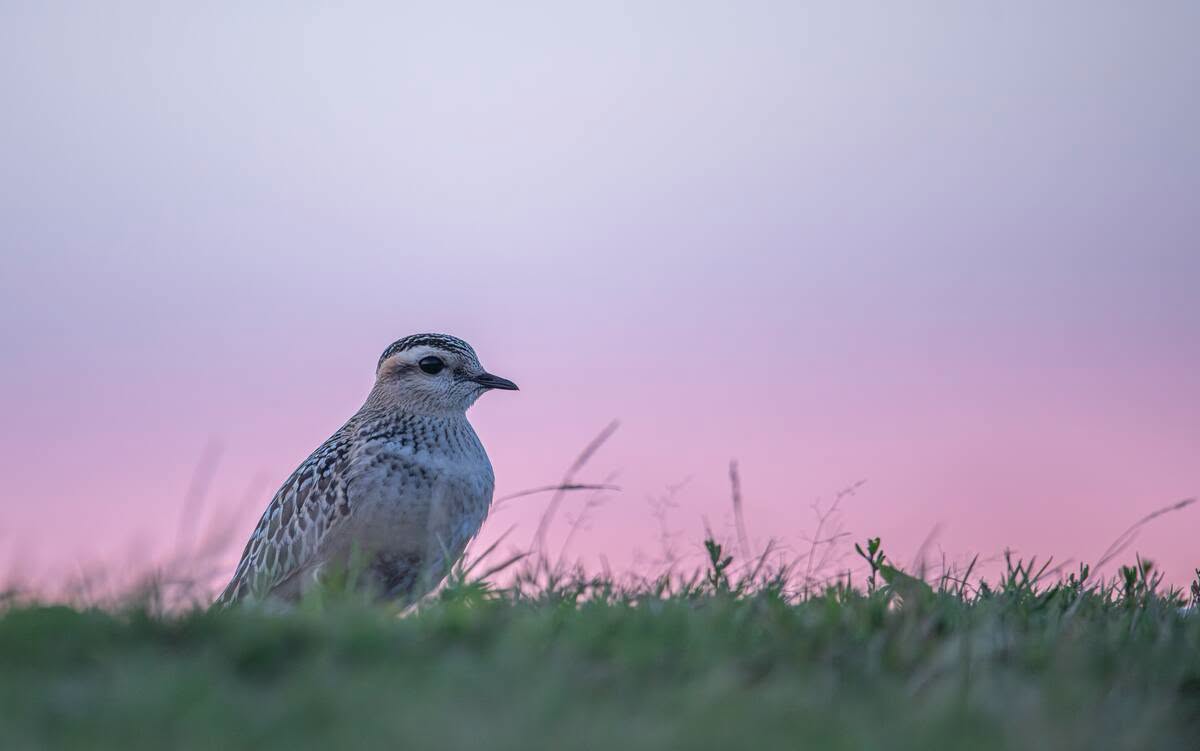

Neil has kept, bred and sold cage birds at Paradise Pets Swindon since 1988. The RSPB’s latest Dotterel warning is a wild-bird story, but it carries a useful lesson for anyone keeping birds at home.
The RSPB has warned that the UK could be set to lose the Dotterel as a breeding bird, with the latest national survey showing an 89% decline since monitoring began in 1987/88.
At first, that may sound like a conservation story with nothing to do with a budgie, cockatiel or canary in a living room. But the link is habitat.
Wild birds decline when the conditions they depend on stop supporting them. Pet birds suffer in quieter ways when their cage, room, diet, routine and enrichment do not support their real needs.
The scale is different. The principle is the same.
What The Dotterel Warning Says
The RSPB reported in July 2026 that results from the latest national Dotterel survey revealed a decline of 89% since monitoring began in 1987/88. The charity links the species’ struggle to environmental pressure, including climate change effects on upland habitats.
That is a serious wild-bird issue. It also gives pet bird owners a reason to think about what “habitat” means inside a home.
For a pet bird, habitat is not a mountain landscape. It is the cage size, perch layout, daylight pattern, room temperature, safety, social life, noise level, diet and enrichment you provide.
The Pet Bird Habitat Mistake
The common mistake is thinking of the cage as a container instead of a living environment.
A cage that simply prevents escape is not automatically a good habitat. A bird needs space to move, safe perches, food and water access, hygiene, stimulation, security and a routine that does not keep it stressed.
After 35 years, I can usually tell when an owner has thought about habitat properly. The bird is not just “kept.” It has a daily life.
Neil’s Pet Bird Habitat Checklist
- Can the bird move properly?
The cage should allow useful movement, not just standing room. - Are perches varied and safe?
Perch layout affects feet, movement and confidence. - Is the cage in the right room?
Avoid direct sun, fumes, draughts, isolation and constant disturbance. - Does the bird have enrichment?
Toys, safe chewing, foraging and social interaction matter. - Is the diet suitable?
Seed alone is not a complete welfare plan for many pet birds.
What Wild Birds Teach Us About Stress
Wild birds respond to changes in weather, food, nesting sites and disturbance. Pet birds respond to changes too: cage moves, loud rooms, poor sleep, heat, boredom and inconsistent handling.
A stressed bird may become quieter, noisier, defensive, feather-damaging, inactive or unusually clingy. Owners sometimes treat these as personality quirks when the environment is part of the problem.
Budgies, Cockatiels And Canaries
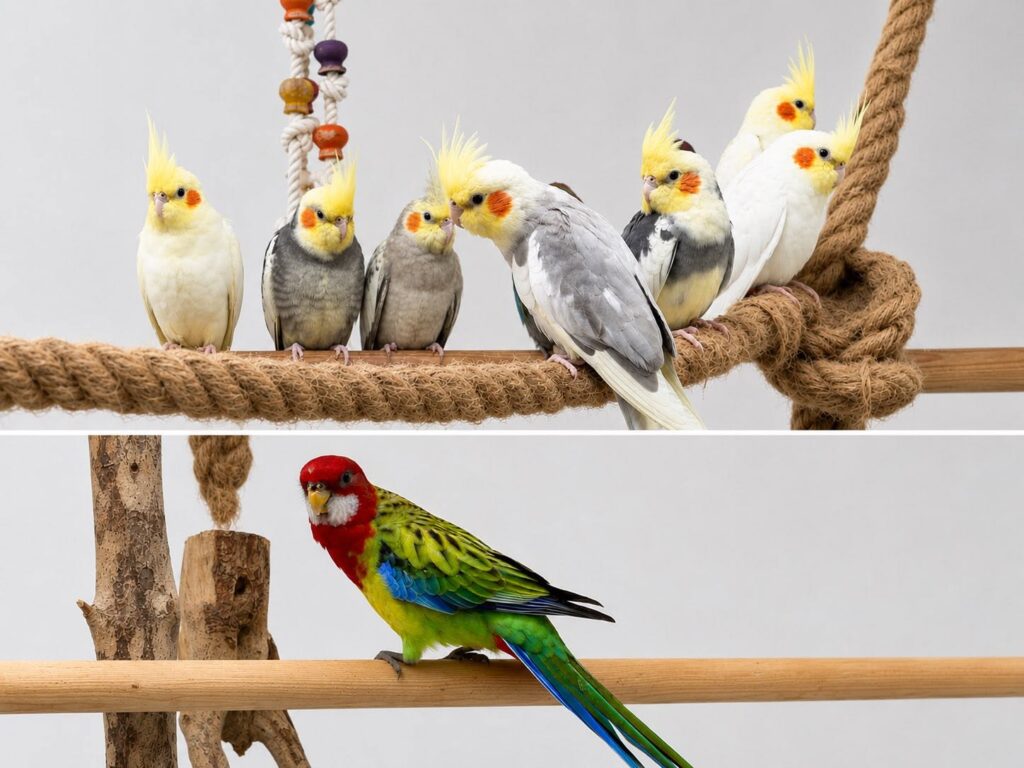
Budgies are active and social. They need space, company or strong human interaction, safe toys and sensible diet.
Cockatiels need routine, gentle handling and a calm environment. They can be sensitive to sudden changes and poor cage position.
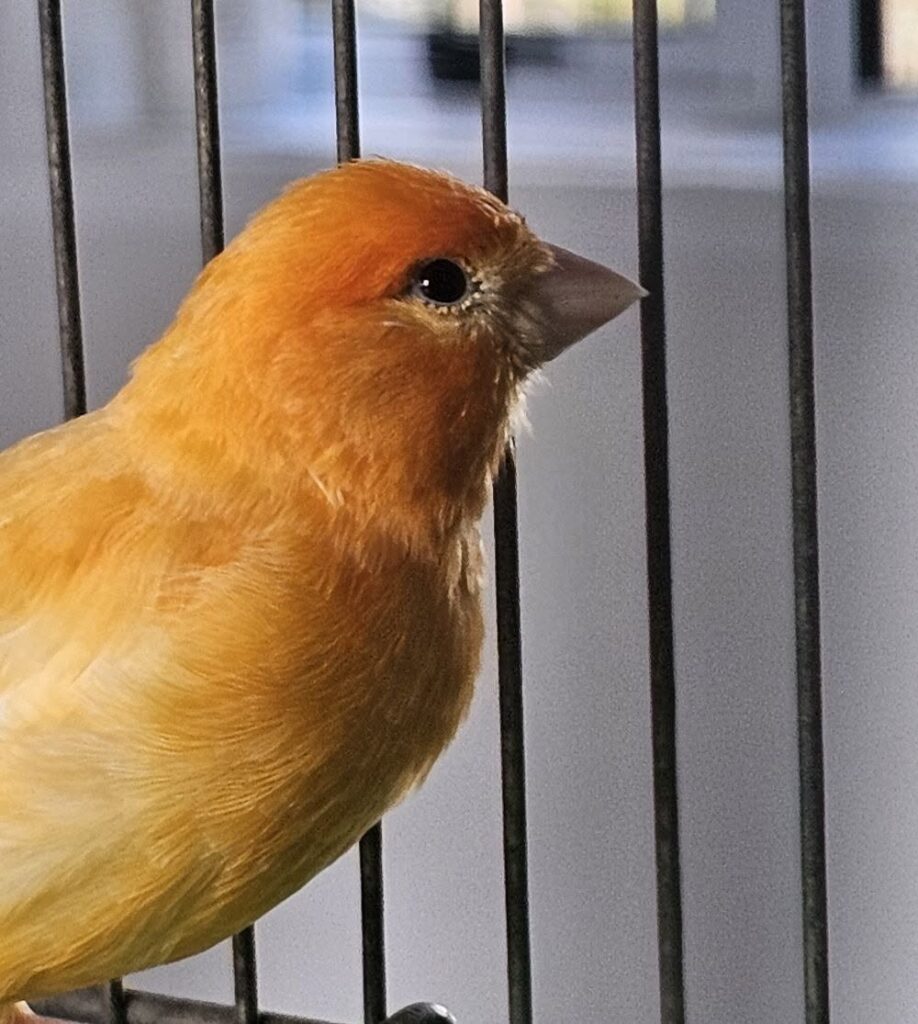
Canaries need a peaceful setup, clean perches, good light rhythm and a diet that supports health without overfeeding.
Different birds need different care, but none of them benefits from being treated like decoration.
What Owners Can Do Today
Stand back and look at the cage as if it is the bird’s whole world, because for much of the day it is.
Is there enough space? Is the room safe? Is there enrichment? Is the bird bored? Is the cage near cooking fumes, direct sun or cold draughts? Does the bird have clean water and a sensible diet? Is there a chance to behave like a bird?
Small changes can improve welfare quickly.
Neil’s Honest Advice
The Dotterel warning is about wild habitat loss. But for pet bird owners, it should still land close to home.
Birds are shaped by their environment. If you keep one, you are responsible for that environment every day.
Need Honest Bird Advice In Swindon?
Before buying a budgie, cockatiel, canary or other pet bird, speak to Neil at Paradise Pets Swindon. We can help with cage size, cage position, perches, diet, enrichment and whether the bird suits your home.