
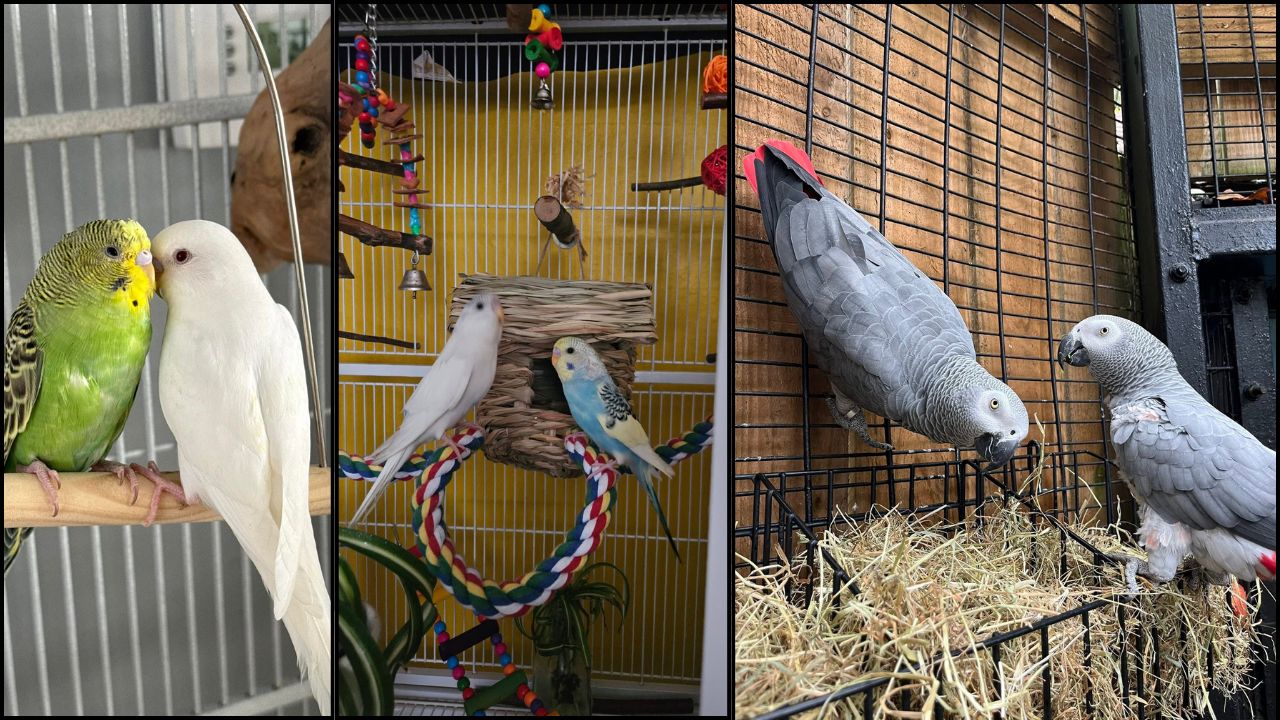

Neil has kept, bred, and sold budgies, cockatiels, and other pet birds at Paradise Pets Swindon since 1988. The RSPB and British Trust for Ornithology published a major joint report this week on climate change and UK bird life. It is about wild birds — but thirty-five years at this counter has taught him that wild bird science and pet bird keeping are not as separate as most owners assume. This guide explains what the report actually says, and what it genuinely means if you keep a bird at home.
The RSPB and the British Trust for Ornithology published their joint report this week. The title is direct: *Climate Change and the UK’s Birds: Impacts, Risks and Conservation Responses*. The content is equally direct.
Climate change is already reshaping UK bird life. Not in the future. Now. The report confirms that rising temperatures, changing rainfall patterns, and more frequent extreme weather events are driving measurable shifts in where bird species live, how common they are, and the timing of key events like breeding and migration. Some species — Cetti’s Warbler and Little Egret among them — are expanding northward and thriving in warming conditions. Others are declining or facing growing pressure. Seabirds, including Puffins and Arctic Terns, are among those most severely affected. Upland specialists like Dotterel and Golden Plover face increasing habitat pressure as the conditions they rely on shift uphill and reduce in area.
Professor James Pearce-Higgins, BTO’s director of science, made a point in the report that I want to quote precisely because it matters specifically for how we understand what is happening: this year’s record-breaking May and June temperatures would already have affected breeding birds. This is not a projection. It is a description of what is happening now.
Katie-jo Luxton, the RSPB’s director of conservation, was equally clear. Climate change is already reshaping UK birdlife, she said, and the warning signs are impossible to ignore.
I am not going to tell you that this report is specifically about your budgie or your cockatiel. It is about wild birds, and I will not pretend otherwise. What I want to do in this article is explain clearly what the report says, and then — honestly, without stretching — explain the specific ways it is relevant to the people who come through my door.
What the Report Actually Found — The Verified Facts
Let me state the key findings plainly, because they are substantial enough to be worth understanding on their own terms.
Climate change is reshaping bird populations across the UK, with some of the most familiar and vulnerable species under increasing pressure, according to the new RSPB and BTO report. It confirms that rising temperatures, changing rainfall patterns, and more frequent extreme weather events are accelerating changes in where species live, how common they are, and the timing of key life events like breeding and migration.
The report says upland species such as Dotterel and Golden Plover are among those expected to be most affected, with changing soil moisture and habitat conditions creating increasing pressures in the high ground where they breed. Seabirds are also highlighted as a major concern, with Puffin and Arctic Tern among the species being affected by warming seas, reduced food availability, and greater exposure to storms.
Some migratory birds face what the report describes as seasonal mismatches — where breeding no longer coincides with peak insect availability. If birds cannot bring forward their arrival or nesting dates quickly enough, breeding success may be affected.
On the positive side, some adaptable and warm-adapted species are faring better. Cetti’s Warbler and Little Egret have expanded rapidly across the UK, helped by milder winters and improved breeding conditions. However, the report cautions that gains by adaptable generalists may coincide with declines in more specialised birds, reducing the diversity of bird communities.
The report highlights that strengthening long-term monitoring and citizen science is essential, with the BTO, JNCC and RSPB’s Breeding Bird Survey described as critical for detecting changes and guiding adaptive management.
These are the facts of the report as published. I will now explain where they connect — honestly and directly — to keeping a pet bird in a UK home.
Why This Report Is Not Just About Wild Birds — The Connection to Pet Bird Keeping
The direct link between a report about wild UK birds and the practical care of a pet budgie in a Swindon living room is not as tenuous as it might first appear.
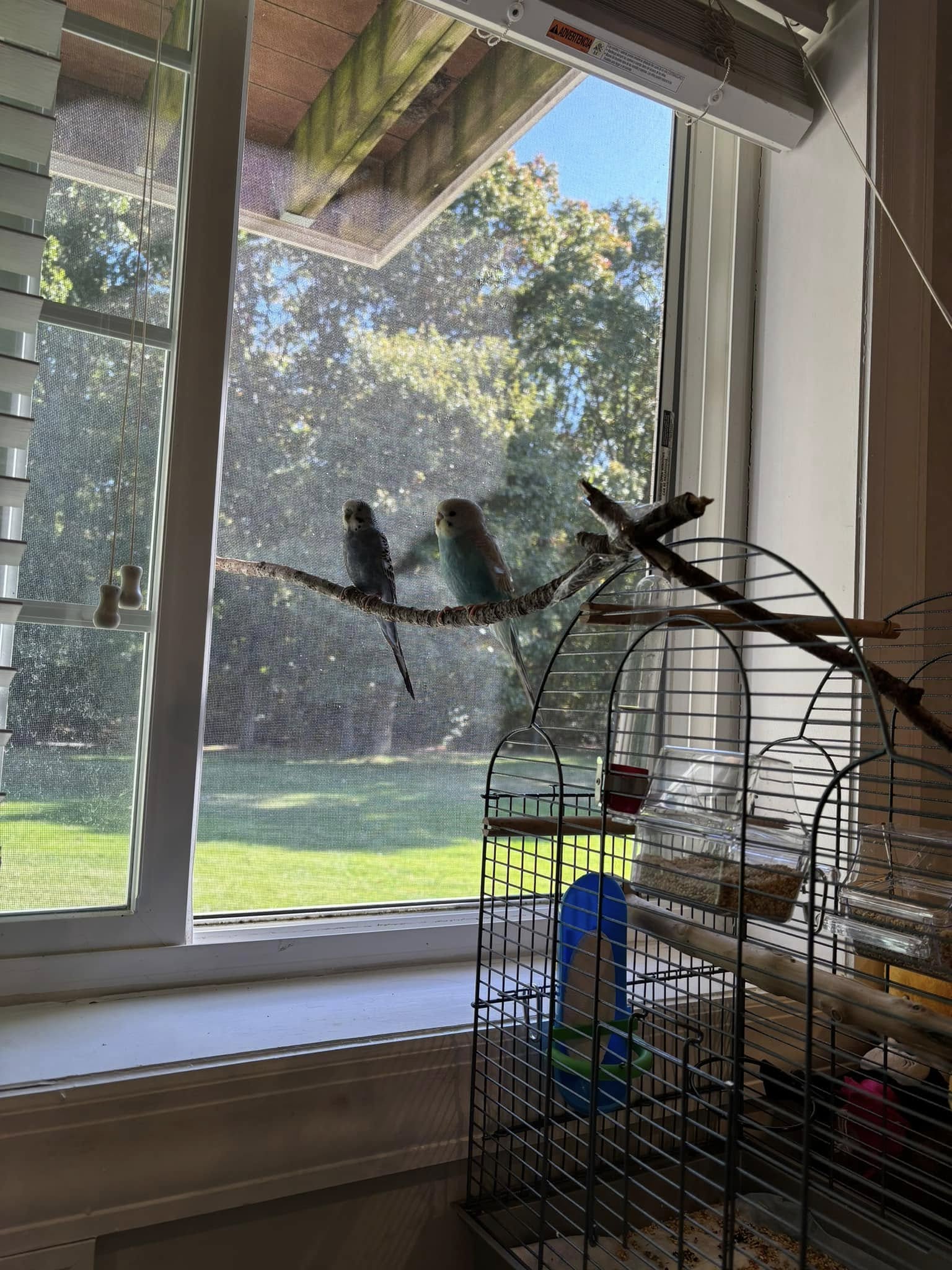
The climate conditions the report documents — record summer temperatures, more frequent and more severe storms, increasingly unpredictable seasonal patterns — are not conditions that exist only outdoors. They are conditions that exist inside UK homes, through UK windows, in the rooms where pet birds spend their entire lives. A budgie in a cage cannot fly to shade when a heatwave hits. A cockatiel cannot seek a calm, sheltered spot during the kind of storm that the report flags as increasingly frequent. Whatever the outdoor environment produces, the pet bird experiences through the filter of its home environment — and the home environment is significantly less buffered than a wild bird’s ability to actively seek appropriate conditions.
The record-breaking May and June temperatures Professor Pearce-Higgins describes as already having affected breeding wild birds are the same temperatures that I have been describing in our summer window heat guide as a genuine risk for any budgie positioned in direct sun. The increasing storm frequency the report documents is the same pattern that drives the night fright risk for captive birds I cover in our guide on budgies falling from their perch at night.
This is not a stretch. It is the same physical environment, experienced differently depending on whether the bird can move independently or is confined to a cage in one fixed position.
The Summer Heat Lesson From This Report — What Pet Bird Owners Should Act On Now
The most immediate and actionable connection between this week’s report and practical pet bird keeping is the heat question.
Professor Pearce-Higgins specifically noted that this year’s record-breaking May and June temperatures would have affected breeding birds. The UK is currently in its warmest months. The same extreme temperatures that the report identifies as already affecting wild bird populations across the country are already present in the rooms where pet birds live.
The practical steps this demands for any budgie or cockatiel owner right now are the same ones I covered in detail in our summer heat guide — and they are worth repeating here because the report makes the urgency of the temperature issue impossible to dismiss as a minor consideration.
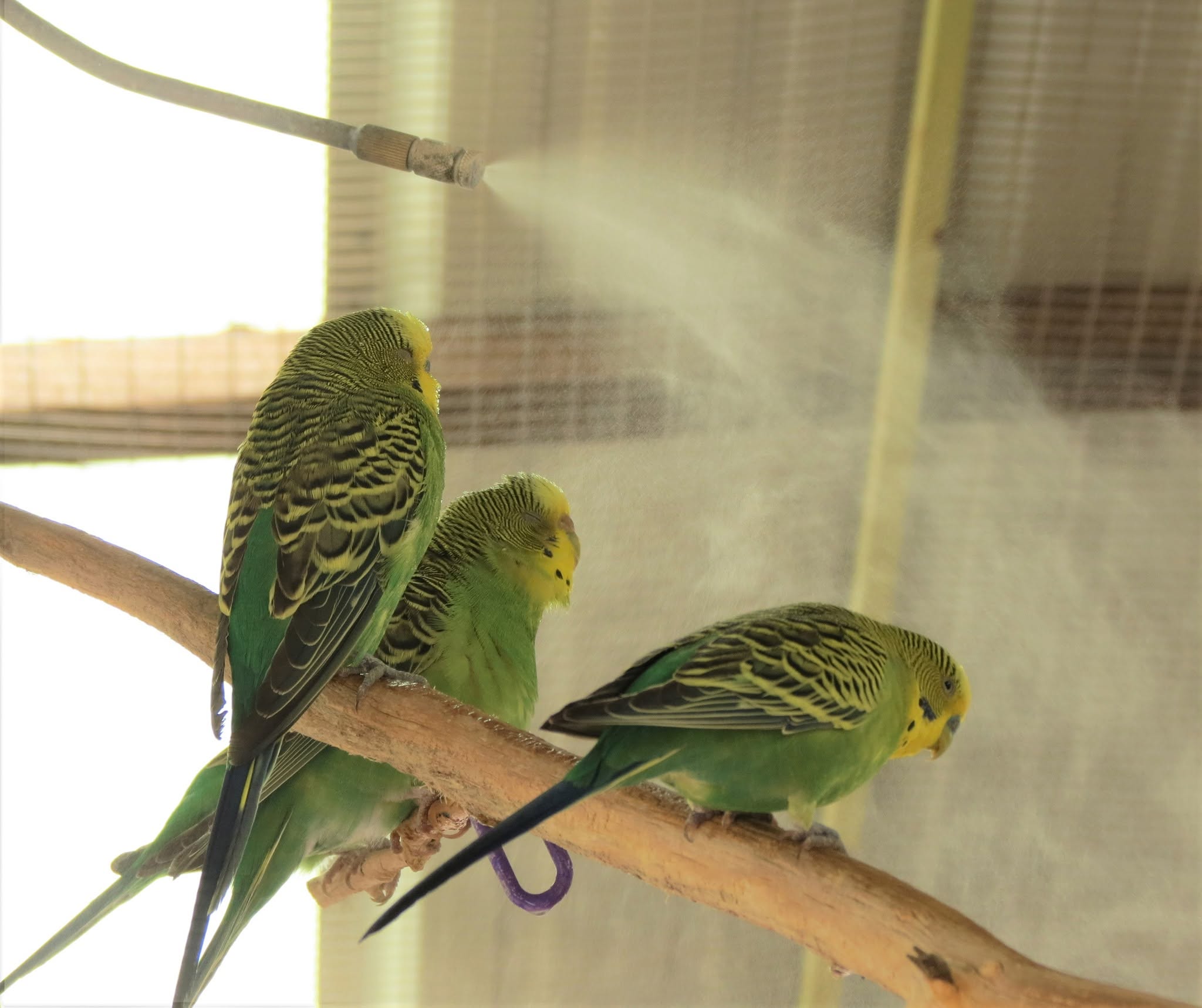
Check where the cage is positioned relative to any window that receives direct sun, at the hottest part of the day — typically early to mid-afternoon in the current UK summer. Feel the air immediately around the cage. If it is noticeably warmer than the rest of the room, or if the cage is in direct sunlight, the cage needs to move or the window needs shading today. Not at some convenient point.
Birds cannot sweat. They manage heat through panting with an open beak and, when they have the option, by seeking shade. A wild bird exercises that option instinctively and independently. A caged bird relies entirely on the owner to have made the right decision about cage placement. The report’s documentation of birds struggling to cope with record temperatures is a direct prompt to check whether your own bird’s environment is adequately managed for the heat that is already here.
The Storm Frequency Lesson — Night Frights and Captive Birds
The second major finding of the RSPB and BTO report — that more frequent and more severe extreme weather events are a significant driver of wild bird population pressure — has a direct and specific parallel for pet bird owners.
The report identifies seabirds as particularly exposed to greater storm frequency, with Puffins and Arctic Terns among those affected by increasing storm exposure alongside reduced food availability. For wild birds, storms represent a survival challenge across multiple dimensions — physical exposure, disrupted feeding, reproductive timing mismatches.
For a pet bird in a cage, storms represent something more specific and more manageable but no less real: the primary trigger for night frights.
A night fright — where a sleeping bird is startled awake by a sudden sound or light, thrashes around the cage in disorientation, and sometimes injures itself — is almost always triggered by exactly the kind of sudden, unpredictable stimulus that storms produce. A tree branch hitting a window. A gust driving rain against the glass. A car alarm set off by wind. Thunder at two in the morning. I have explained night frights in full in our guide on budgies falling from their perch.
If the RSPB and BTO report is correct that extreme weather events are becoming more frequent — and it is, the evidence behind that conclusion is robust — then the frequency of potential night fright triggers in UK homes is increasing alongside it. The practical response is not complicated: a soft night light near the cage, positioned so the bird can orient itself if woken, eliminates most night frights regardless of the external cause. If you have not done this yet, this week’s report is a reasonable prompt to do it.
The Seasonal Mismatch Lesson — Budgie Owners and Changing Light Cycles
One of the more nuanced findings in the report — that some migratory birds face seasonal mismatches where breeding no longer coincides with peak insect availability as the climate shifts — has a counterpart in pet bird keeping that is worth understanding for anyone who keeps budgies or cockatiels year-round.
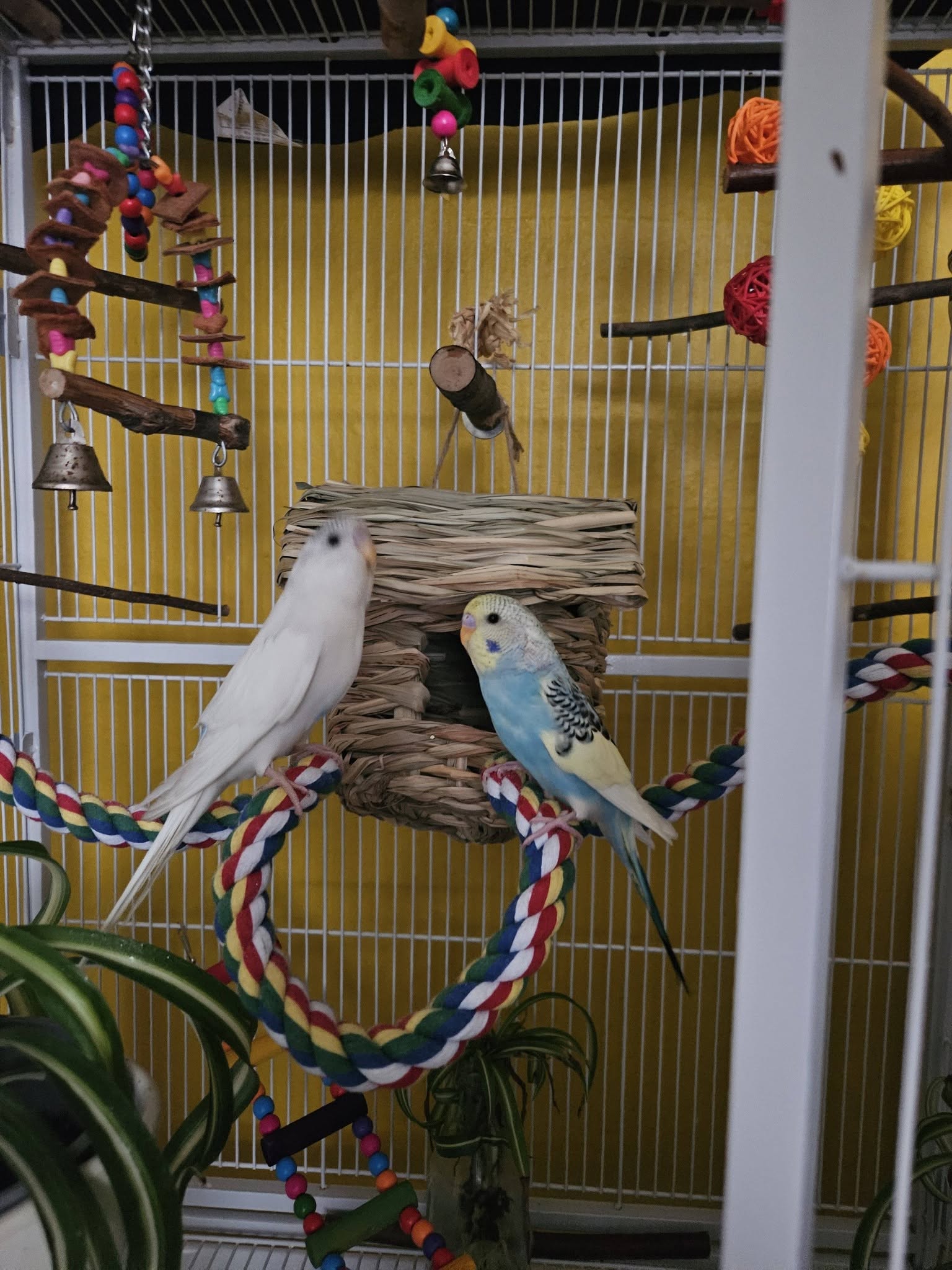
Budgies are sensitive to day length as a hormonal trigger. As natural light cycles become more variable — with warmer, longer early springs and more unpredictable autumn conditions — the hormonal signals that regulate a pet bird’s breeding behaviour can become harder to manage for owners who do not deliberately control their bird’s light environment.
A cockatiel or budgie experiencing an unusually warm, bright February or March may begin producing hormonal breeding behaviour significantly earlier than usual, with the associated mood changes, increased aggression, or egg-laying in females that creates health risks from chronic egg production. This is not a theoretical future concern — it is something I have been seeing earlier in the year, over the past several years, as UK seasons become less predictable.
The practical response: be more conscious of your pet bird’s light environment, particularly through the early months of the year. Limiting the bird’s day length to twelve hours of light throughout winter and early spring, using a cage cover in the evening, and removing any enclosed spaces or dark corners the bird might adopt as a nest site — these steps buffer the hormonal effects of increasingly unpredictable UK seasonal light patterns. I cover the full hormonal season management picture in our guides on budgie aggression and cockatiel hissing and territorial behaviour.
What the Report Asks of Us — The Garden Bird Connection
The RSPB and BTO report calls specifically for strengthening long-term monitoring and citizen science, describing the Breeding Bird Survey as critical for detecting changes and guiding adaptive conservation management.
For anyone who both keeps a pet bird and has a garden, this is a direct call to action that costs nothing: participate in garden bird monitoring. The Big Garden Birdwatch, run annually by the RSPB each January, asks participants to count garden birds for one hour and submit the results. BTO’s Garden BirdWatch is a year-round equivalent for more committed counters. Both contribute real data to exactly the kind of long-term monitoring the report says is essential.
The report’s emphasis on citizen science as an indispensable part of understanding what is happening to UK bird populations means that any individual garden, anywhere in the country, is a potential data point that matters. If you are keeping a garden bird feeder alongside a pet bird — and a significant number of our customers do both — participating in these surveys is a meaningful contribution to the conservation response the report calls for.
I covered the practical side of responsible garden bird feeding in our guide on how UK storms are affecting garden bird populations. The RSPB and BTO report this week reinforces everything in that guide and adds a specific call for longer-term engagement beyond just the feeder.
The Bigger Picture — Why Pet Bird Owners Have a Stake in Wild Bird Conservation
I want to make an observation that I do not often put into writing, but that thirty-five years of selling birds has made feel increasingly important.
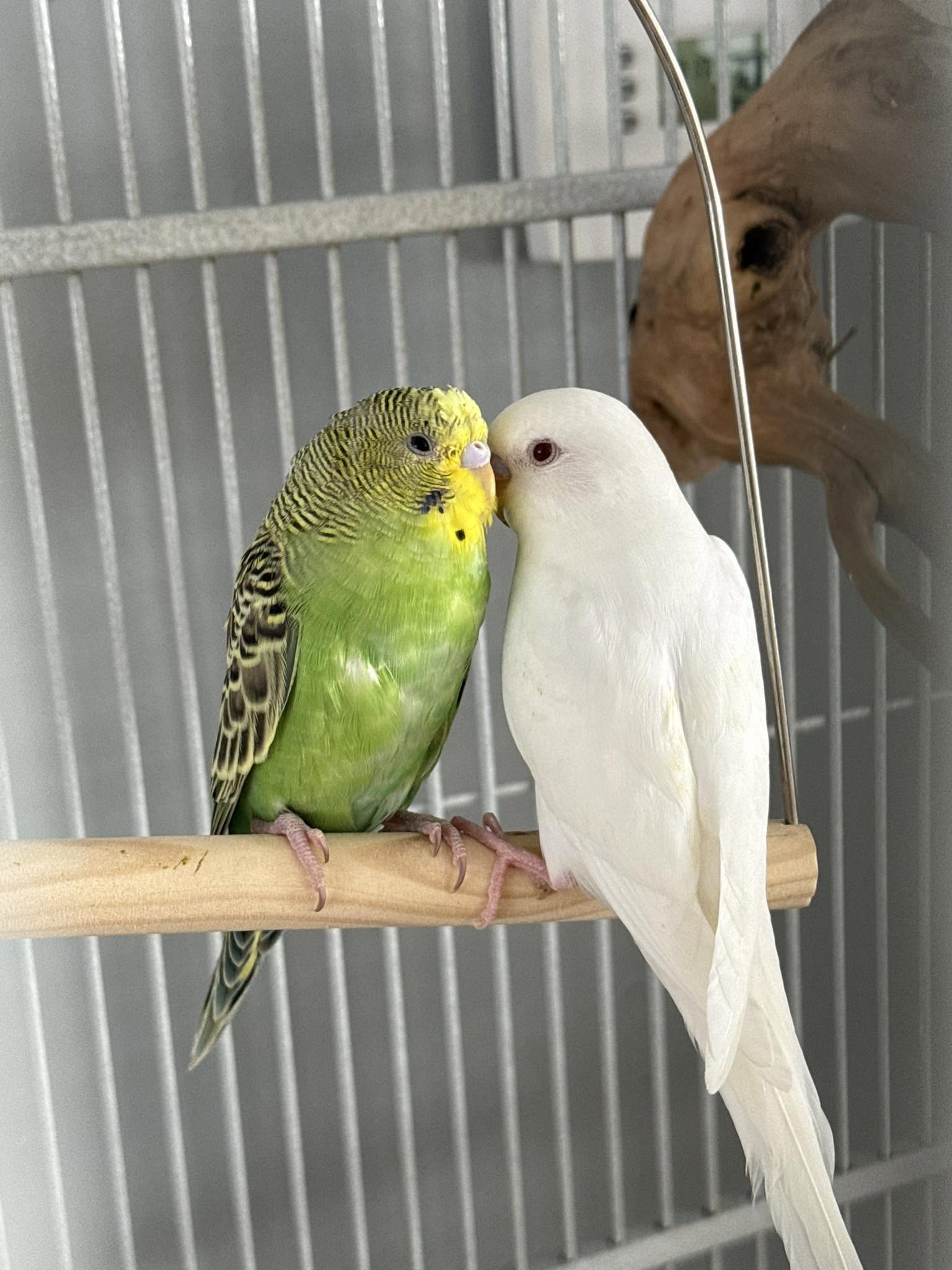
The people who keep pet birds and the people who care about wild bird conservation are, overwhelmingly, the same people. I have had this conversation in various forms across decades of selling to customers who care about birds — not just about their own bird, but about birds generally. The budgie owner who also fills a garden feeder. The cockatiel keeper who participates in the Big Garden Birdwatch. The family whose child has a first budgie and is simultaneously developing a genuine interest in what is happening to UK wild bird populations.
The RSPB and BTO report published this week is a report about wild birds under pressure from a changing climate. It is also a report that the millions of people in the UK who keep pet birds are uniquely well-positioned to respond to — through their understanding of birds generally, through their existing relationship with organisations like the RSPB, and through the garden bird feeding and monitoring activities that many of them already engage in.
The practical actions I have outlined in this article — managing summer heat risk, addressing the night fright problem, being more conscious of seasonal light management, and participating in citizen science monitoring — are not grand responses to a large problem. They are the specific, manageable actions that ordinary households can take, rooted in what this week’s report actually describes.
- “It’s about wild birds so it has nothing to do with my budgie” — The extreme weather the report documents — record temperatures, increasing storm frequency — occurs in the same physical environment where your pet bird lives. The difference is that a wild bird can respond to it independently, while a caged bird cannot. That difference makes the pet bird owner’s management role more important, not less.
- “Climate change is a long-term future problem, not something happening now” — The report is explicit on this point. Professor Pearce-Higgins specifically noted that this year’s record-breaking May and June temperatures would already have affected breeding birds. This is current, not projected.
- “The report is doom and gloom — nothing can be done” — The report is genuinely mixed in this respect. Some adaptable and warm-adapted species are faring better, with Cetti’s Warbler and Little Egret expanding rapidly across the UK. The report calls for specific, actionable conservation responses, not passive acceptance. The same principle applies at the household level.
- “One household can’t make any difference to what the report describes” — The report specifically calls for expanding citizen science schemes as essential for detecting changes and guiding conservation action. Individual household participation in garden bird monitoring is precisely what the report identifies as needed. Scale is built from individual contributions.
- “My indoor pet bird isn’t affected by outdoor weather conditions” — Heat comes through windows. Storm noise comes through walls. Light levels change with the season inside as well as outside. The outdoor conditions the report documents translate directly into the indoor environment a captive bird experiences — the bird has no means of escaping or adapting to those conditions independently.
What to Do This Week — The Practical Summary
- Check your bird’s cage position for summer heat today.
Record-breaking temperatures are documented in the report as already affecting UK birds this summer. Your bird’s cage position relative to any sunny window is the most immediate thing to check and, if necessary, change. Read our summer heat guide for the full picture. - Add a night light near the cage before the next storm forecast.
Increasing storm frequency is one of the report’s core findings. The same storms that challenge wild birds trigger night frights in captive ones. A soft LED night light near the cage, available for a few pounds, is the most effective single precaution. - Review your light management for the bird’s hormonal season.
More unpredictable UK seasonal conditions affect the hormonal triggers for pet birds as much as wild ones. Twelve hours of light, controlled by a cage cover, is the baseline management approach for any budgie or cockatiel through winter and early spring. - Participate in garden bird monitoring if you have a garden.
The report specifically calls for citizen science participation. The Big Garden Birdwatch each January and BTO’s Garden BirdWatch year-round are the most accessible entry points. Both directly feed the kind of data the report says is essential. - Read both the wild bird and the pet bird sides of this conversation together.
Our guides on supporting garden birds through UK storms and the winter budgie cage guide cover the practical detail of both. This report sits alongside those, not separately from them.
Come and see us at Manor Garden Centre, Cheney Manor Industrial Estate, Swindon, SN2 2QJ — open every day. Or call us on 01793 512400. We stock wild bird food, feeding equipment, and everything needed to manage both a pet bird’s environment and a garden bird station responsibly through whatever this summer still has ahead.
Visit Us at Paradise Pets Swindon
We stock budgies, cockatiels, canaries, and finches year-round, alongside a full range of wild bird food and feeders, and everything needed to manage both aspects of this week’s story — pet bird care through a warming UK summer, and responsible garden bird support.
We also stock guinea pigs, rabbits, and a full range of gerbils and hamsters.