
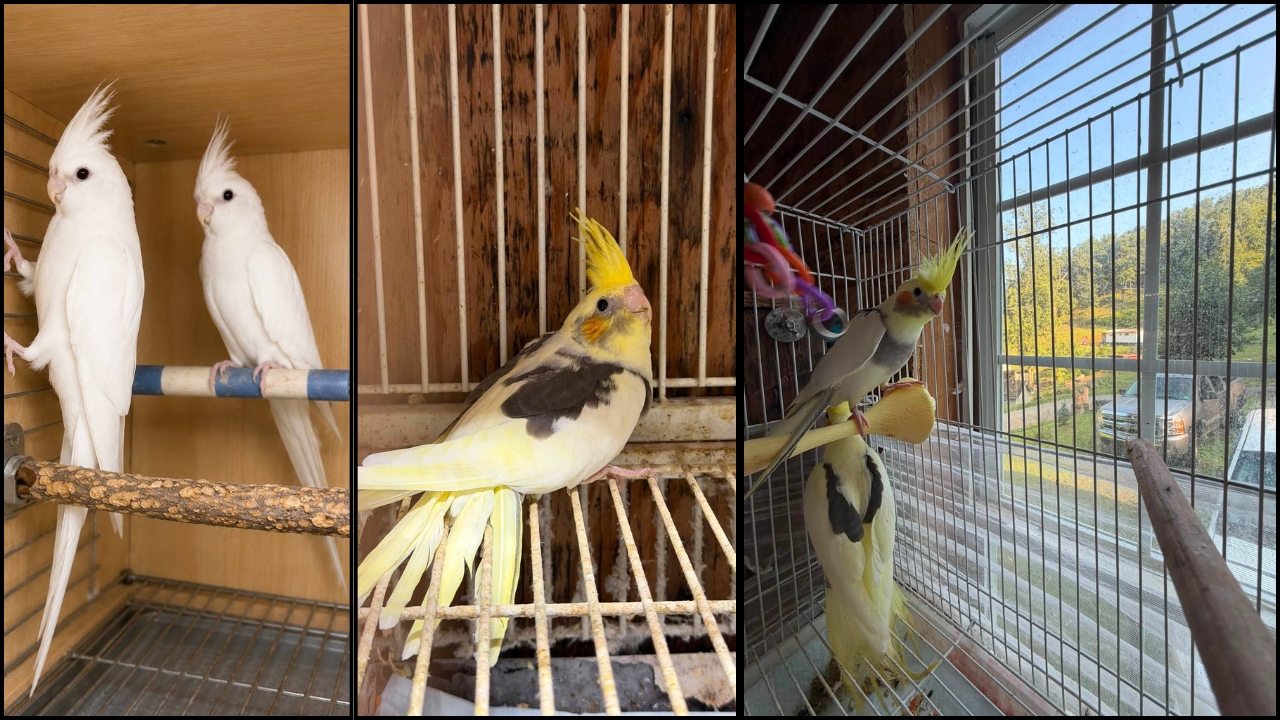

Cockatiel crest meaning appears in your search queries, and it is perfect for Discover because owners love visual behaviour clues.
A cockatiel’s crest is expressive, but it is not a magic mood meter by itself. Owners need to read the crest together with posture, eyes, sound, body tension and what is happening in the room.
This guide is not a diagnosis. It is a practical owner checklist from Neil, based on common questions people ask at the counter and the kind of behaviour changes cockatiel owners often notice at home.
The Quick Answer
A raised crest can mean interest, alertness, surprise or anxiety. A flatter crest can mean relaxation, irritation or fear depending on the rest of the body.
The same crest position can mean different things in different moments.
What Can Be Normal
Cockatiels move their crest when curious, excited, resting, exploring or reacting to sound.
A happy bird may still raise its crest when something new enters the room.
What Is Not Normal
A tight body, hissing, lunging, repeated panic or refusal to eat is more concerning than crest position alone.
If a bird suddenly becomes quiet, weak or off food, do not treat it as mood only.
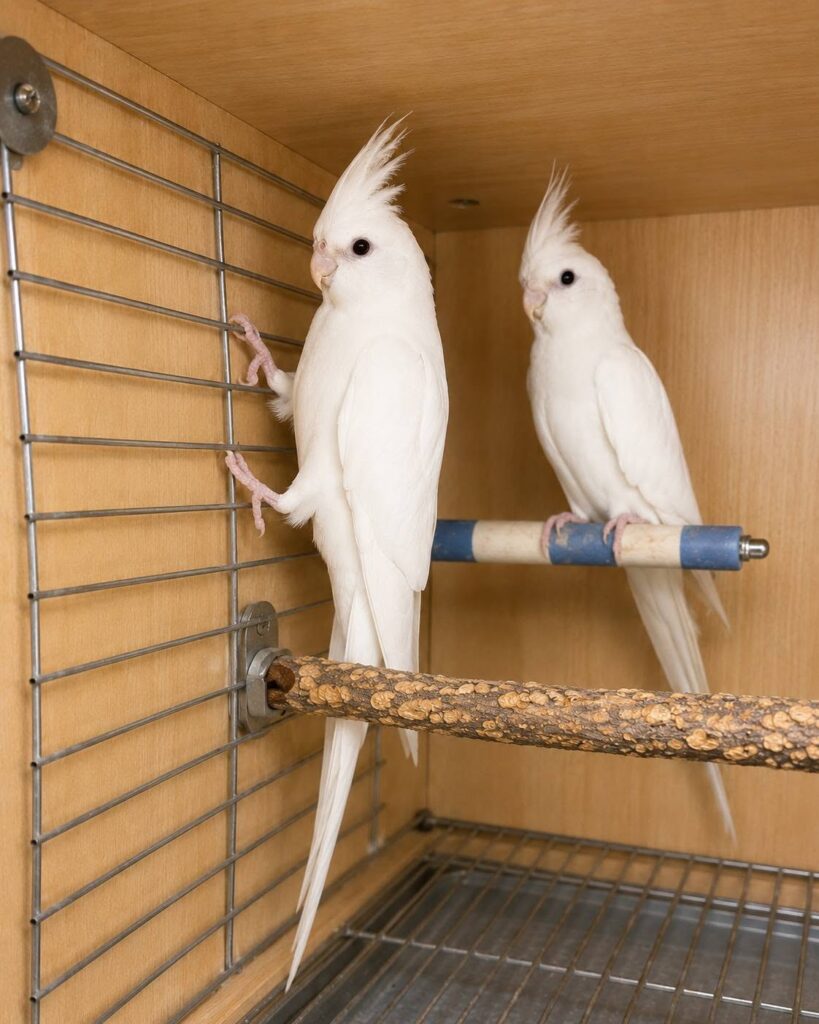
The 60-Second Owner Check
- Read the whole body
Crest, eyes, posture and feet all matter. - Check the trigger
What happened just before the crest changed? - Watch sound
Hissing, screaming or silence adds context. - Check distance
A bird leaning away may need space. - Compare with normal
Every cockatiel has its own habits.
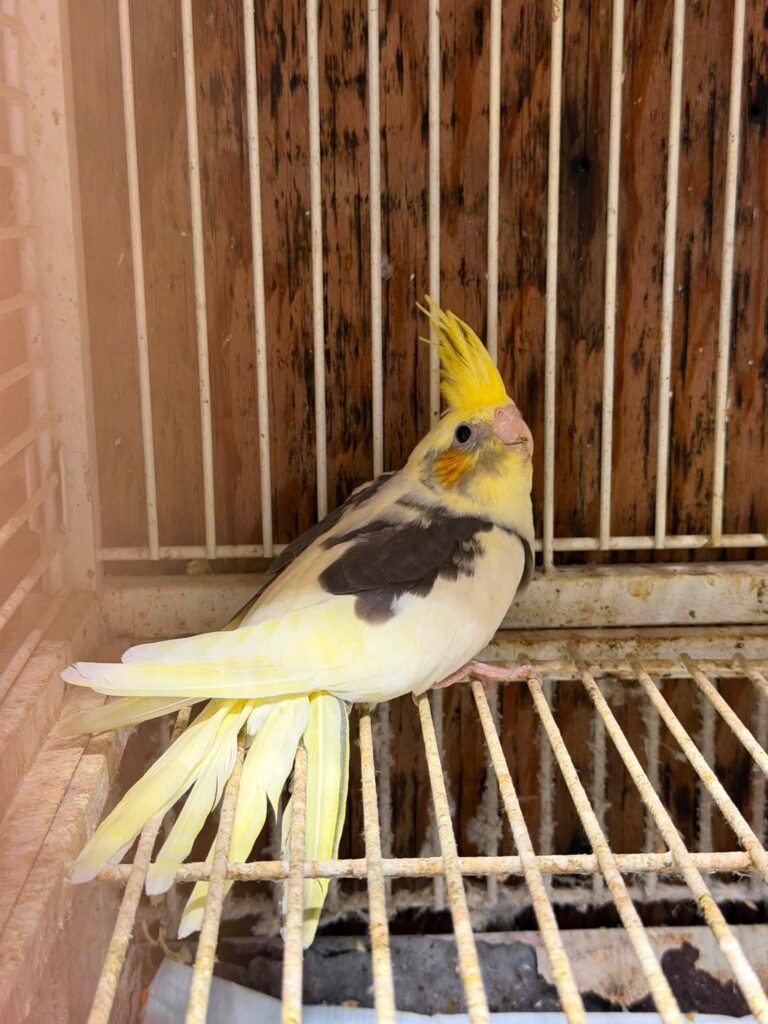
What To Do Today
- Pause before handling
If the bird looks tense, give space. - Reward calm behaviour
Do not force interaction when the bird is unsure. - Reduce sudden triggers
Fast hands and loud noises can create fear. - Track patterns
Crest changes at the same time daily can reveal routine issues. - Seek help if behaviour flips
Sudden major behaviour change can have health or stress causes.
The Mistake Neil Sees Most Often
The common mistake is using one crest chart as if every cockatiel is the same.
Another mistake is ignoring hissing or body tension because the crest looks cute.
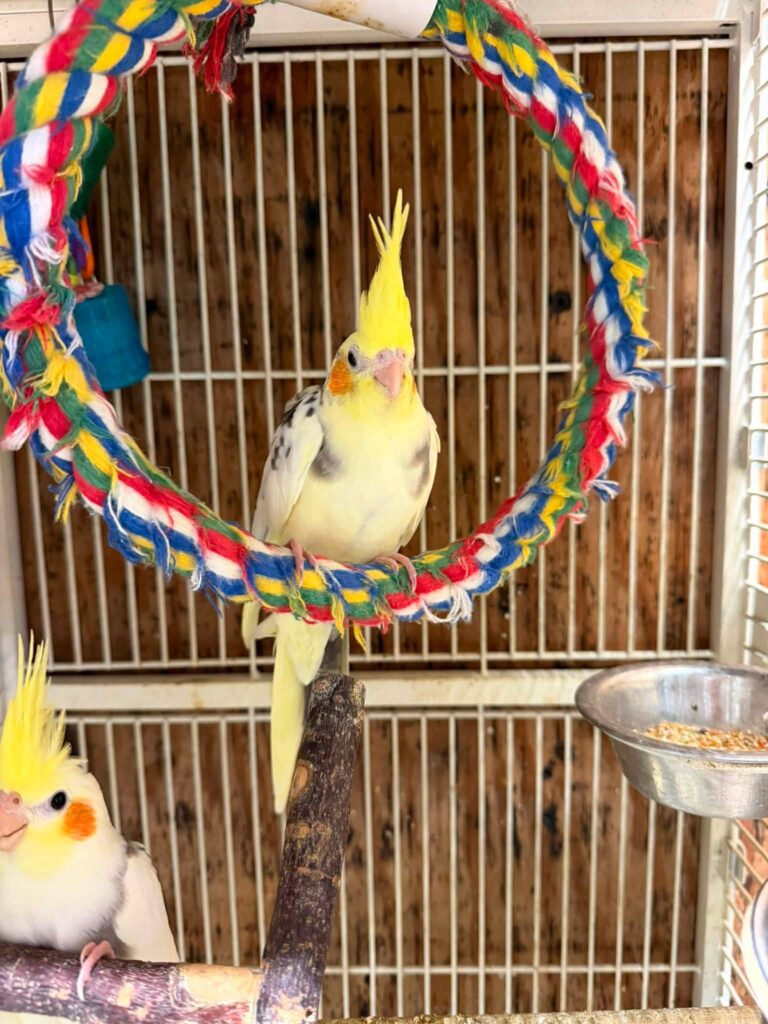
When To Contact A Vet
Contact a vet if crest changes come with lethargy, not eating, breathing difficulty, weakness, injury or droppings changes.
Behaviour reading is useful, but illness signs need professional advice.
Neil’s Honest Advice
Neil’s advice is to learn your cockatiel’s personal language.
The crest is helpful when you read it with the whole bird and the whole room.
Need help understanding your cockatiel?
Paradise Pets can help owners compare normal cockatiel behaviour with setup issues, routine problems and signs that need veterinary advice.