
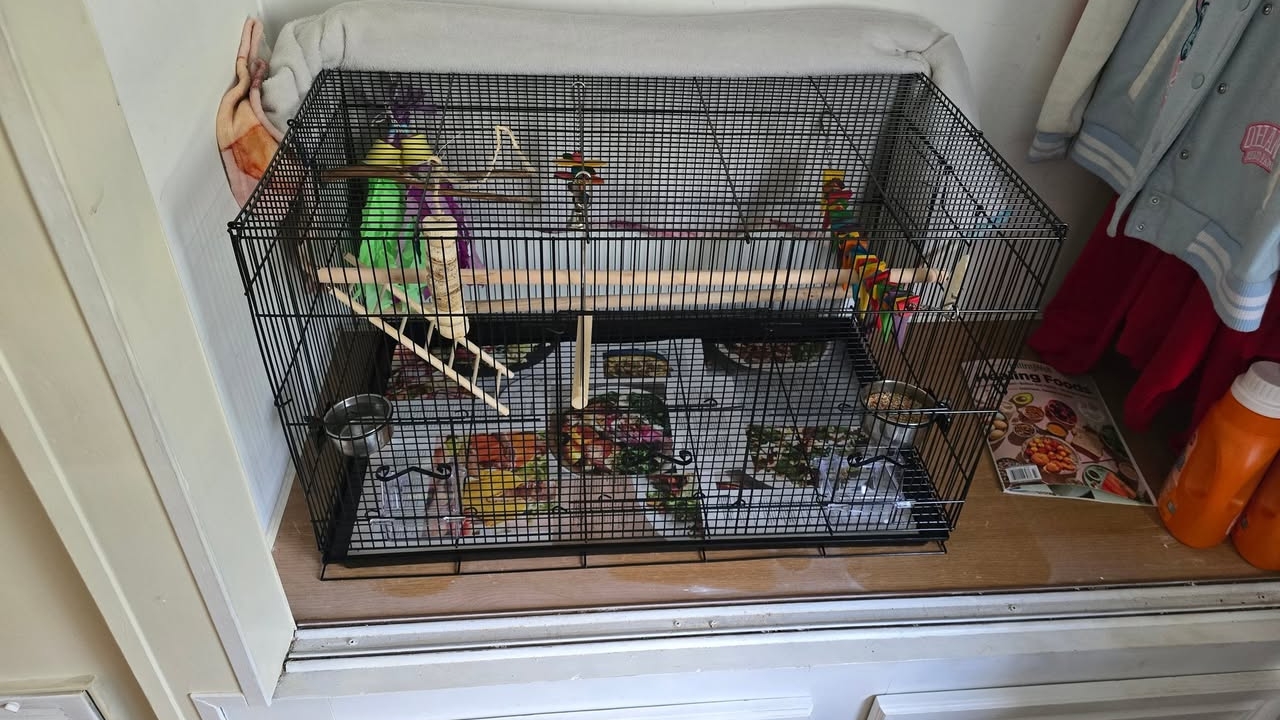

Budgie cages are one of the strongest query areas in your screenshot. This article links cage interest with behaviour and health signals.
A poor cage setup can make a healthy bird look stressed, bored or noisy. It can also hide early illness because the owner cannot see normal movement clearly. That is why setup matters before symptoms even begin.
This guide is not a diagnosis. It is a practical owner checklist from Neil, based on common questions people ask at the counter and the kind of behaviour changes bird owners often notice at home.
The Quick Answer
A suitable cage gives movement space, safe perch routes, clean food and water, calm sleep and easy observation.
If the cage is too crowded, too sunny, too noisy or badly arranged, owners may misread normal behaviour or miss warning signs.
What Can Be Normal
Budgies use perches, food areas, toys and quiet spots throughout the day.
A good setup lets the bird choose without forcing awkward movement.
What Is Not Normal
A bird that avoids areas, sits in one spot, panics near a window or cannot move easily may be reacting to the cage.
Cage problems can also increase noise and stress.
The 60-Second Owner Check
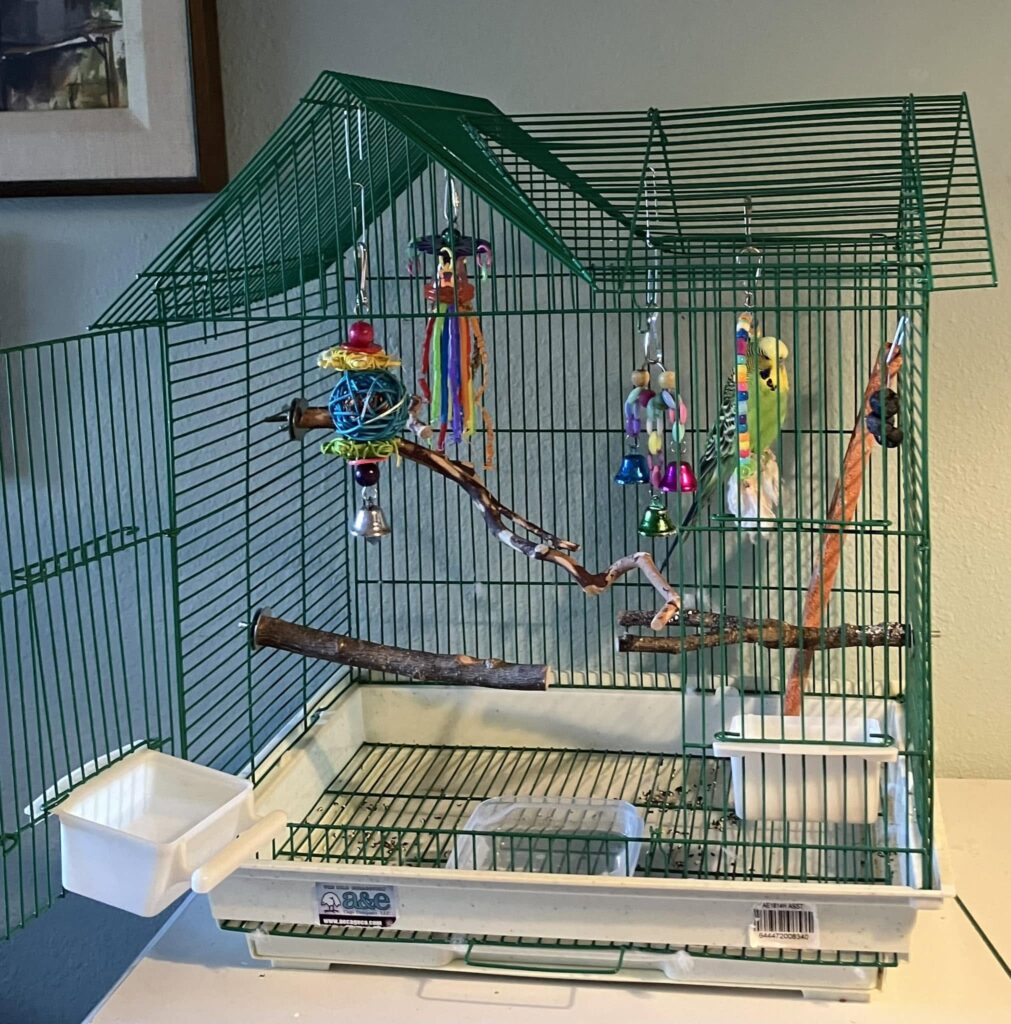
- Check usable space
Space left after toys and bowls matters more than empty cage size. - Check perch routes
Can the bird move without crashing into objects? - Check food placement
Perches should not dirty food and water. - Check light
Direct sun can make a cage unsafe. - Check observation
You should be able to spot droppings, eating and behaviour easily.
What To Do Today
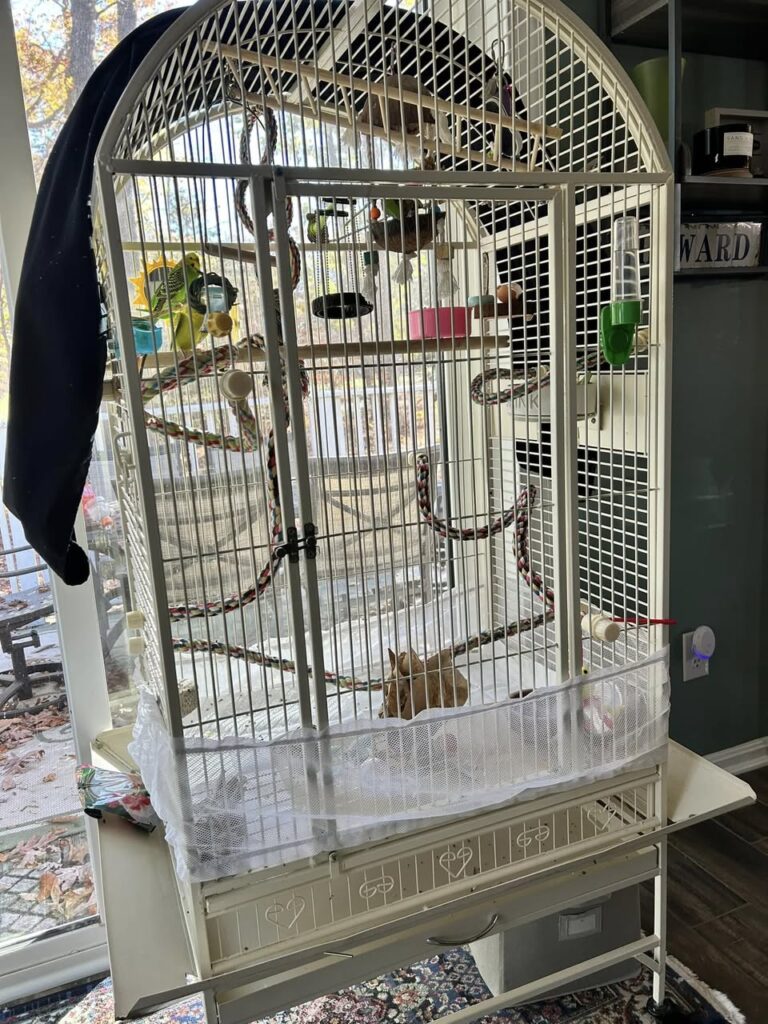
- Remove clutter
Keep useful enrichment but create clear movement. - Move from risky windows
Avoid heat, glare and panic triggers. - Use suitable perches
Grip and size affect comfort. - Keep water clean
Placement should reduce contamination. - Review weekly
Bird needs change as behaviour changes.
The Mistake Neil Sees Most Often
The common mistake is buying accessories to solve stress while the cage itself is badly placed.
Another mistake is judging cage quality from a photo instead of daily use.
When To Contact A Vet
If behaviour changes come with weakness, poor appetite, breathing effort, falling or abnormal droppings, contact a vet.
Setup fixes are helpful, but they are not a substitute for veterinary care.
Neil’s Honest Advice
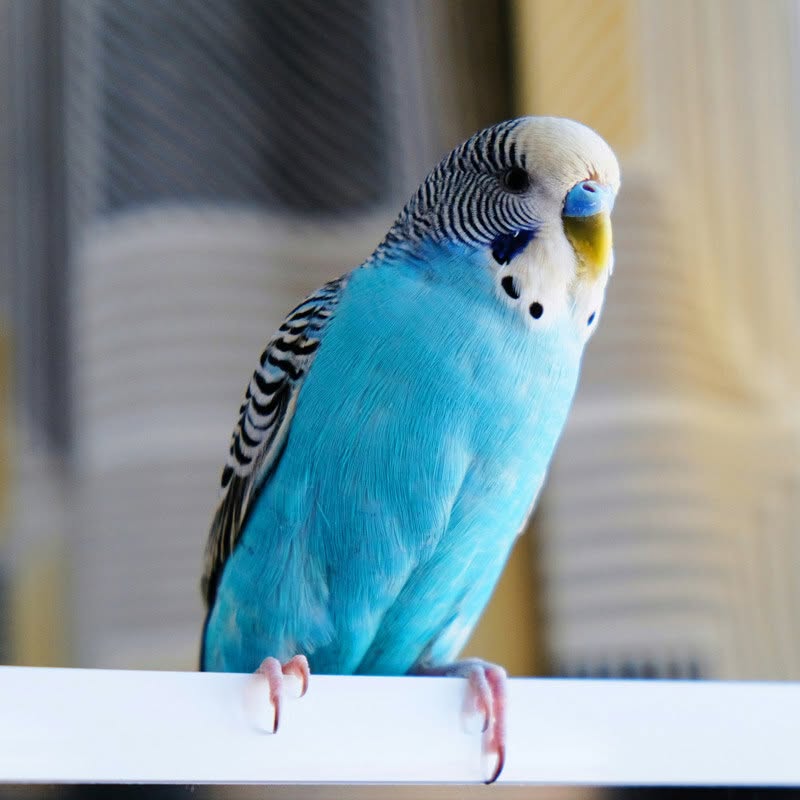
Neil’s advice is to simplify the cage until the bird is easy to observe.
Once the basics are right, enrichment can be added more intelligently.
Need practical budgie advice in Swindon?
Bring your questions to Paradise Pets. Neil can help with cage setup, daily care, food, enrichment and when a symptom should be checked by a qualified vet.