
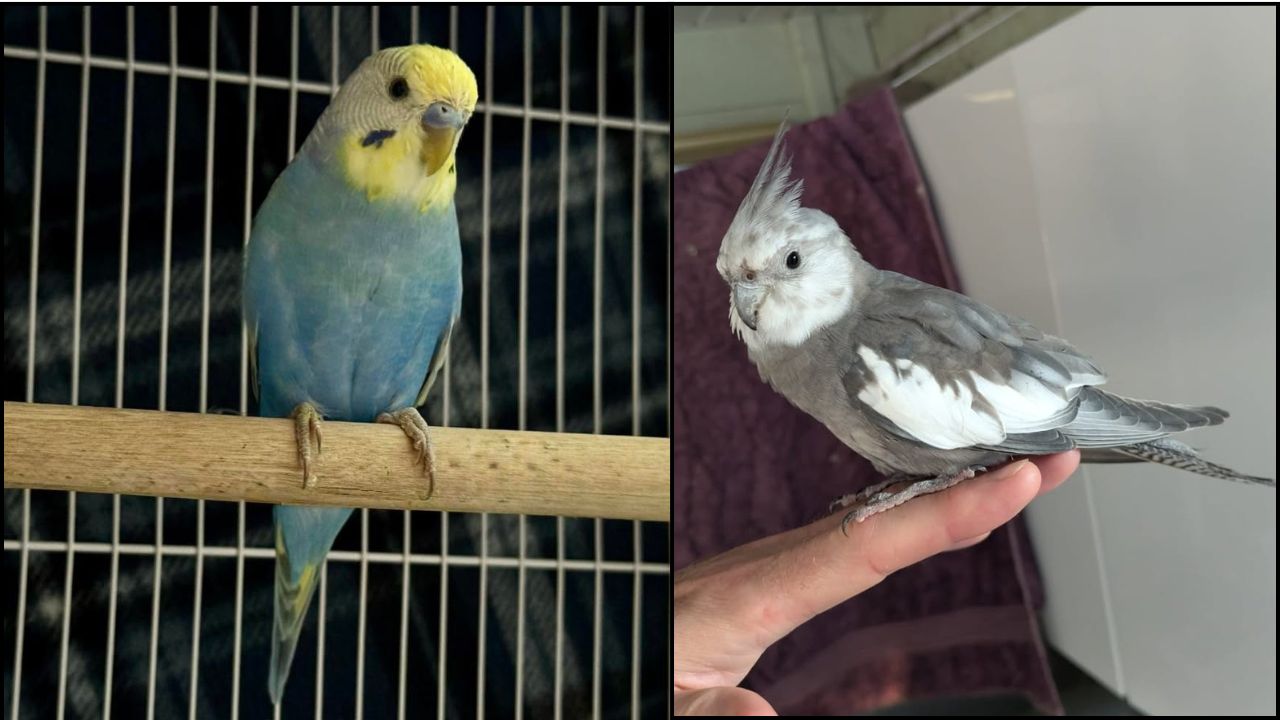

Neil has kept, bred, and sold cage and aviary birds at Paradise Pets Swindon since 1988 — over 35 years of first-hand experience with budgerigars, cockatiels, canaries, finches, and dozens of other species. When the Met Office issues amber heat warnings across England, he considers it his responsibility to say something clearly. This is that article.
I am writing this because the amber heat warning is still active and because in 35 years I have watched what happens to birds when their owners do not know what to do in serious heat — and I do not want that to happen to anyone reading this.
I will be brief and direct, because this is not the moment for a long article. If you have a pet bird — any species, any age, any setup — there are things you need to check and things you may need to change today. Not this week. Today.
I have been through enough UK heatwaves to know that the calls and visits I get in the days after a serious heat event are the ones I find hardest. Birds that could have been saved with an hour of attention the day before. Owners who did not know the signs. Owners who knew something was wrong but thought it would pass.
This article tells you what to do right now, what to watch for, and what the signs of heat distress look like in a bird. Read it, act on it, and then share it with anyone you know who keeps birds.
Why Pet Birds Are In Serious Danger During UK Heatwaves
Most people understand that extreme heat is dangerous for dogs and cats. Far fewer realise that pet birds — budgies, cockatiels, canaries, finches — are in some ways even more vulnerable during a UK heatwave, and for reasons that are not immediately obvious.
Birds regulate their body temperature differently from mammals. They do not sweat. They cool themselves primarily through respiration — breathing faster, holding their wings away from their bodies, and seeking shade. In a cage in a UK home during an amber heat warning, those options are severely limited. The bird cannot seek shade that does not exist. It cannot move to a cooler location. It cannot do anything except use whatever behavioural tools it has — and in serious heat, those tools are not enough.
Birds also have a very narrow thermal comfort range. A budgie that is comfortable at 18 to 24 degrees Celsius is in genuine physiological stress at 32 degrees — and many UK rooms during an amber heat event exceed that. A south-facing room, a conservatory, a room with poor ventilation and a cage near the window can reach temperatures that are genuinely lethal to a small bird within hours.
The other factor that makes birds particularly vulnerable is how quickly they deteriorate once heat stress becomes heat stroke. The window between a bird showing early signs and a bird that cannot be saved is short — sometimes a matter of hours. This is not a situation where you can monitor for a day and see how things go. It is a situation where the time to act is now, before the bird shows signs.
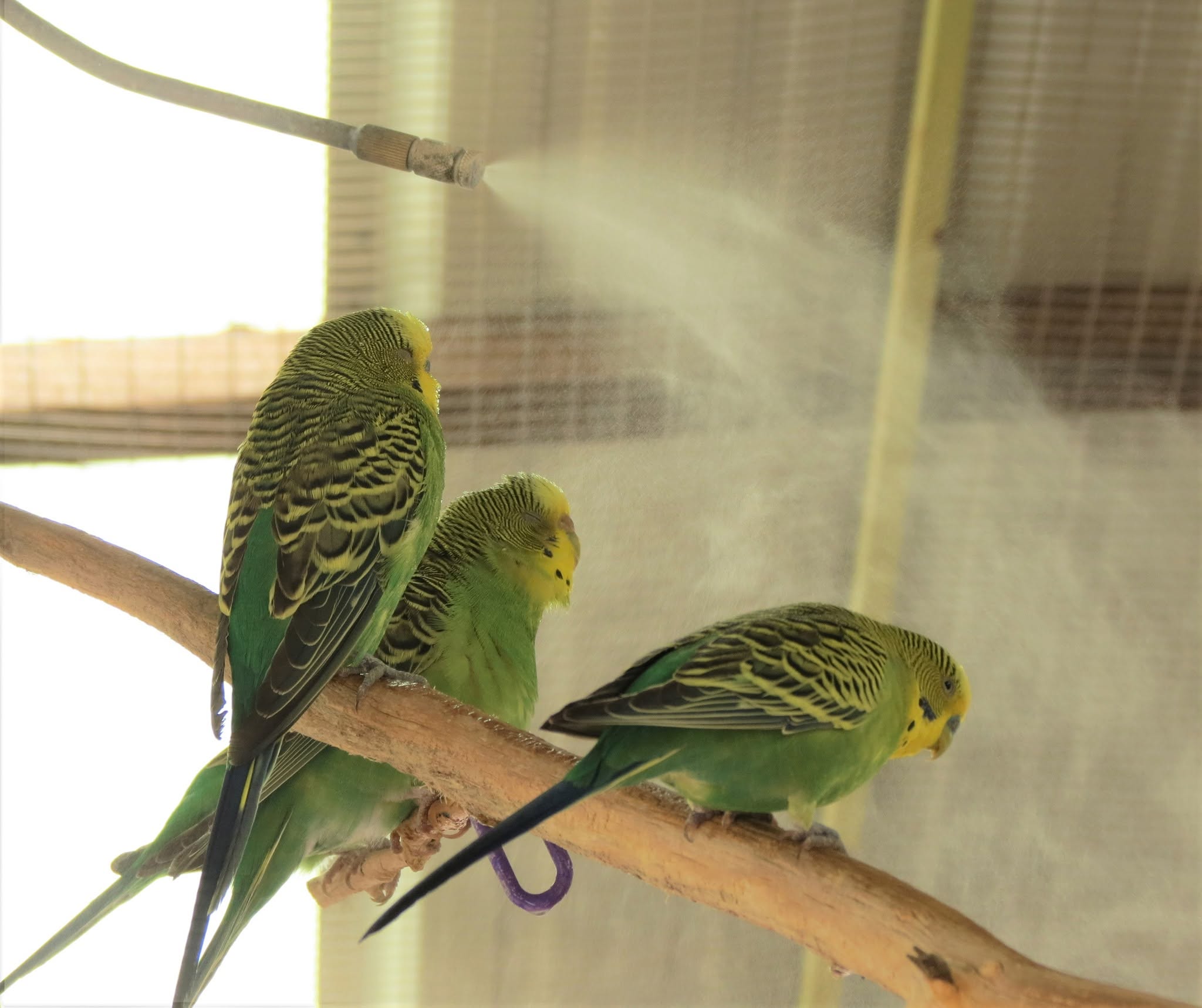
Do These Things Right Now — Today’s Checklist
- Move the cage away from any window that receives direct sunlight. Right now. Do not wait until it gets hot. A cage near a south or west-facing window that is in direct sun for any part of the day needs to move. The temperature behind glass in direct sun can be ten to fifteen degrees higher than the ambient room temperature. That is lethal territory for a small bird.
- Identify the coolest room in your home and consider moving the cage there. Usually a north-facing room, an interior room away from the sun, or a room that gets morning light but not afternoon sun. In serious heat, the coolest room in the house is where the bird belongs.
- Ensure fresh water is available and change it now. In heat, water warms quickly and becomes contaminated faster. Change the water this morning, again at midday, and again in the evening. Clean the container each time — do not just refill. A bird that is heat stressed drinks more water than usual. That water must be clean and cool.
- Do not put the cage in a conservatory under any circumstances. A conservatory during a UK heatwave is one of the most dangerous locations a bird can be. Temperatures in conservatories during amber heat events regularly exceed 40 degrees. A bird in a conservatory during this heat event is in danger of dying. Move it now if it is there.
- Create airflow in the room without creating a direct draught on the cage. A fan circulating air in the room — not pointed directly at the bird — can make a significant difference. Position it so it moves air in the room generally. A direct stream of cold air onto a heat-stressed bird can cause respiratory shock. The goal is cooler air in the room, not wind on the cage.
- Offer a very shallow dish of cool water near or in the cage for bathing. Many birds will bathe during heat stress as a cooling mechanism. A very shallow dish — no more than a centimetre of water — allows bathing safely. Some birds will not use it; others will bathe repeatedly. Both responses are fine. The option should be there.
- Close curtains or blinds on sun-facing windows. Blocking direct sunlight from entering the room reduces the temperature significantly. This is simple and effective and costs nothing. Do it now for any room that receives afternoon sun.
- Do not handle the bird during the hottest part of the day unless necessary. Handling causes stress and stress raises body temperature. During serious heat, leave the bird as undisturbed as possible during peak temperature hours — typically midday to four in the afternoon.
- Know the number of an avian vet before you need it. If you do not already have this, find it now. An amber heat warning day is not the moment to be searching for an emergency avian vet. Find the nearest one with avian experience, note their number and their emergency arrangements, and keep it accessible.
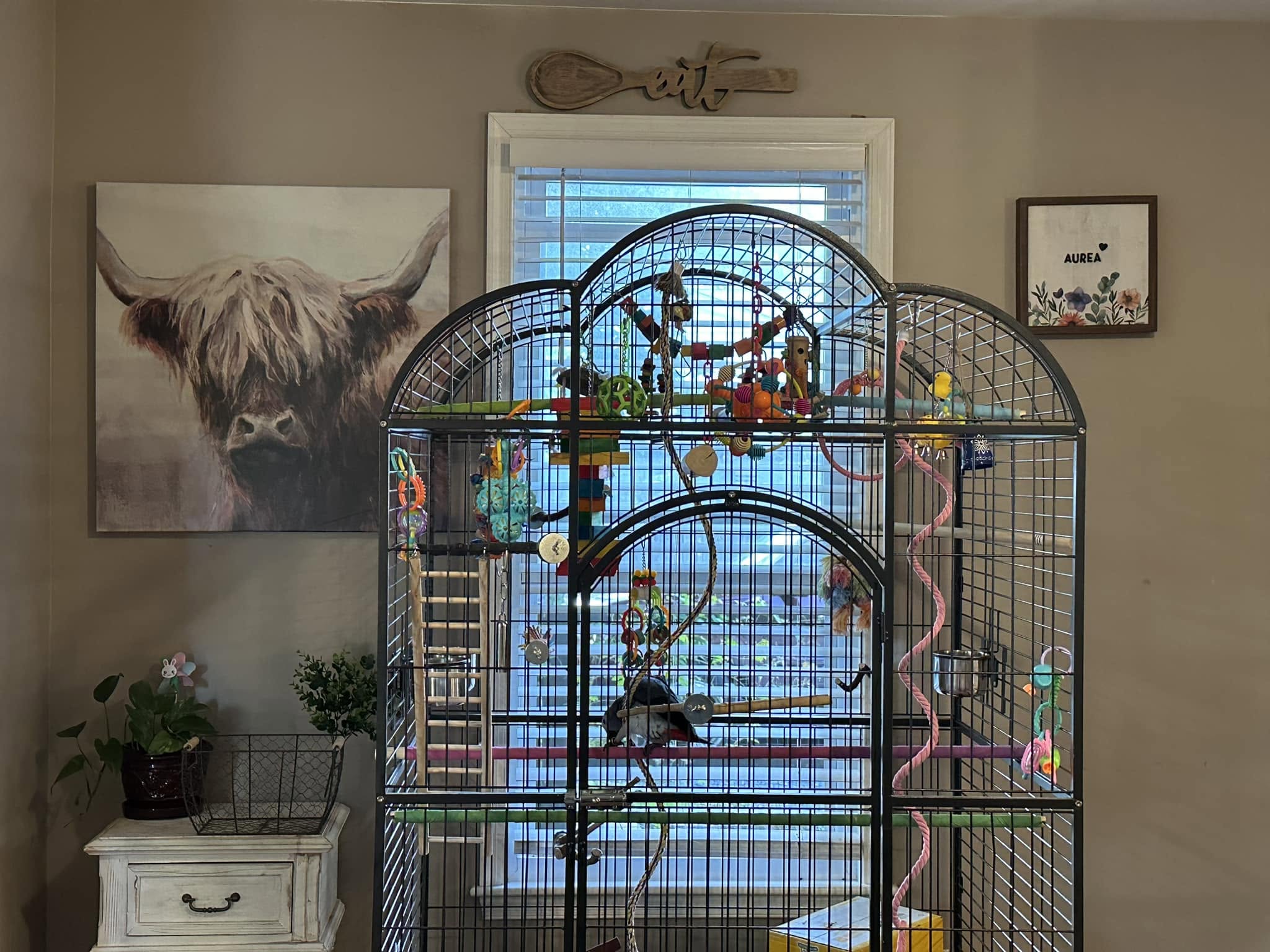
The Signs Of Heat Distress In A Bird — Act On These Immediately
These are the signs that mean your bird is in serious trouble. If you see any combination of these, act without delay.
- Wings held away from the body — not fully spread, but noticeably held out from the sides. This is the bird trying to dissipate heat. It is an early sign, and it means the bird is already uncomfortable
- Open beak breathing at rest — a bird that is breathing through its open beak when it has not been exercising is struggling to regulate temperature through respiration. This is beyond early warning territory
- Rapid, visible breathing — you can see the chest or tail moving visibly with each breath at a faster rate than normal. A budgie breathes roughly 60 to 80 times per minute normally. Significantly faster than that at rest is a warning sign
- Sitting low on the perch or on the cage floor — a heat-stressed bird often descends to the lowest point it can reach, where temperatures are marginally cooler. A bird on the cage floor that is not normally there is a bird in serious distress
- Glassy or half-closed eyes — a bird with unfocused, glazed, or partially closed eyes that is not sleeping is a bird that is in significant physiological stress. This is a serious sign
- Loss of balance or weakness — a bird that is swaying, falling, or unable to grip its perch properly is in advanced heat stroke. This is an emergency. Contact a vet immediately
- Unresponsiveness — a bird that does not react to your presence, voice, or movement in its normal way is in serious trouble. This is urgent
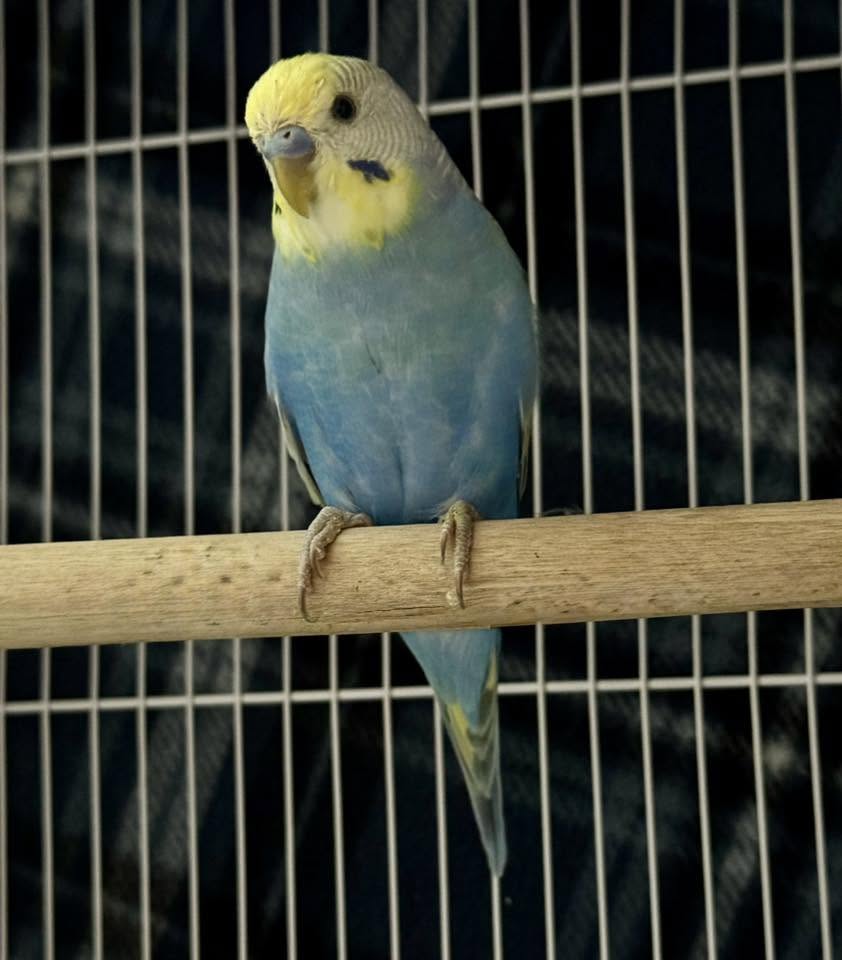
If Your Bird Is Already Showing Heat Distress — What To Do Right Now
If your bird is already showing the signs above, do not wait. Here is the immediate response.
Move the bird to the coolest location you have — immediately. Do not delay while you read the rest of this section. Move it now.
Once in a cooler location, offer cool — not cold — water. Do not apply ice or very cold water directly to the bird. The thermal shock of extreme cold on a heat-distressed bird can cause cardiac stress. Cool, room-temperature water is what you want. A very slightly damp cloth held near the bird — not wrapped around it — can help. Misting very lightly with cool water can help. Do not soak the bird.
Contact an avian vet immediately. Heat stroke in a small bird moves fast. Professional assessment is not optional if the bird is showing serious signs — glassy eyes, loss of balance, open beak breathing, unresponsiveness. Call while you are doing the above, not after.
Keep the bird quiet and undisturbed. Stress worsens the situation. Low light, low noise, cool air moving gently in the room.
Do not put the bird back in a warm location once it has begun to recover. The risk of relapse is real. Keep it in the cool location for the rest of the day.
Species-Specific Notes — Some Birds Need More Attention Than Others
All pet birds are at risk in serious heat, but some need particular attention.
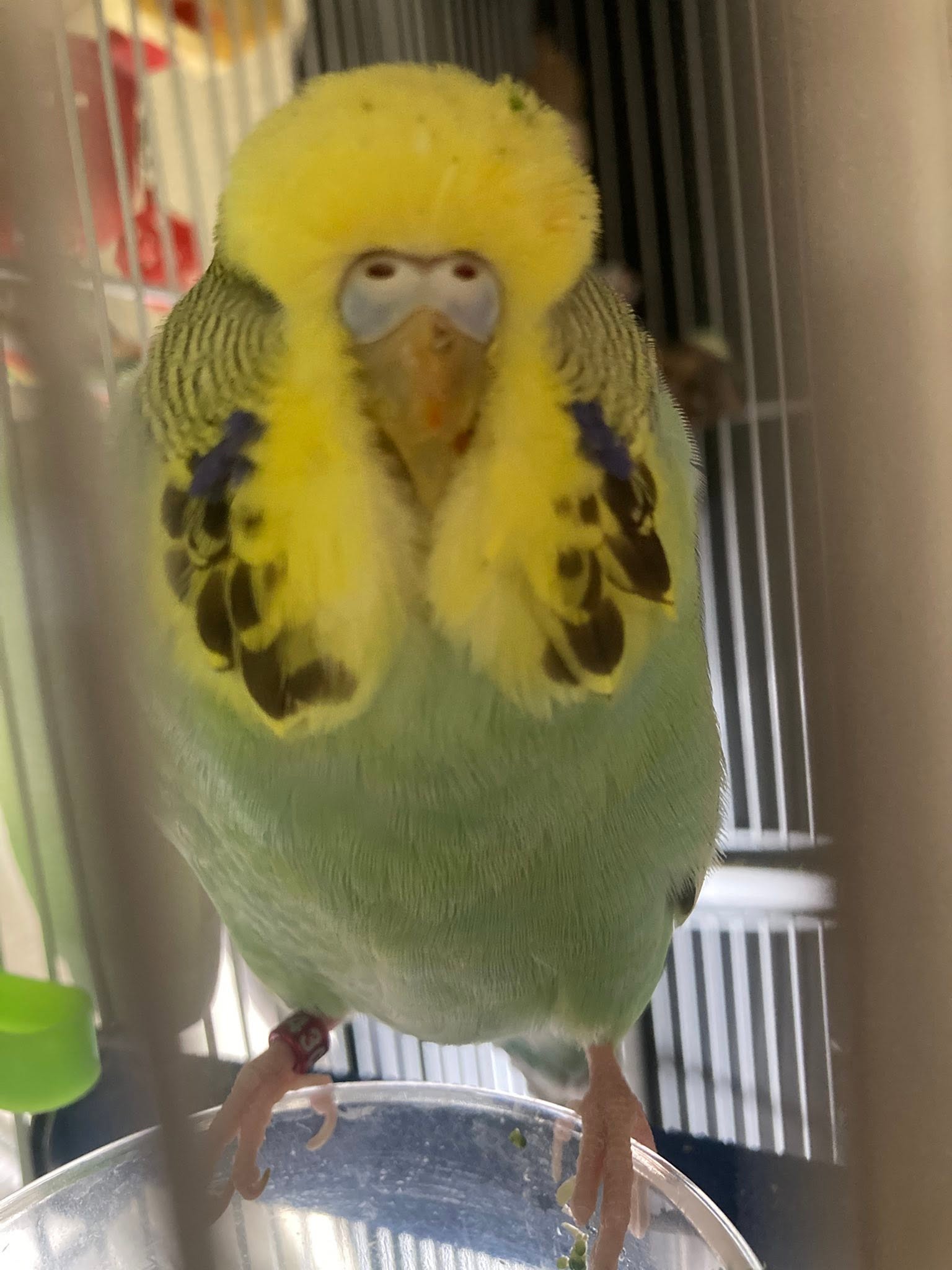
Budgies are small, which means they heat up and cool down faster than larger birds. They are adaptable but not equipped for sustained high temperatures in the conditions of a UK home. Watch them carefully and act early.
Canaries are similarly small and similarly vulnerable. They often show heat stress through a sudden reduction in song — a canary that goes quiet in heat is a canary that is struggling.
Cockatiels are larger and somewhat more resilient, but prolonged heat is still dangerous and they are not immune to heat stroke. Their crest is a useful indicator — a crest that is flattened and held tight in heat, combined with open beak breathing, is a serious sign.
Finches kept in outdoor aviaries or near windows are at particular risk. Ensure shade is available across the entire aviary at all times during a heat event, not just part of it.
Older birds and birds with existing health conditions are at elevated risk regardless of species. If your bird is elderly or has had respiratory or cardiac problems, treat today’s heat as a higher-level emergency than you would for a young, healthy bird.
The Things That Make Heat Worse — Avoid These Today
Beyond the direct action checklist, there are things that make heat stress significantly worse for birds that are worth being explicit about.
Cooking — particularly with non-stick cookware — releases fumes that are always dangerous to birds and are more concentrated in a hot, poorly ventilated home. If you are cooking during a heatwave with windows closed, your bird needs to be in a different part of the house with a door between it and the kitchen. Non-stick pan fumes are lethal to birds and the risk is heightened when ventilation is reduced.
Aerosol sprays, cleaning products, air fresheners, and scented candles all present elevated risks in a poorly ventilated, hot home. Birds already under thermal stress are less able to cope with any additional respiratory challenge. Today is not the day for cleaning sprays near the bird room.
Do not rely on the bird looking fine as evidence that everything is fine. Budgies and other birds hide physiological stress extremely well. A bird that looks normal may be under significant thermal stress that is not yet visible. Prevention — moving the cage, managing ventilation, changing water — is always the right approach, not monitoring and reacting.
For Owners With Outdoor Aviaries
If you keep birds in an outdoor aviary, today demands specific action.
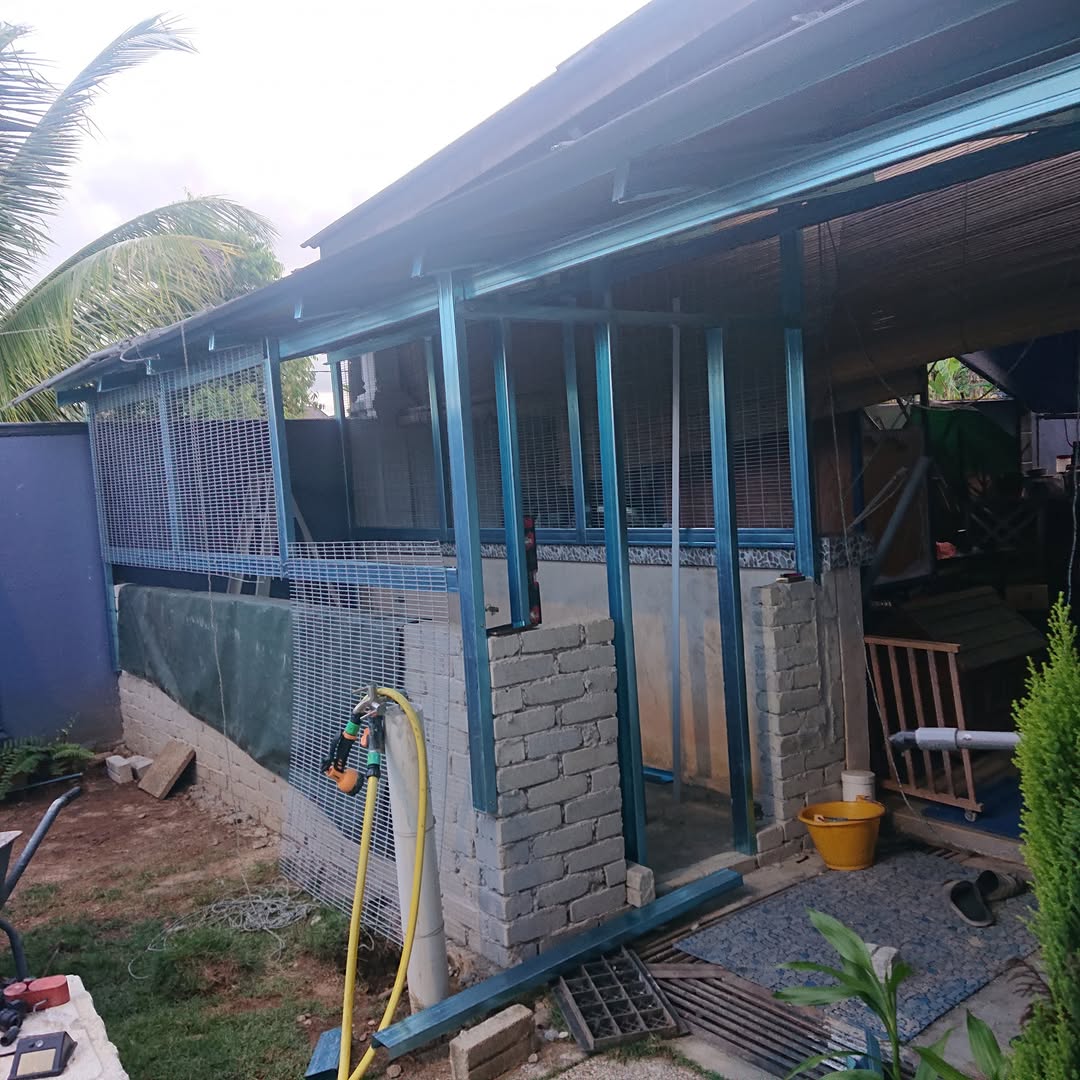
Check that shade covers the entire aviary at every point of the day — not just part of it. The sun moves. A section of aviary that is shaded at ten in the morning may be in full sun at two in the afternoon. Walk around the aviary and look at where direct sun falls throughout the day. Add shade netting, temporary covers, or move the aviary if any section is in direct sun for any sustained period.
Ensure water is available in multiple locations in the aviary and is changed more frequently than usual. In an outdoor aviary on a hot day, water can reach temperatures that are too warm to cool a bird effectively within a couple of hours.
Consider whether the ambient temperature of your aviary location is manageable. A south-facing brick wall behind an aviary can radiate heat significantly above ambient temperature. If the aviary location is particularly exposed, temporarily moving birds indoors for the hottest part of the day is a reasonable decision.
Quick Reference — Amber Heat Warning Action Summary
| Action | Priority | When |
|---|---|---|
| Move cage from direct sunlight | 🔴 Urgent | Right now |
| Move to coolest room if possible | 🔴 Urgent | Right now |
| Change water, clean container | 🔴 Urgent | Now, midday, evening |
| Close curtains on sun-facing windows | 🔴 Urgent | Right now |
| Remove from conservatory immediately | 🔴 Emergency if applicable | Right now |
| Set up fan for room airflow (not direct) | ⚠️ Important | Today |
| Offer shallow bathing dish | ⚠️ Important | Today |
| Find avian vet number | ⚠️ Important | Today, before you need it |
| Avoid aerosols and cooking fumes near bird | ⚠️ Important | All day |
| Watch for heat distress signs every few hours | ⚠️ Important | All day |
Frequently Asked Questions
At what temperature is a pet bird in danger?
Most pet birds — budgies, cockatiels, canaries, finches — are comfortable between roughly 18 and 26 degrees Celsius. Above 30 degrees, particularly with humidity, physiological stress begins. Above 35 degrees in a cage with poor ventilation, the risk of heat stroke is real and rises quickly. During an amber heat warning event, many UK rooms — particularly south-facing rooms, conservatories, and rooms with poor ventilation — can exceed these temperatures significantly. Act on location and ventilation before the temperature reaches dangerous levels, not after.
Can I use ice to cool my bird down?
Not directly on the bird. Thermal shock from very cold water or ice applied to a heat-stressed bird can cause cardiac stress. Cool — not cold — water is correct. You can place a freezer pack wrapped in a cloth near the cage, outside it, to bring the ambient temperature down slightly. Misting the bird very lightly with cool water is acceptable. Ice in the water dish to keep drinking water cool is fine. What to avoid is applying anything very cold directly to the bird’s skin or submerging it in cold water.
My bird seems fine — should I still take action?
Yes, absolutely. Birds hide heat stress extremely well until it becomes heat stroke, and the visible signs often appear only when the situation is already serious. The value of the checklist above is precisely that it protects the bird before signs appear, not in response to them. A bird that seems fine right now may be in significant thermal stress that is not yet visible. Act on the environment, not on the bird’s apparent state.
Is a fan safe to use near a bird cage?
Yes, with an important qualification — the fan should circulate air in the room, not blow directly onto the cage. A direct stream of cool air onto a heat-stressed bird creates a draught risk and can cause respiratory shock. Position the fan so it moves air generally in the room, away from the direct cage position. The goal is a cooler room temperature, not wind on the bird.
I have an outdoor aviary — what should I do?
Check shade coverage across the entire aviary at every point of the day. Ensure water is available in multiple locations and changed more frequently than usual. Consider temporarily moving birds indoors if the aviary location is particularly exposed or hot. Prioritise this today — outdoor birds during an amber heat event are at significant risk if shade and water management are inadequate.
Where can I get immediate bird advice in Swindon?
Come and see us at Paradise Pets, Manor Garden Centre, Cheney Manor, Swindon SN2 2QJ. Or ring us on 01793 512400. If your bird is showing signs of heat distress, call an avian vet first — but we are here for advice and assessment and we will always tell you honestly when a vet is what is needed.
One Last Thing From Me
I have written this quickly and I have written it directly because this is not the moment for a measured, discursive article. An amber heat warning across England means today is a day when small birds in UK homes are dying because their owners did not know what to do, or knew but did not act quickly enough.
I do not want that to happen to anyone who reads this.
The checklist above takes less than an hour to act on. Most of it takes minutes. Move the cage. Change the water. Close the curtains. Find the vet number. Check on the bird every couple of hours. Those are small actions with large consequences in a heat event like this one.
Share this article with every bird owner you know. Put it in every bird keeping group you are part of. The information is simple and the stakes are real.
And if you are in Swindon and you are worried — ring us. We are here.
Worried About Your Bird In This Heat? Ring Us Now
We are at the counter and we will give you honest, immediate advice. If your bird is showing signs of distress, call an avian vet first — but we are here for everything else. No charge, no obligation. We have been doing this for 35 years and days like today are exactly why.