
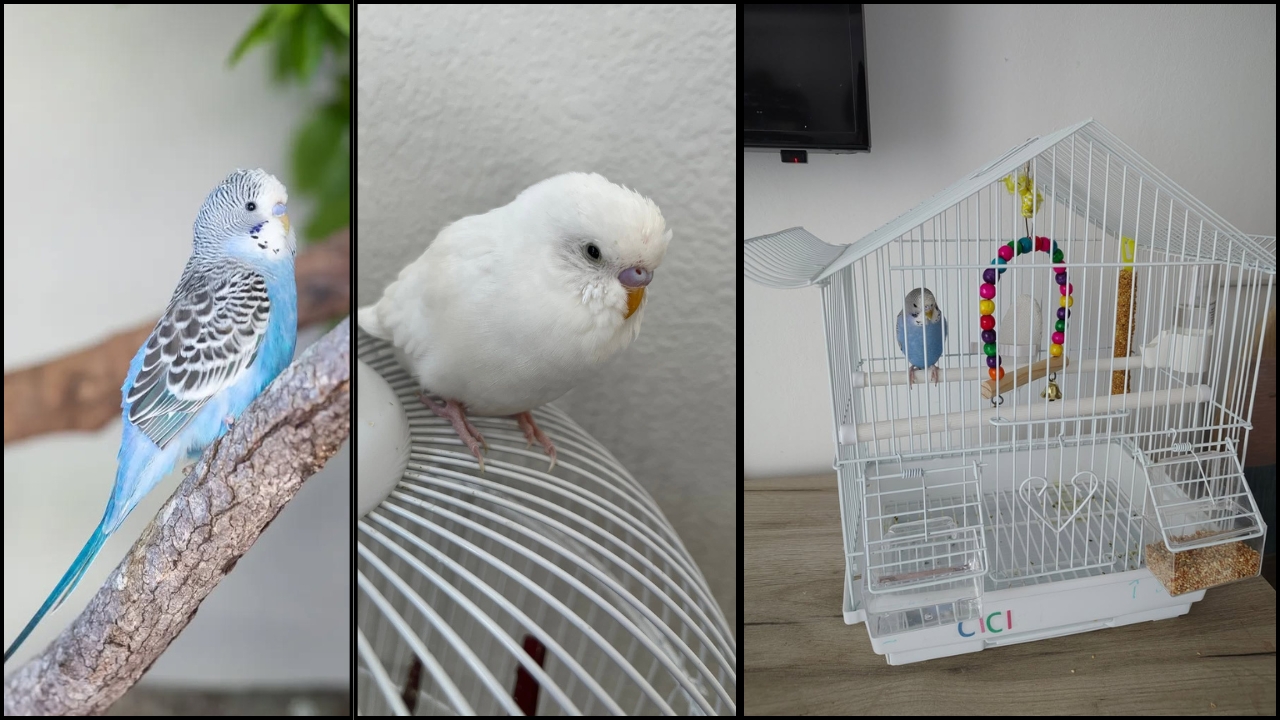

One reason the cheap-cage article worked is simple: owners understand a hidden mistake when they can picture the consequence. With birds, one quiet consequence is a pet that stops behaving like itself.
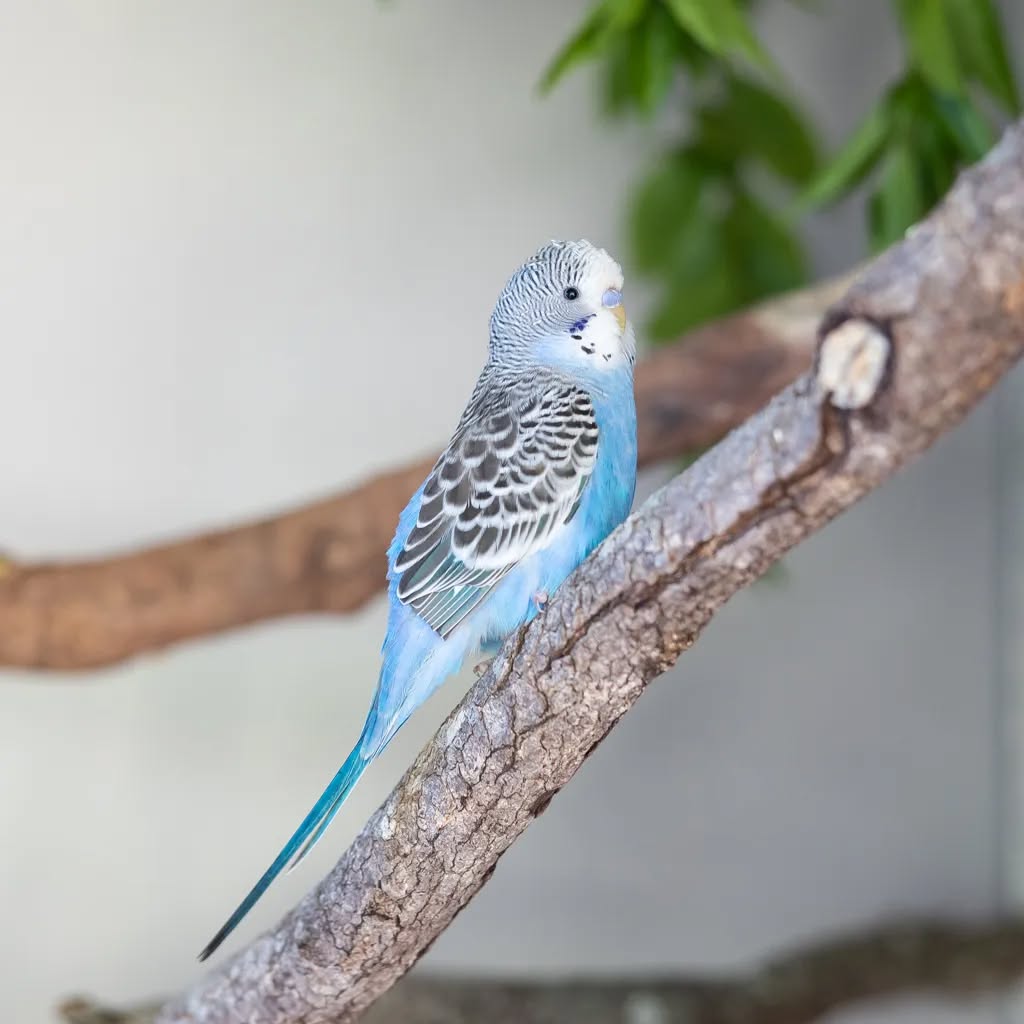
A bird that sings less, moves less or sits in one place for longer than normal is not always being moody. Sometimes the cage is making normal behaviour harder. It may be too cramped, badly shaped, placed in the wrong part of the room, or filled with items that leave very little useful flying and stretching space.
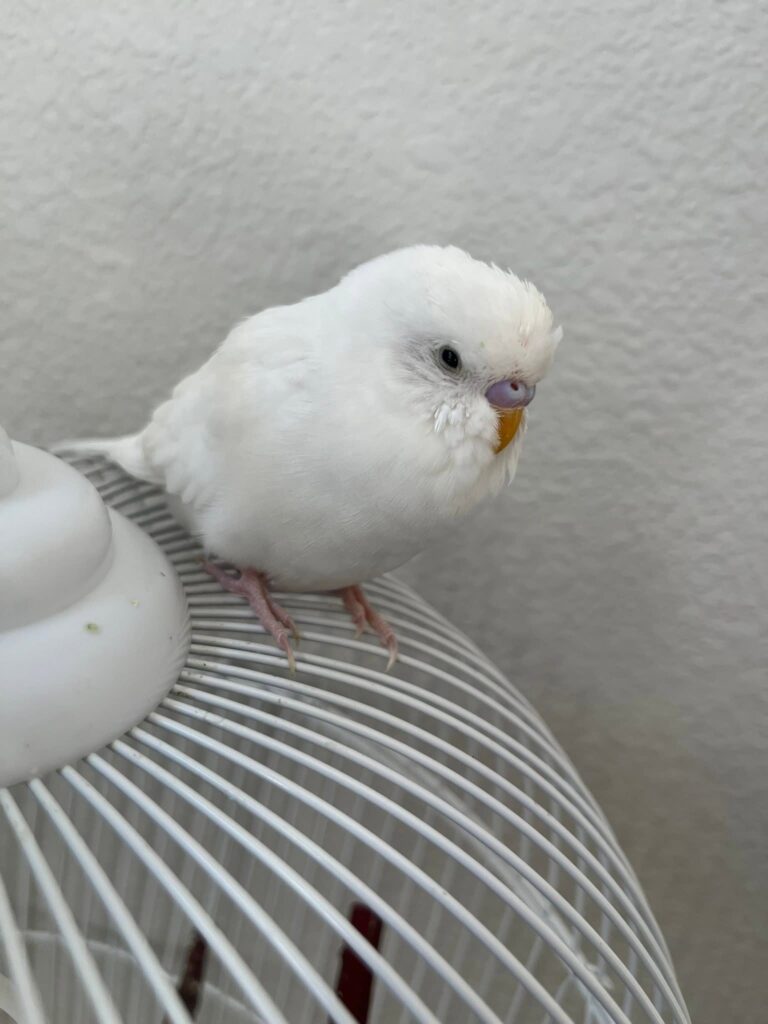
Neil sees this problem regularly with new bird owners. The cage looked fine in a photo, the label sounded suitable, and the price felt sensible. Then the bird comes home and the owner slowly realises there is not much practical room left once perches, bowls, toys and swings are inside.
Why This Matters
The RSPCA says pet birds need the right environment, enrichment, company and space to behave naturally. That matters because birds are active animals, not decorations for a corner of the room.
The most common mistake is measuring the outside of the cage without thinking about usable space. A narrow cage with a tall roof can impress the owner while giving the bird less useful side-to-side movement.
The Quick Owner Check
- Watch the movement
Can the bird move between perches without squeezing around toys or bowls? - Check the width
For many pet birds, horizontal space is often more useful than a cage that is simply tall. - Look at perch placement
Perches should not force the bird to sit directly over food or water bowls. - Check daily behaviour
Less singing, less movement, feather damage or panic can mean the setup needs review. - Think about cleaning
If cleaning is awkward, owners often delay it, and that can quickly affect welfare.
What To Do Before You Buy Or Move The Cage
- Measure the real space
Look at the inside area left after bowls, perches, toys and a safe sleeping spot. - Avoid buying only by price
A cheaper cage can cost more later if it has to be replaced quickly. - Choose safer bar spacing
Bars should suit the species so the head, feet or wings cannot get trapped. - Plan enrichment lightly
Use toys and foraging items, but do not fill the cage until the bird loses movement space. - Ask for species-specific advice
Budgies, cockatiels and canaries do not all use space in exactly the same way.
The Mistake Neil Sees Most Often
The mistake Neil sees most often is buying a cage first and asking about the bird later. That order is backwards. The bird’s species, size, activity level and company needs should decide the cage.
Another mistake is putting a bird in a cage that is technically clean and pretty but mentally empty. Space and enrichment work together. A plain cage can bore a bird, while an overloaded cage can restrict it.
When To Get Help Quickly
If a bird suddenly becomes very quiet, sits fluffed up, struggles to perch, breathes differently, stops eating, or appears weak, do not treat it as a cage-shopping problem. Speak to a qualified vet quickly.
A better cage can improve daily welfare, but it is not a replacement for veterinary care when a bird looks unwell.
Neil’s Honest Advice
Neil’s advice is to buy the cage as if you are buying the bird’s whole living room, bedroom, gym and safe place at the same time. If that sounds like a lot, that is because it is.
The best cage is not always the flashiest one. It is the cage that gives the bird safe movement, easy cleaning, sensible enrichment and a calm position in the home.
Need help choosing a bird cage in Swindon?
Bring your room measurements and tell Neil what bird you keep. Paradise Pets can help you compare practical cage options before you spend money twice.