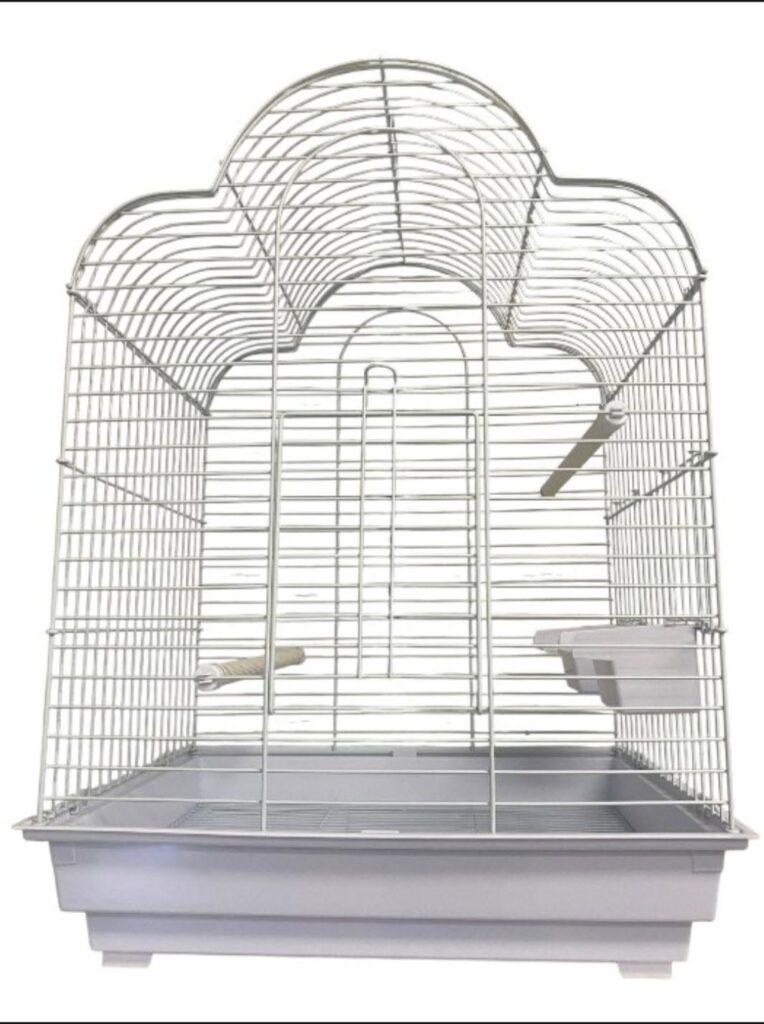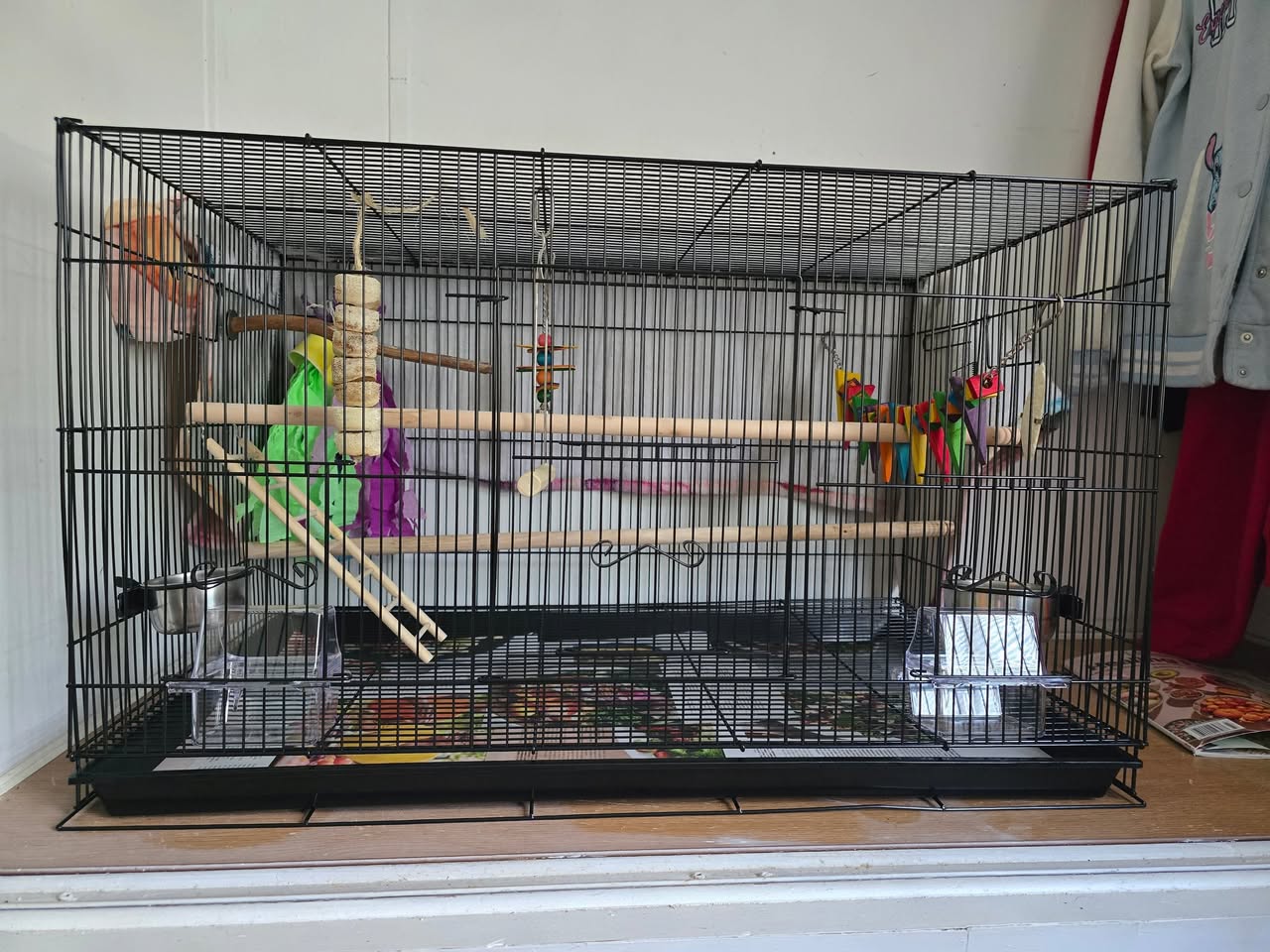

Before buying any cage, hutch or enclosure, there is one question owners rarely ask soon enough: what will this look like after the animal, food, water, bedding and accessories are actually inside?
Empty cages are misleading. They look bigger before bowls, bedding, perches, wheels, tunnels, hides, hay racks and toys are added. That is why the right buying question is not just ‘is this big enough?’
Neil’s better question is: ‘Can this animal live naturally in this setup once everything essential is inside?’
Why This Matters
PDSA explains that a pet’s cage or enclosure should be as large as possible and has to work as the animal’s toilet, dining room, bedroom and gym. That is a useful way for owners to picture the real job of a cage.
For birds and small animals, a cage is not storage. It is the main welfare environment. A small buying decision can affect cleaning, movement, stress, smell, safety and long-term cost.
The Quick Owner Check
- Ask what must go inside
Bowls, bedding, hides, perches and toys all reduce usable space. - Ask about adult needs
A young pet or new owner setup may change quickly. - Ask how cleaning works
If cleaning is difficult, welfare can suffer. - Ask about placement
The best cage can still fail in a hot, noisy or draughty spot. - Ask about future costs
Cheap first purchases often lead to replacement purchases.
What To Do Before You Buy Or Move The Cage
- Say the species first
Good advice starts with the animal, not the price tag. - Mention how many pets
A pair or group changes the space requirement. - Describe your room
Heat, sunlight, noise and floor space matter. - Ask what not to buy
Sometimes avoiding the wrong accessory is as useful as buying the right one. - Take measurements
Guessing at home is how cages end up squeezed into poor positions.
The Mistake Neil Sees Most Often
The mistake Neil sees most often is asking ‘what is the cheapest cage I can use?’ instead of ‘what cage will still work properly in six months?’
Another mistake is treating cages as generic. Rabbit hutches, guinea pig runs, hamster cages and bird cages solve different problems.
When To Get Help Quickly
If an animal is already showing stress, injury, overheating, breathing changes, not eating or unusual quietness, do not make the shop your first call. Speak to a qualified vet.
For normal setup advice, a good pet shop can help owners avoid expensive and stressful mistakes before they happen.
Neil’s Honest Advice
Neil’s advice is to slow the purchase down by five minutes. Those five minutes can prevent weeks of frustration.
A suitable cage should make the animal safer and the owner’s routine easier. If it only looks good on day one, it is not good enough.
Ask before you buy
Visit Paradise Pets with your pet species, room size and budget. Neil can help you choose a cage that fits the animal, not just the shelf label.